


Welcome to our blog!
It's all about our discoveries in our private Shady Oaks Sanctuary for birds, pollinators and wildlife. We gauge our success by the diversity of species we observe and document with our photography.
We hope you are inspired to create your own refuge!
Signs of Spring 3-7-26
Spring Forward Tonight!
Yes, it's that time already.
Here's a quick recap of birds seen in February along with our newest arrival!
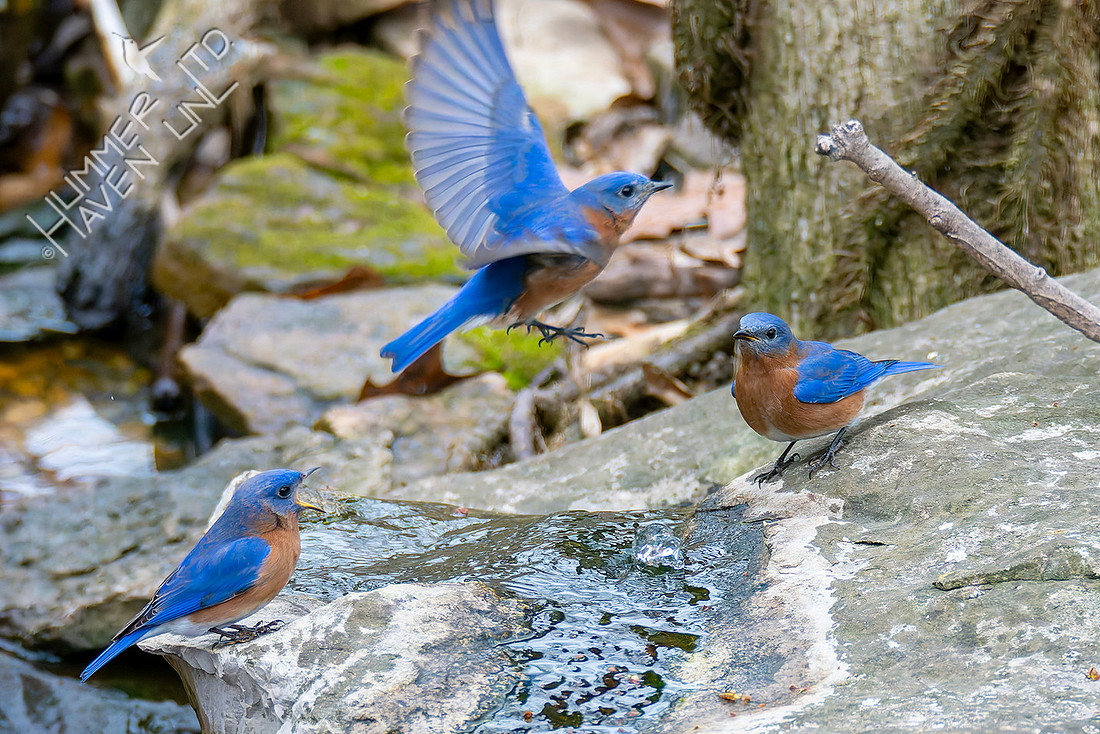
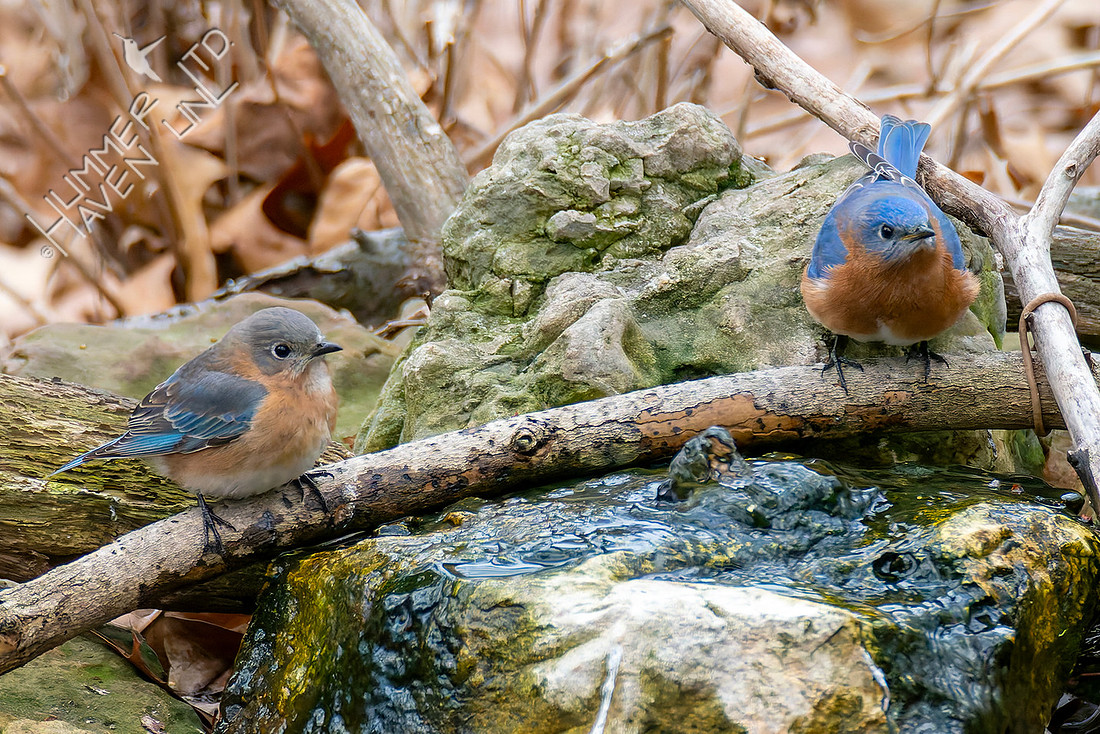
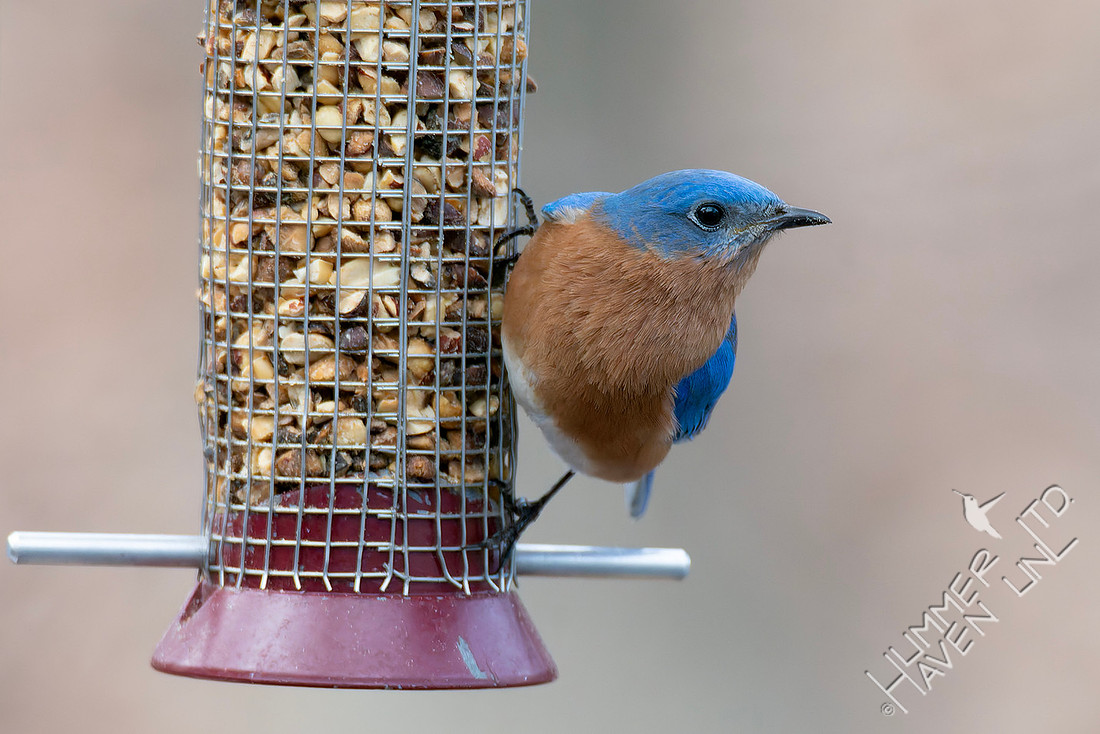
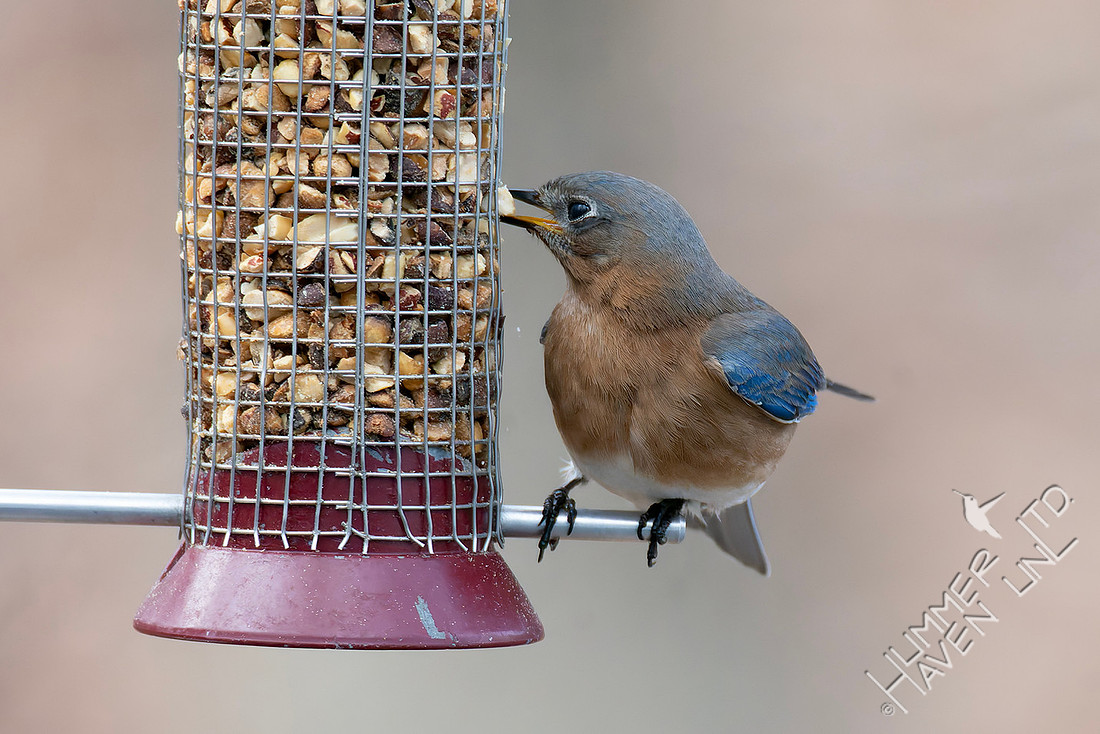
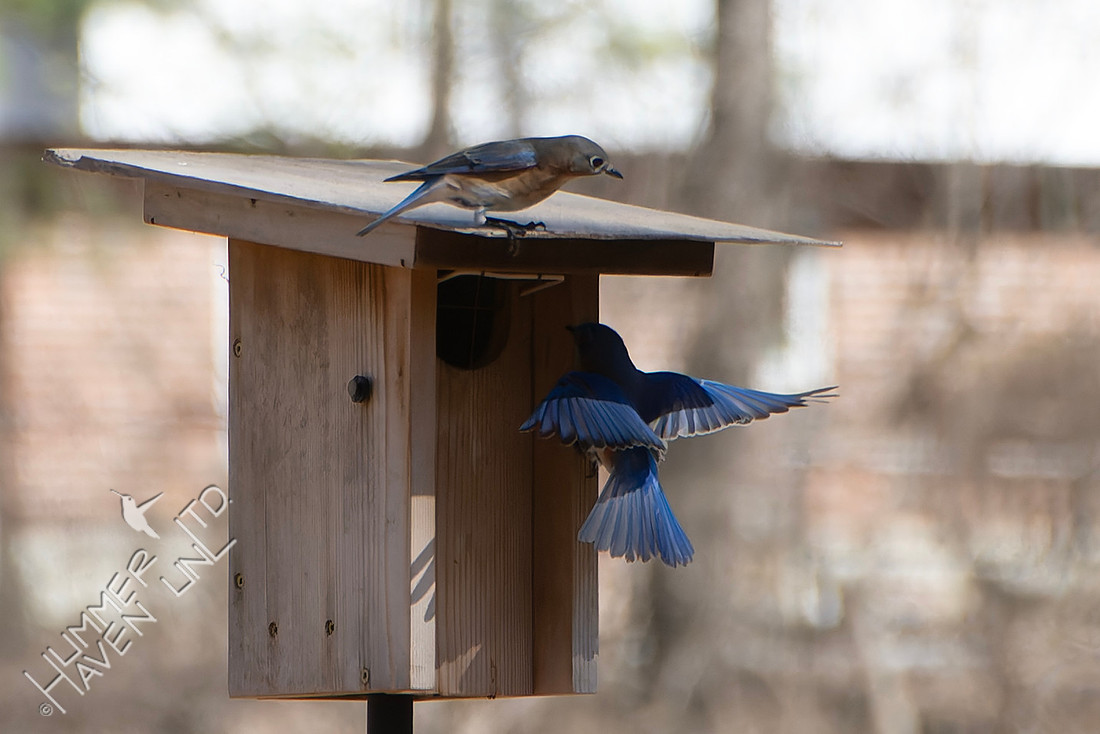
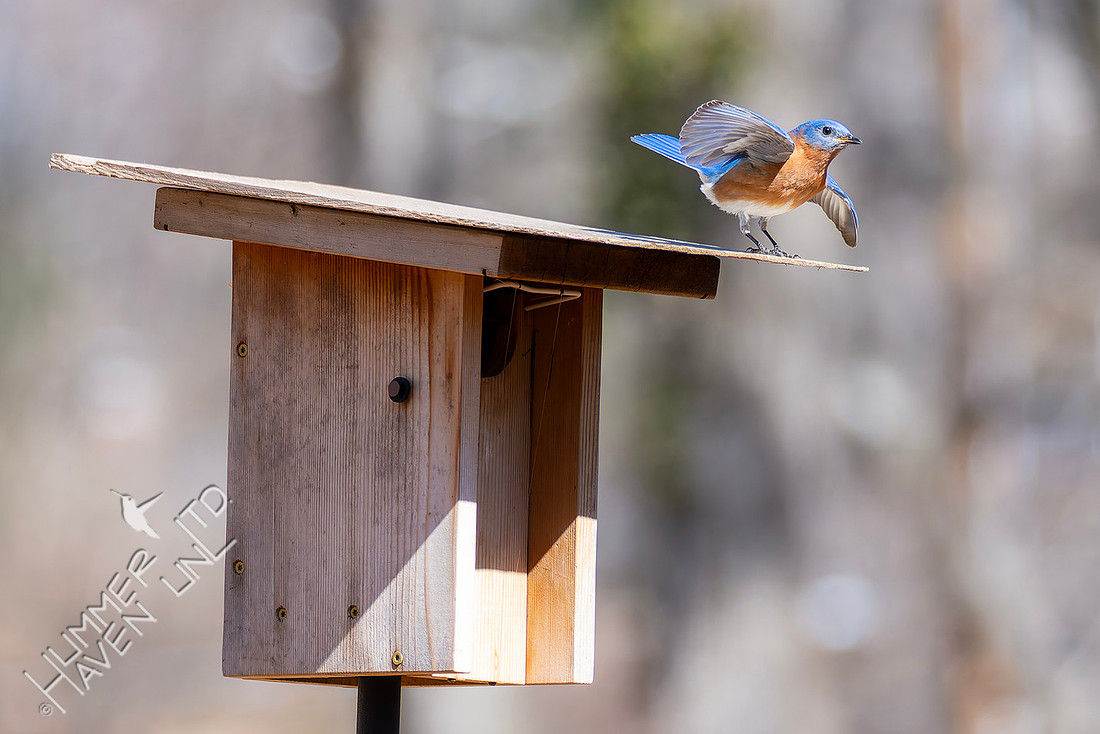
Eastern Bluebirds have been very active in our sanctuary. One bitterly cold day, I counted 25 bluebirds at the feeders and suet. We've been consistent with having food available and word sure gets around. Temperatures moderated and it was time to put up the nest box. As I walked with the box to the post, a pair of bluebirds came in to meet me! "What took you so long?" They eagerly claimed it and will soon be starting their first nesting of the season, with their happy wing-waving for us to witness.
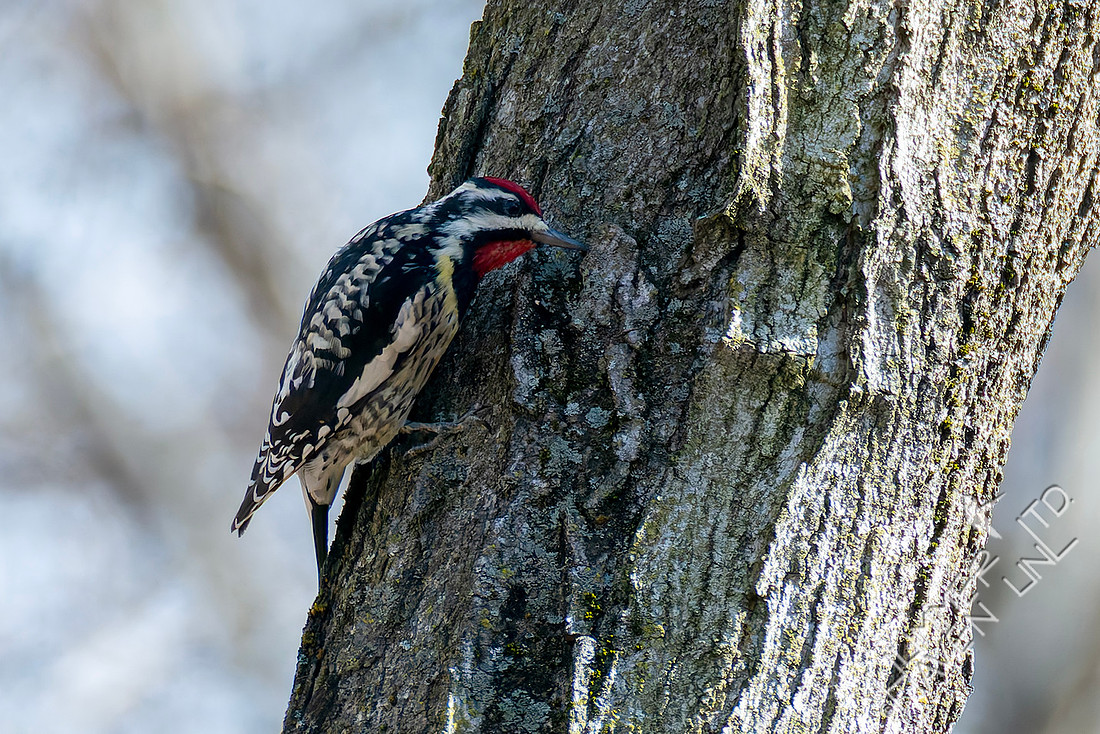
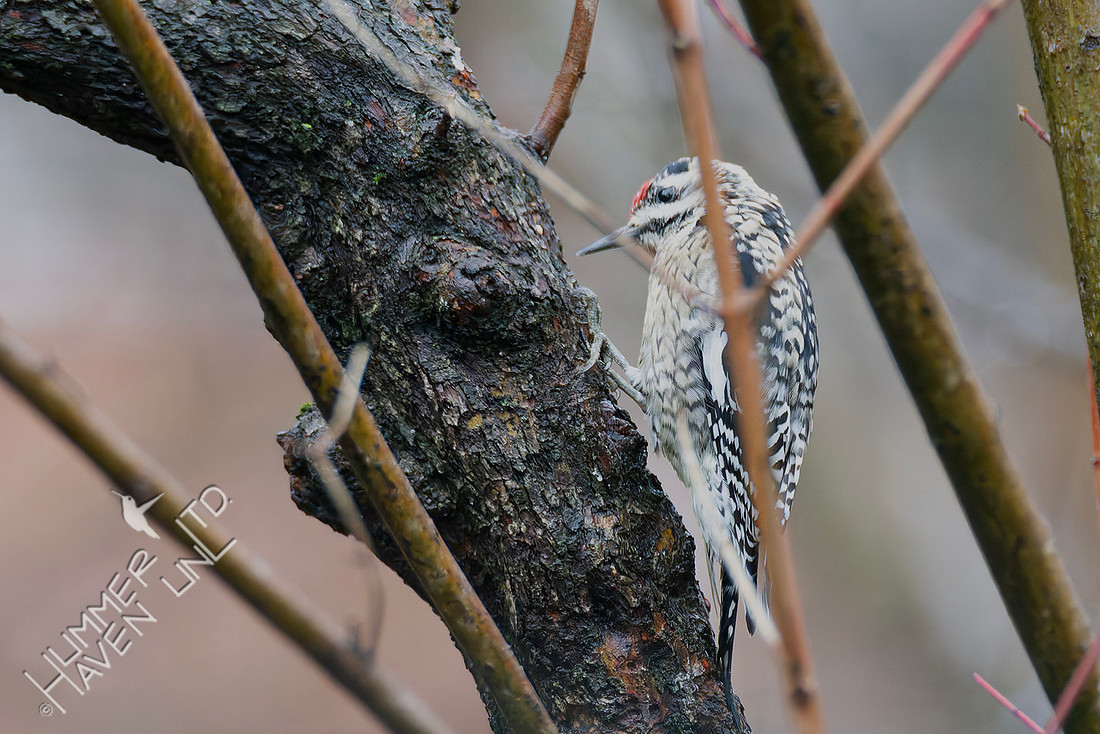
Yellow-bellied Sapsuckers are seen at the sap wells on the Sugar Maples on warmish days, like this male with the red throat, and foraging on other trees for insects, like the female.
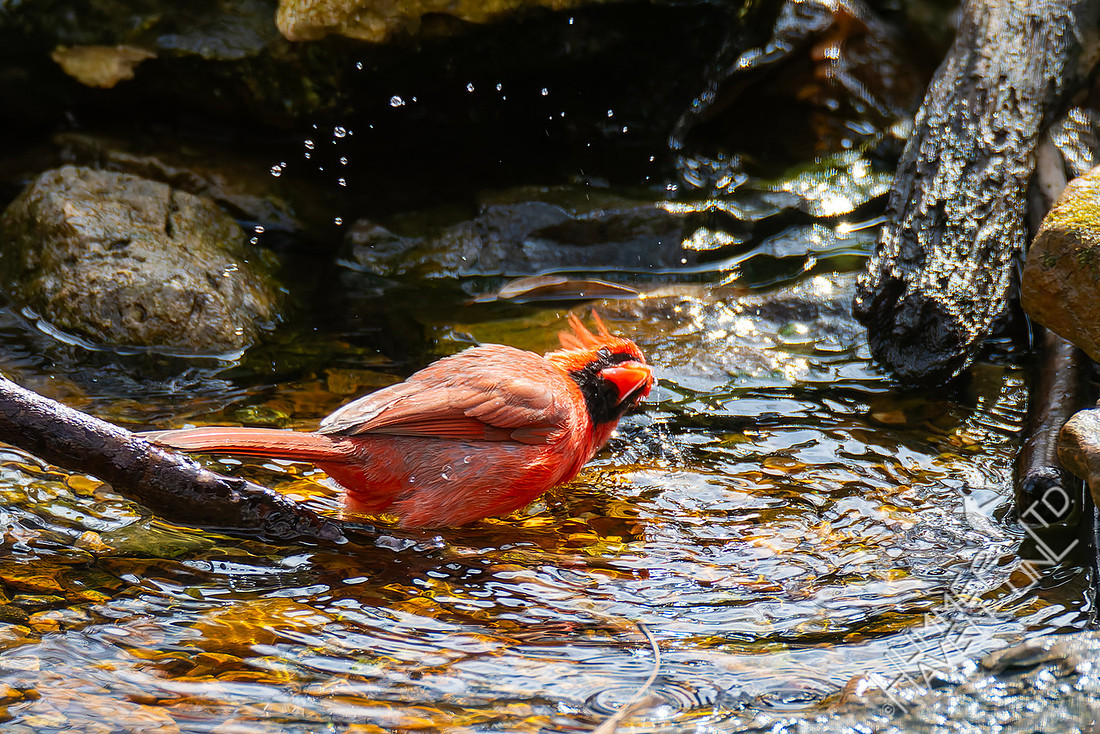
Northern Cardinals are among the residents that are sprucing up to look their best for their mates.
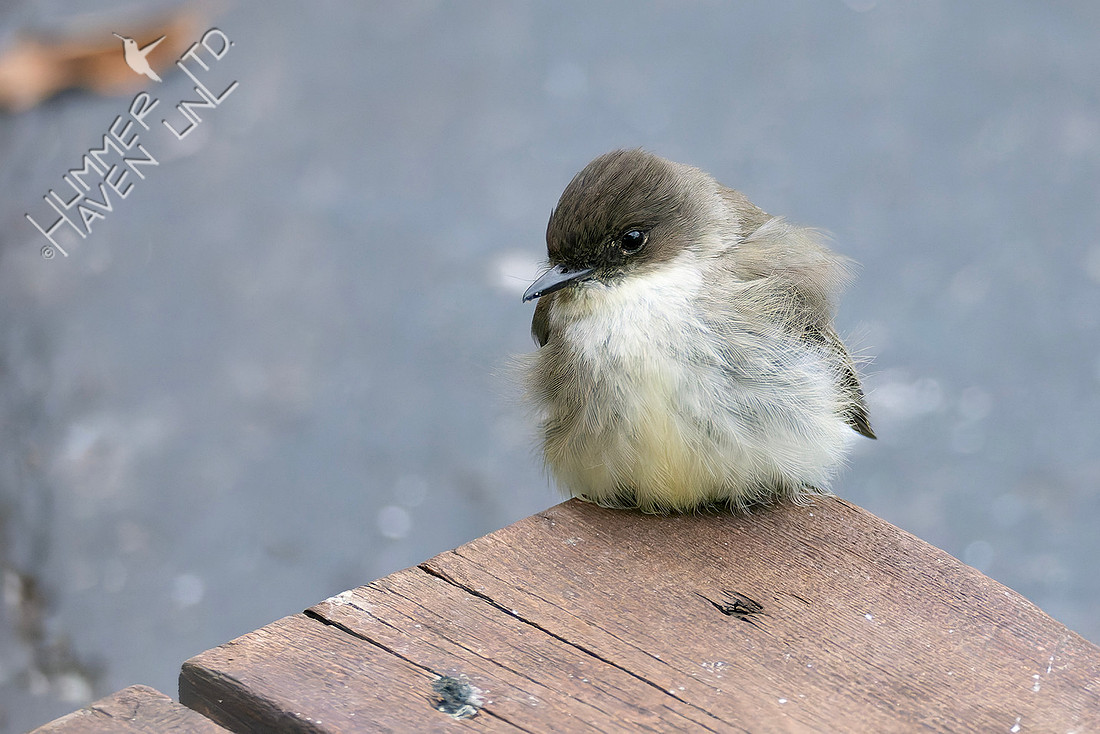
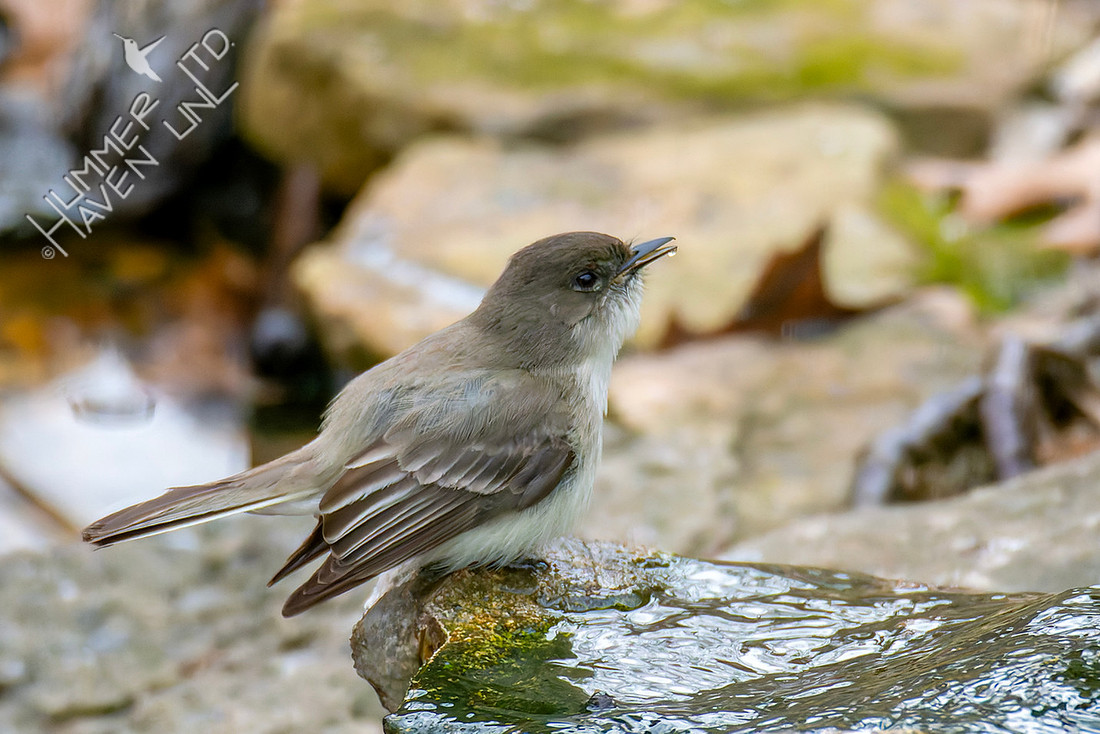
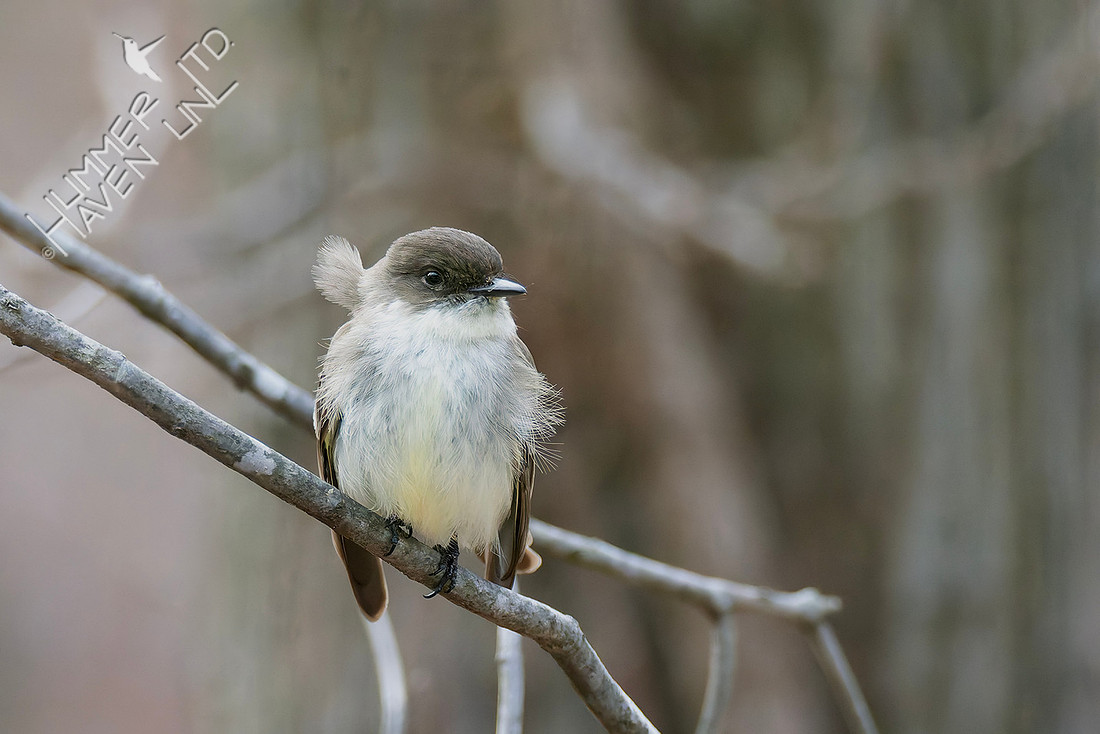 "Our" Eastern Phoebe has returned! It was first picked up on our Haikubox on 2-19-26. I finally confirmed it on 2-23-26. It has been making itself at home again, calling on territory and just waiting now for its mate to arrive.
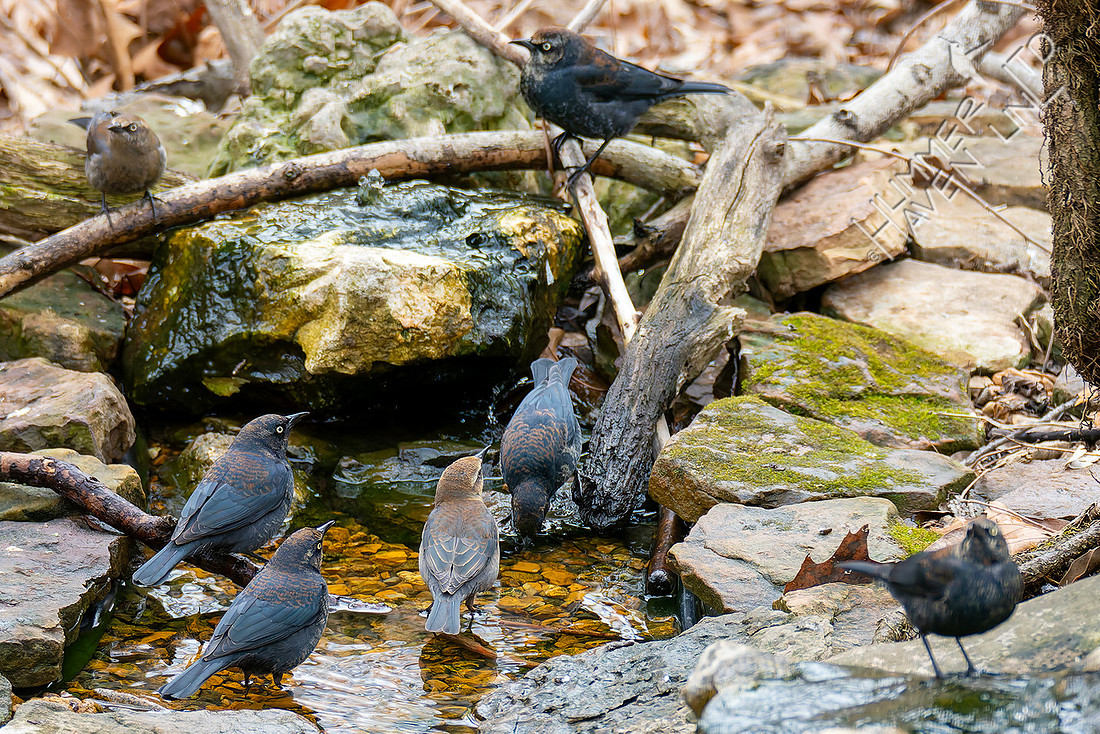
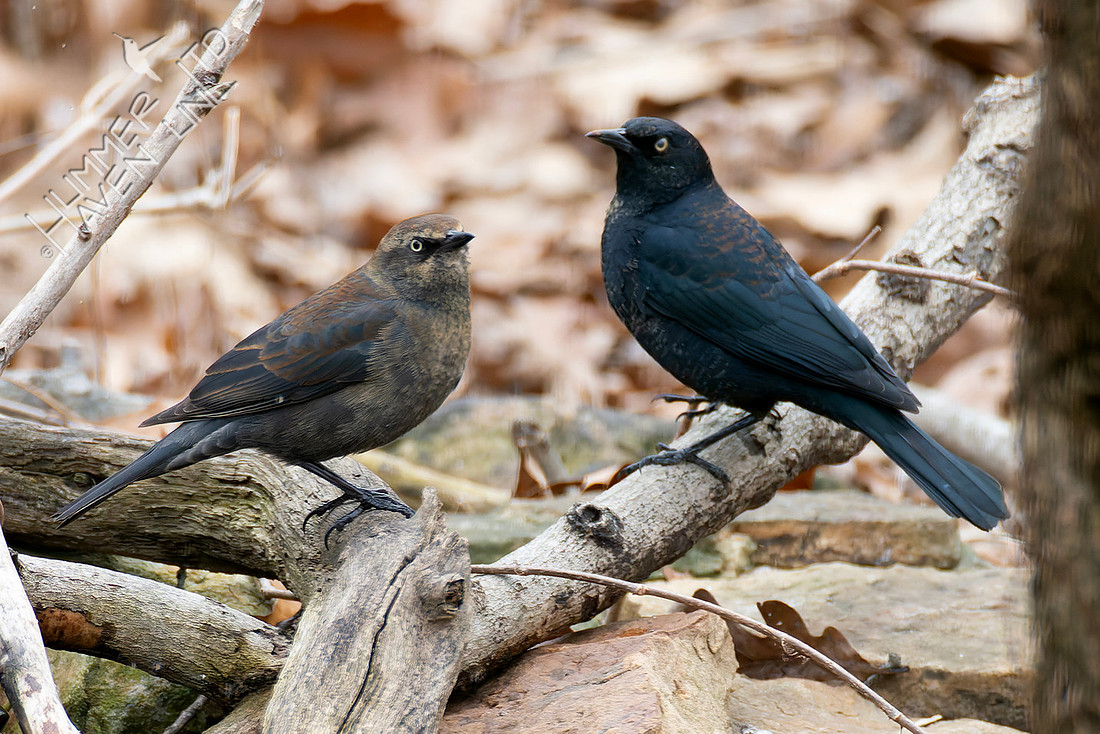
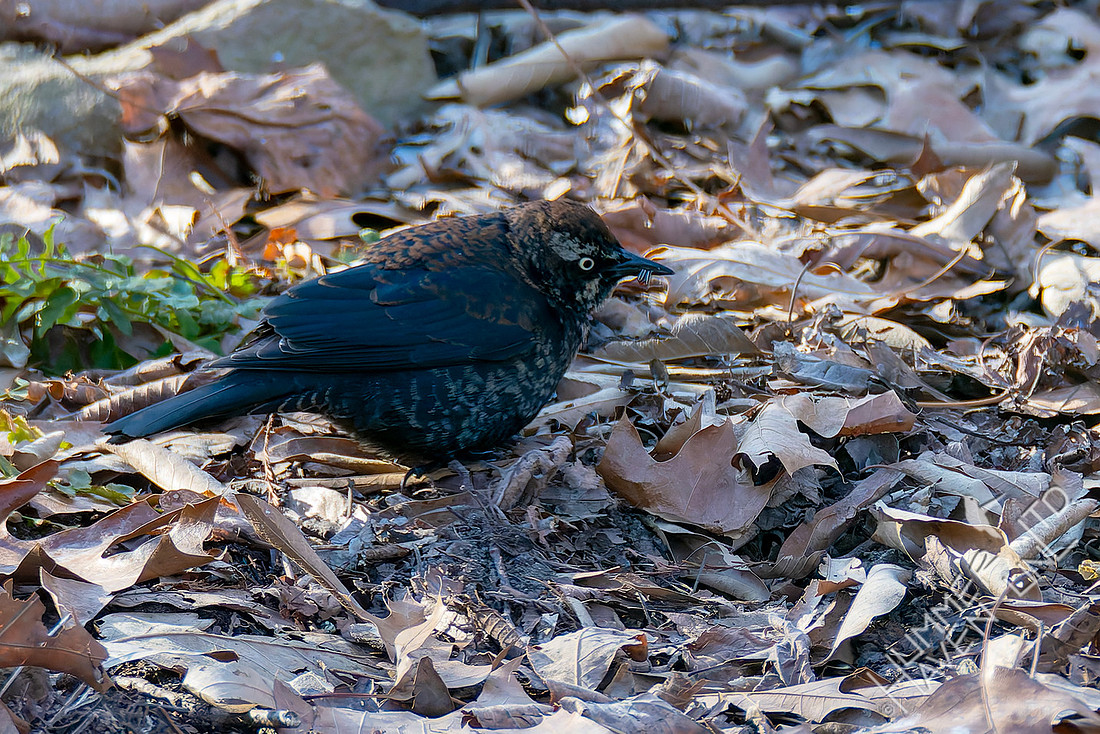
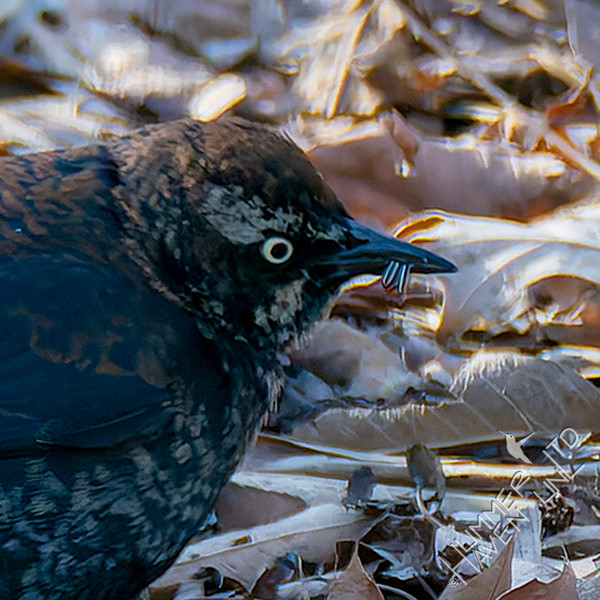
Rusty Blackbirds have been seen nearly every day, sometimes in flocks of 40-60. They forage in the leaves for tiny caterpillar larvae and pupae. Can you see the striped larvae in this bird's bill? This species is endangered and this is a perfect example of why we need to leave the leaves so they can find this essential food.
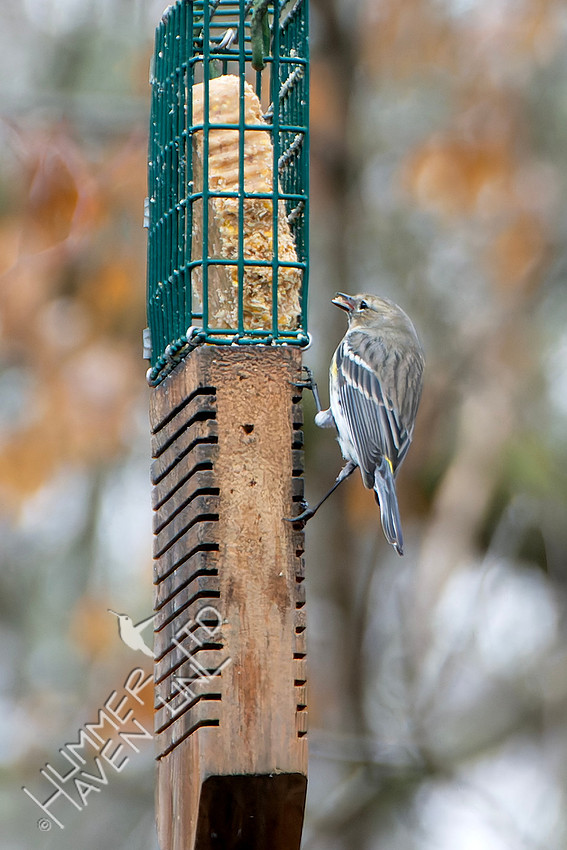
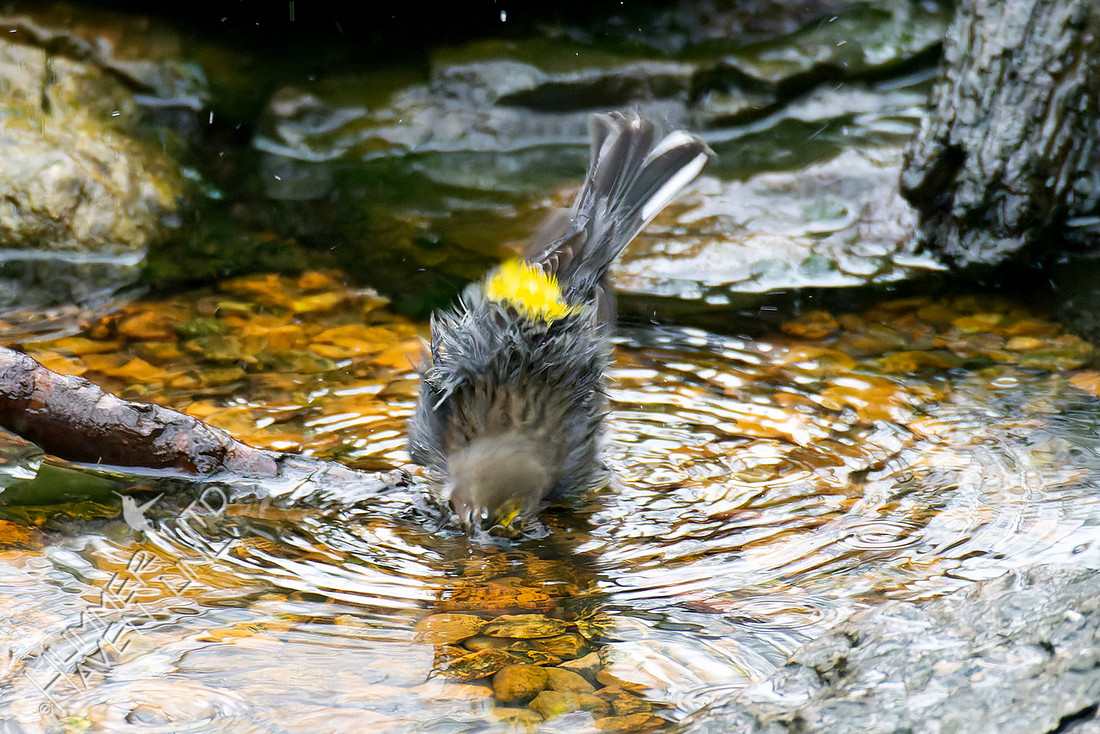
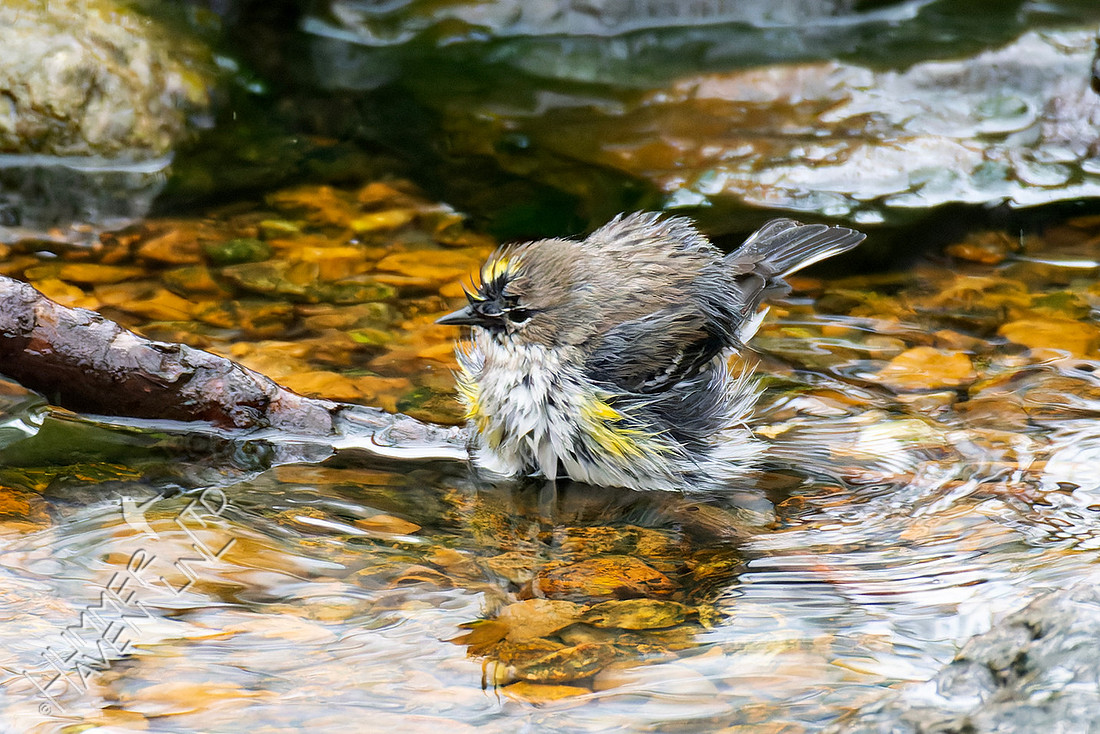
This Yellow-rumped Warbler also feeds on insects. The suet is supplemental in winter to its diet. Bathing keeps their feathers clean so they can stay healthy and escape predators.
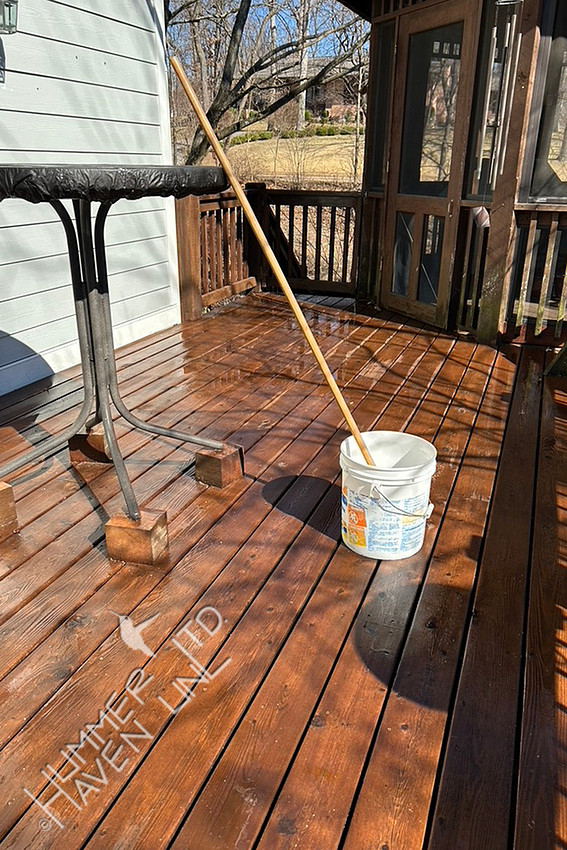
Spring cleaning the 'poop deck' is also important with so many birds coming in to feed. Thankfully, we've had a nice rain again to help with that!
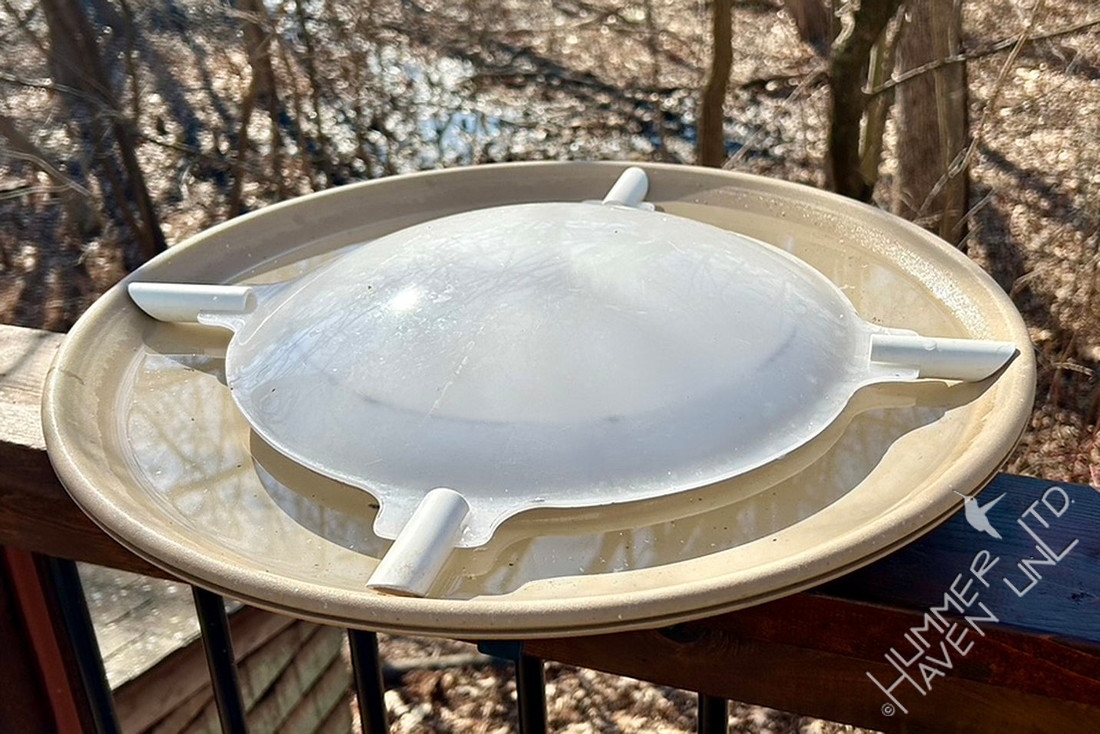
Dan is always thinking of little projects, always looking to improve conditions where he might. This insulated bird bath cover keeps the water a bit cleaner with less heat loss. In its former life, it was a dome for a tubular skylight that we replaced last year. Recycle where ye may!
There are many photos yet to see if one has time. Of course, we lose an hour tonight...
Get ready, get set, count! It's time! GBBC 2026
Friday, February 13 through Monday, February 16, 2026
Are your bird baths filled with fresh water, feeders topped off and ready?
It's almost time to count birds! Open the link above for more details.
It's fun, it's easy and you'll be participating in a global scientific project.
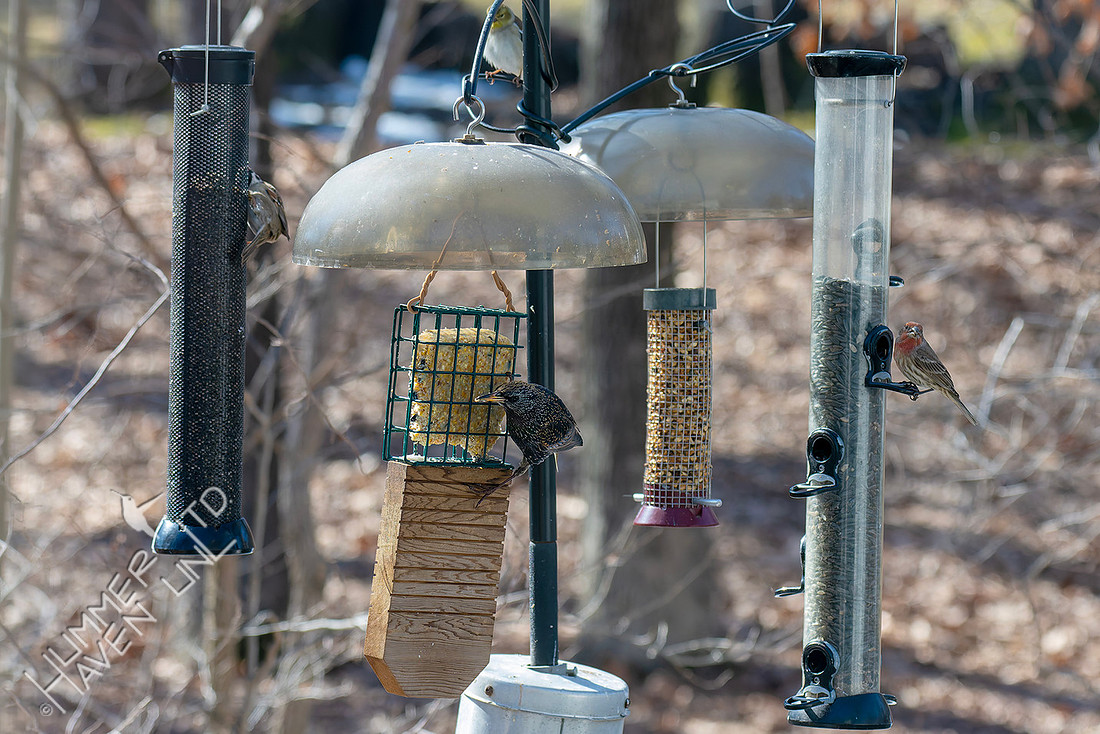
We're nearly ready and hoping for a crowd! First, it's time for an update on the birds we've been seeing.
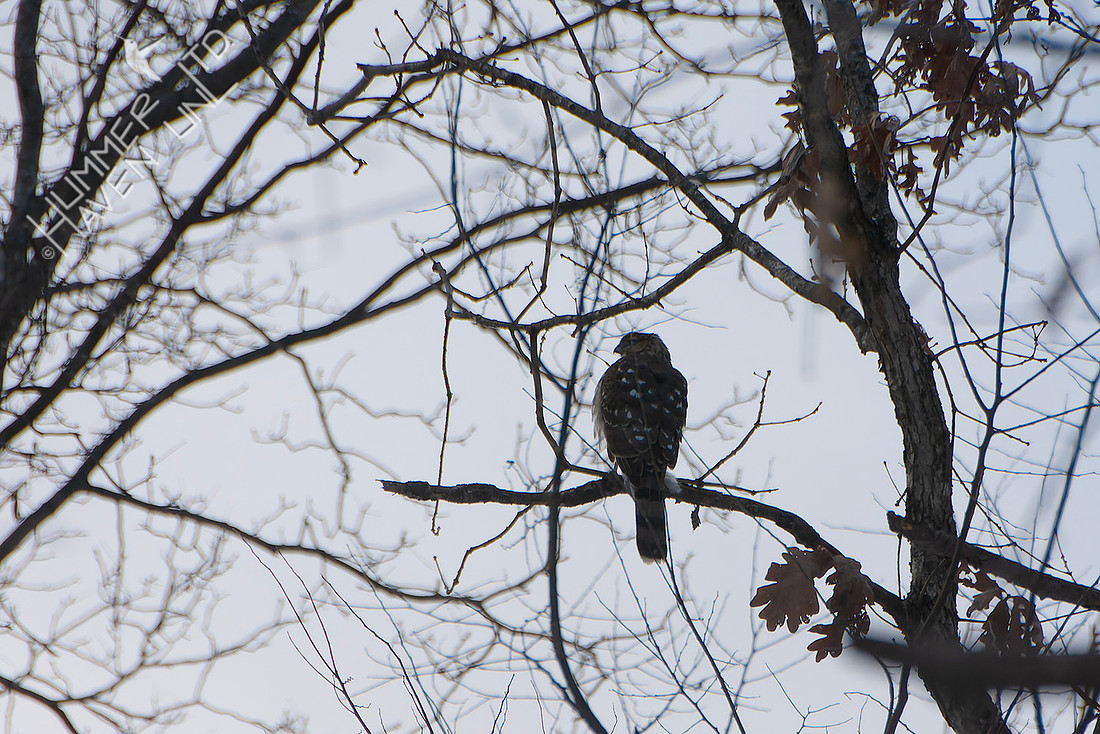
Cooper's Hawks are hungry, too. They will zoom in and perch, scaring away all the birds. Sometimes, the birds hide and we never see a hawk, but word gets out and the birds know to take cover.
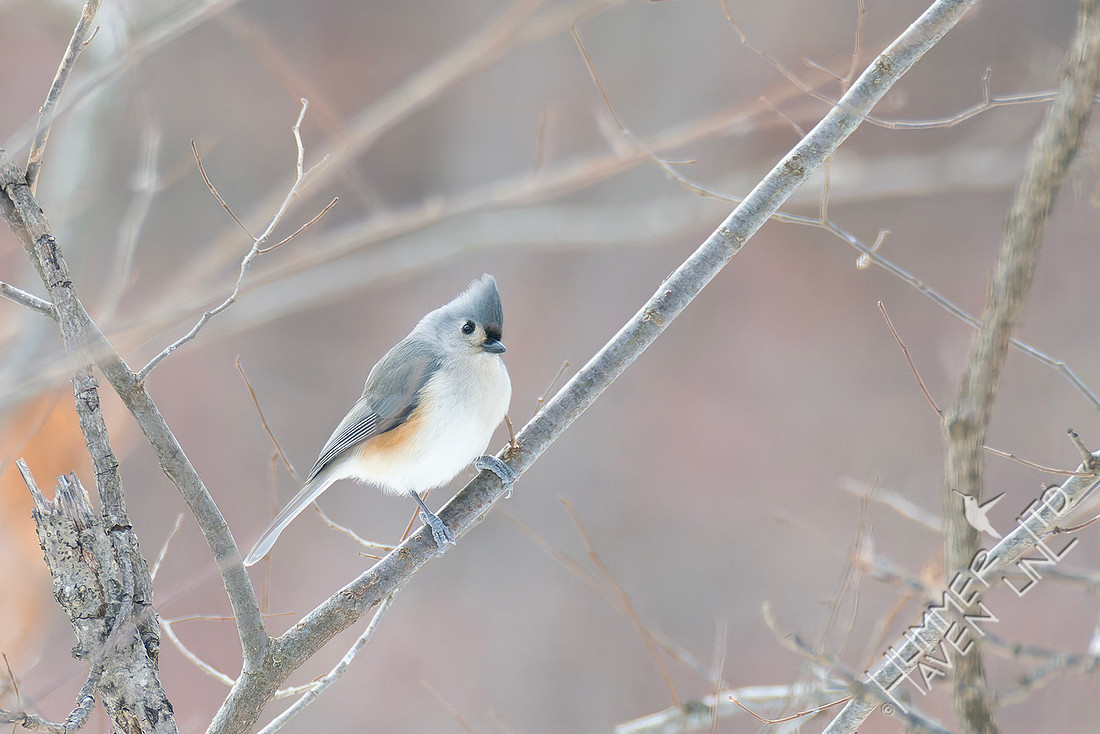
Birds like this Tufted Titmouse spend quite a bit of time resting and digesting before their next turn at the feeders.
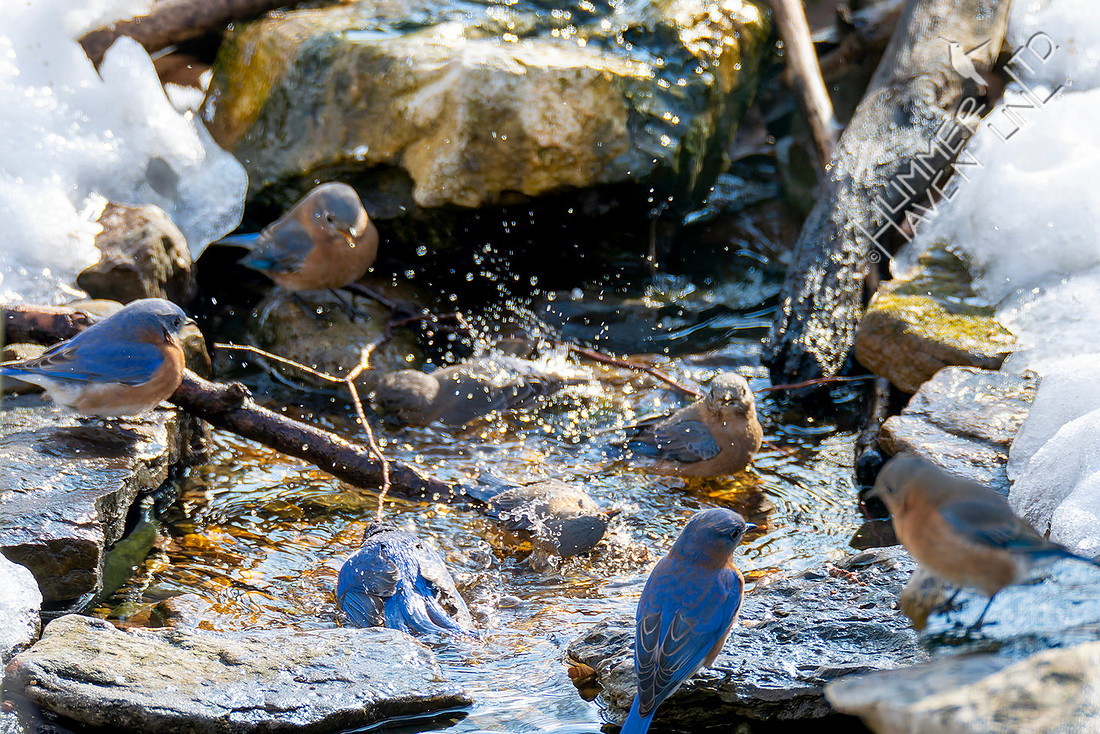
The melting snow gave room for birds to jump in and party in the water. Eight Eastern Bluebirds took advantage of the moment!
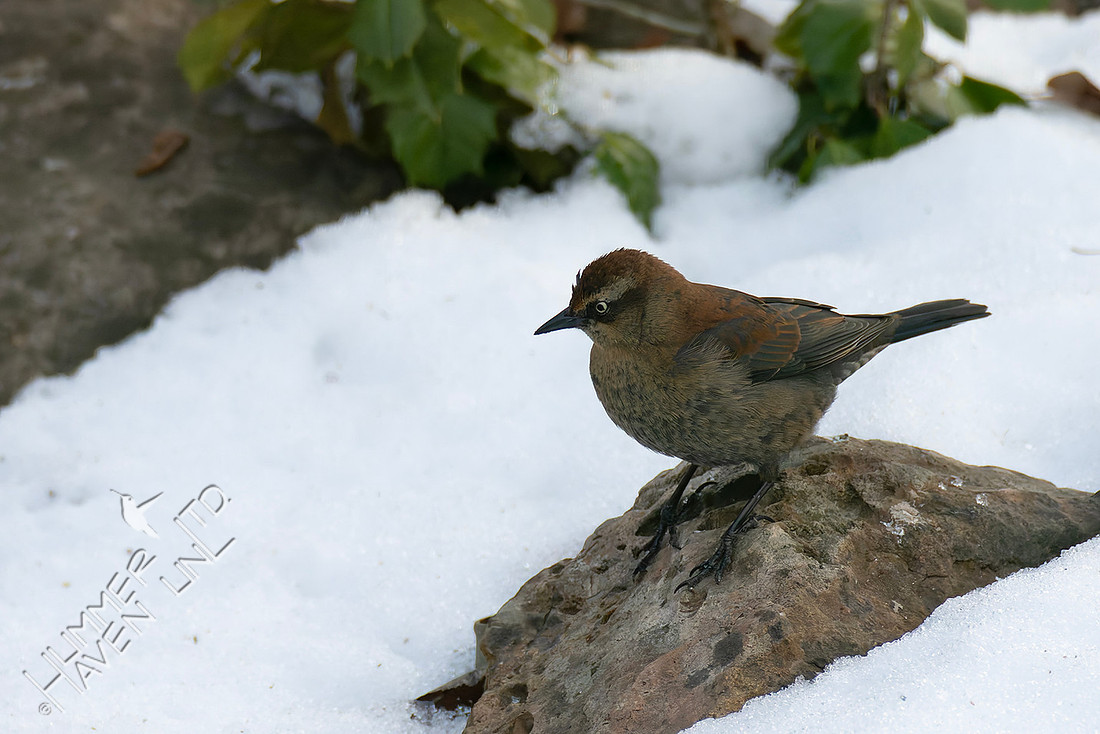
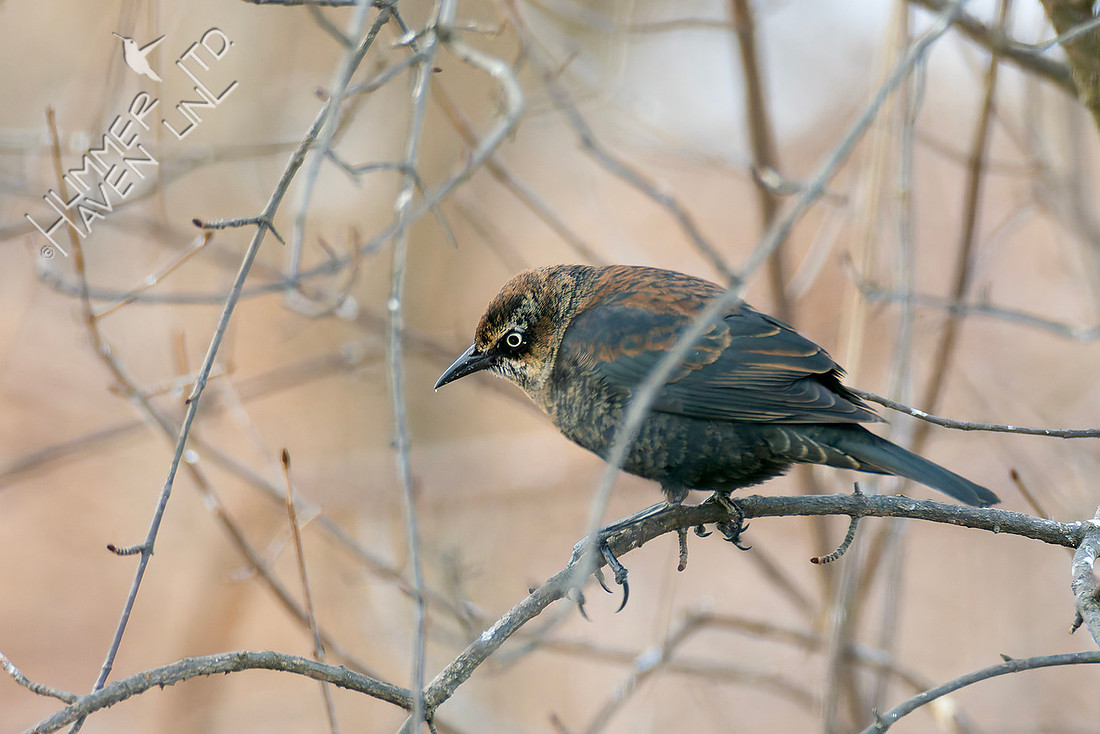
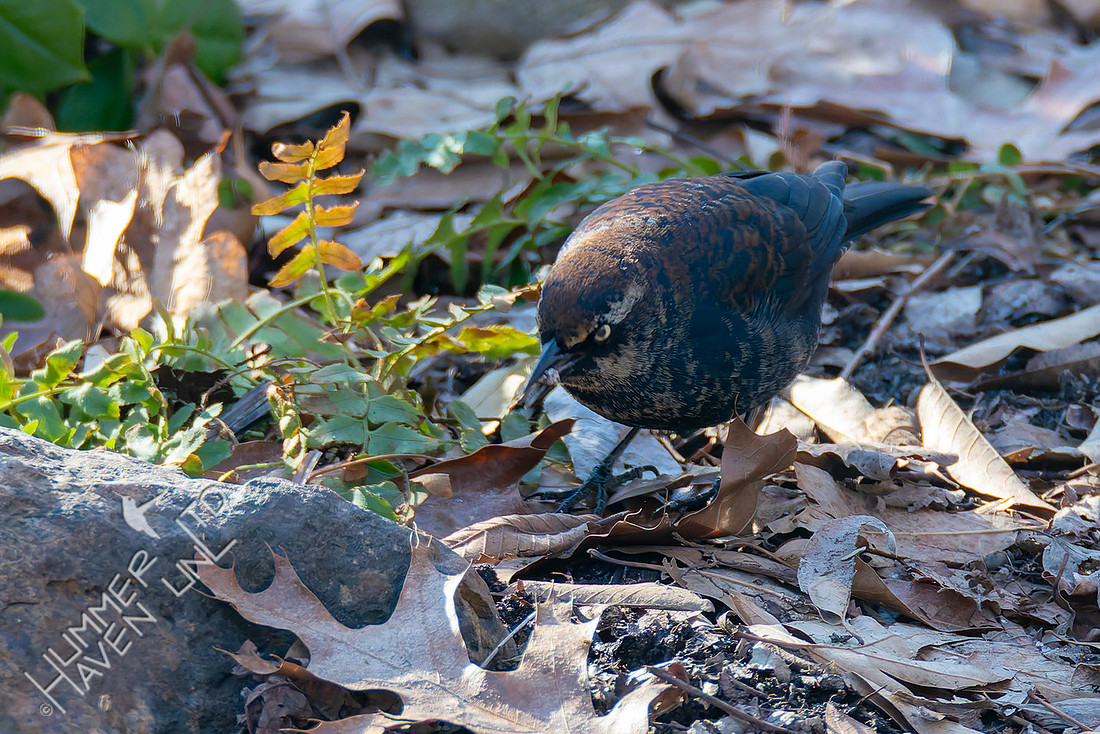
Rusty Blackbirds have been regulars. The melting snow gave them a chance to forage again in the leaves. The last photo shows the bird with a moth pupae in its bill. Success!
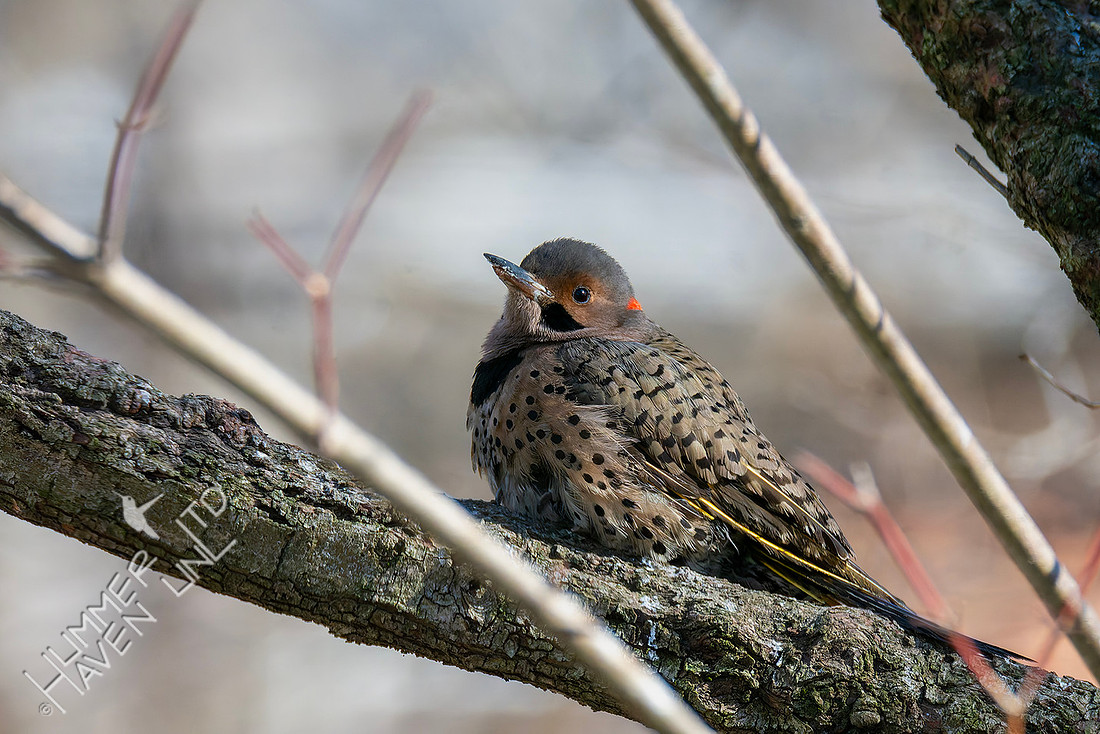
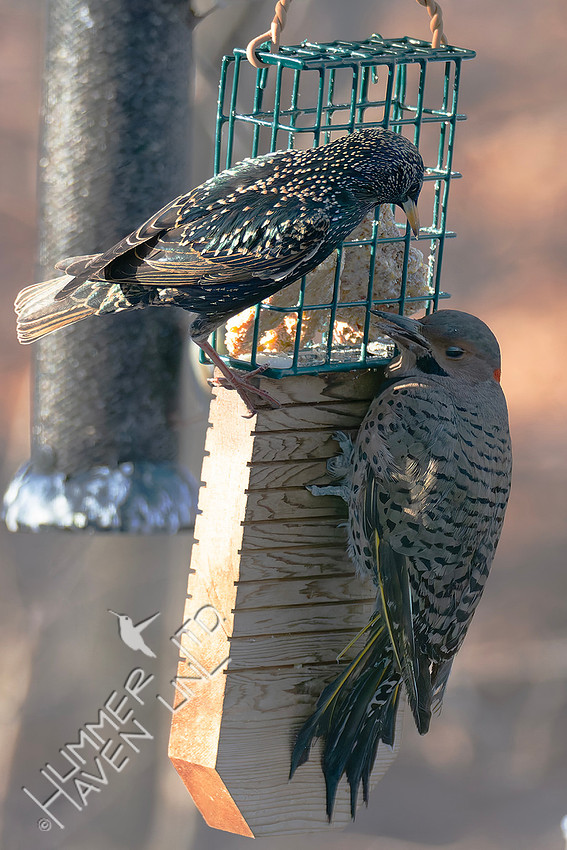
The melanistic Northern Flicker, "Lil Darth" wasn't around much during the snowstorm, but it came back to fill up on suet when it could. This European Starling poked at it, stabbing with its pointy bill. The flicker flew off to cling to the bark of a persimmon tree.
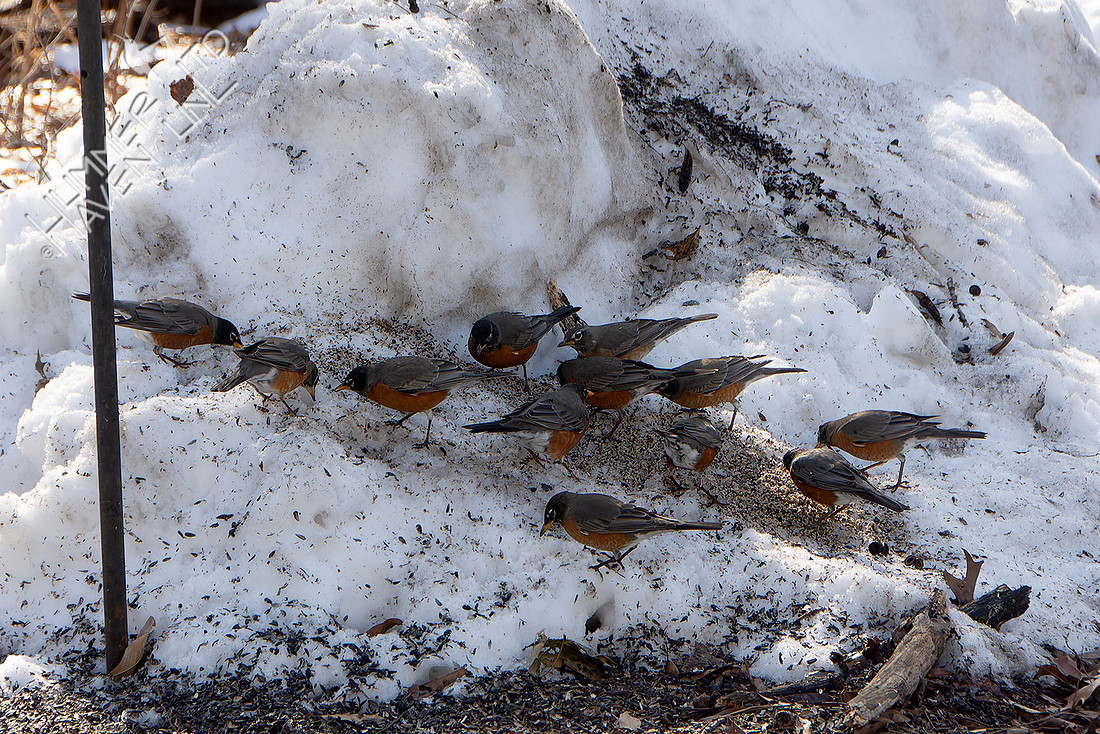
American Robin numbers swelled to at least twenty. Here under the feeding station, twelve ate up some sunflower chips I had put out to draw them away from the window feeders. These robins are sparring for food and water rights all the time.
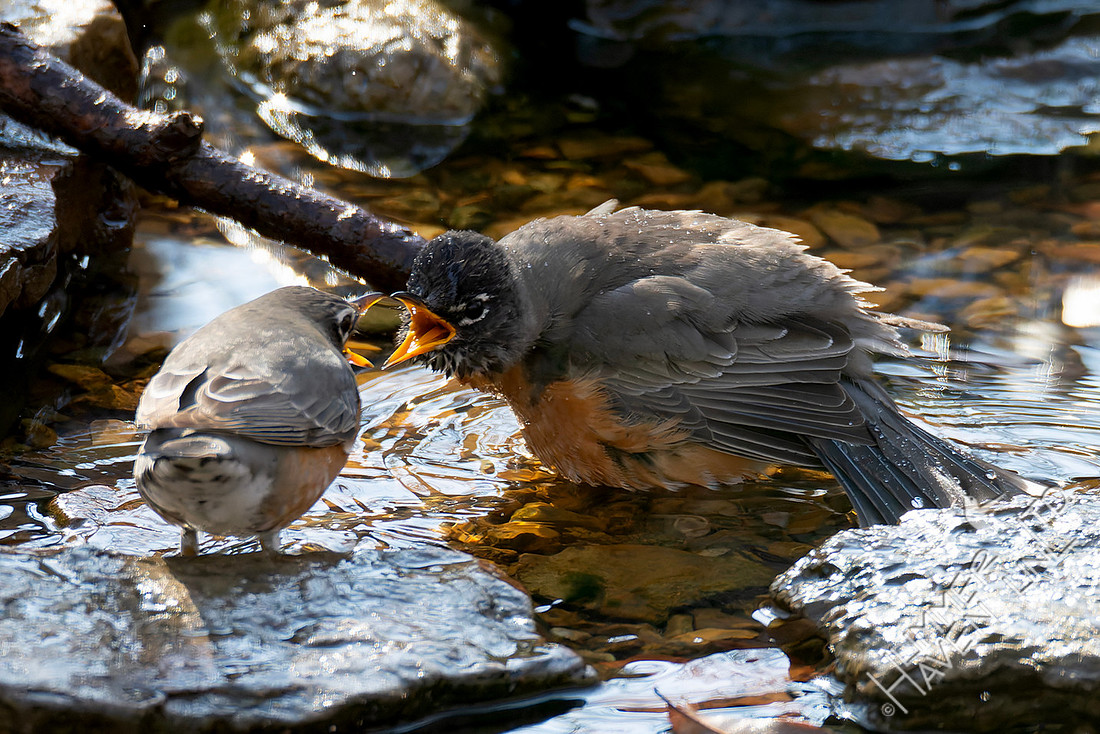
A couple days later, I scattered some mealworms on the snow mounds to help them out. I left the room for a few minutes, and to my surprise, American Crows had grabbed up a lot of the mealworms.
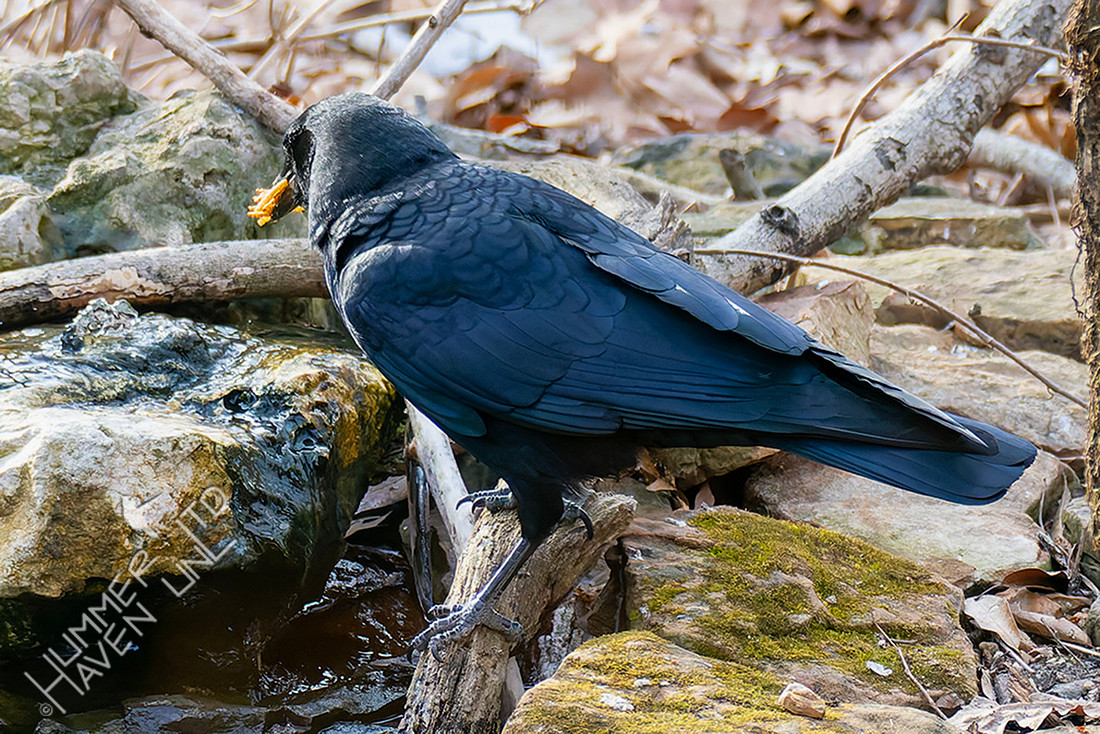
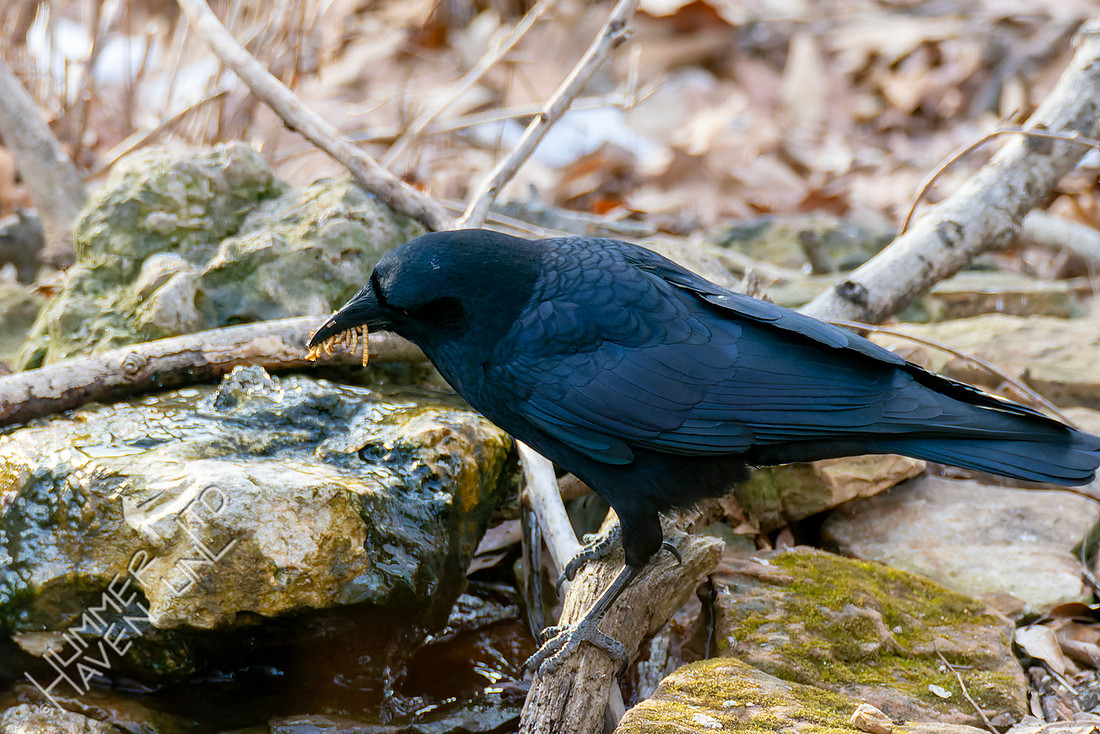
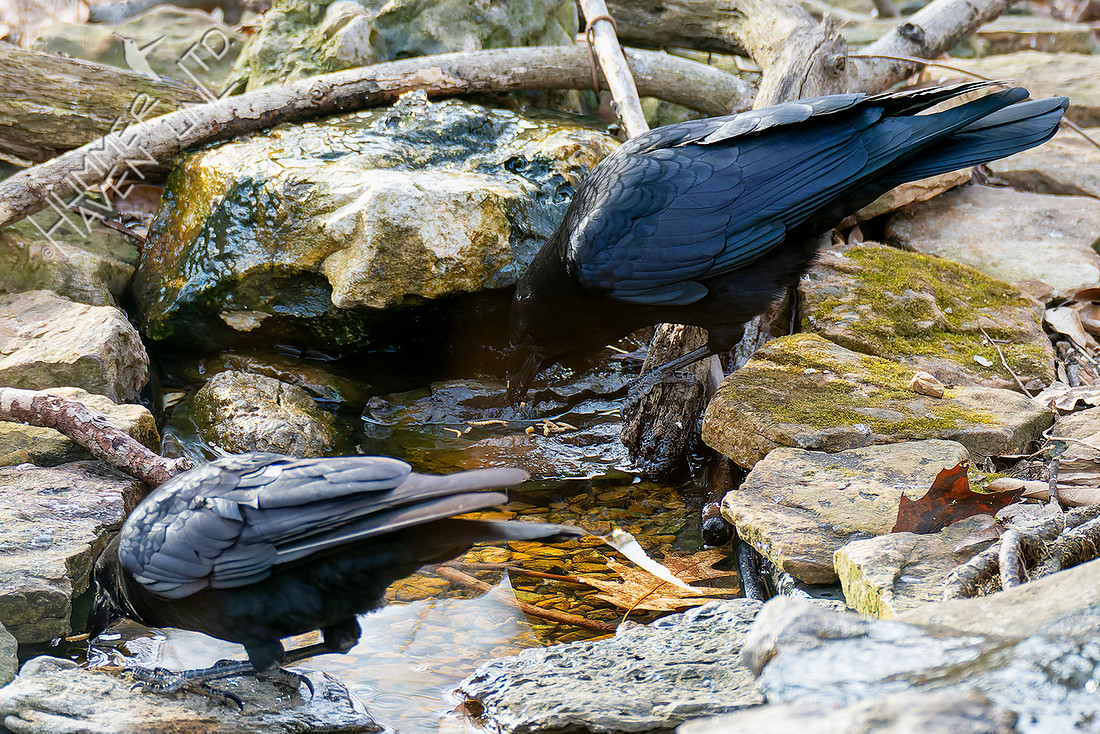
The crows drenched them in the water of the basin to get them down easier. This is a behavior we had not seen before.
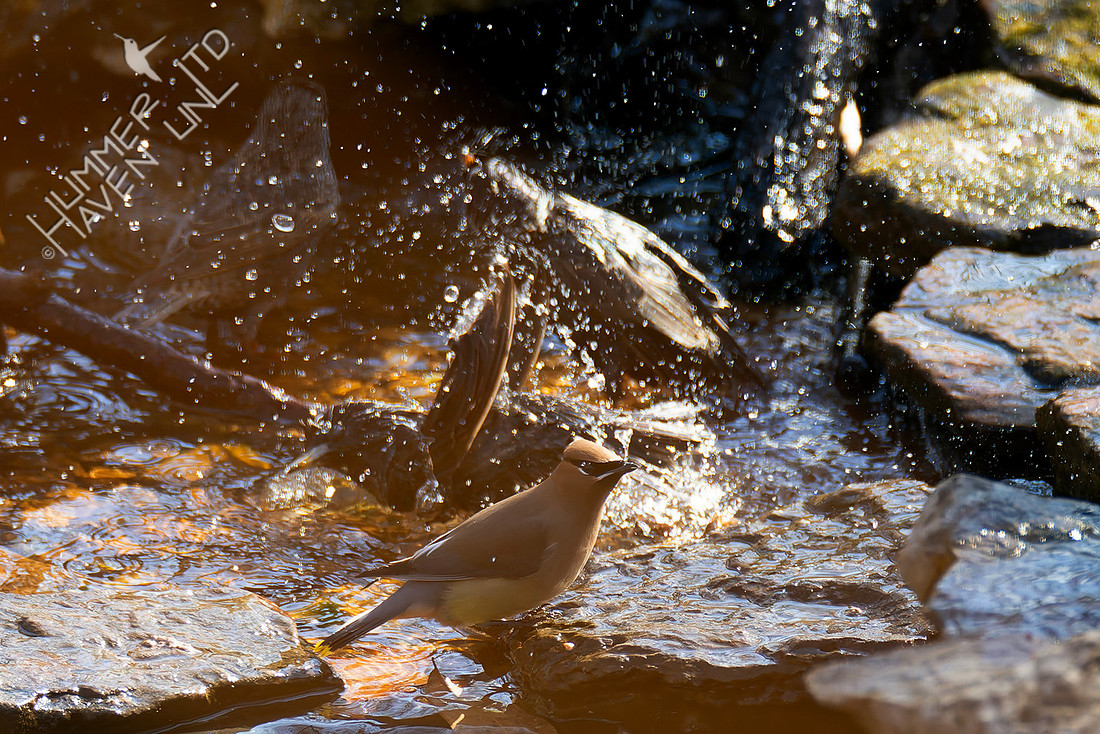
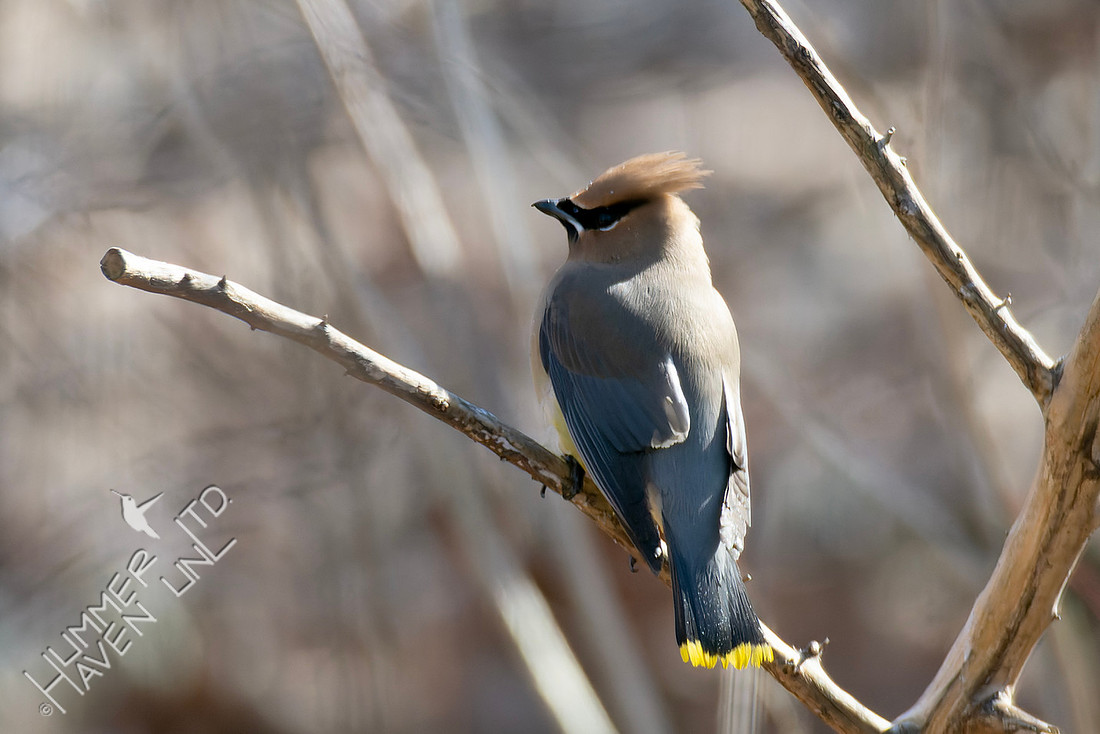
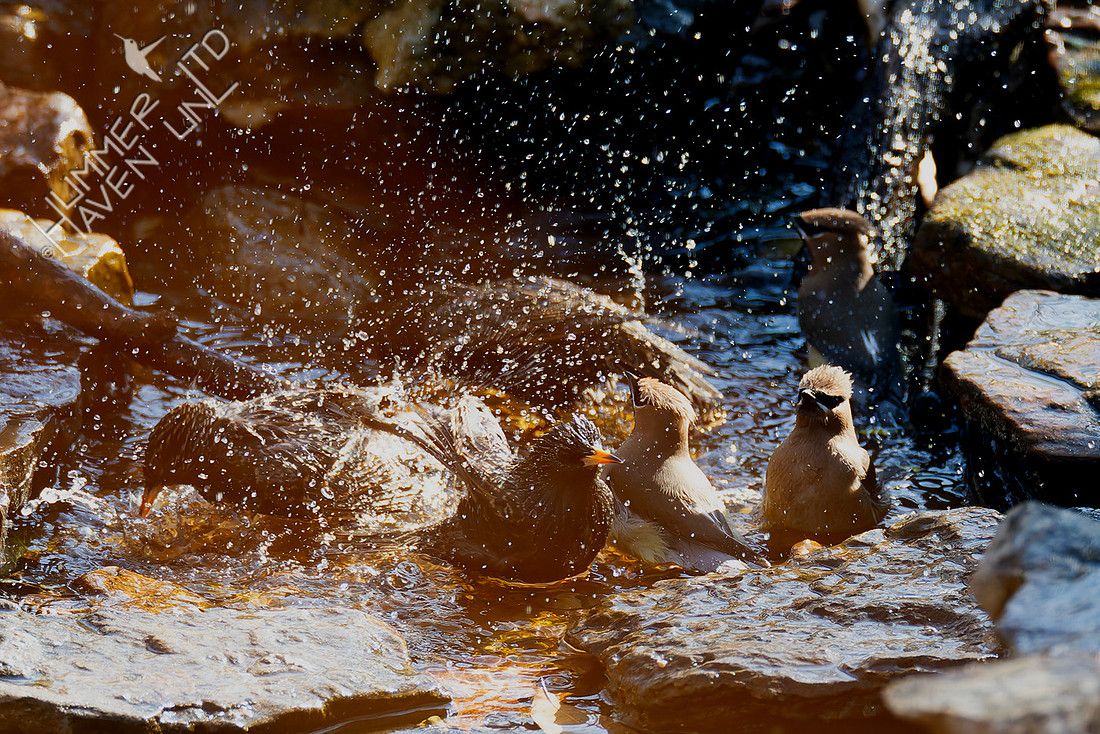
Our newest species of the year is Cedar Waxwing, for #37. Three came in on 2/8/26 to bathe with, of all birds, "starlings, darling." Good grief, they just couldn't resist getting in, which made them #30 at the bubbler for the year.
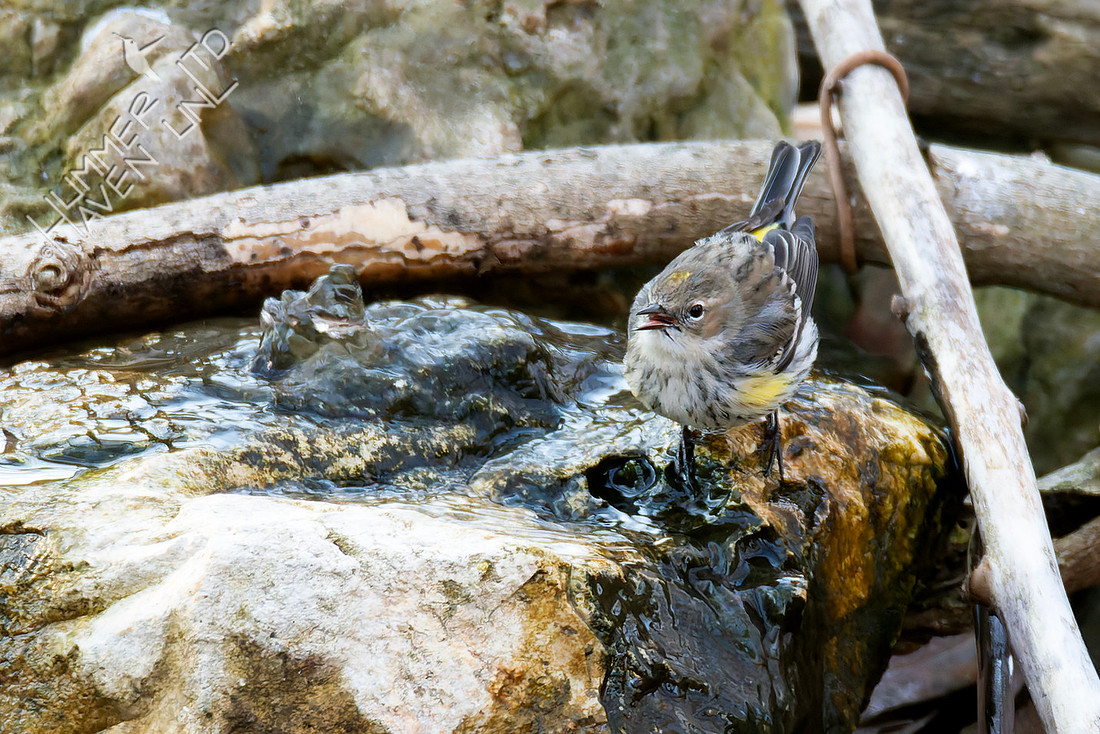
Last but not least, the Yellow-rumped Warbler continues to be seen, getting bits of suet or a drink.
We have now gained 1 hour and 8 minutes of daylight since the Winter Solstice.
Only 36 days until the first day of Spring!
Happy Valentine's Day and have fun this weekend with GBBC.
Let's talk about Winter Finches
The Winter Finch Forecast includes a number of species, including a few that are not finches. I'd like to share our experiences with a few of these species here in our own yard. From now through April is the time to look for them. They can show up in your trees, at your feeders and at water features in an irruption year. When food is scarce in Canada, the birds move south to find it, or 'irrupt' and move.Take a look at this article.
Winter Finch Forecast 2025-2026
PURPLE FINCH
Purple Finches are not seen as often as the ubiquitous House Finch, though the two are easily confused. They are similar in size and it takes a close look to tell them apart. It helps to see them side by side here for comparison.
NOTE: House Finches were a southwestern species until 1940. Some men decided to take them to Long Island and sell them as caged birds, which was illegal of course. Some of the birds were released into the wild and flourished. Since then they have spread throughout the eastern and midwestern states. Purple Finch populations in the Eastern United States have declined dramatically due to competition with the House Finch.
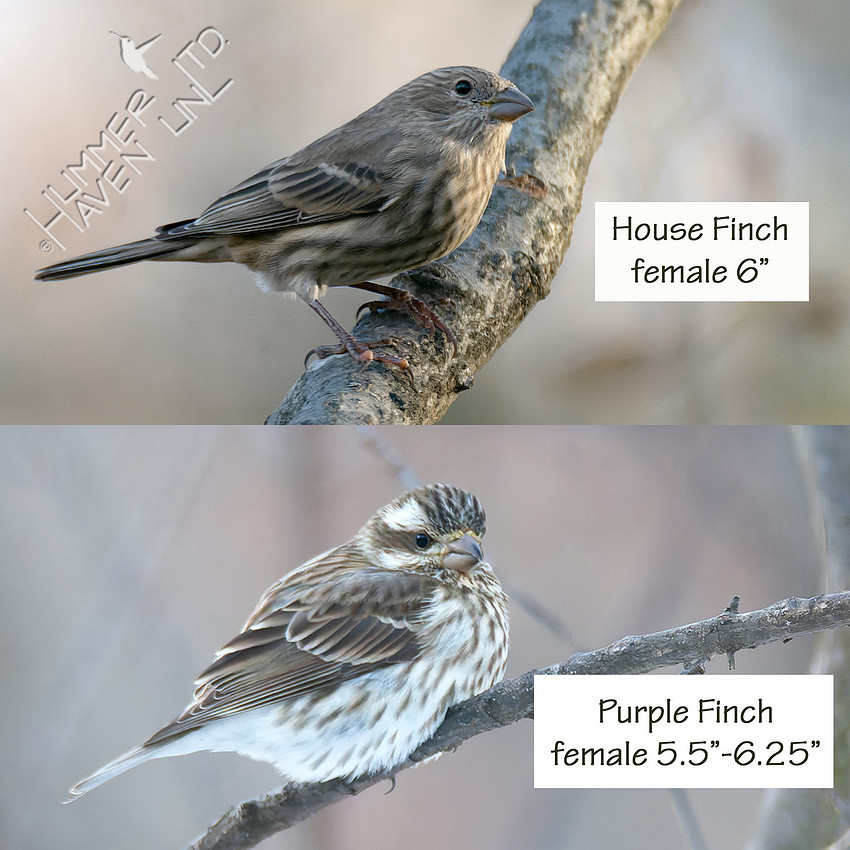
The female House Finch is a dull Jane and very striped and dingy. The female Purple Finch has the distinctive white eyebrow and is not as striped and smudgy on the underside.
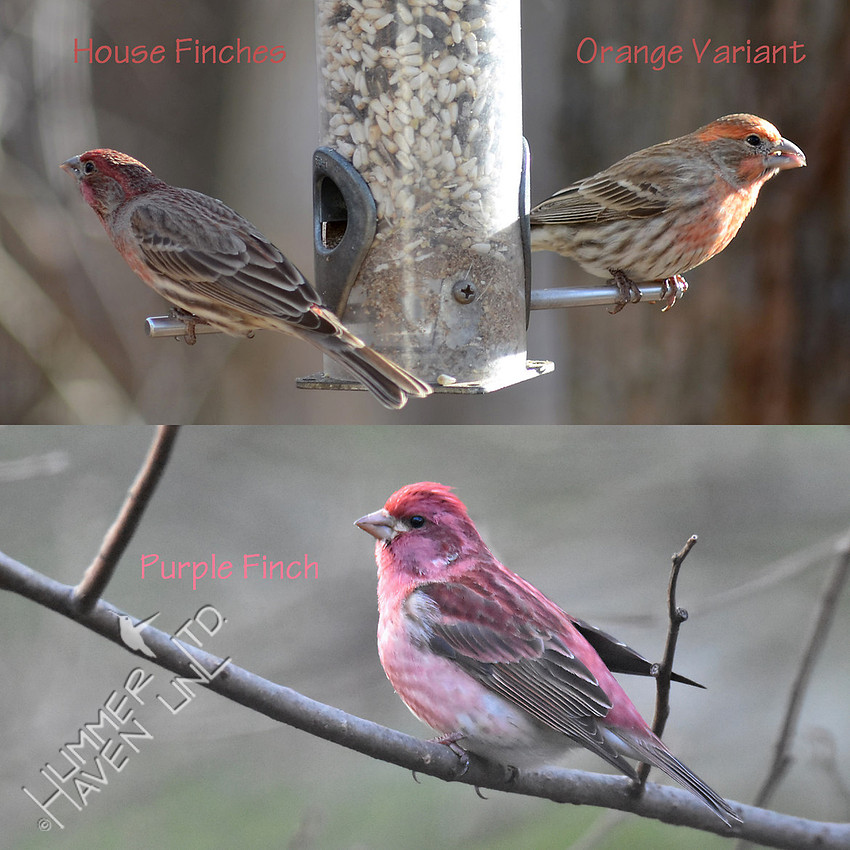
The males are similar, yet again, the House Finch is more striped and smudgy. Its color is more reddish to orangish, depending on its diet. In contrast, the Purple Finch is more of a raspberry color and not as striped underneath.
The Purple Finch is often seen here from early November into late April. They will feed on black oil sunflower seeds at feeders and deciduous seeds.
REDPOLL
"In 2024, Common Redpoll, Hoary Redpoll and the Lesser Redpoll in Europe have all been lumped into the same species, now called Redpoll. Genetic work found that a supergene was responsible for the Redpoll plumage differences." (From the above article.)
On 12-29-08, Dan and I had just returned from a walk at the Missouri Botanical Garden. It was 57 degrees at 1:20 pm and I immediately saw a Redpoll on the sock feeder filled with Nyjer seed! It was species #141 for our yard.
Jump ahead to 1-27-22 and it was in the mid-twenties with snow flurries when a small flock of Redpolls came to the bubbler for species #124 there! They all have the red forehead (or poll) and males have more raspberry color in their breast.
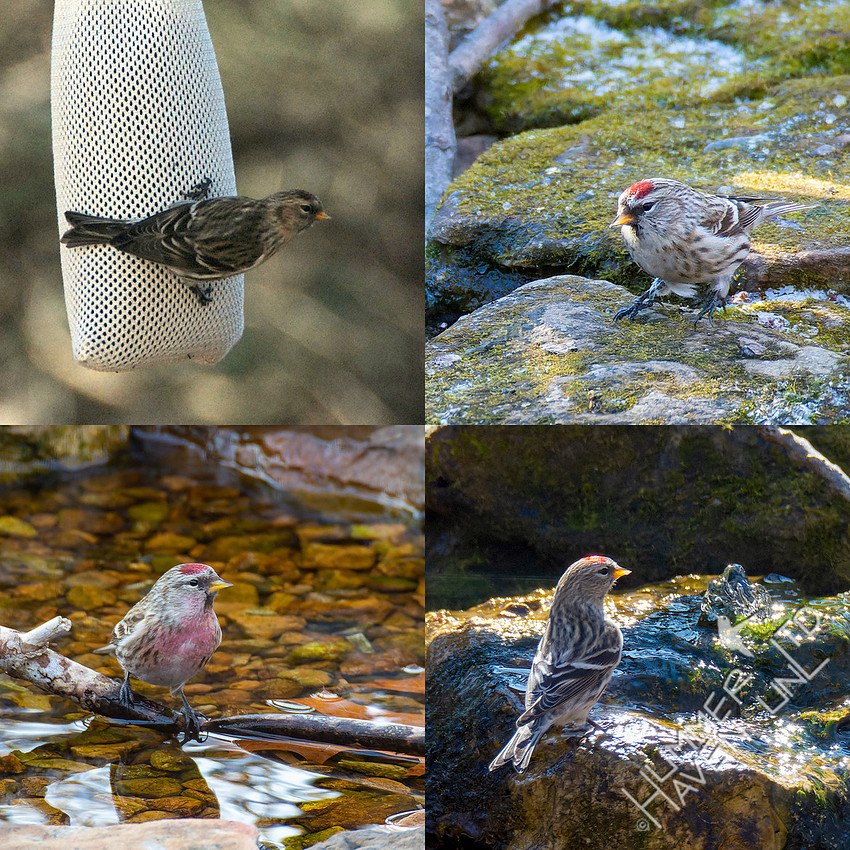
The "gallop" of Redpolls returned on 1/29/22 and 1/30/22. There were five at least, possibly six on 1/30/22. I never saw this flock at the feeders, only at the bubbler. Here is my blog post from that experience:
One Redpoll has just been reported eleven miles south of here, so be on the lookout!
RED CROSSBILL
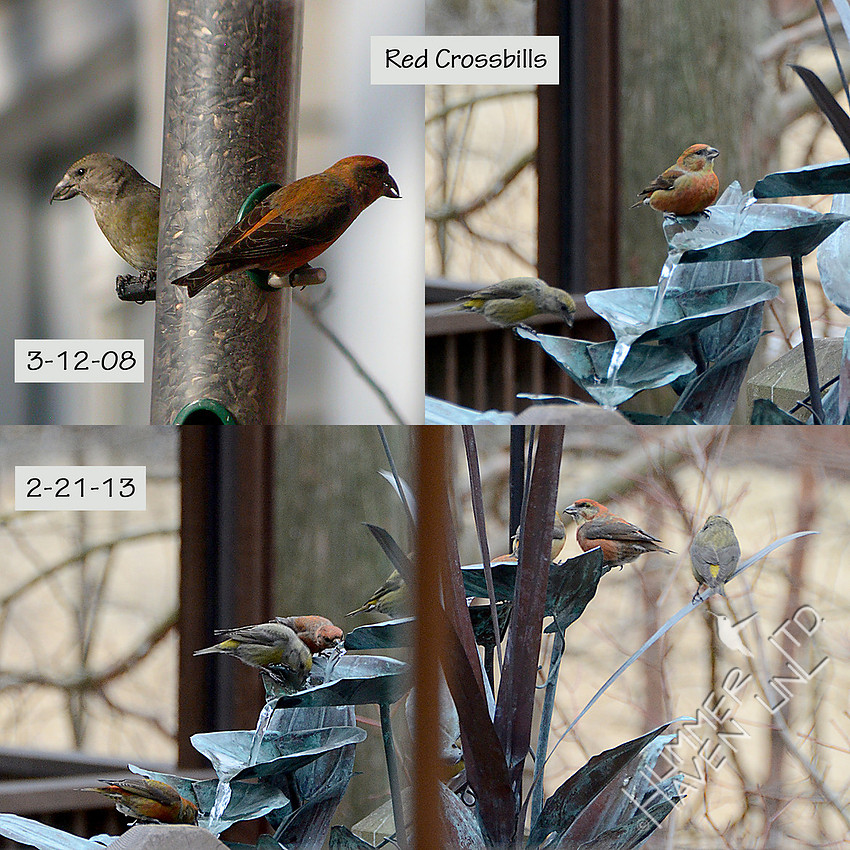
My friend Tina and I heard there were Red Crossbills in High Ridge, Missouri. We trekked down to see them, and there were four birds on a feeder. This was 3-12-08, the winter before I had the first Redpoll. I was able to get a few photos that clearly showed the crossed bills. (Small inset in second photo below.)
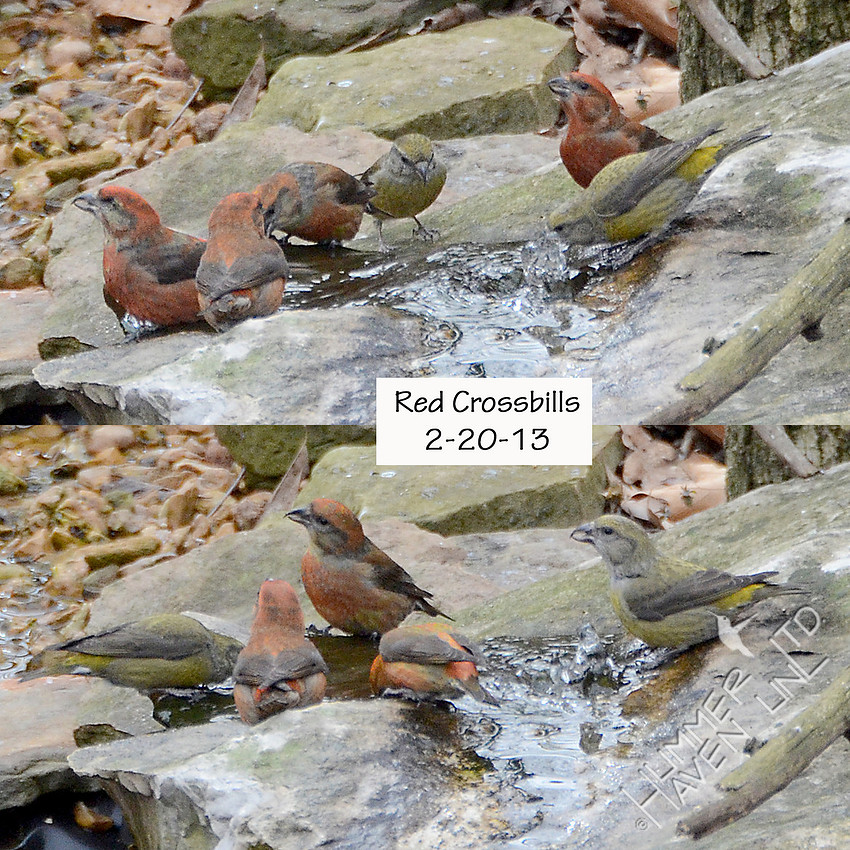
Five years later, on 2-20-13, a flock of 10 to 12 dropped in at our bubbler. Again, they only wanted water! The following day, they drank from our fountain on the deck. They are somewhat hidden, but there are eight birds on the fountain. At least four reddish males and four yellowish females are shown. It is a thrill to see surprises like these!
These birds feed on cone-laden Spruce trees. There are some in the neighborhood, so perhaps they fed there and then came to our water features.
PINE SISKIN
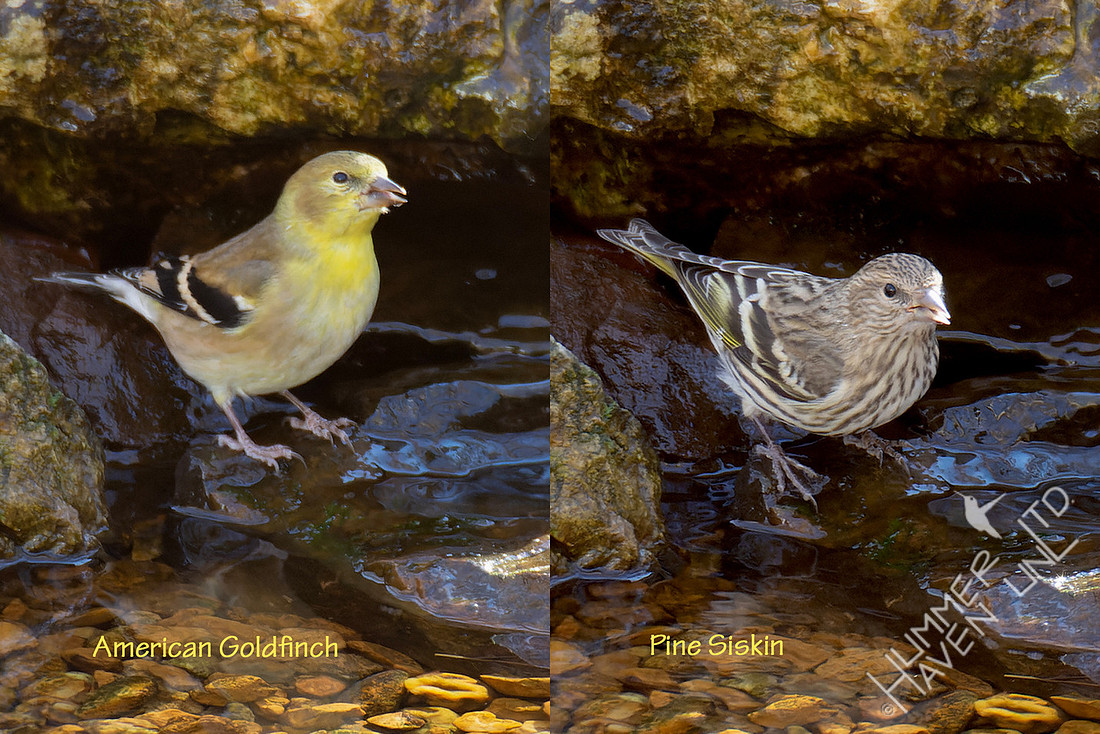
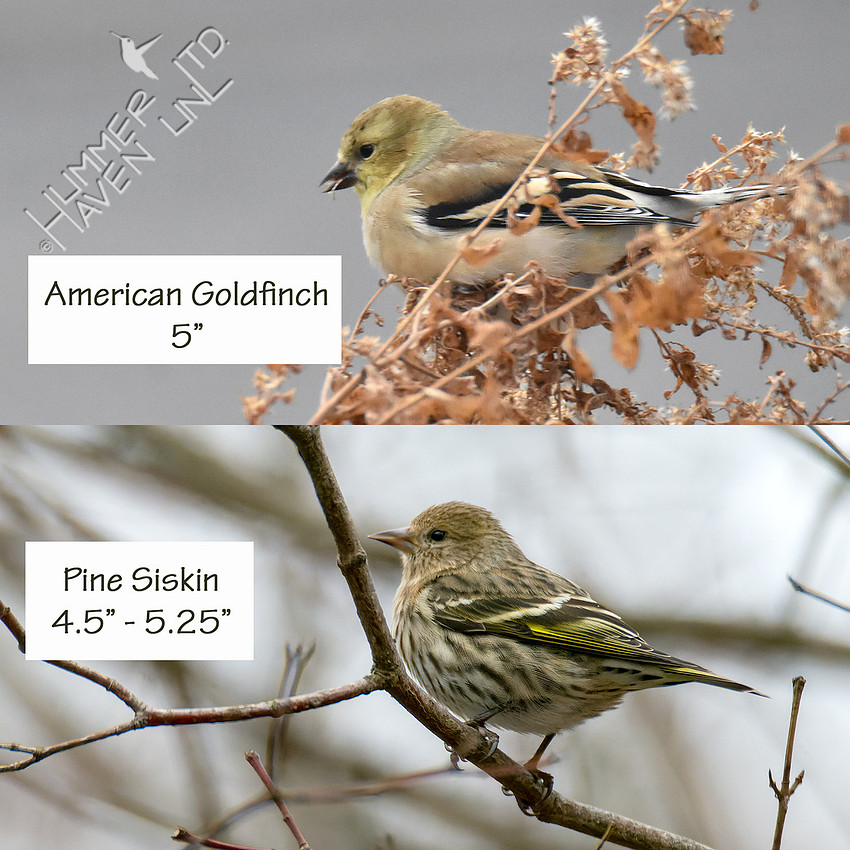
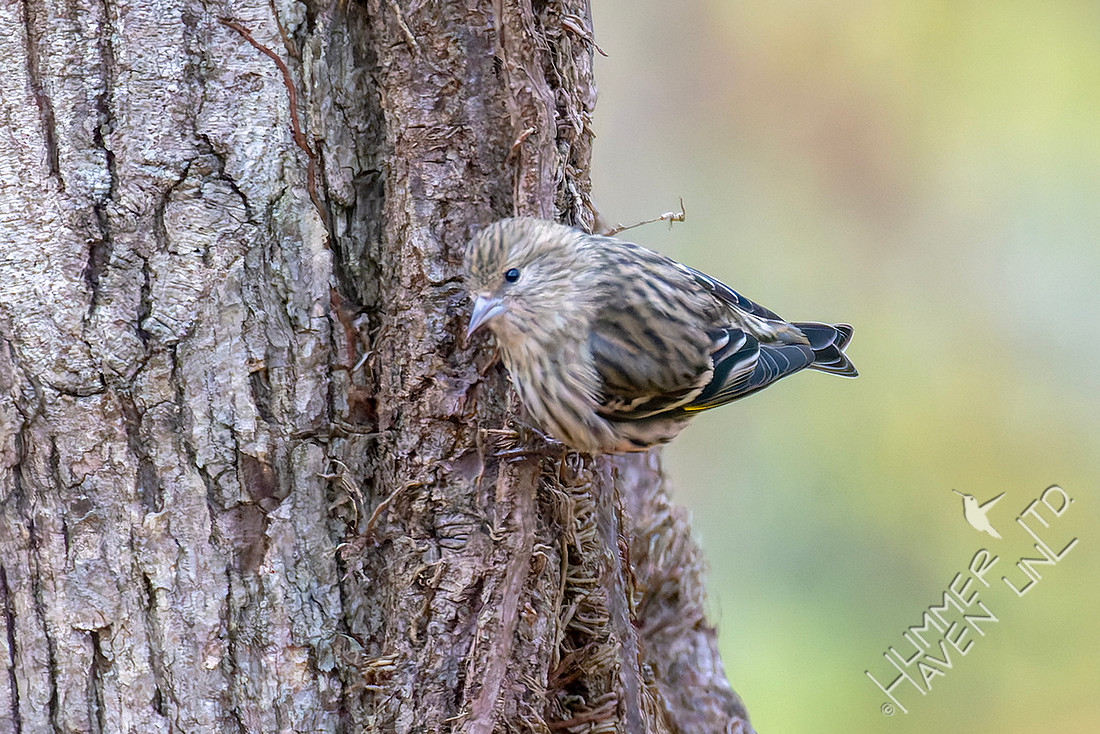
Pine Siskins are often seen along with American Goldfinches. The goldfinches can look grayish/brownish in winter and binoculars help with telling them apart. The Pine Siskin has the very pointed bill and has striped feathers. I saw three in December. Still waiting for them to show up here again.
RED-BREASTED NUTHATCH
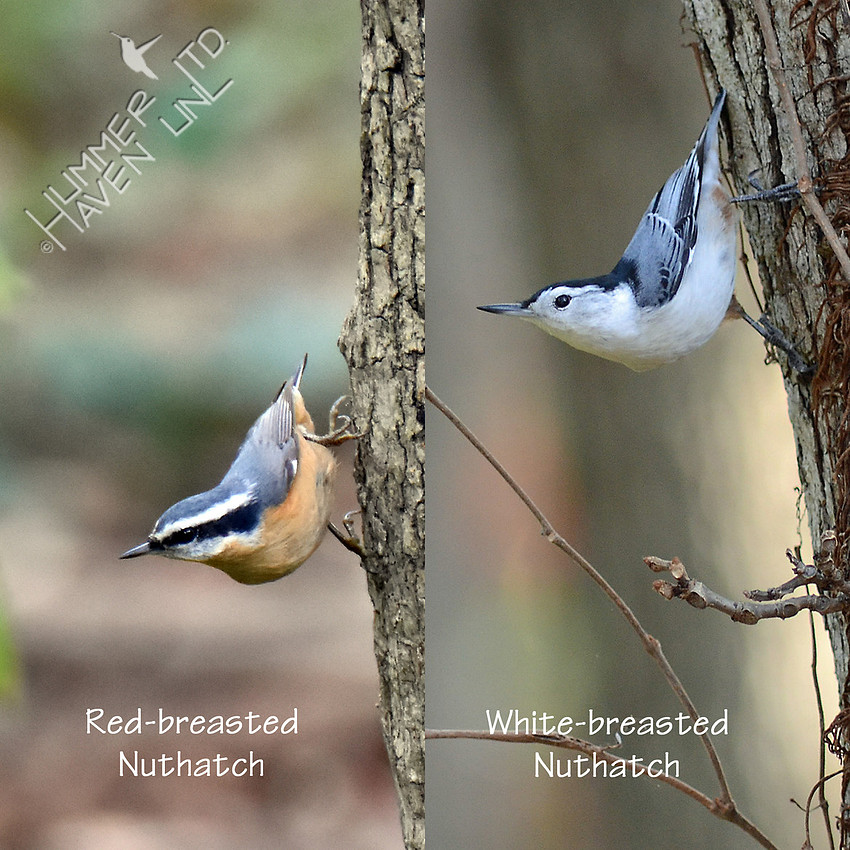
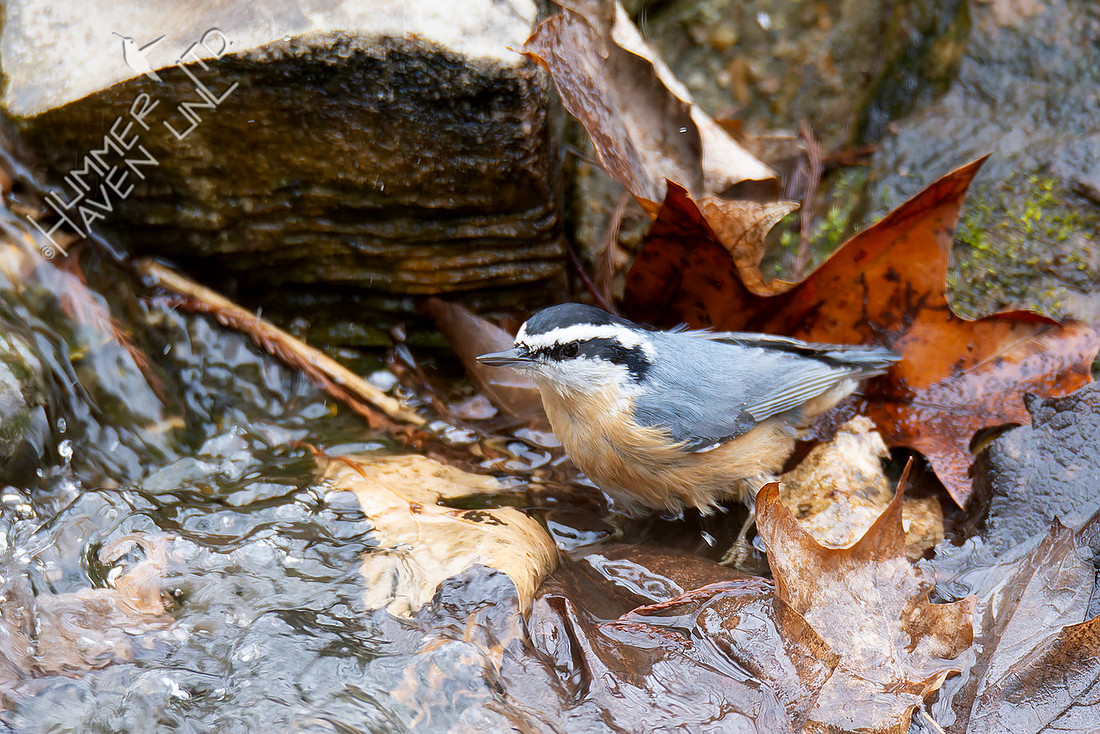
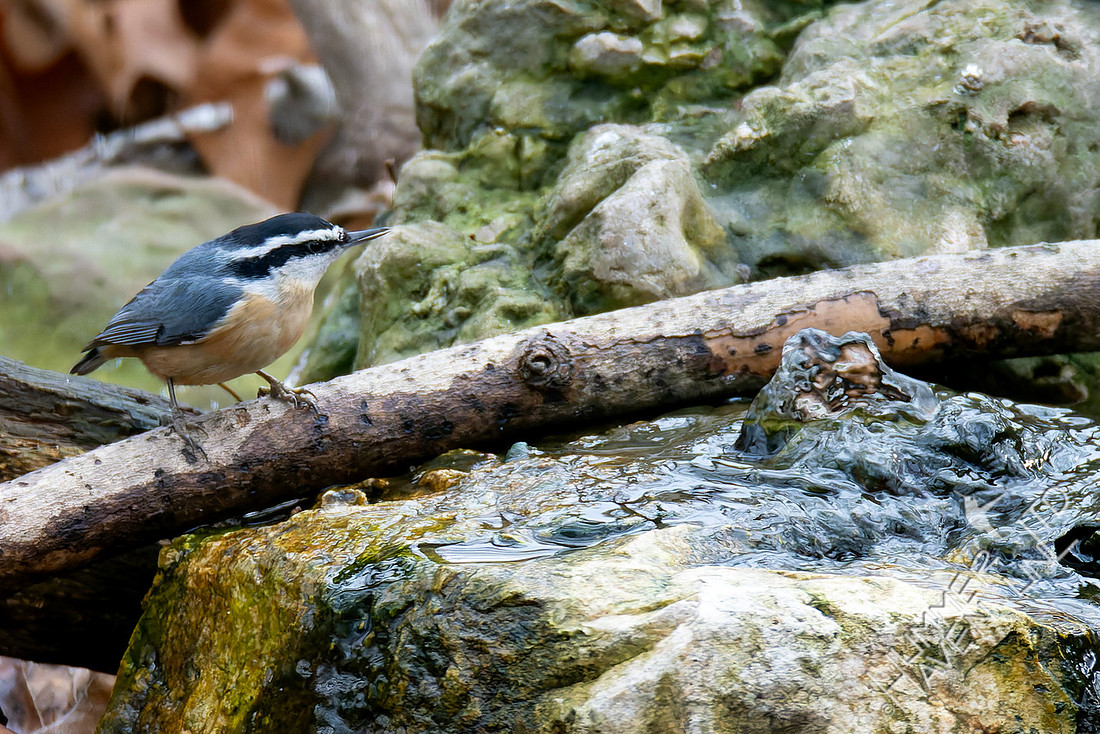
Recently, the Red-breasted Nuthatch was seen at the pond and the bubbler. It was actually the first species to visit the large pond and stream bed when it was first running in September, 2008. A curious and captivating little bird, smaller than its cousin, it is always welcome here.
There were other birds mentioned in the article and you may look up any species for more information by going to this page:
Saturday, 1-31-26
It's the end of the month and as of today, we've seen 36 species of birds with 29 of those going to the bubbler. Our snow total for winter storm "Fern" was around 13", maybe a bit more. We've been juggling between snow removal and keeping the feeders filled. Dan says we have the best fed birds in the neighborhood! I do know that a few neighbors are also feeding them. Here are just a few photos from the snow storm.
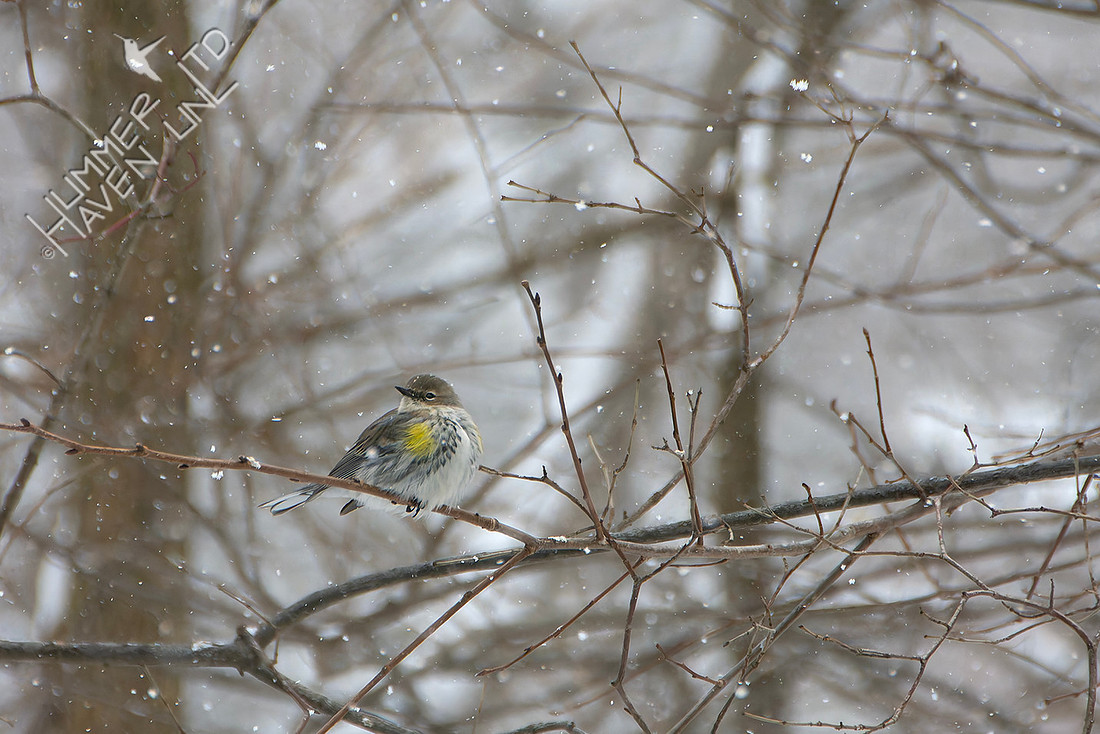
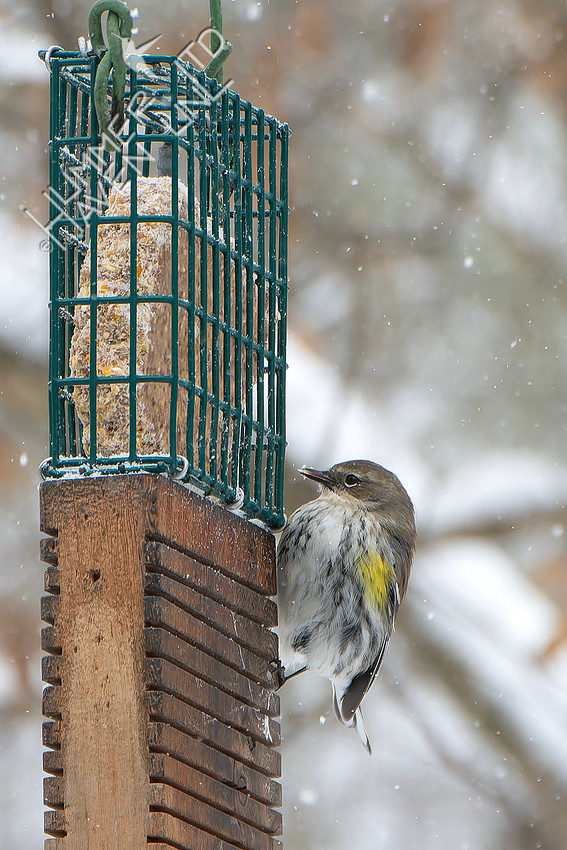
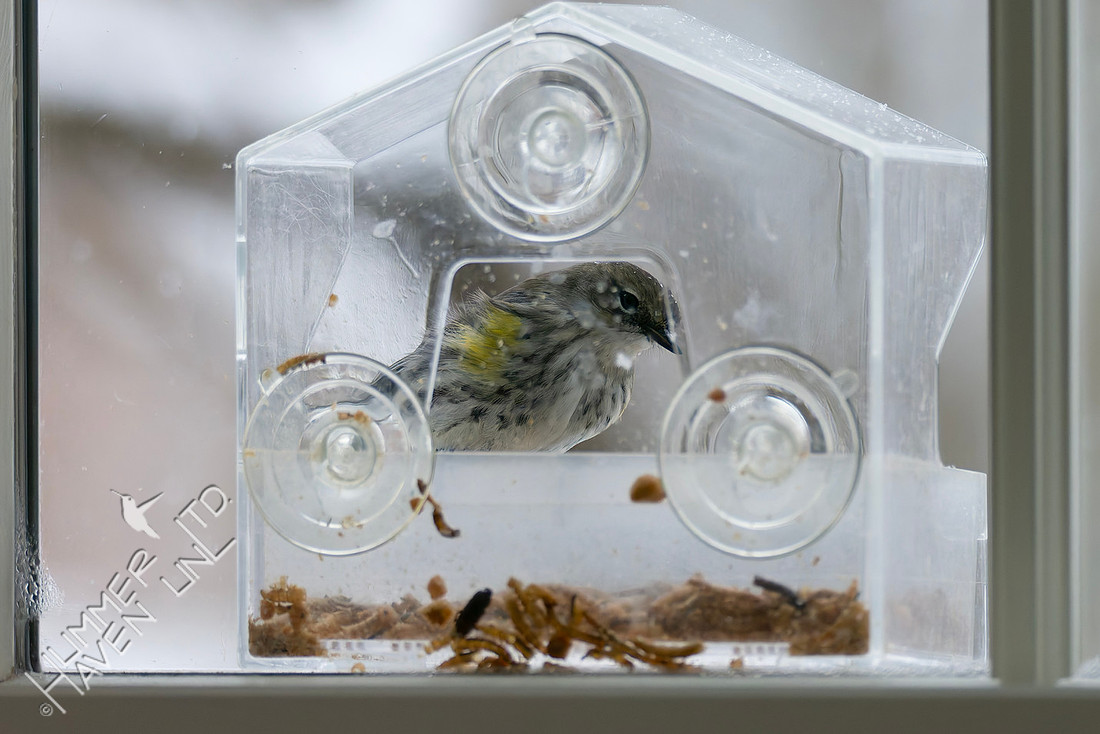
The Yellow-rumped Warbler has been seen consistently. It waits in the Rough-leaved Dogwood for a chance to get to the suet in between the bigger birds. The little guy has also gotten comfortable going to the window feeder for bark butter bits.
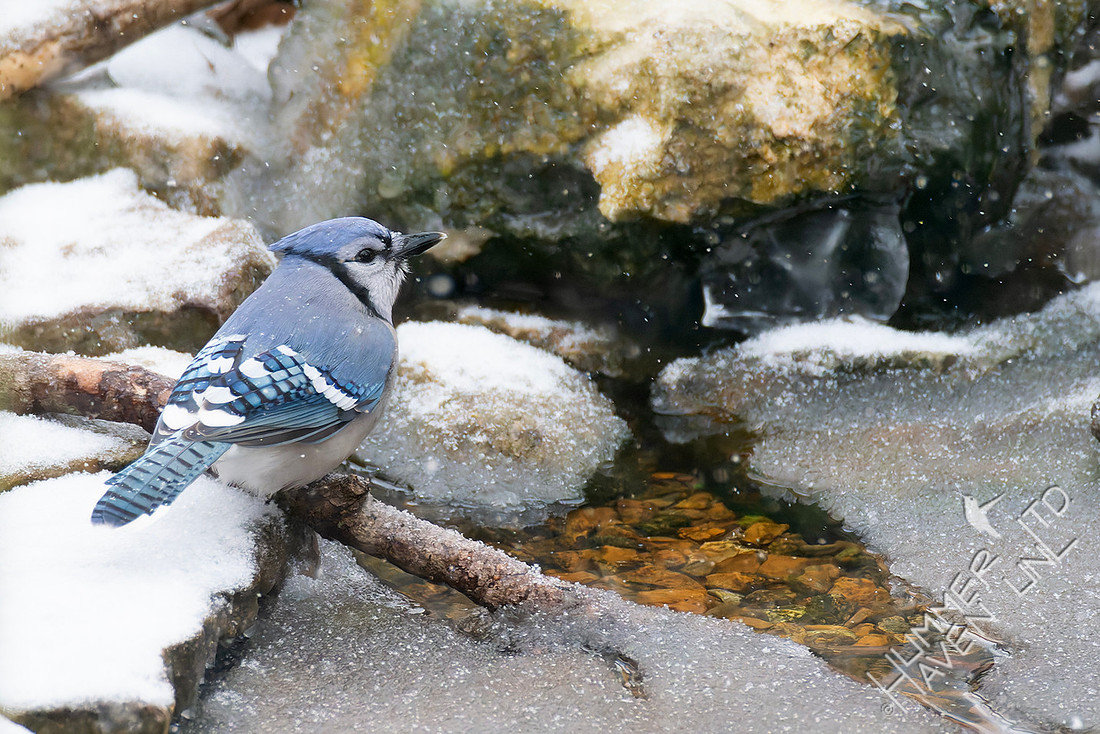
The snow began to pile up a week ago Saturday, but birds kept coming for water, like this Blue Jay.
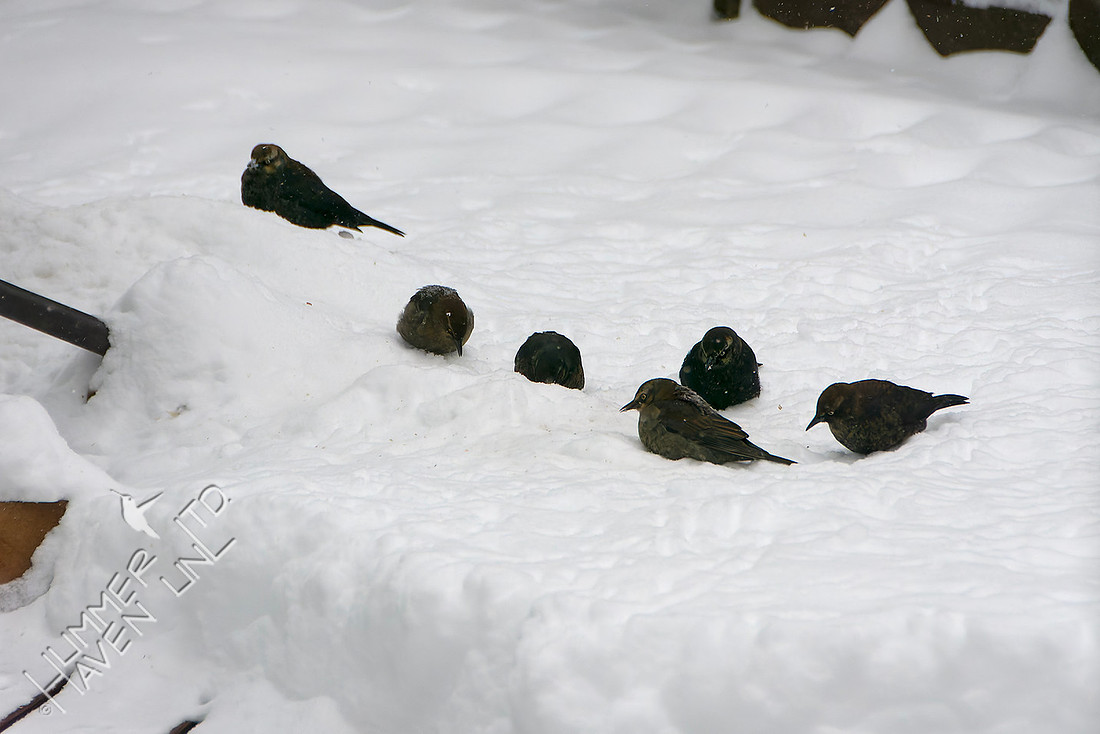
Between eight and twelve Rusty Blackbirds have been seen every day lately. Six of them picked around in the snow for sunflower hearts on the deck.
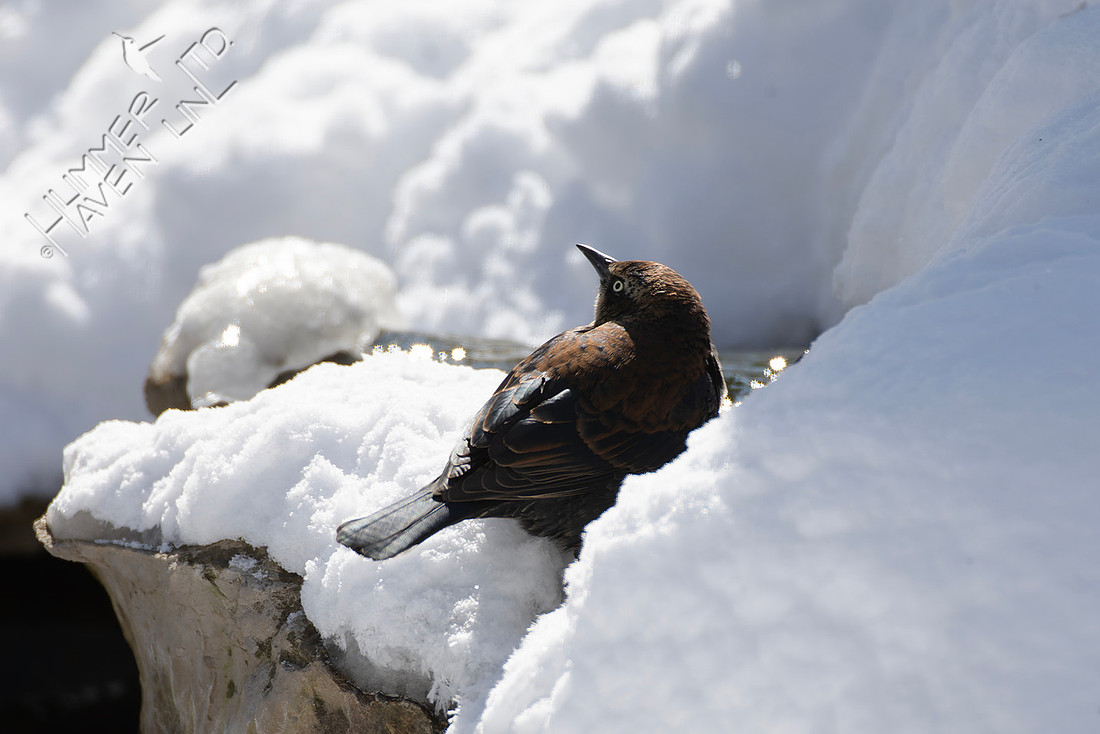
Rusty Blackbirds are much easier to see against snow than leaves! Their varying plumage makes them more interesting to pick out of the crowd.
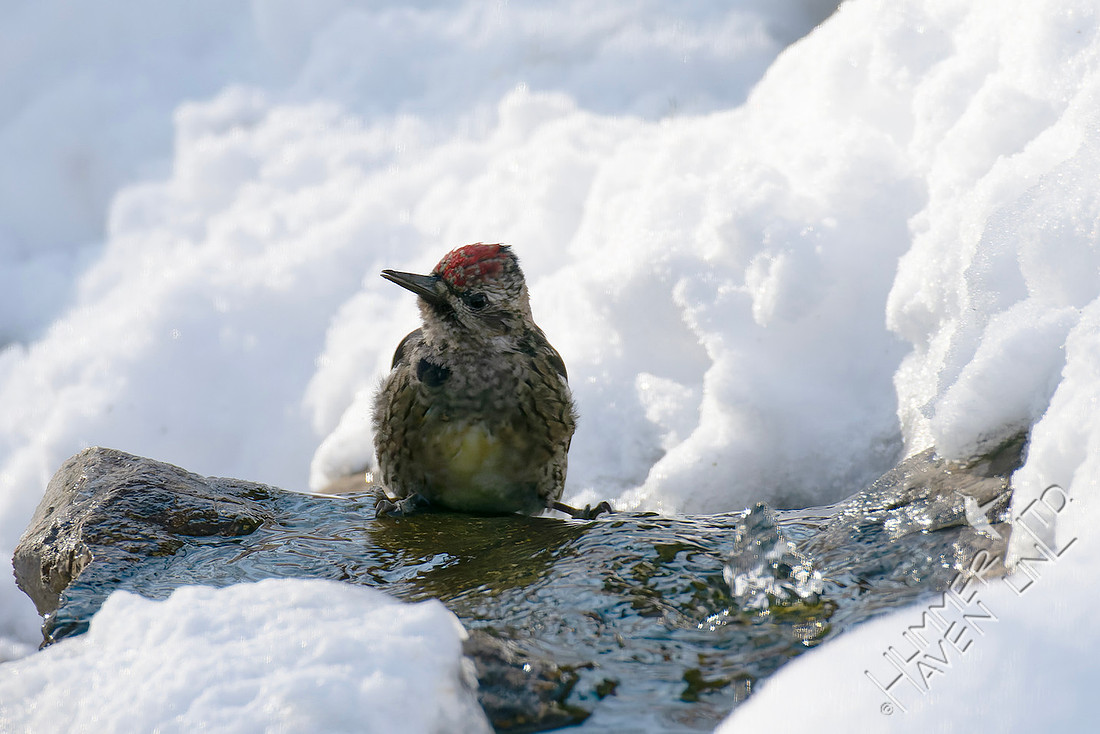
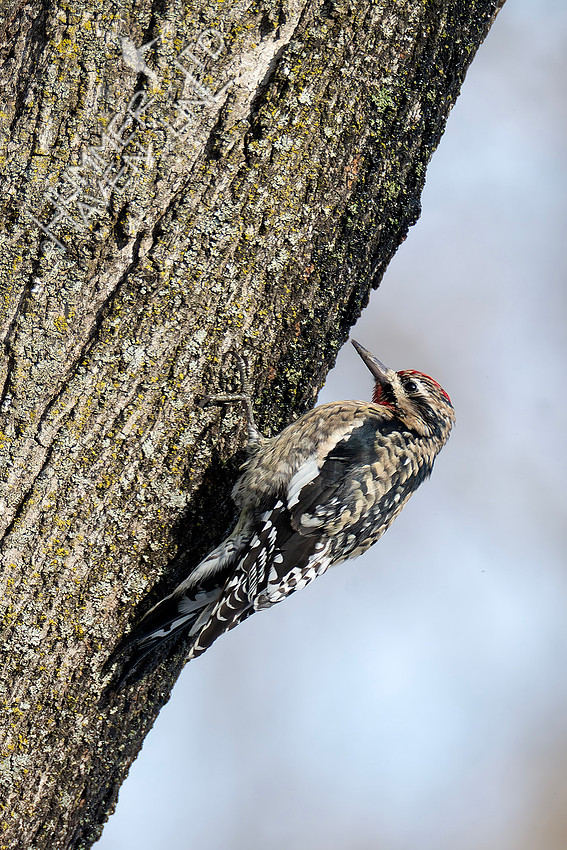
Both Yellow-bellied Sapsuckers continue to come in for water and to drink sap from the Sugar Maple. Even in 20 degrees, there's a bit of sap moving on the sunny side of the tree in the afternoons.
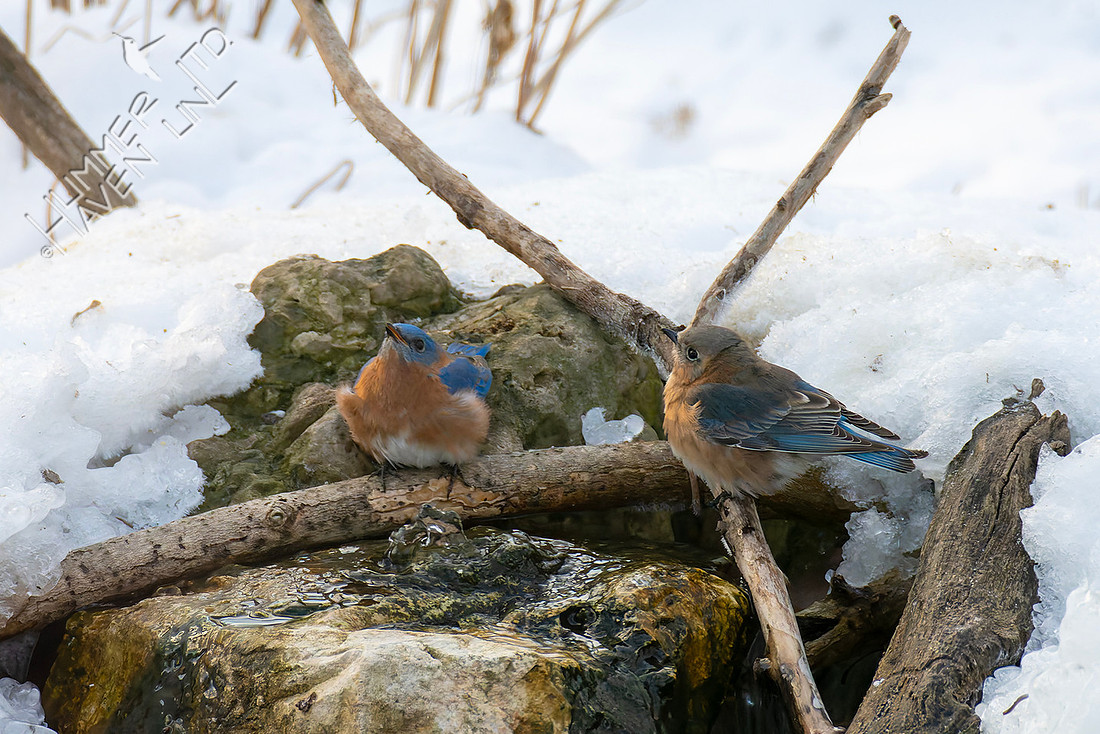
Eastern Bluebirds are getting brighter plumage. They'll start looking for nesting boxes in February. What!? Yes, they'll be ready to set up their breeding territory for the season.
We have gained 40 minutes of daylight since the Winter Solstice.
It is 47 days until the Spring Equinox on March 20, 2026.
Third week of January update 1-23-26
What are the birds doing in January?
Looking for food is top priority.
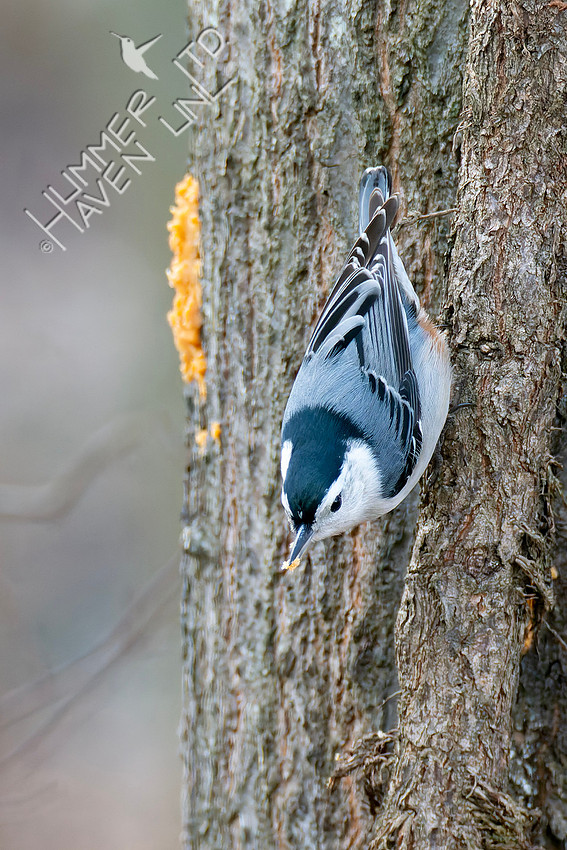
This White-breasted Nuthatch grabbed some bark butter.
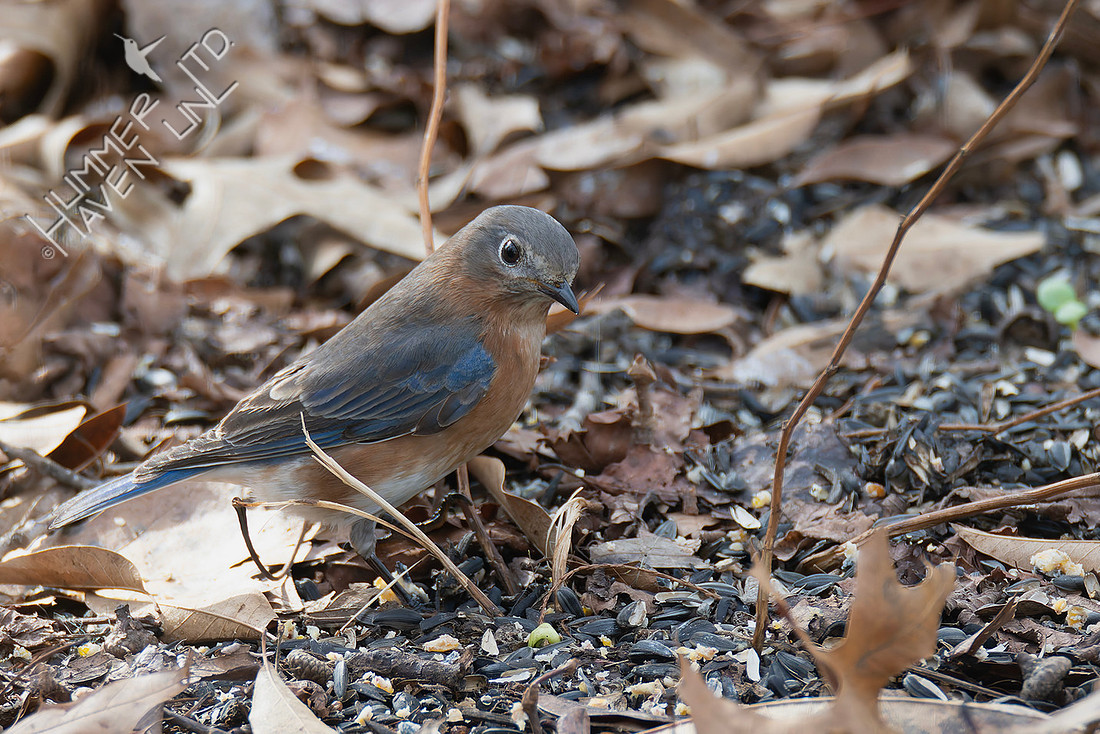
An Eastern Bluebird is picking out seed or grit to help with digestion.
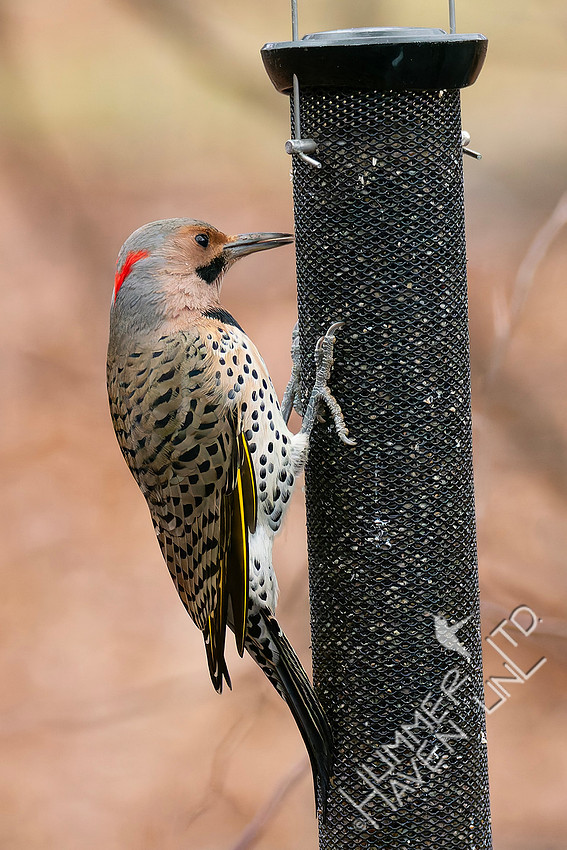
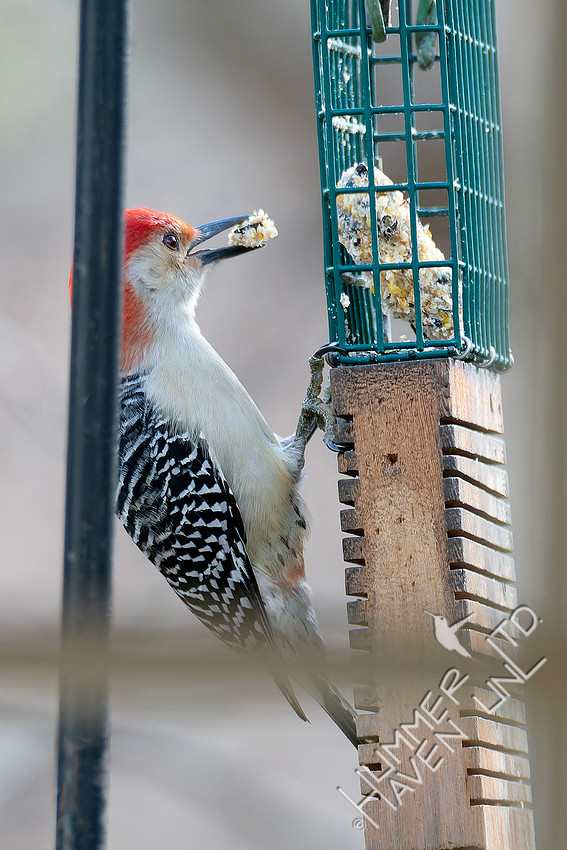
Northern Flickers go for suet and occasionally, sunflower hearts. Red-bellied Woodpeckers come in for suet, and nutty treats.
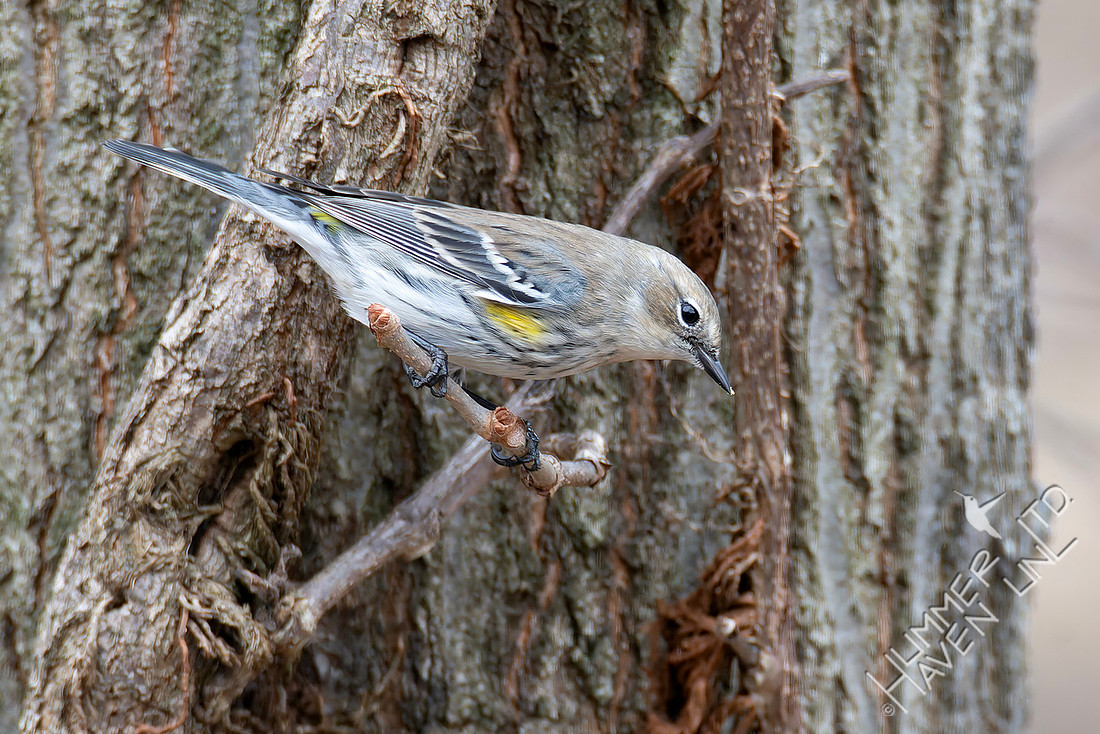
The Yellow-rumped Warbler tries to get to the suet when the bigger birds are gone, and takes bark butter.
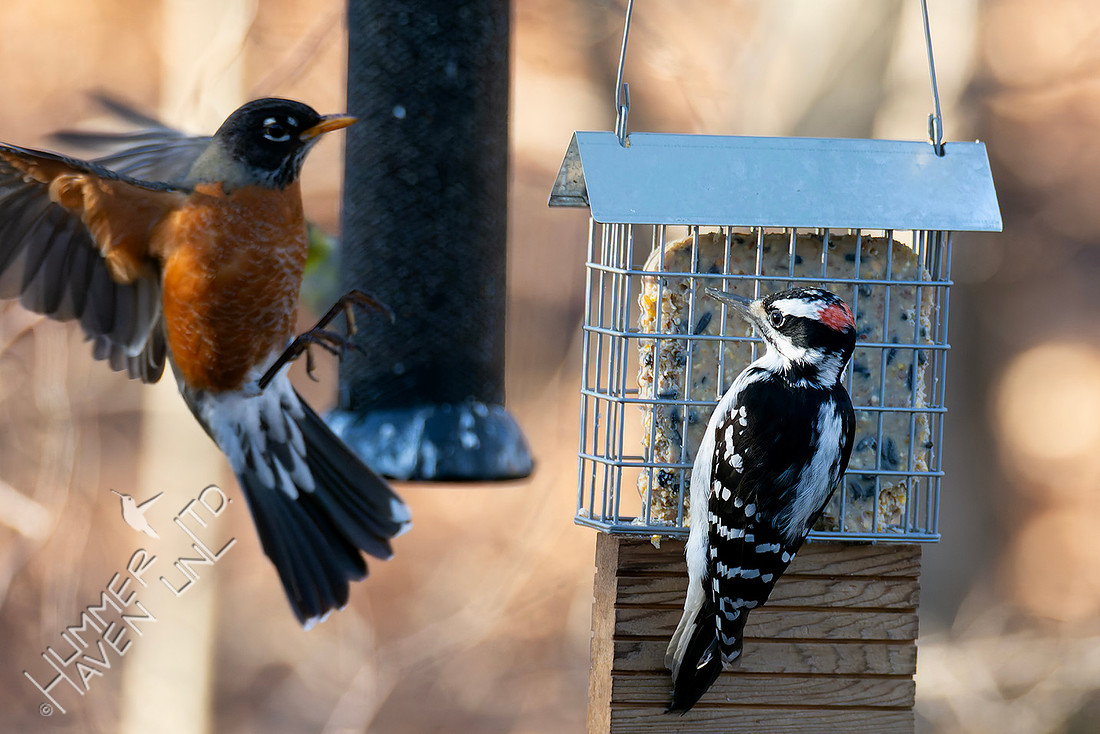
Yes, even American Robins will go for suet, sometimes surprising birds like this Hairy Woodpecker.
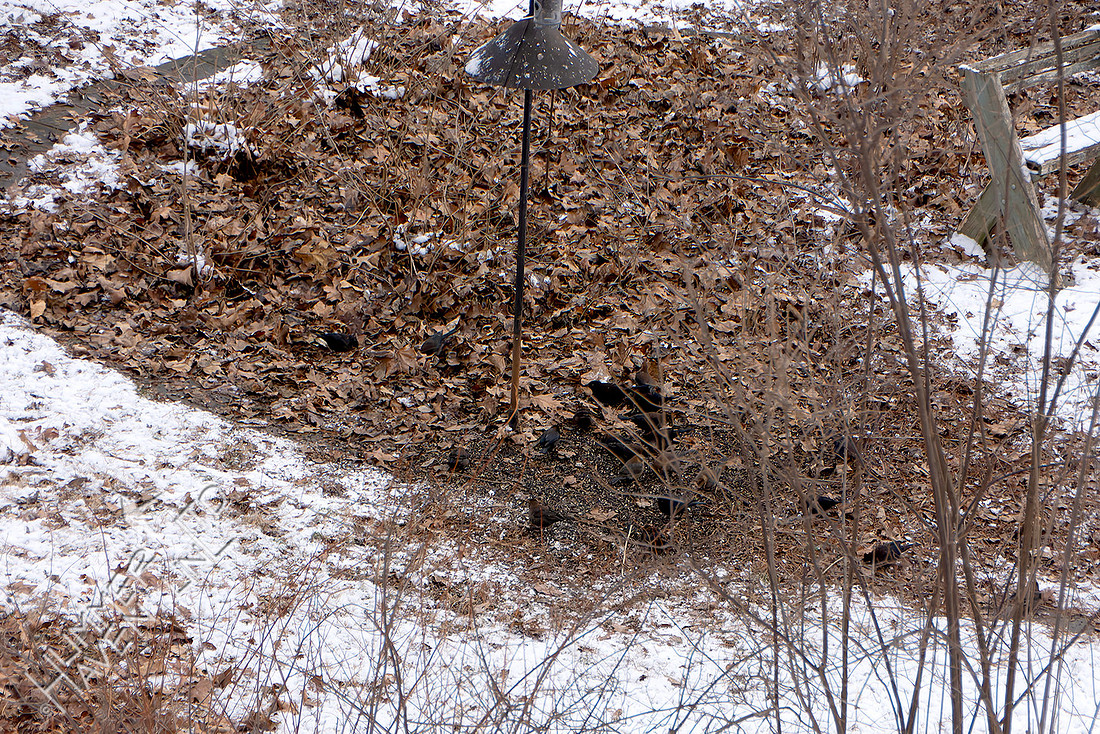
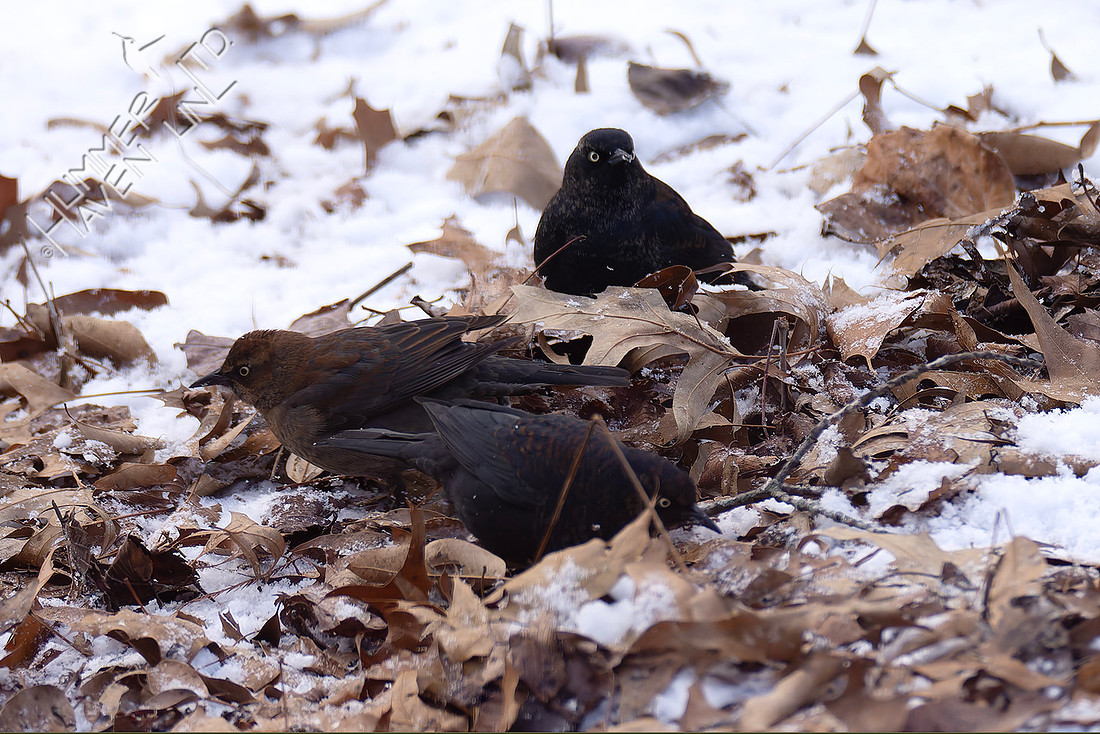
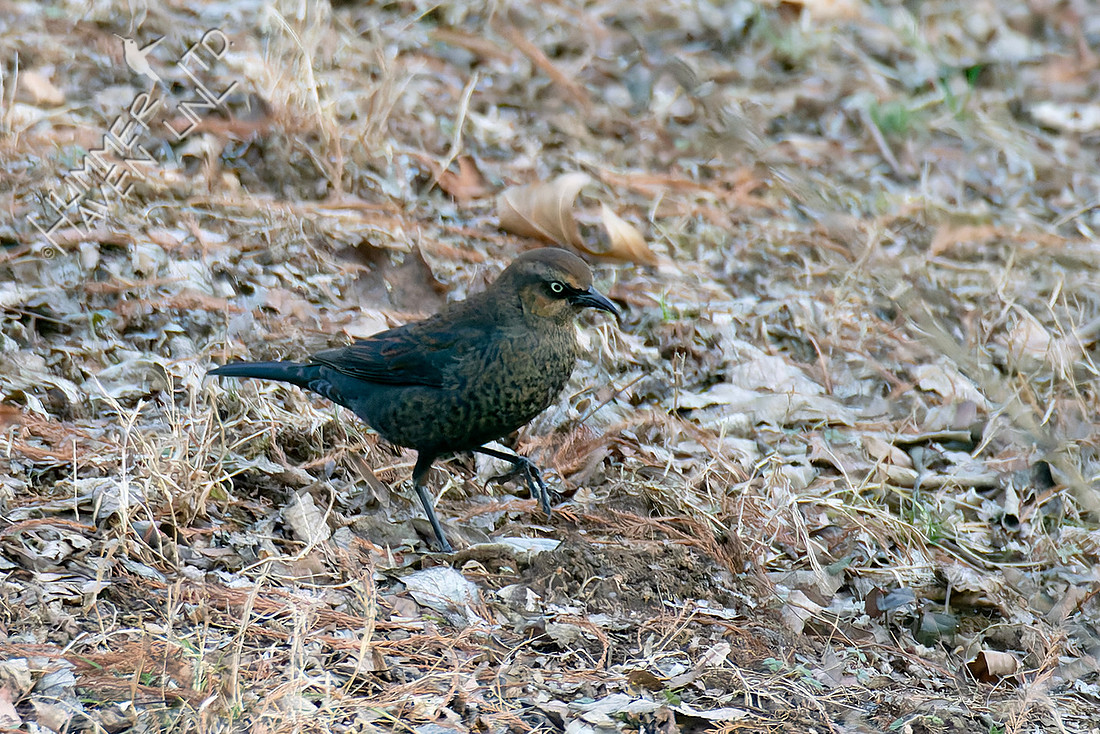
Rusty Blackbirds are difficult to track in the leaves! I counted 24 before I took the first photo. They easily disappear underneath them while looking for moth larvae.
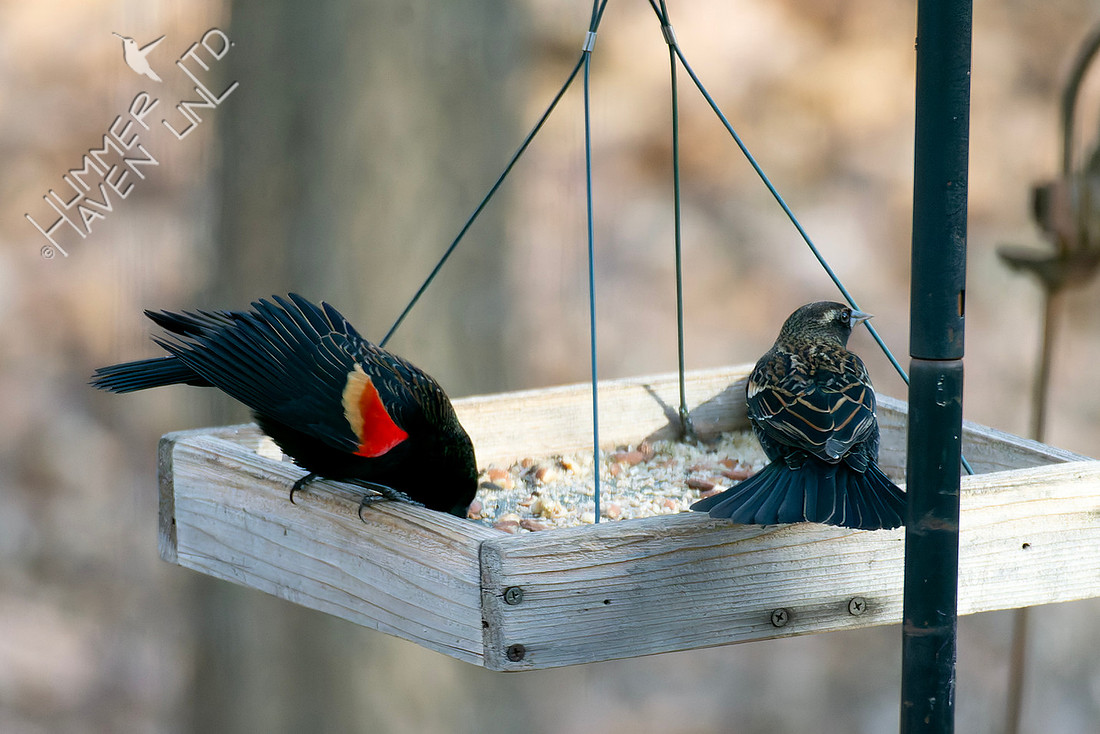
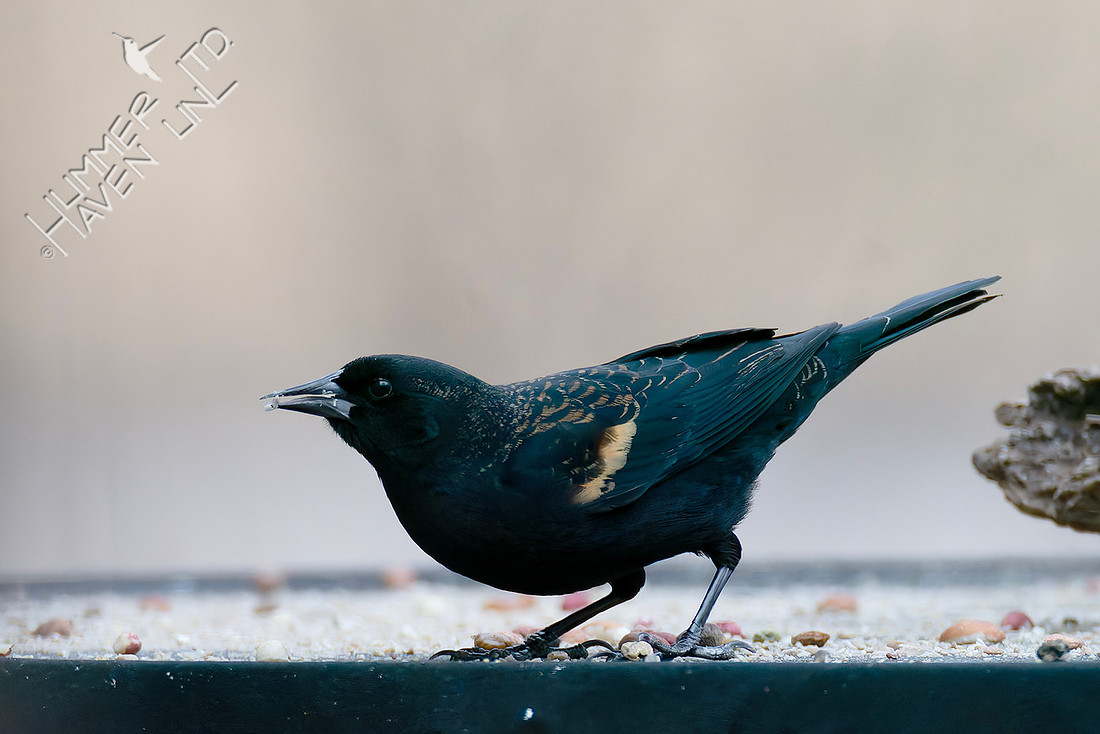
Red-winged Blackbirds aren't shy about checking open feeders.
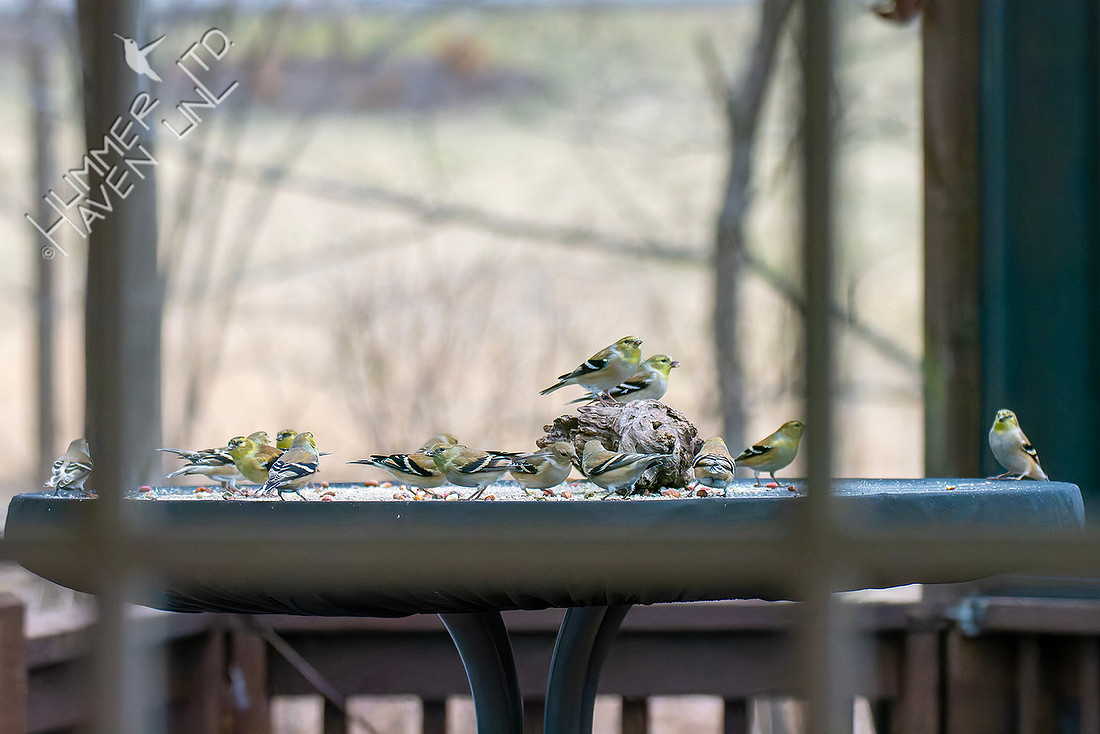
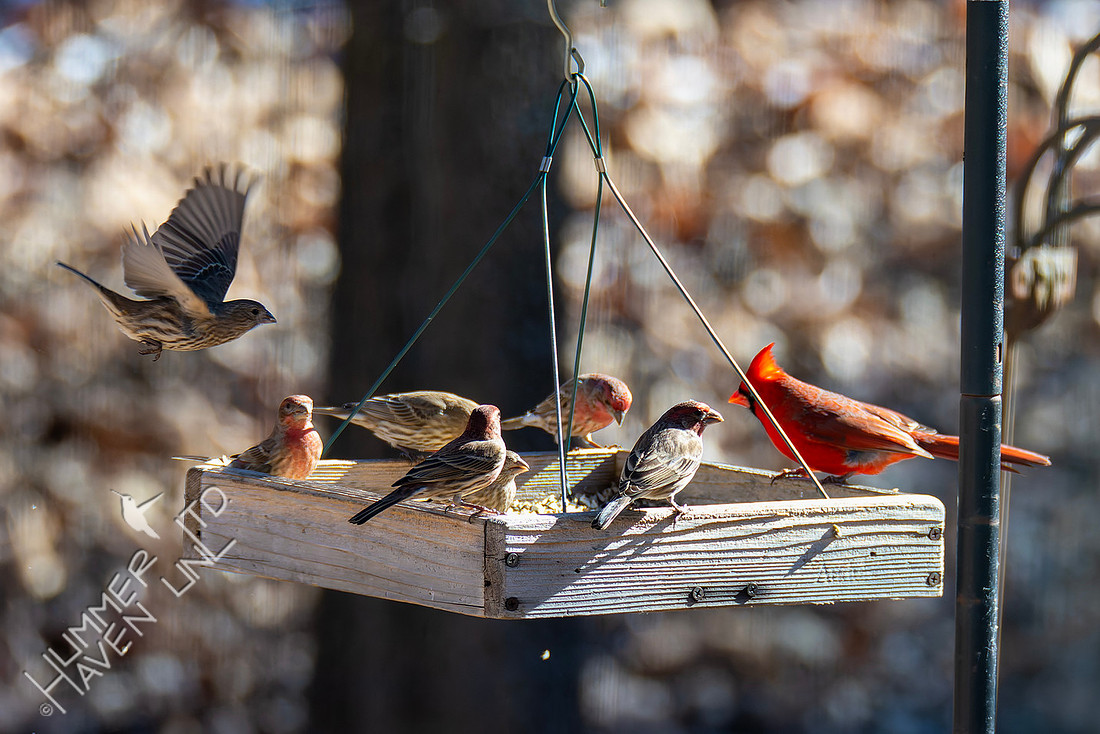
American Goldfinches, House Finches and Northern Cardinals are always after sunflower seeds.
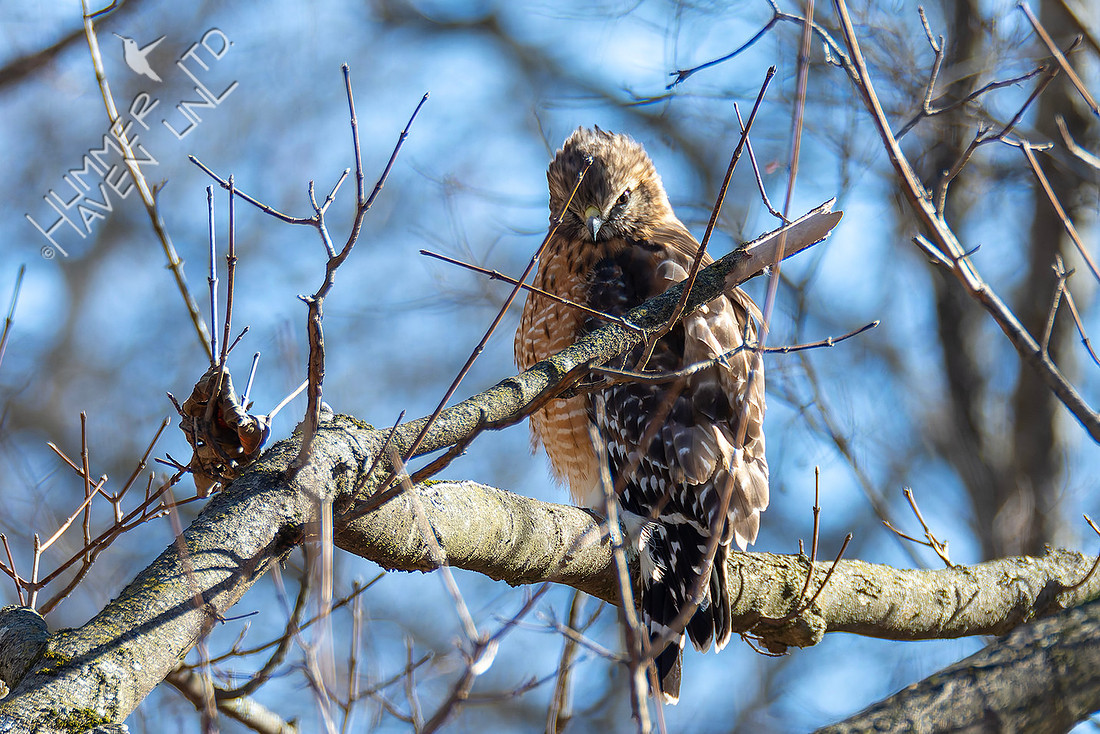
The Red-shouldered Hawk will focus on finding voles under the leaves, though it will take a bird under stress.
Birds are also looking for places to rest and digest, while staying out of harm's way!
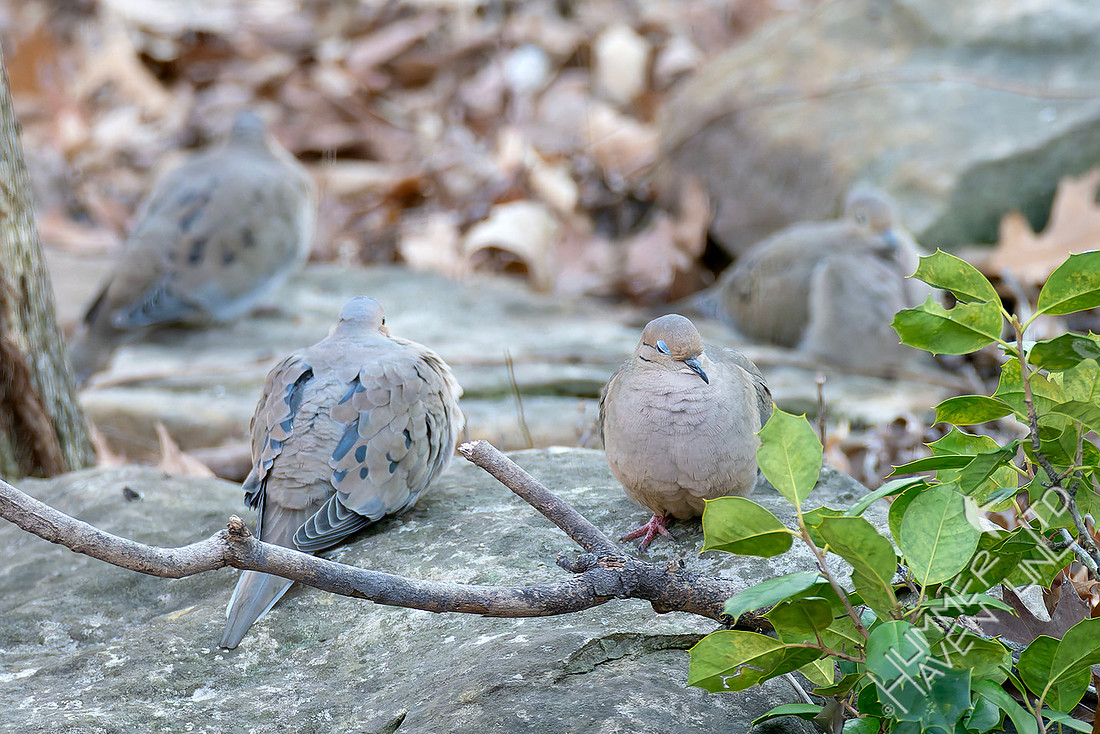
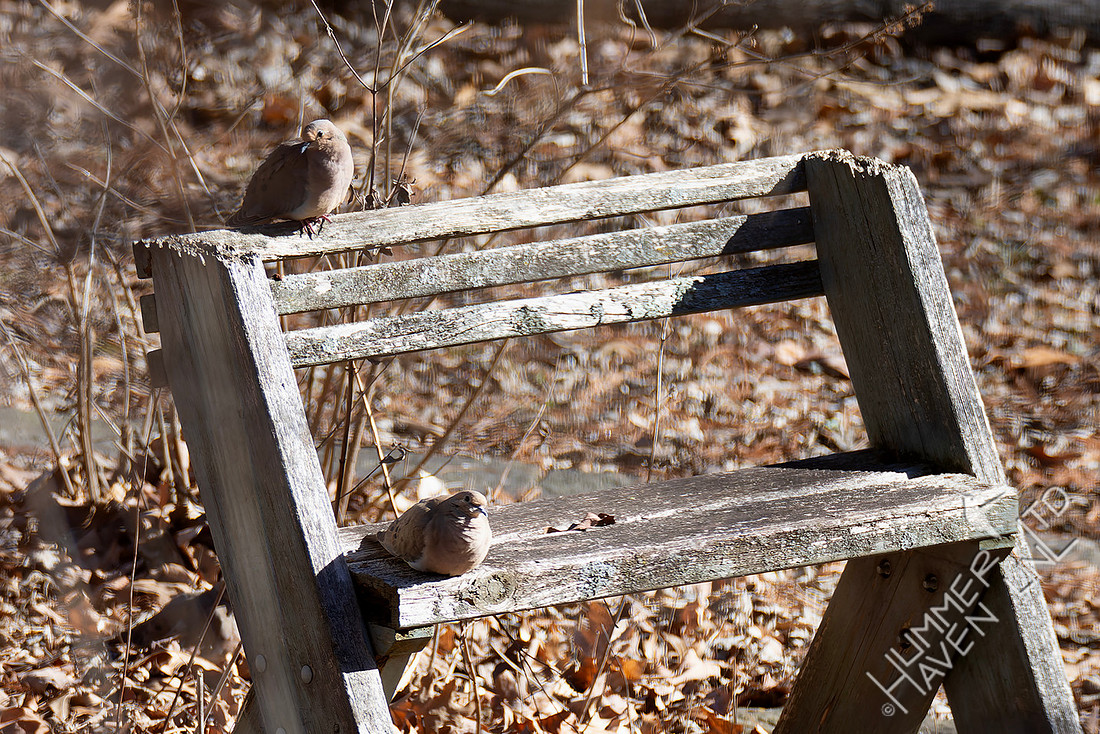
Mourning Doves gather around the bubbler where it feels a bit warmer. This pair enjoyed a sunny day resting on the bench.
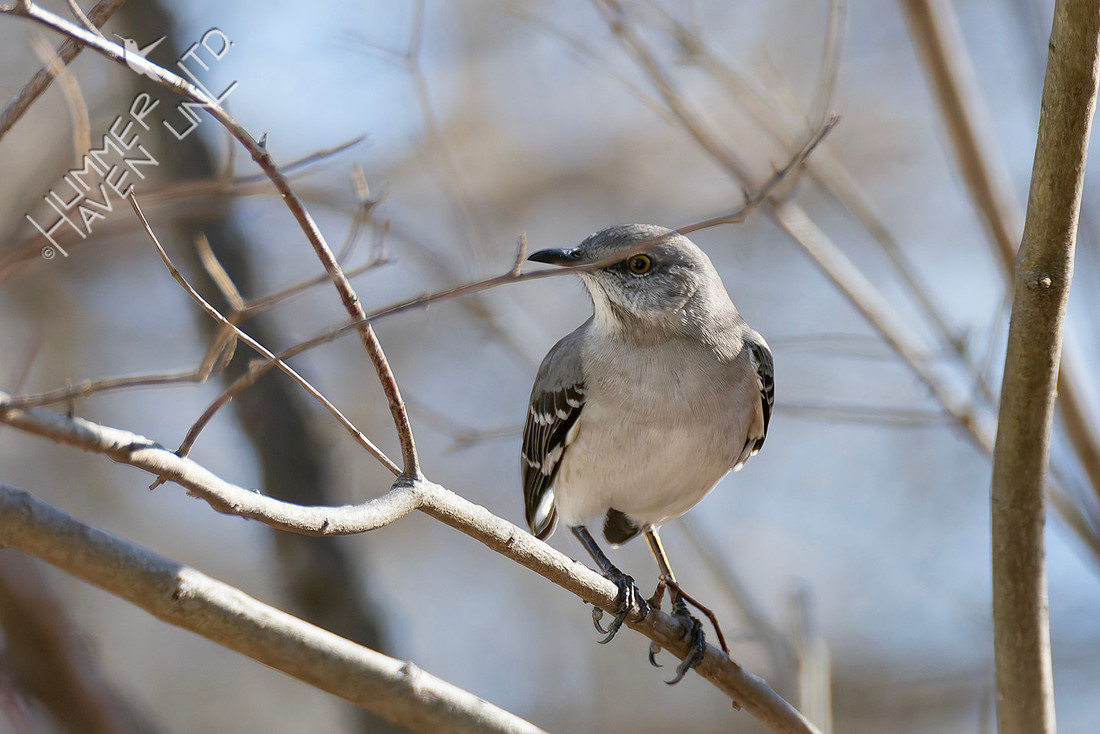
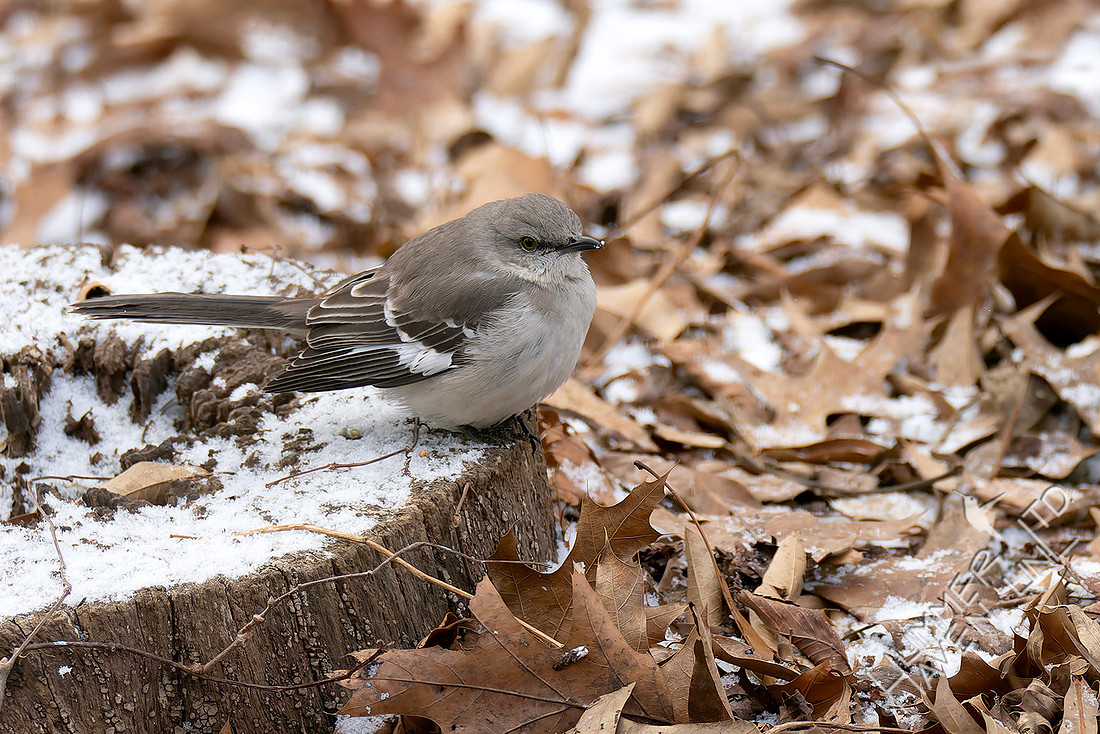
Sometimes Northern Mockingbirds seem restless, coming in and out quickly. At other times, one will take a break, as it's doing on this stump.
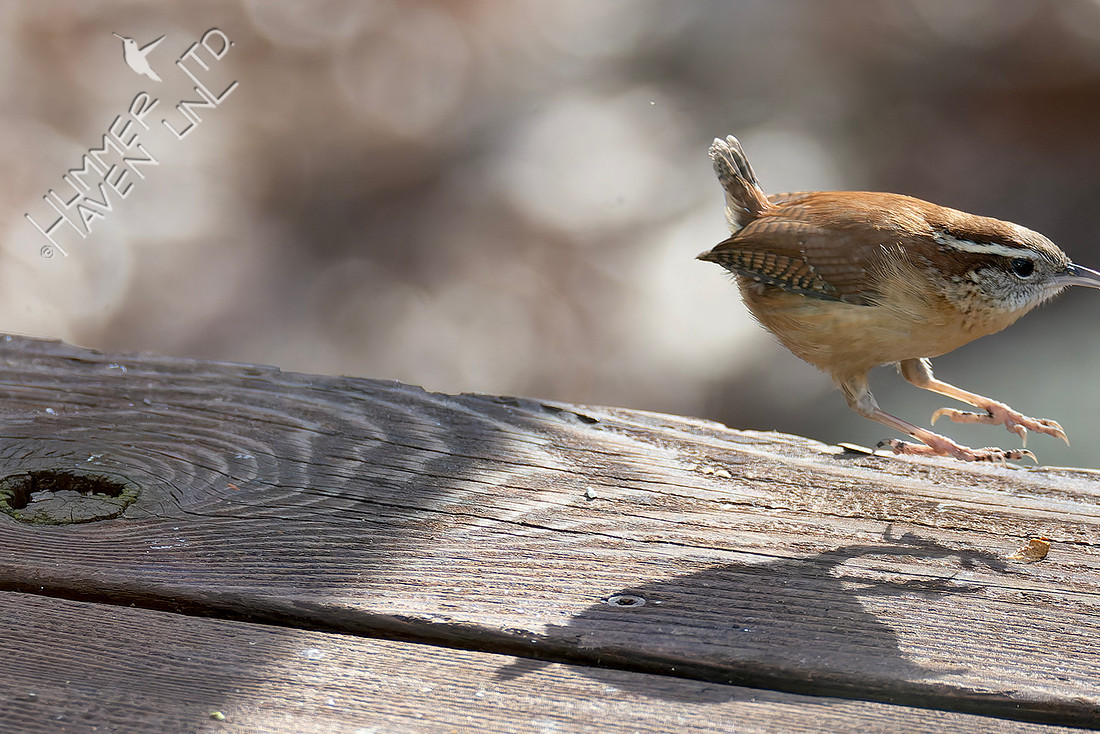
The Carolina Wren is still vulnerable and a bit self-conscious without its tail! But, feathers are growing back in.
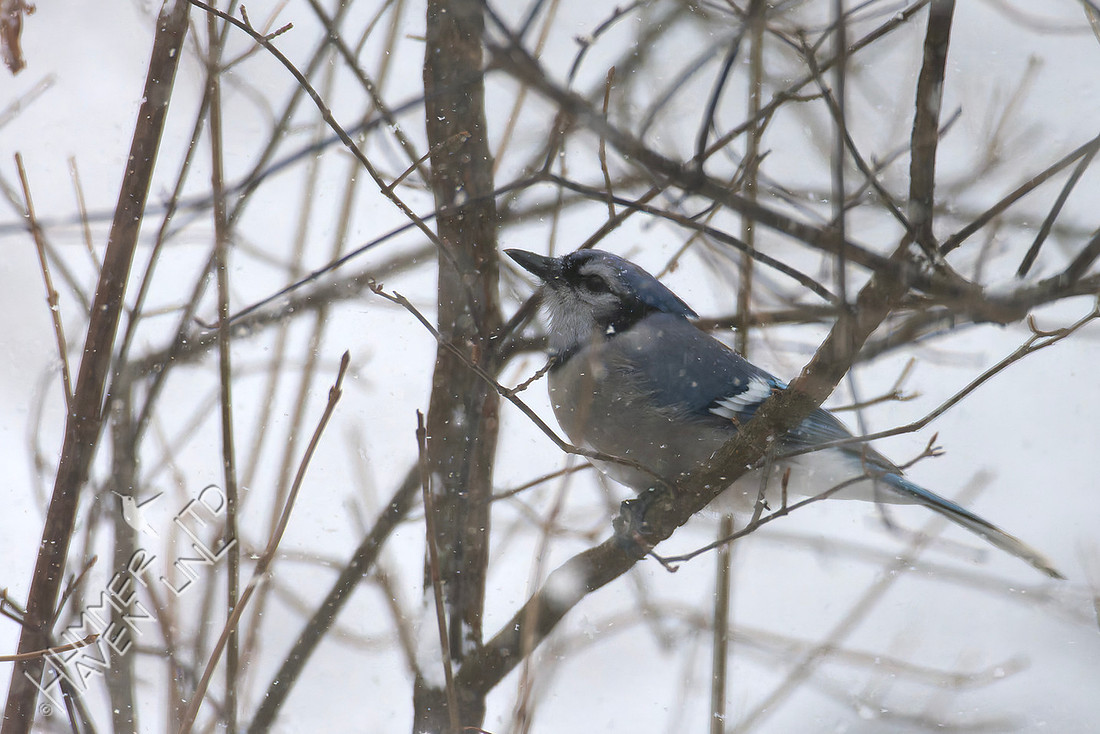
This Blue Jay took cover in the Arrowwood Viburnum by the pond when it snowed on 1-17-26.
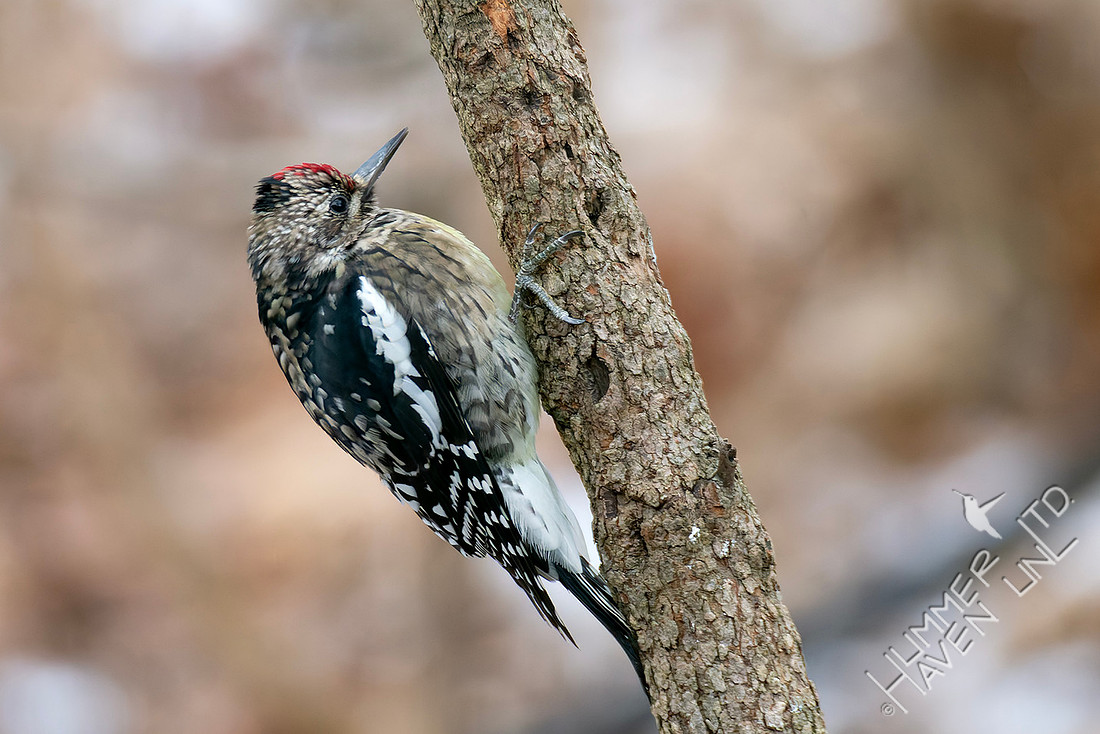
The female Yellow-bellied Sapsucker will cling to rest and try to stay hidden from hawks.
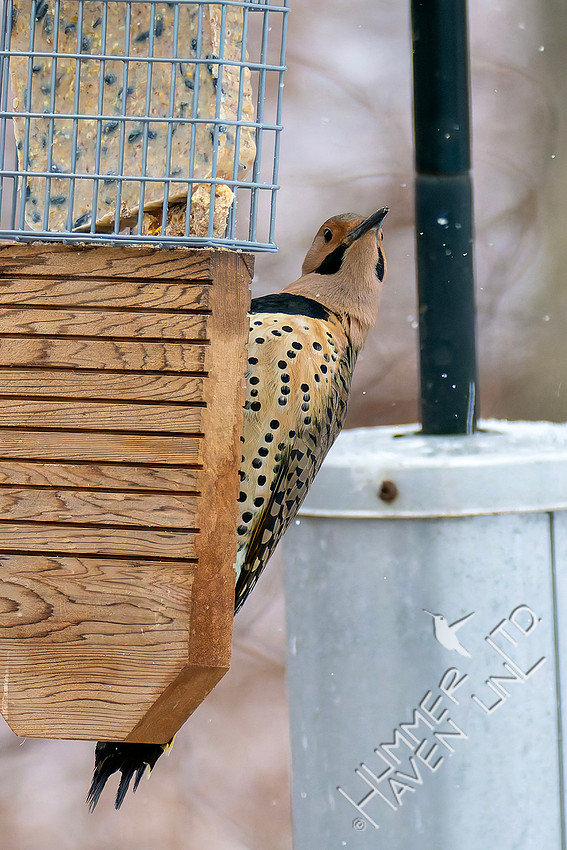
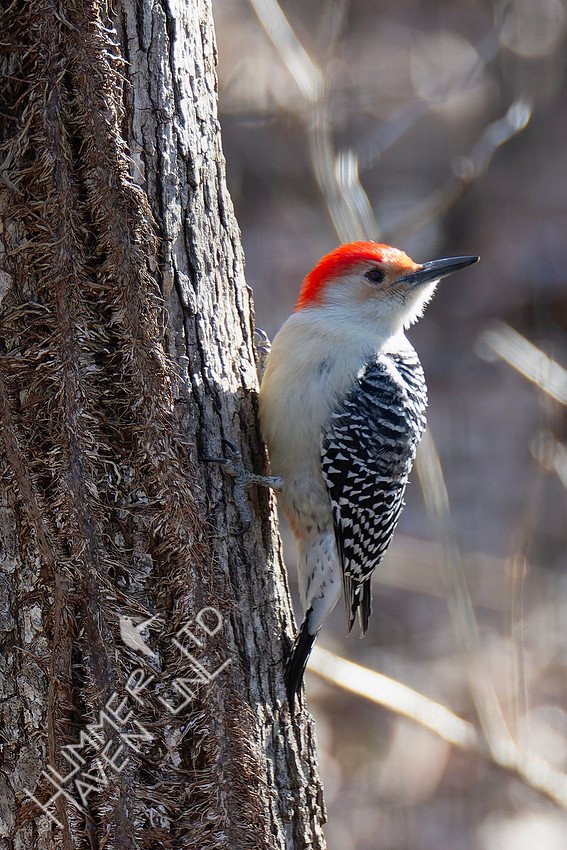
Northern Flickers and Red-bellied Woodpeckers keep an eye to the sky, watching and listening for cues from others about the presence of hawks. Windy days make all the birds skittish.
Birds come to all the water features to drink and bathe, even on very cold days.
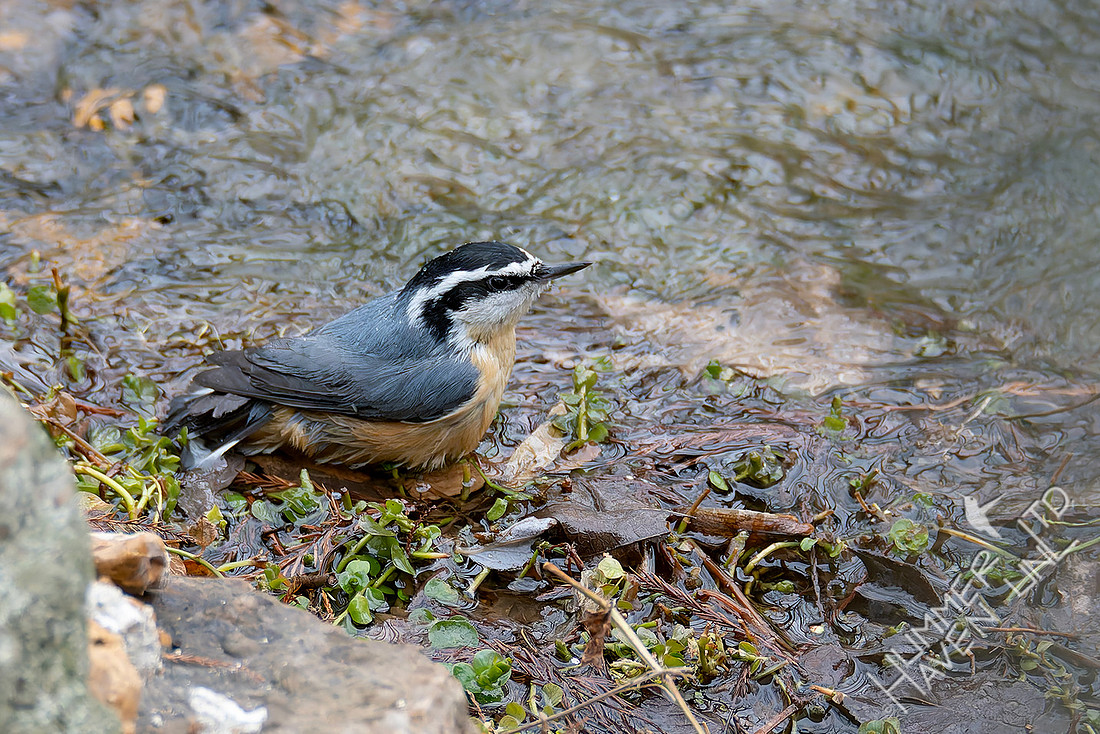
The Red-breasted Nuthatch made my day when it came to the pond to drink and bathe.
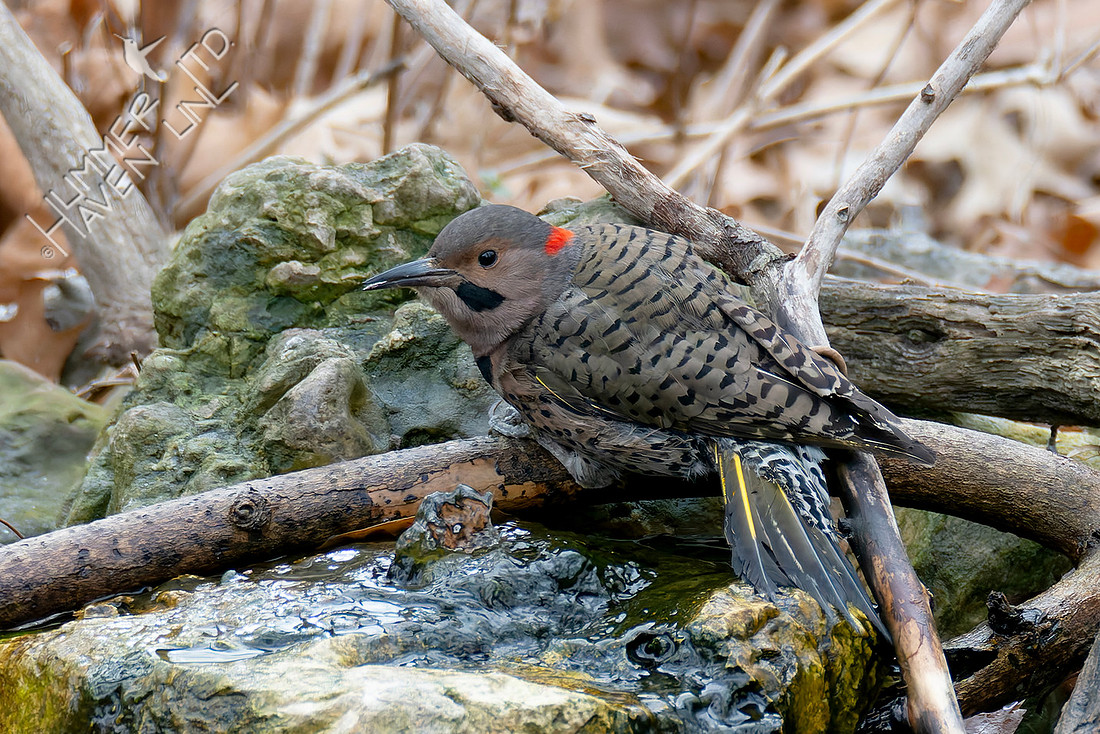
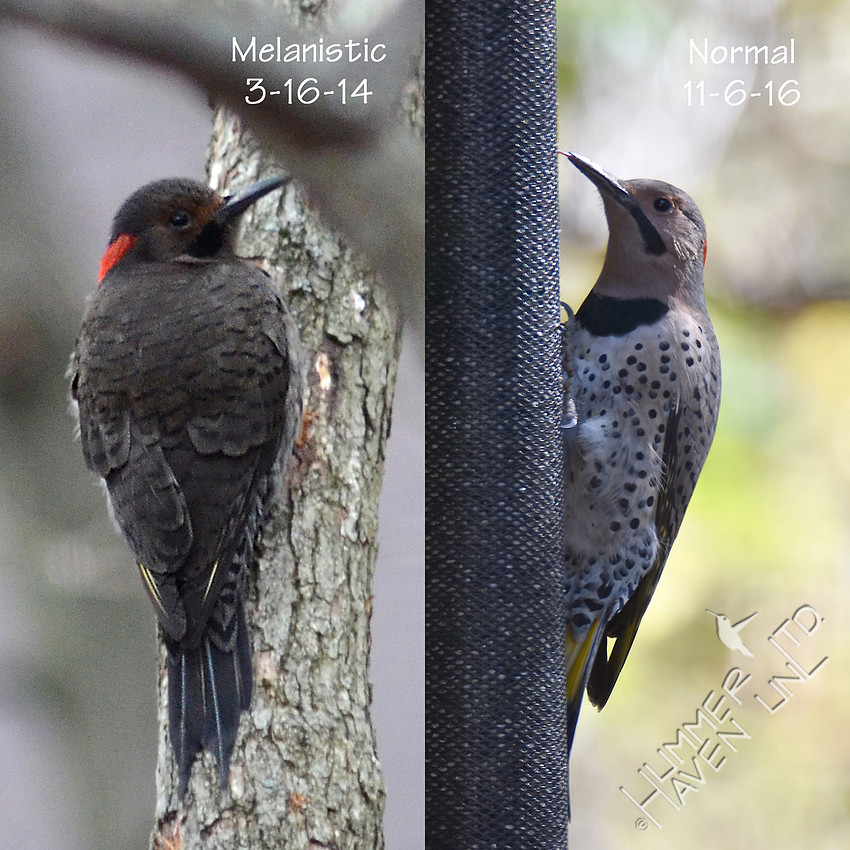
This Northern Flicker has an abundance of melanin, or pigment and is darker than most. I've dubbed him, "Lil' Darth" after one I had years ago that was even darker. Ah, found the photo. It also has a bum left toe that makes it difficult to cling, but the bird manages.
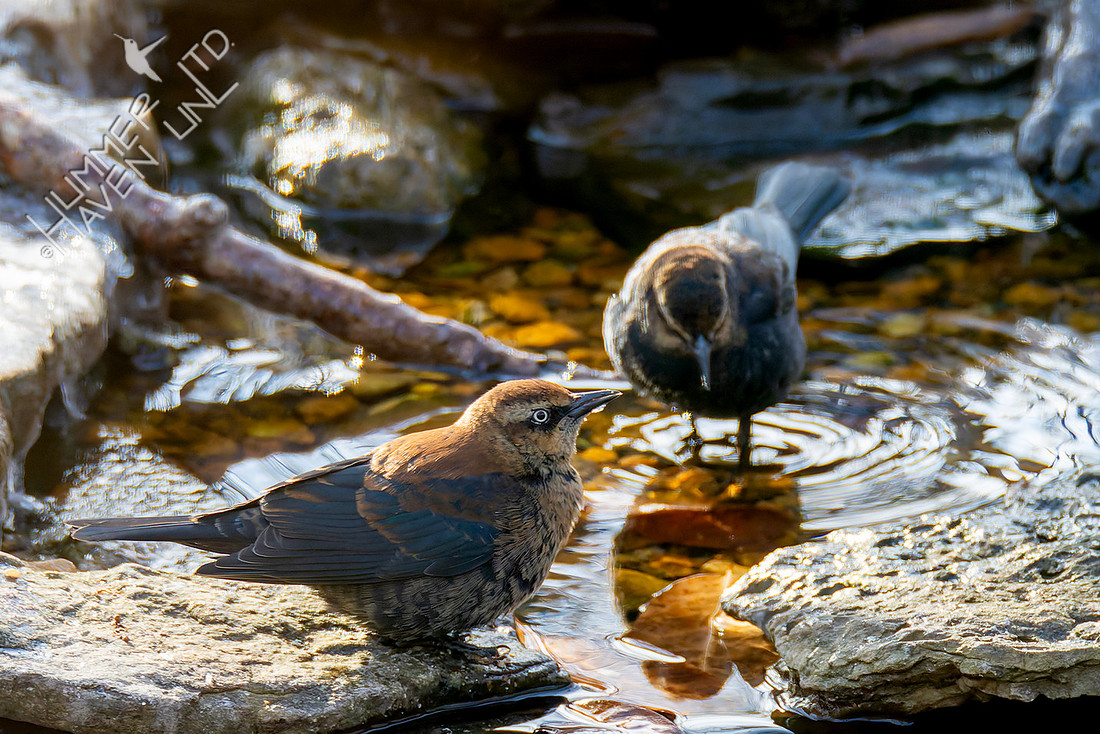
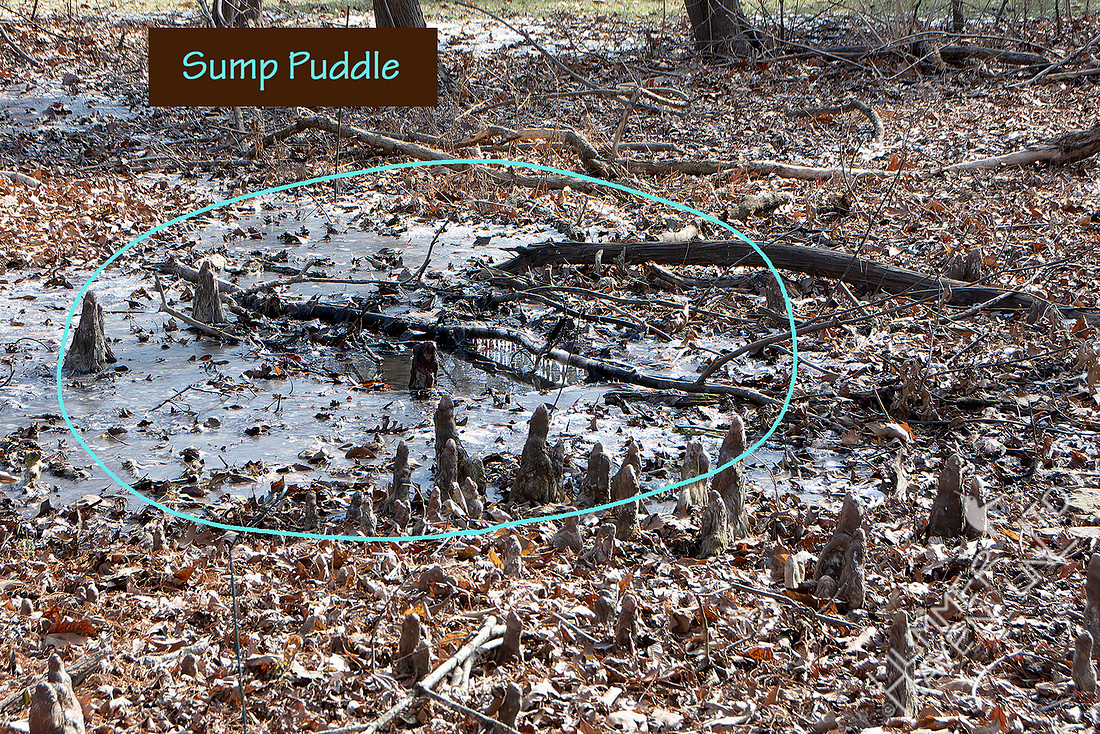
Rusty Blackbirds have been in the bubbler and the sump puddle in the swampy thicket. I counted ten there just a while ago. The water stays open in this area and draws birds of all sizes.
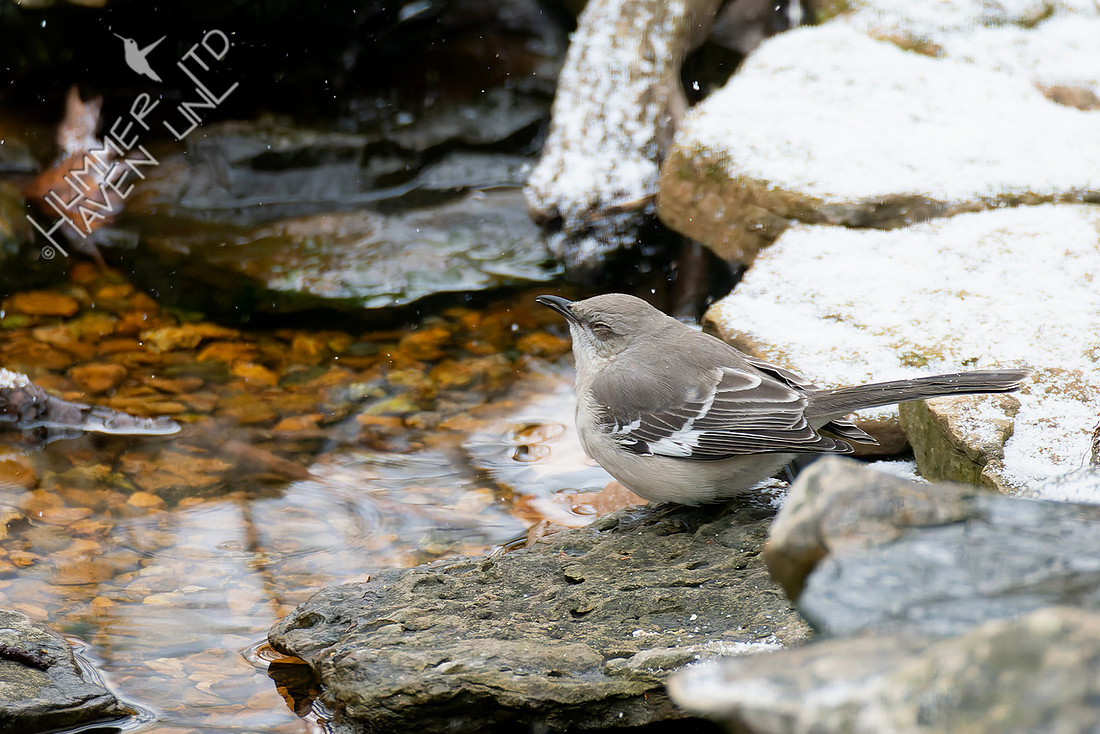
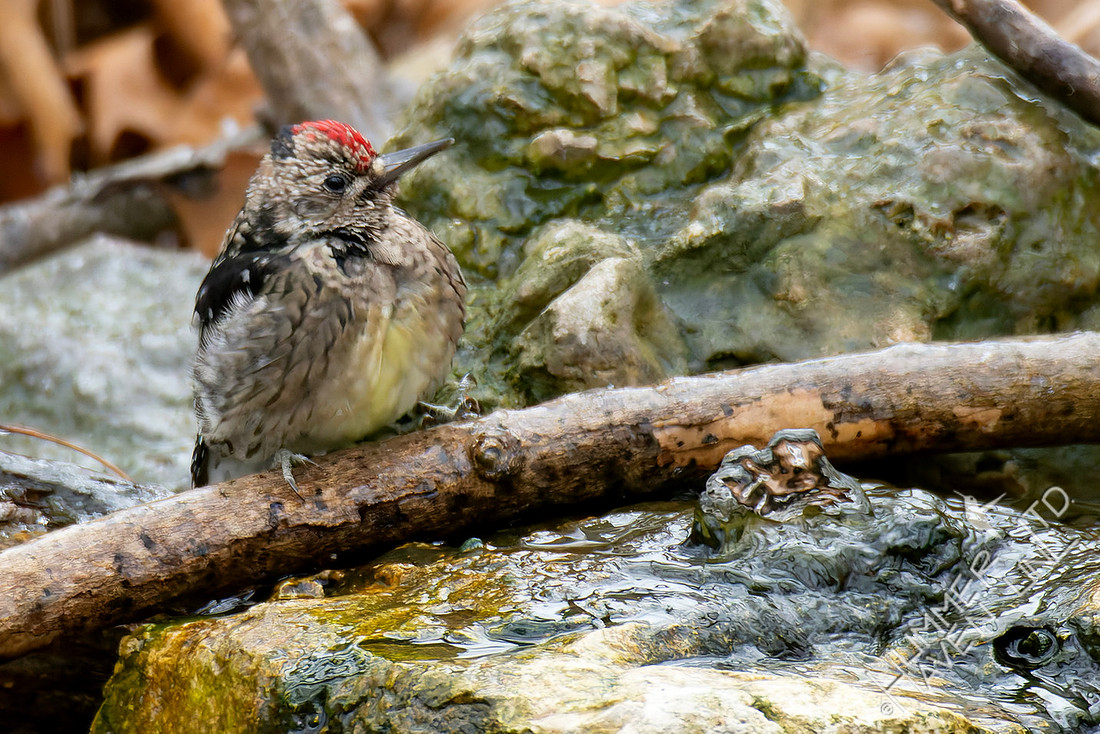
The Northern Mockingbird and Yellow-bellied Sapsucker may eat differently, but all of these birds need water to stay hydrated, regulate their body temperatures and keep feathers clean.
Now we prepare for Winter Storm Fern as it approaches,
and it sounds like one for the record books!
The next post will be coming soon, it's all about Winter Finches.
This polar air is bound to move some rarer birds to the south.
And so it begins, 2026
December 2025 Wrap-up
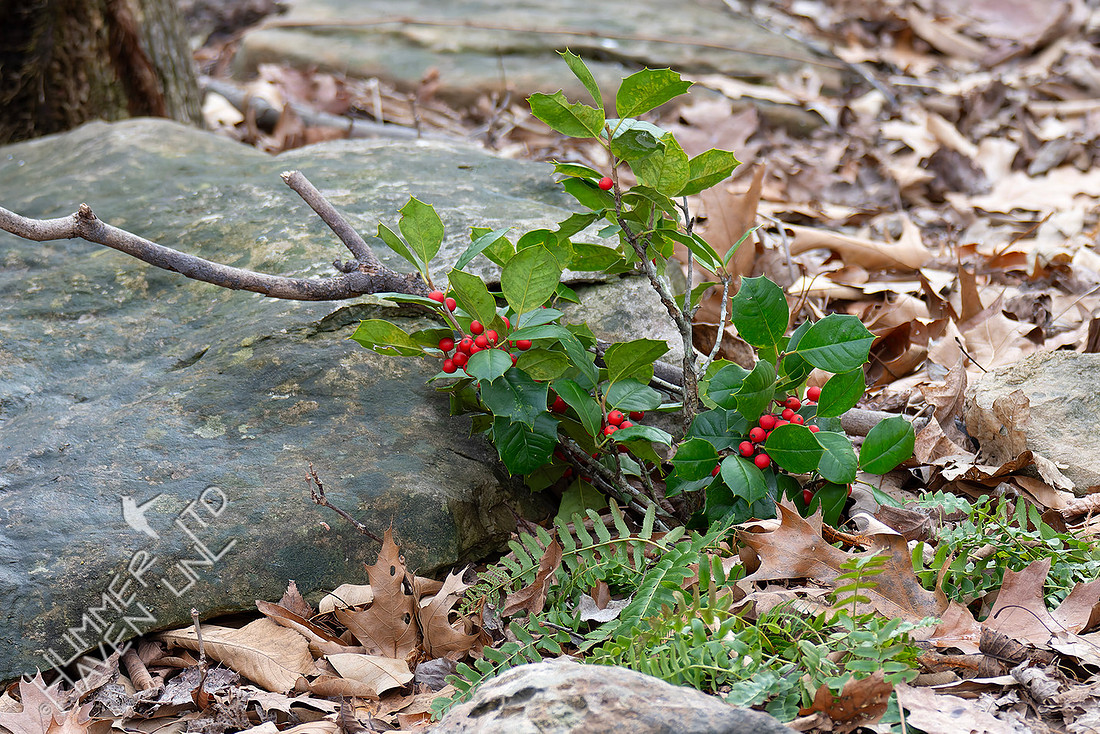
A gift of fresh holly became a food source for American Robins that came to the bubbler. Thank you, Nancy!
There were eBird reports about a female Wood Duck being seen with Mallards at nearby Walker Lake in Kirkwood Park. This duck is supposed to be in the bootheel of Missouri in winter and it's rare for it to be here in the St. Louis area. So I took a bit of time on Christmas Eve to go and look for it. Got lucky and found it near the shore, calling, "ooeek" and paddling back and forth. It bathed and preened while I watched.
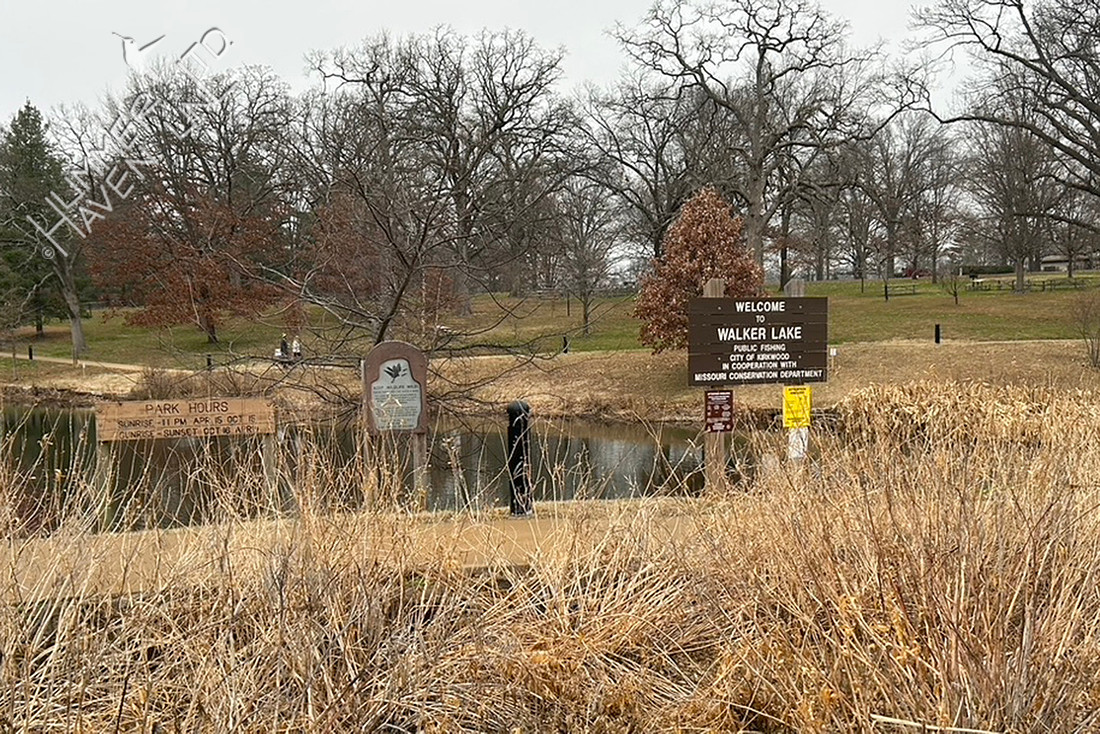
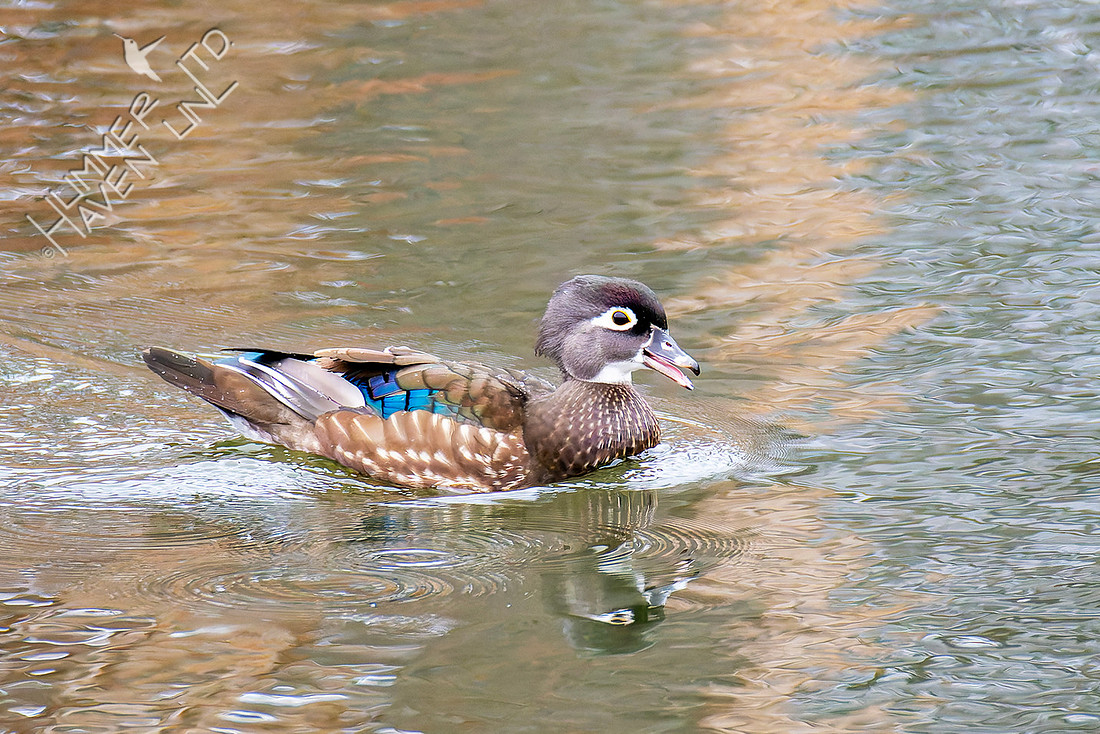
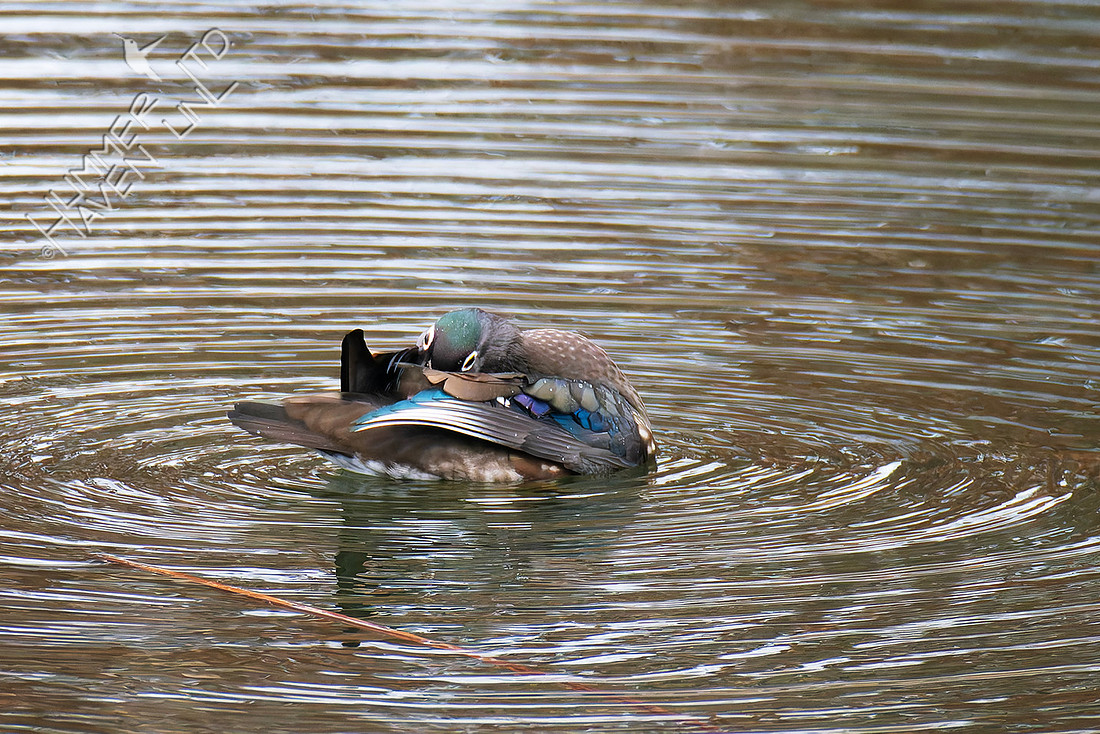
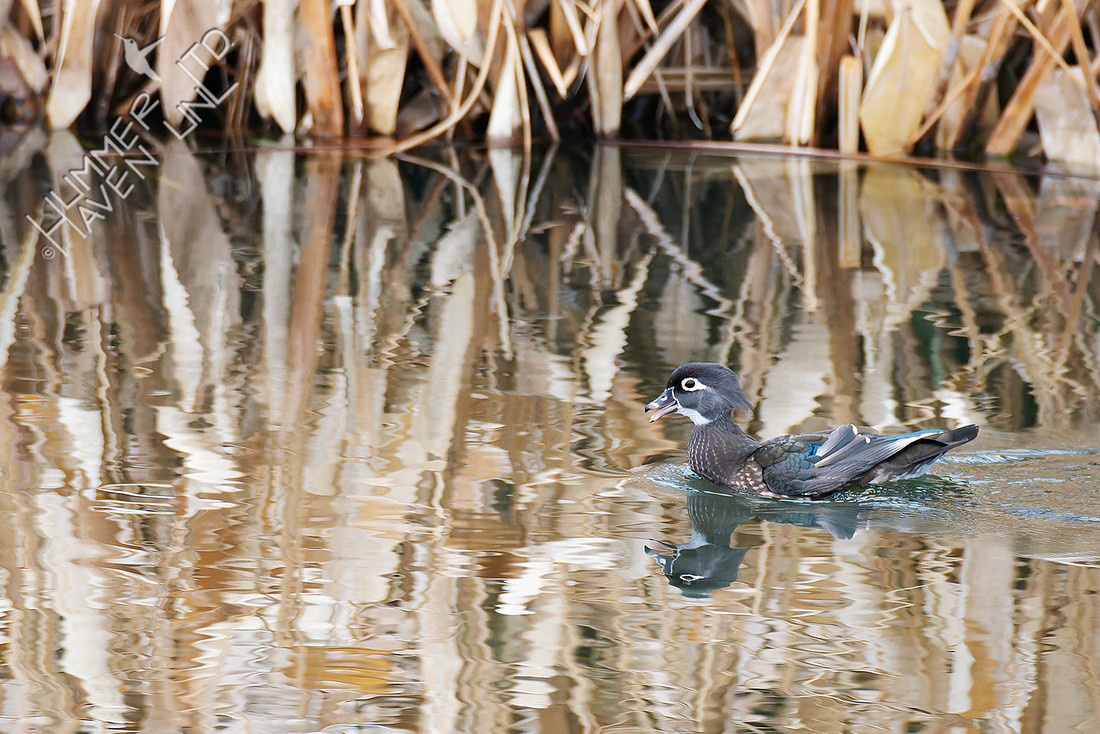
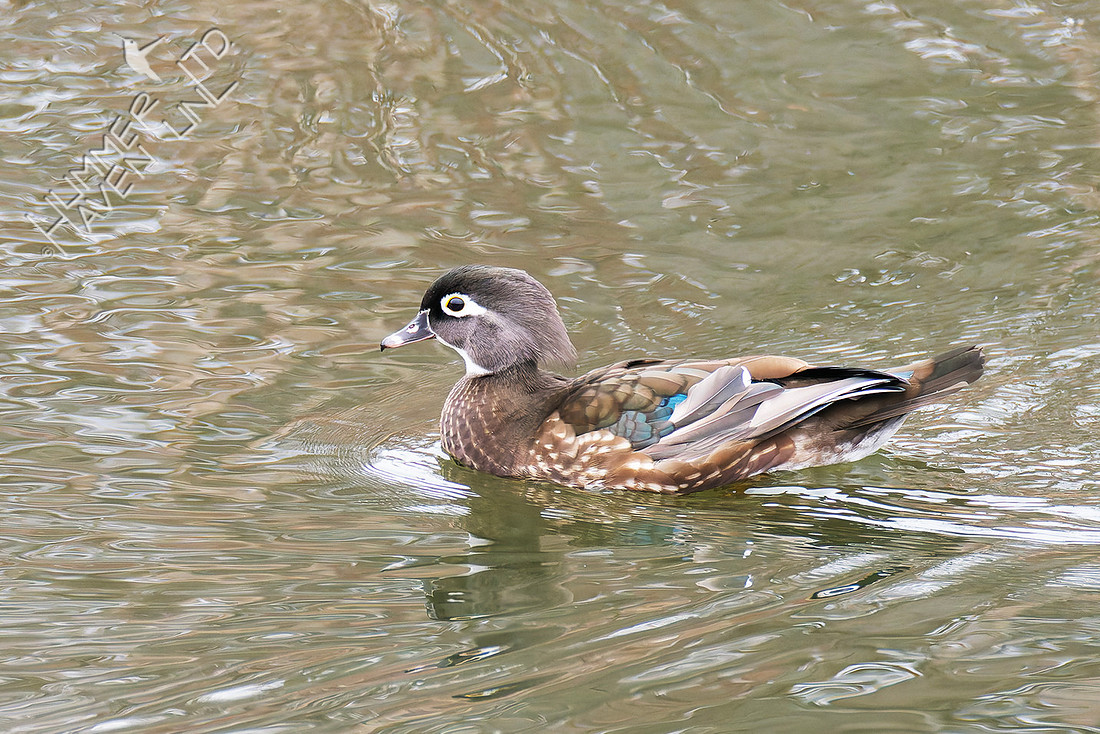
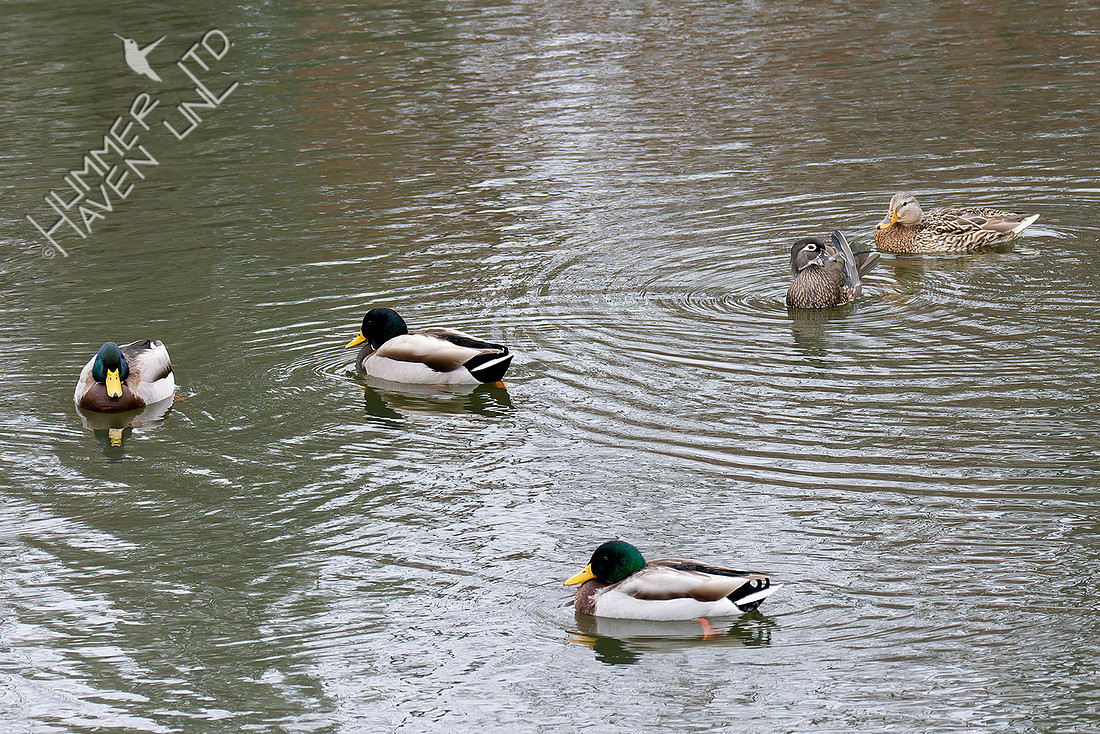
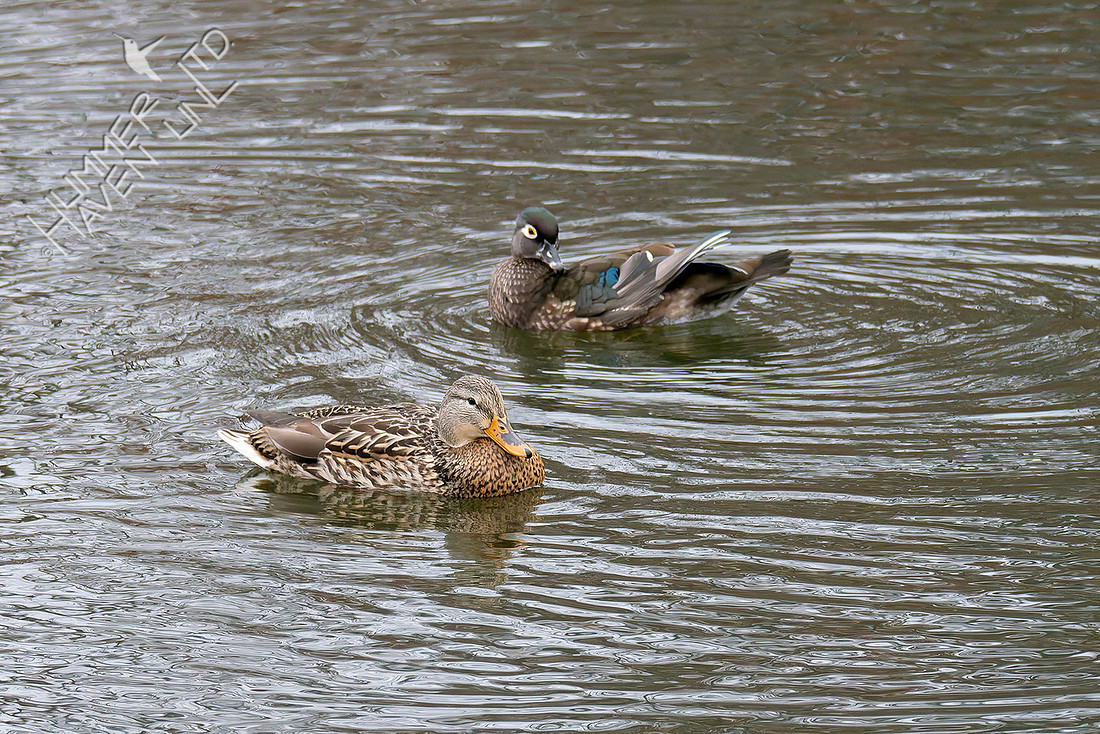 The Mallards are bigger than the Wood Duck, and the Mallard hen decided to get between 'her drakes' and 'that little pipsqueak'. The duck was reported two days ago, so I tried again on Monday but didn't see it. There was some construction work being done on the stormwater swale that brings water to the lake. Perhaps that disturbance was too much for this little duck.
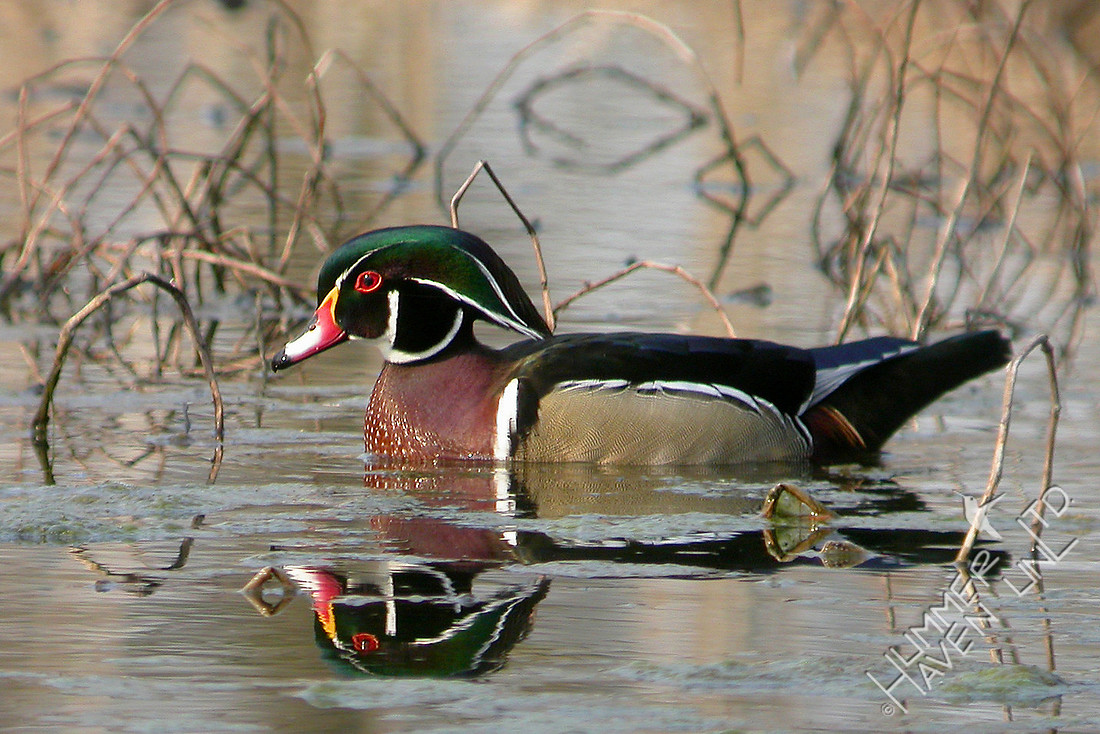
Here's an archive photo of a Wood Drake from 2005. It was fun to get out and see a beautiful species like this. Though we have been on birding trips, I don't do much 'chasing' of birds anymore, there's usually plenty of birds and other wildlife to document here. That said, I just bird wherever I am! (Yes, you could say I'm annoyingly obsessive.) In early December, I went on a house tour with my friend, Armetta. It was approaching dusk as we pulled up to one of the last houses. American Crows were making a big fuss and mobbing a Great Horned Owl on a rooftop! We didn't even need binoculars to see these birds, both familiar to us. It added to our shared experience of that day.
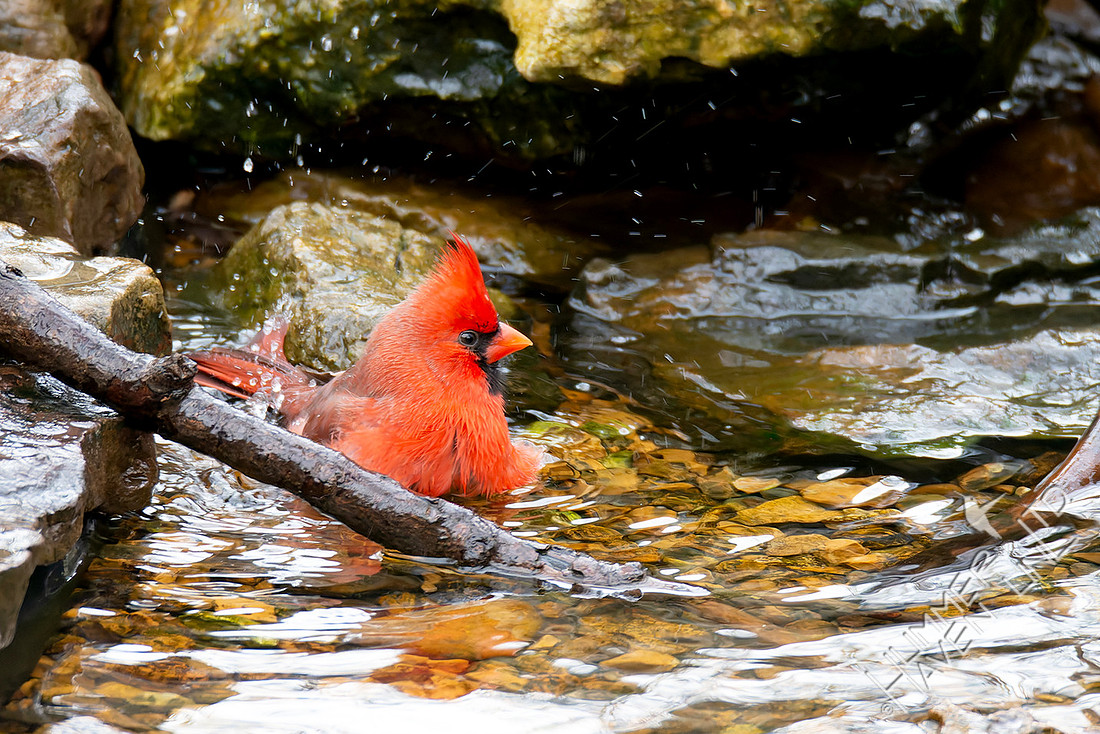
Back at home on Christmas Day, our resident Northern Cardinal enjoyed a nice bath.
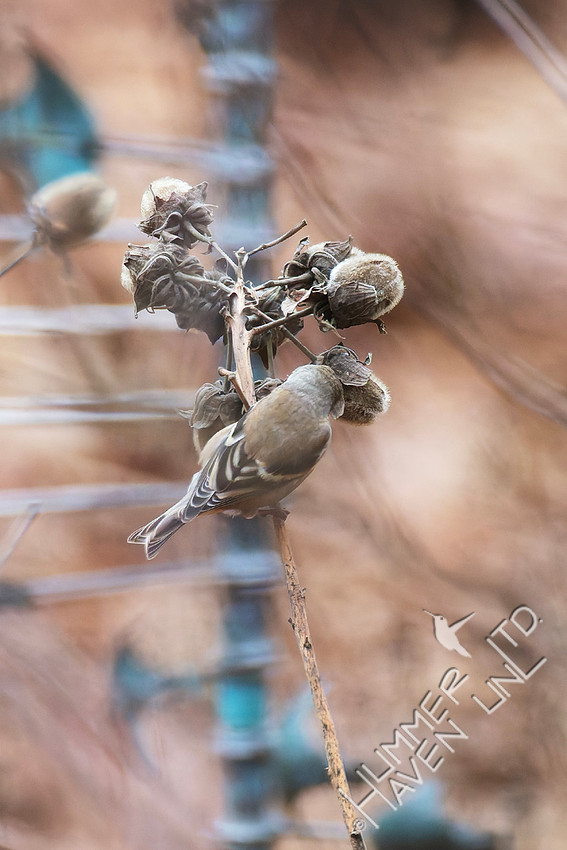
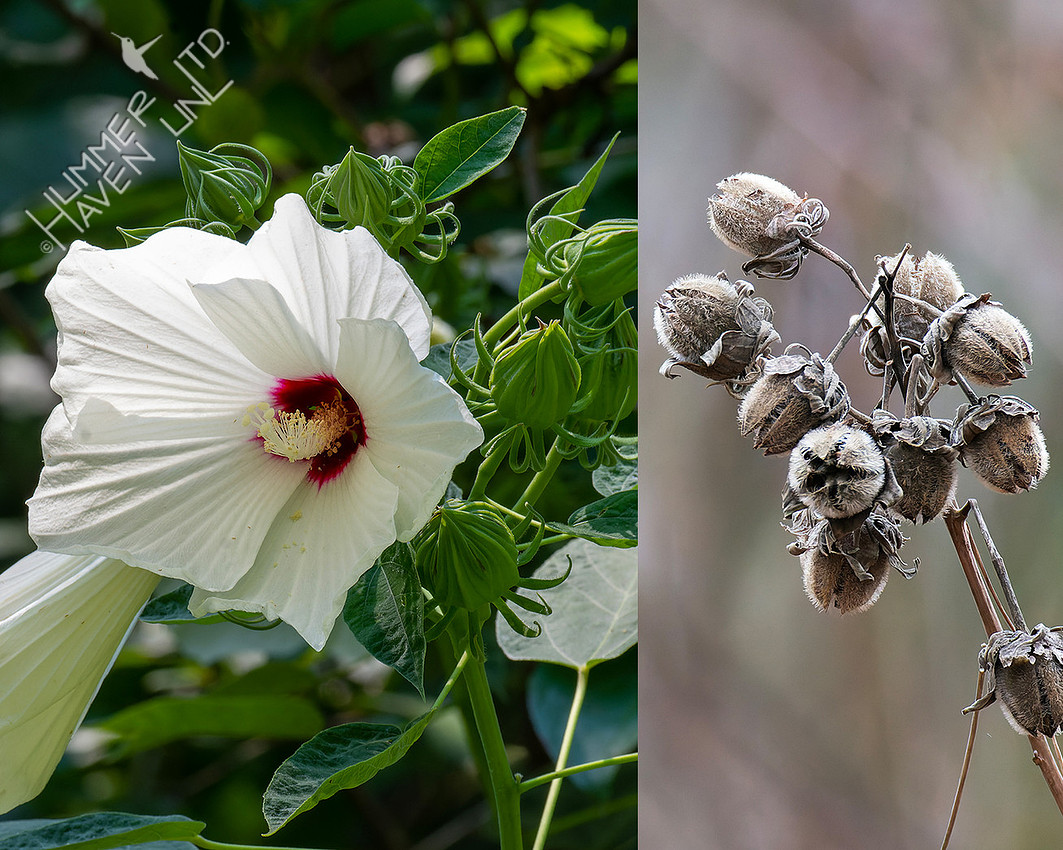
An American Goldfinch spent time in the garden eating the seeds of Rose Mallow (Hibiscus lasiocarpus). Here's a photo of the bloom and seed pod. The Rose Mallow is considered a native Keystone plant because it supports 25 Lepidoptera (butterflies and moths) as a host plant. The blooms are impressive, attracting bees and hummingbirds and then in winter, the seeds within the scruffy pods are an abundant source of food for wintering finches.
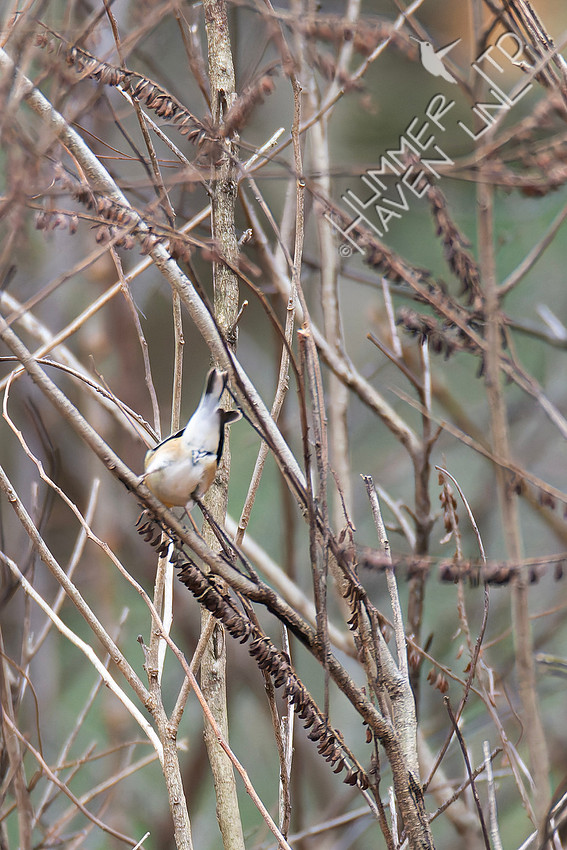
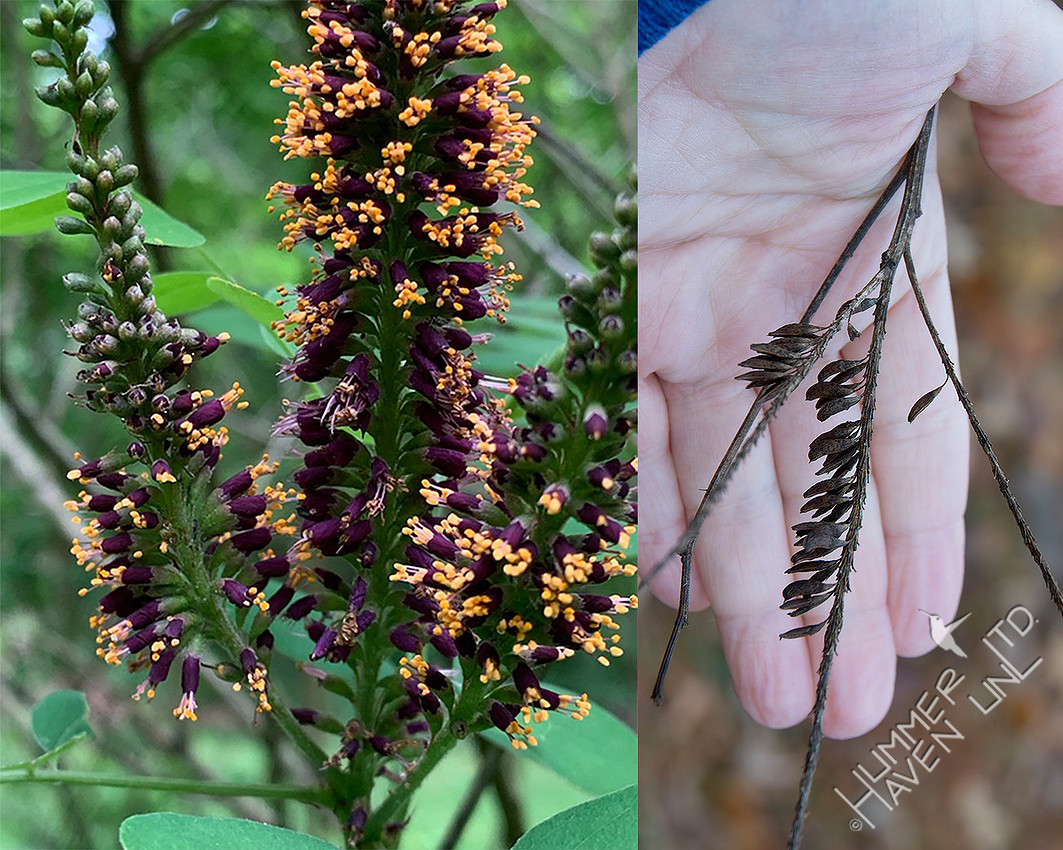
Also on Christmas Day, more goldfinches were eating the tiny seeds of Indigobush (Amorpha fruticosa). The flowers are quite small, another perfect food for small finches. I suspect the Pine Siskins also munch on these. This Keystone native plant supports 35 species of butterflies and moths! Both of these plants are tall and should be used in the background or border. They're the best bird feeders because they are natural sources of food.
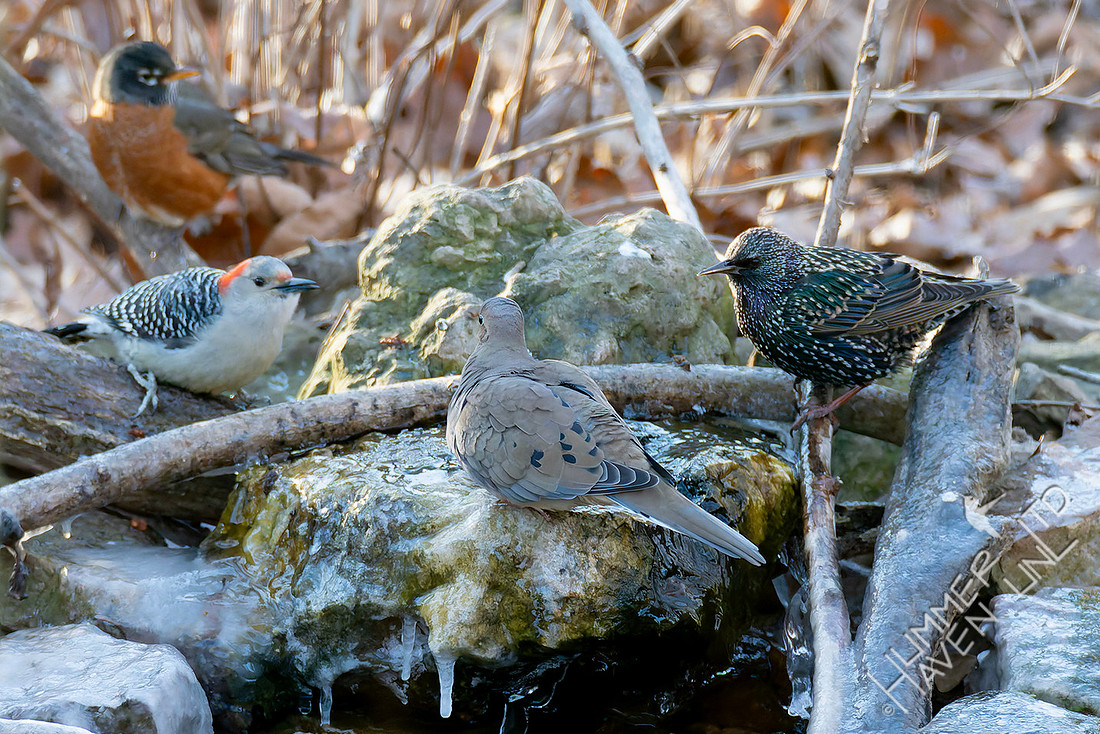
We had some snow and icy days in December. Still, birds knew they could depend on the bubbler for water. It's mild now, but the pendulum will surely swing again. Can you name these four species? Sure you can.
Here's a link to the rest of the December photos, and they include lots of favorites such as Pine Siskin, Brown Creeper, and Yellow-bellied Sapsucker.
Now on to January, 2026
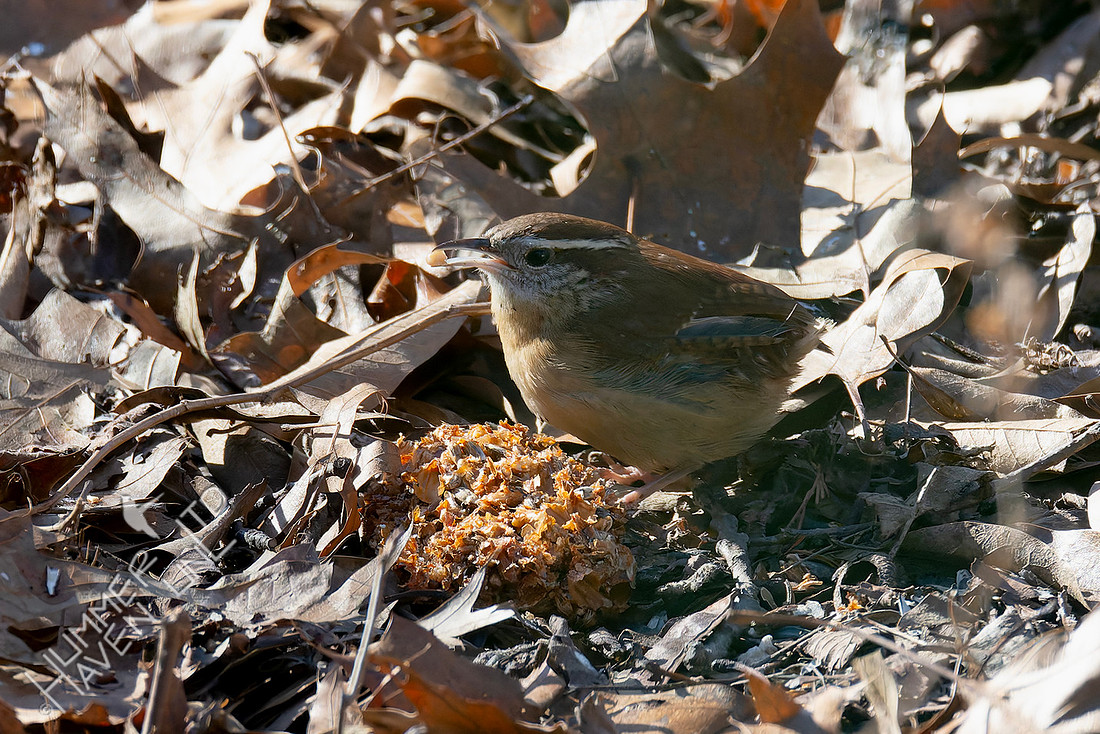
The male Carolina Wren starts the year missing its tail feathers! Not sure what happened but it seems to be managing. It is a strange sight to see, for sure. Their tails are so much a part of their personalities.
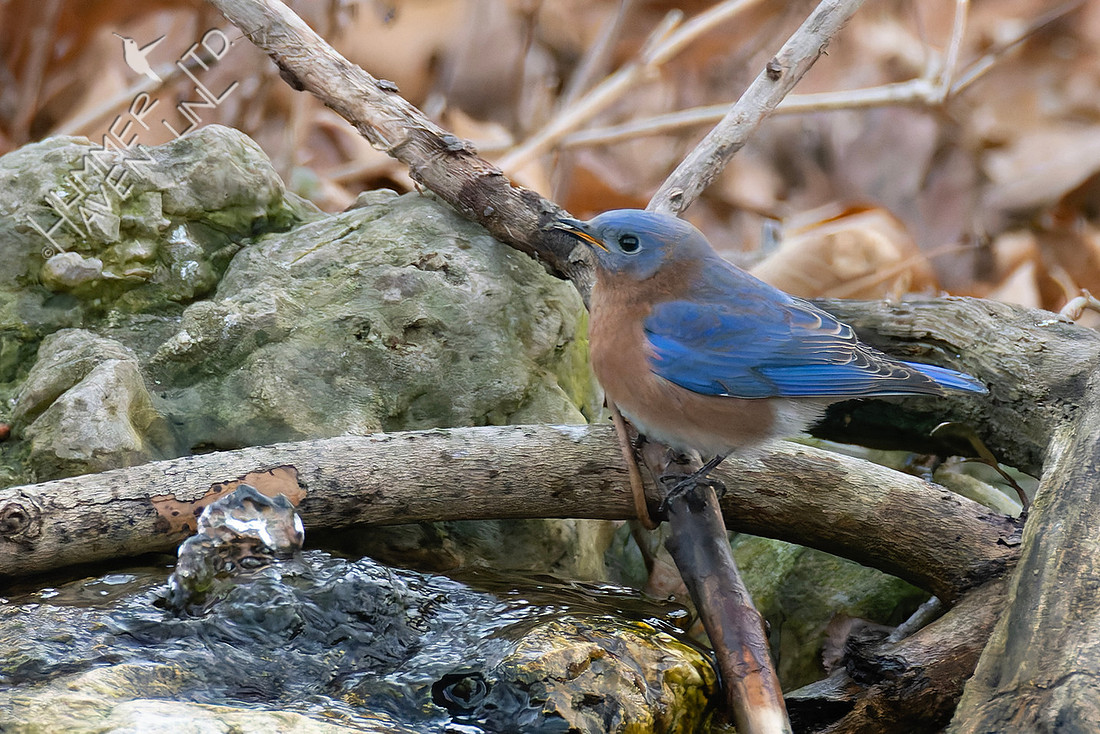
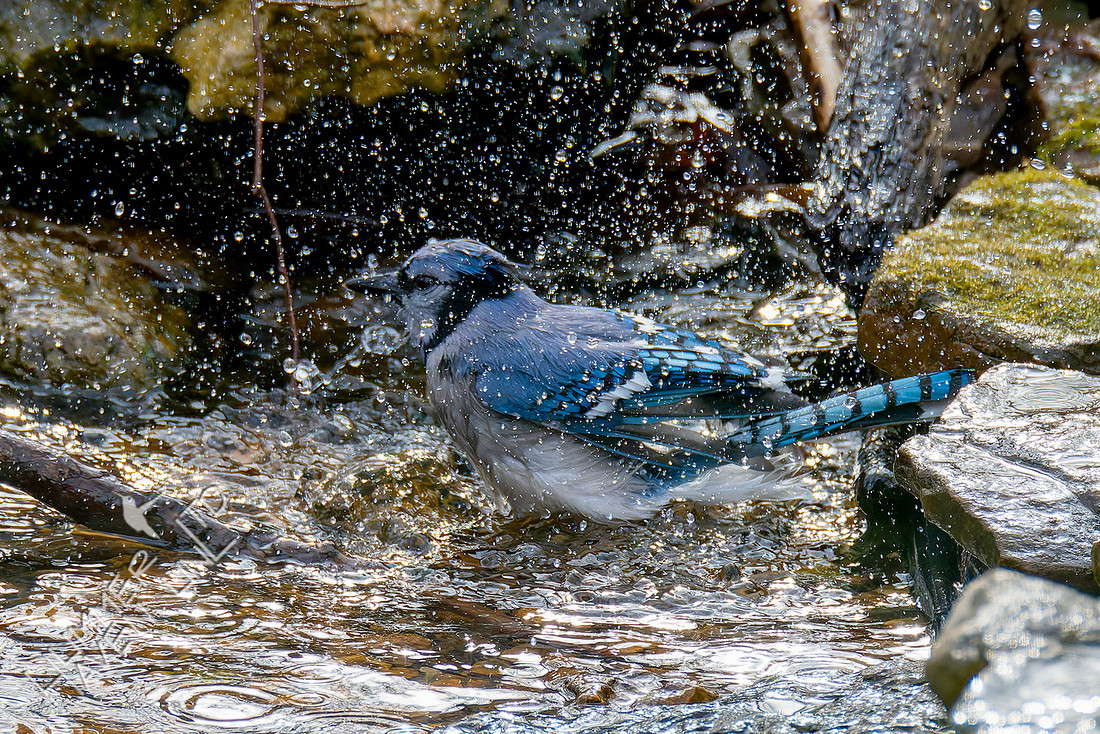
Eastern Bluebirds and Blue Jays have been in to bathe, along with many of the usual suspects.
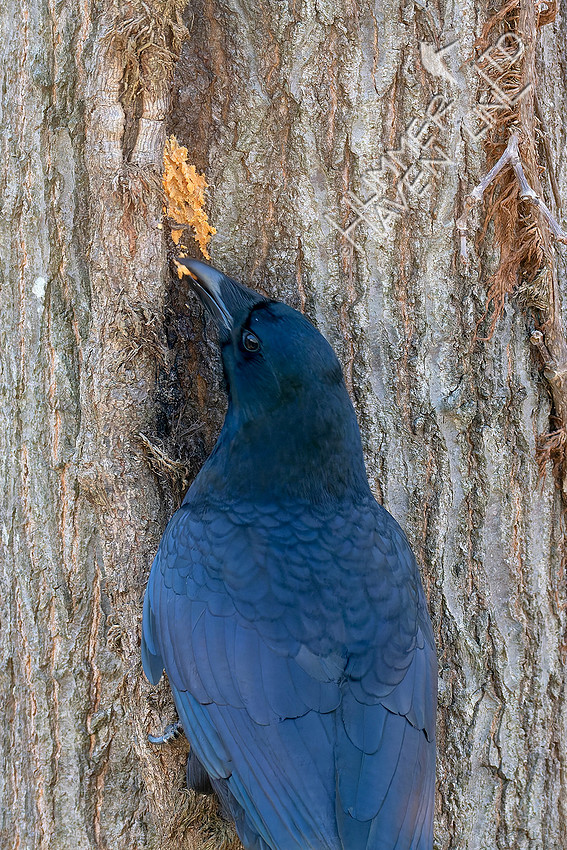
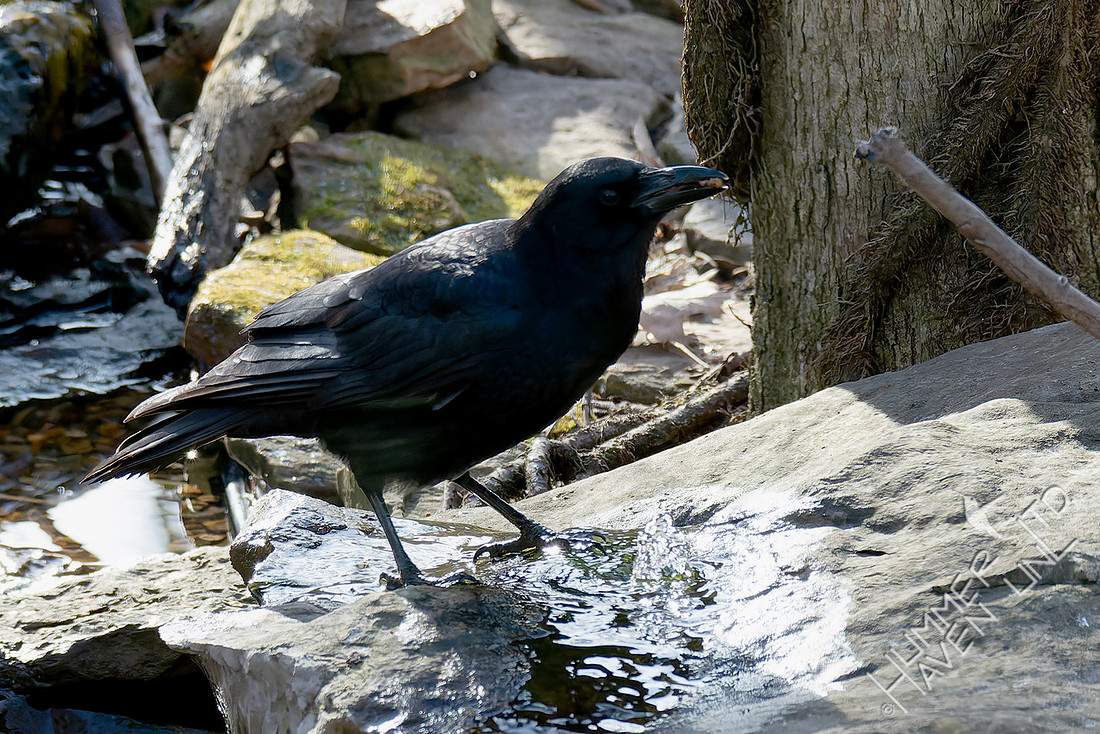
And then, there are the three young American Crows that come in to grab bark butter off the small trees and play in the water!
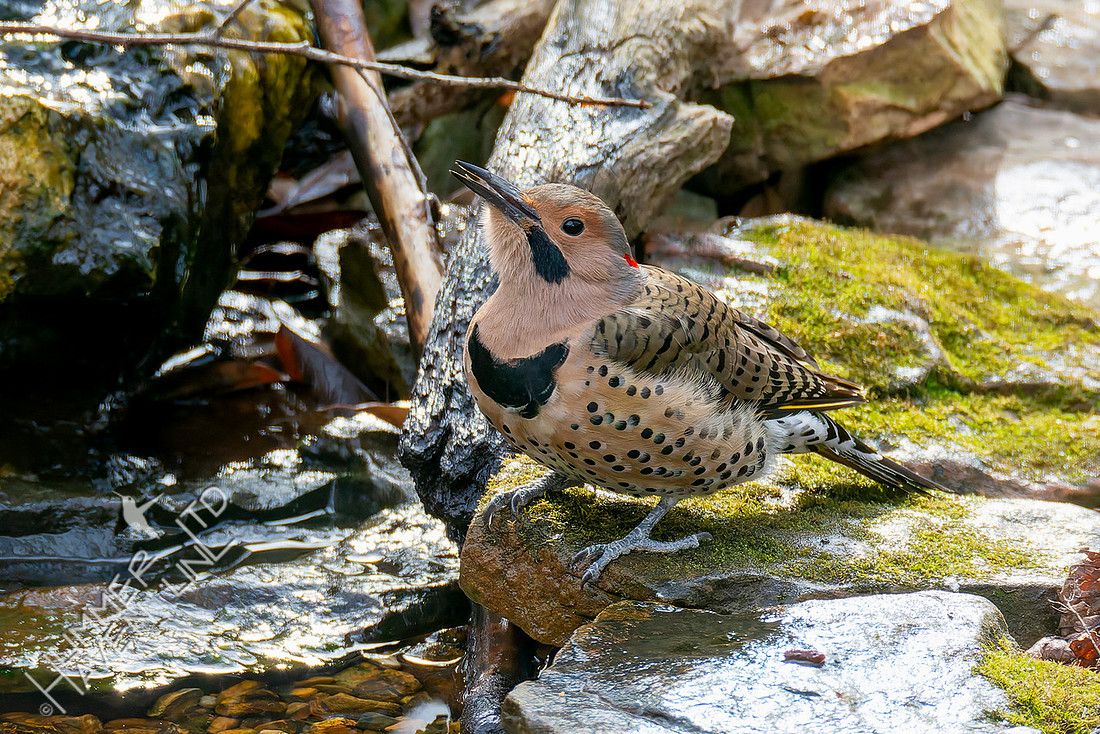
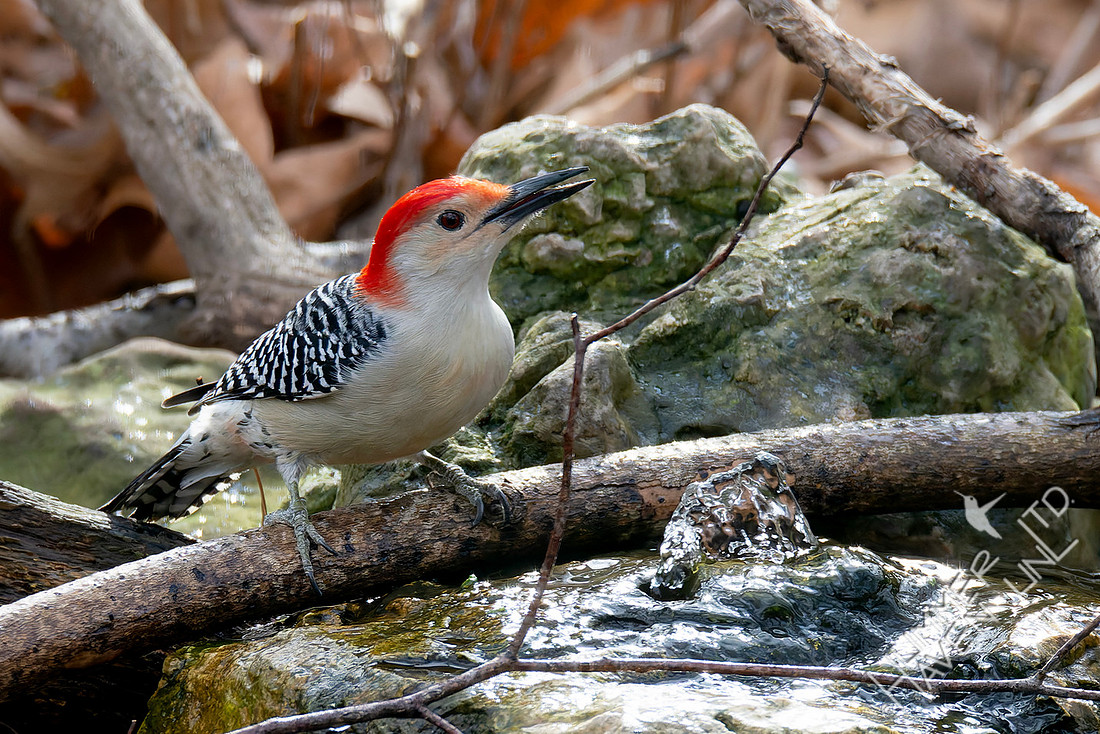
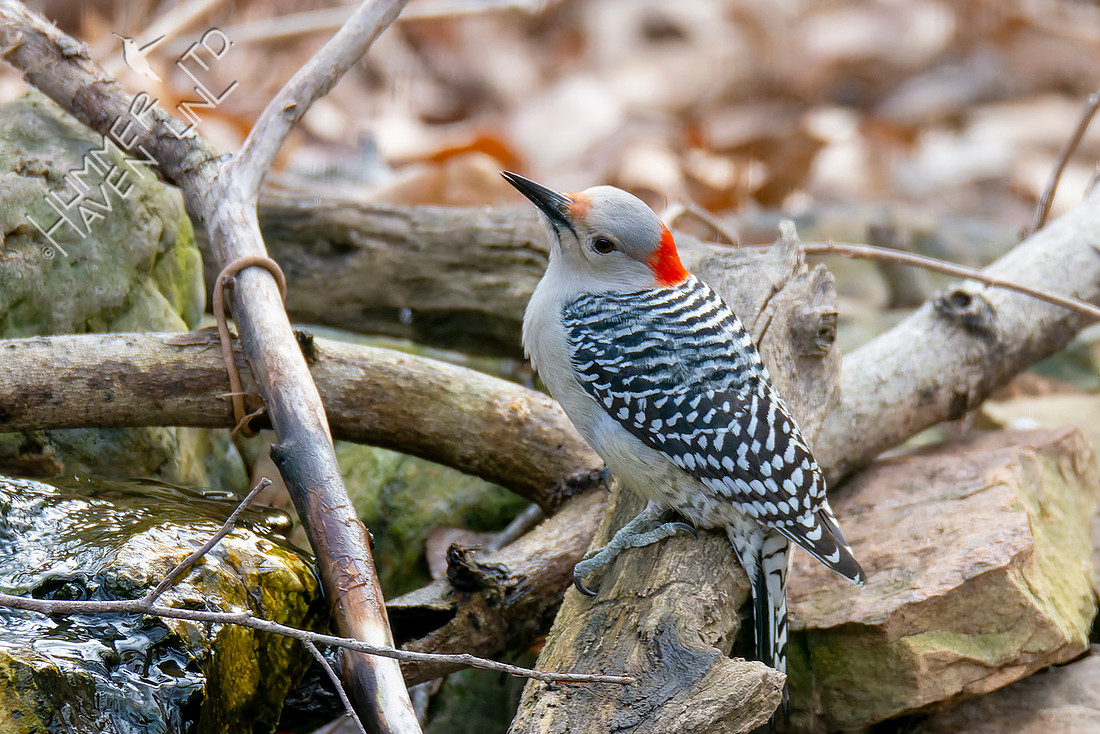
Northern Flickers and Red-bellied Woodpeckers have been frequenting the bubbler, too.
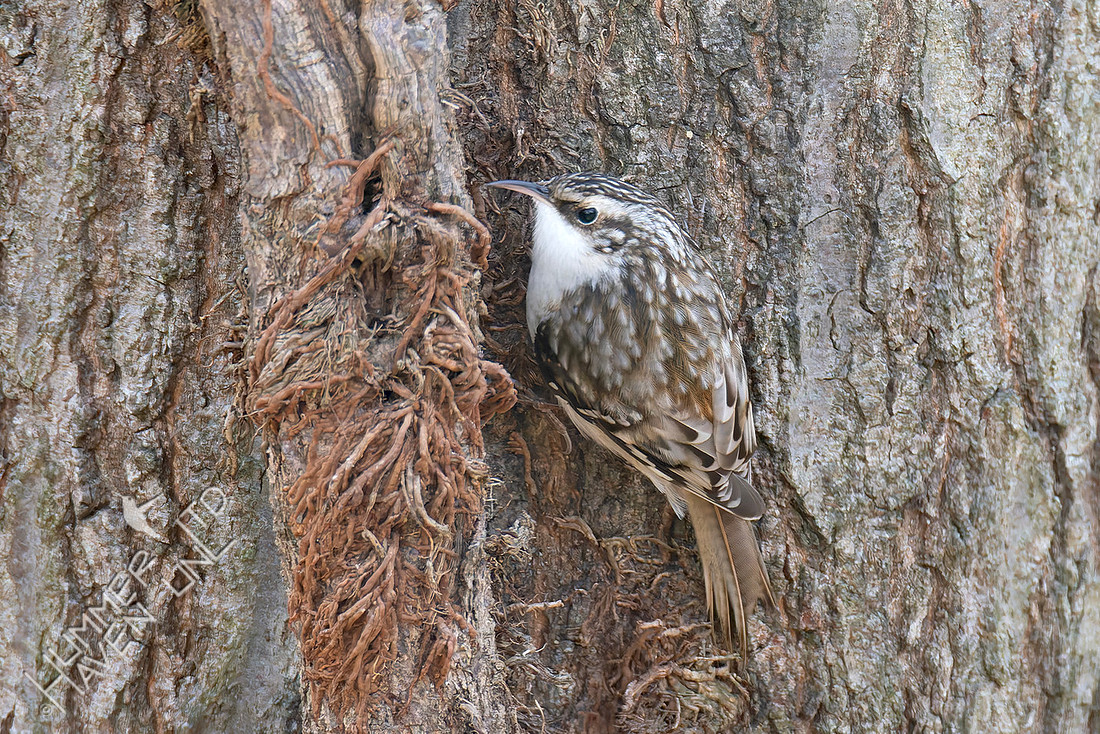
The Brown Creeper comes in when the big birds like the crows have left. It's the cleanup master, reaching in where large bills cannot get the treat.
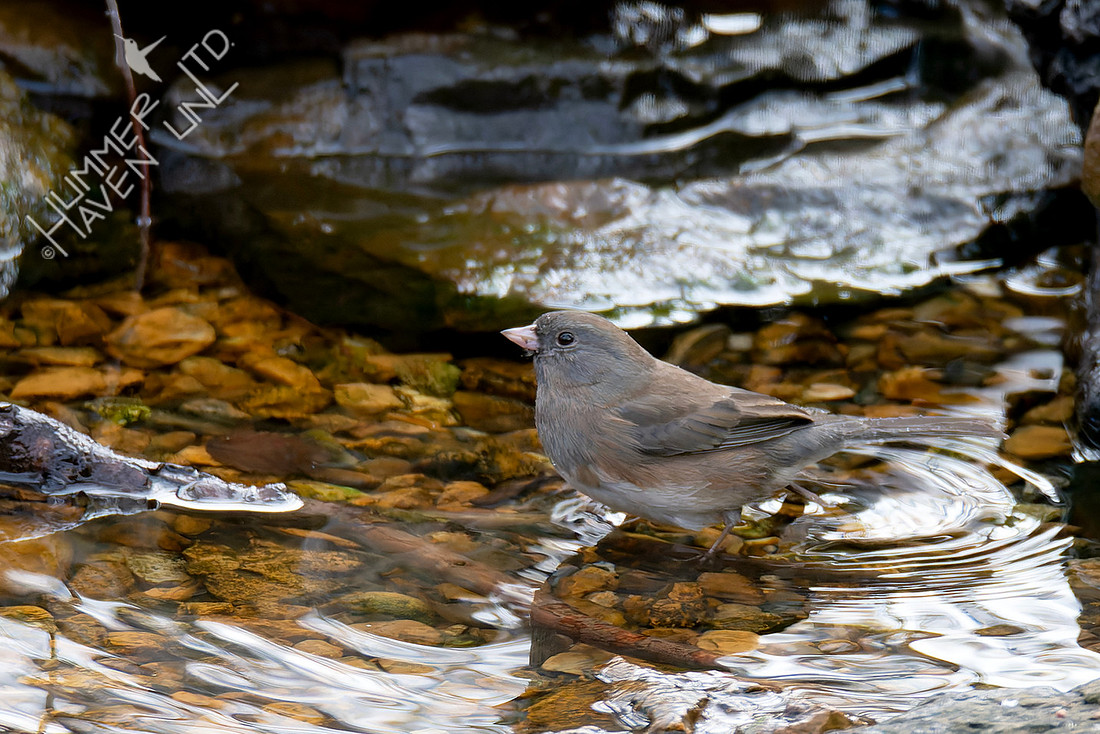
Dark-eyed Juncos are regulars, including this female Oregon subspecies.
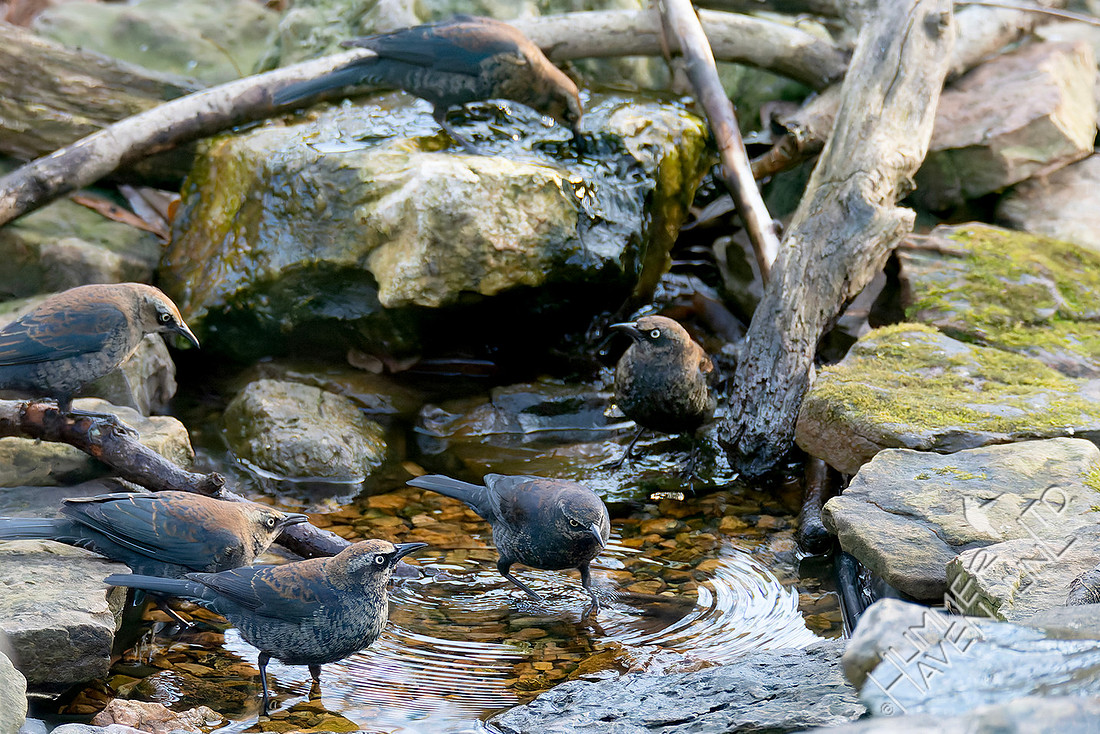
Rusty Blackbirds came in a flock of 30 or so on January 5. The new year yard list is now at 25 species, with 18 at the bubbler. I'll keep you posted on new arrivals.
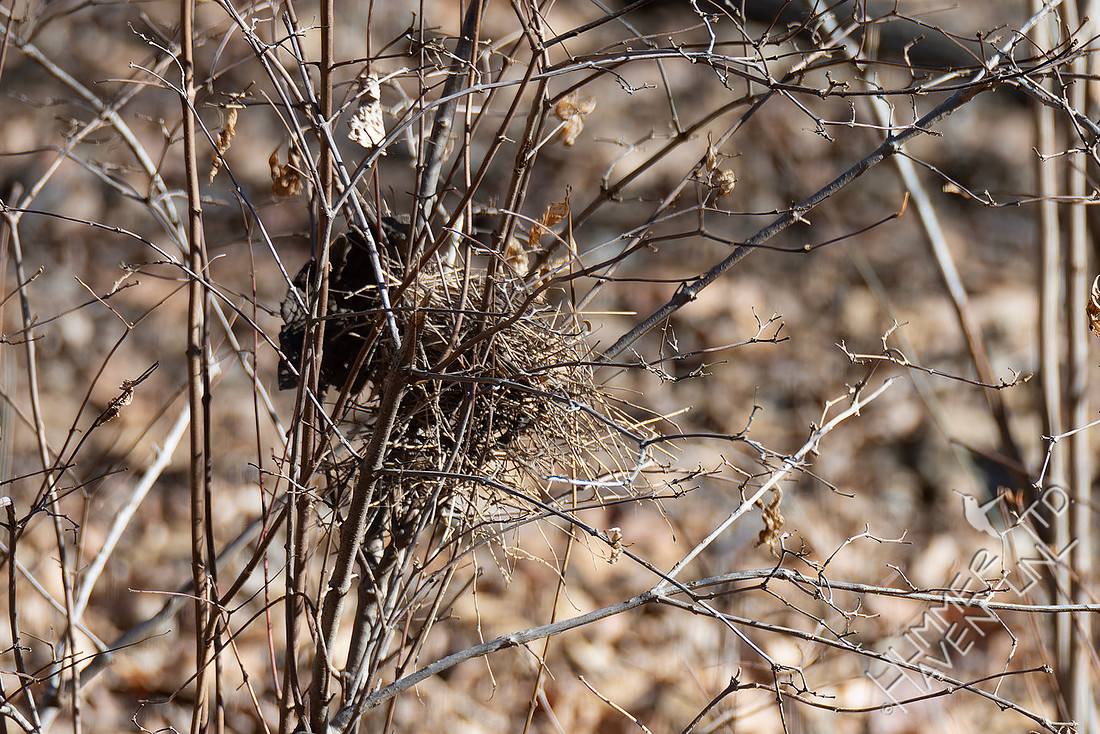
Spring is only three months away!