
Let's talk about Winter Finches

The Winter Finch Forecast includes a number of species, including a few that are not finches. I'd like to share our experiences with a few of these species here in our own yard. From now through April is the time to look for them. They can show up in your trees, at your feeders and at water features in an irruption year. When food is scarce in Canada, the birds move south to find it, or 'irrupt' and move.Take a look at this article.
Winter Finch Forecast 2025-2026
PURPLE FINCH
Purple Finches are not seen as often as the ubiquitous House Finch, though the two are easily confused. They are similar in size and it takes a close look to tell them apart. It helps to see them side by side here for comparison.
NOTE: House Finches were a southwestern species until 1940. Some men decided to take them to Long Island and sell them as caged birds, which was illegal of course. Some of the birds were released into the wild and flourished. Since then they have spread throughout the eastern and midwestern states. Purple Finch populations in the Eastern United States have declined dramatically due to competition with the House Finch.
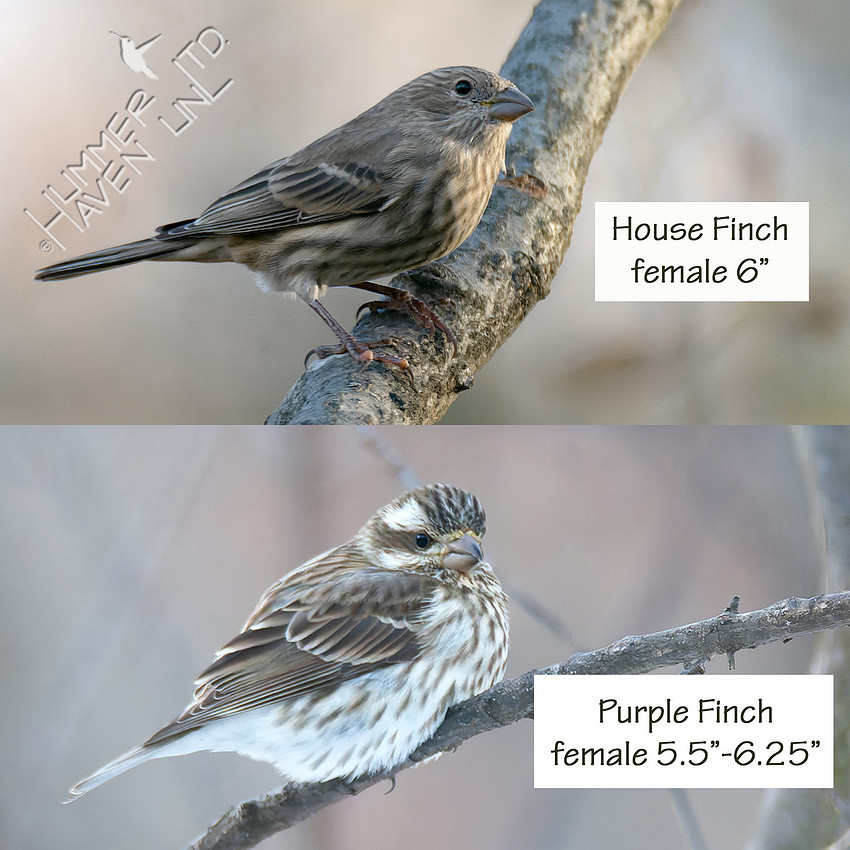 House Finch and Purple FInch
The female House Finch is a dull Jane and very striped and dingy. The female Purple Finch has the distinctive white eyebrow and is not as striped and smudgy on the underside.
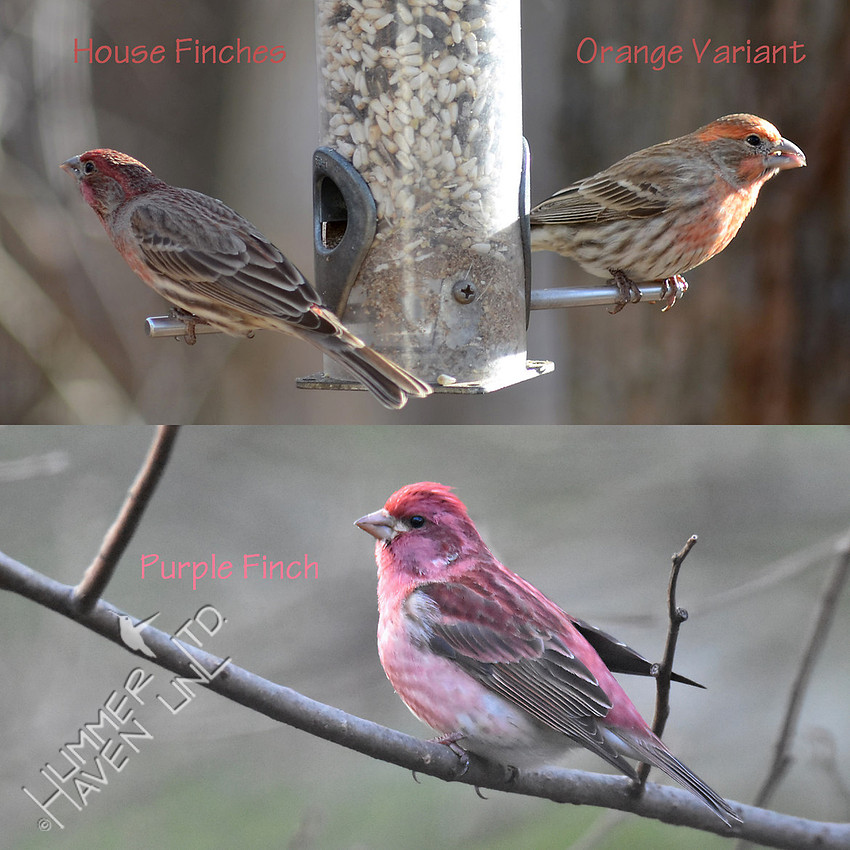
The males are similar, yet again, the House Finch is more striped and smudgy. Its color is more reddish to orangish, depending on its diet. In contrast, the Purple Finch is more of a raspberry color and not as striped underneath.
The Purple Finch is often seen here from early November into late April. They will feed on black oil sunflower seeds at feeders and deciduous seeds.
REDPOLL
"In 2024, Common Redpoll, Hoary Redpoll and the Lesser Redpoll in Europe have all been lumped into the same species, now called Redpoll. Genetic work found that a supergene was responsible for the Redpoll plumage differences." (From the above article.)
On 12-29-08, Dan and I had just returned from a walk at the Missouri Botanical Garden. It was 57 degrees at 1:20 pm and I immediately saw a Redpoll on the sock feeder filled with Nyjer seed! It was species #141 for our yard.
Jump ahead to 1-27-22 and it was in the mid-twenties with snow flurries when a small flock of Redpolls came to the bubbler for species #124 there! They all have the red forehead (or poll) and males have more raspberry color in their breast.
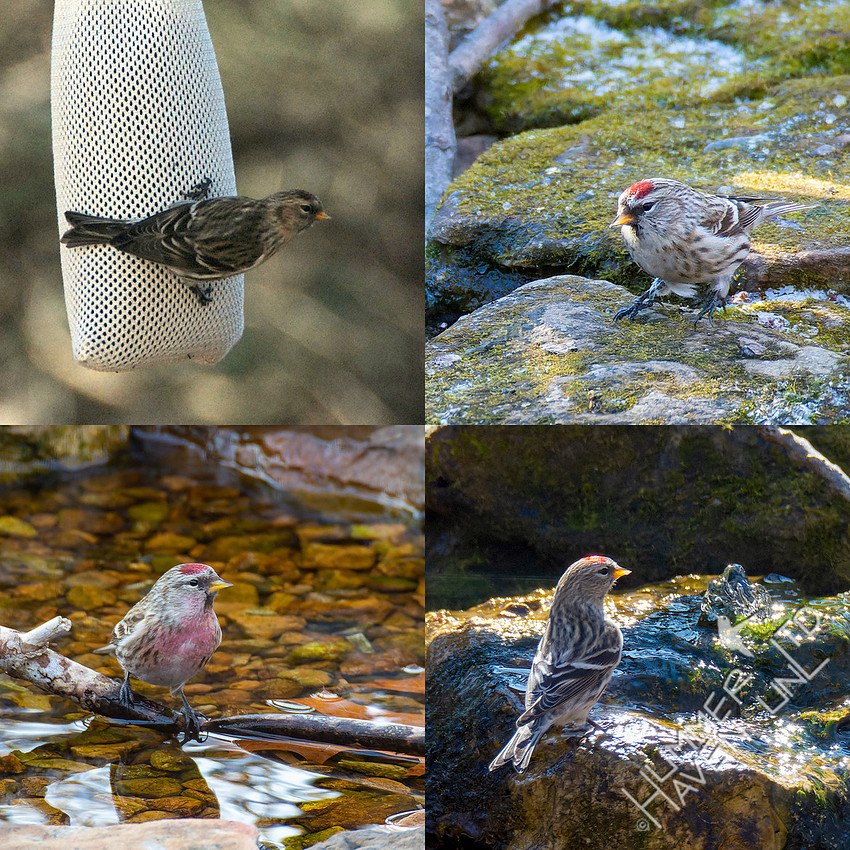
The "gallop" of Redpolls returned on 1/29/22 and 1/30/22. There were five at least, possibly six on 1/30/22. I never saw this flock at the feeders, only at the bubbler. Here is my blog post from that experience:
One Redpoll has just been reported eleven miles south of here, so be on the lookout!
RED CROSSBILL
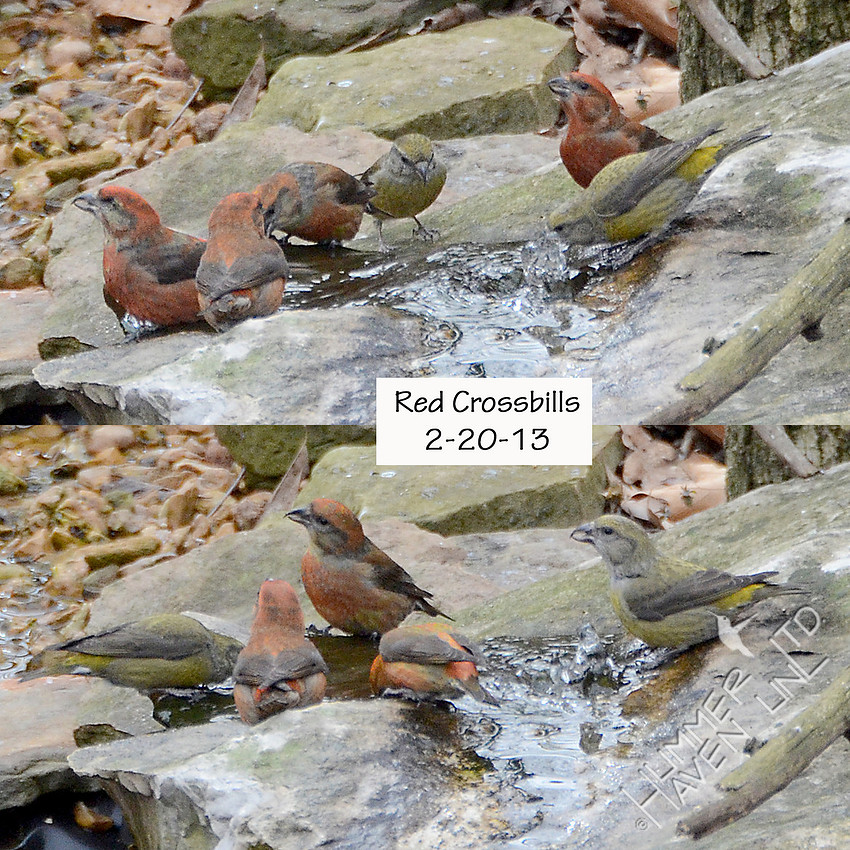
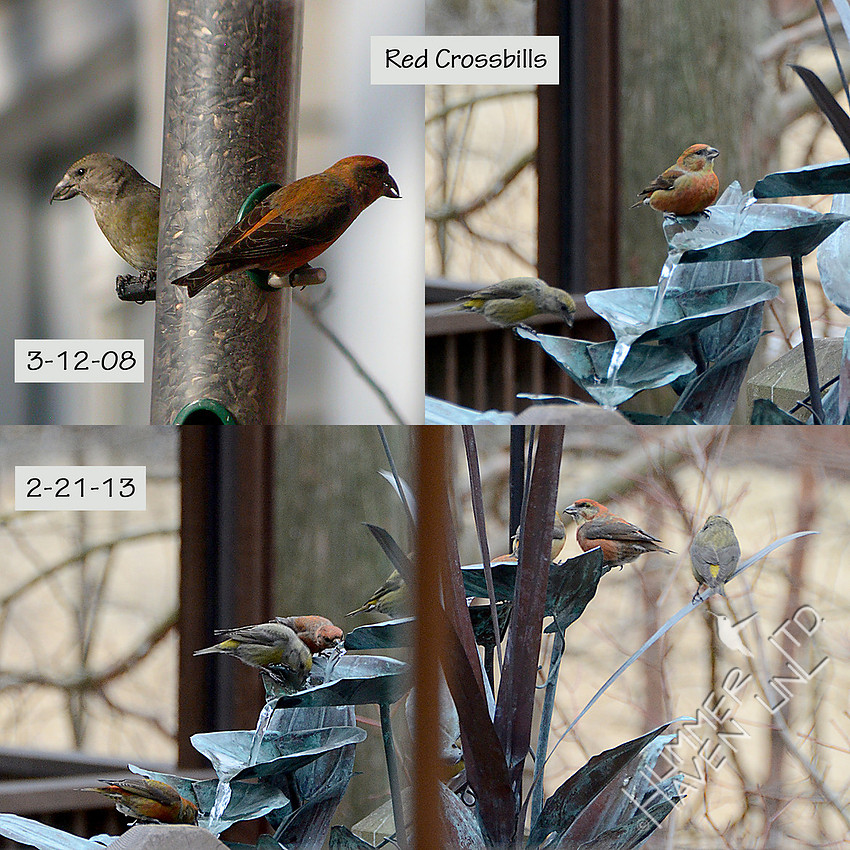
My friend Tina and I heard there were Red Crossbills in High Ridge, Missouri. We trekked down to see them, and there were four birds on a feeder. This was 3-12-08, the winter before I had the first Redpoll. I was able to get a few photos that clearly showed the crossed bills. (Small inset in second photo below.)
Five years later, on 2-20-13, a flock of 10 to 12 dropped in at our bubbler. Again, they only wanted water! The following day, they drank from our fountain on the deck. They are somewhat hidden, but there are eight birds on the fountain. At least four reddish males and four yellowish females are shown. It is a thrill to see surprises like these!
These birds feed on cone-laden Spruce trees. There are some in the neighborhood, so perhaps they fed there and then came to our water features.
PINE SISKIN
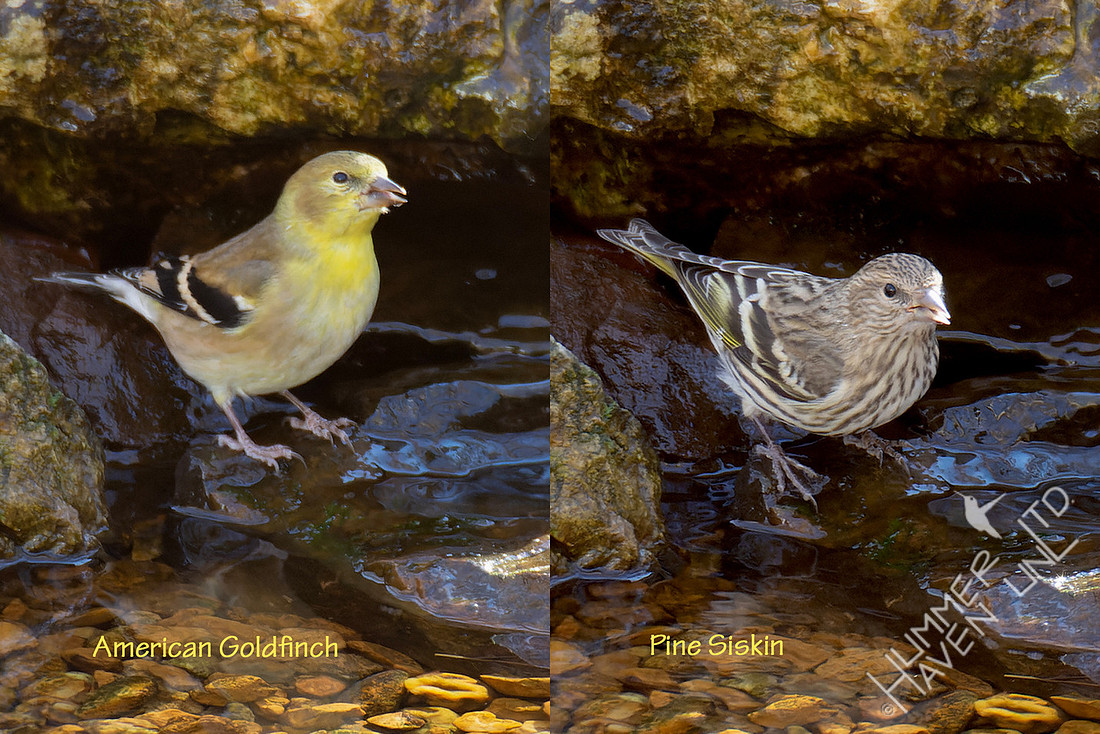 11-23-23 American Goldfinch and Pine Siskin composite
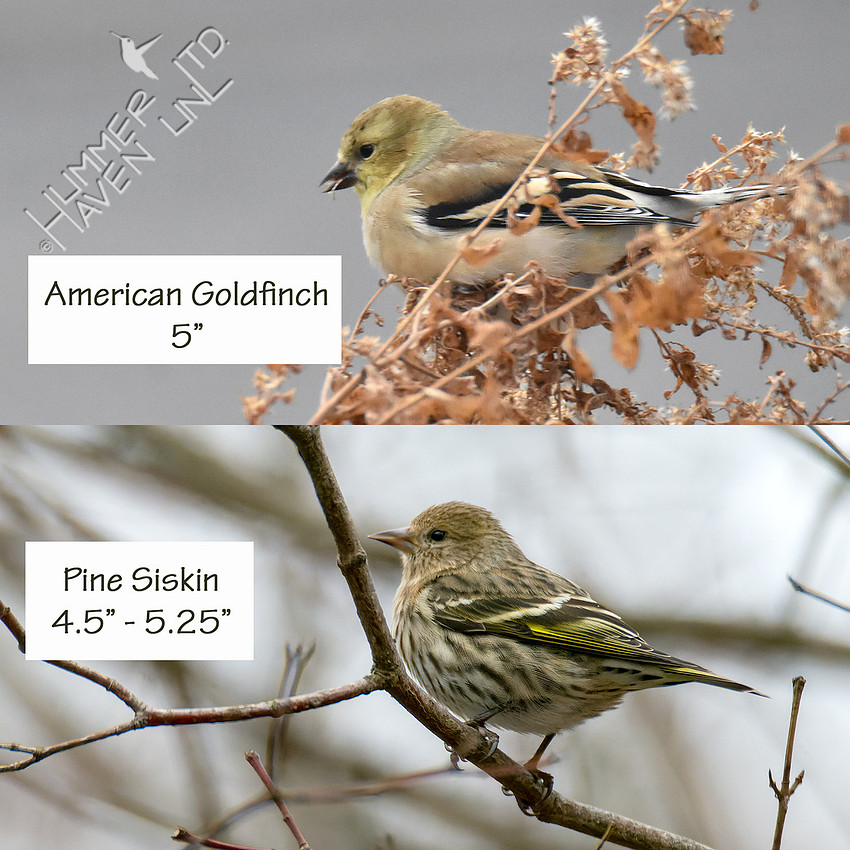 American Goldfinch and Pine Siskin
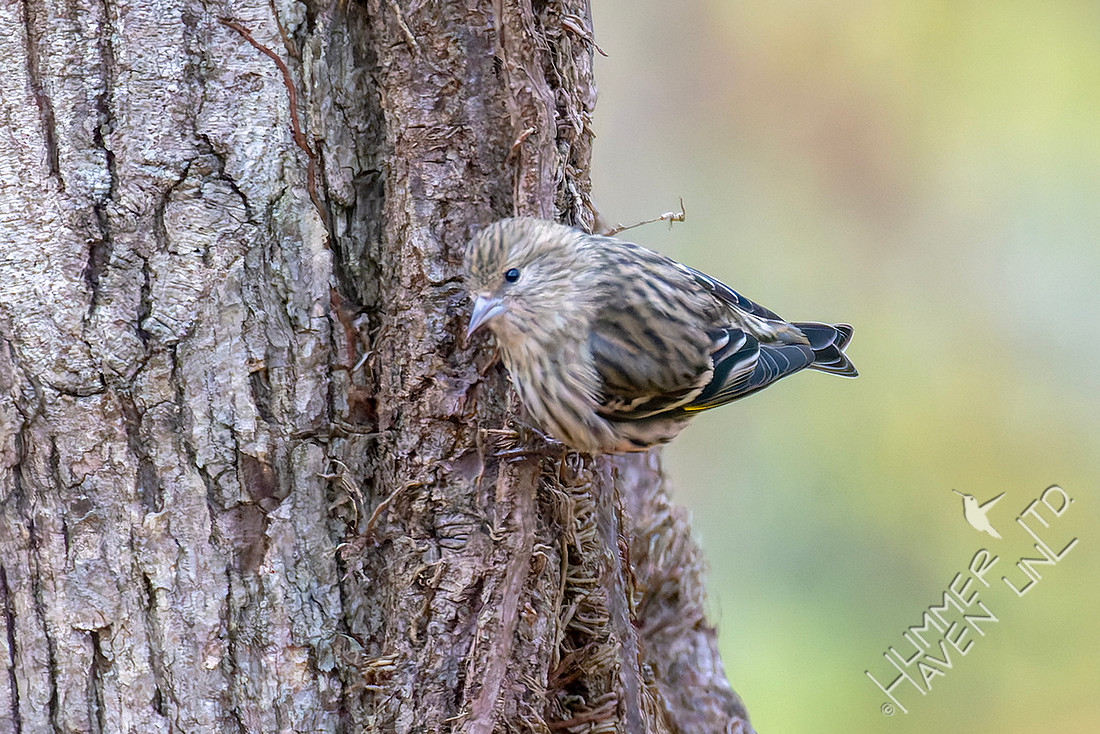 11-26-25 FOY #111 Pine Siskin
Pine Siskins are often seen along with American Goldfinches. The goldfinches can look grayish/brownish in winter and binoculars help with telling them apart. The Pine Siskin has the very pointed bill and has striped feathers. I saw three in December. Still waiting for them to show up here again.
RED-BREASTED NUTHATCH
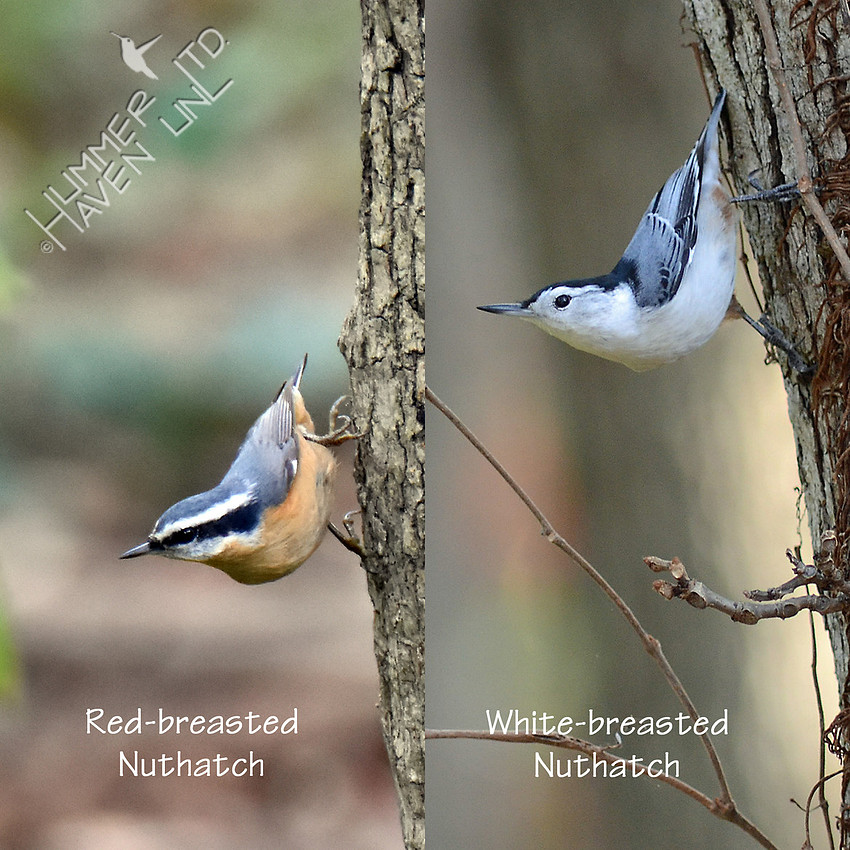 Red-breasted and White-breasted Nuthatches 1-24-17
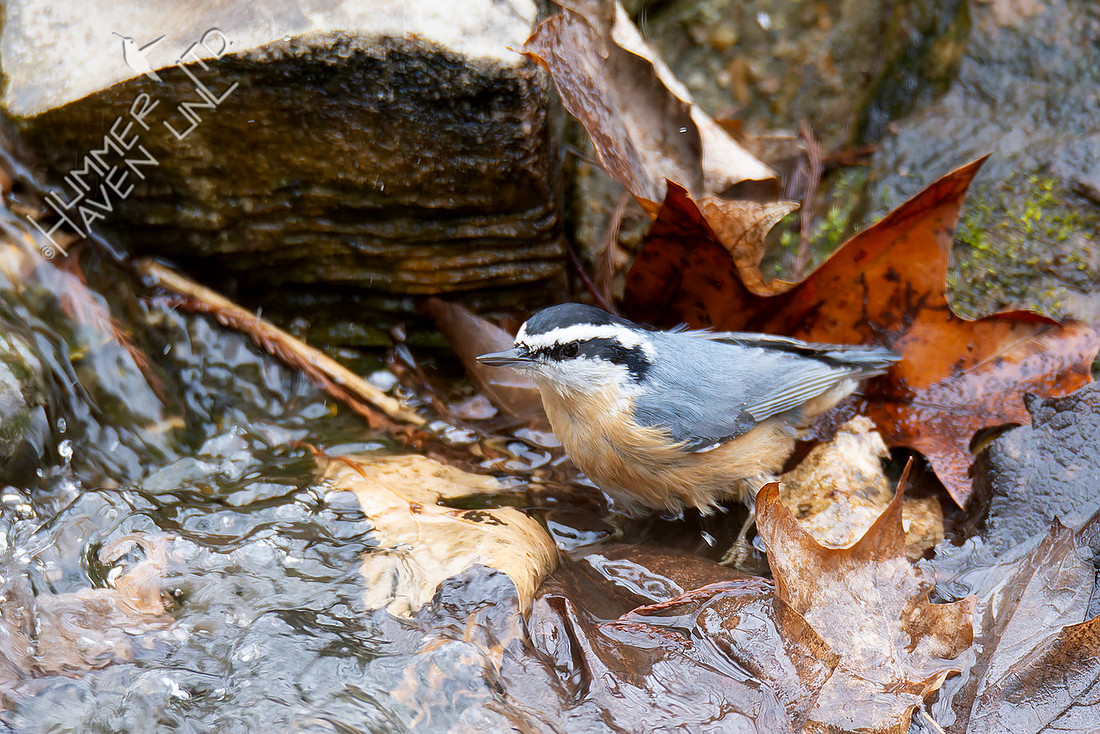 1-16-26 Red-breasted Nuthatch
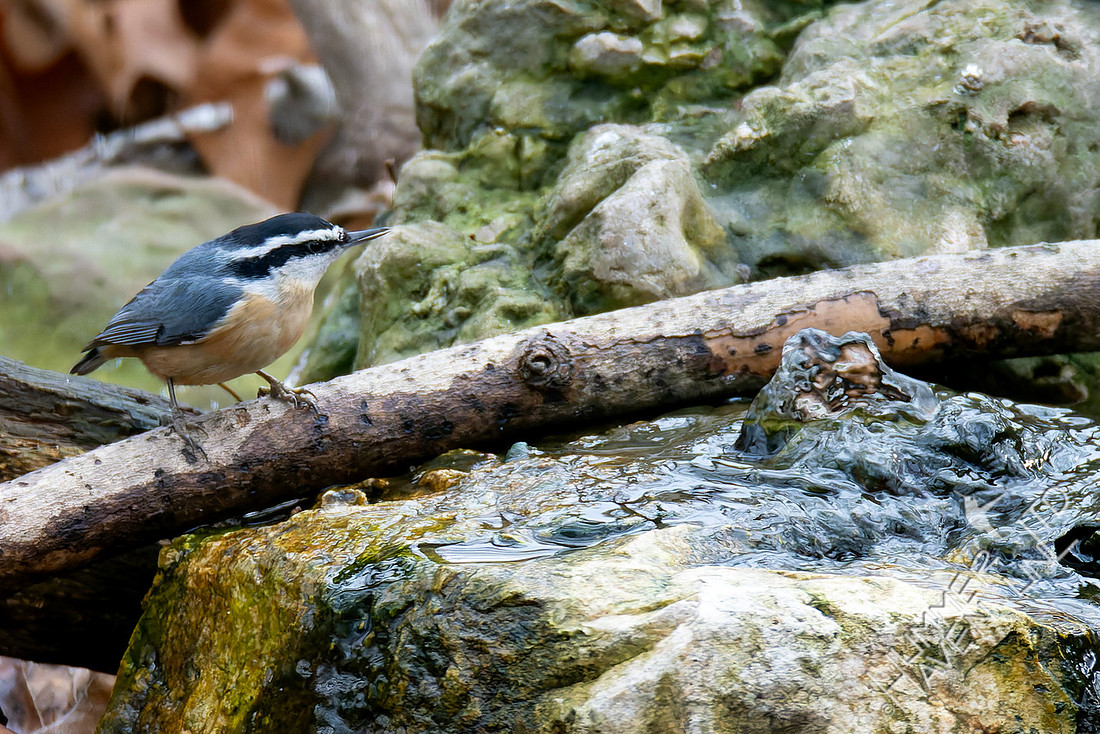 1-16-26 Red-breasted Nuthatch
Recently, the Red-breasted Nuthatch was seen at the pond and the bubbler. It was actually the first species to visit the large pond and stream bed when it was first running in September, 2008. A curious and captivating little bird, smaller than its cousin, it is always welcome here.
There were other birds mentioned in the article and you may look up any species for more information by going to this page:
Saturday, 1-31-26
It's the end of the month and as of today, we've seen 36 species of birds with 29 of those going to the bubbler. Our snow total for winter storm "Fern" was around 13", maybe a bit more. We've been juggling between snow removal and keeping the feeders filled. Dan says we have the best fed birds in the neighborhood! I do know that a few neighbors are also feeding them. Here are just a few photos from the snow storm.
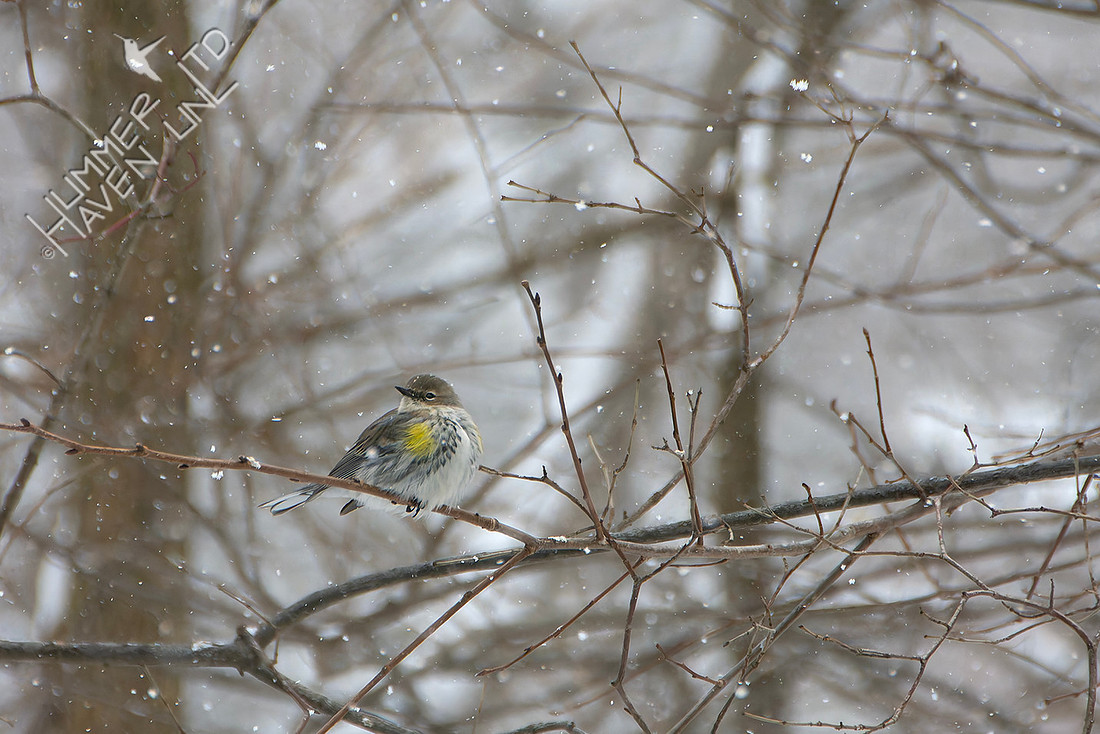 1-24-25 Yellow-rumped Warbler
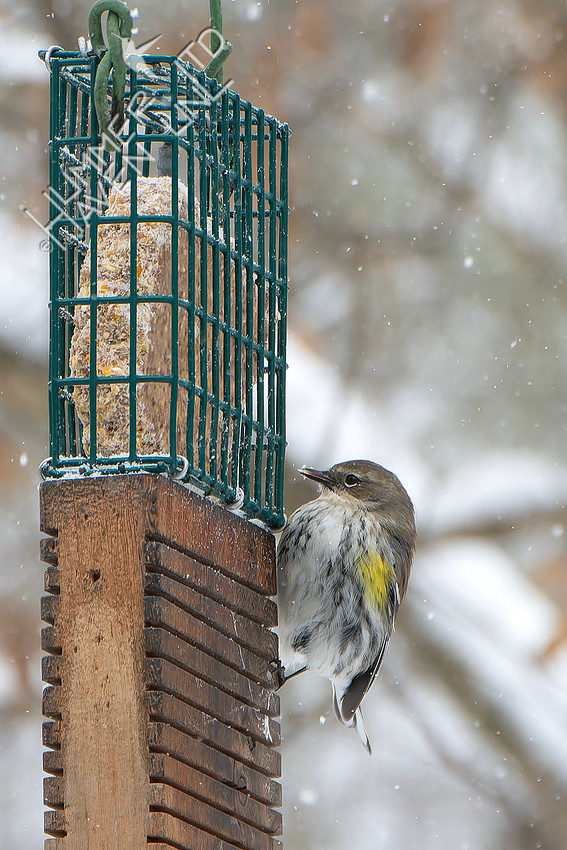 1-24-26 Yellow-rumped Warbler
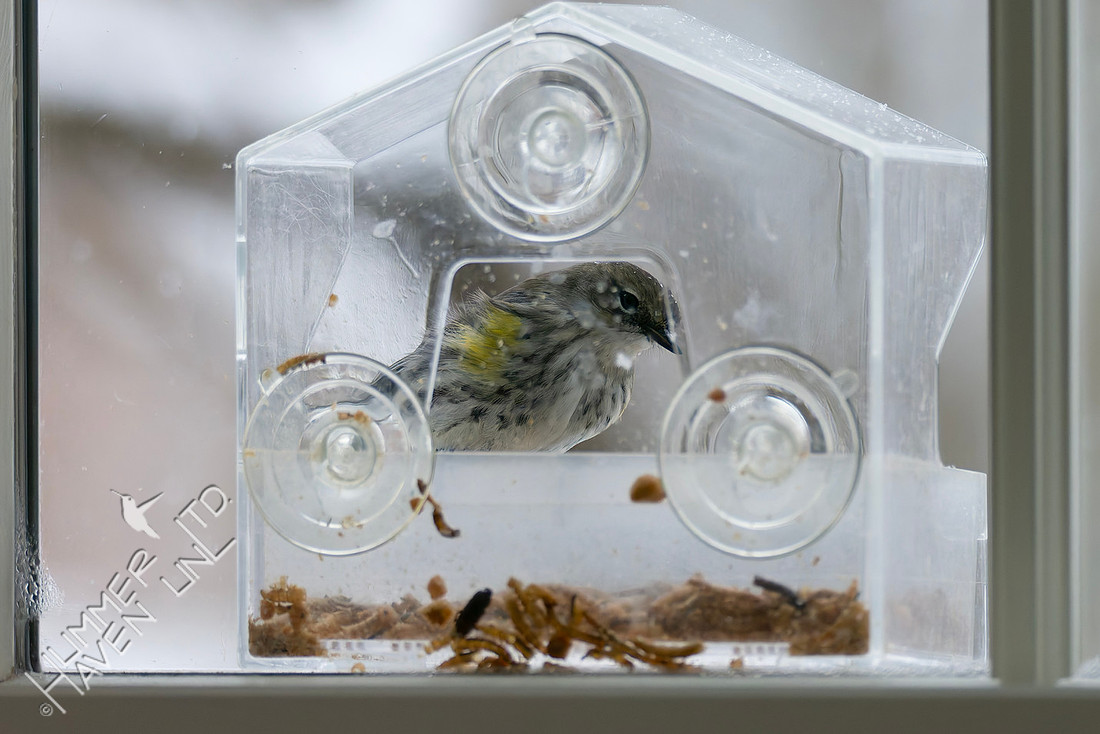 1-24-26 Yellow-rumped Warbler in window feeder
The Yellow-rumped Warbler has been seen consistently. It waits in the Rough-leaved Dogwood for a chance to get to the suet in between the bigger birds. The little guy has also gotten comfortable going to the window feeder for bark butter bits.
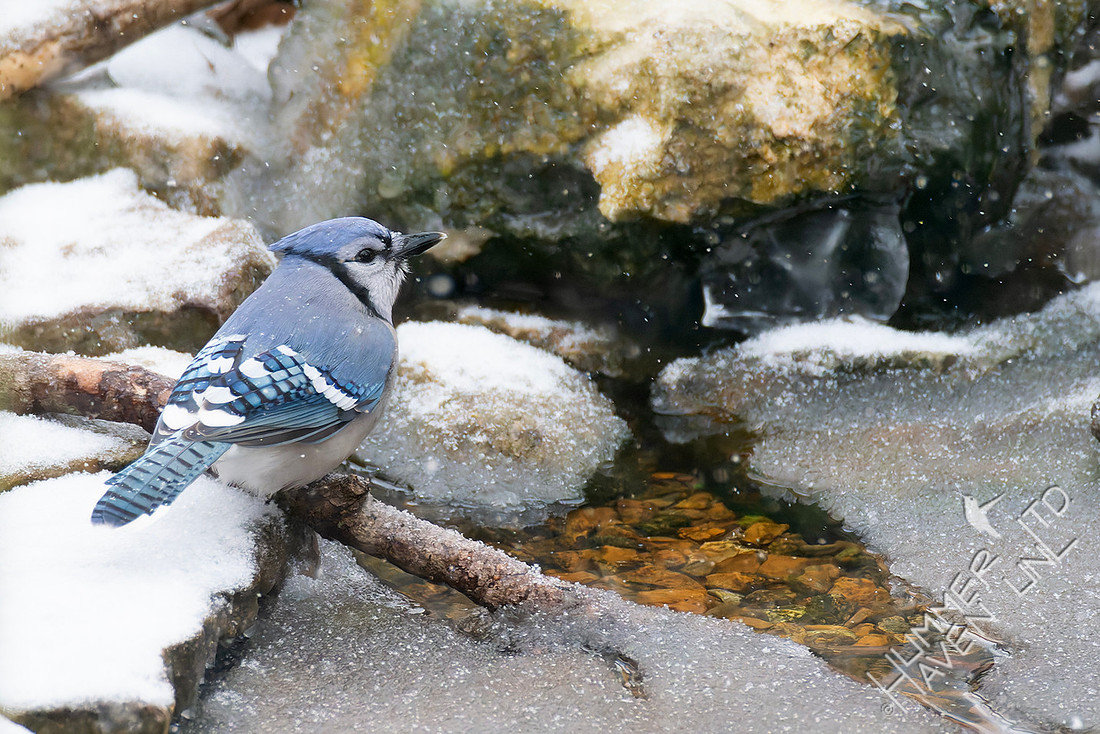 1-24-26 Blue Jay
The snow began to pile up a week ago Saturday, but birds kept coming for water, like this Blue Jay.
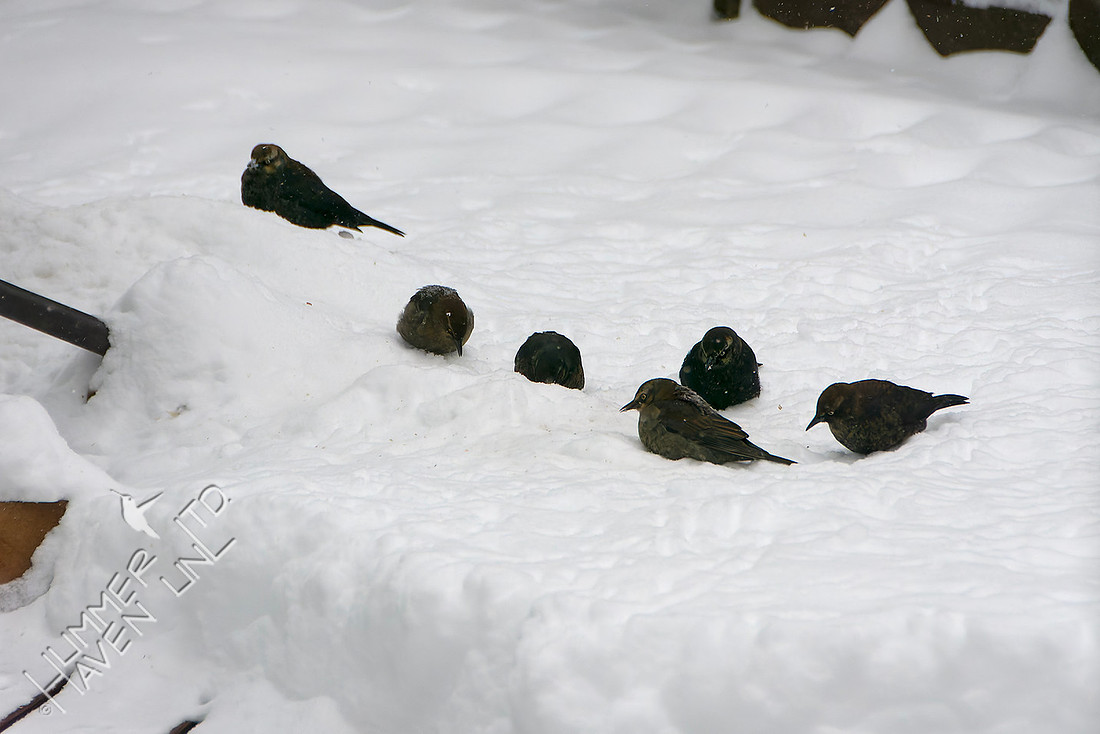 1-25-26 Six Rusty Blackbirds on the deck
Between eight and twelve Rusty Blackbirds have been seen every day lately. Six of them picked around in the snow for sunflower hearts on the deck.
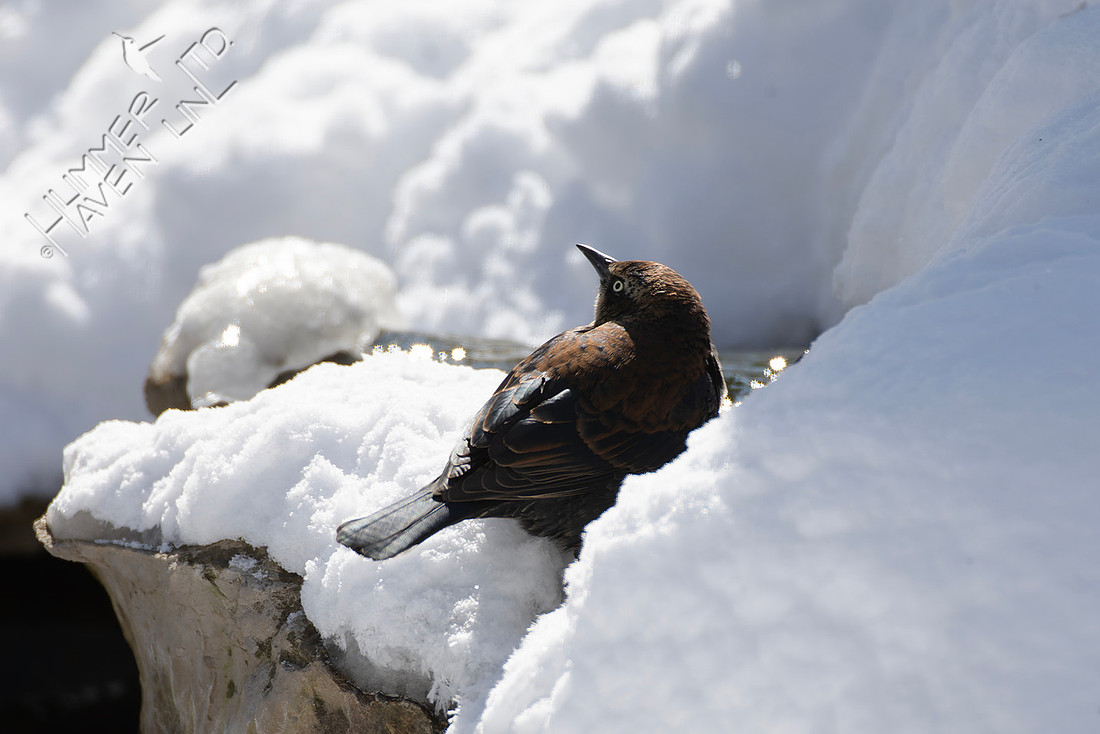 1-26-26 Rusty Blackbird
Rusty Blackbirds are much easier to see against snow than leaves! Their varying plumage makes them more interesting to pick out of the crowd.
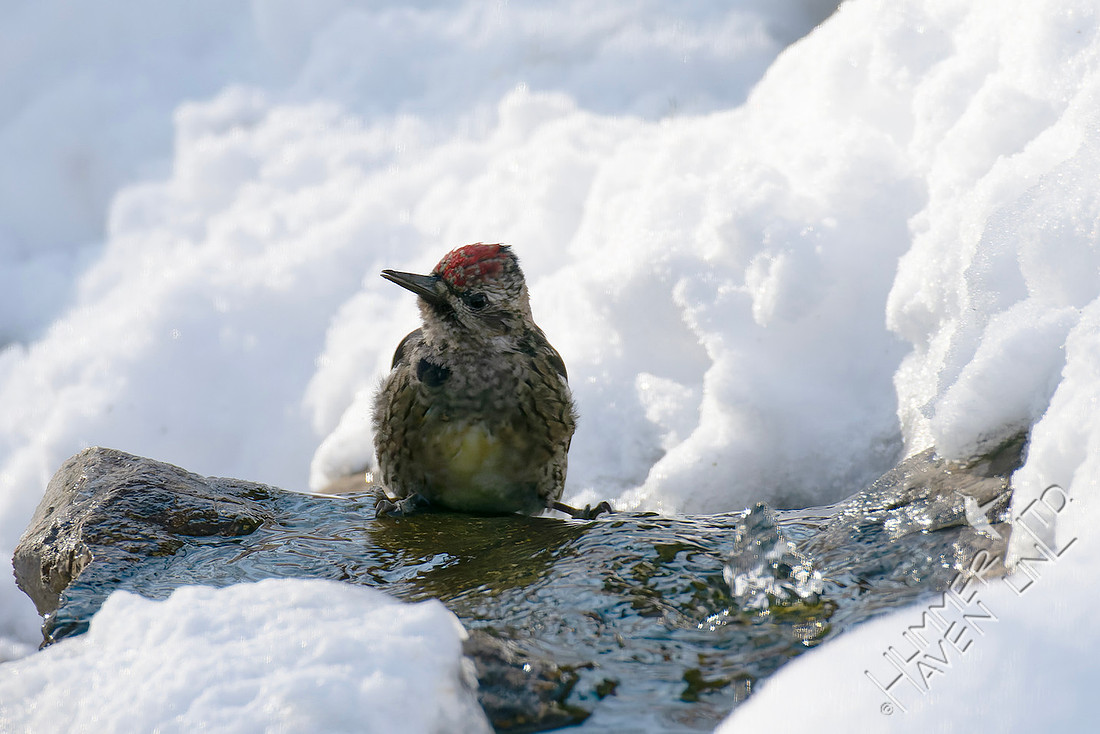 1-28-26 Yellow-bellied Sapsucker
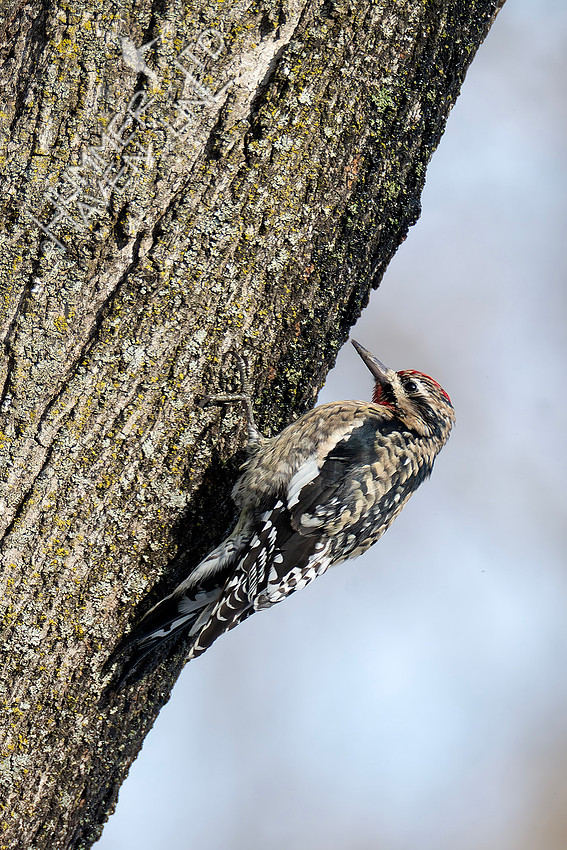 1-29-26 Yellow-bellied Sapsucker on Sugar Maple
Both Yellow-bellied Sapsuckers continue to come in for water and to drink sap from the Sugar Maple. Even in 20 degrees, there's a bit of sap moving on the sunny side of the tree in the afternoons.
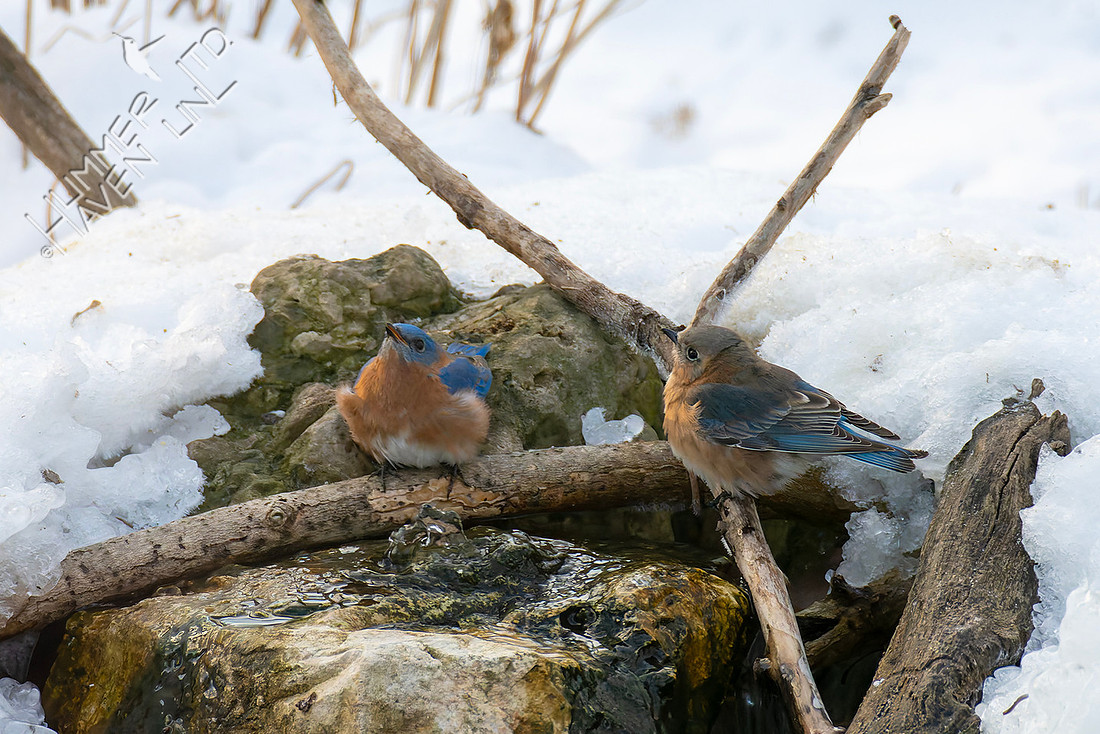 1-30-26 Eastern Bluebirds
Eastern Bluebirds are getting brighter plumage. They'll start looking for nesting boxes in February. What!? Yes, they'll be ready to set up their breeding territory for the season.
We have gained 40 minutes of daylight since the Winter Solstice.
It is 47 days until the Spring Equinox on March 20, 2026.