


Welcome to our blog!
It's all about our discoveries in our private Shady Oaks Sanctuary for birds, pollinators and wildlife. We gauge our success by the diversity of species we observe and document with our photography.
We hope you are inspired to create your own refuge!
Interesting sightings to share! 12-9-25
Four weeks ~ Time flies!
Bad weather brings good birds as the saying goes. It's time to show my cards.
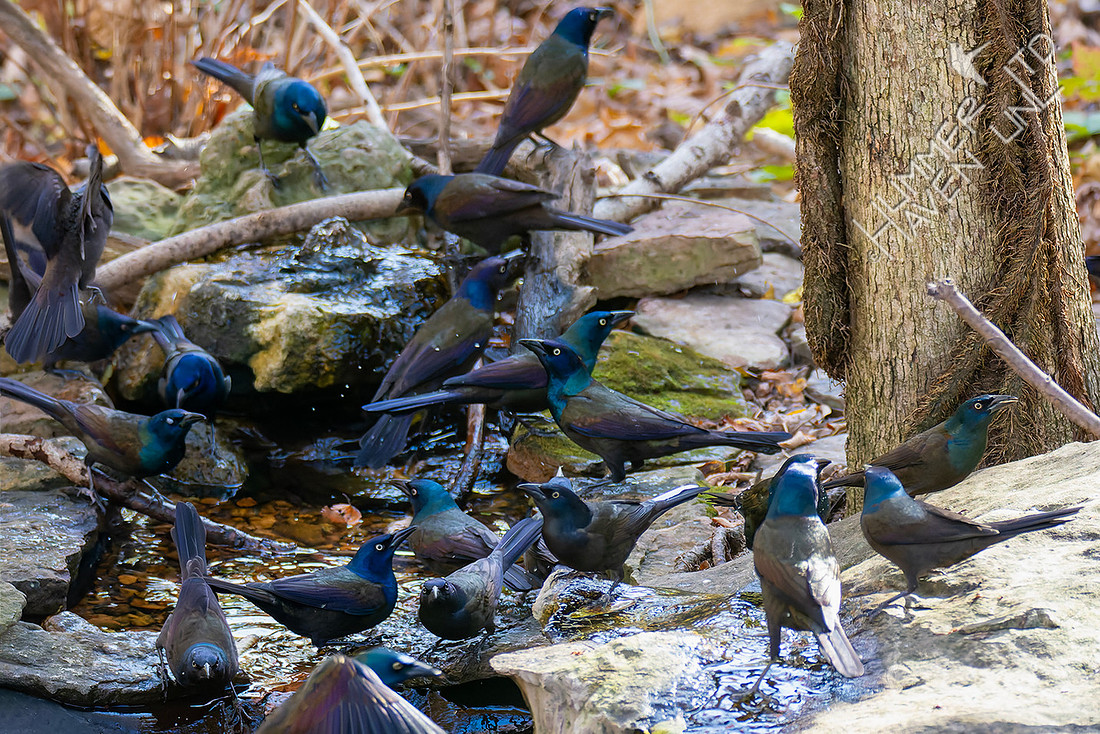
Common Grackles came in large numbers a few days.
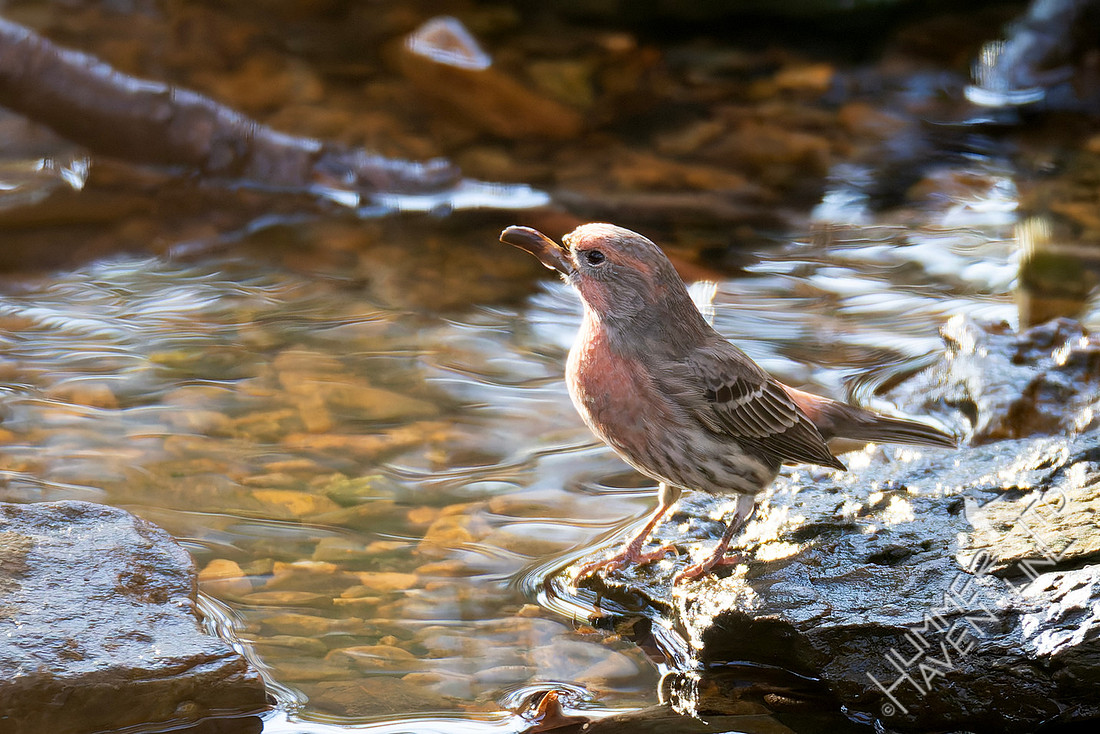
An abnormal looking House Finch has been seen only at the bubbler, not on the feeders. To me, it looks like it has a misshapen bill, though it's able to drink. The more we look, the more we see.
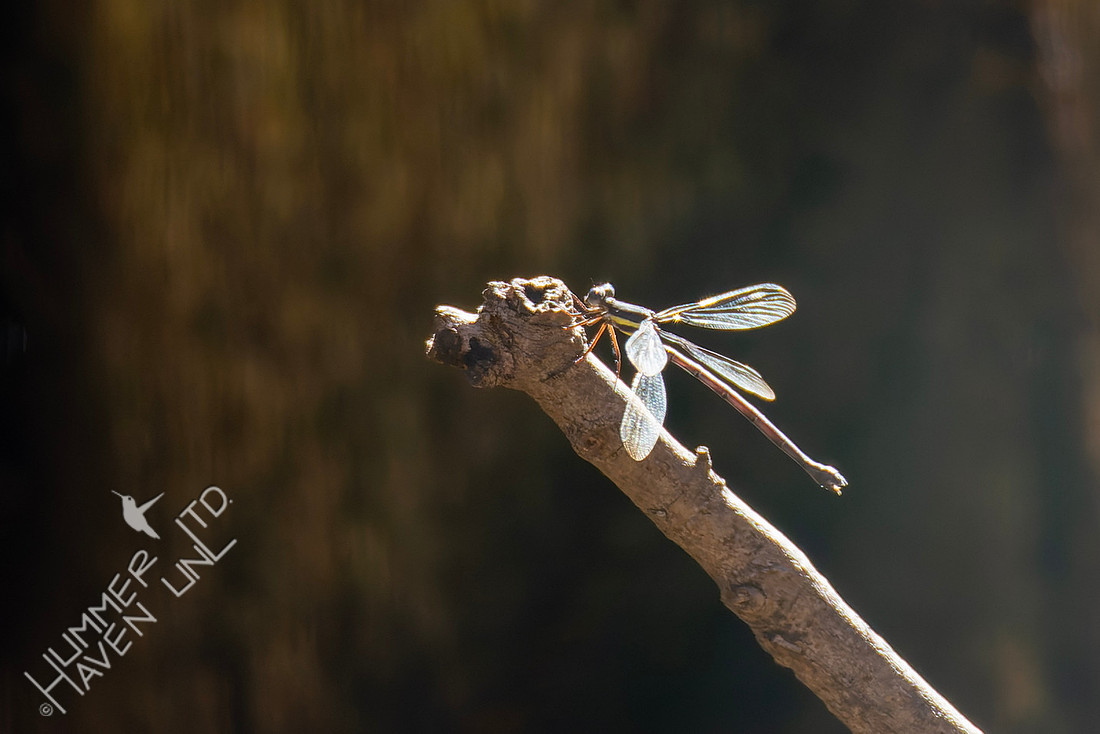
It was warm enough on 11-14-25 for an Illinois River Cruiser to come in and perch on this branch by the pond.
On Wednesday, 11-19-25, I went out to put bark butter on a few trees for the creeper and other birds. The American Crows were fussing loudly a few houses up the street. I thought maybe they'd found an owl to harass. As I worked on one tree by the bubbler pond, I heard something running through the leaves behind me.
We had seen a Red Fox in the January snow storm, but not since then. They had left the neighborhood when the coyotes moved in a few years ago. What a treat to see this animal with its beautiful, sleek coat as it loped behind me on down to the sump puddle to drink. It was a remarkable encounter.
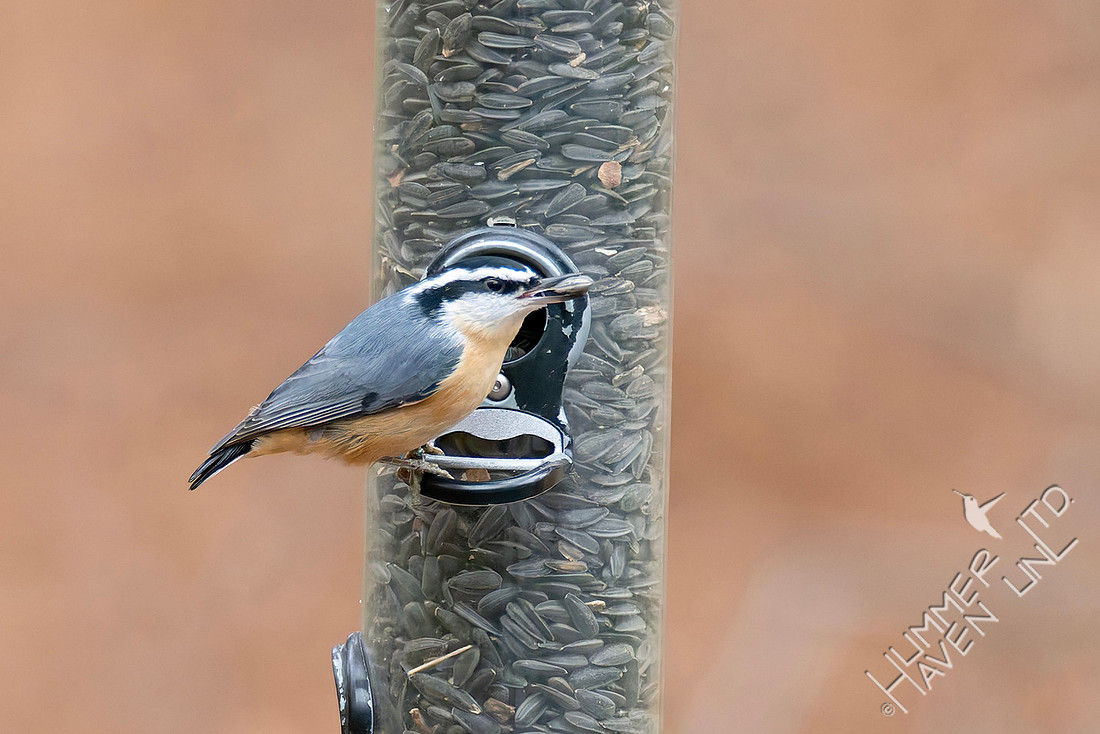
The Red-breasted Nuthatch was seen pretty regularly until 11-26-25. Maybe it got an early storm warning and moved a bit south?
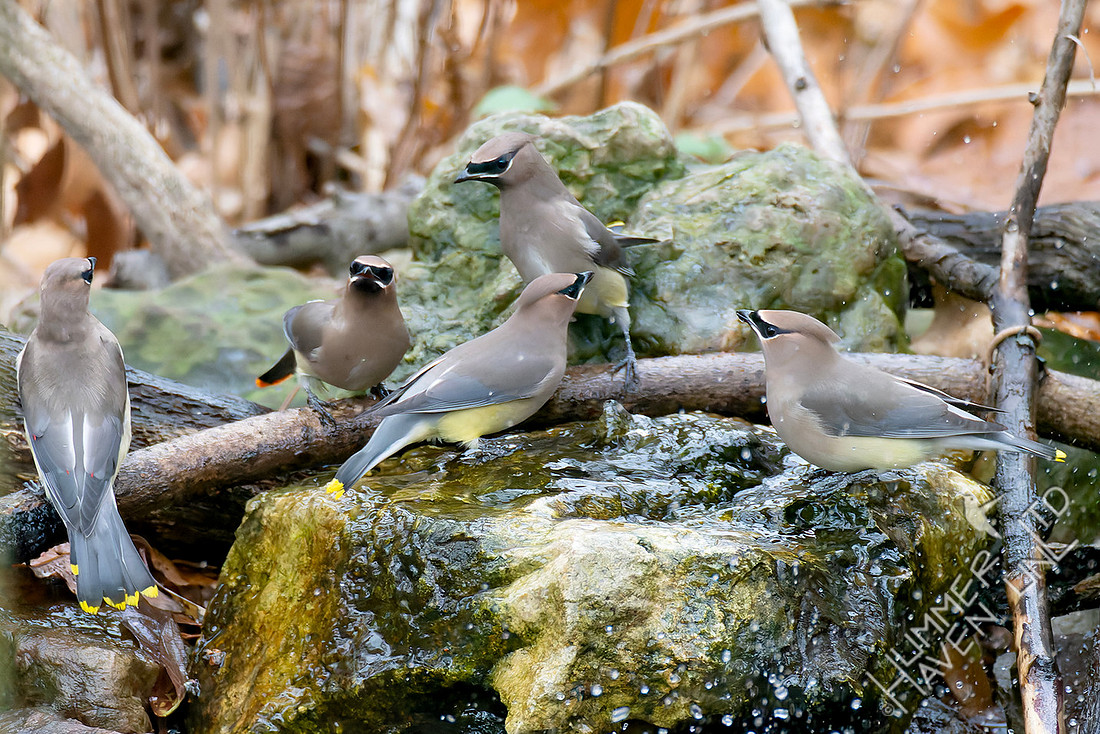
A flock of nine Cedar Waxwings came to the bubbler on 11-19-25. The bird on the left is an immature bird, still growing out tail feathers. And, the second bird has orange tips instead of yellow, due to eating invasive honeysuckle berries. Often, these birds cannot find the native fruits that are needed in their diet, like viburnum, dogwood, serviceberry and mulberry. They supplement their fruit diet with protein-rich insects.
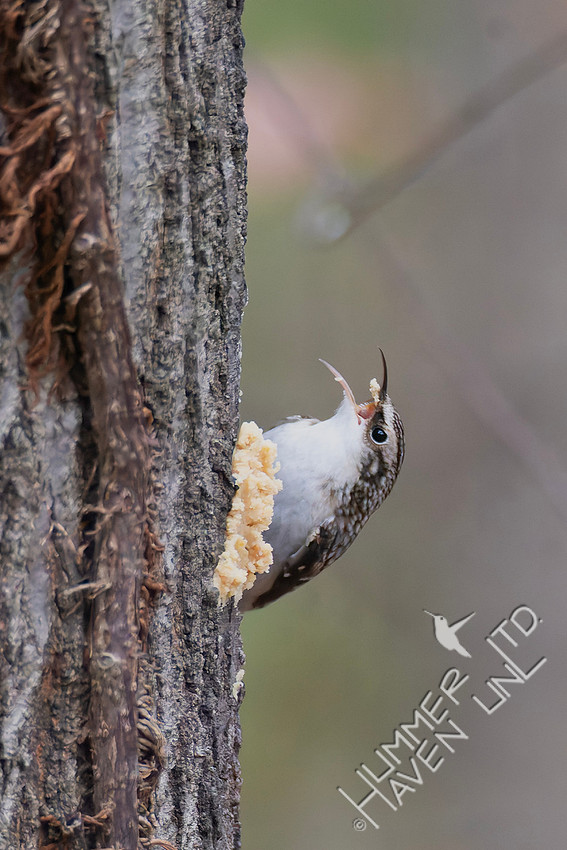
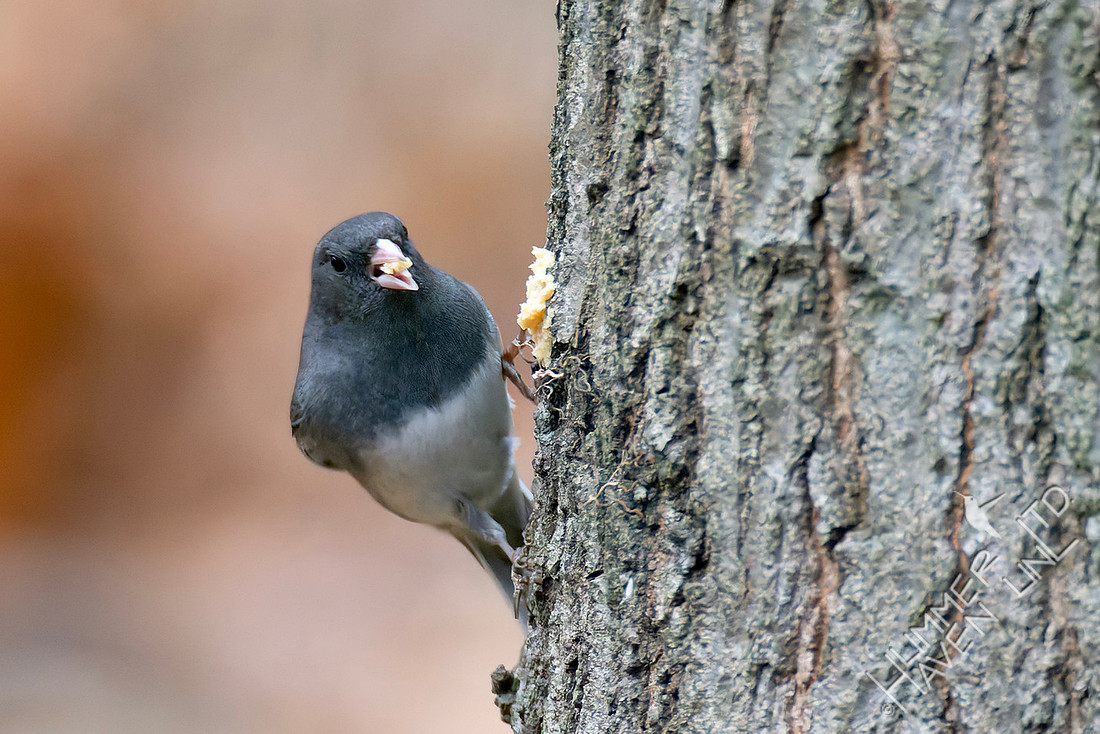
Well, the bark butter was found by the Brown Creeper, Dark-eyed Juncos and others. Though they are ground feeders, the juncos will cling just long enough to get some of this protein rich mixture.
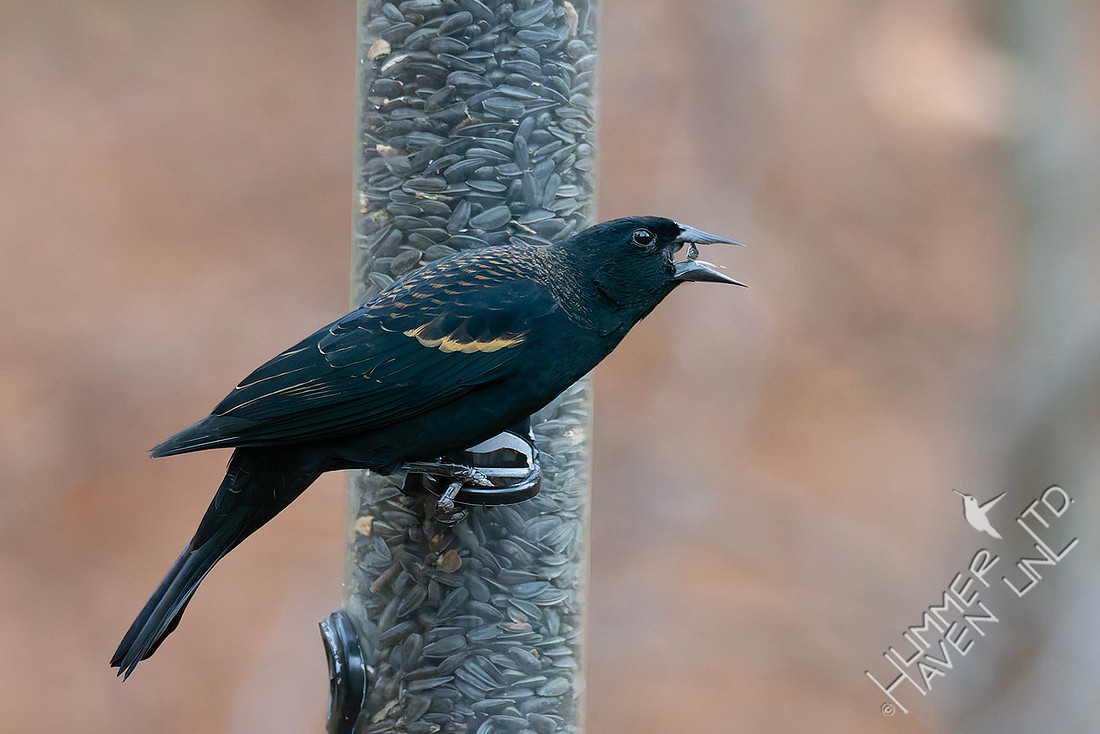
The first Red-winged Blackbird of the season came in with a few Common Grackles on 11-19-25.
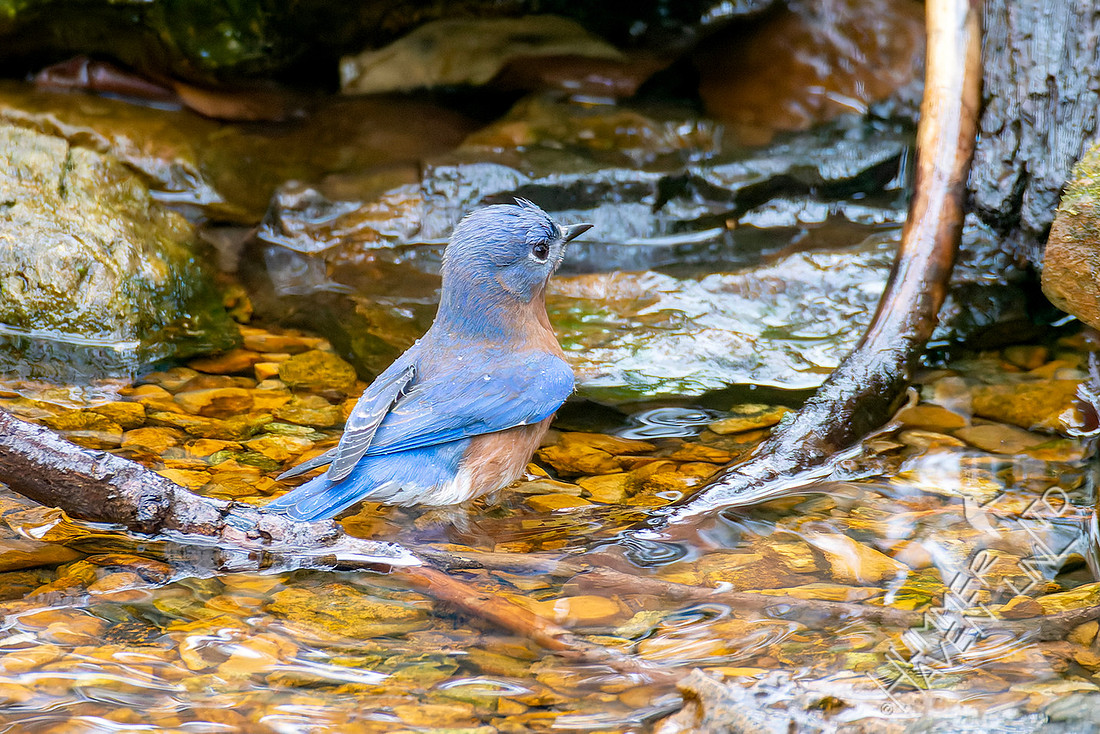
Eastern Bluebirds continue to come to the window feeders and stop by to get quick baths.
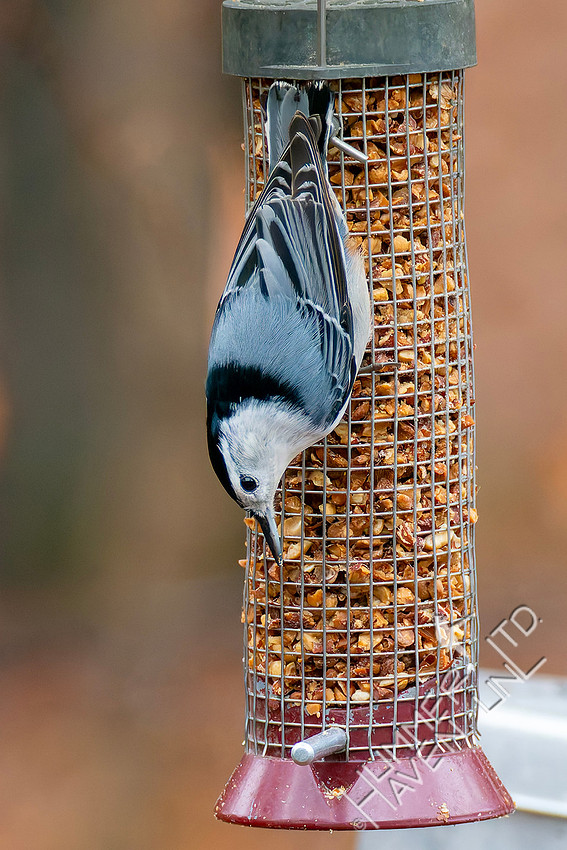
Change was in the air, the feeders had gotten a lot busier at this point. I put up the peanut feeder and the White-breasted Nuthatch quickly found it. The Red-breasted Nuthatch also grabbed a peanut chunk but got away before I could photograph it.

The suet feeder had been attracting a lot of species. To my surprise, a female Summer Tanager, looking very much like the mustard colored bird in this archive photo, briefly perched on top of the feeder at 8:05 a.m. on 11-26-25.
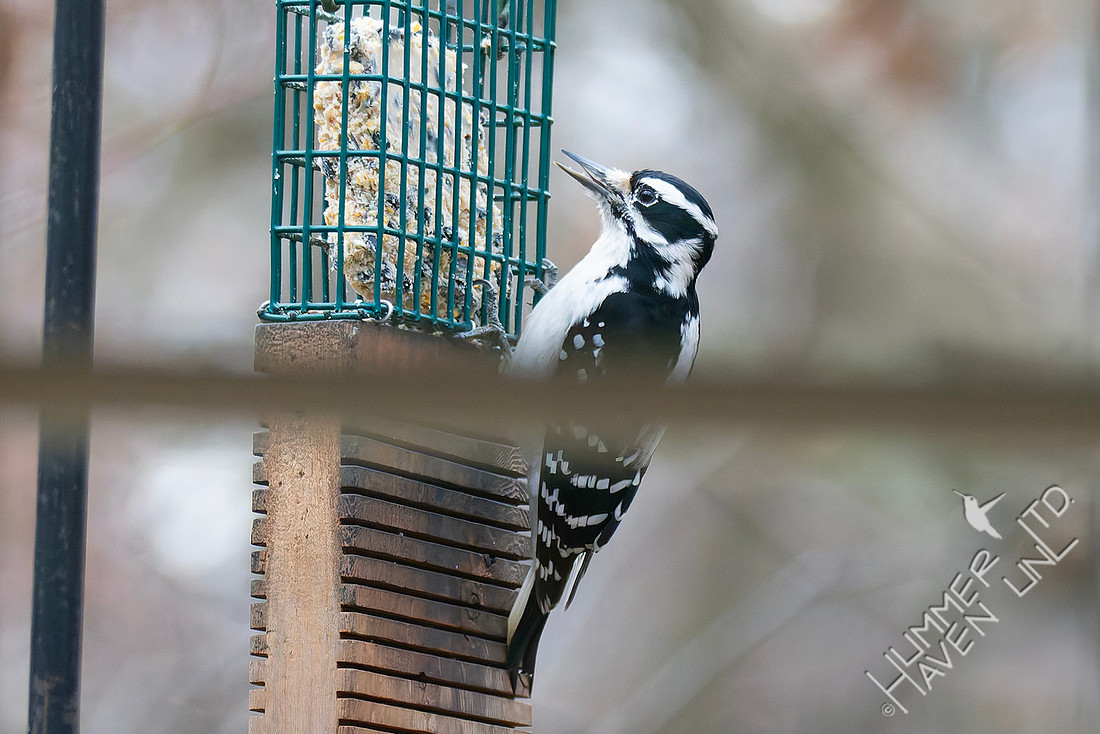
I was just getting focused on it when this female Hairy Woodpecker chased it away! There are later records for the Summer Tanager, but it would have been nice to get a photo. Some days there's just too much going on.
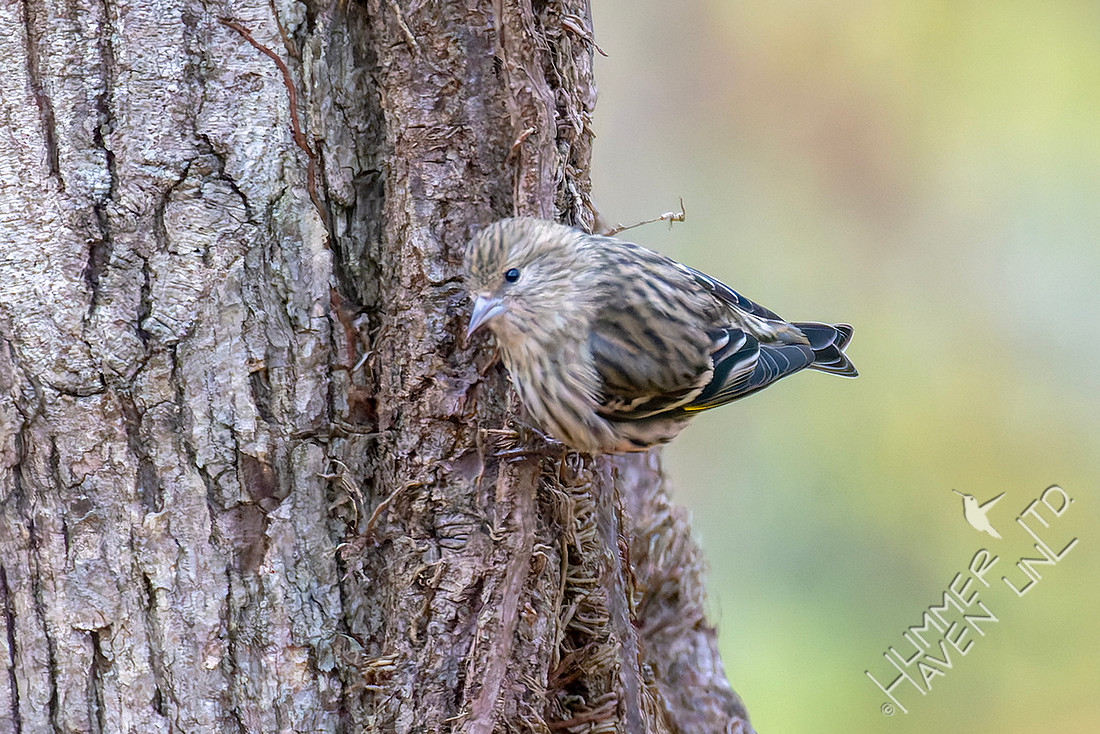
Less than half an hour later, the first Pine Siskin of the year (#111) flew up from the bubbler. Lucky me this time! As it often happens, the bird has not been seen since. Some irruption years, we'll see small flocks feeding or bathing together. Perhaps we'll see more.
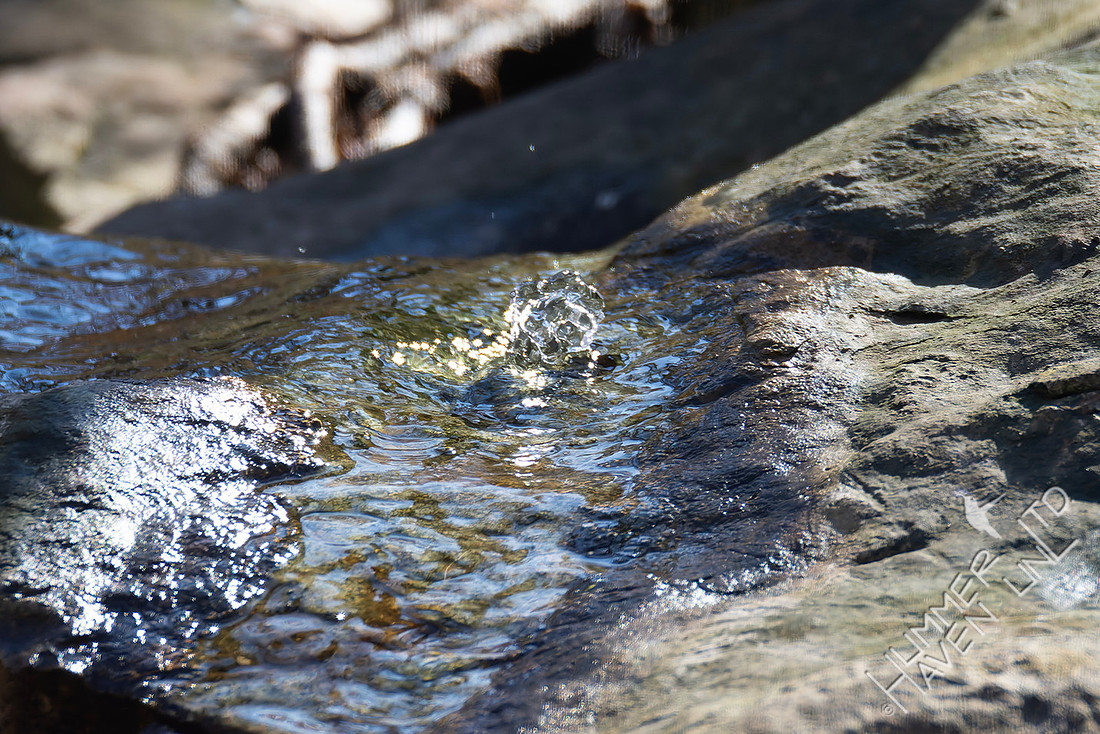
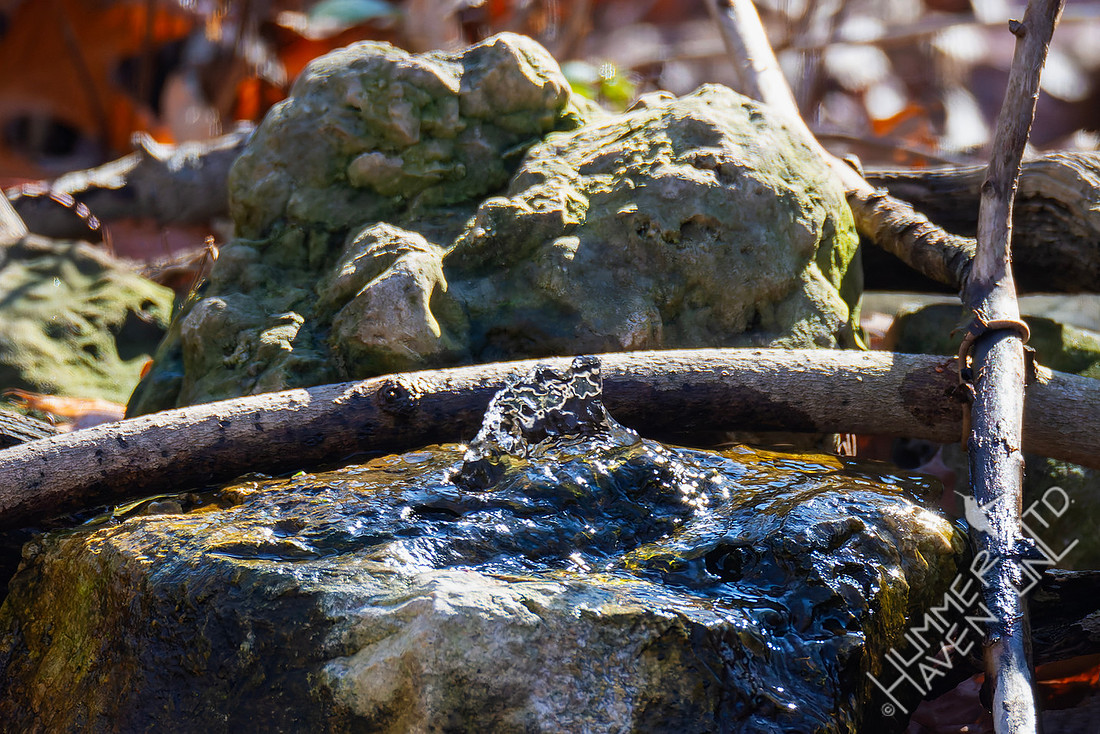
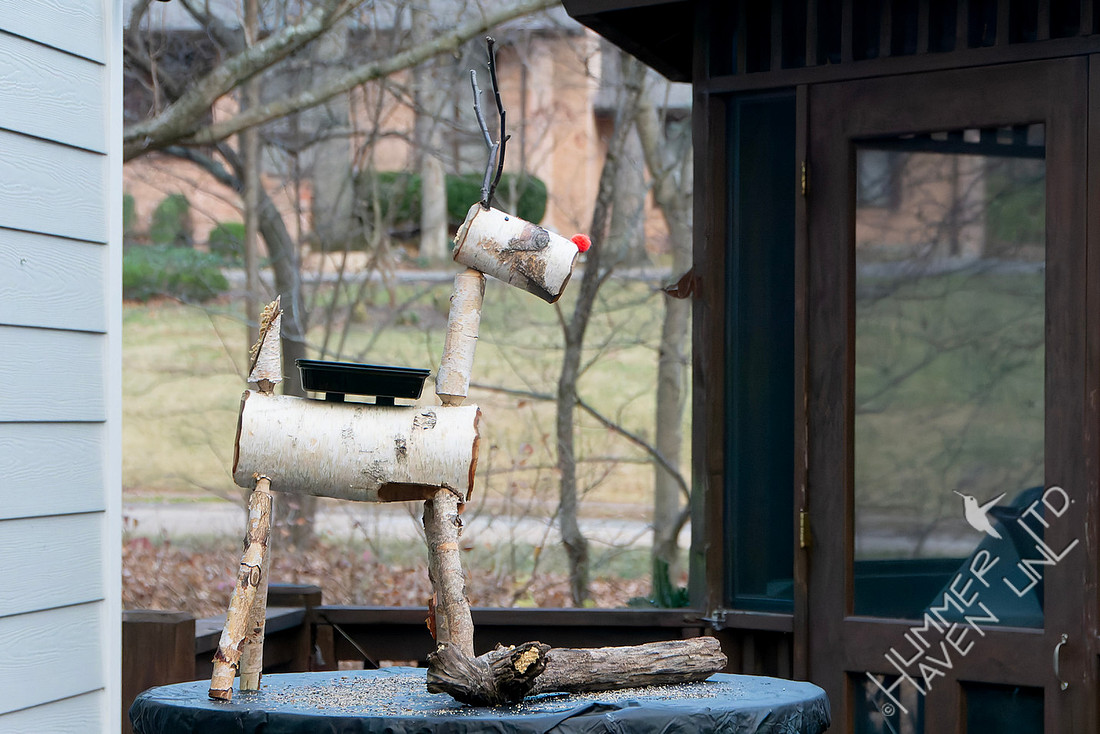
Almost Thanksgiving Day! The bubbler and pond filters were clean, water topped off and Rudy was ready on the Grab 'n Go table. That evening, our new friend surprised the resident pair of Virginia opossum.
"Wanna play?" It's fun to see these interactions, isn't it?
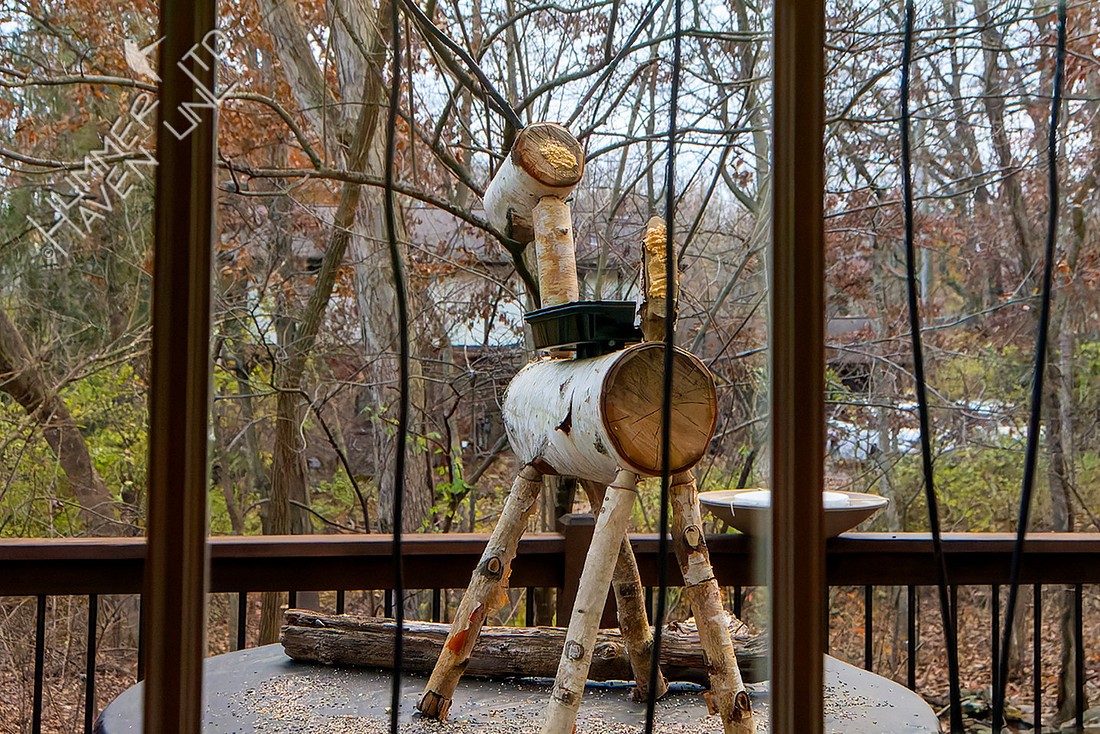
About 4:08 p.m on Friday, 11-28-25, we were sitting in the family room when that female Summer Tanager came back! It was maybe twelve feet from me, perched on Rudy's head, checking out the bark butter and scanning the table to see what fare was to be had when a pair of Eastern Bluebirds swooped down and chased it off! The snow would begin by 3:00 a.m. I had hoped the tanager would stick around and get some food, but we didn't see it again.
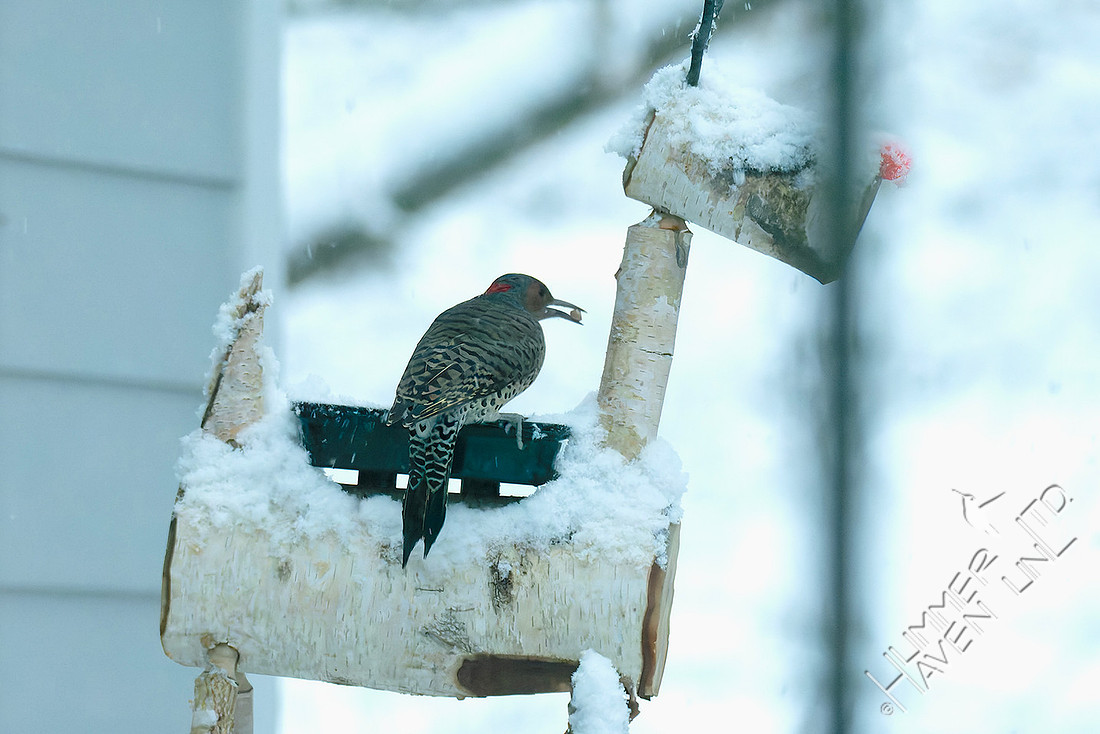
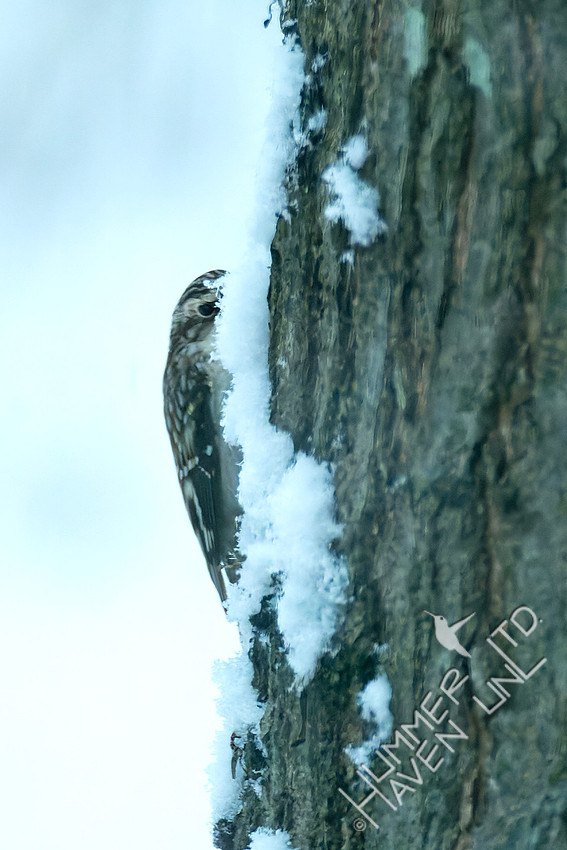
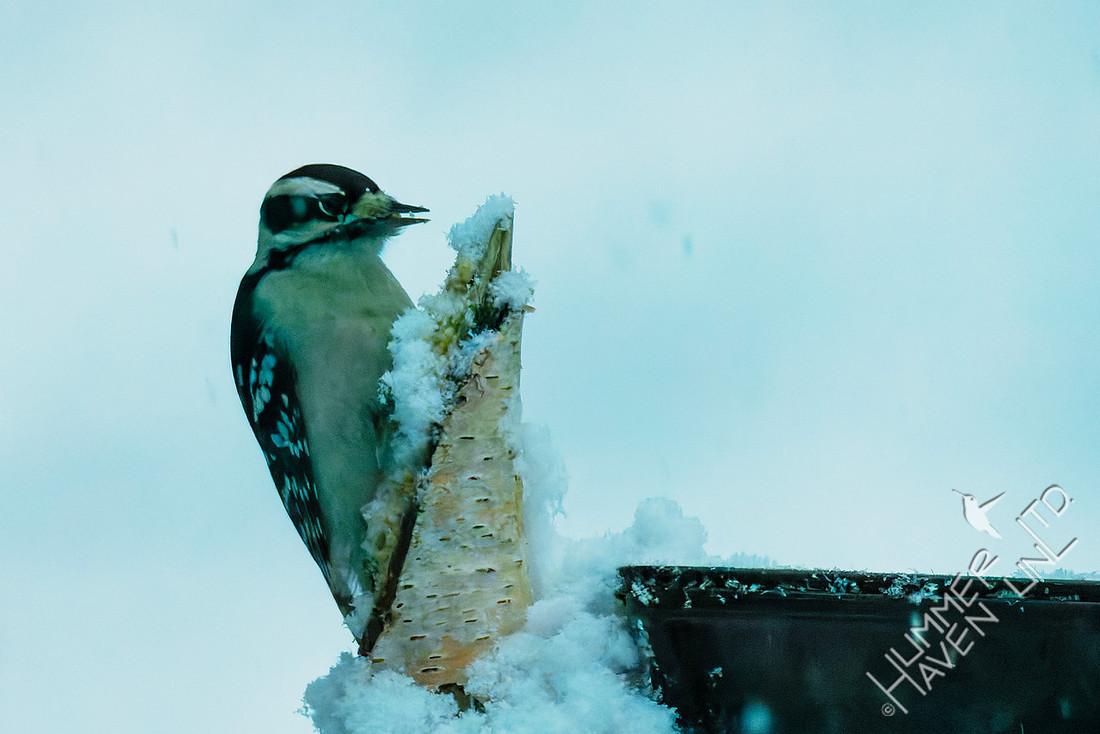 The Northern Flicker, Brown Creeper and Downy Woodpecker were three of twenty-one species that day along with 4-5" of snow, then sleet and some rain.
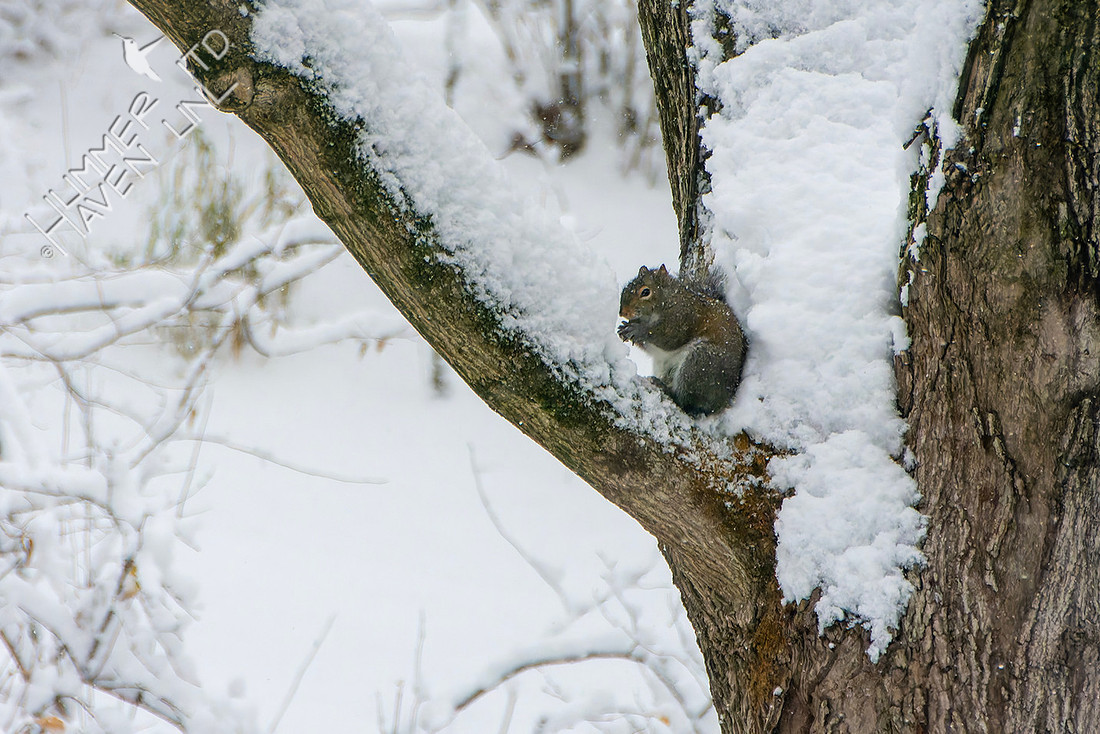
It was a pretty snowfall.
This morning, our front door camera captured the Red Fox again.
I wonder if there is only one... Happy Holidays!
Into November now 11-12-25
Stay awhile. Stay among the trees and the birds for awhile.
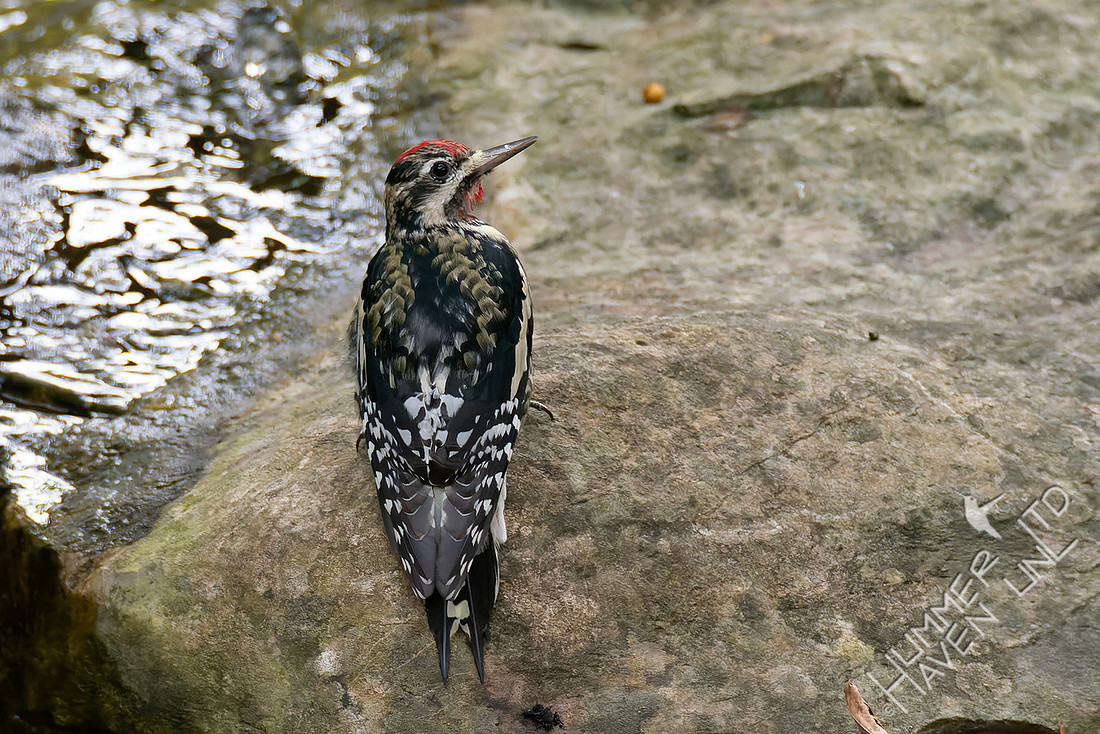
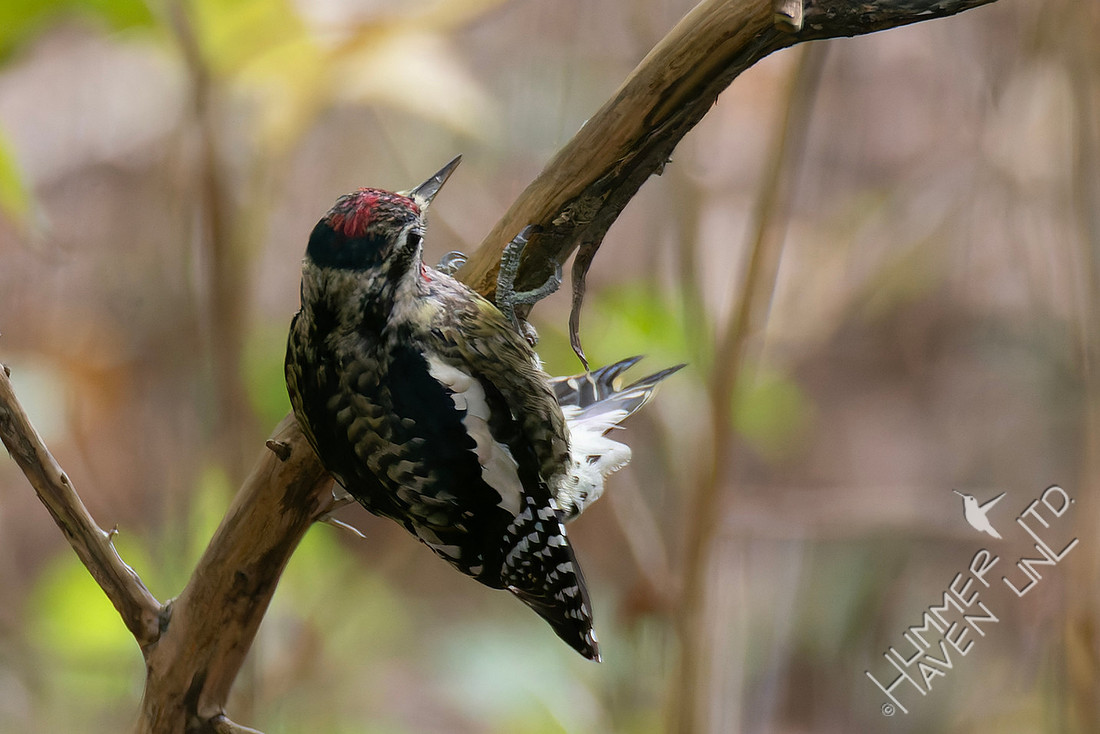
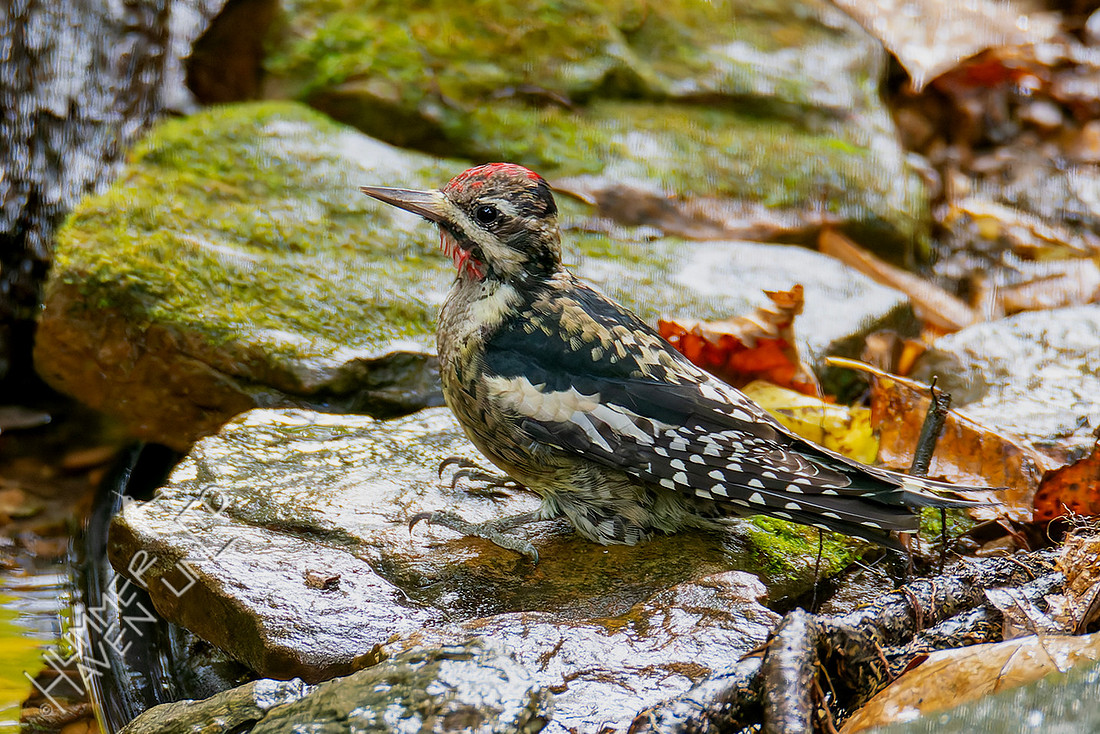
A young Yellow-bellied Sapsucker tested all the perches when it came by to drink. A female would join it later.
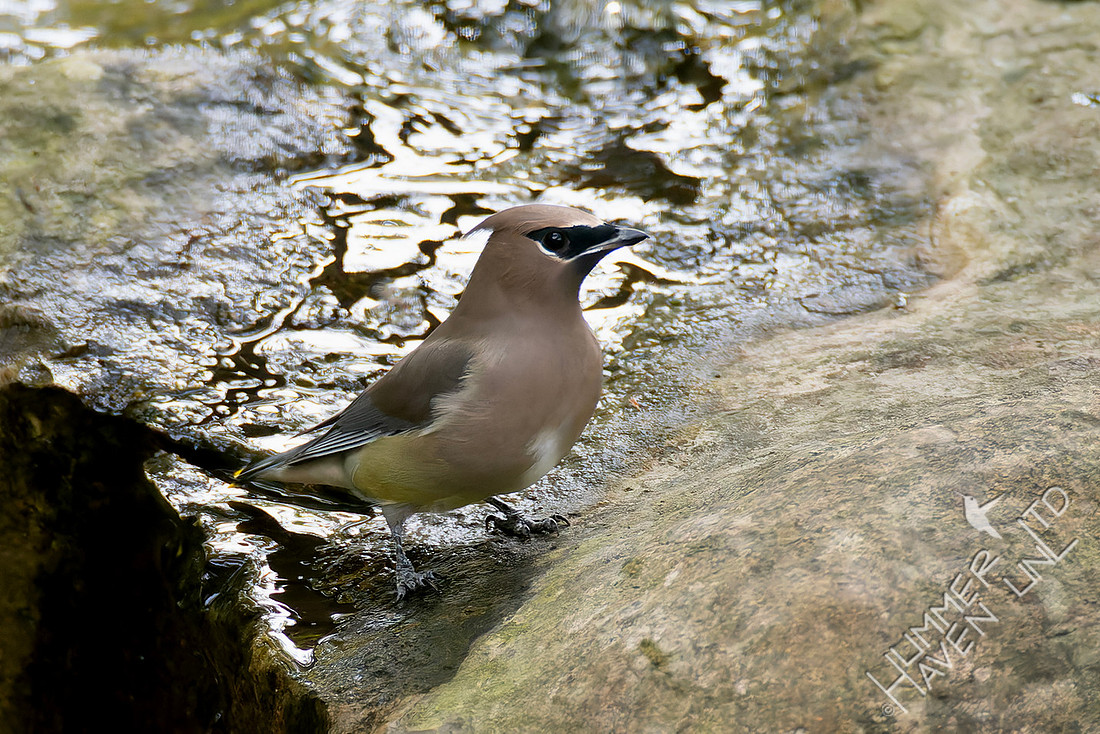
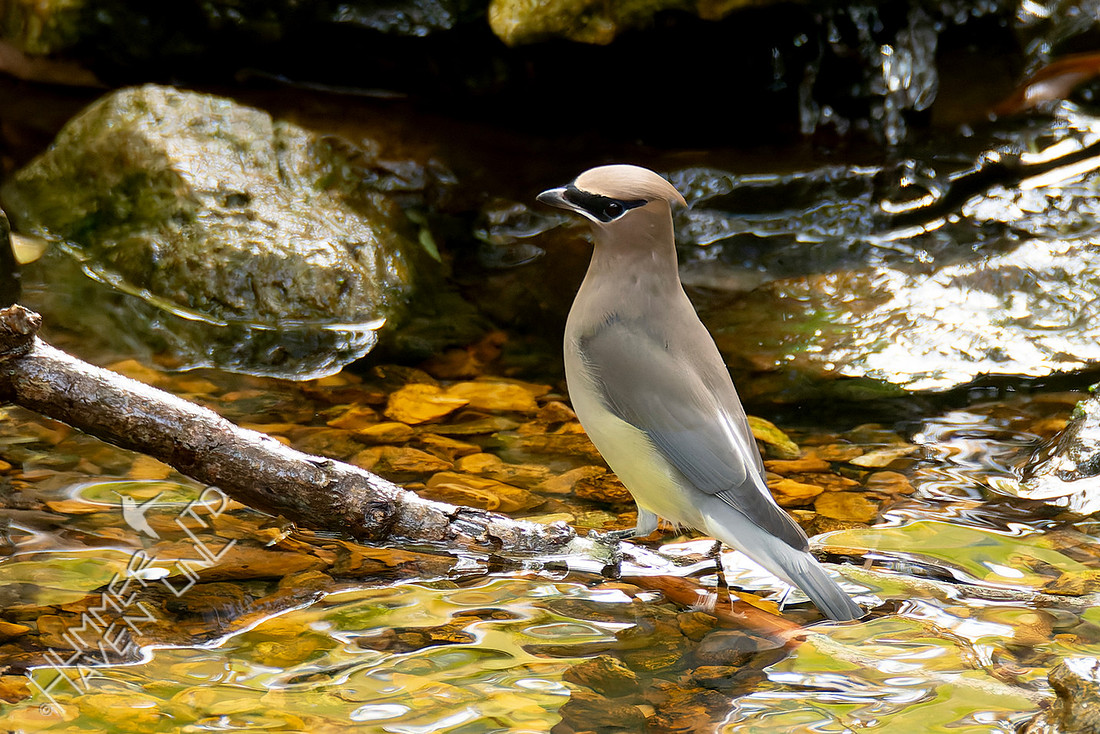
Two Cedar Waxwings finally dropped in. Hoping a larger flock will visit soon.
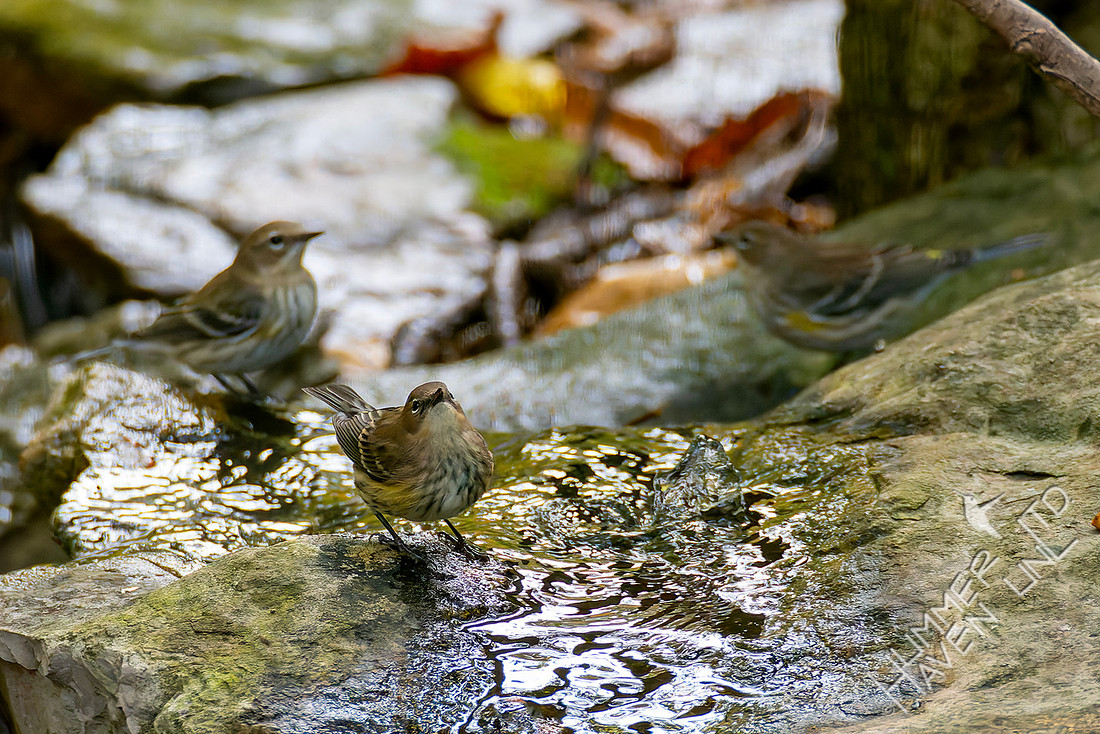
Some days, there have been scads of Yellow-rumped Warblers feeding in the trees.
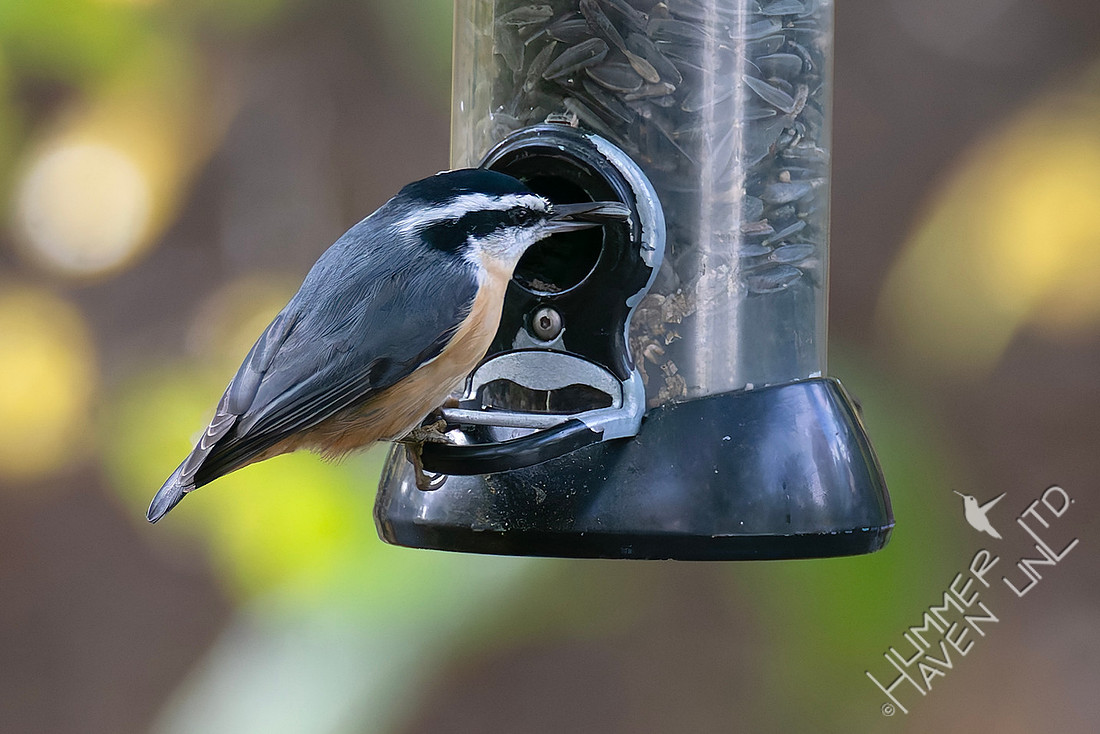
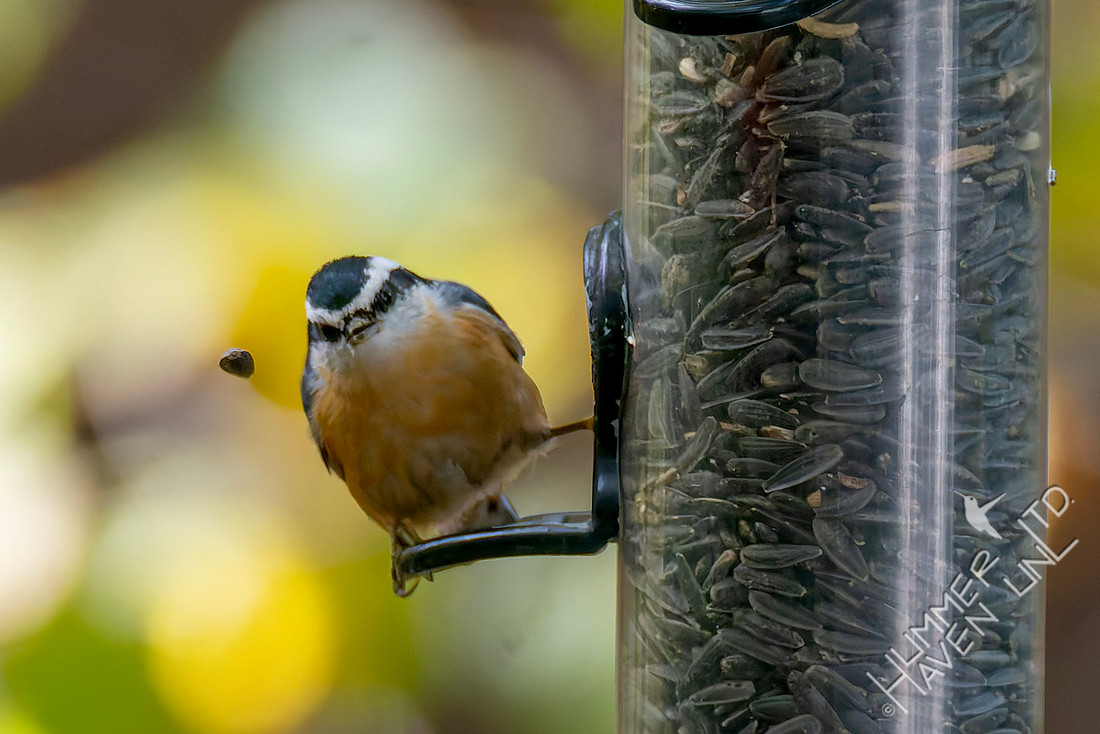
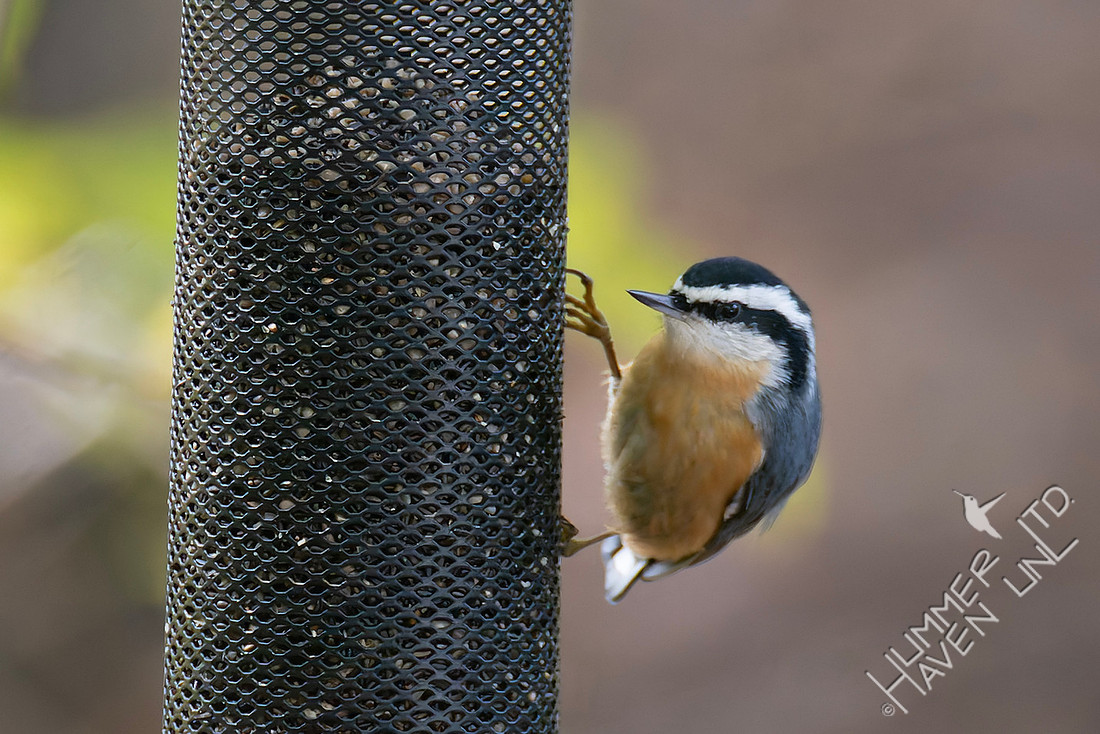
A fussy Red-breasted Nuthatch tosses out seeds that are just not ideal to cache away in tree crevices. This male has been seen five out of the last ten days, a good sign it will be around through the winter.
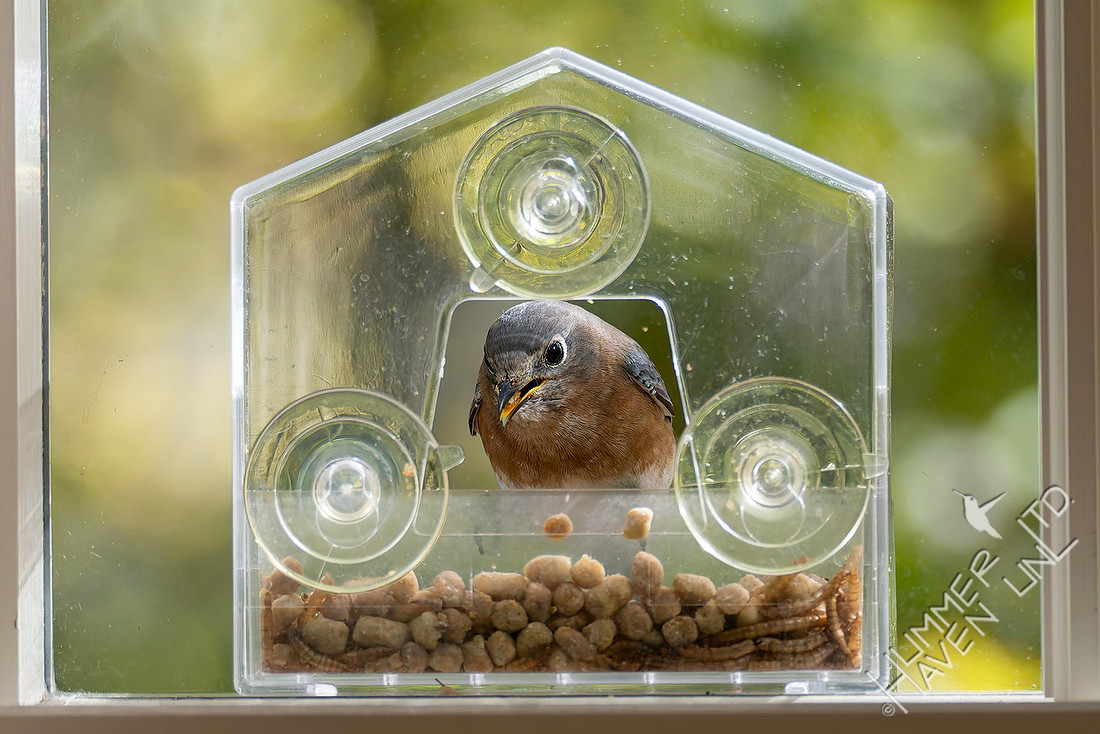
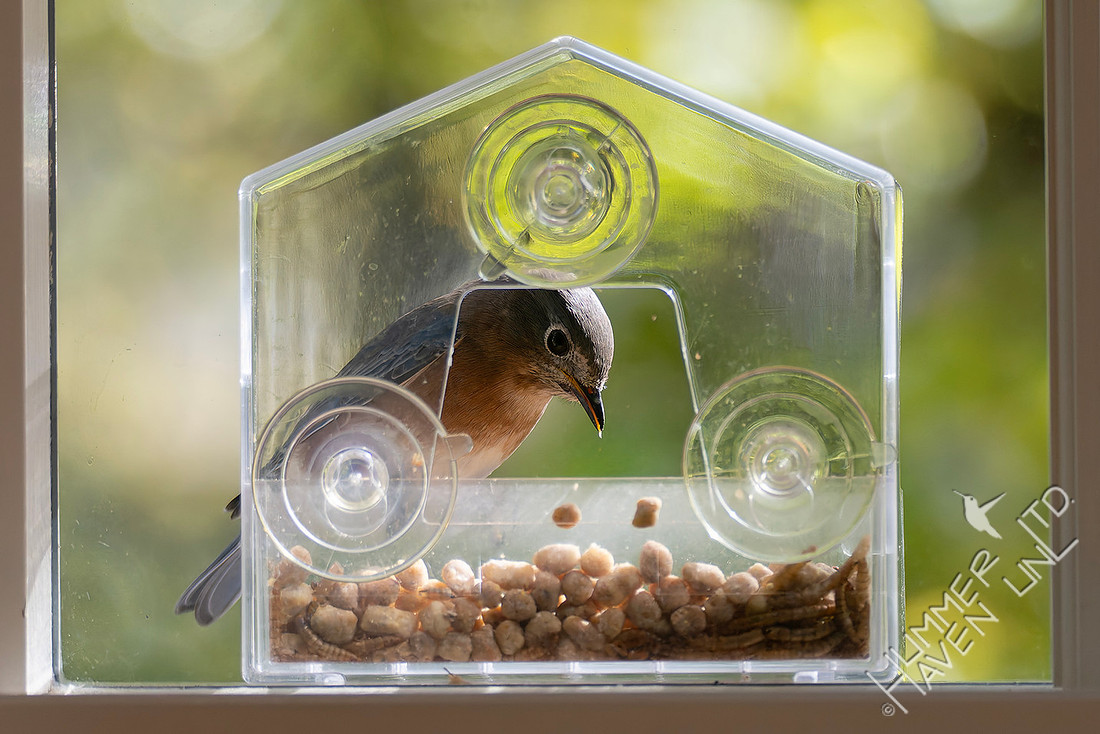
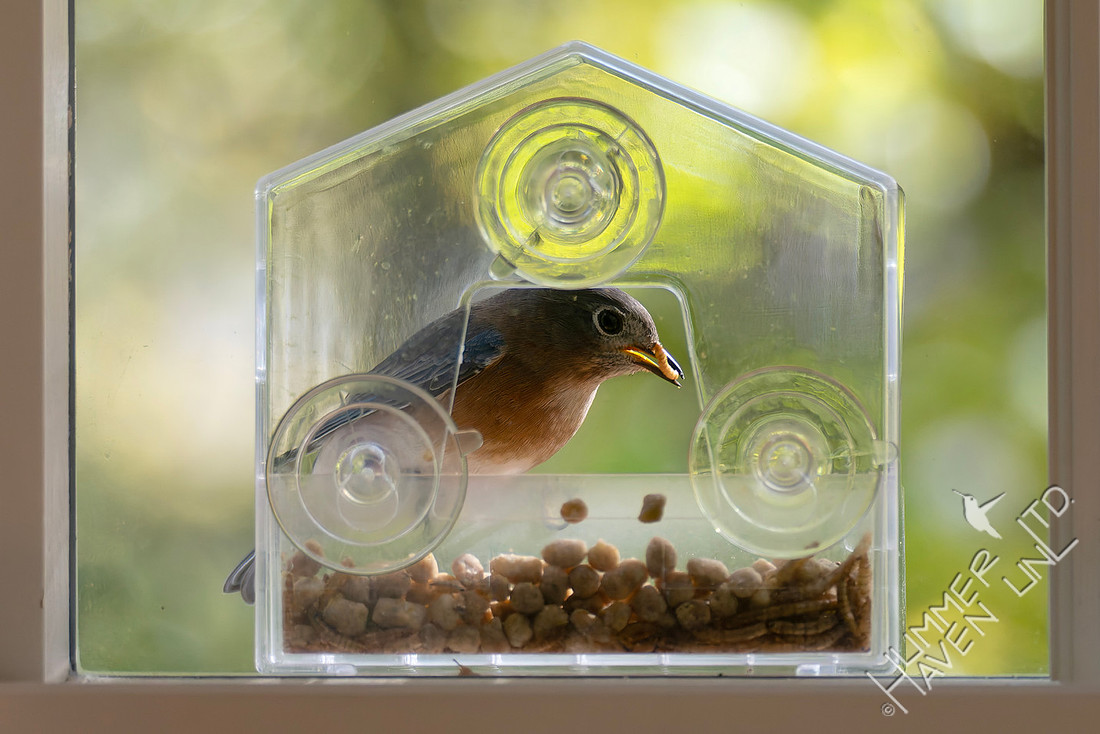
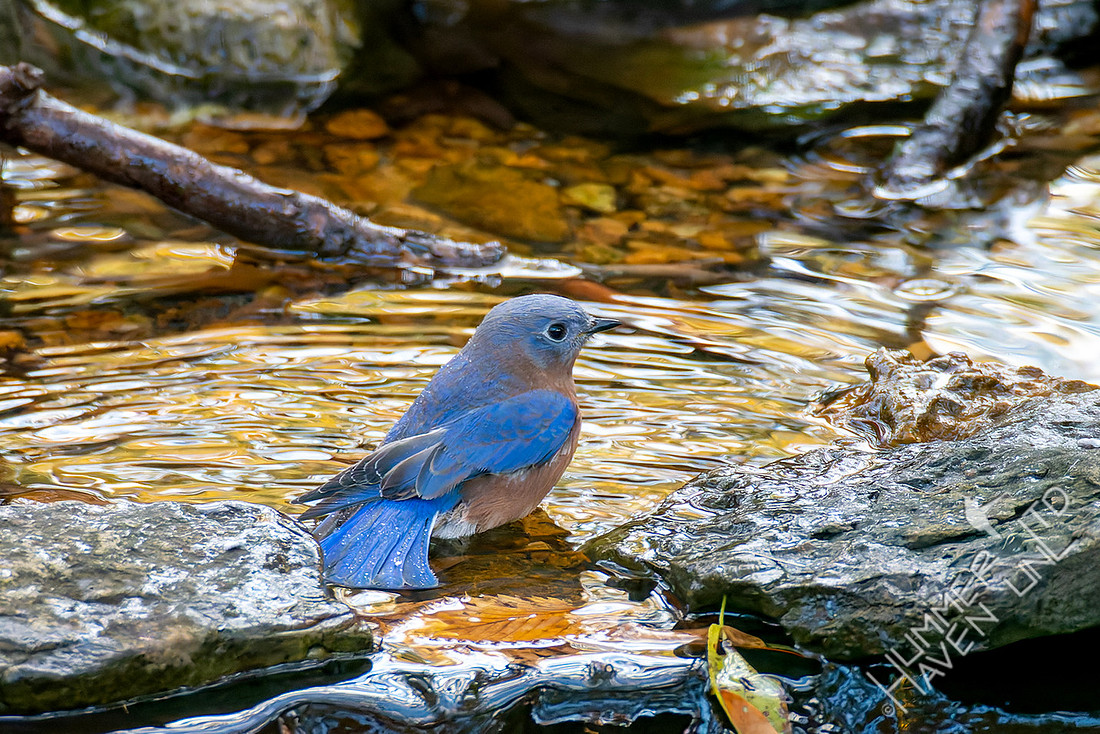
Eastern Bluebirds have found the suet, bark butter bits and mealworms. They eat, drink and bathe. In August, we had taken the nest box down expecting tree work that would disturb them. The work was delayed, and we saw the birds less often. Now, they're back!
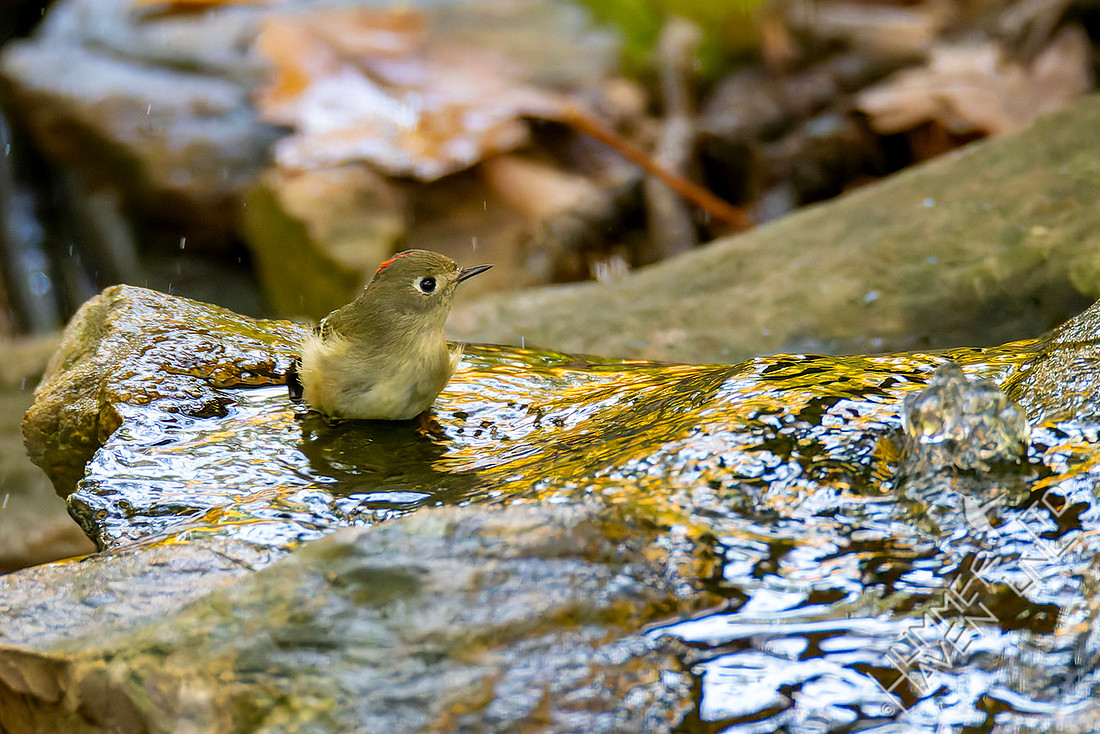
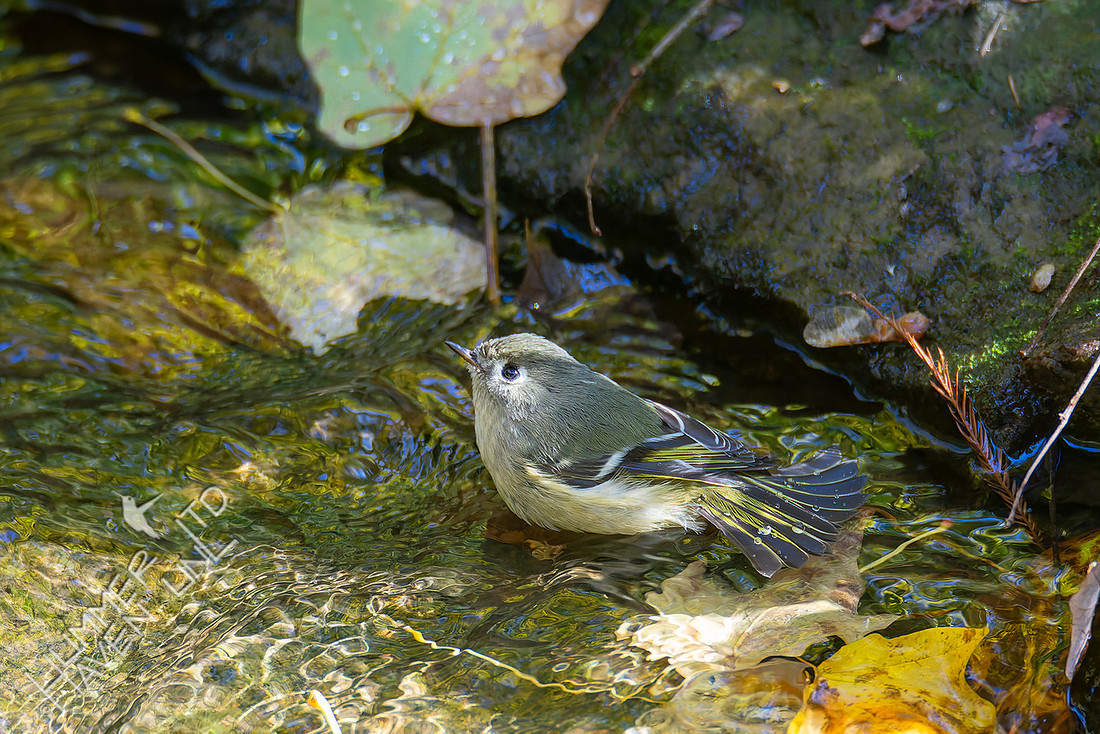
Ruby-crowned Kinglets forage in the trees, then take quick baths.
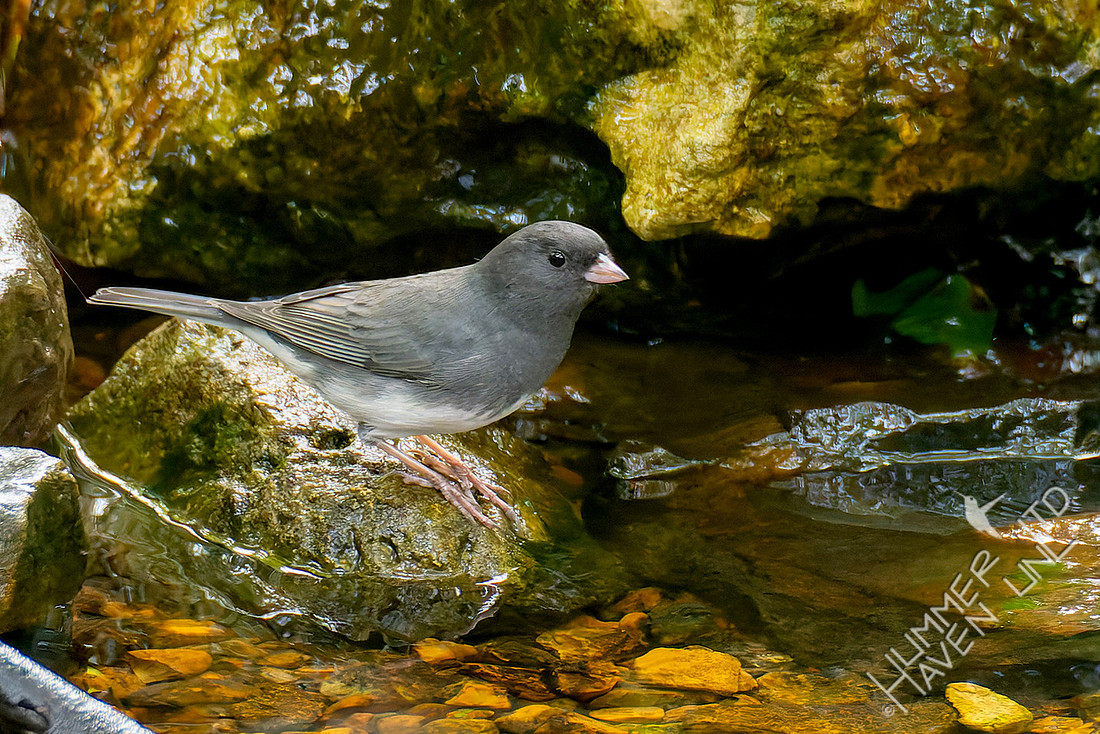
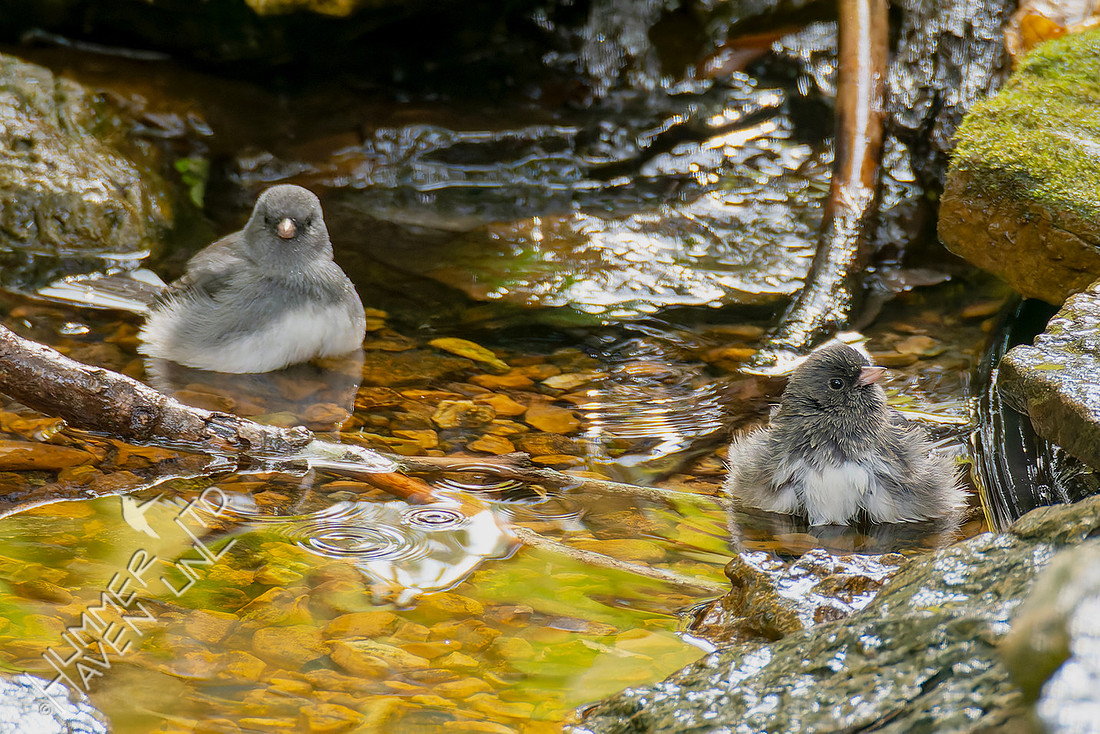
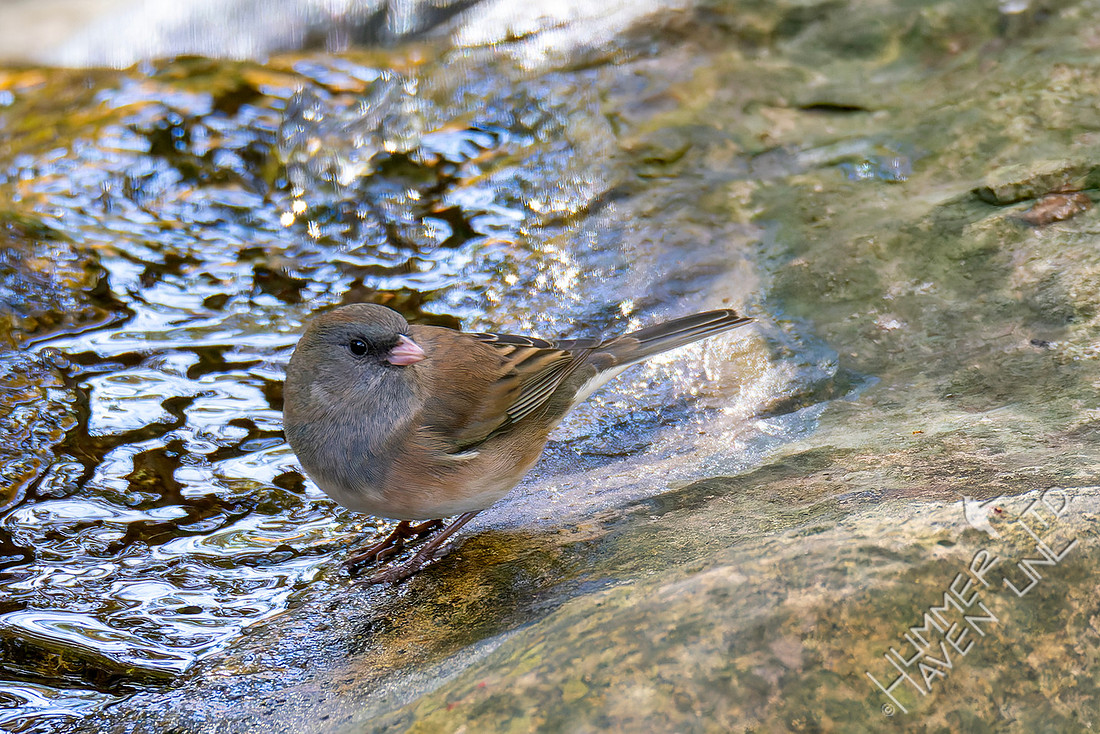
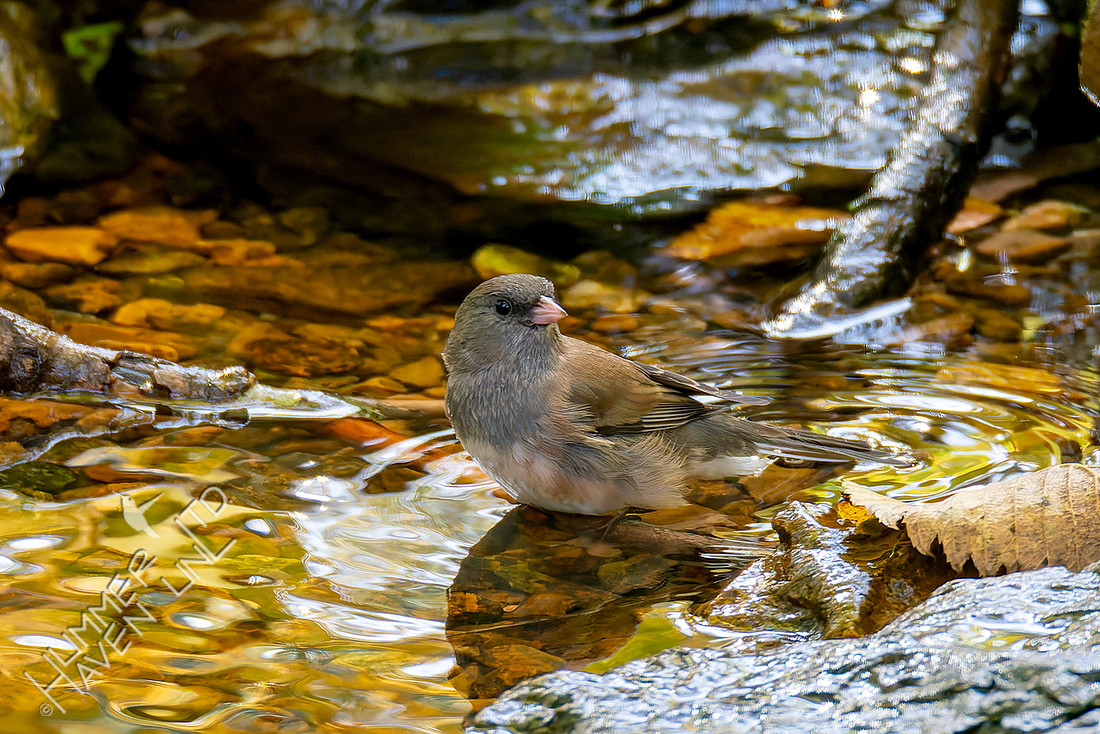
Dark-eyed Juncos are here for winter now. The slate-colored (in the first two photos) are common. The Oregon subspecies are much more colorful with their rich brown tones. The last two photos are of a female, brought in on strong northwesterly winds.
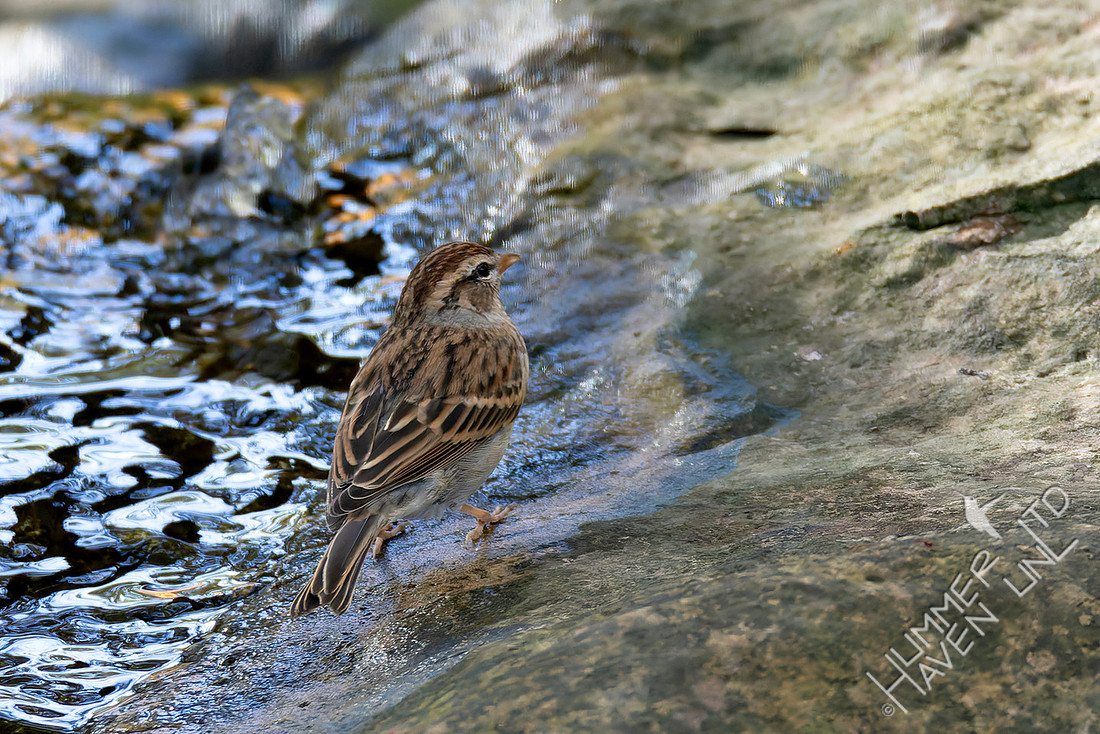
A Chipping Sparrow stopped by the bubbler one day. This is a rare bird in November, though we've seen them some years in winter.
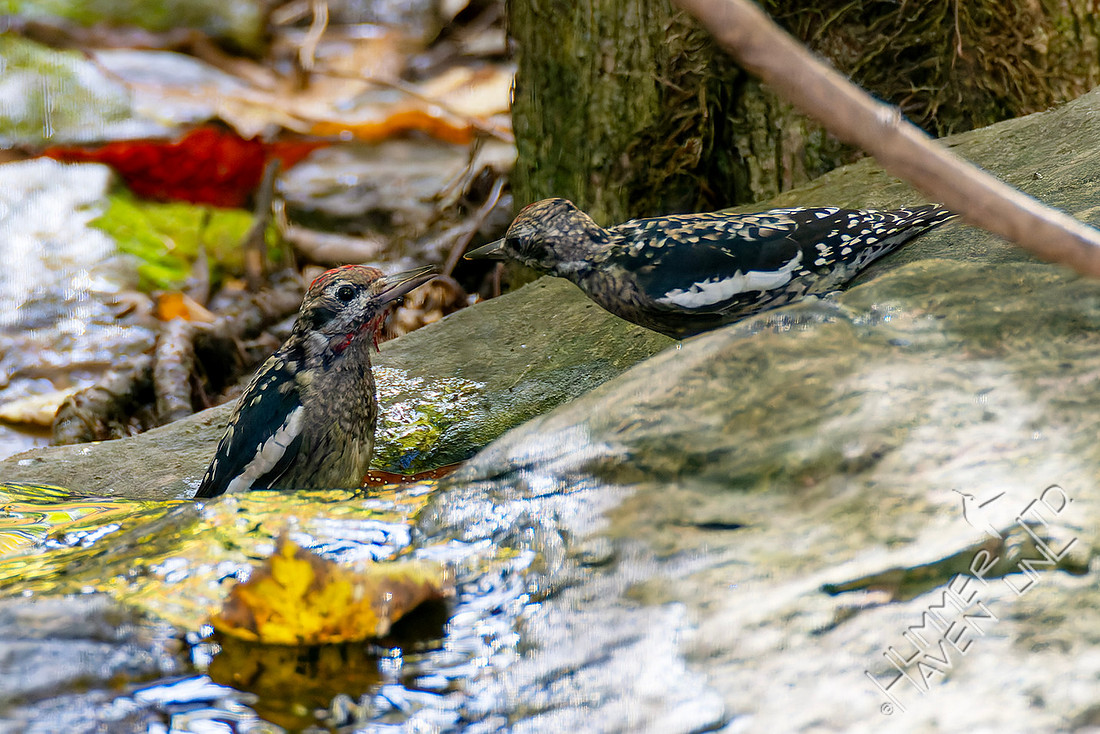
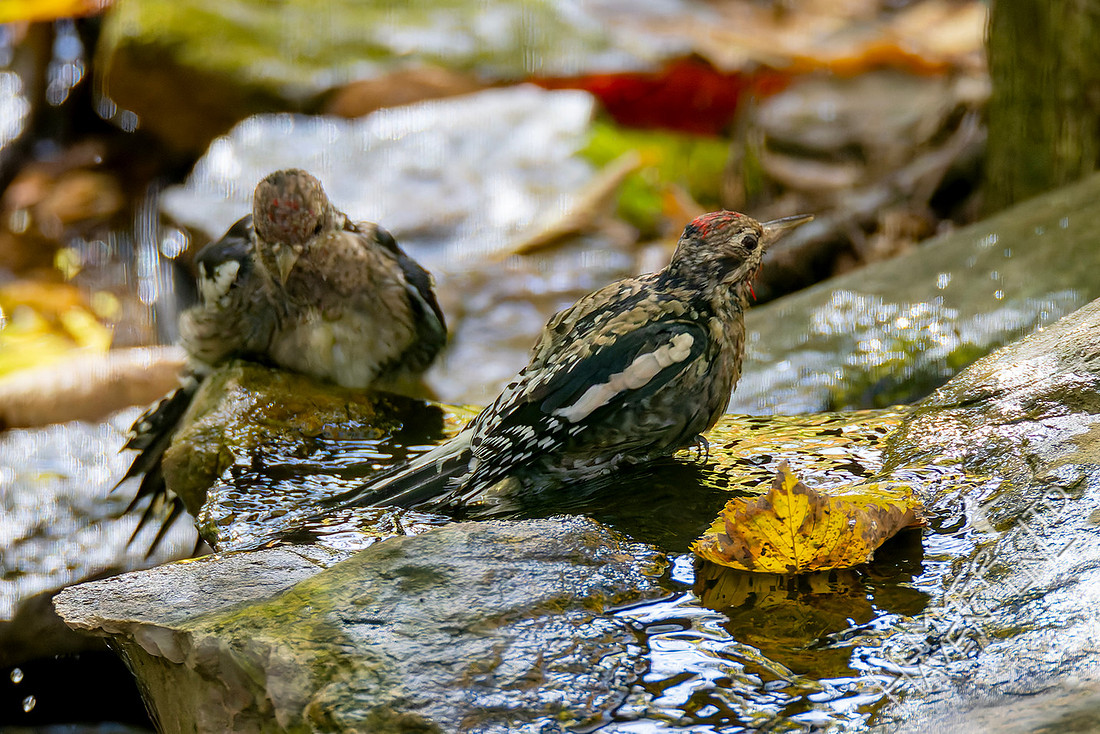
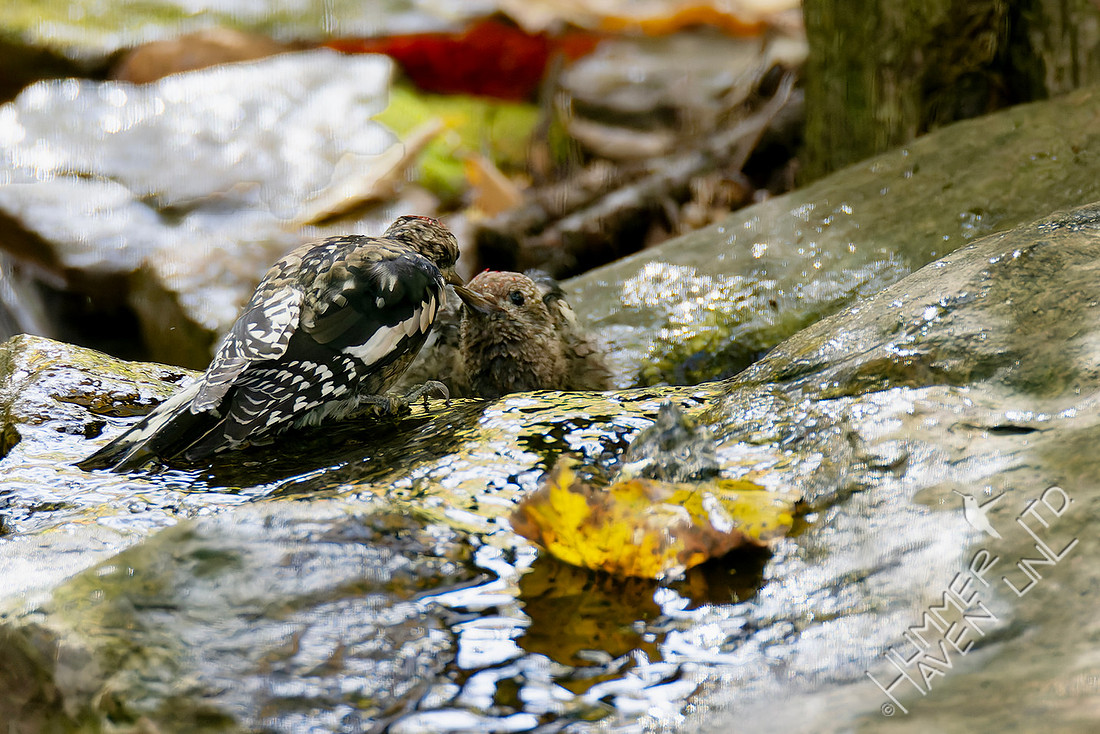
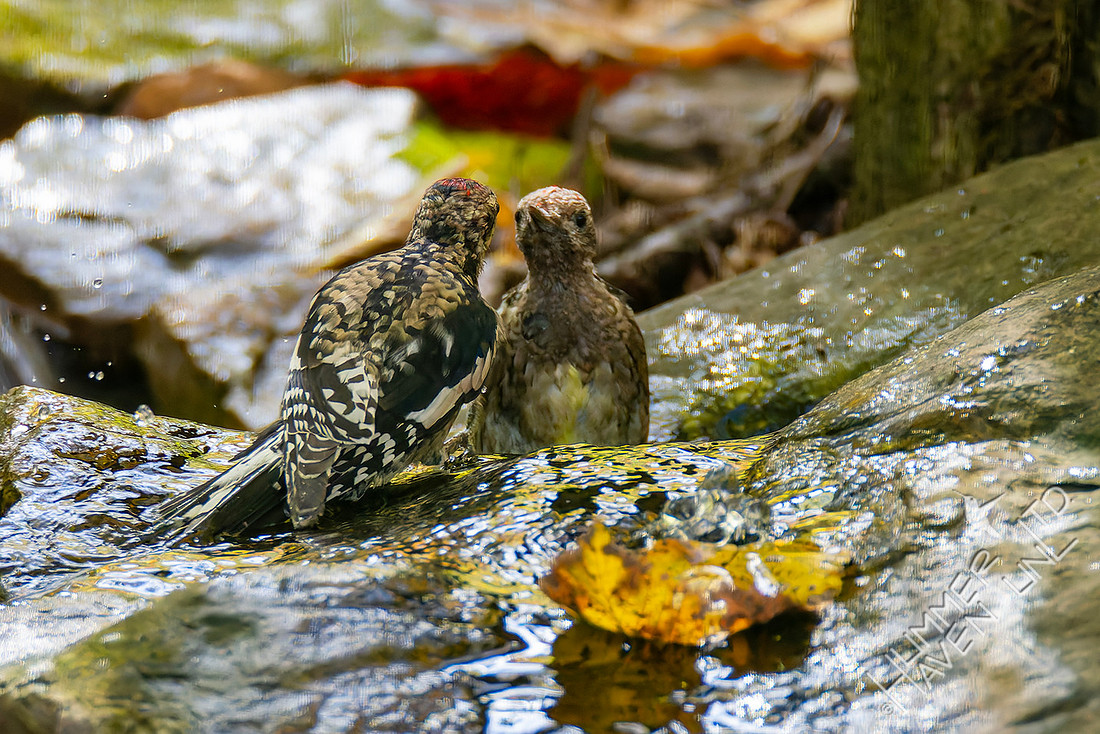
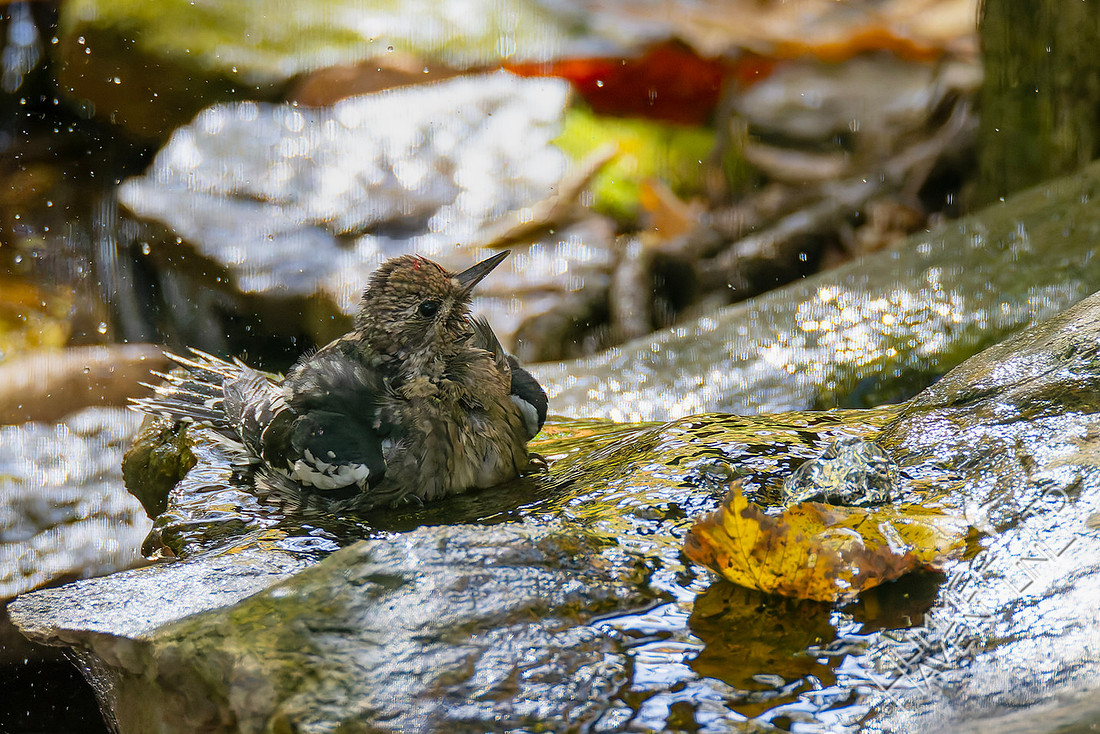
The female Yellow-bellied Sapsucker joined the male, chasing each other around the trees, then coming to bathe together. They would touch bills and stay still, communicating in their secret language. Are they teens a'courting?
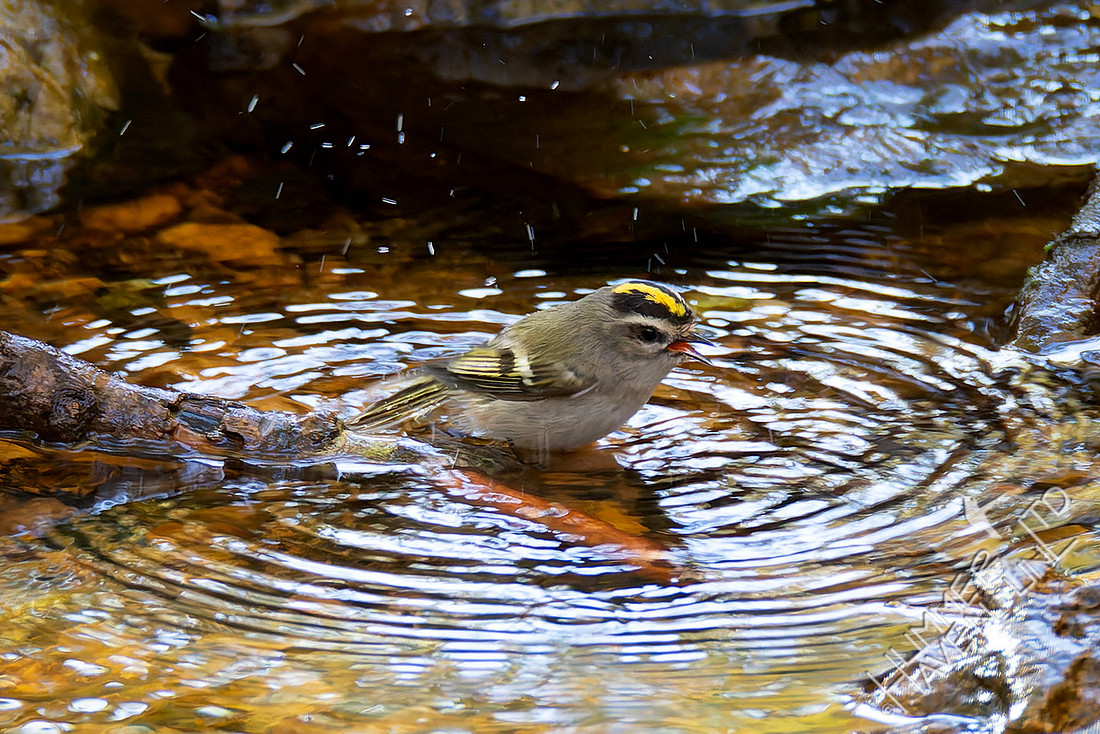
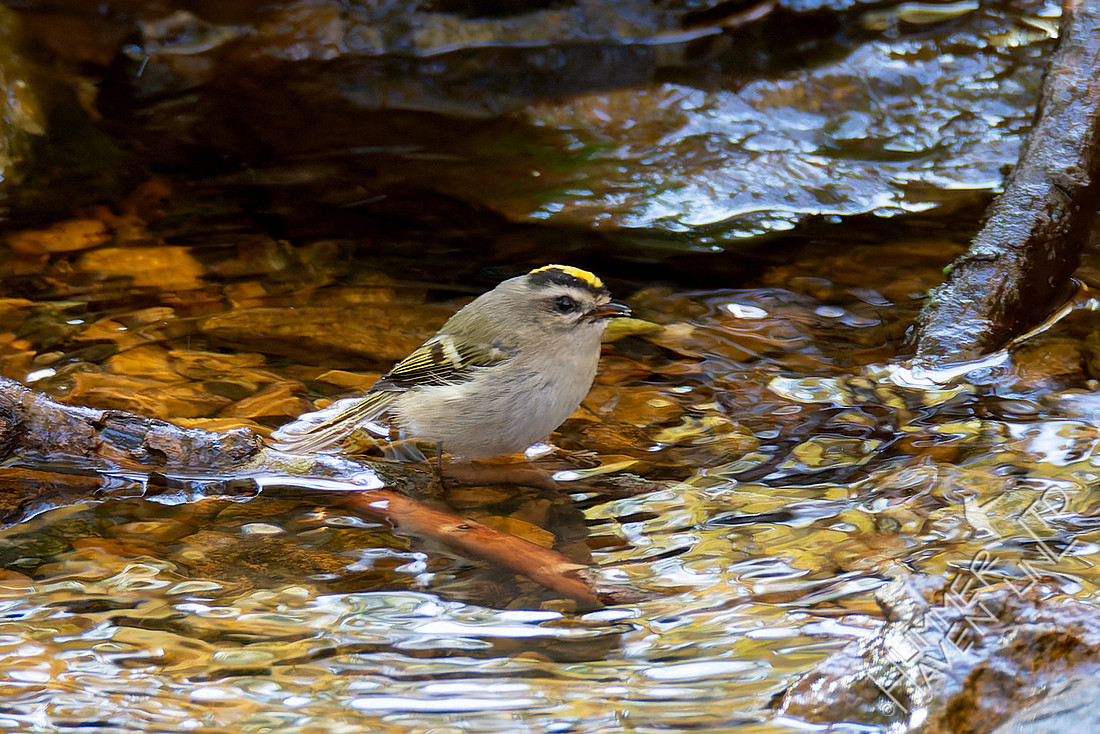
Golden-crowned Kinglets are here some days, and this one seemed quite happy to have the basin all to itself.
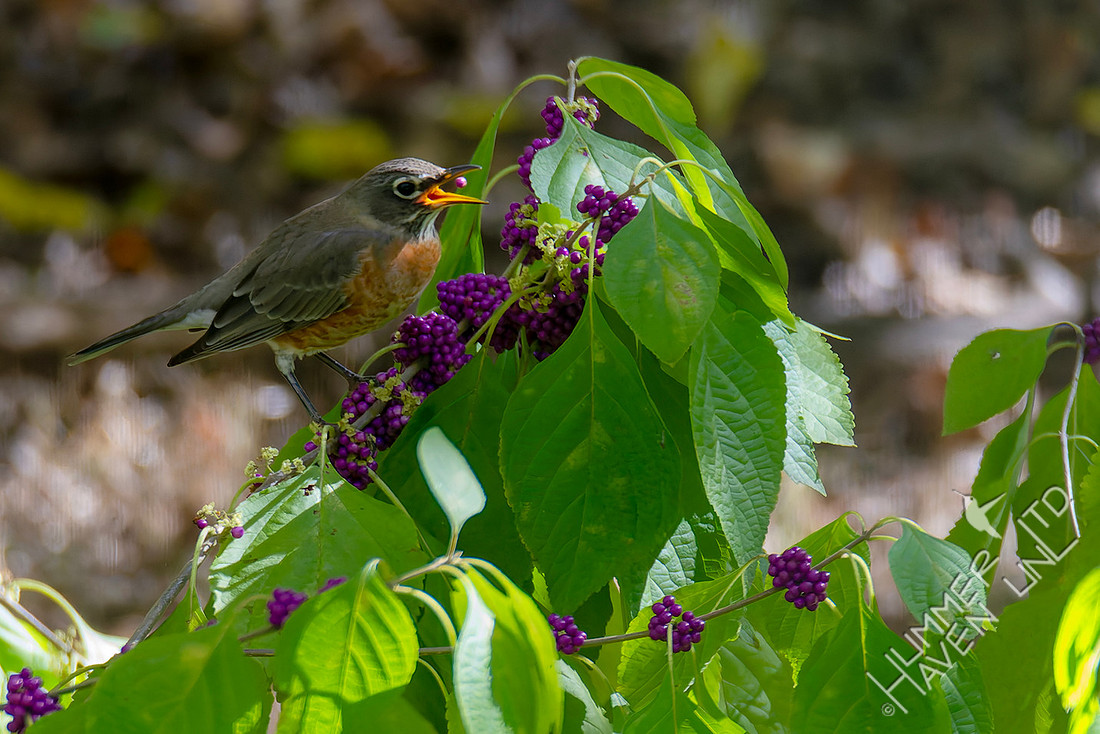
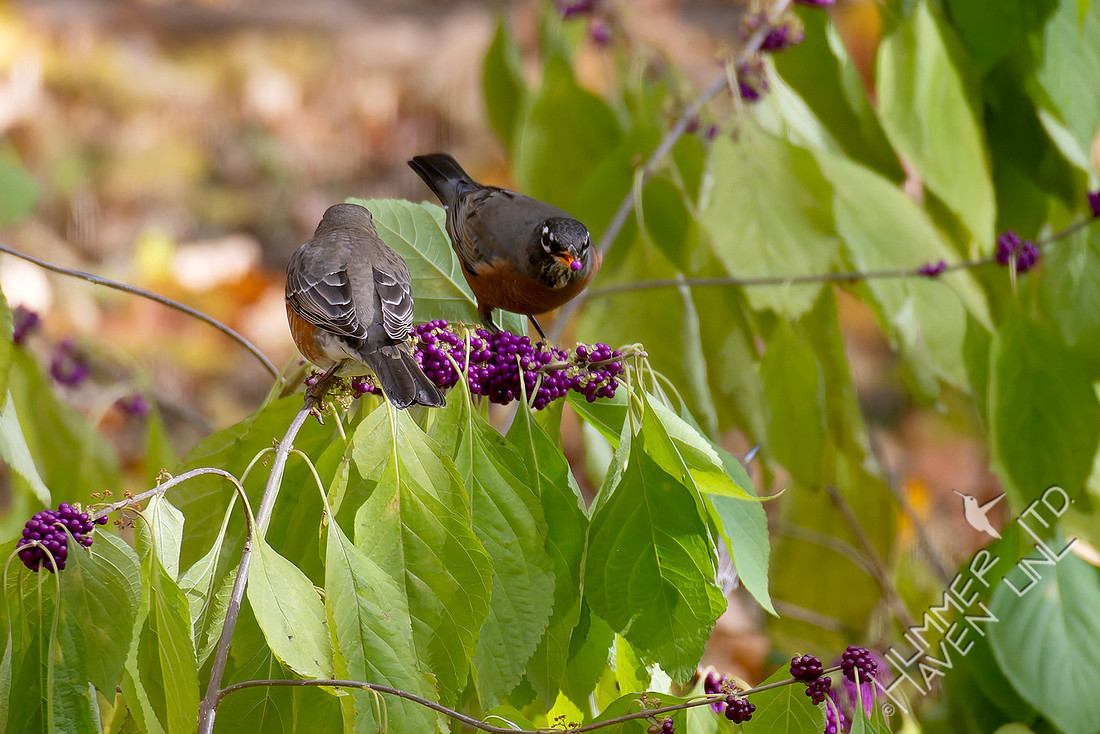
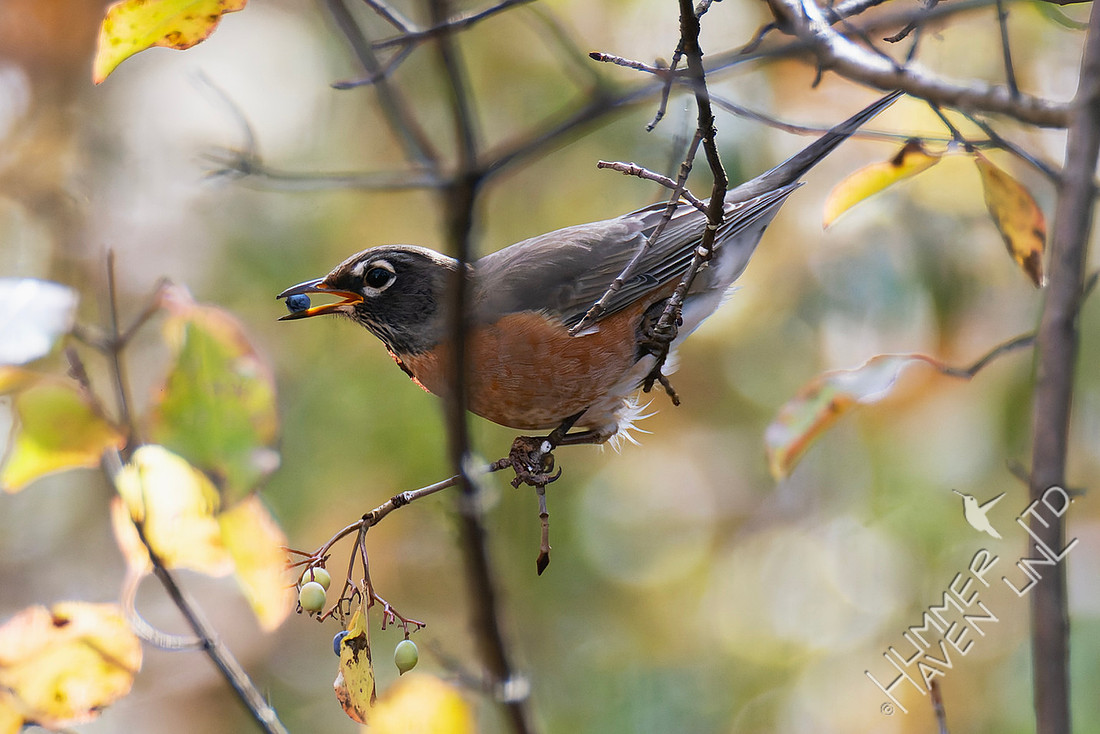
We've had large flocks of American Robins coming through, devouring Beautyberries and Blackhaw fruit. These native foods are so much more nutritious for them than the red berries of invasive honeysuckle.
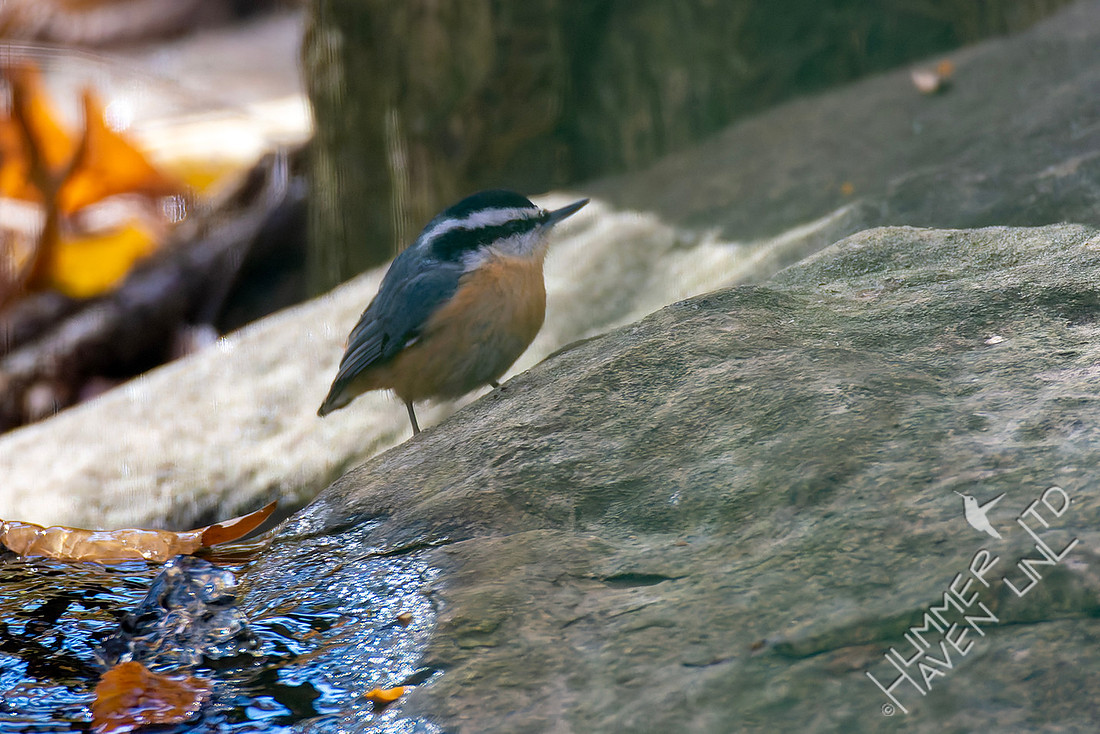
When I'm lucky, I catch the Red-breasted Nuthatch at the bubbler again. We've had below freezing temperatures the last few days, and now we're back to a bit of a warmup. Stay well as we approach the holidays!
10-31-25 Happy 25th Anniversary, Bubbler!
Happy 25th Anniversary to the Bubbler!
10-22-2000--10-22-2025
25 Years = 9,132 days
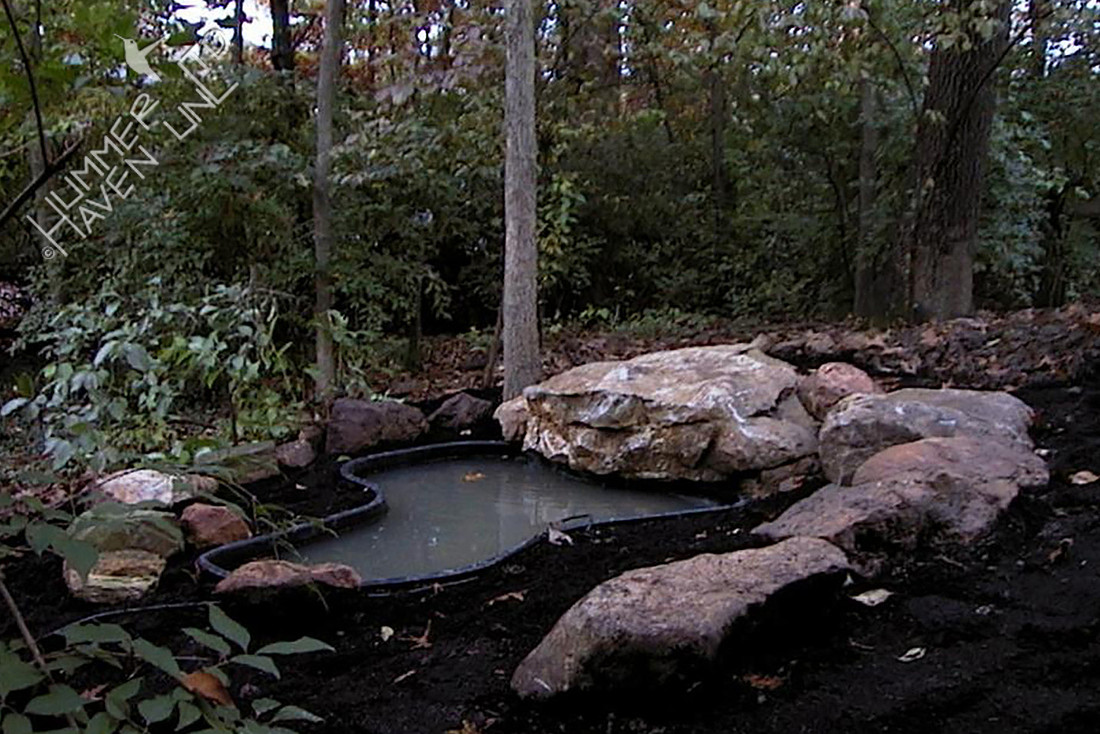
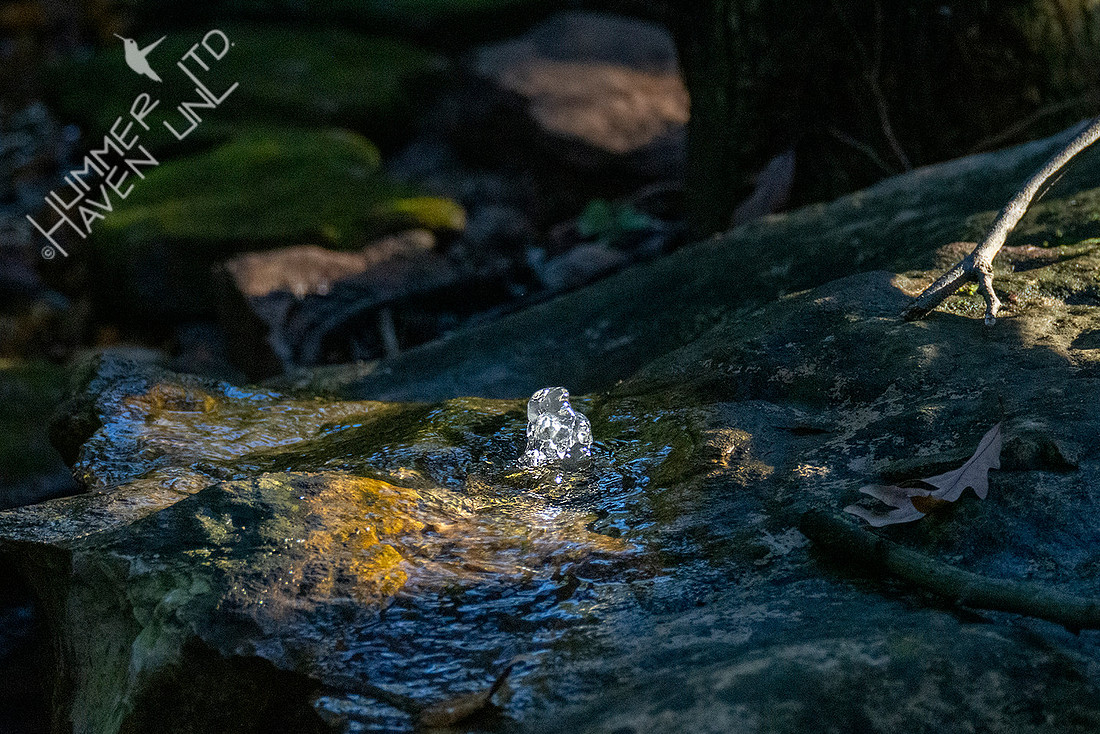
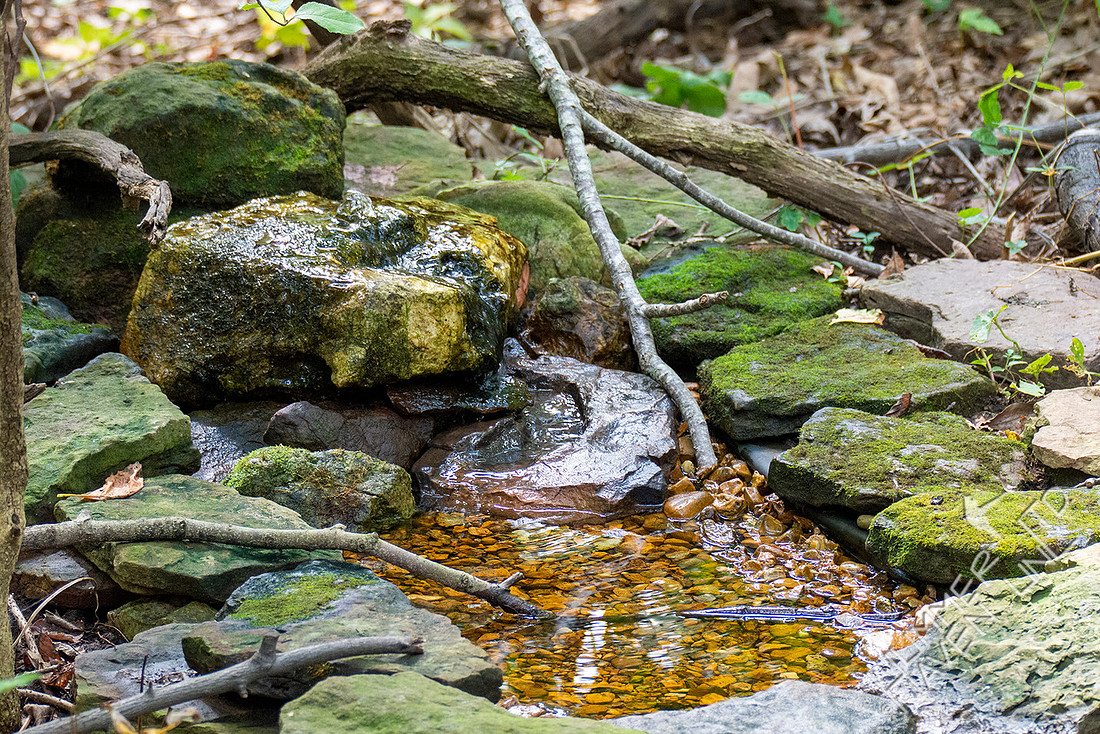
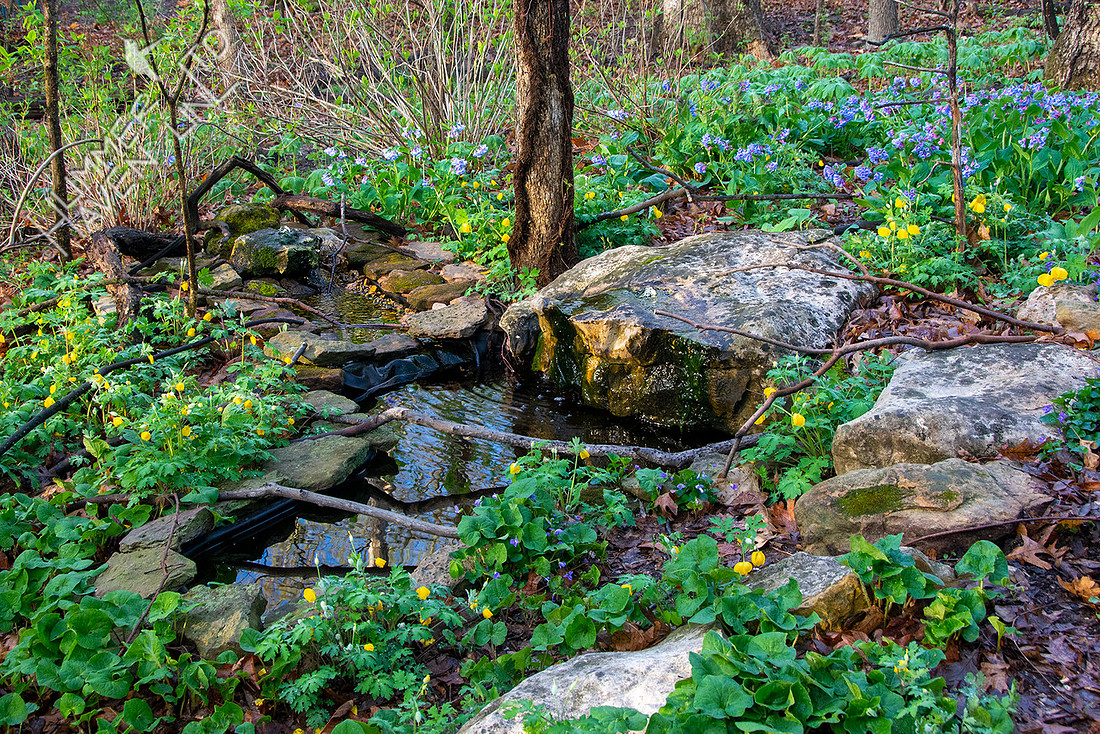
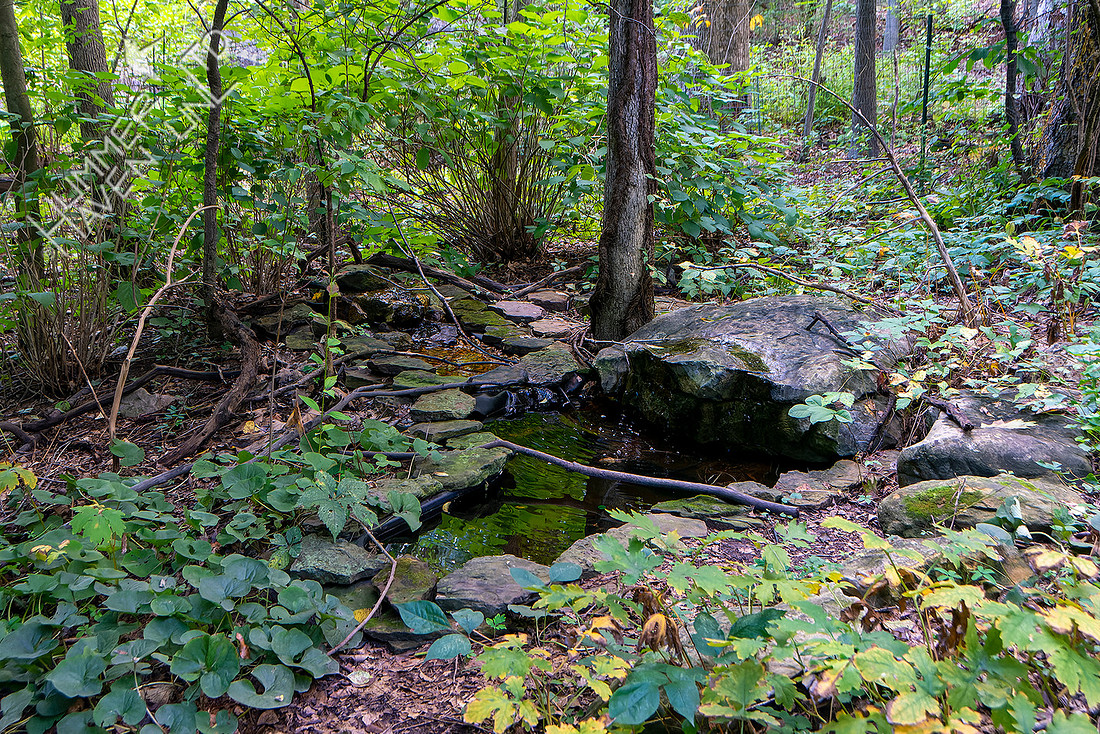
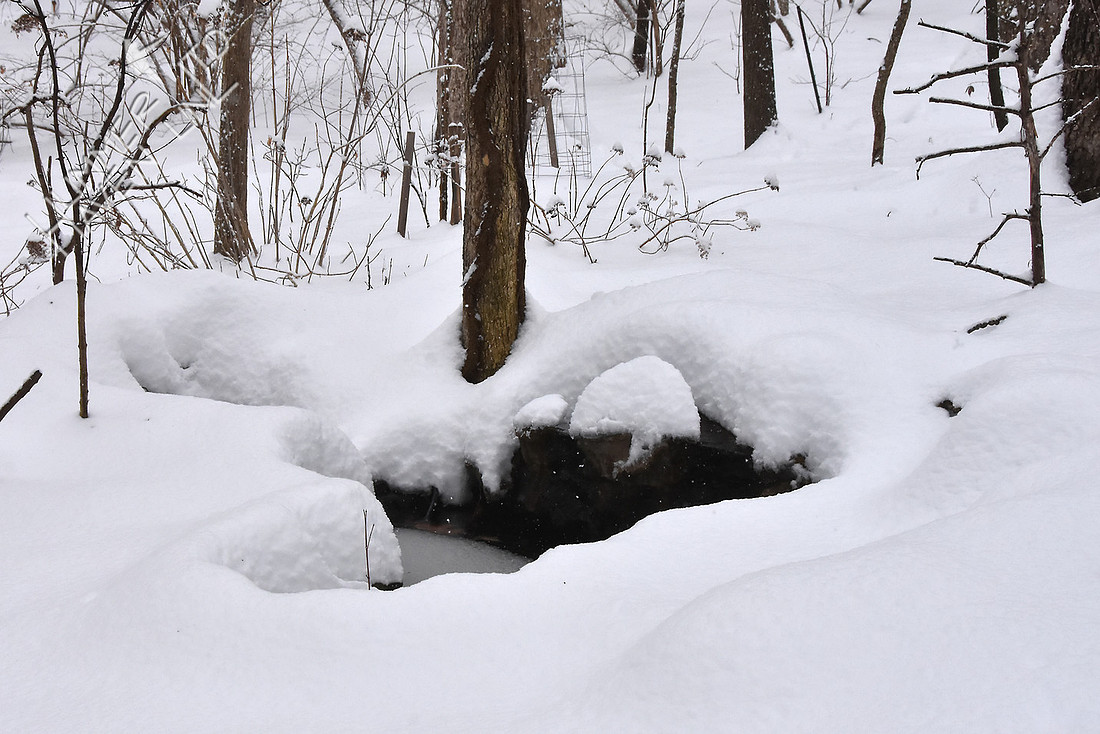
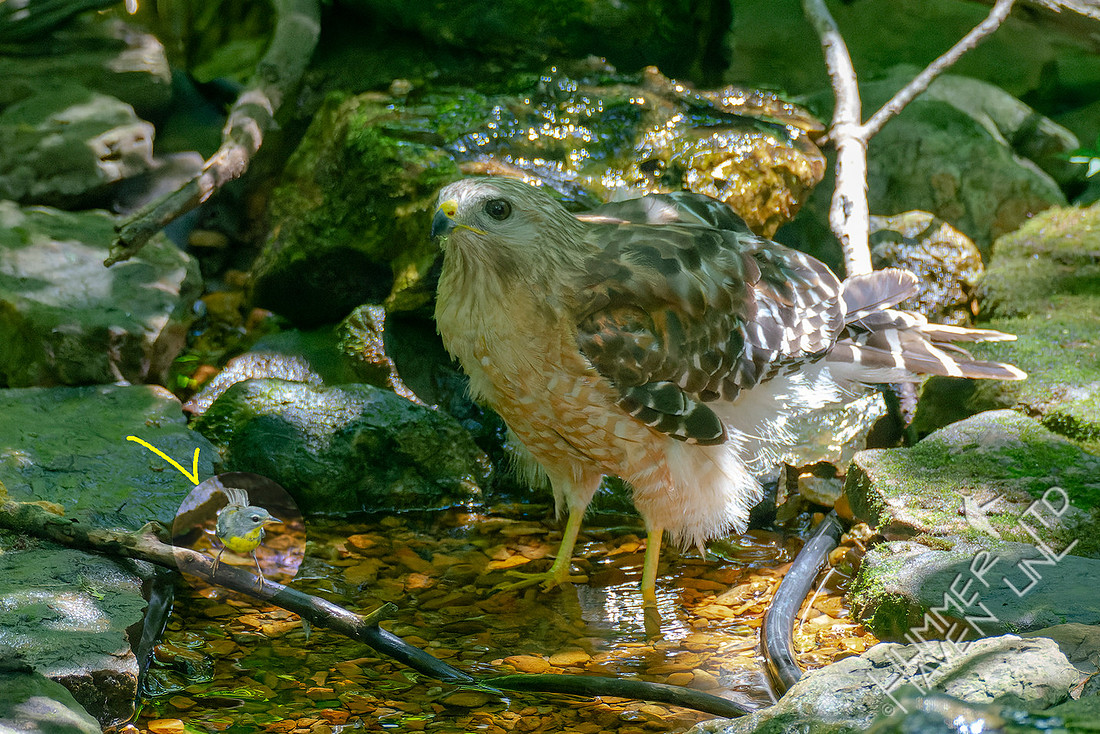
Our bubbler has run nearly continuously over the years, through all kinds of weather, attracting 127 species of birds to date. In this composite photo, we see an example of one of the smallest birds, like this Northern Parula at 4.25" (yellow arrow) and the largest bird, the Red-shouldered Hawk at 17"-24".
We've seen common species and rarities as well. We've documented sightings of birds that have become state records. Having this bubbler has been a serendipitous adventure!
~~~~~~~~~~
We've finally received some welcome rains, prompting fruit and acorns to plump up. Leaves have gotten some color, albeit late. Migrating birds still find the fall foliage to be welcome camouflage as they make their way south. There has been a big push as conditions changed, with over 30 million birds passing overhead since mid-month. Some songbirds have dropped in to rest, refresh and refuel. Here's a look.
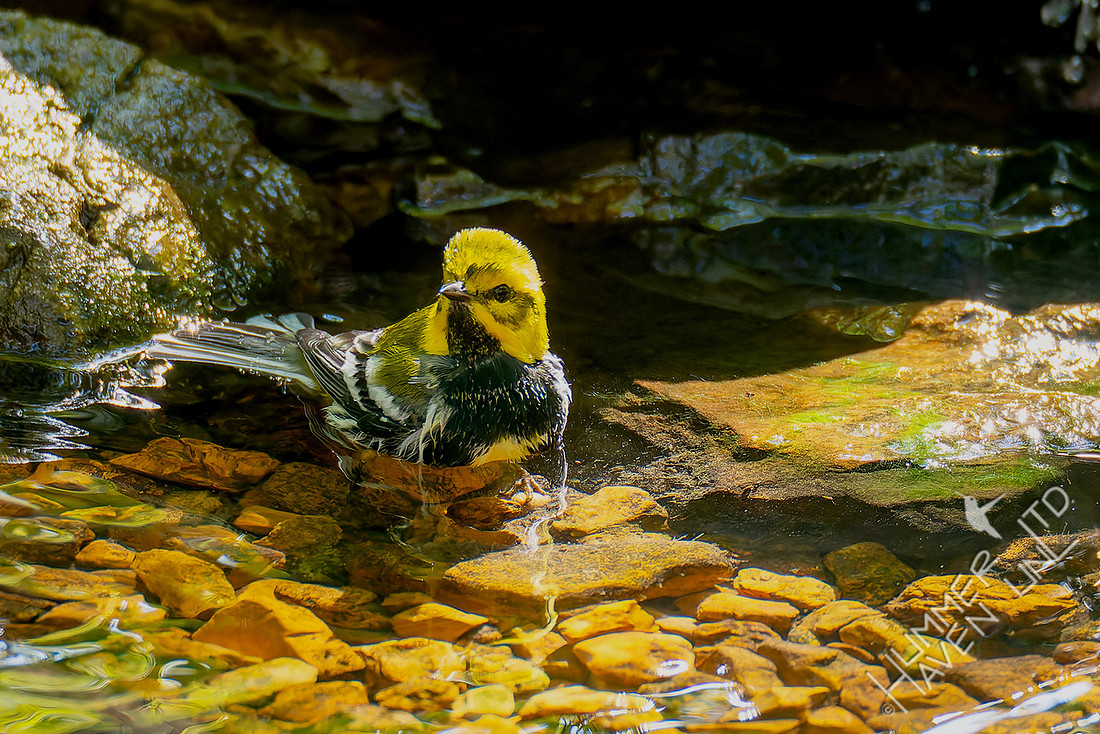
The last Black-throated Green Warbler for fall was here on 10-16-25. What a beautiful male!
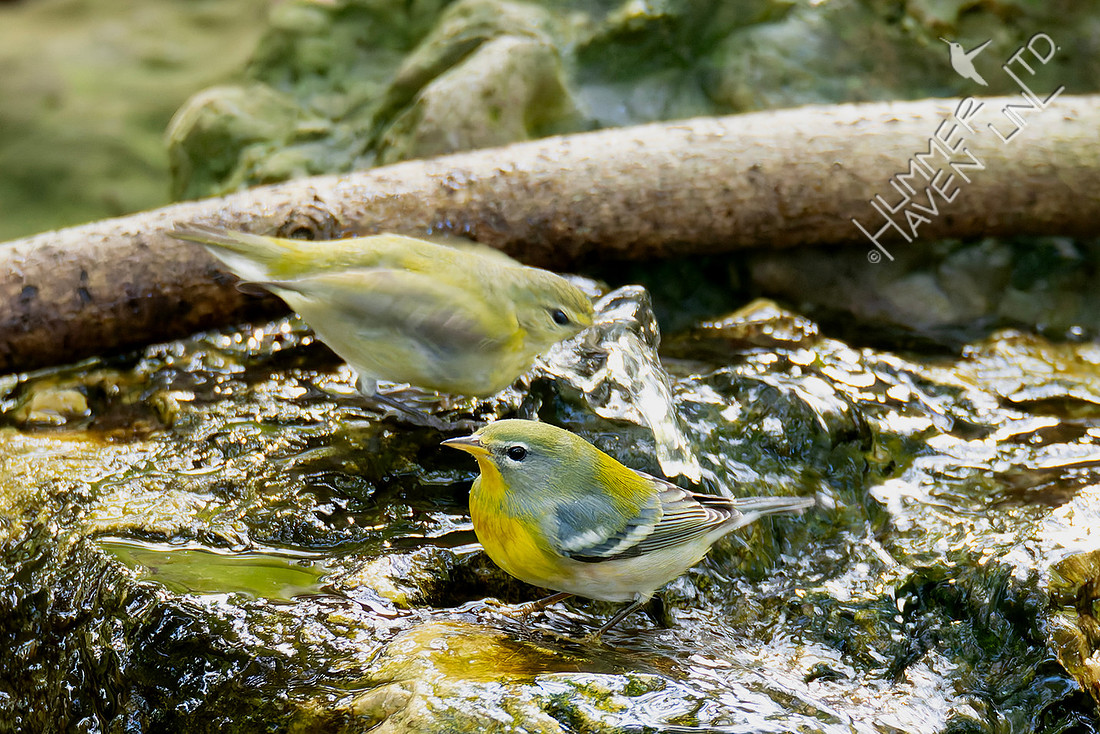
A Tennessee Warbler gets a facial while a Northern Parula gets comfortable.
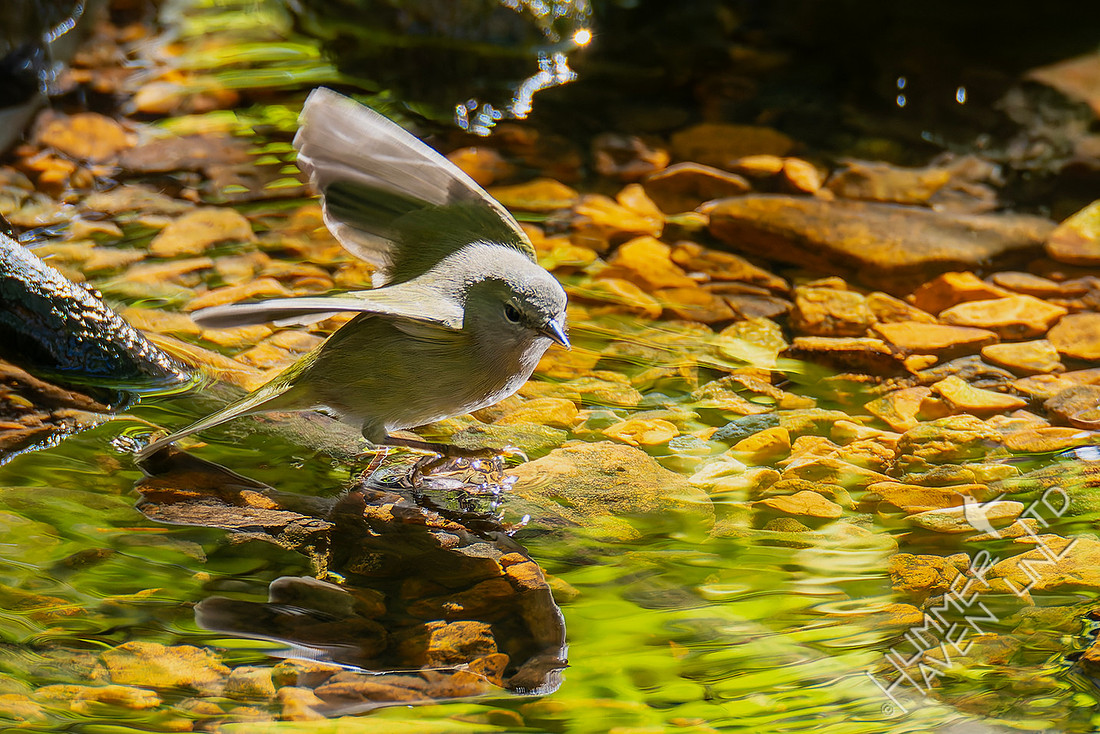
The first Orange-crowned Warbler of fall showed on 10-20-25. This is a plain looking warbler with dull streaks on the breast, and it rarely shows that crown.
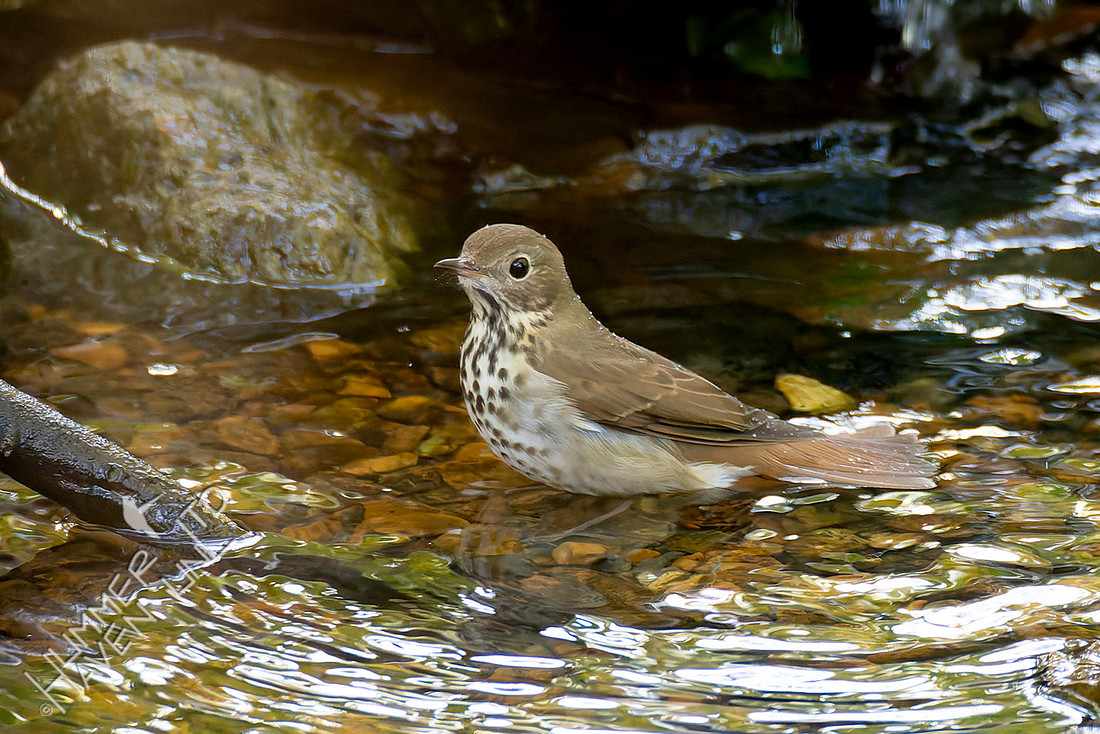
A Hermit Thrush revealed itself early and returned to the bubbler on 10-24-25.
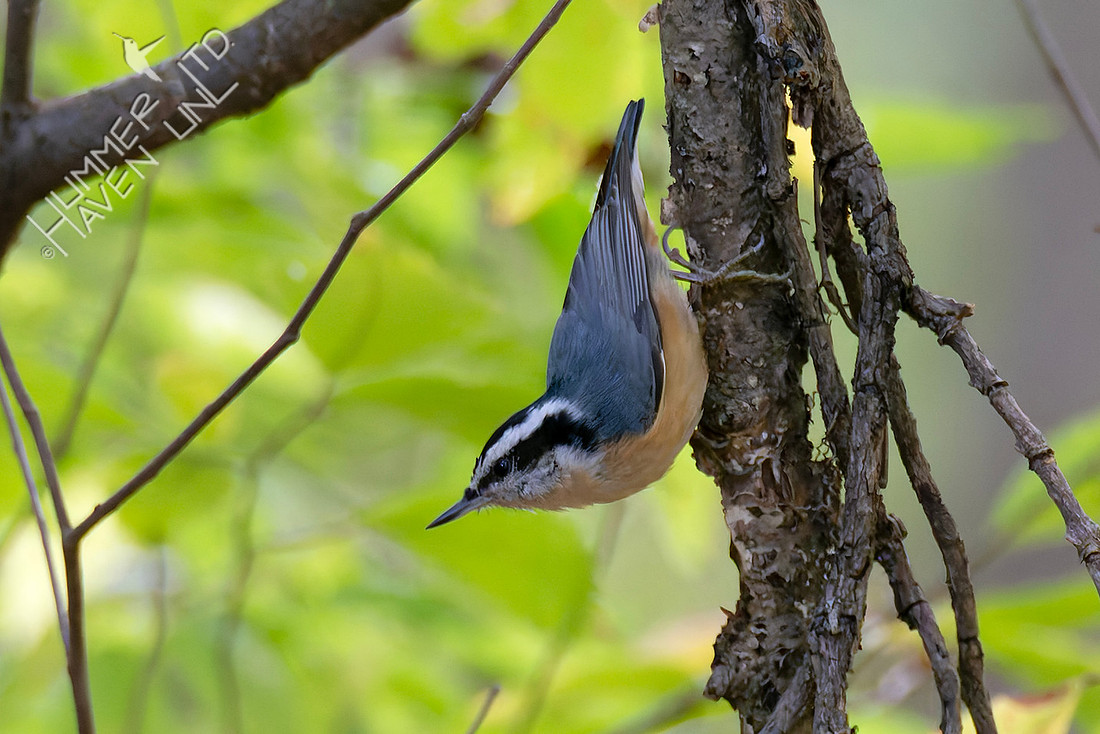
This male Red-breasted Nuthatch was looking for food on 10-17-25. This irruptive species has been around this fall and will hopefully be here through the winter.
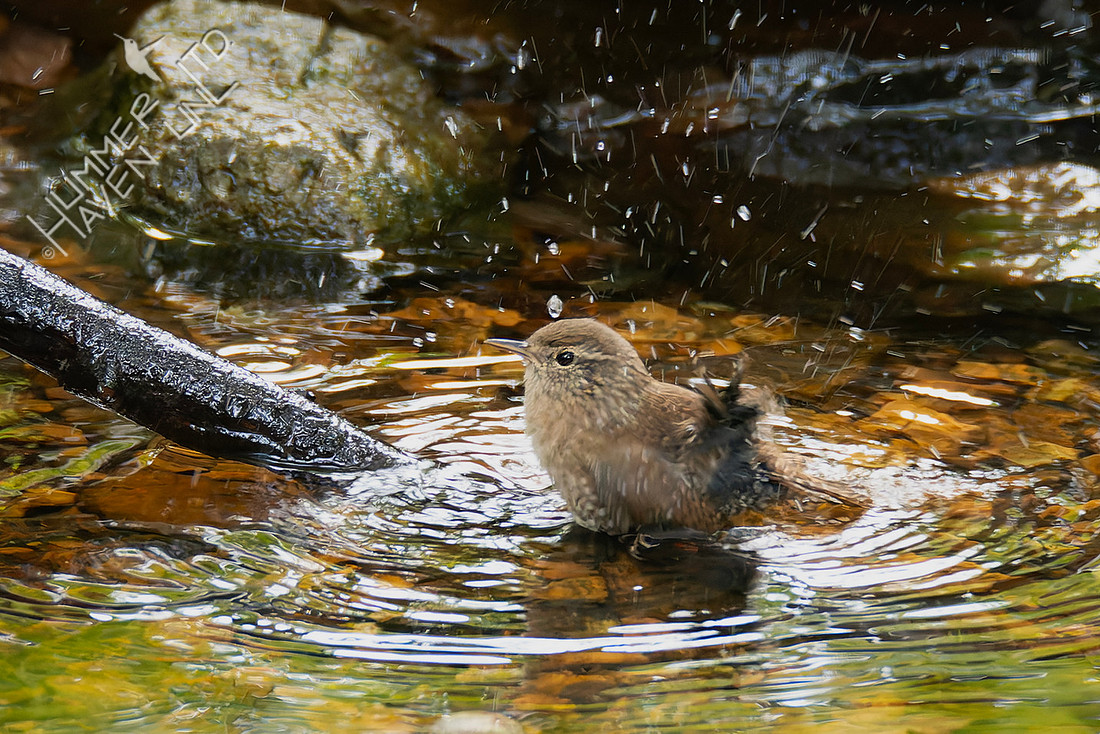
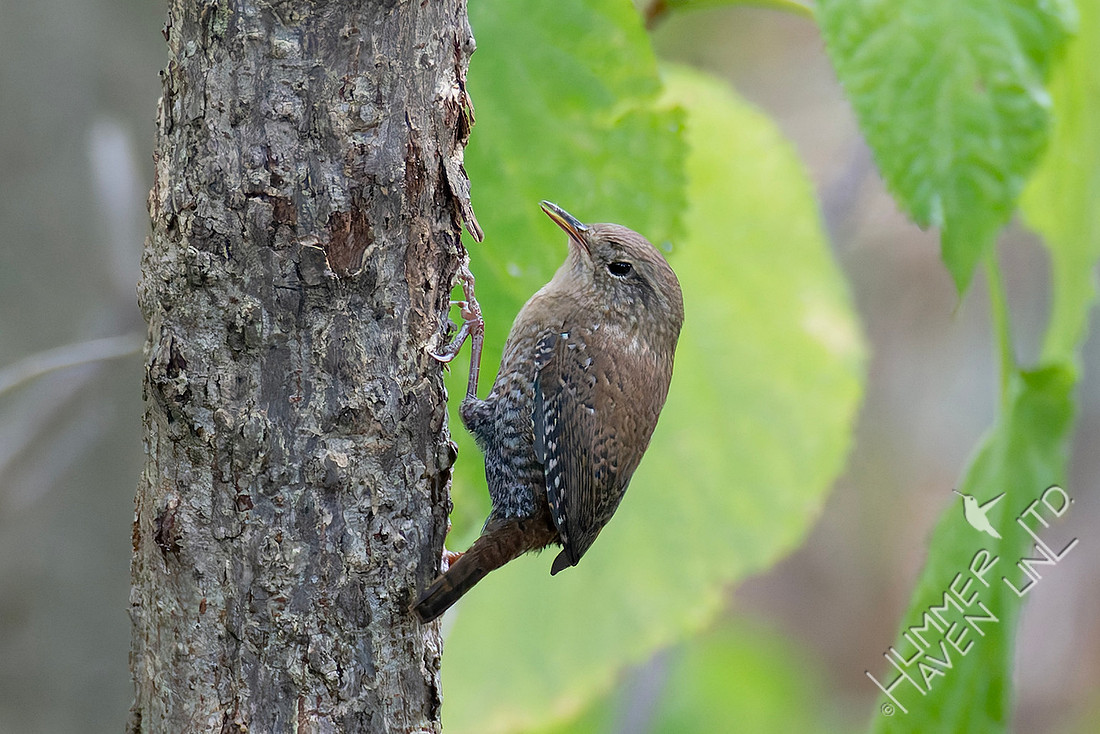
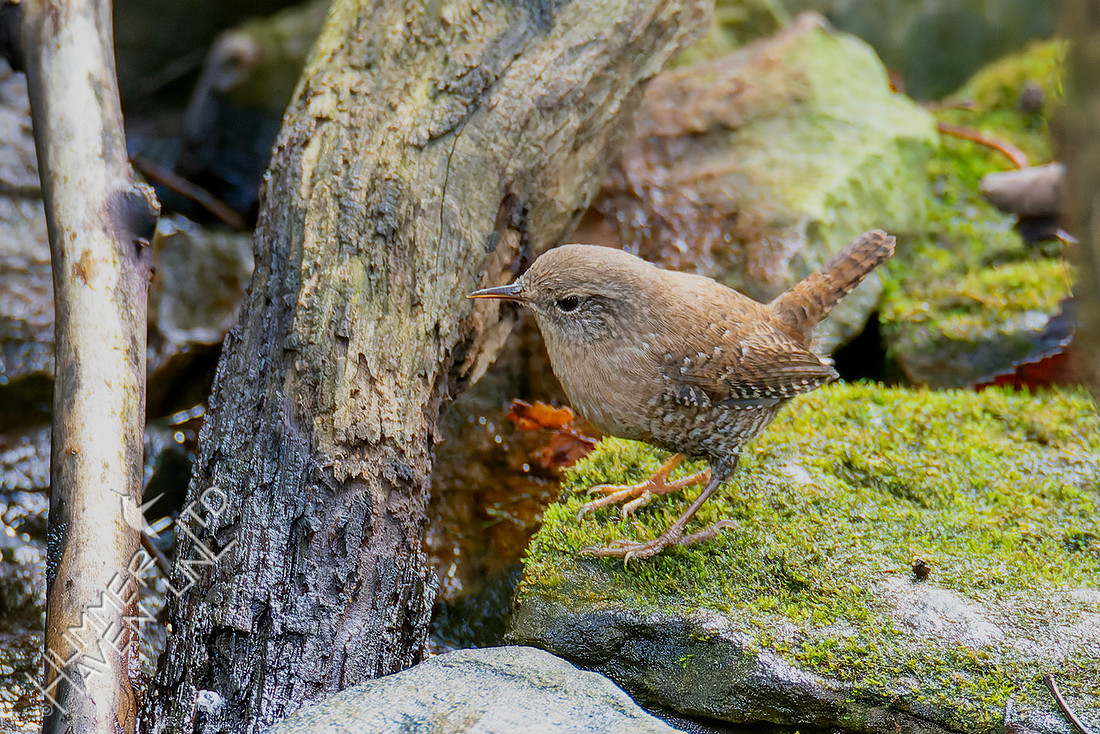
Always delighted to see a Winter Wren! This little bouncing ball is not easy to find in the woodland. It's just 4" in length, whereas the Ruby-crowned Kinglet is slightly bigger at 4.25".
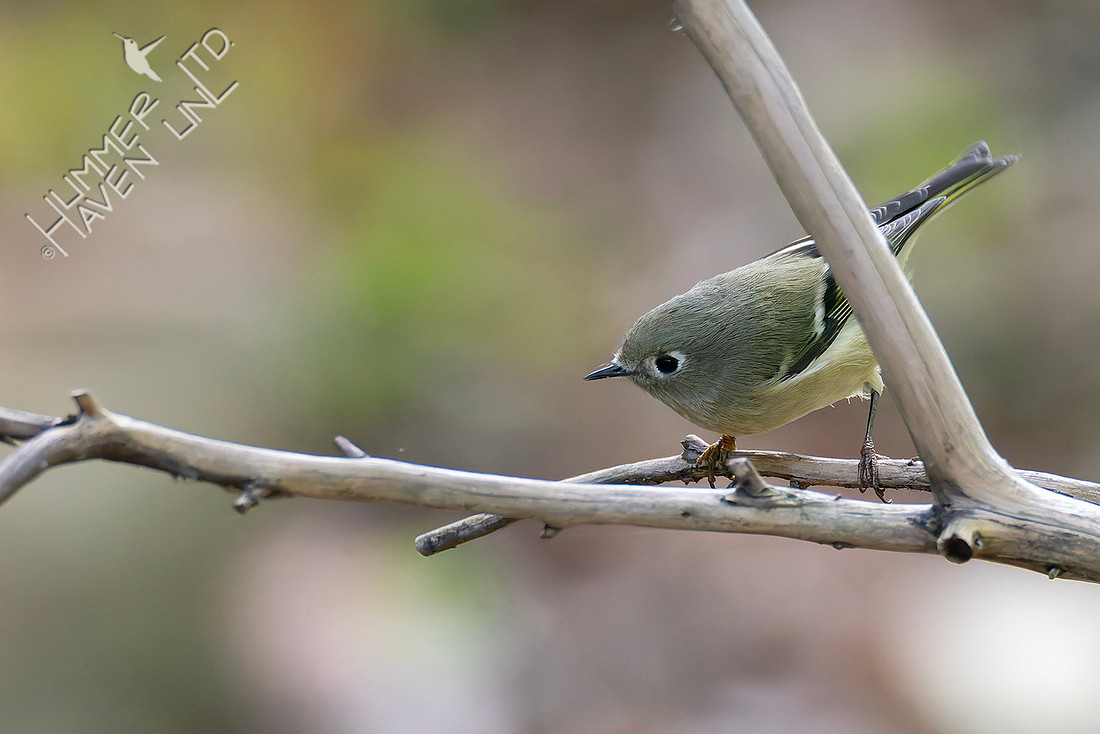
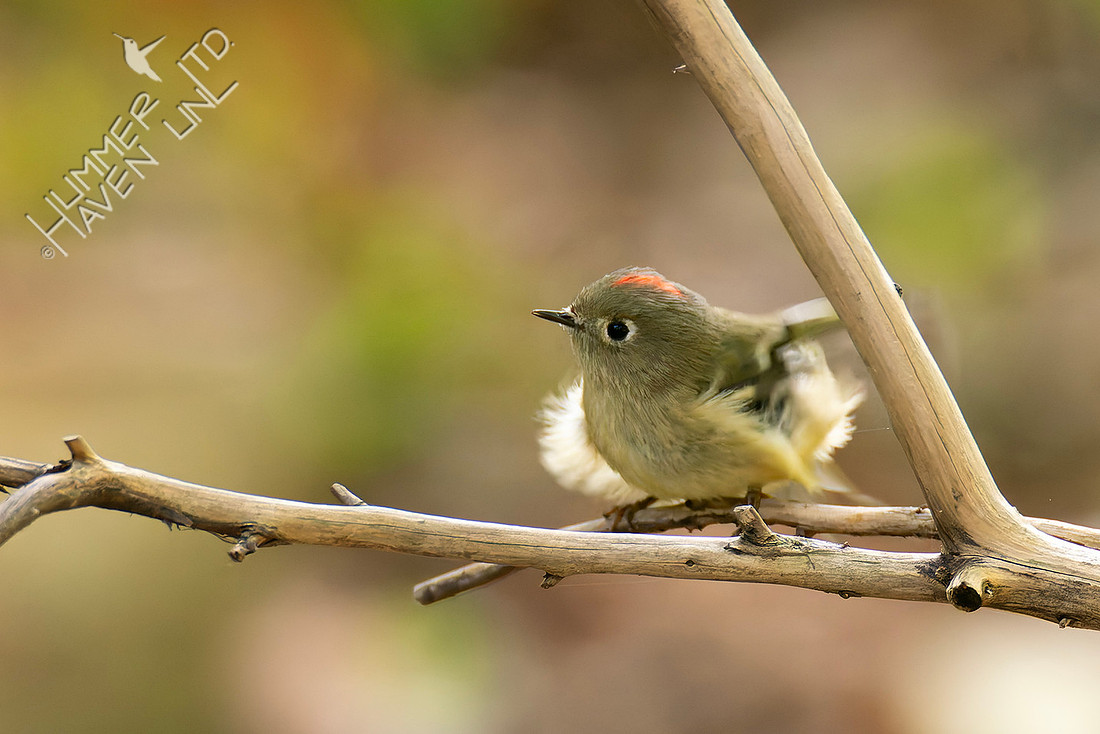
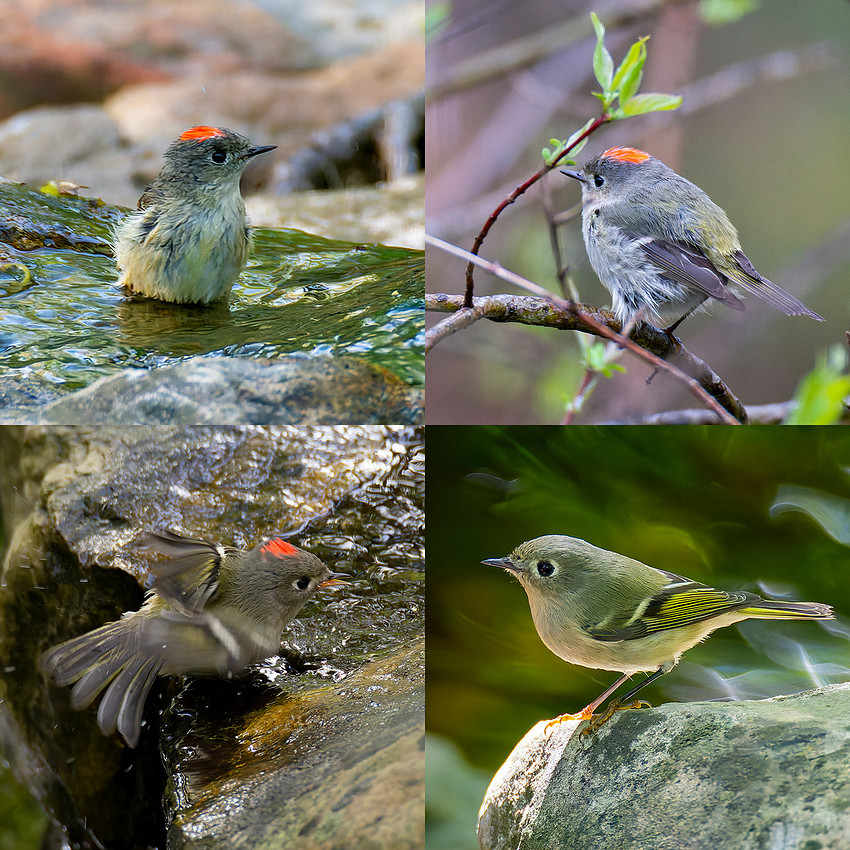
Yes, the Ruby-crowned Kinglet! The males flash that ruby crown only when they're really excited. The bubbler gives good reason for them to converge and chase each other, too.
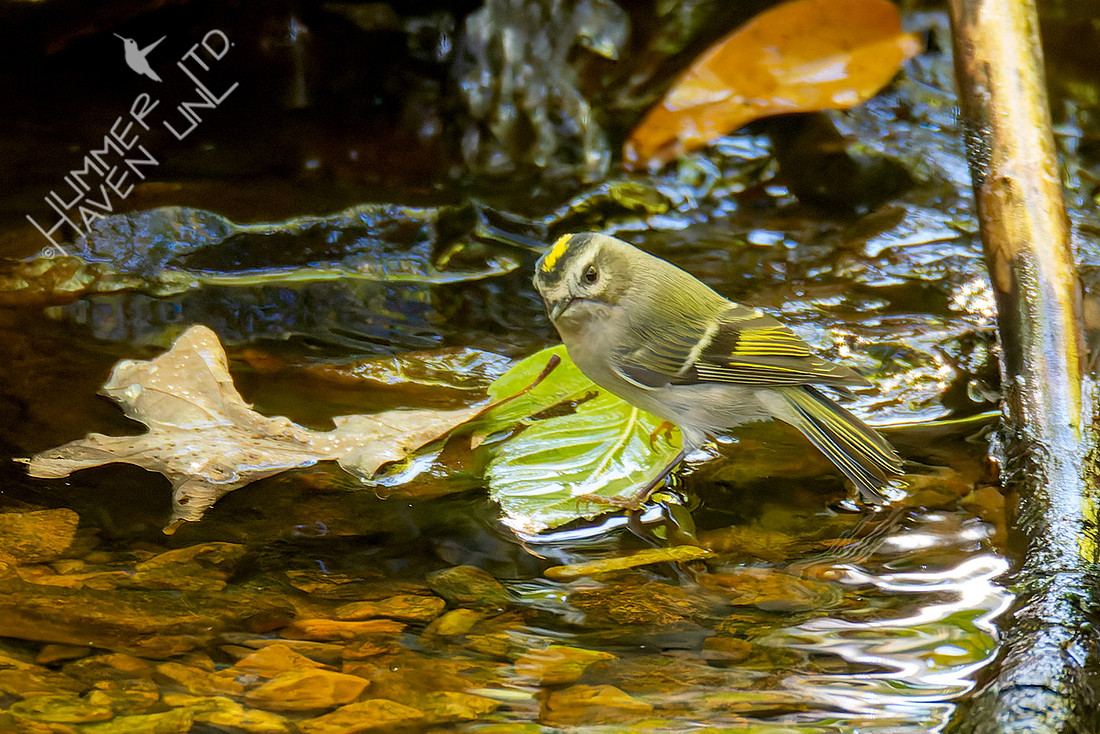
The Golden-crowned Kinglet is a bit smaller, at 3.75". Another quick moving bird that flicks its wings, the female has yellow feathers in its crown. The male's inner crown feathers are flaming orange!
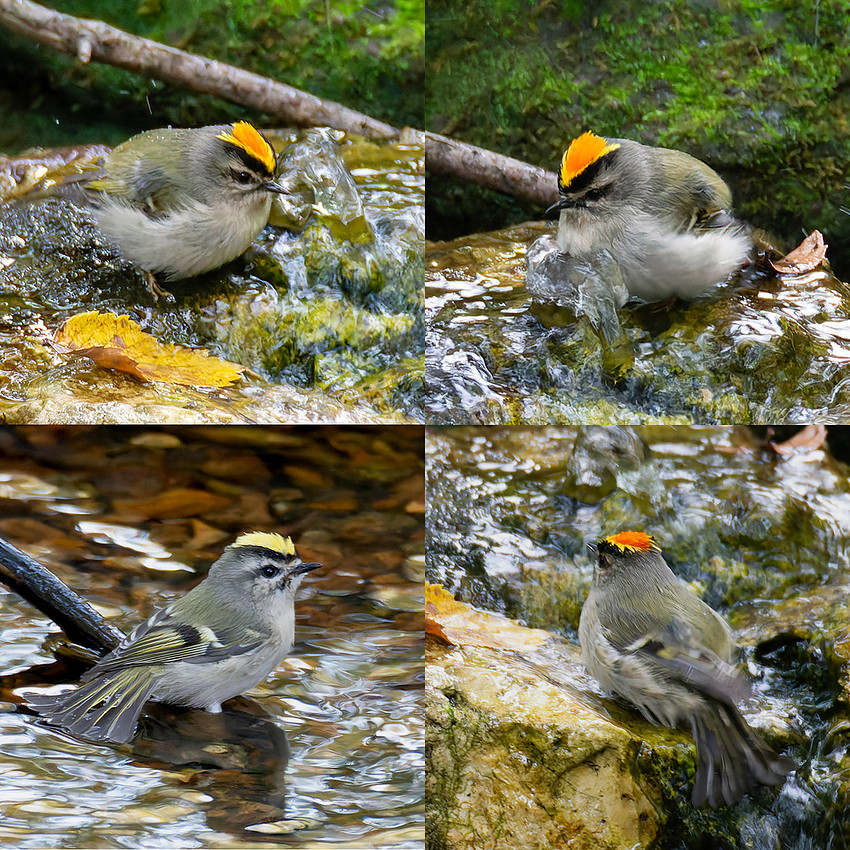
In those lucky moments when that fiery crown is revealed, it's breathtaking.
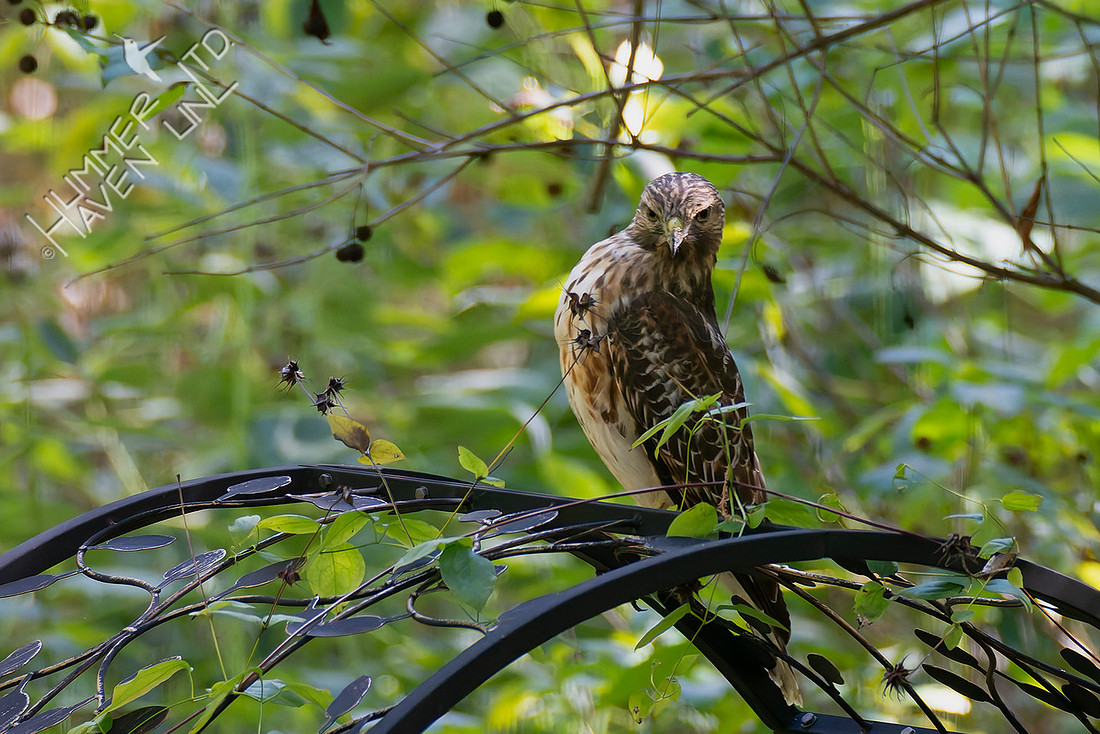
An immature Red-shouldered Hawk chose the arbor as a hunting perch. Their main food is small mammals, small birds (rarely), reptiles, amphibians and large insects, though I have seen them take rabbits.
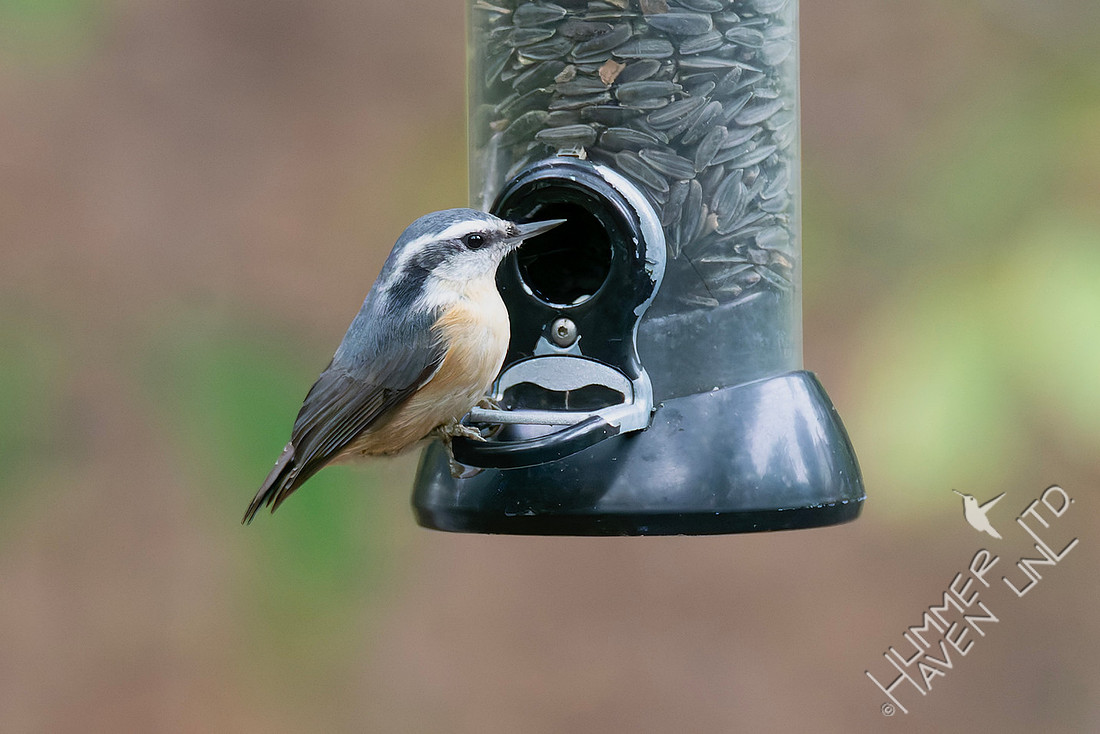
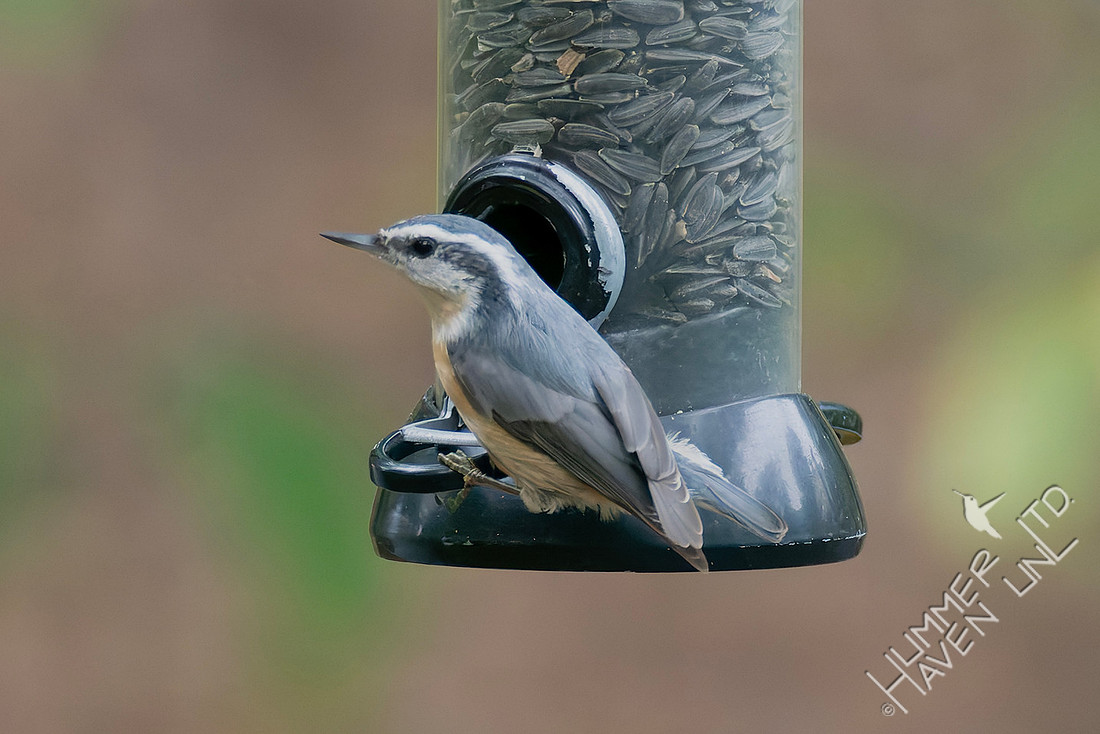
On 10-28-25, two female Red-breasted Nuthatches were taking sunflower seeds from the feeder. The second bird was a bit lighter in color.
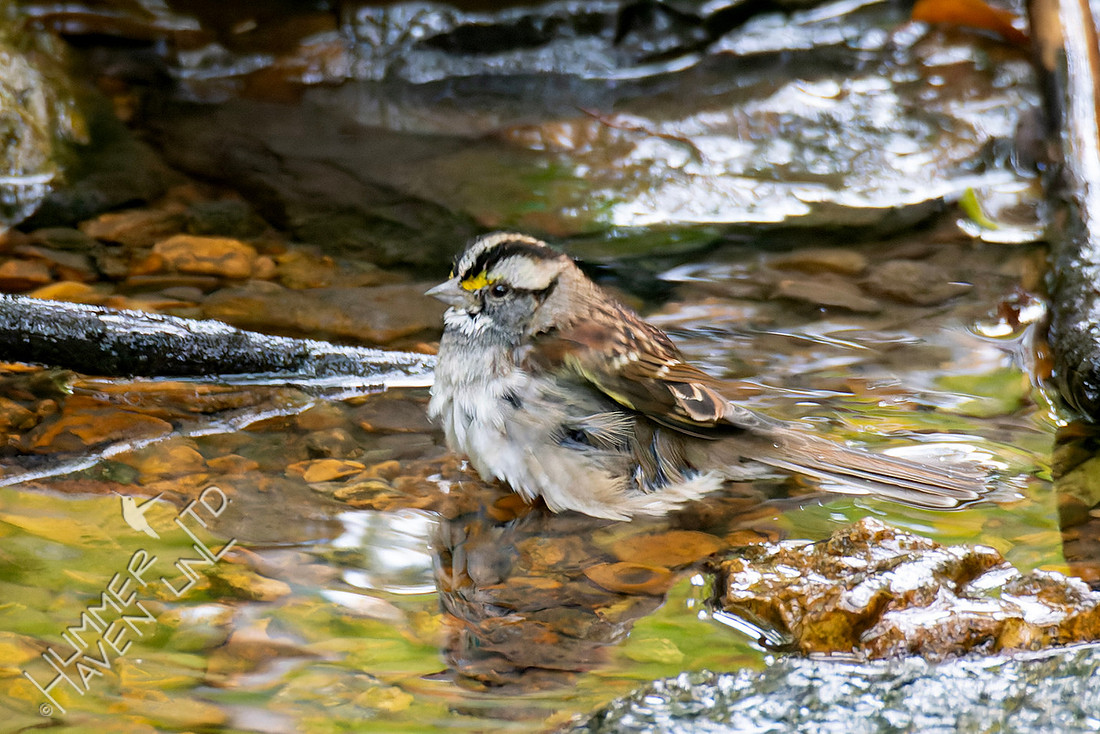
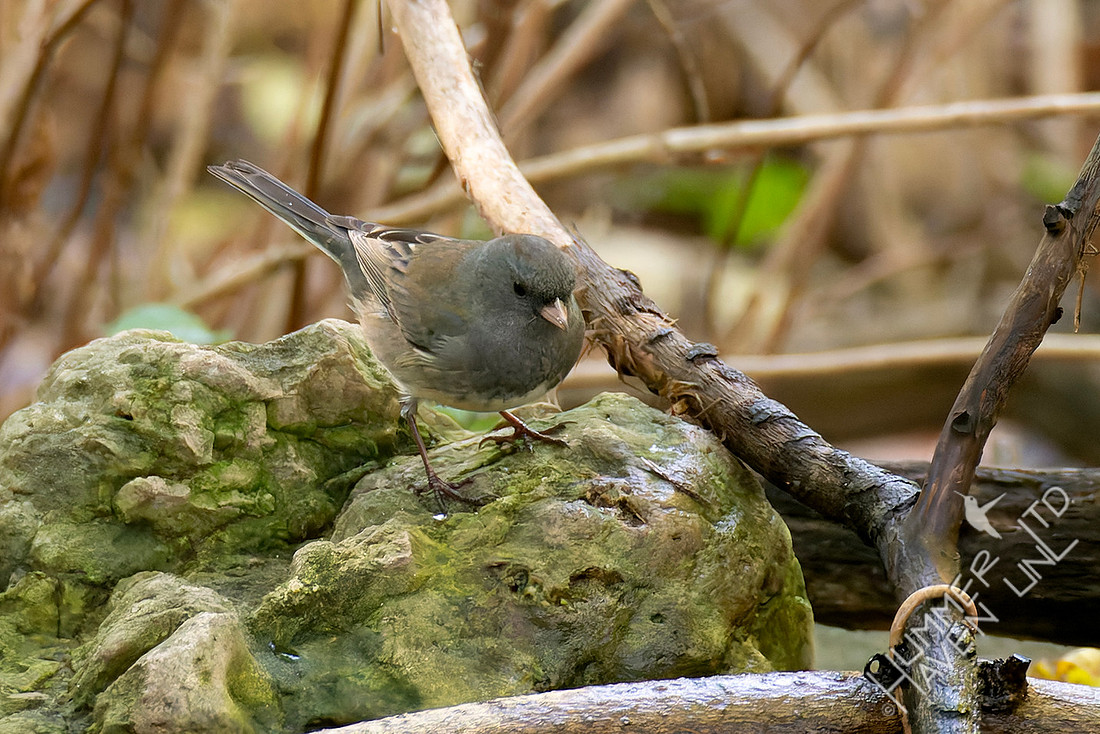
These two species we'll be seeing all winter, White-throated Sparrows and Dark-eyed Juncos. The junco looks like a female Oregon subspecies with its brownish back and flanks.
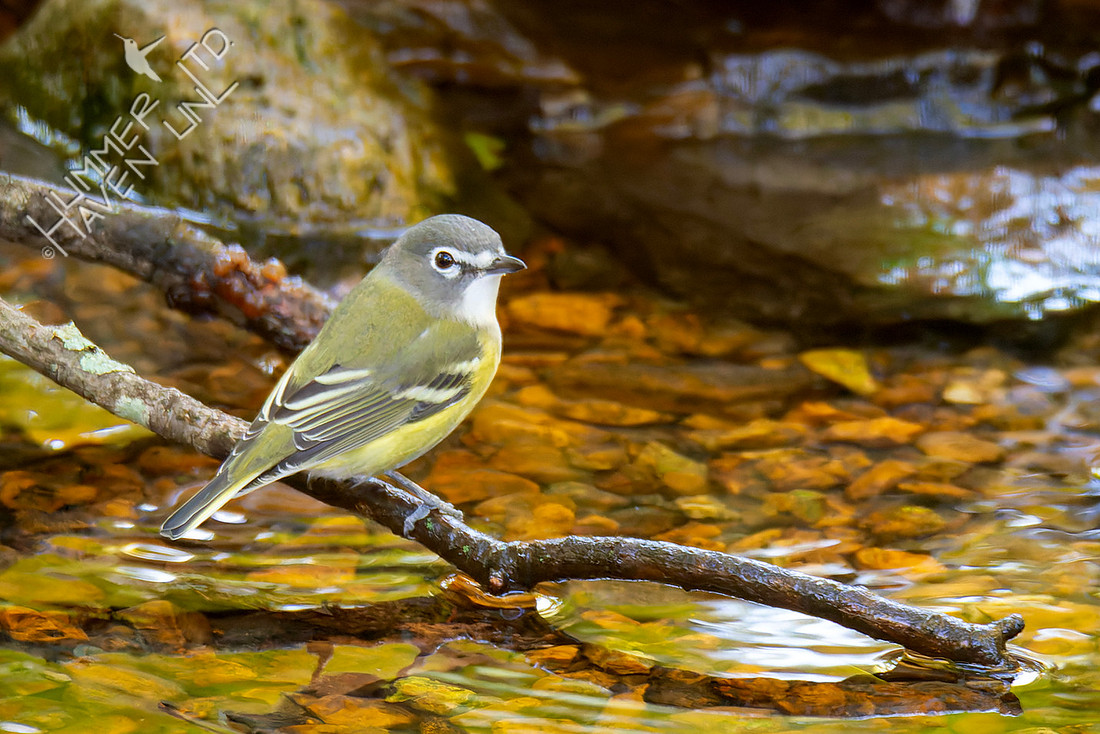
A late Blue-headed Vireo stopped by the bubbler on 10-30-25. I saw it later that day in the garden.
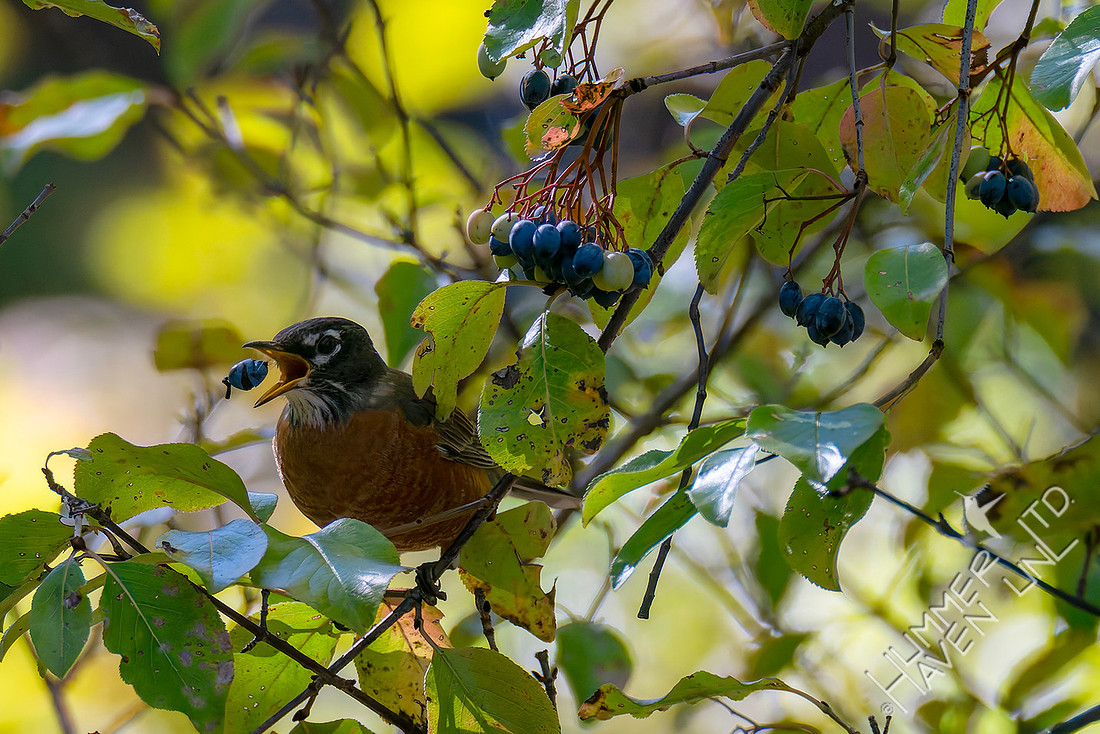
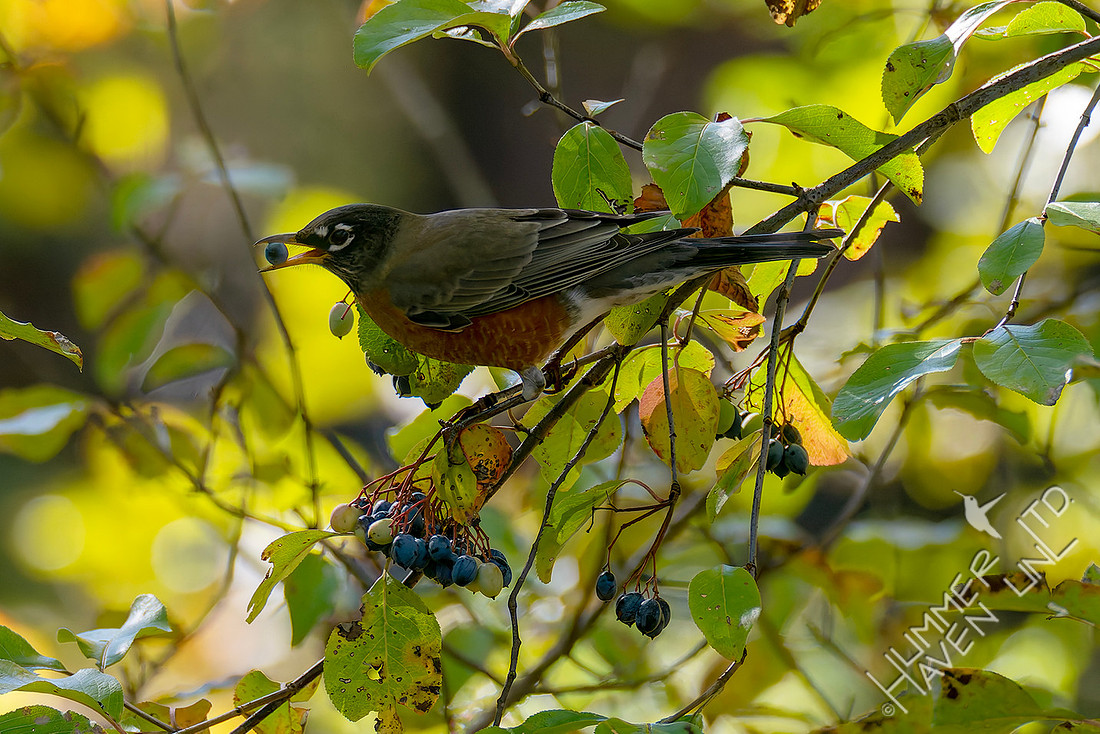
There was a real influx of American Robins that day. They quickly spied the Blackhaw Viburnum fruit, and were after the drupes all day long.
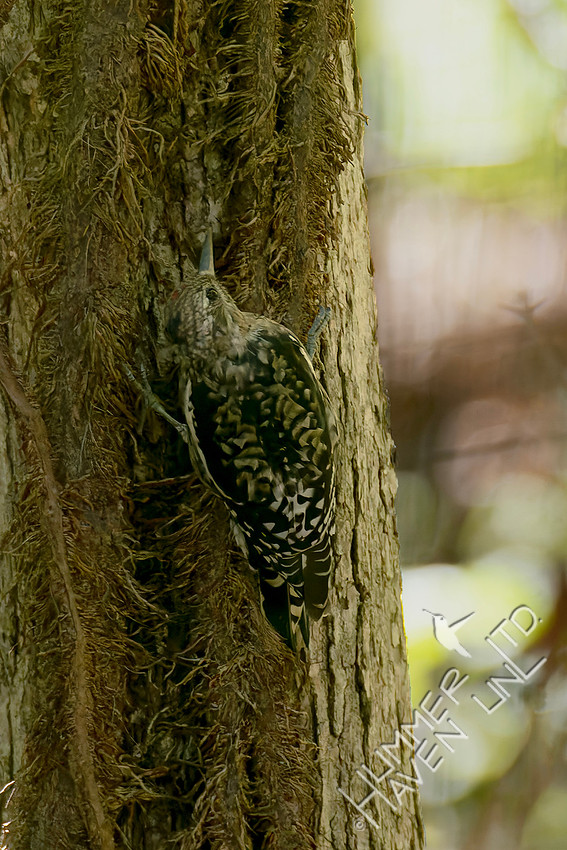
Another immature Yellow-bellied Sapsucker flew in, circling this tree as it was being chased by another bird. I suspect it was a second sapsucker, but this was the one I confirmed.
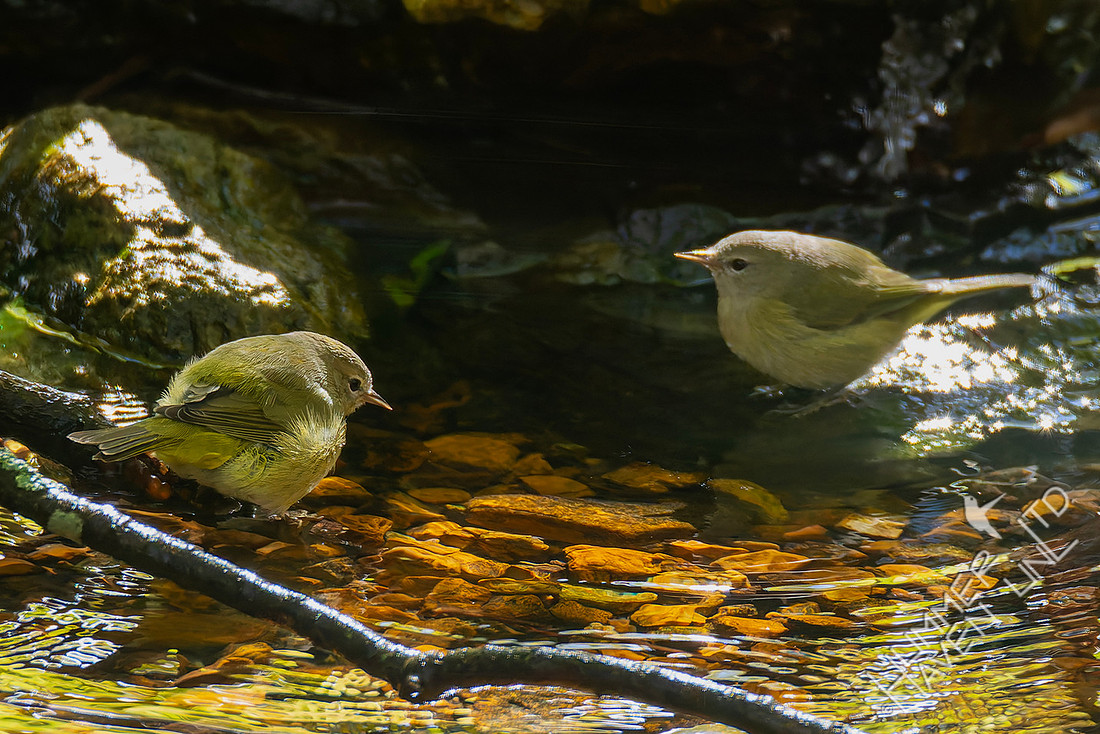
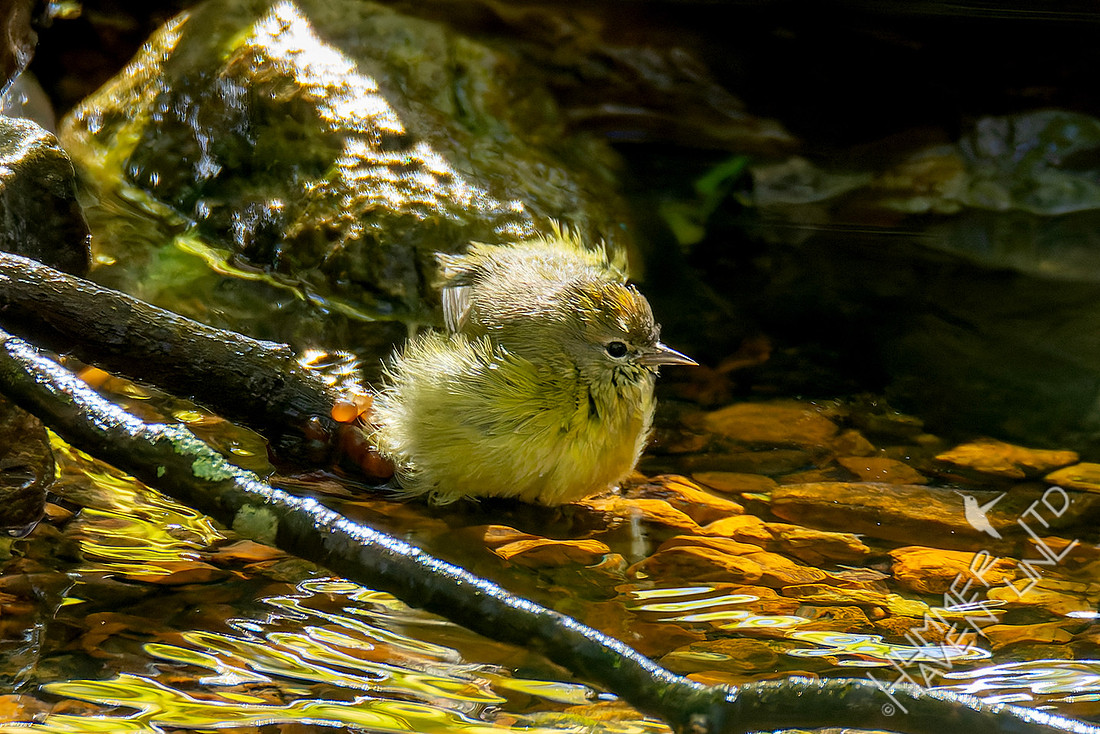
For the first time ever, two Orange-crowned Warblers came to the bubbler! Lucky us, the male showed us his crown. This was on 10-30-25, which was my highest species count day in a month.
Here is a recent interview by Margaret Roach on her website, "A Way to Garden". It's about new research that calculates just what the impacts of leaf removal are to which organisms, and how we can leave the leaves to create habitat with the most positive impact. Many thanks to our friend, Chip Tynan for bringing it to my attention! Wow, who knew?
Calculating the impact of leaving the leaves, with Max Ferlauto
Now you have something to ponder over with that extra hour tomorrow...
10-15-25 Mid-October, still warm and dry!
We need rain!
We're watering regularly to keep the soil permeable enough to let the rain soak in when it comes.
Birds are coming to all the water features, and leaf-bathing when the impulse sprinkler runs.
They miss the rain, too.
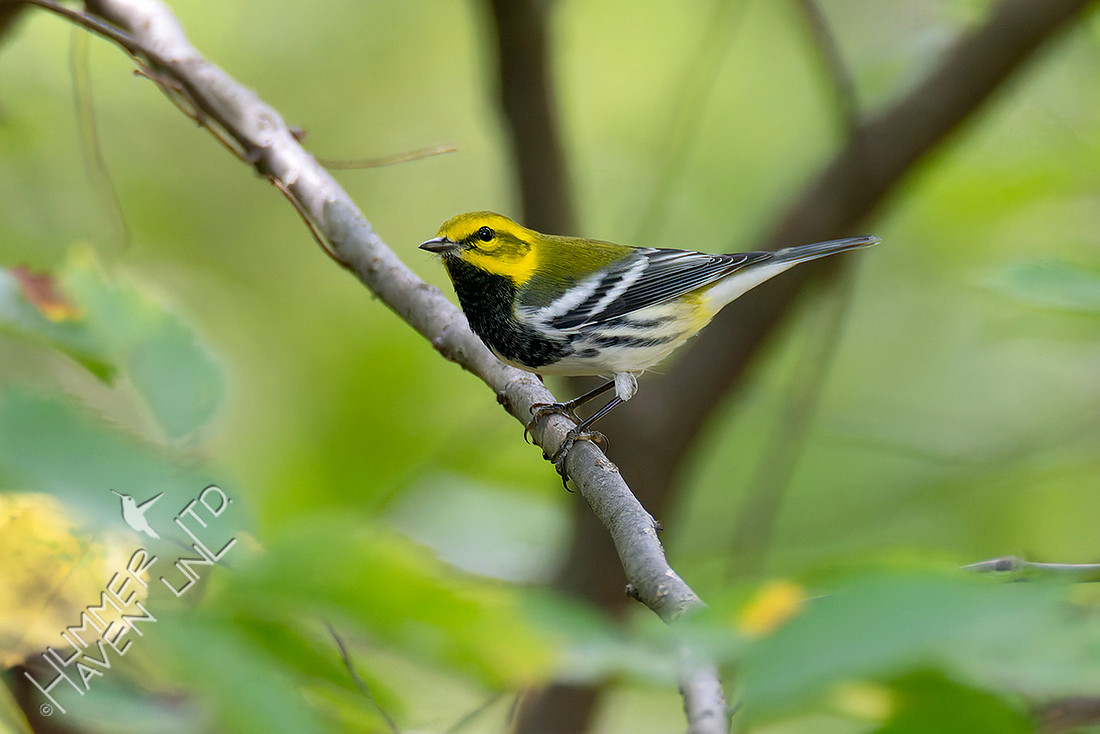
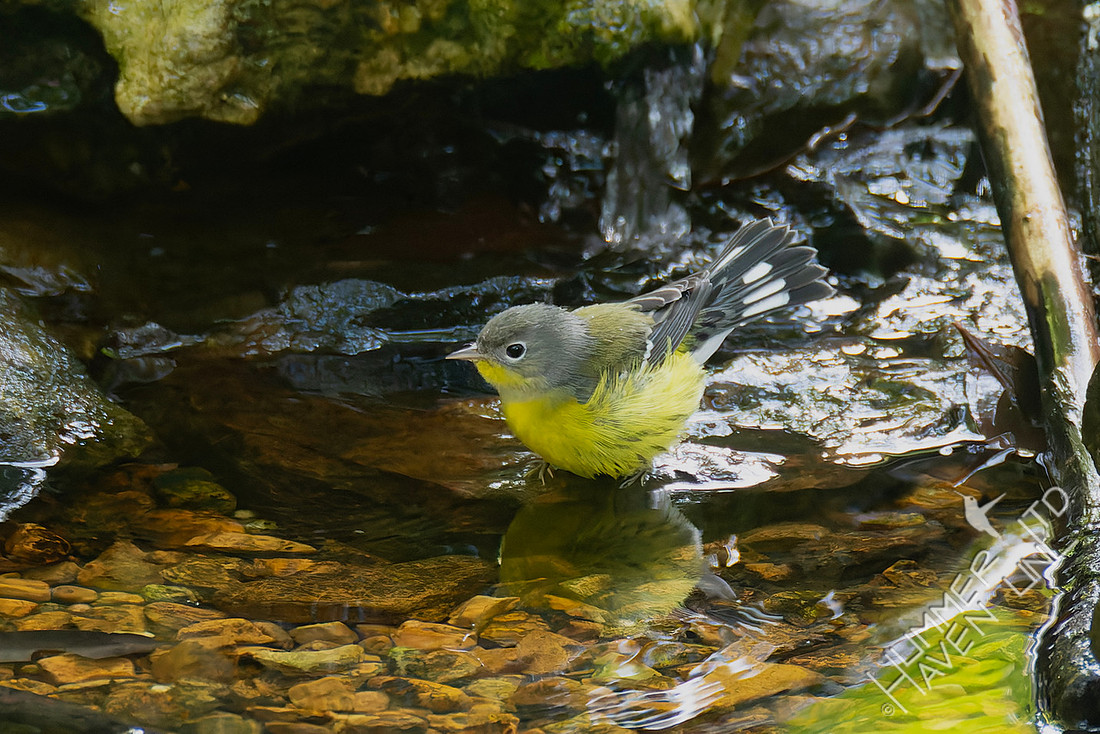
Black-throated Green Warblers were still being seen as of today. The last Magnolia Warbler was seen on 10-4-25.
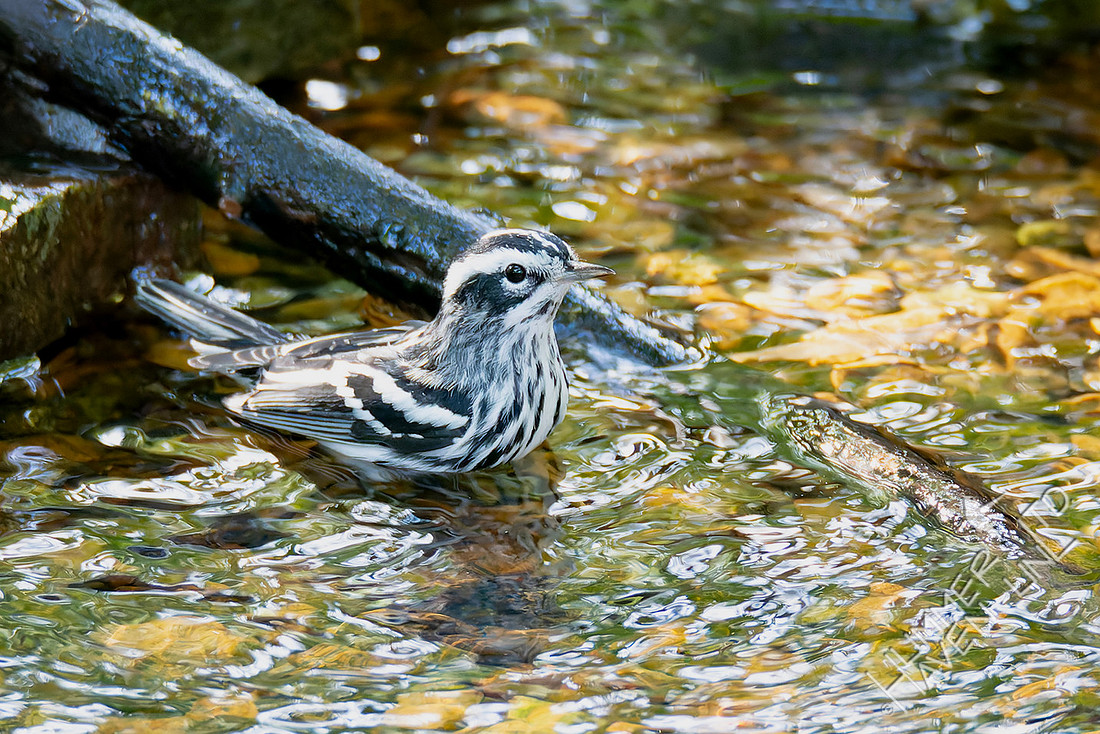
Black-and-white Warblers are rare in October, this one was here 10-2-25.
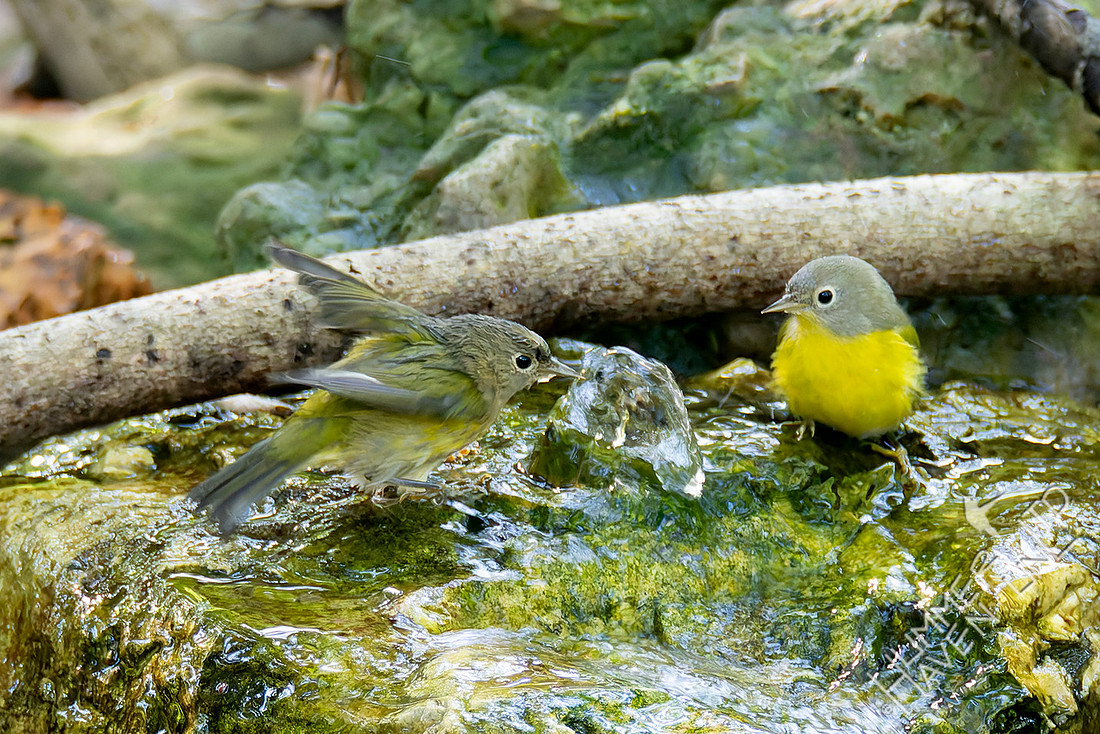
Nashville Warblers, both the wet and dry varieties were together.
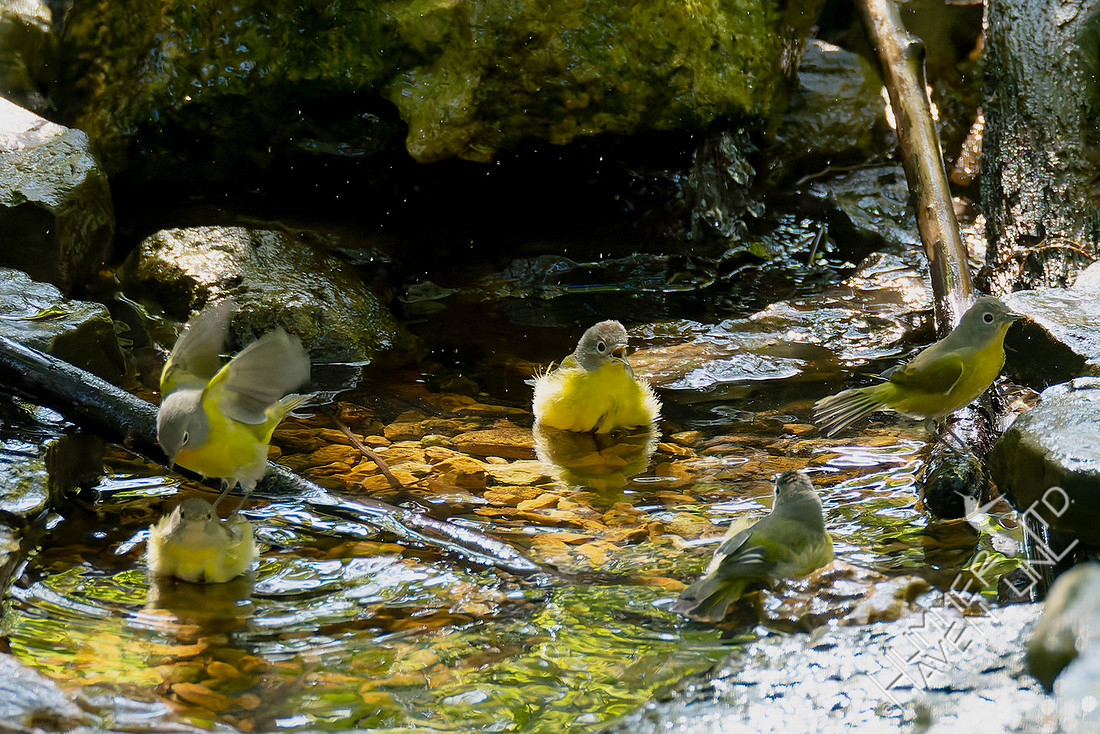
Five Nashville Warblers gave way to six and a Tennessee. Yes, that one on the left is jumping on the other to take its place.
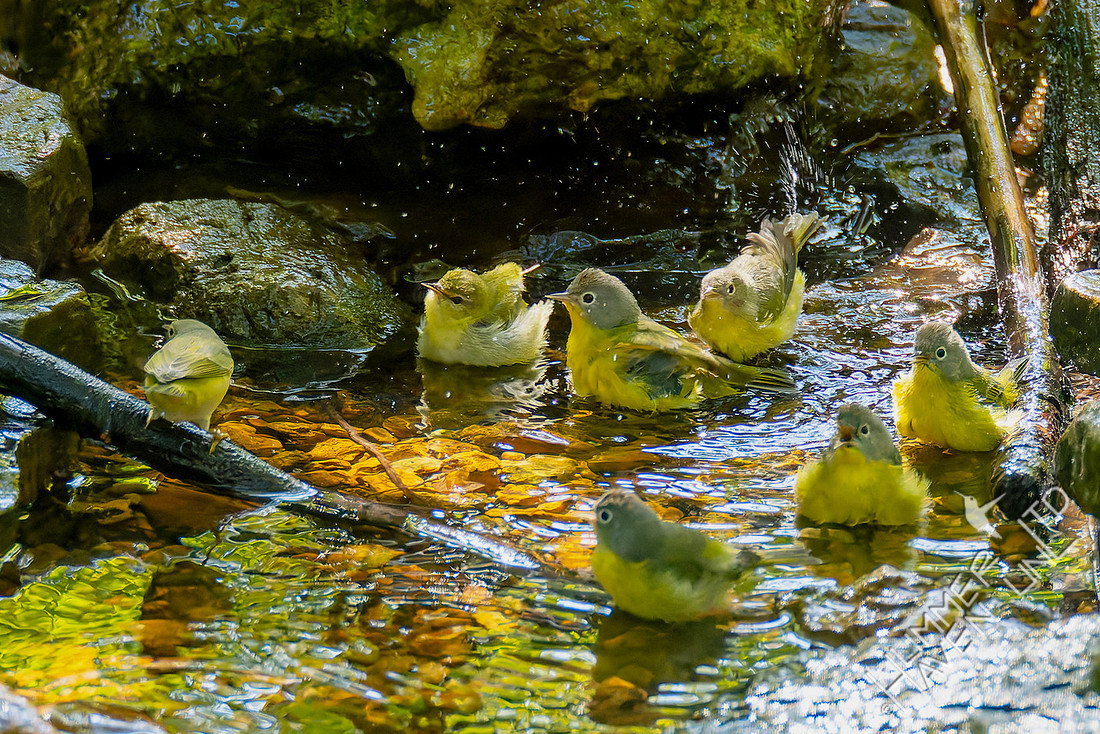
I'm pretty sure this is a record number of Nashville Warblers in the bubbler at one time! The second bird from the left is the Tennessee.
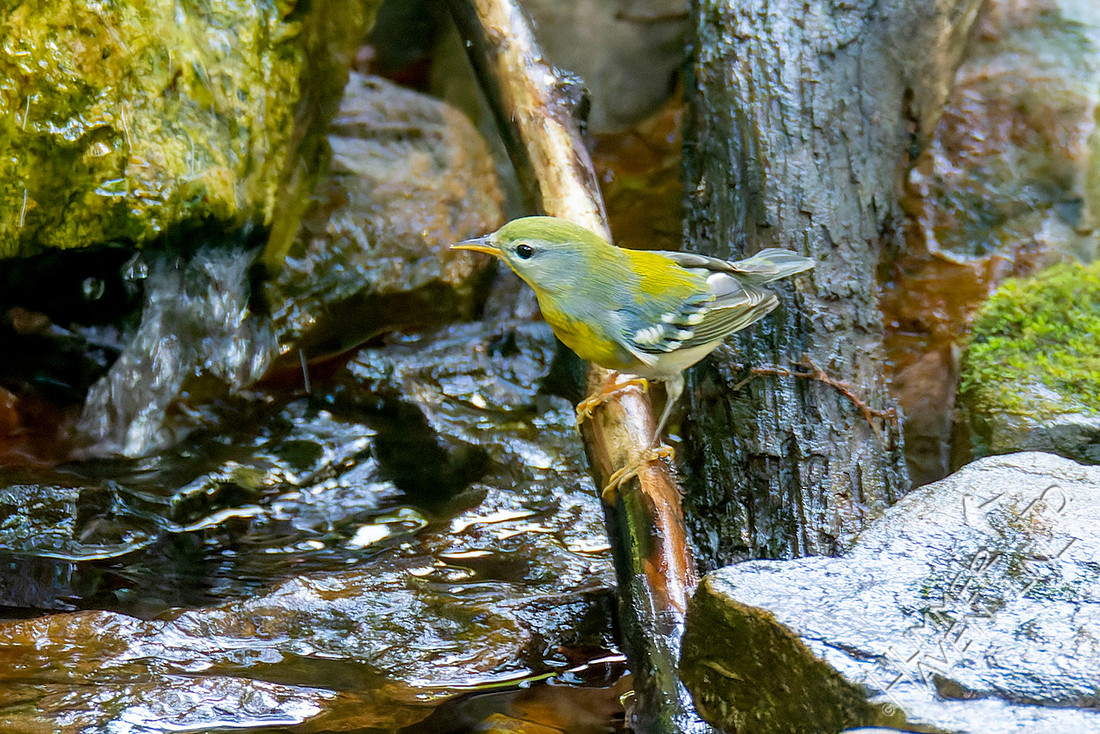
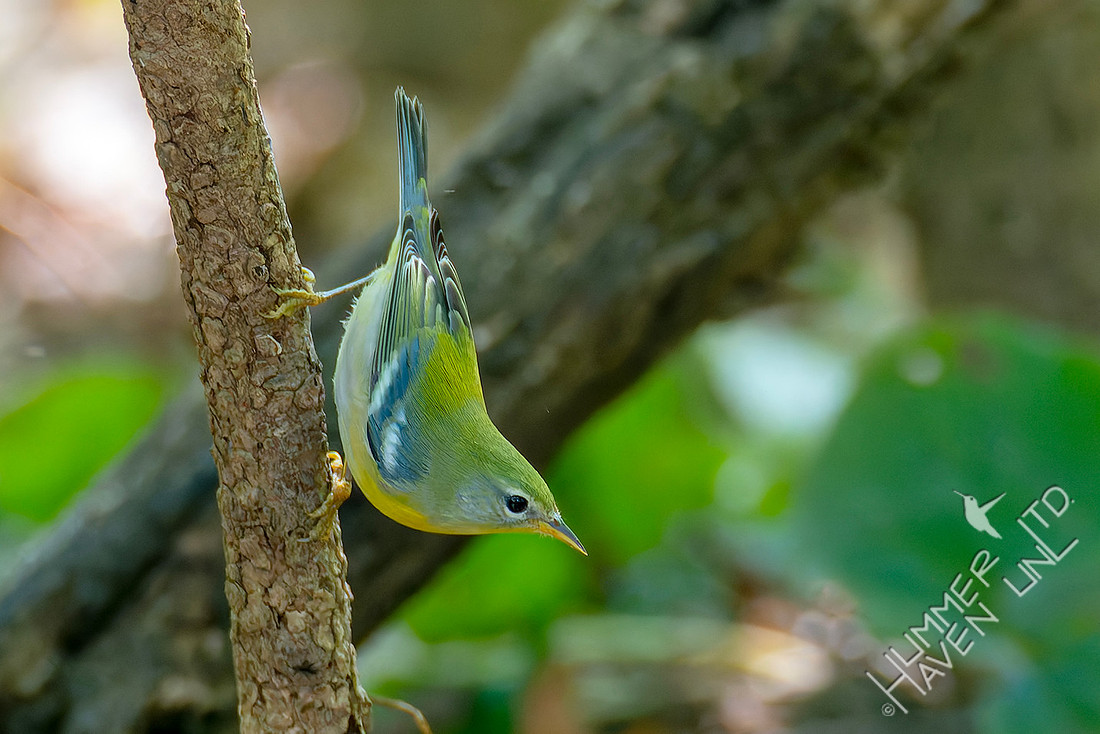
Northern Parulas have been dropping in on their way south. They are one of the smallest of the warblers. Some years, they have nested in the neighborhood.
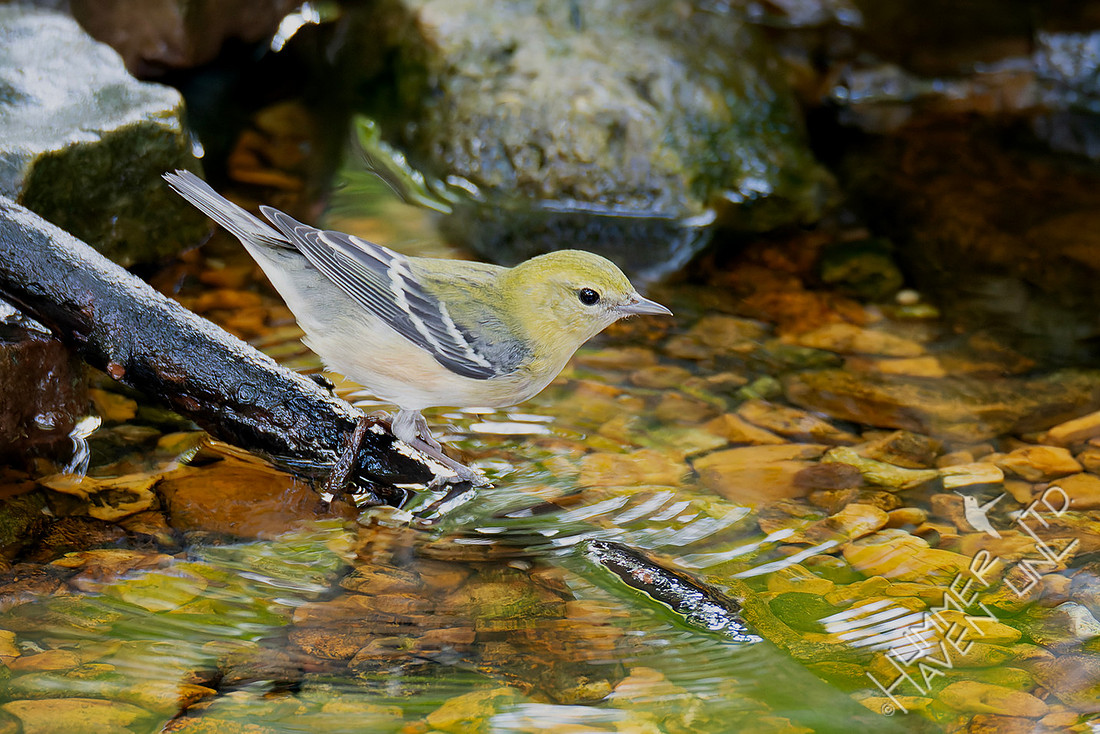
Bay-breasted Warblers in contrast are one of the larger warblers.
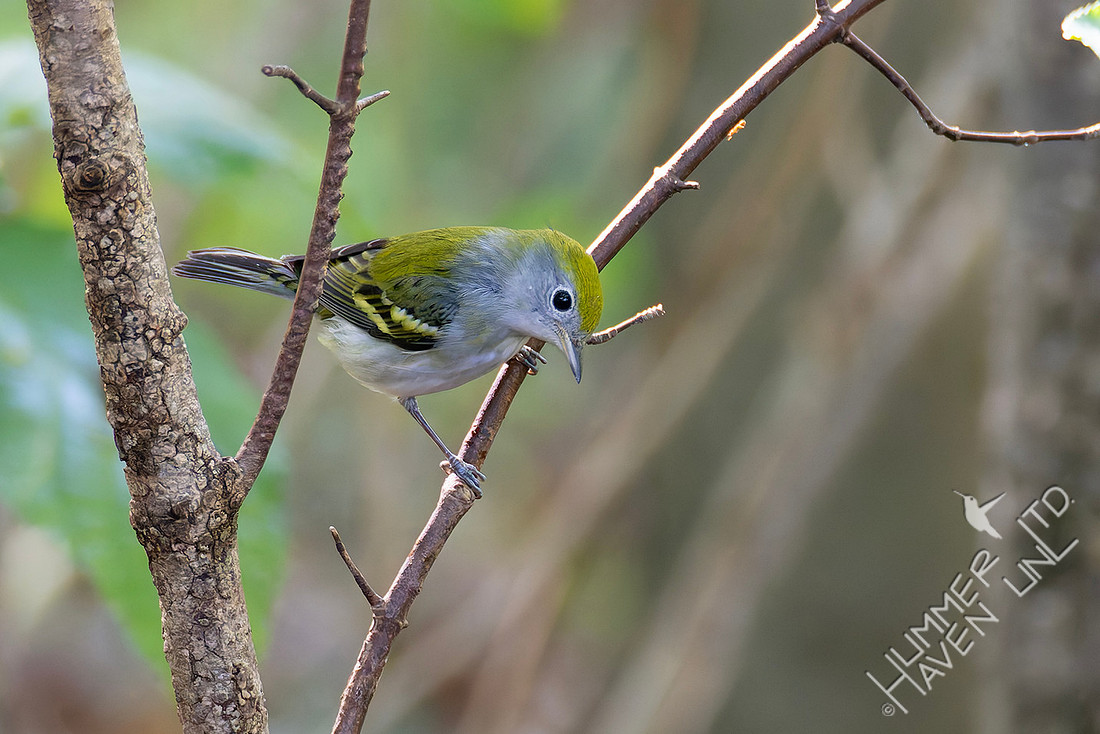
Chestnut-sided Warblers are now in their winter plumage, as well as the Bay-breasted.
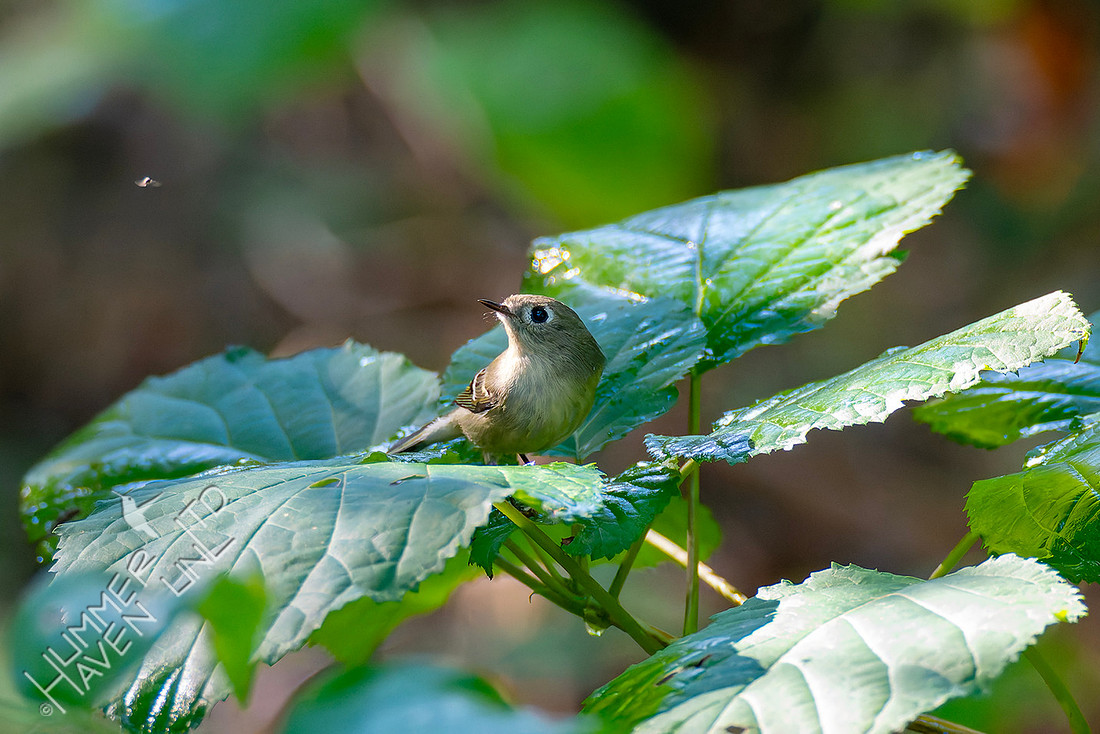
Ruby-crowned Kinglets had a blast leaf-bathing in smooth hydrangeas one day. This one almost went after that little gnat.
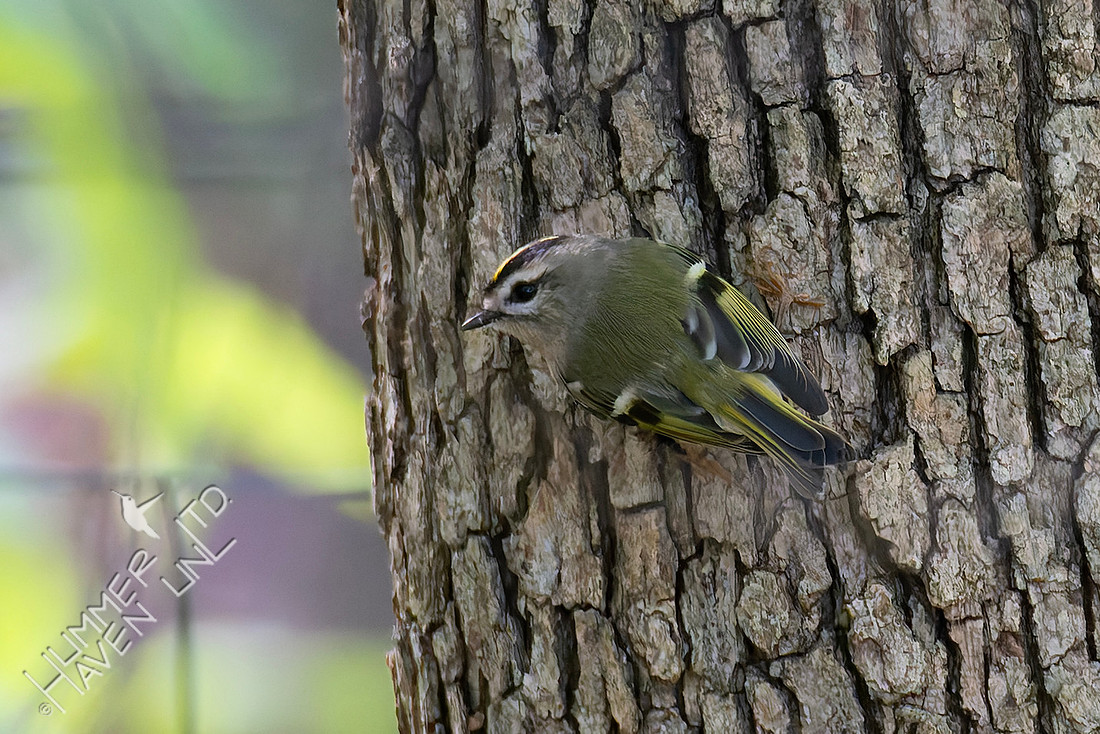
This first of the season Golden-crowned Kinglet was seen on 10-9-25.
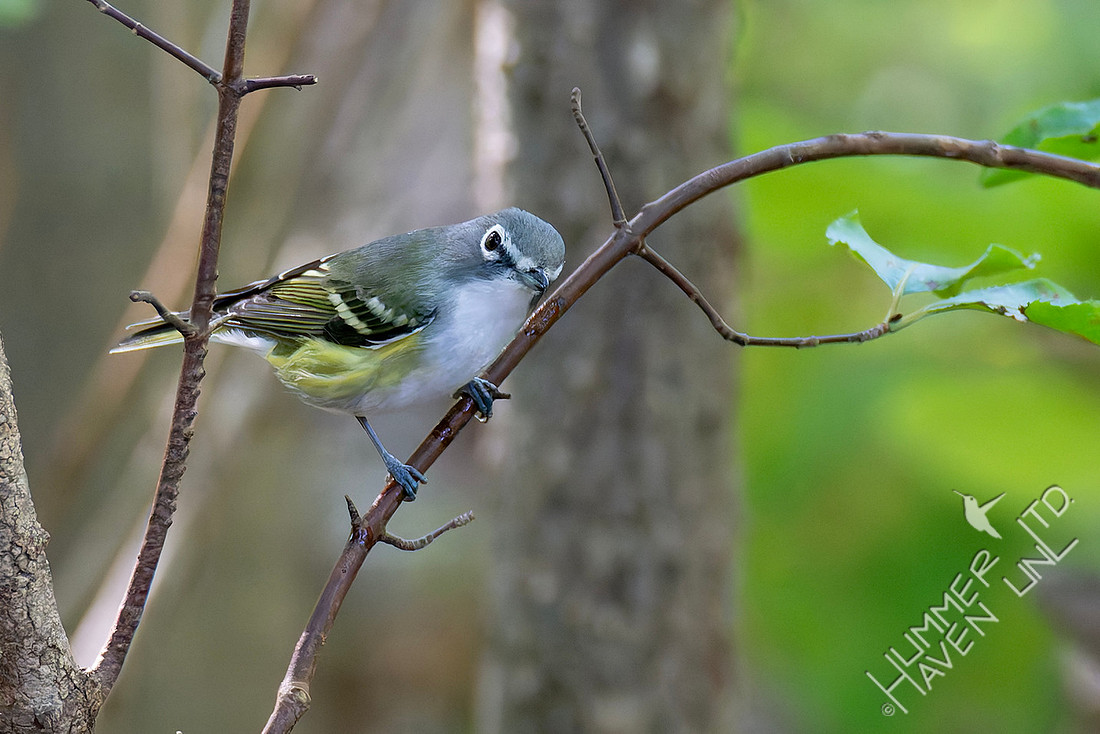
Blue-headed Vireos have been numerous lately. I had three a couple days ago. This bird was very curious about a robin that was resting.
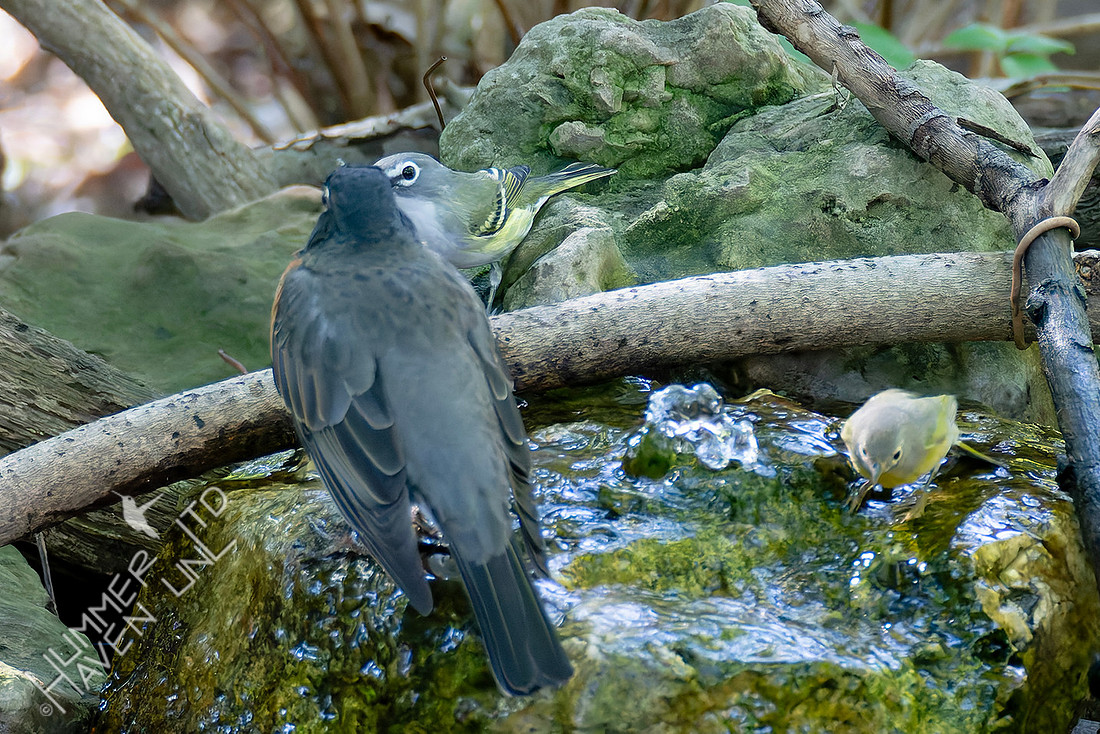
"Mind if I splash?" it seemed to ask.
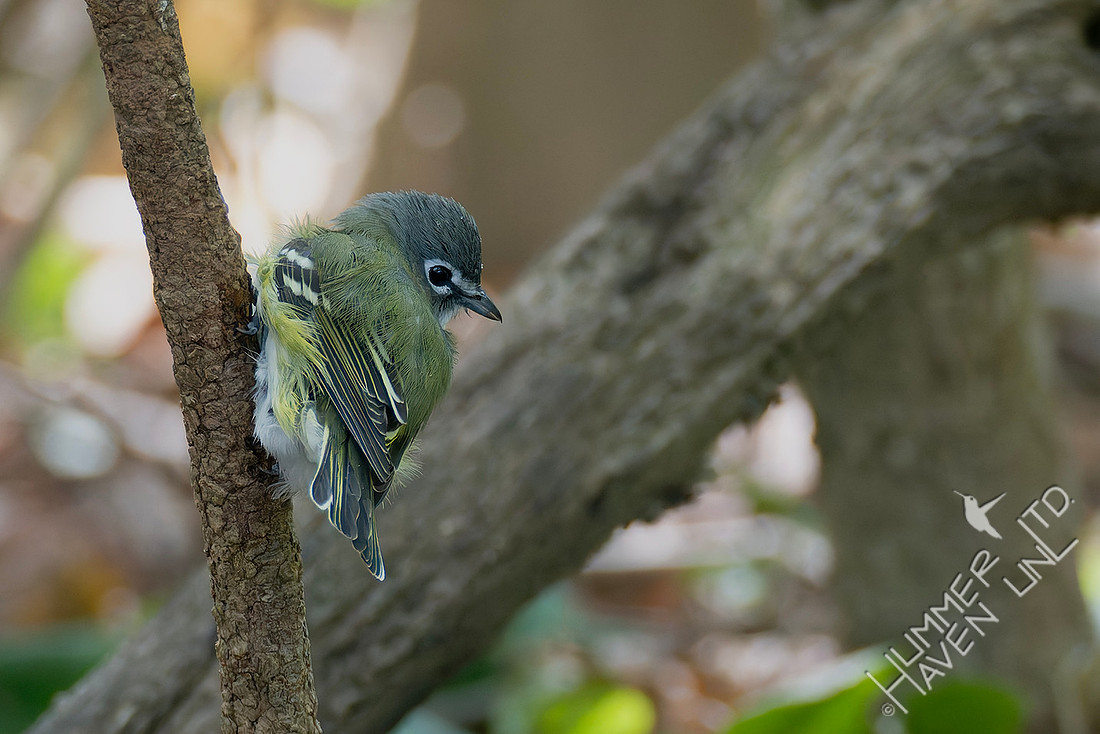
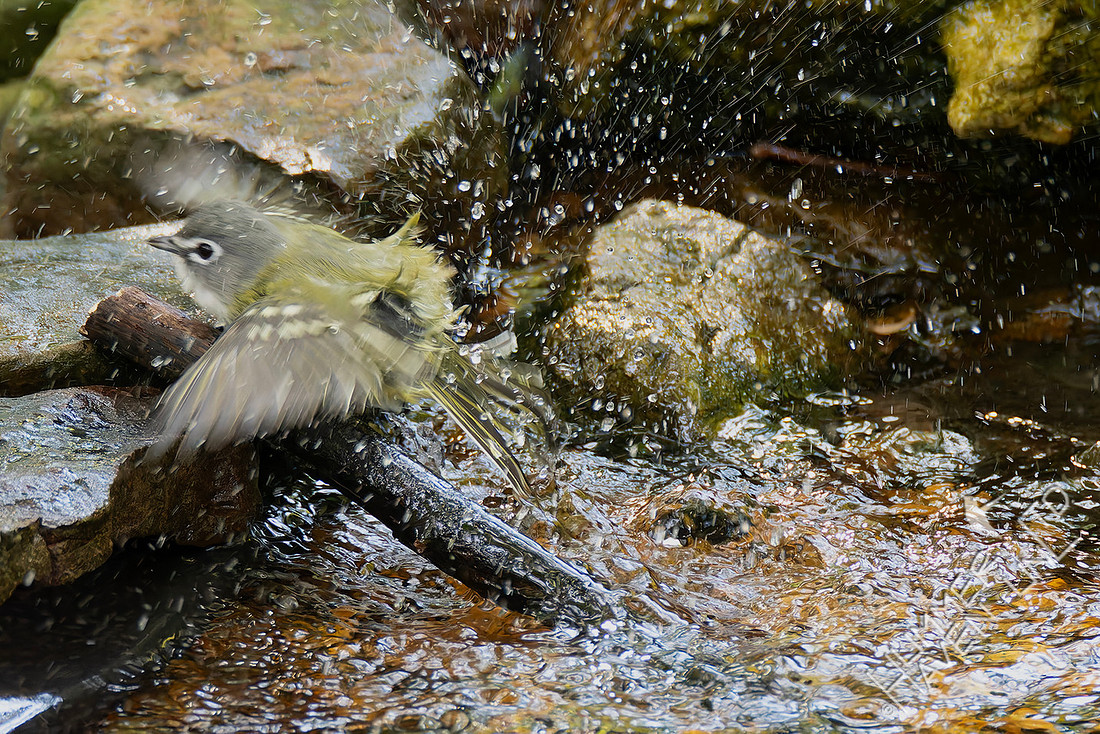
This bird was amped up about splash-bathing this morning! Did you know birds can do math? They sure seem to be calculating the depth and speed that is safe for them to make the most of their effort.
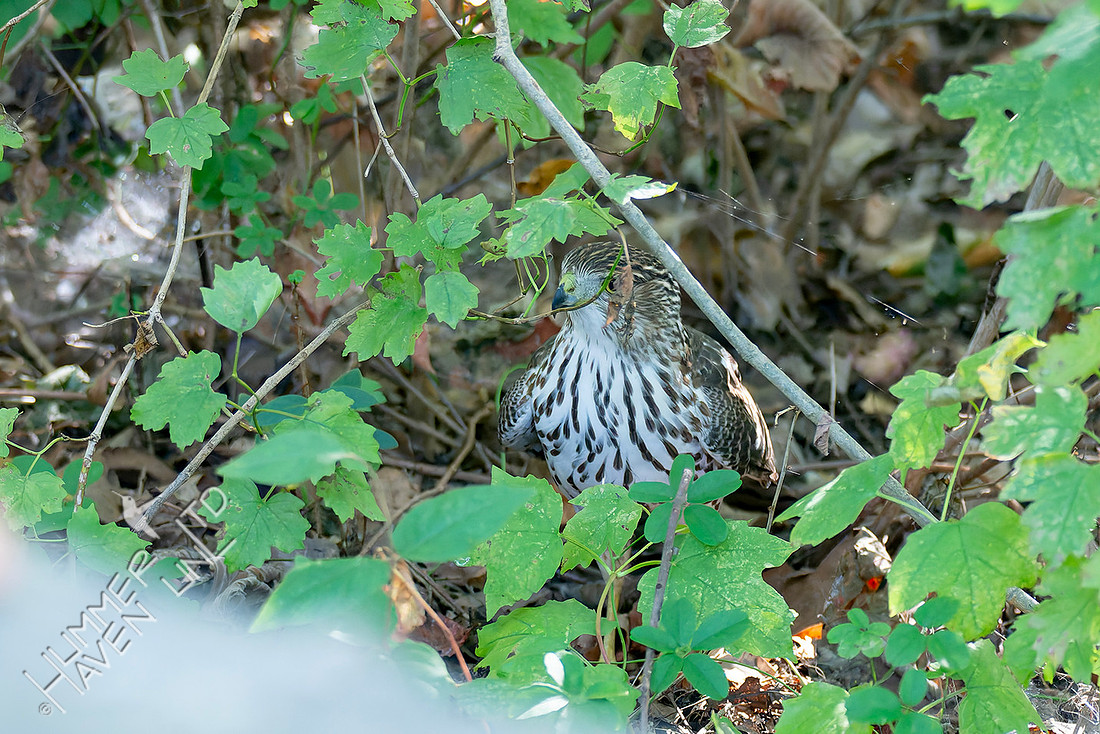
On Sunday, 10-12-25, a young Cooper's Hawk zipped right past my feet, over the stone wall and made a sharp right turn into the gooseberry patch. The chipmunks have been foraging in there, and I think it was after one. I couldn't quite get its talons in view to see if it had one. It turned and flew out too quickly to be sure. That sure kept bird activity quiet for a while!
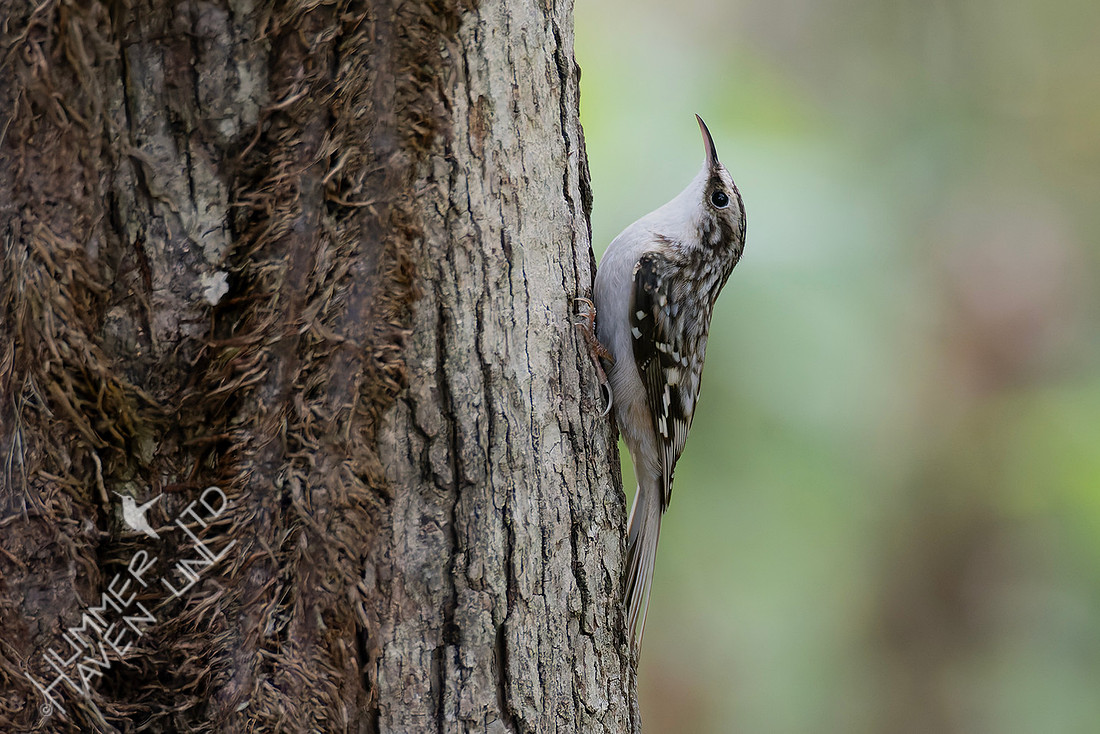
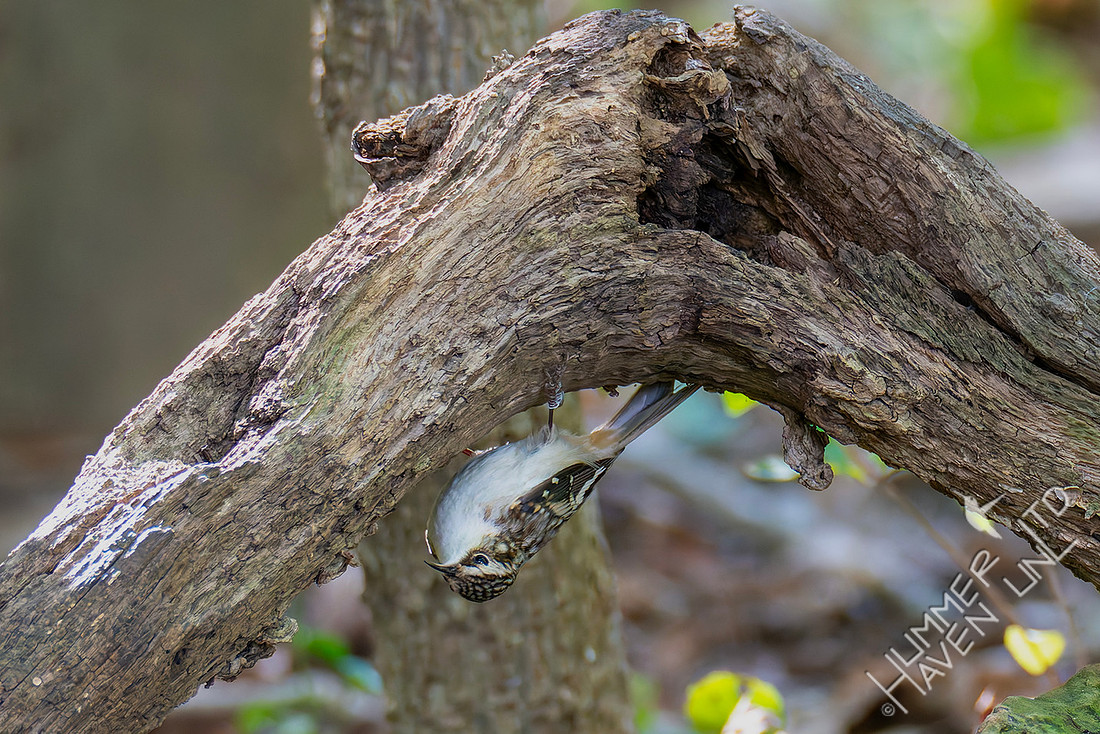
The first Brown Creepers of the season showed up on Monday, 10-13-25. I am glad to have the opportunity to photograph them before winter sets in.
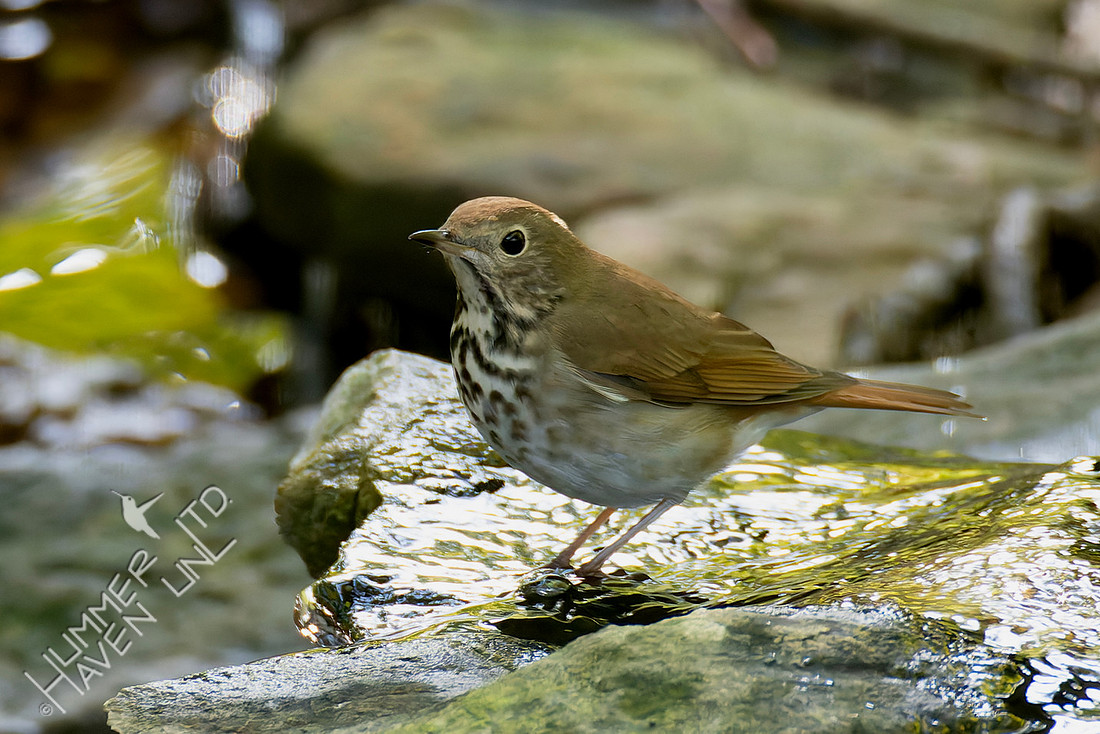
Speaking of winter, the first Hermit Thrush of fall arrived yesterday. It made a quick stop at the bubbler before heading over to the garden.
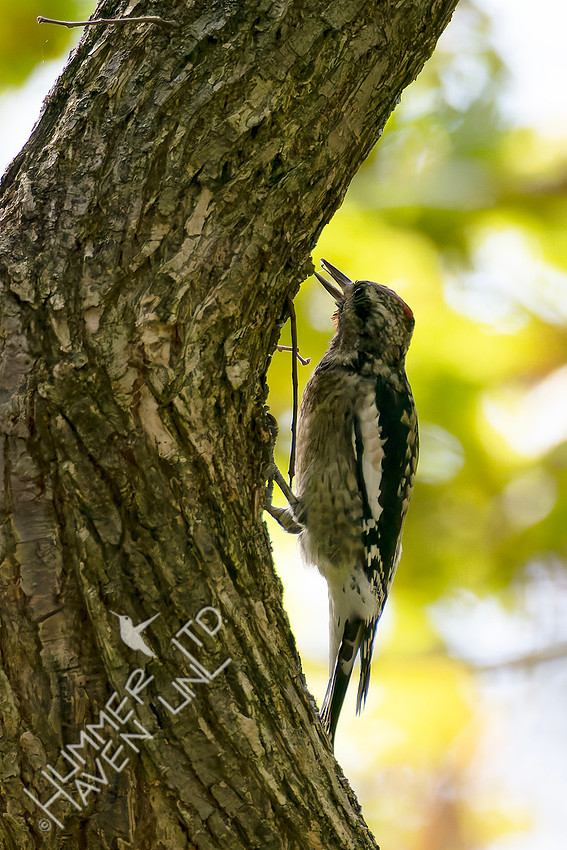
Another winter regular, a Yellow-bellied Sapsucker showed itself this morning. It is another species of birds that I've seen the last couple weeks feeding on these tiny emerging gnats on our American Elms. Look closely - there is one caught on its tongue! They do eat insects as well as sap from trees.
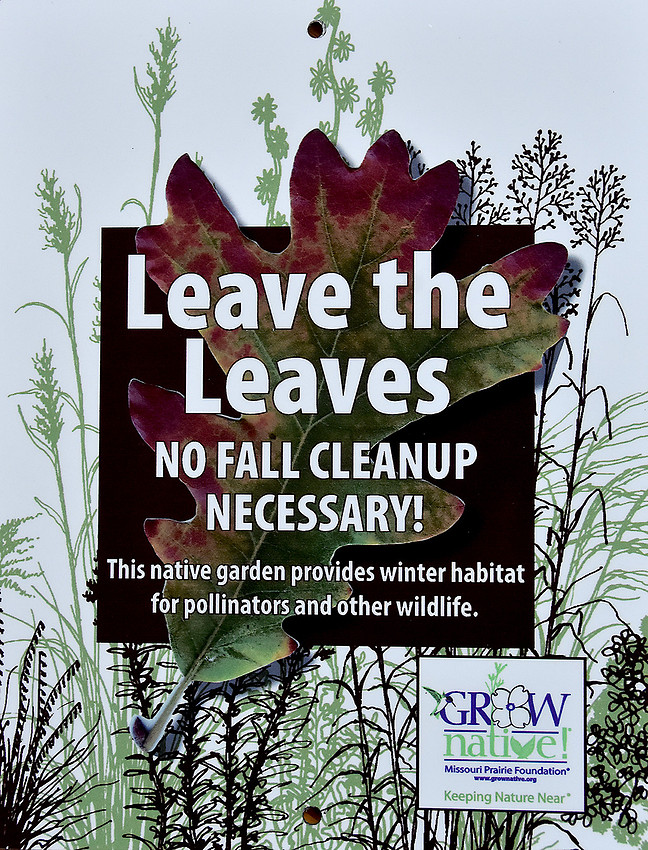
We have been leaving our leaves in our garden beds and in the woods for at least ten years now. It's critical habitat for overwintering pollinators and other wildlife. Leaves are Nature's mulch and help to retain moisture around our trees and plants.
The birds have really kept me busy. You might enjoy seeing more of them!
10-7-25 Where did September go?
September has flown!
We have now lost over 3 hours of daylight. Still, the birds keep coming through.
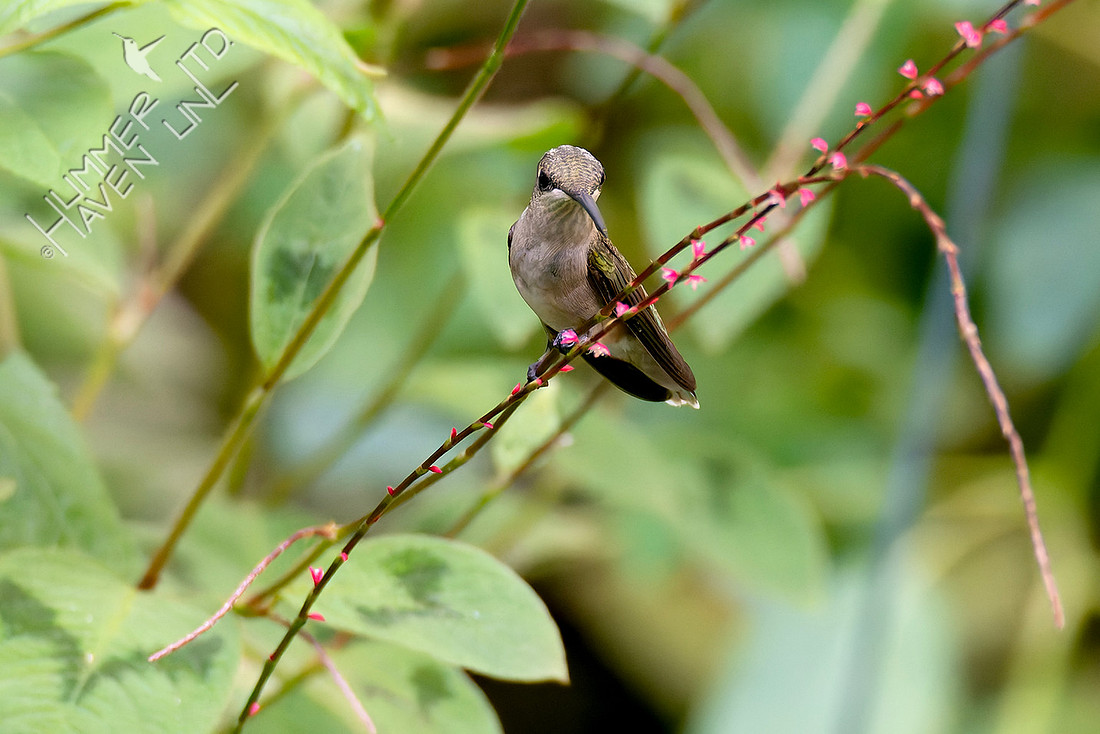
Young Ruby-throated Hummingbirds are still being seen sporadically at feeders and in the garden. This bird inspected the tiny ruby flowers of Virginia Jumpseed, or Woodland Knotweed (Persicaria virginica) . There is a white form, the ruby is more rarely seen.
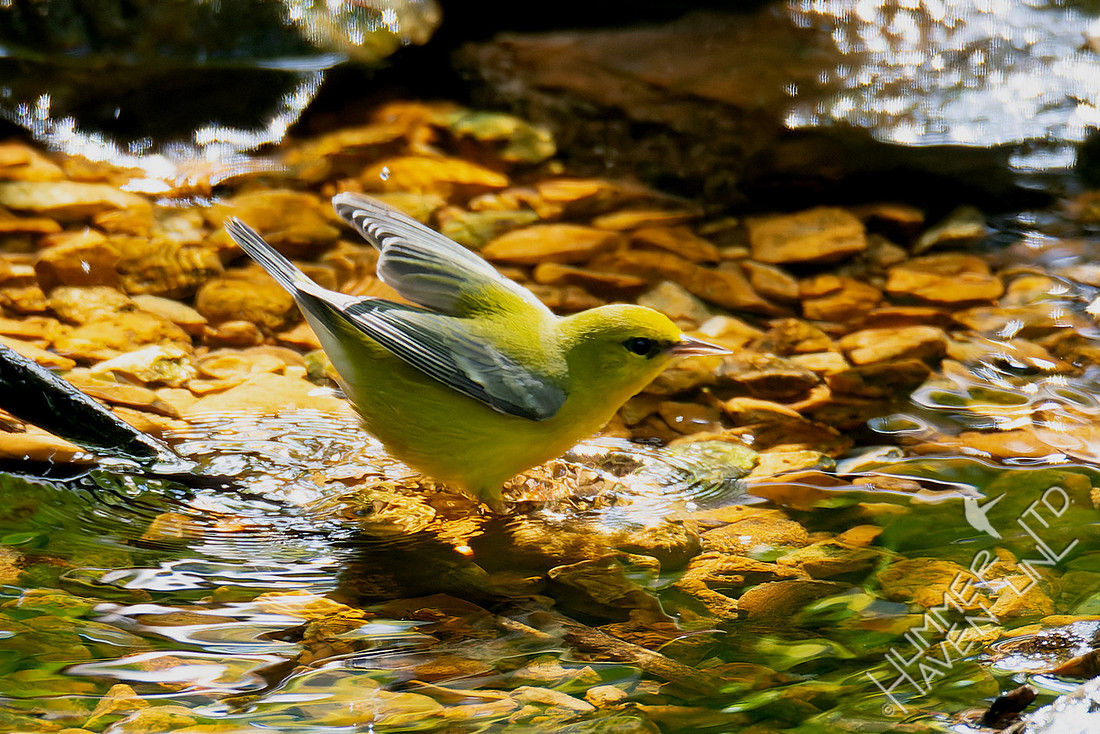
This Blue-winged Warbler was heard in the spring singing, "beee-buzz". Finally, one came to the bubbler on 9-14-25.
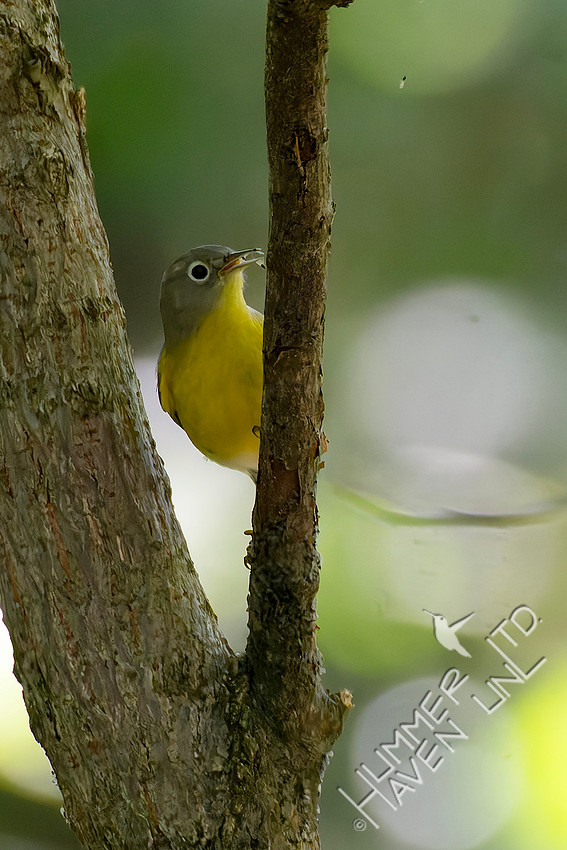
We have several American Elms of different sizes. Eggs are laid in the bark by various insects, including gnats. This Nashville Warbler was one of the birds enjoying the feast as they hatched out. Insects feed birds!
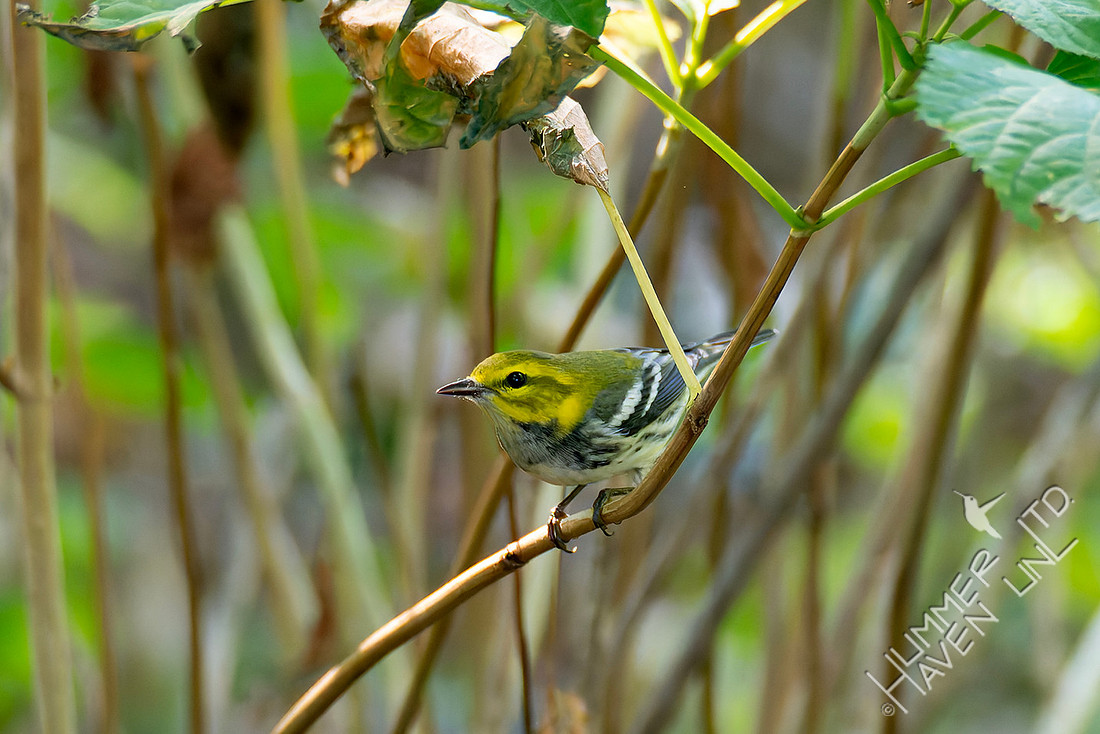
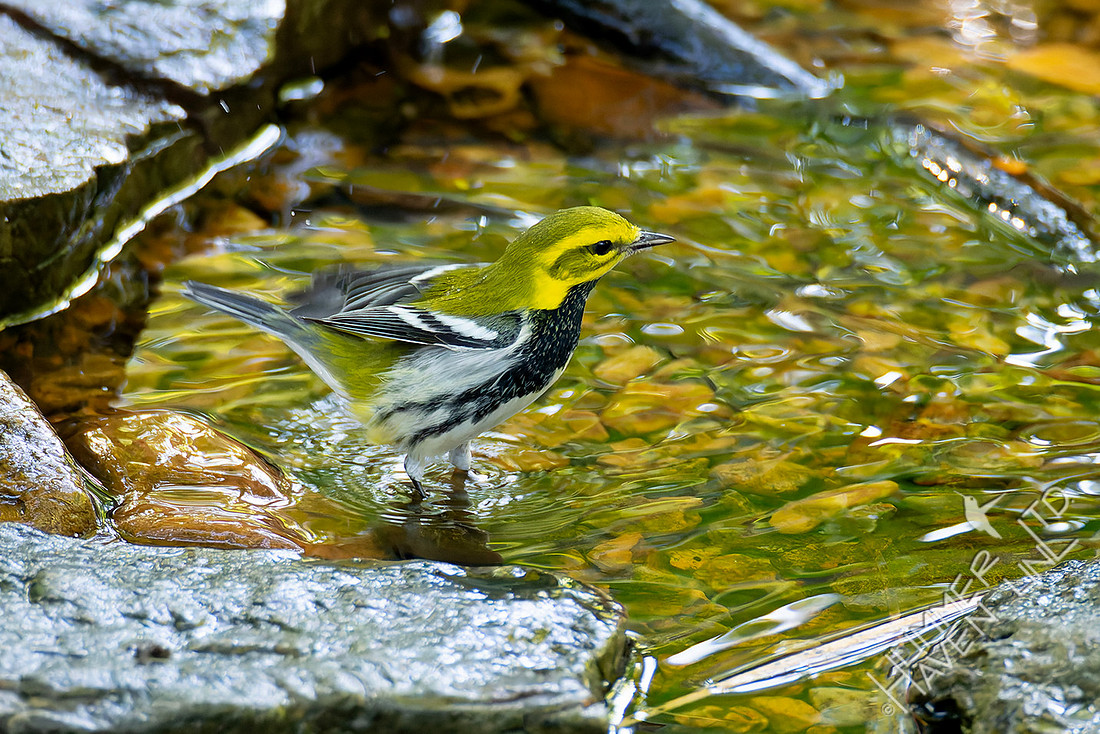
Black-throated Green Warblers are still being seen, foraging and bathing.
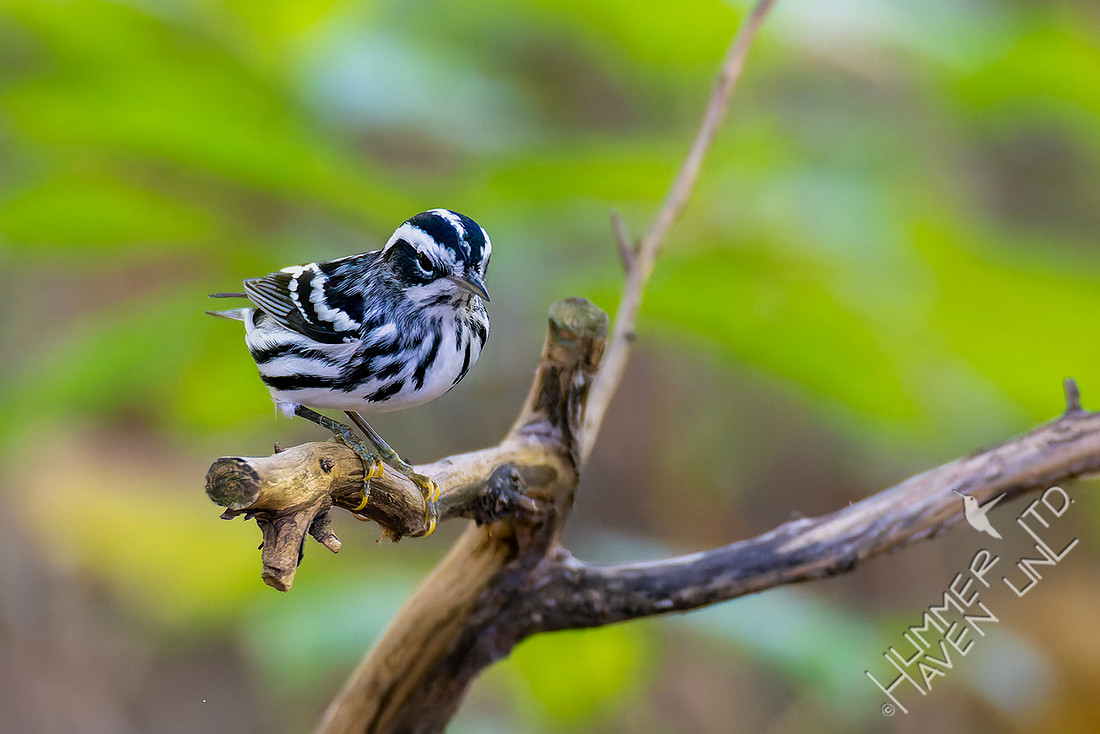
Black-and-white Warblers are also coming in.
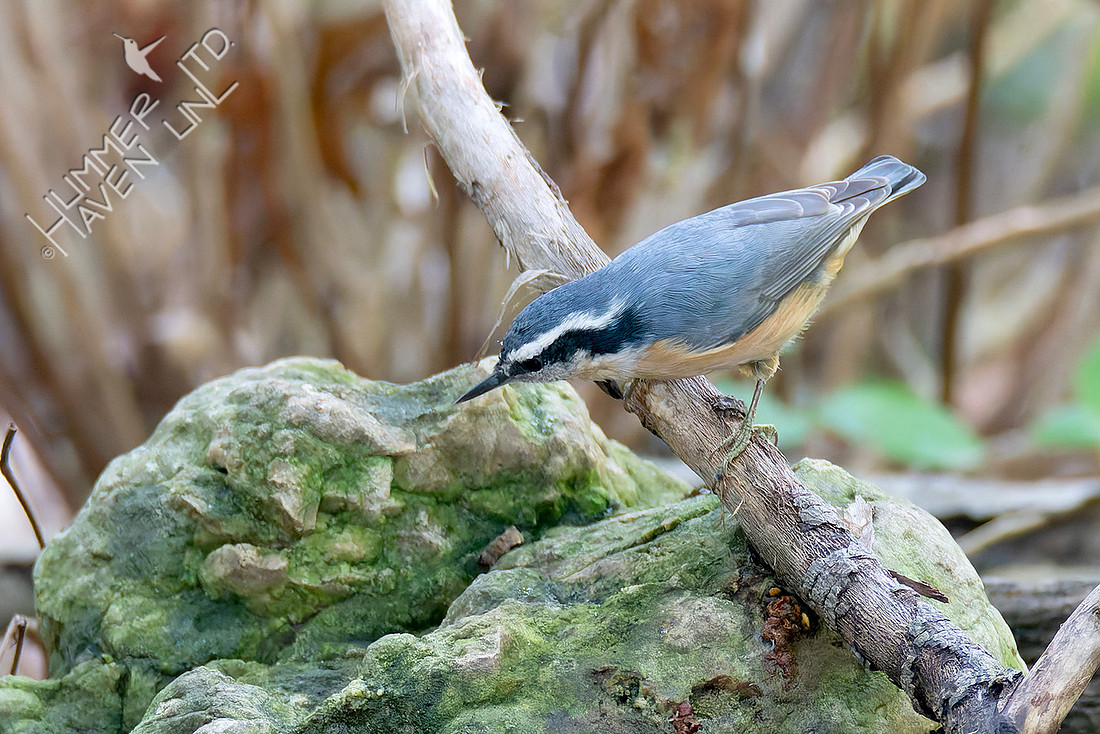
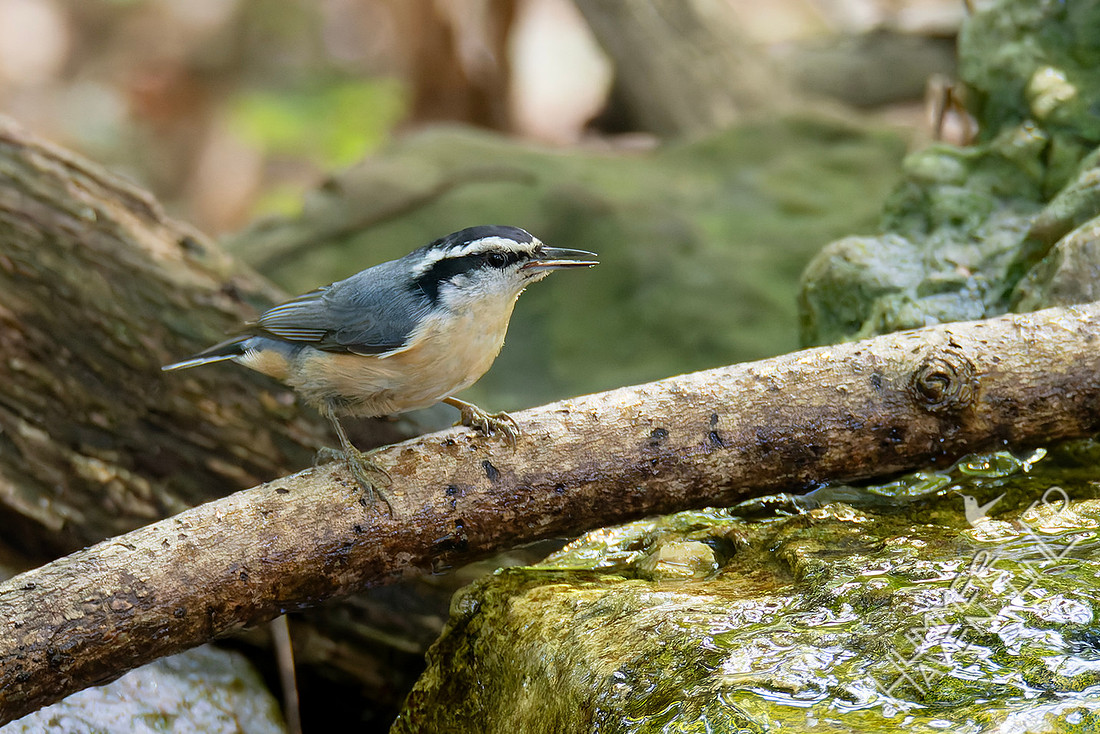
Both female (top photo) and male (bottom photo) Red-breasted Nuthatches were here on 9-29-25. The female has a gray head.
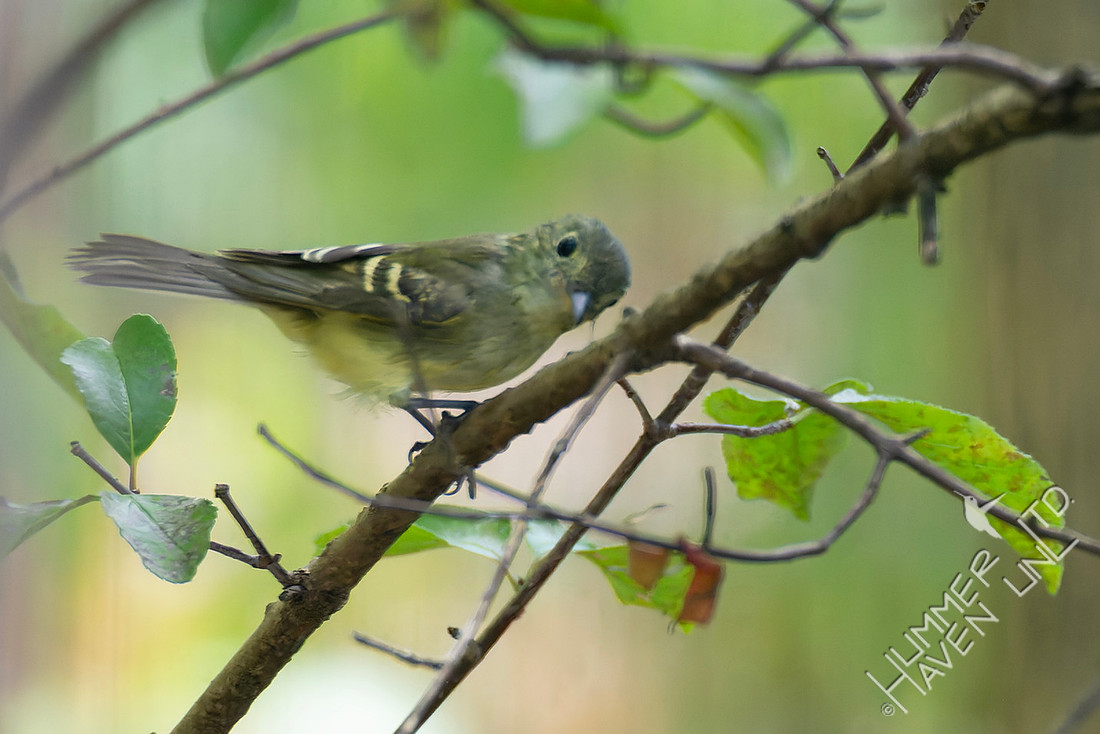
An immature Blue-headed Vireo stopped by to splash-bathe.
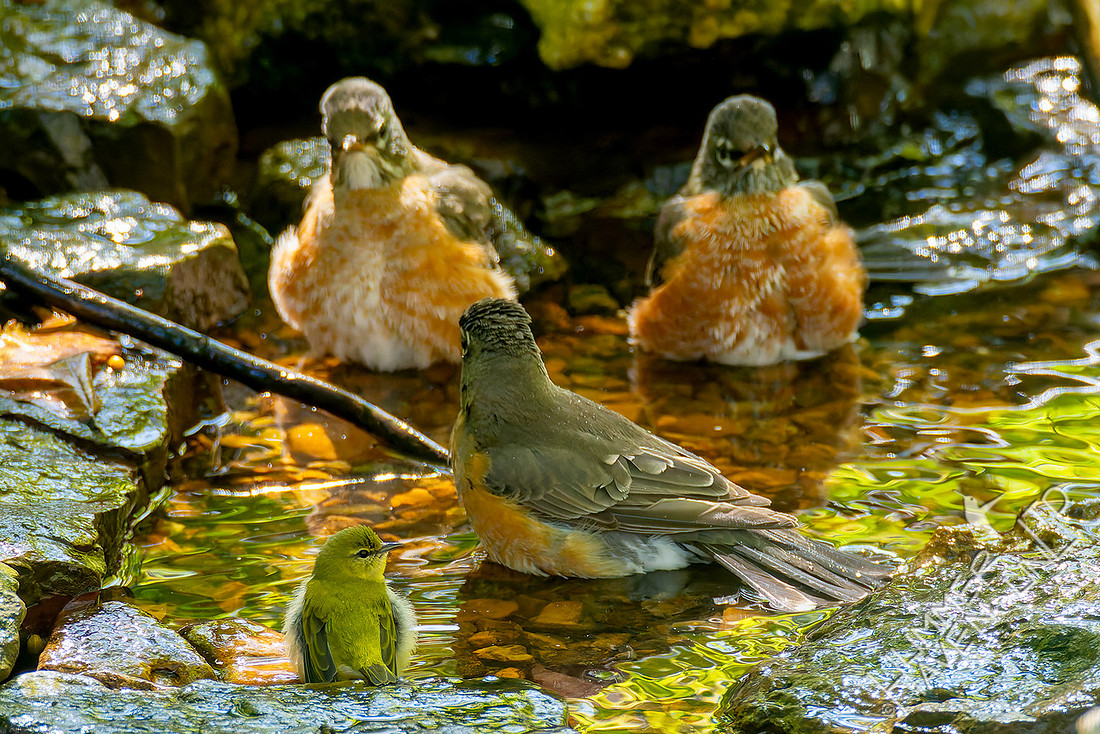
An intrepid Tennessee Warbler got in to bathe with the big boys, three American Robins!
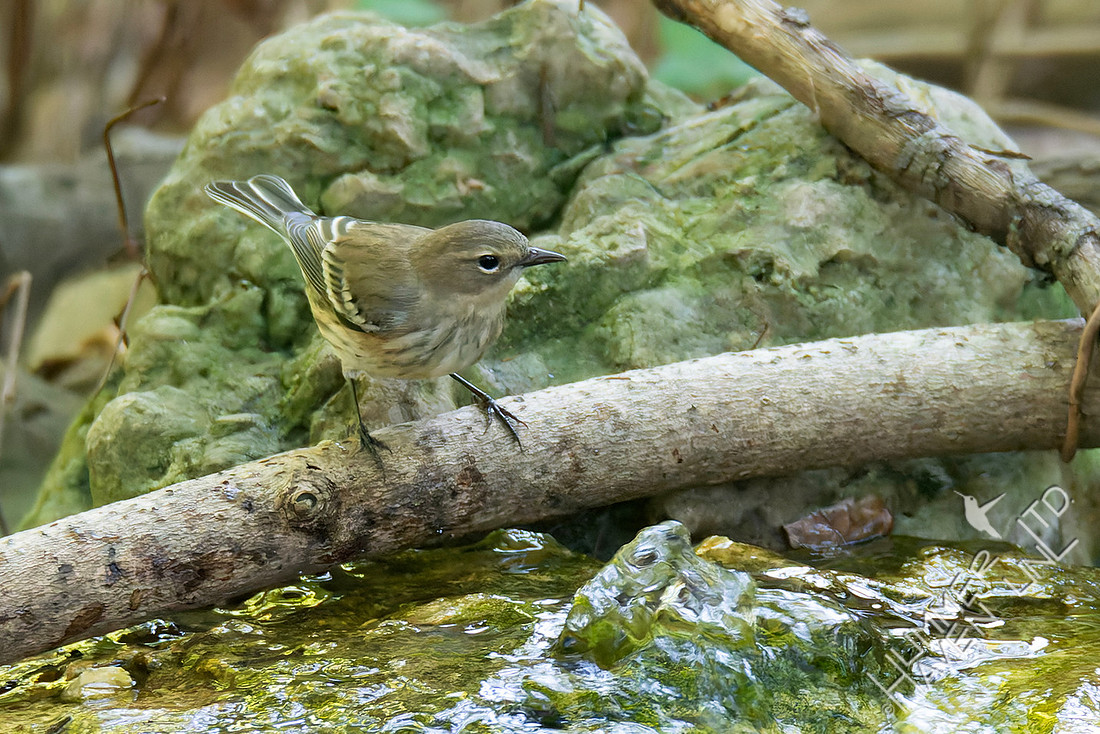
The first Yellow-rumped Warblers of fall showed up on 9/27/25. That's the only warbler species we're likely to see all winter.
One last treat. I went out to refill the bird bath one morning and when I tilted it to drain, this little frog was sleeping underneath!
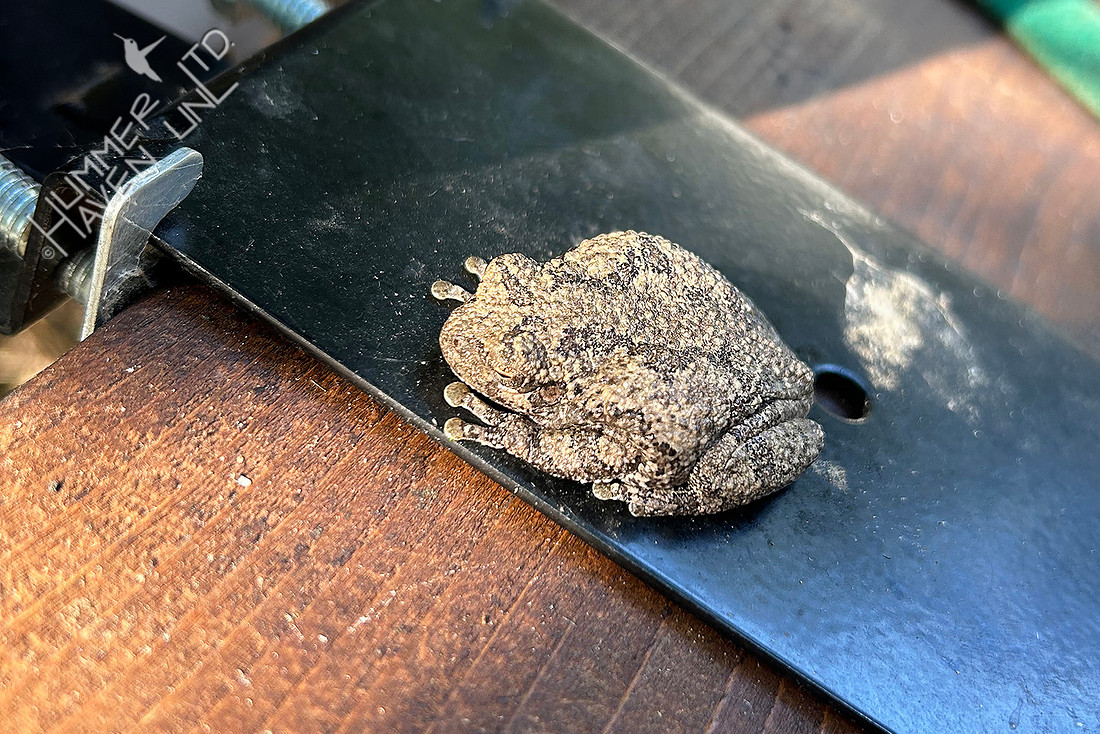
OH! But, how? OH! I'll hurry up and let you get back to sleep... sometimes, Life just takes my breath away! "Wee Sleepy!" is a Gray Tree Frog. It has been seen again and heard chirping on several days.
We're still playing catchup here with the extremely warm, dry conditions.
This first week of October has brought in species of birds daily, and another post will be up soon.
In the meantime, this link will take you to the 100+ photos since the last blog post.
Enjoy!