


Welcome to our blog!
It's all about our discoveries in our private Shady Oaks Sanctuary for birds, pollinators and wildlife. We gauge our success by the diversity of species we observe and document with our photography.
We hope you are inspired to create your own refuge!
Let's talk about Fall migration! 9-9-25
Fall migration gives us many challenges!
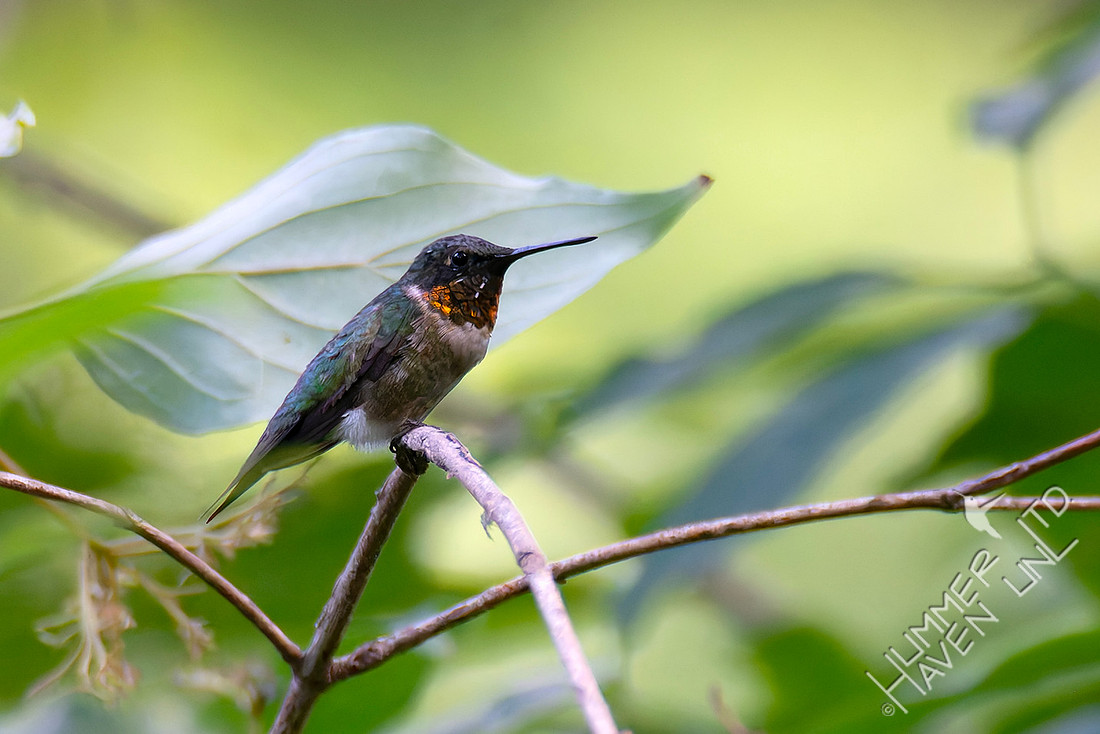
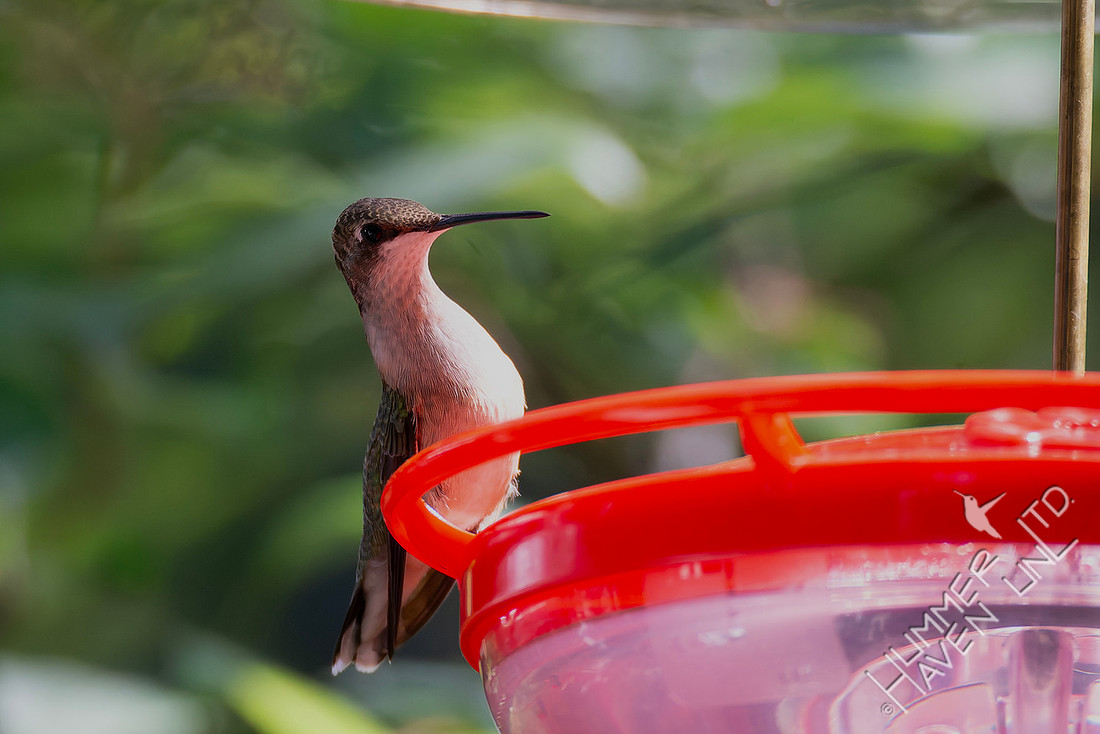
Male Ruby-throated Hummingbirds protect feeders as their own, chasing young males, though some will allow females to partake of the sugar water. We're still seeing males but soon they'll be on their way south.
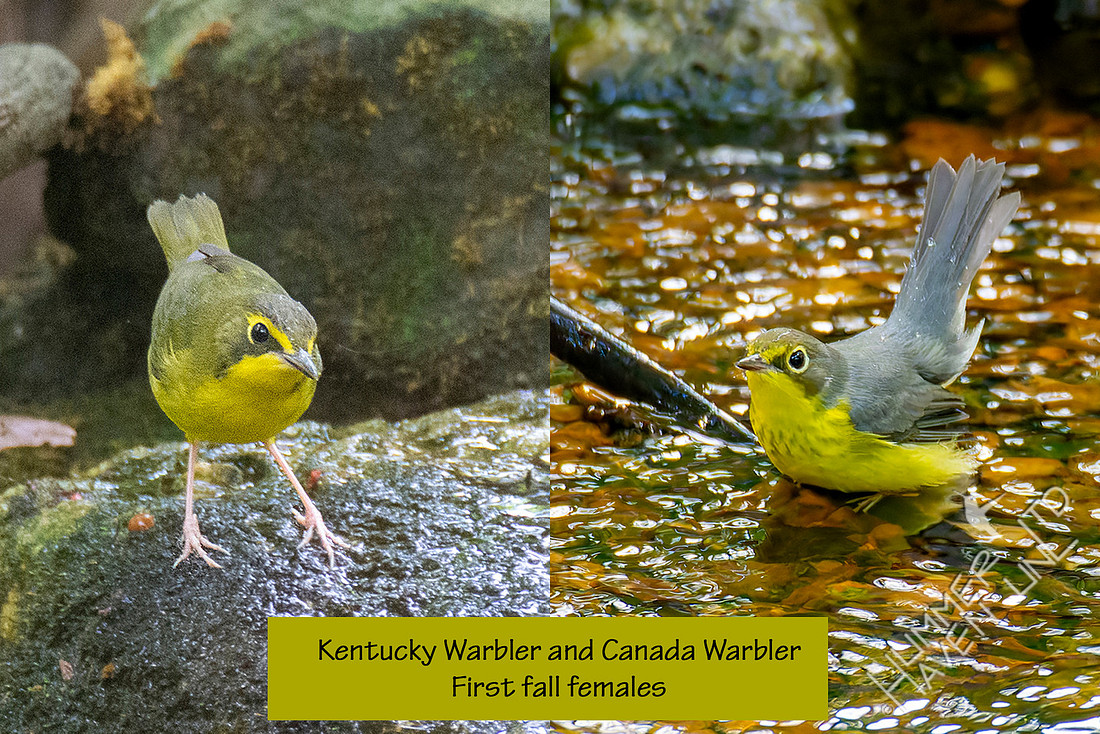
Confusion sets in when similar looking warblers begin to arrive. Here is one example of how one bird can easily be mistaken for another!
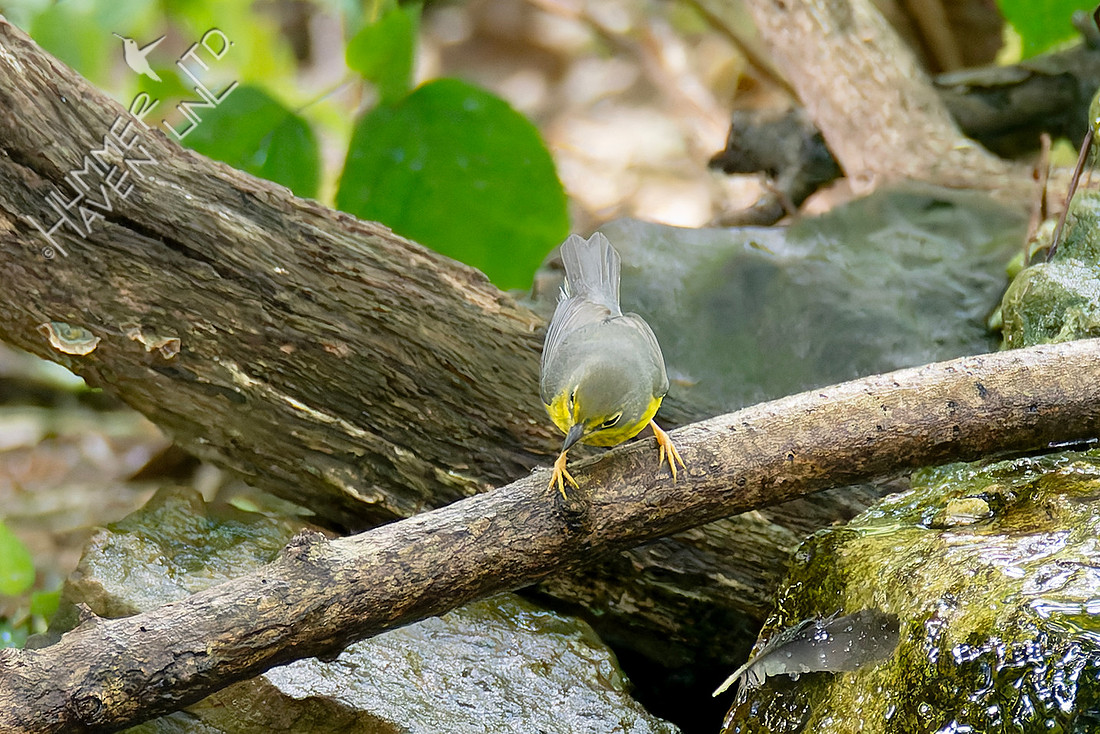
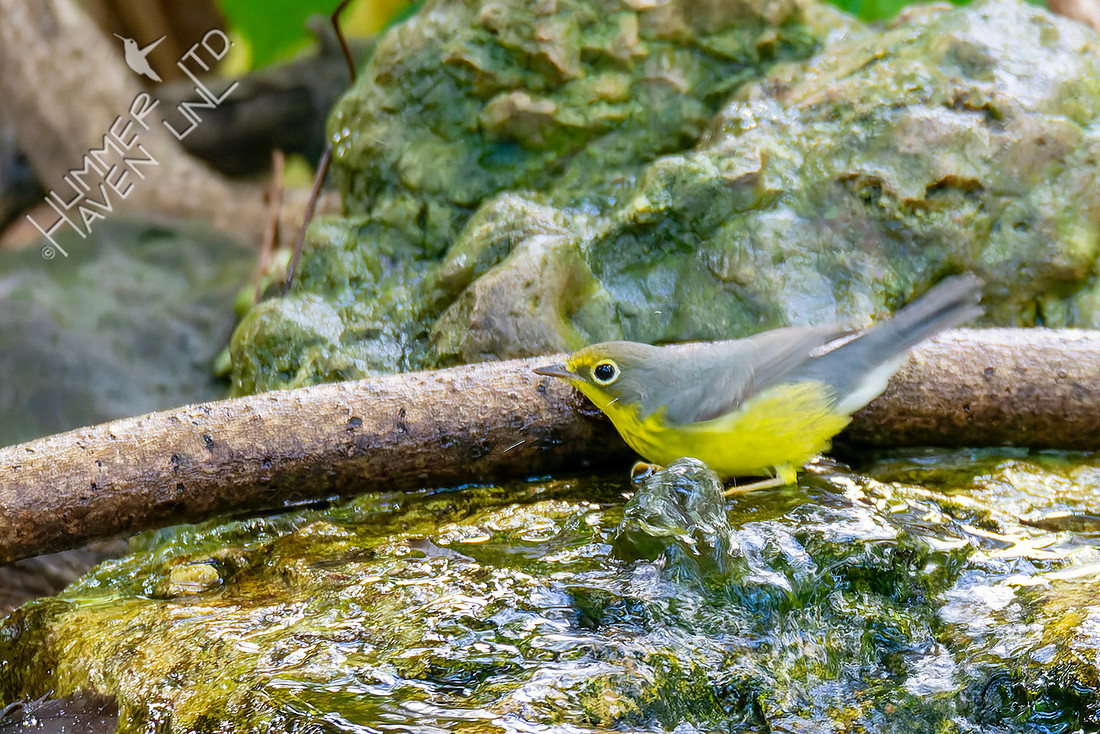
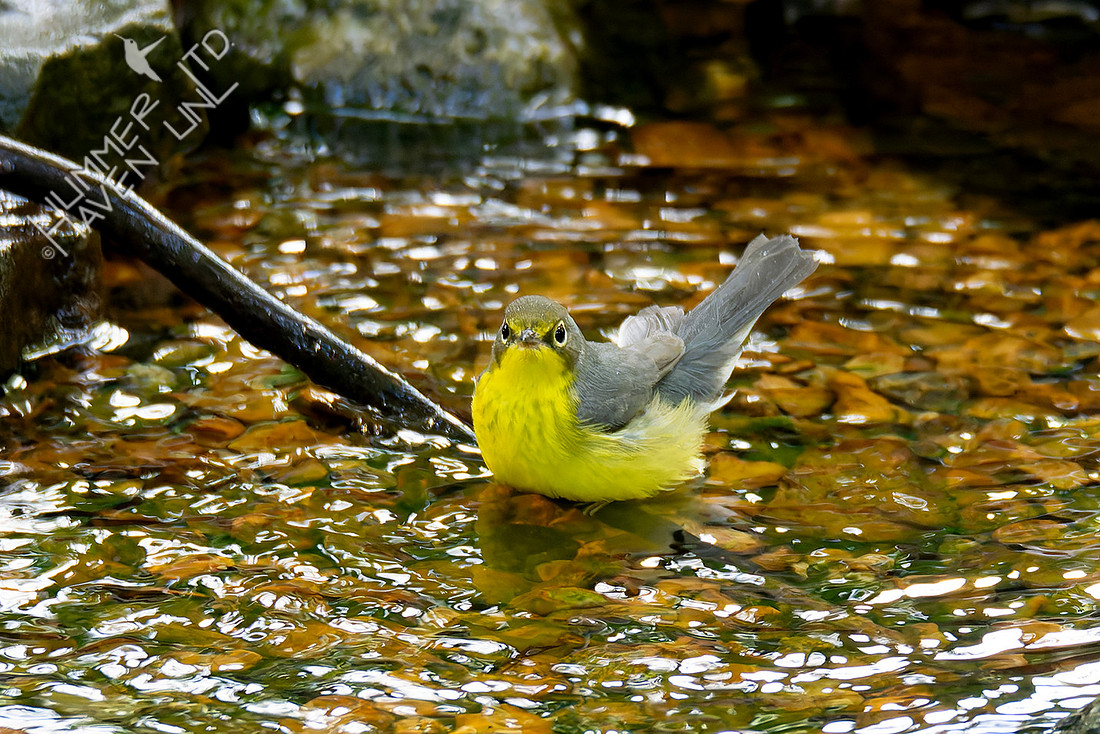
A female Canada Warbler was here for a few days. They have been nicknamed, "the necklaced warbler."
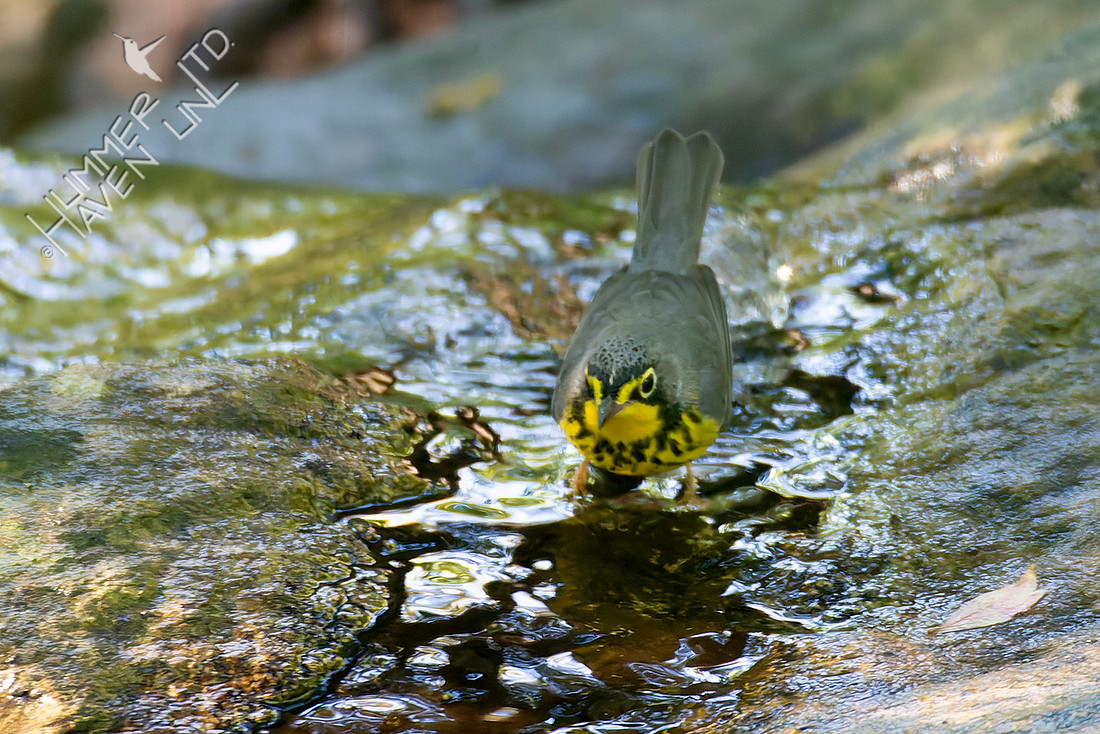
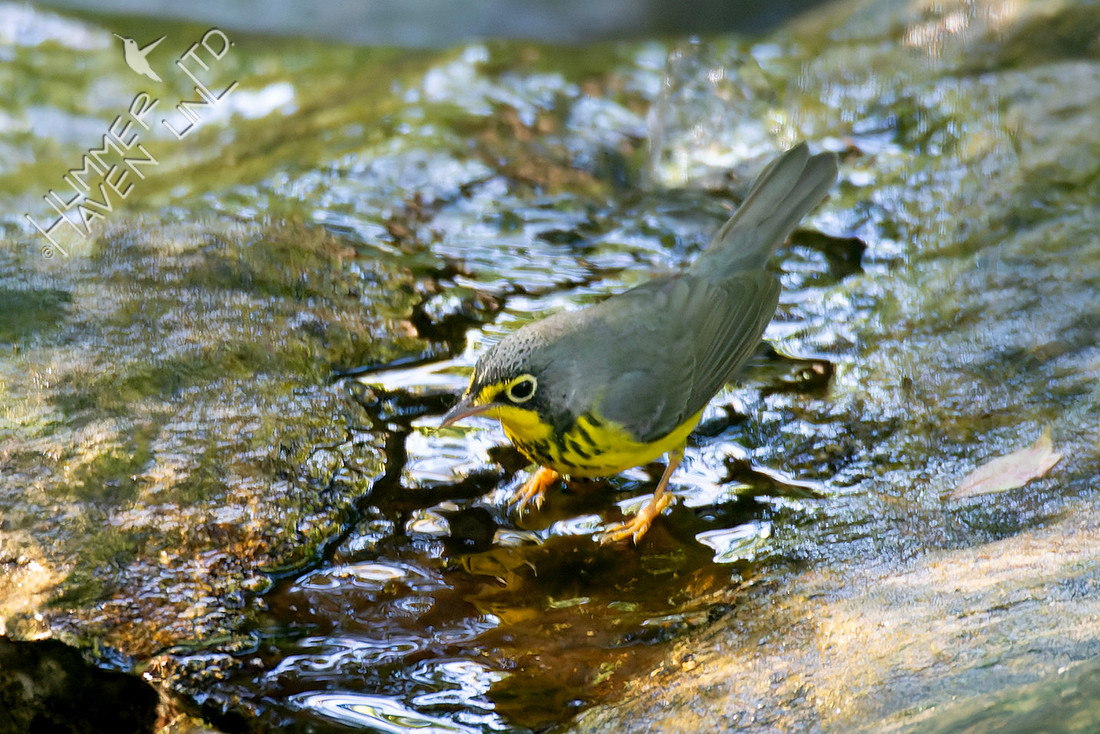
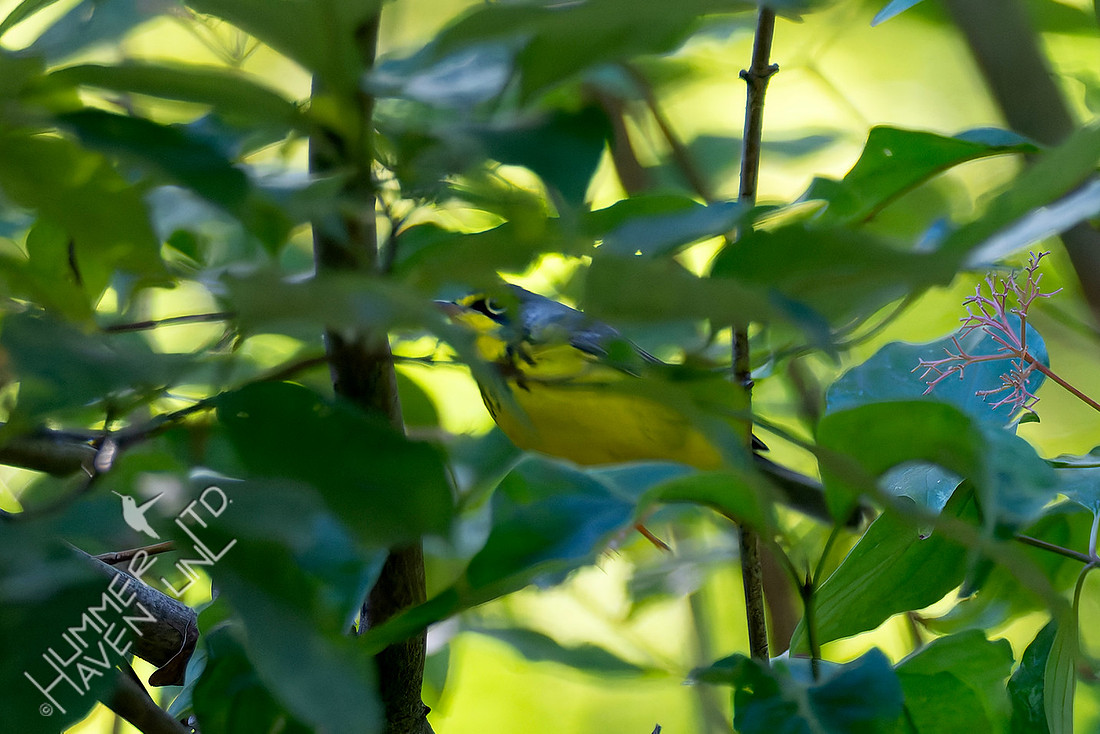 A male Canada Warbler showed up on 9-8-25. It moved very quickly through the branches of American Elm and Rough-leaf Dogwood. Thus, the second challenge is just getting a good look at a bird! Many get away without an ID.
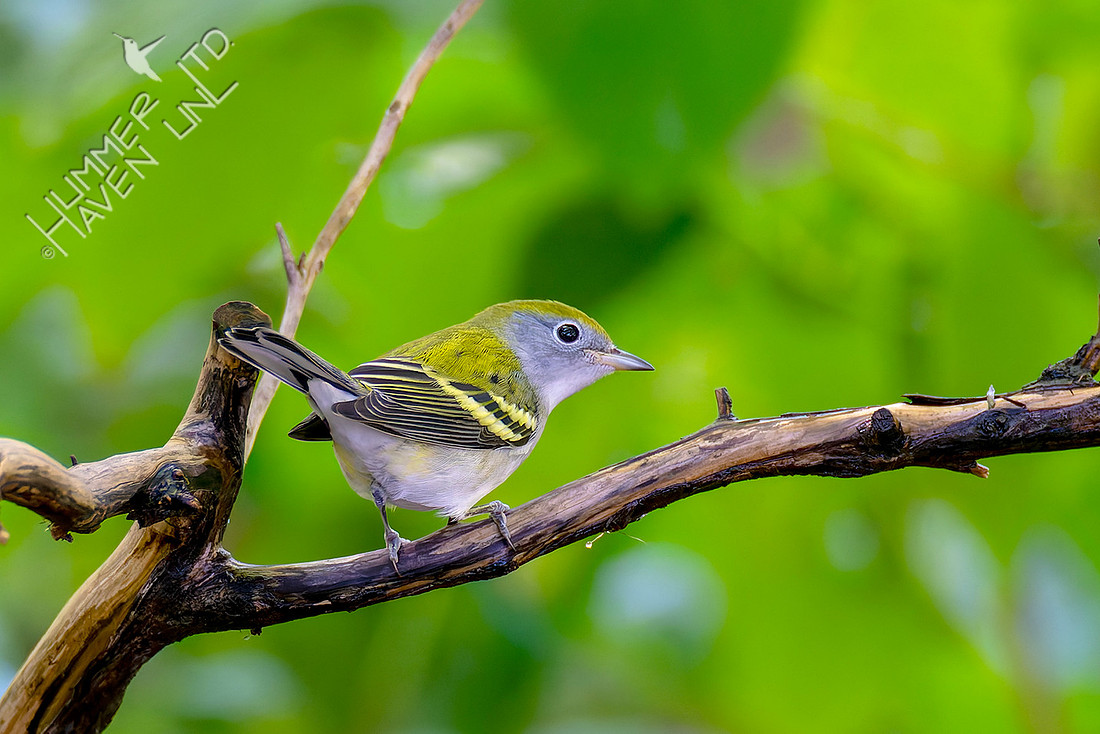
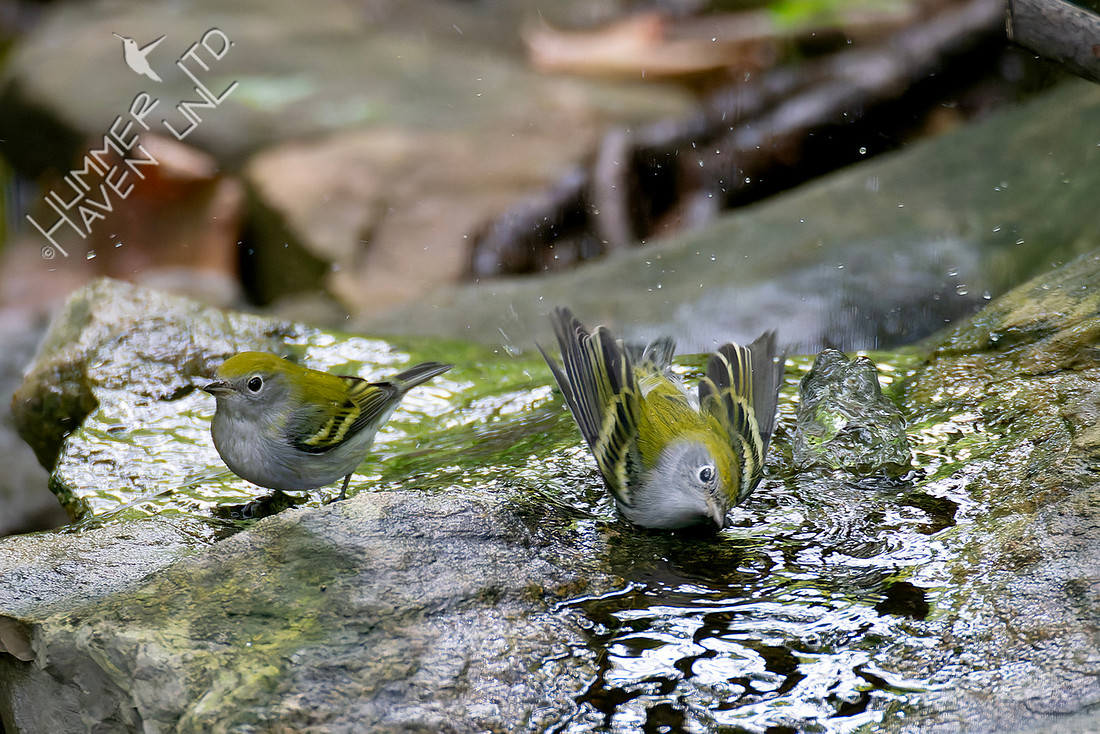
Chestnut-sided Warblers frequently show up in multiples. These are first year birds in winter plumage.
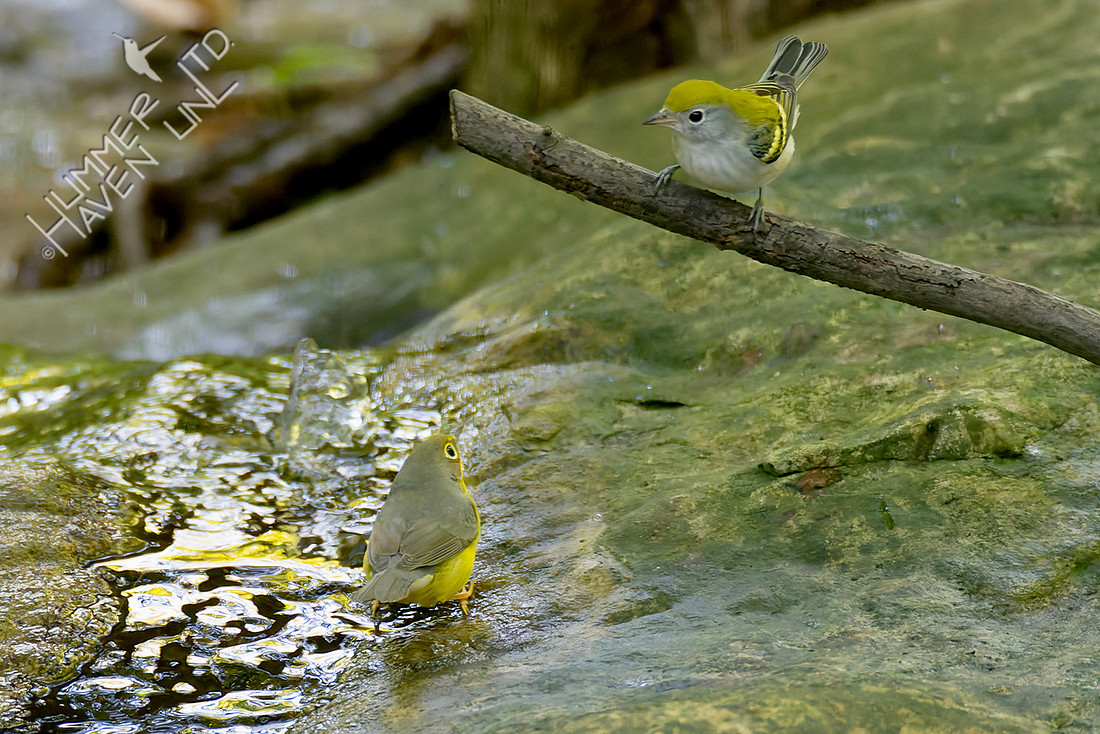
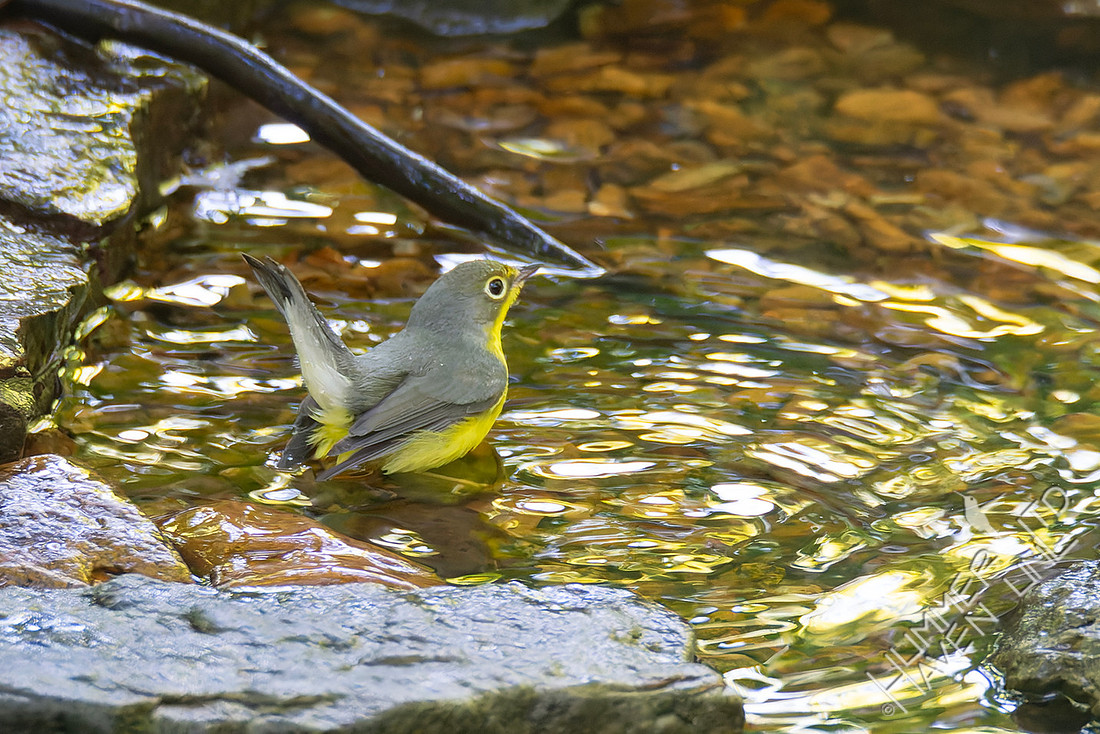
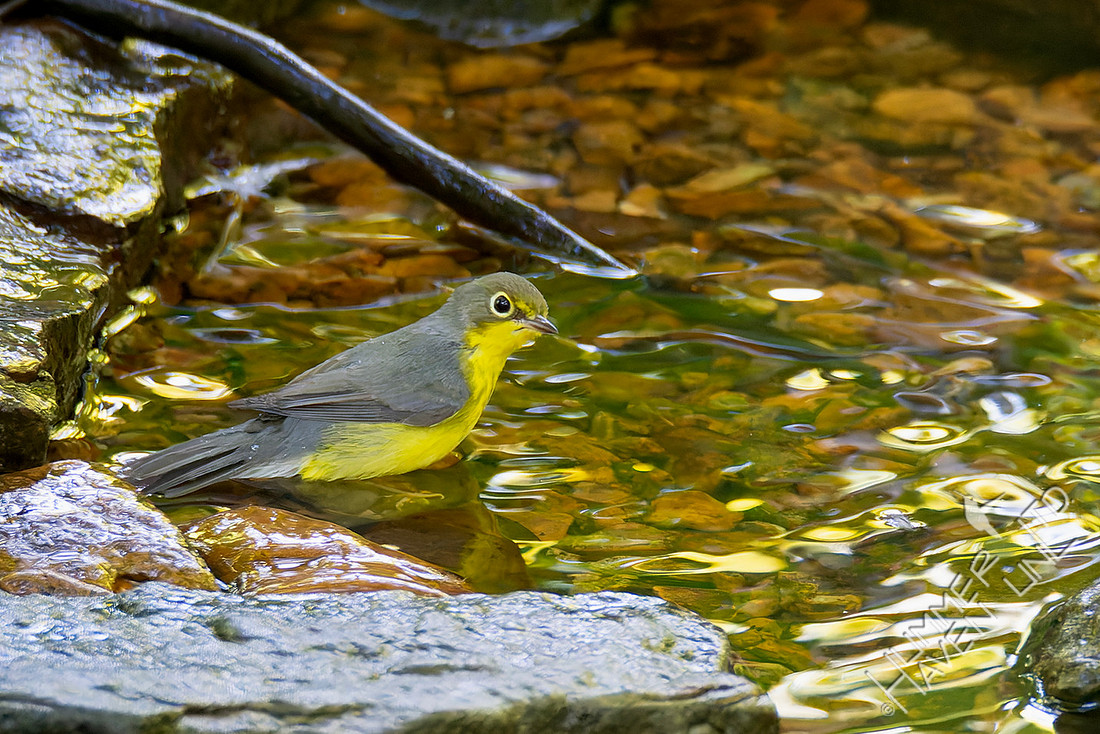
One Chestnut-sided greeted the female Canada Warbler.
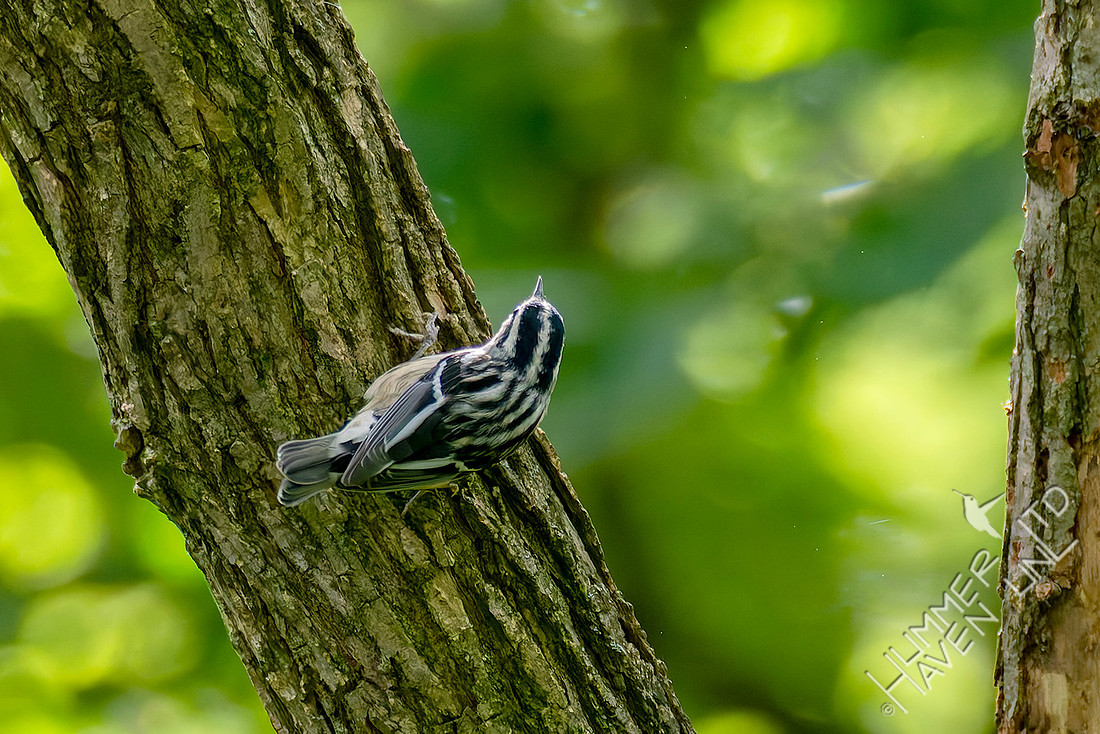
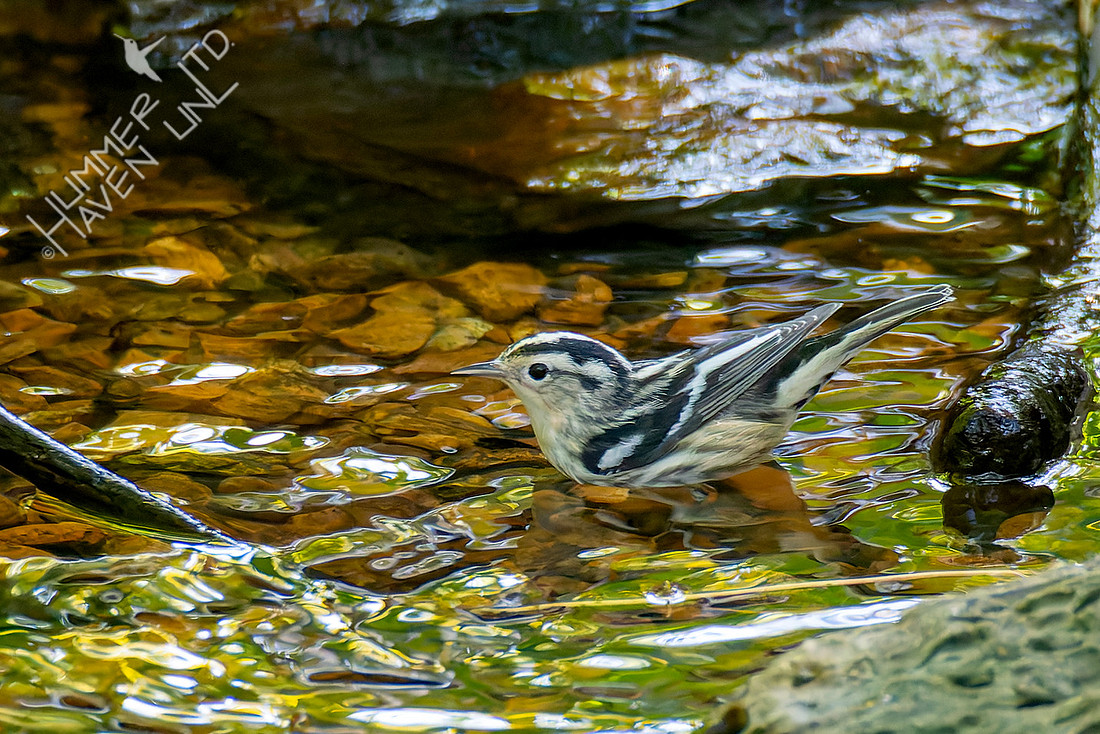
First year female Black-and-white Warblers have been in. Their throat and flanks are a bit buffy in color, not pure white yet.
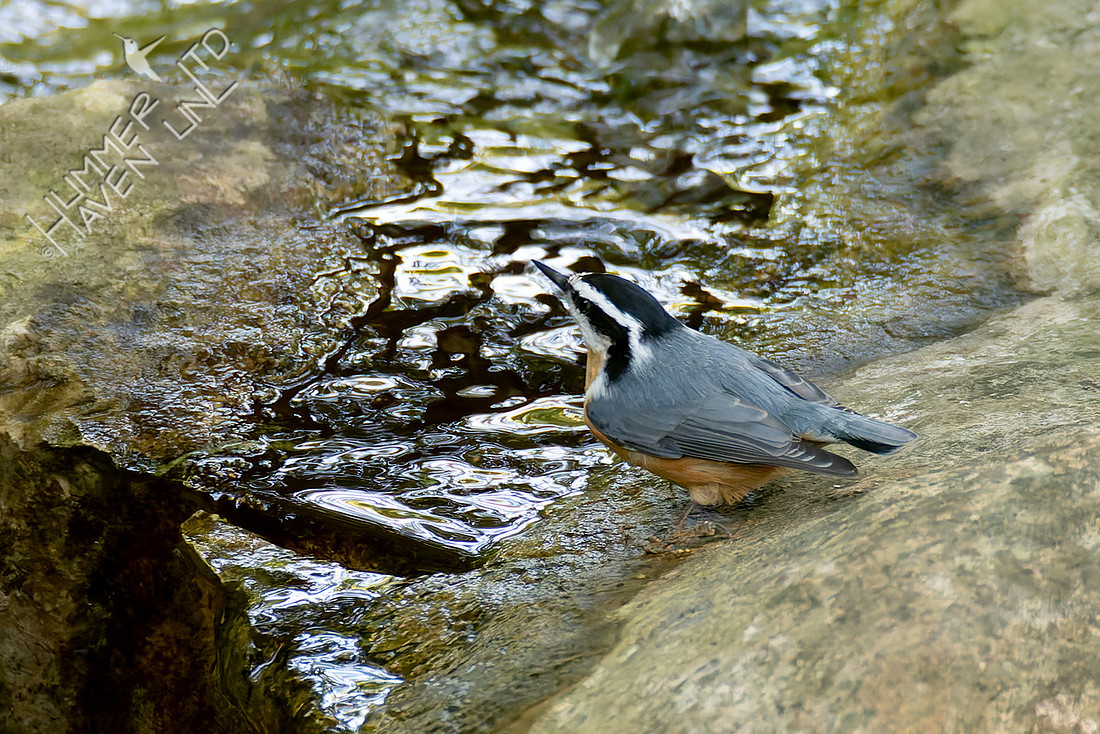
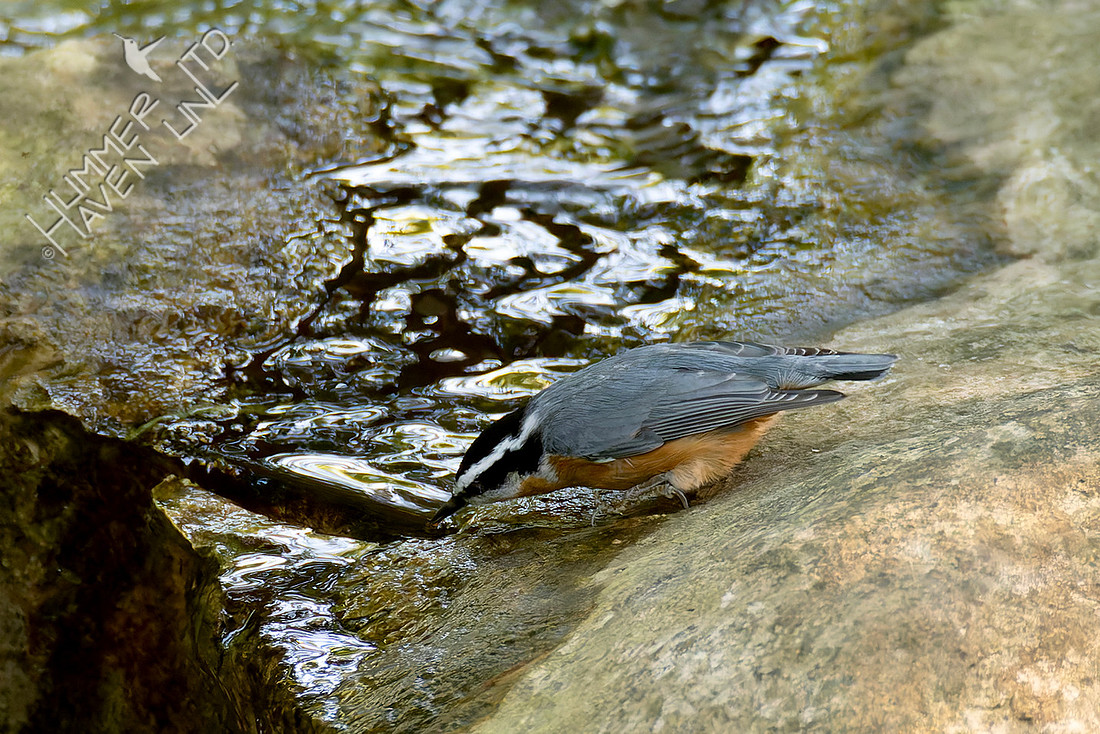
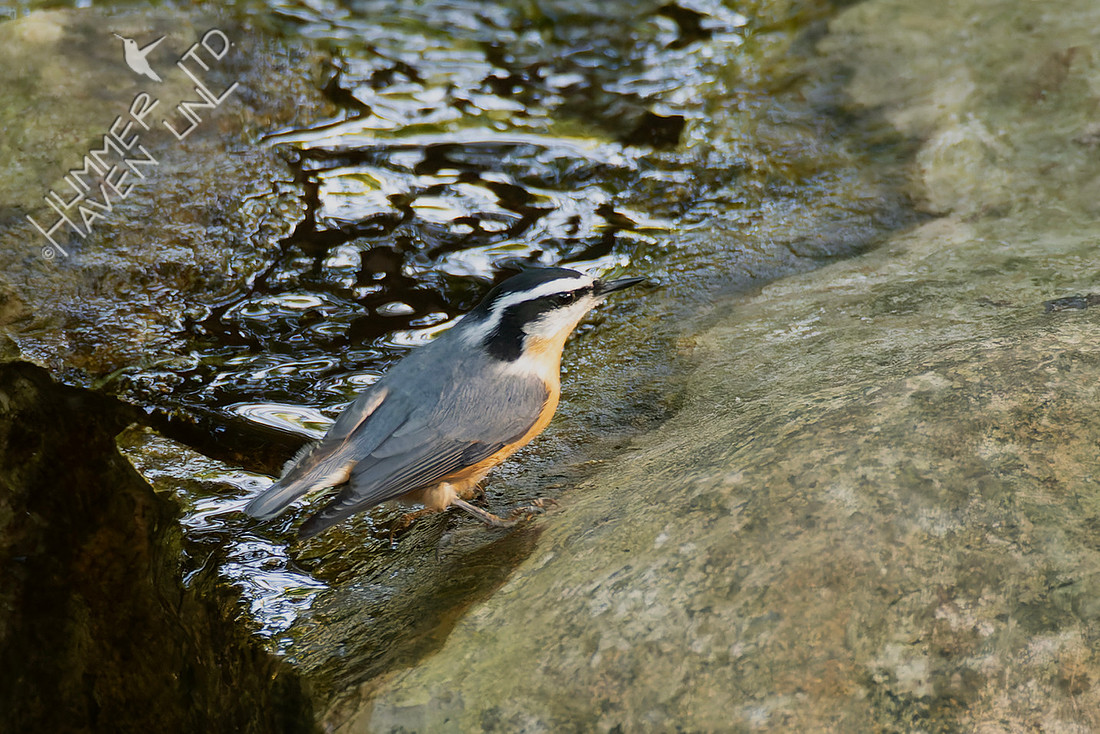
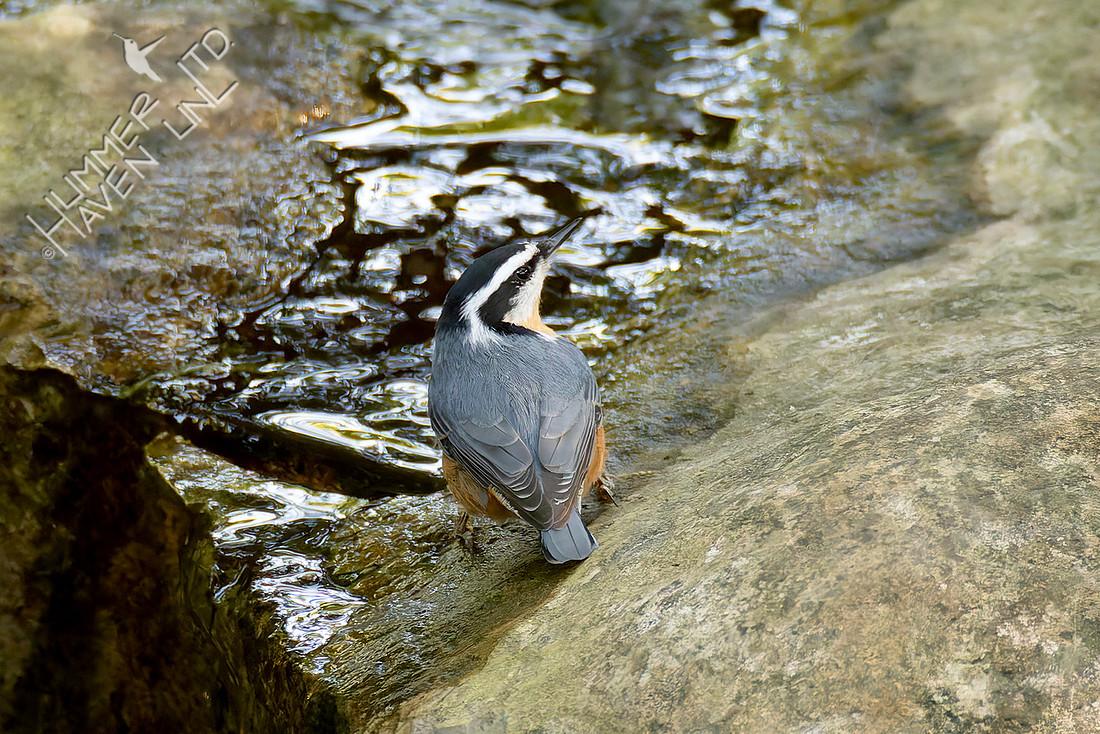
While I was fixing dinner on 9-2-25, I took a moment to check the bubbler and was thrilled to see a Red-breasted Nuthatch. We haven't had one around since fall of 2023. This looks to be an irruption year for this species, yay!
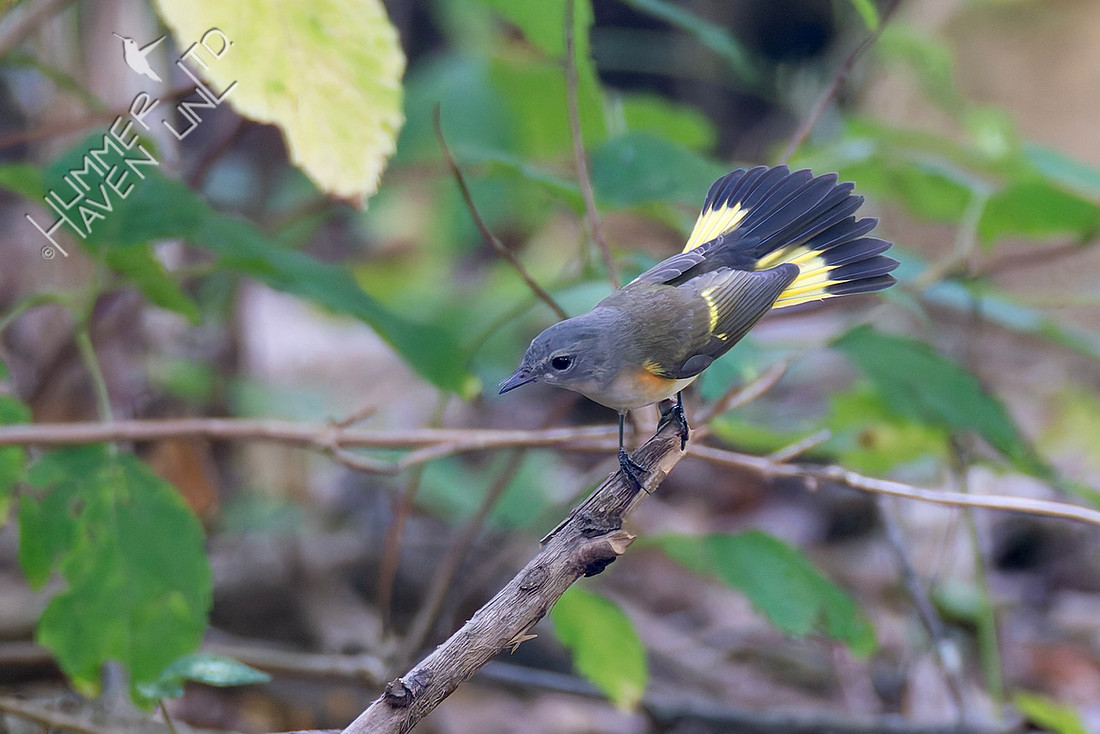
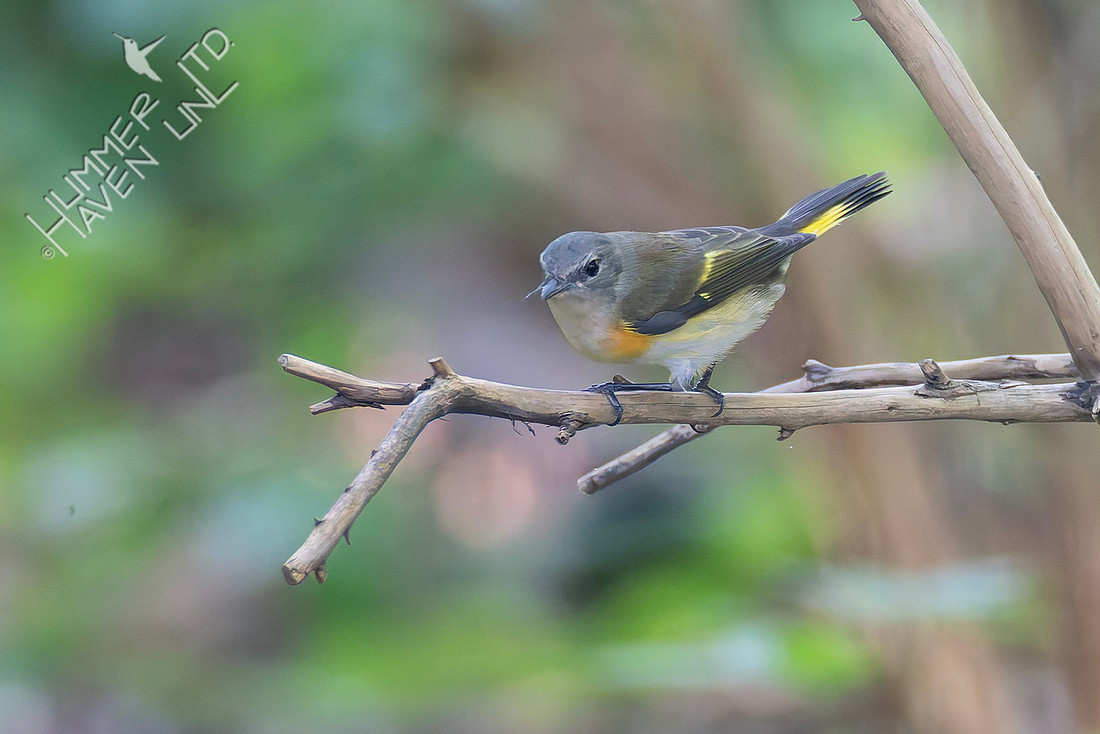
American Redstarts have come in to drink and bathe. This is a first fall male.
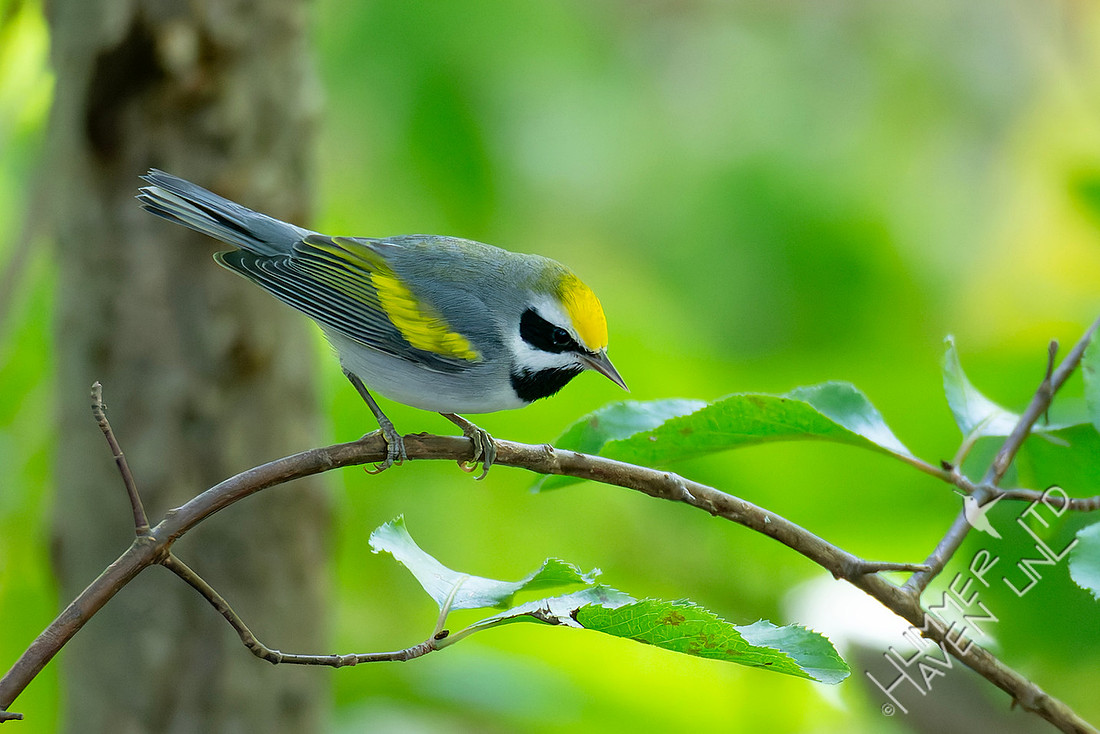
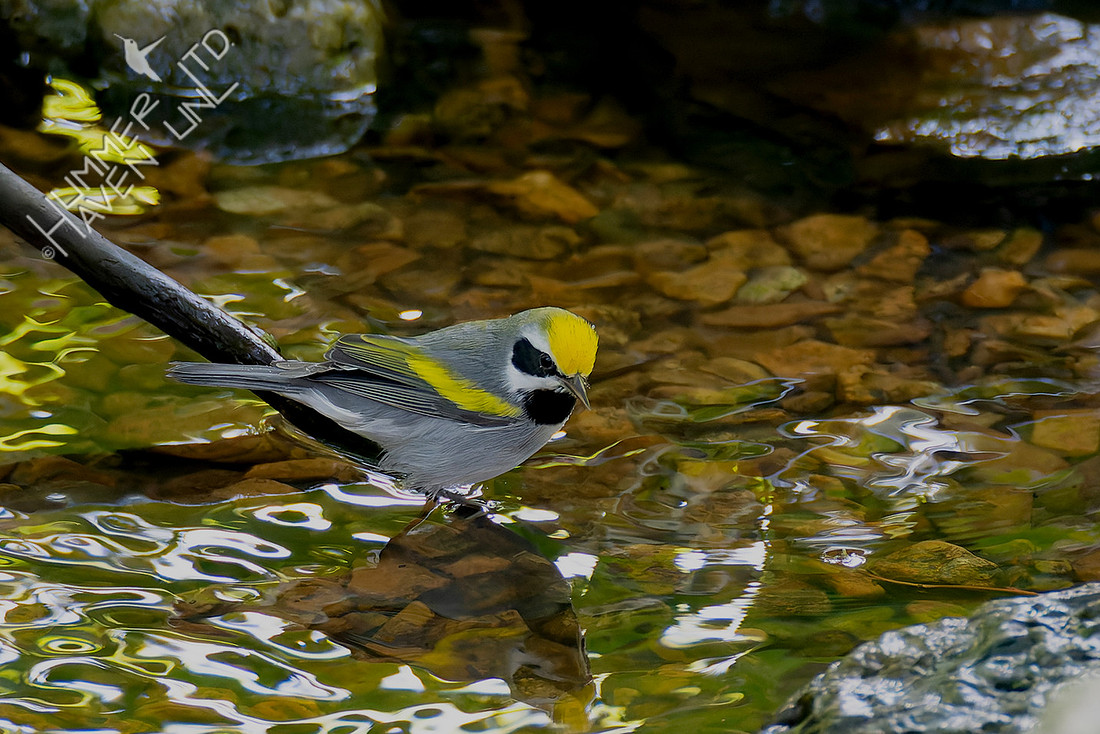
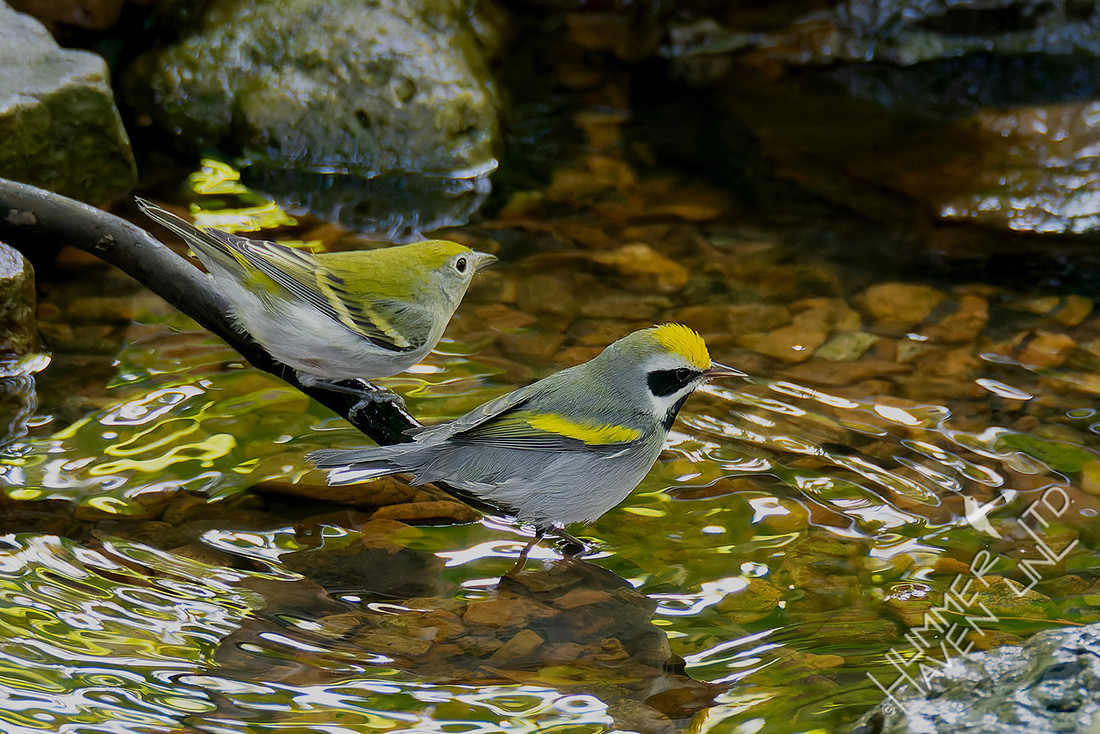
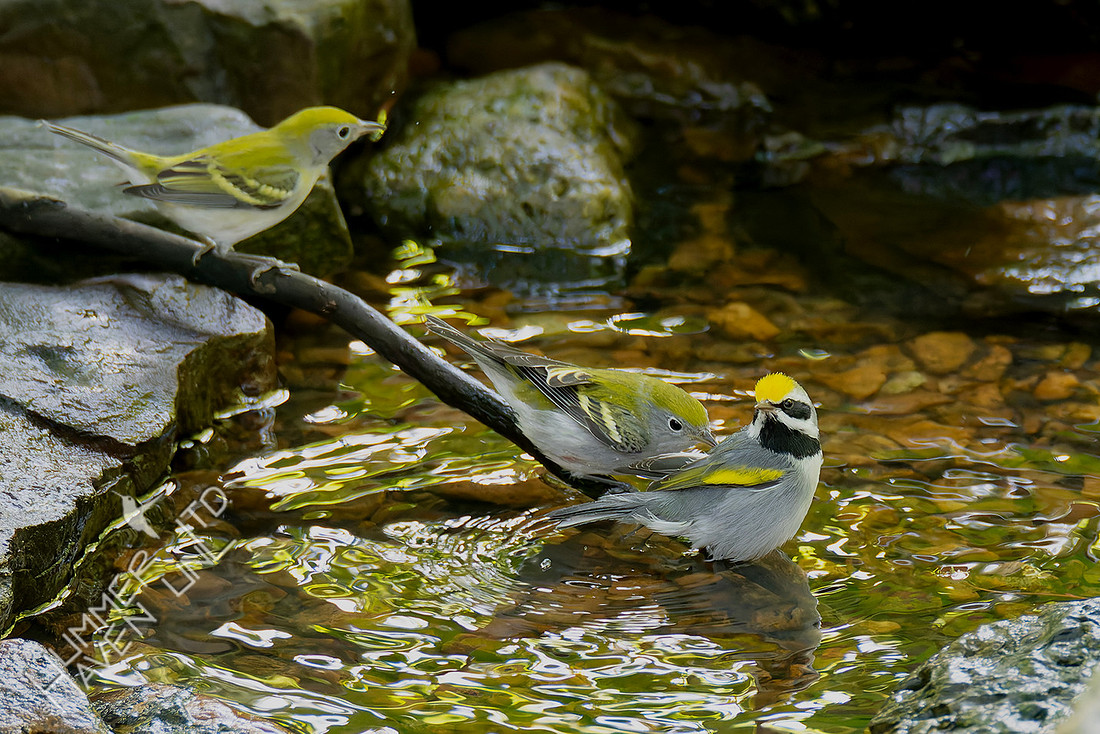
Golden-winged Warblers are around, often followed by the Chestnut-sided Warblers.
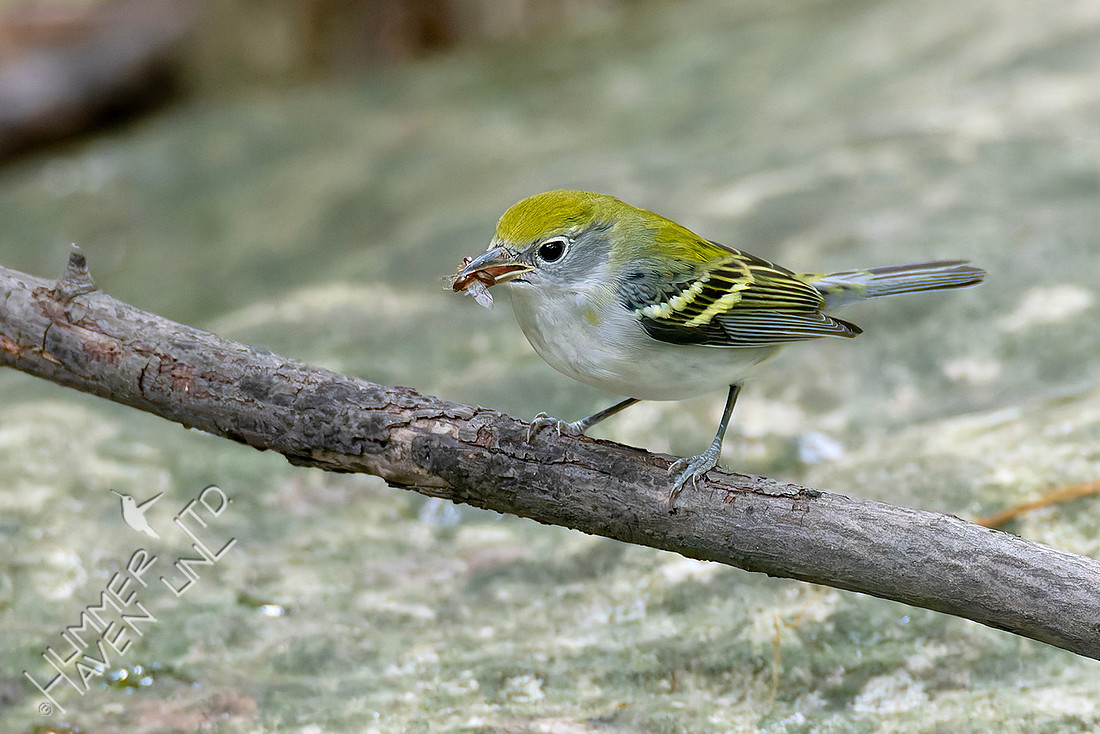
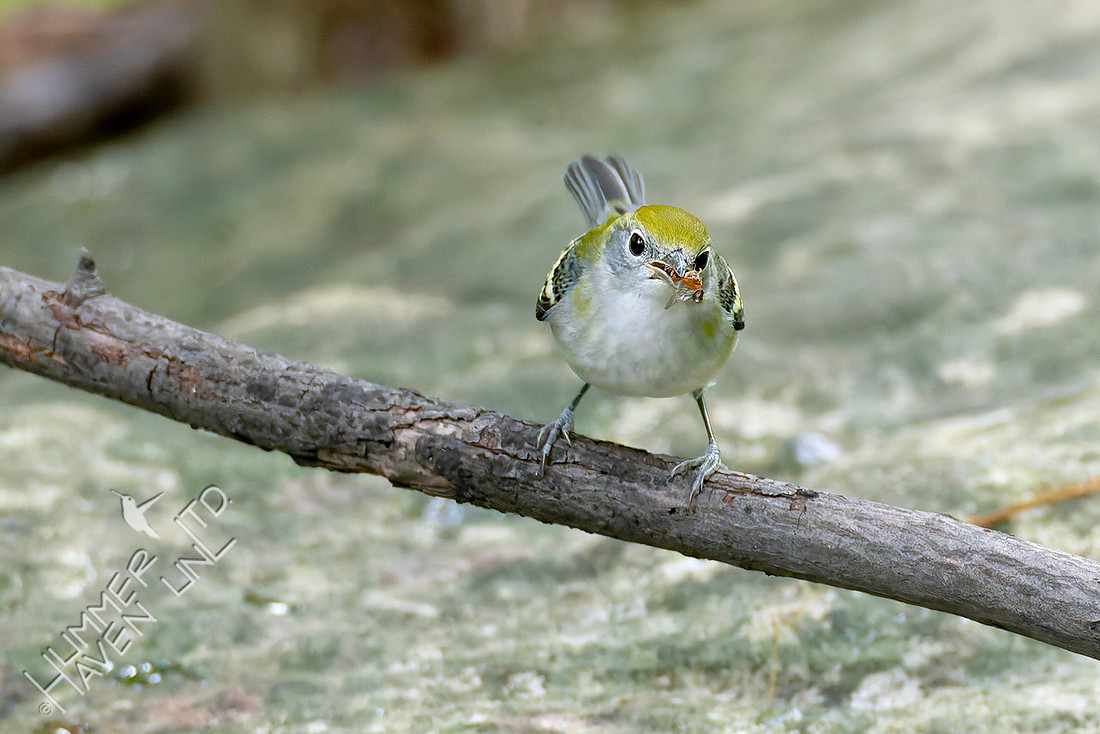
This Chestnut-sided caught an insect just before it perched.
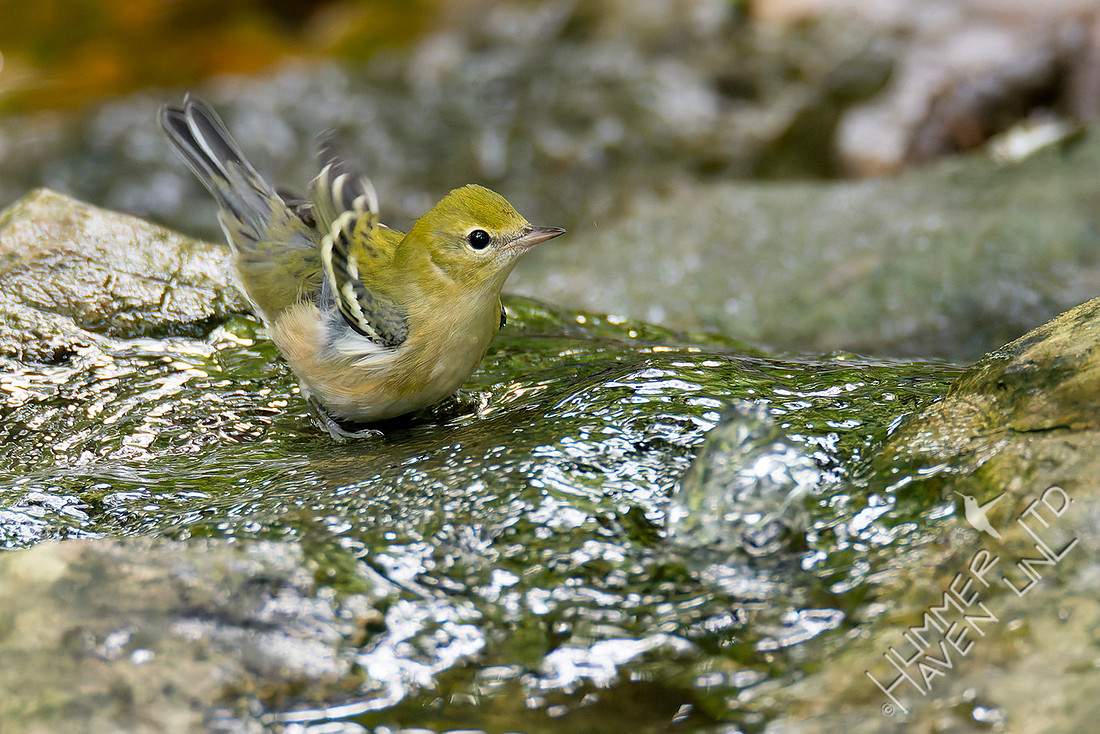
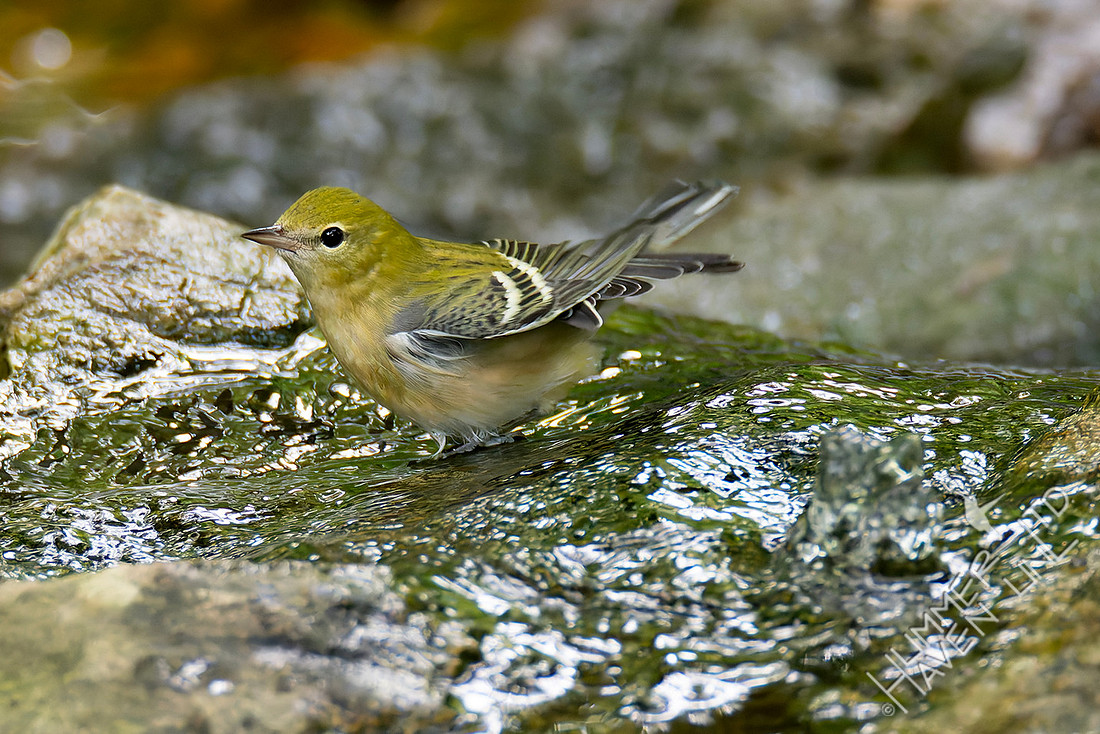
Bay-breasted Warblers look dull compared to their spring plumage, but always beautiful to behold.
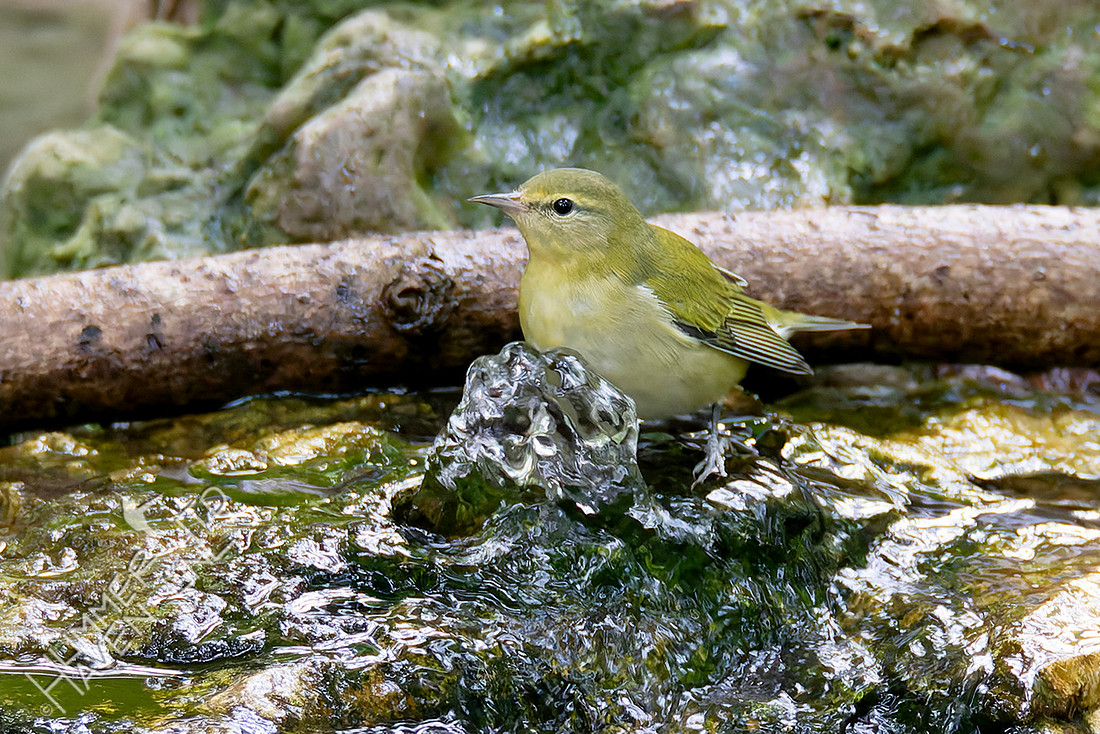
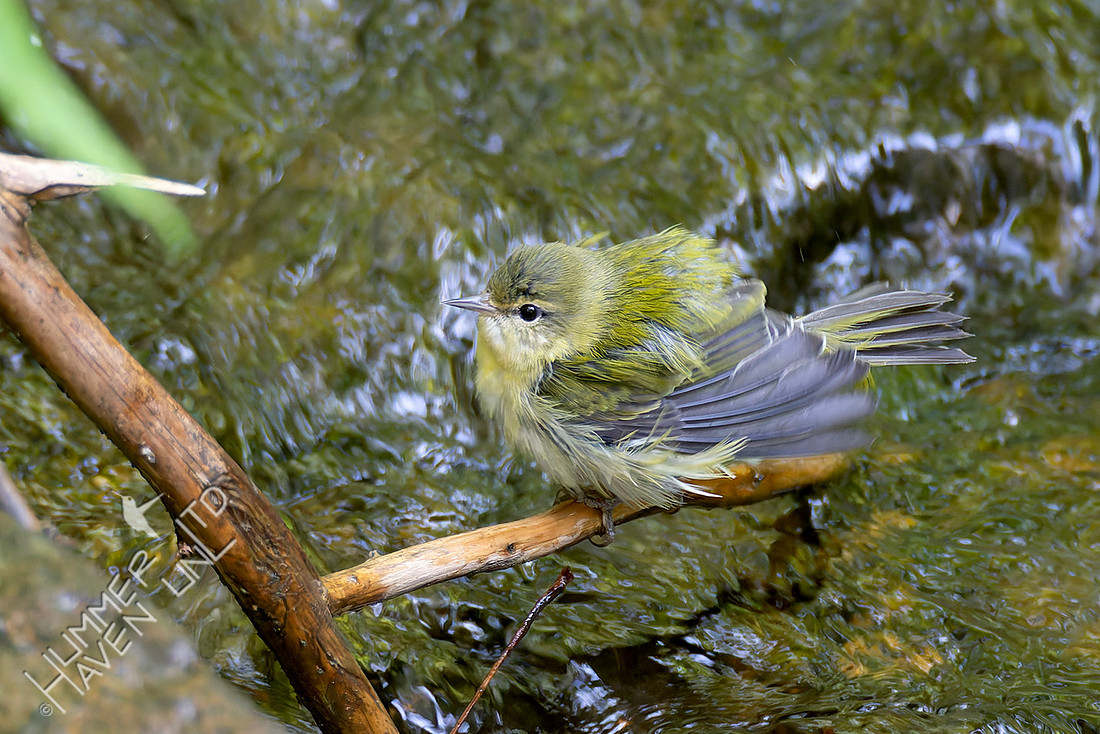
Tennessee Warblers love the water, whether at the bubbler or the stream bed.
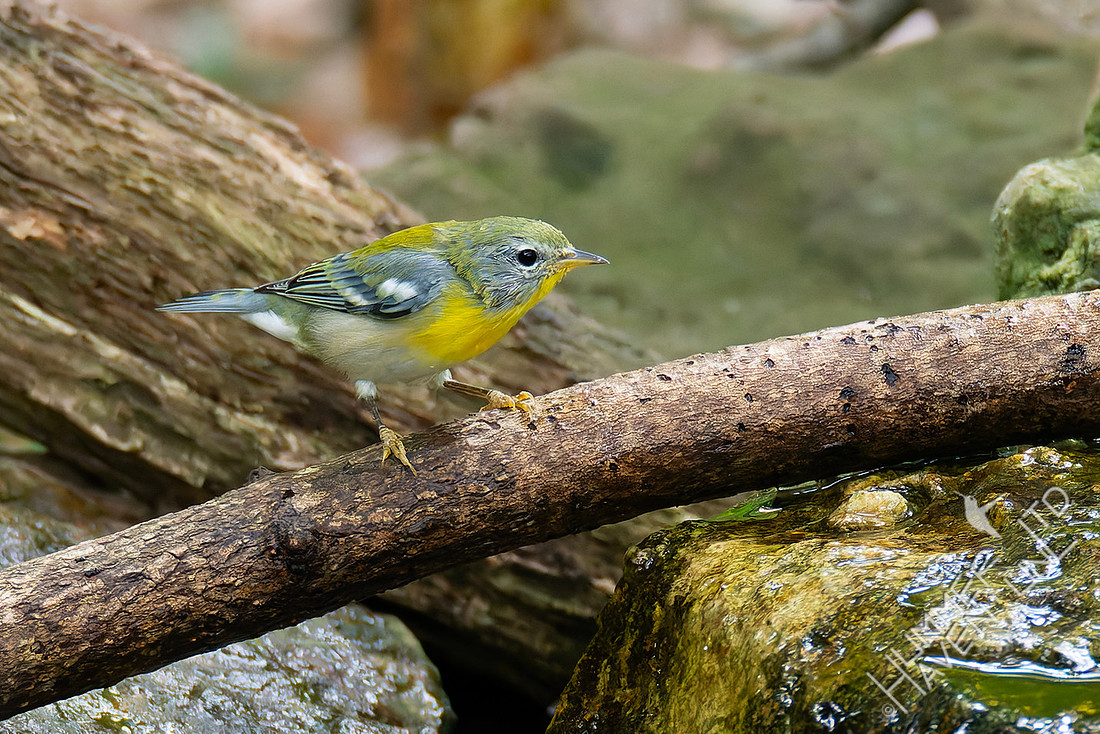
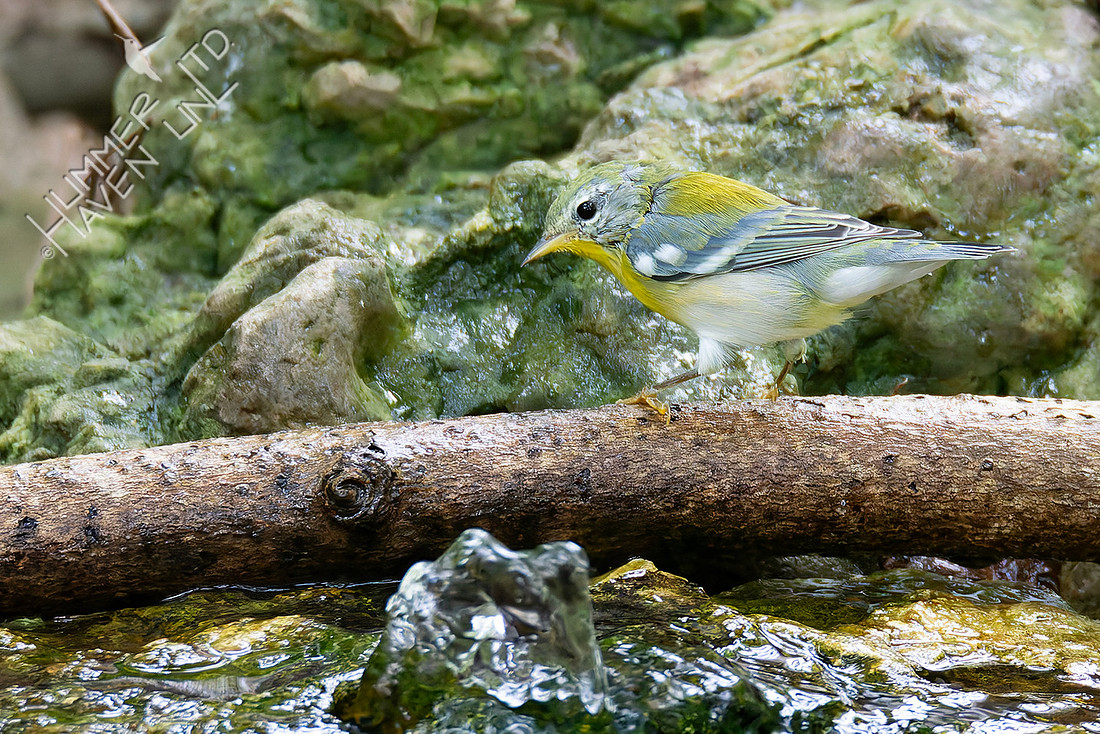
A Northern Parula in bright transitional plumage visited the bubbler.
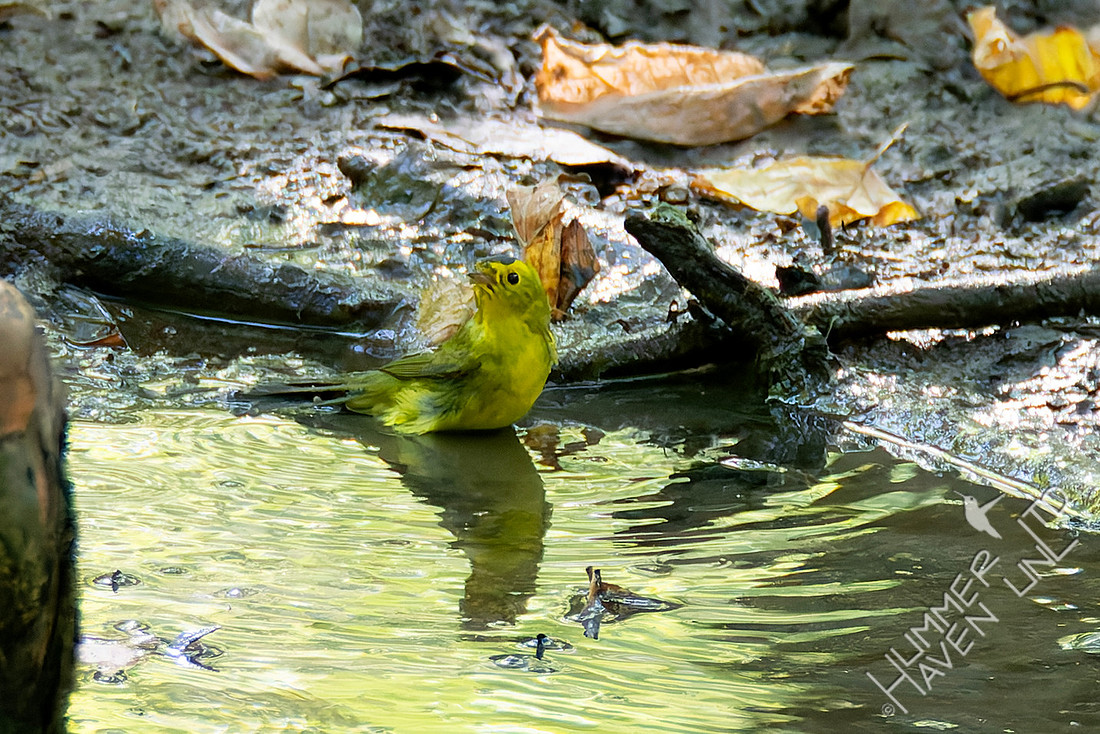
A Wilson's Warbler opted for the sump puddle to bathe in.
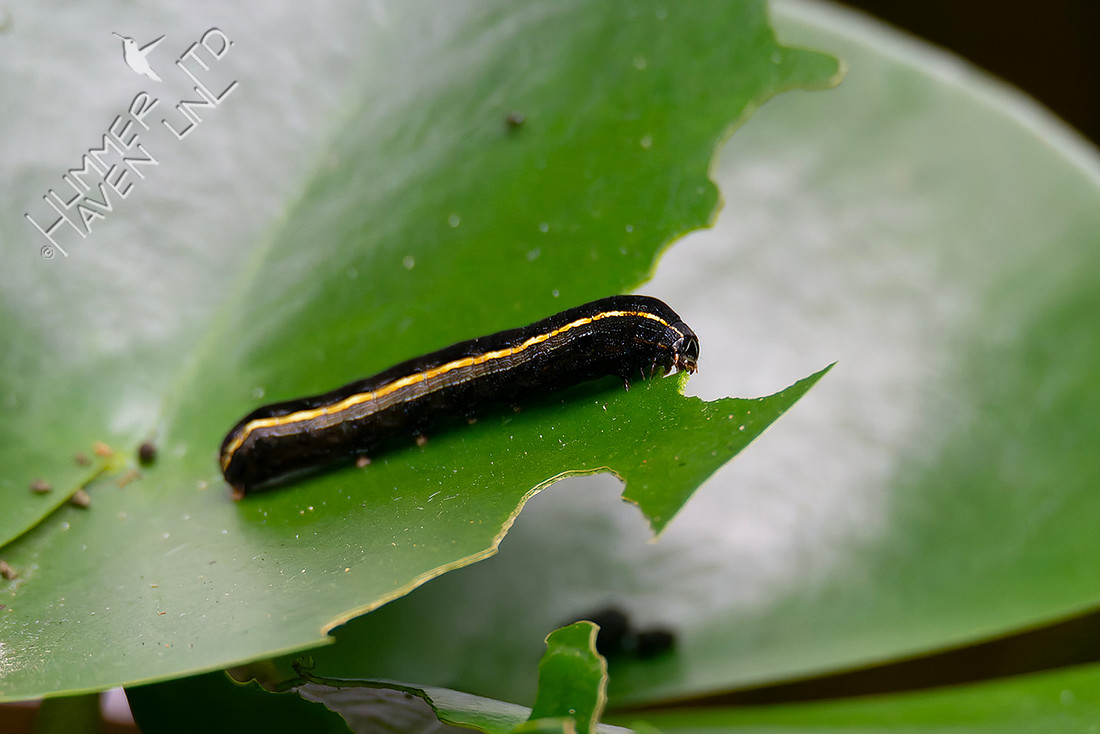 Today, we went down to the pond to feed the fish and I spotted this black caterpillar on the water lily leaf (Nymphaea odorata). This is a native plant that is host to four different moth caterpillars, and this is the first time we've seen a caterpillar munching on it! First I went to the NWF Plant Finder page for the water lily and it showed the four caterpillar species. This one is the larva of the Yellow-striped Armyworm Moth (Spodoptera ornithogalli). It will feed on 24 other native trees and plants, too. I do wonder where it will go to pupate?
As always, I feel so fortunate to be able to share these discoveries.
Happy Fall Migration!
August highlights 8-25-25
This post will be a bit lean due to internet issues we had mid-month.
All is now resolved, so the next post will be up to my usual standards!
August is a month of transition!
Young birds are learning the ropes, migrants are beginning to move
and there's always something new to notice in our sanctuary.
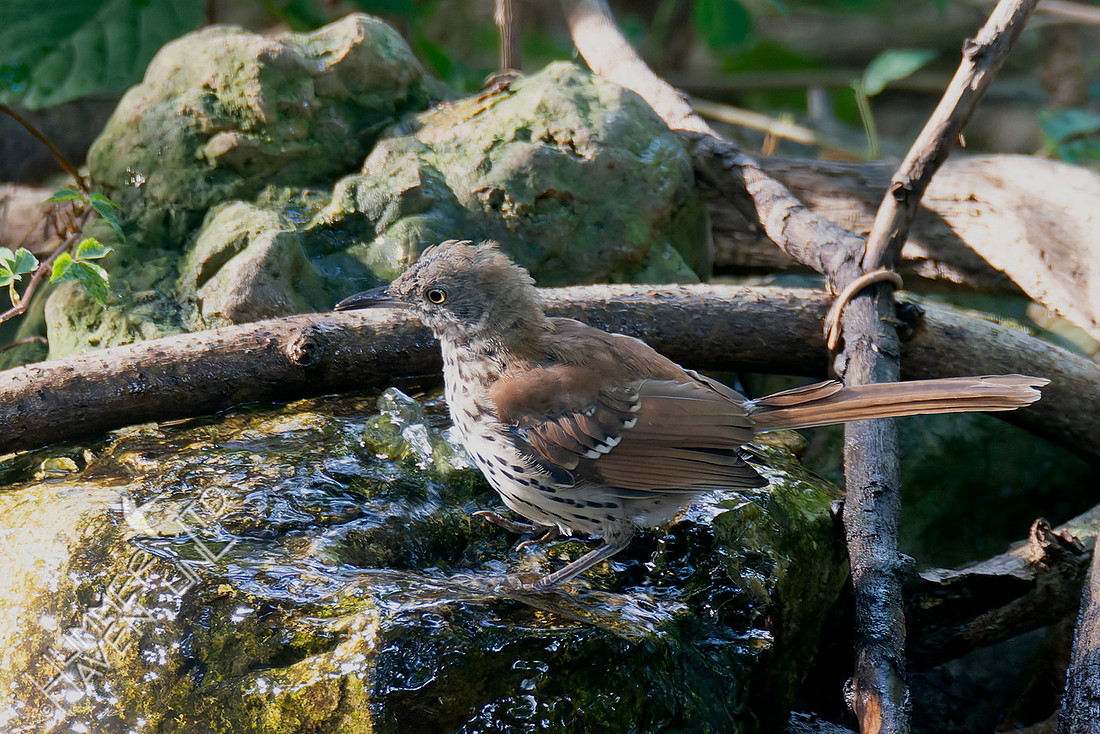
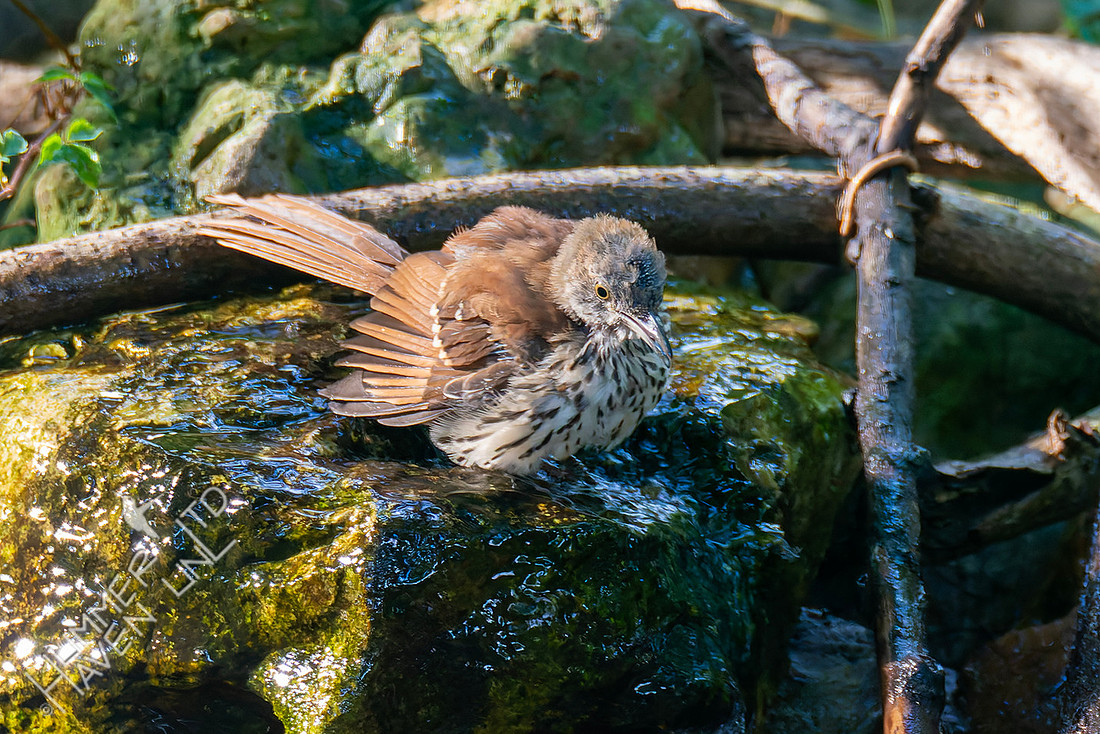
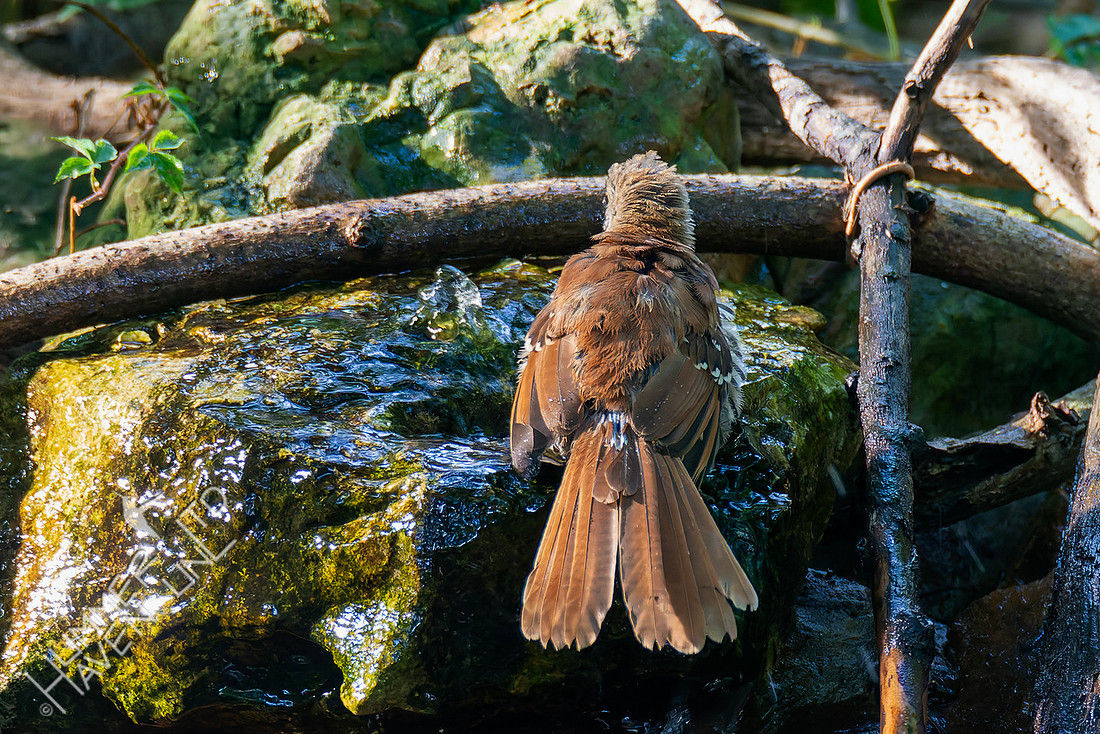
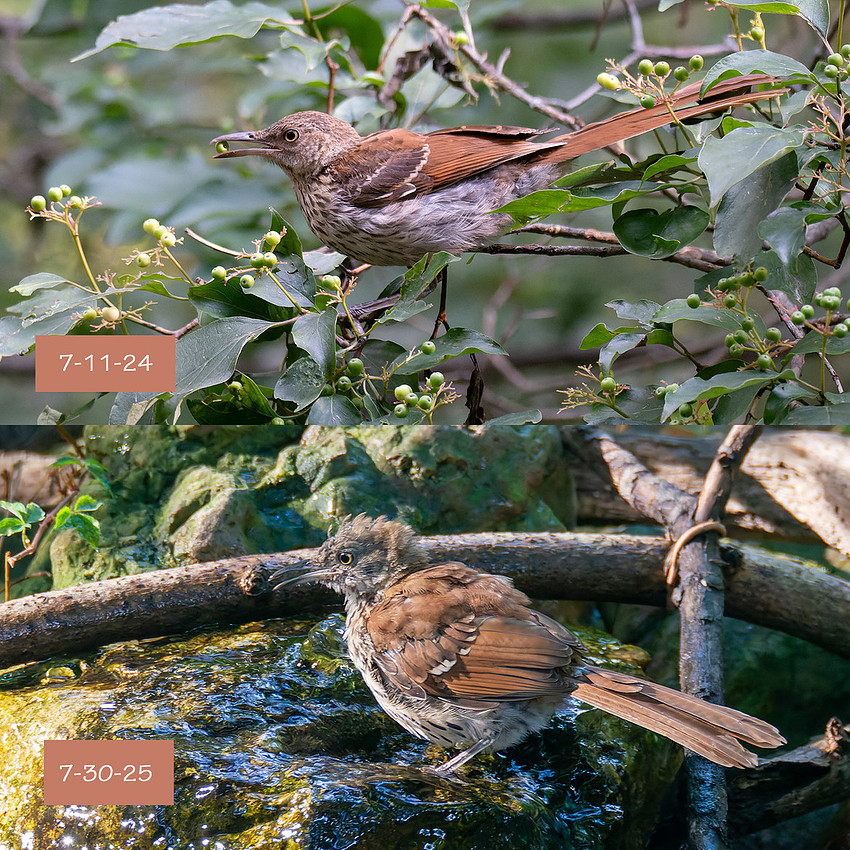
For the second year, a young Brown Thrasher has been documented here. He wasn't fuzzy, was he?
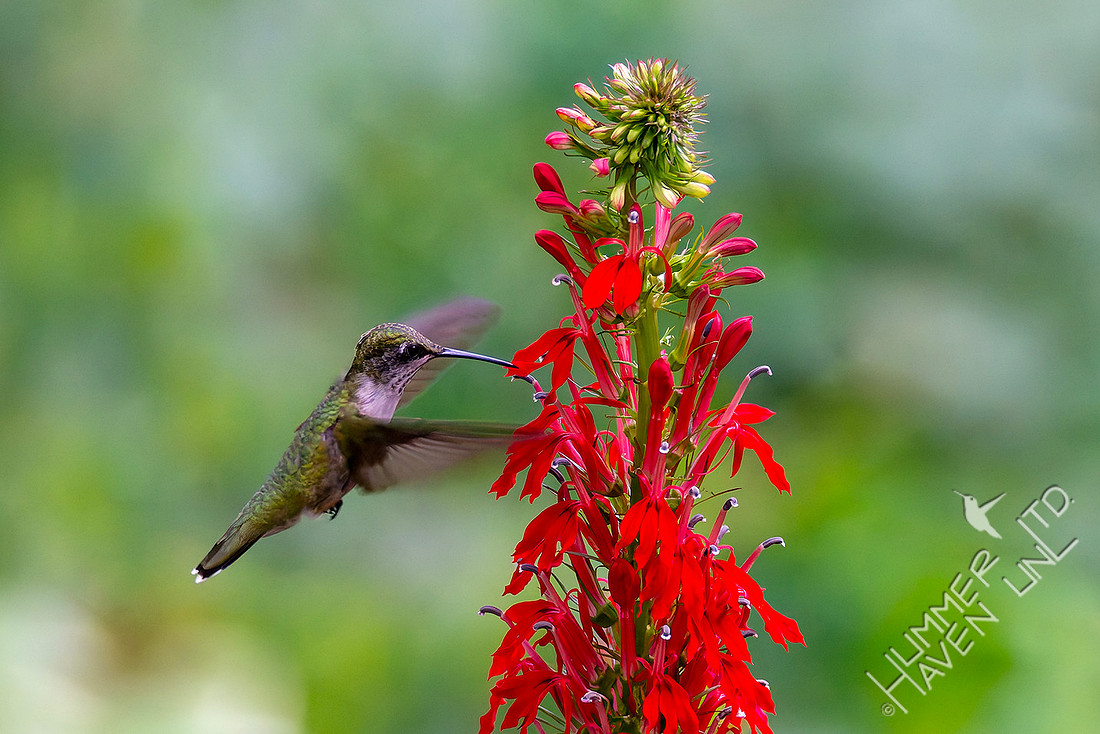
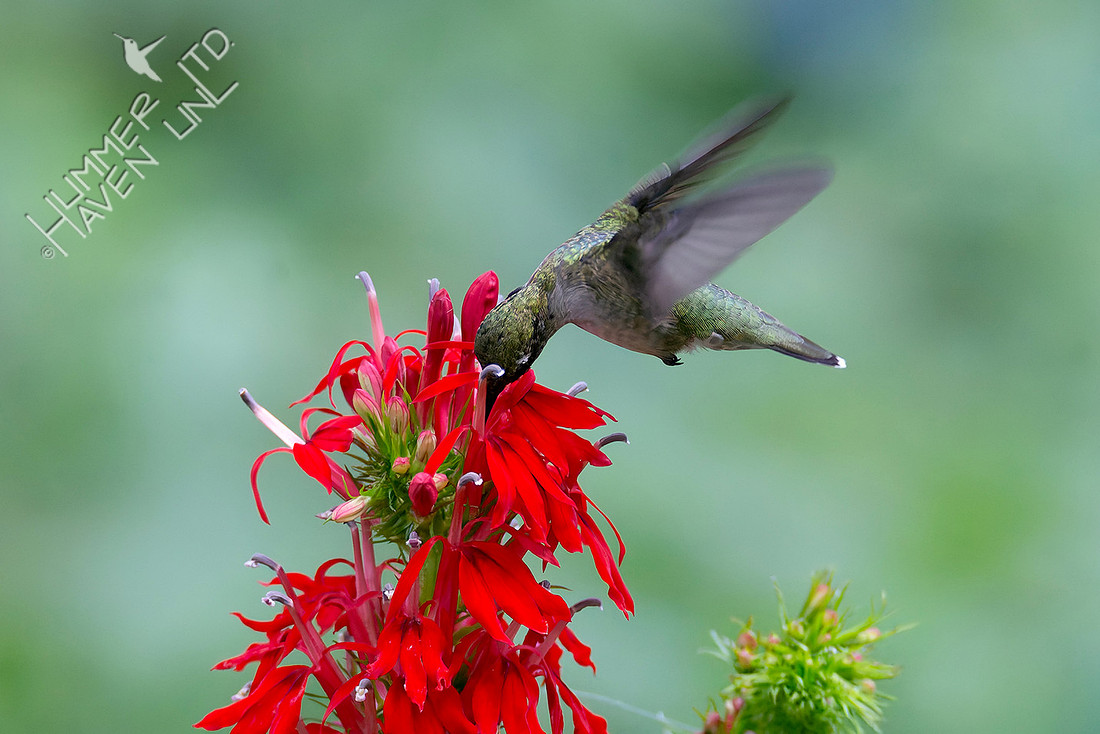
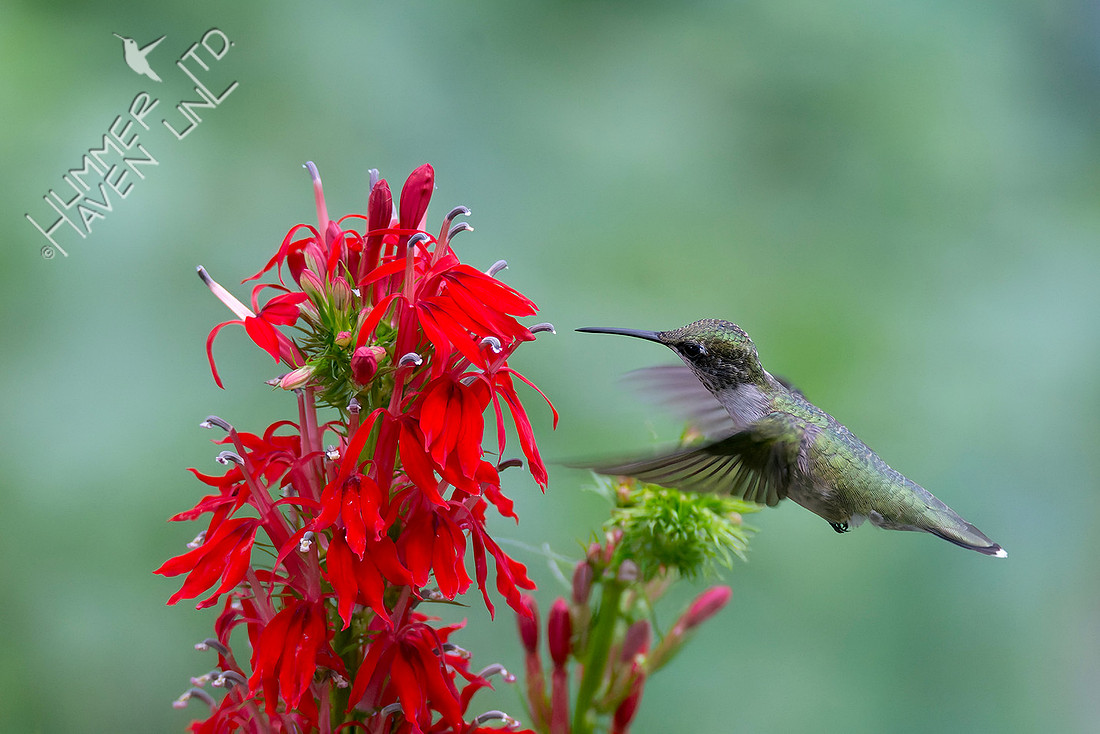
The Cardinal flower (Lobelia cardinals) has again been popular with the Ruby-throated Hummingbirds. There is a lot more to the story this year. We've covered other pollinators in an earlier post, so keep on reading for another discovery about this wonderful native plant.
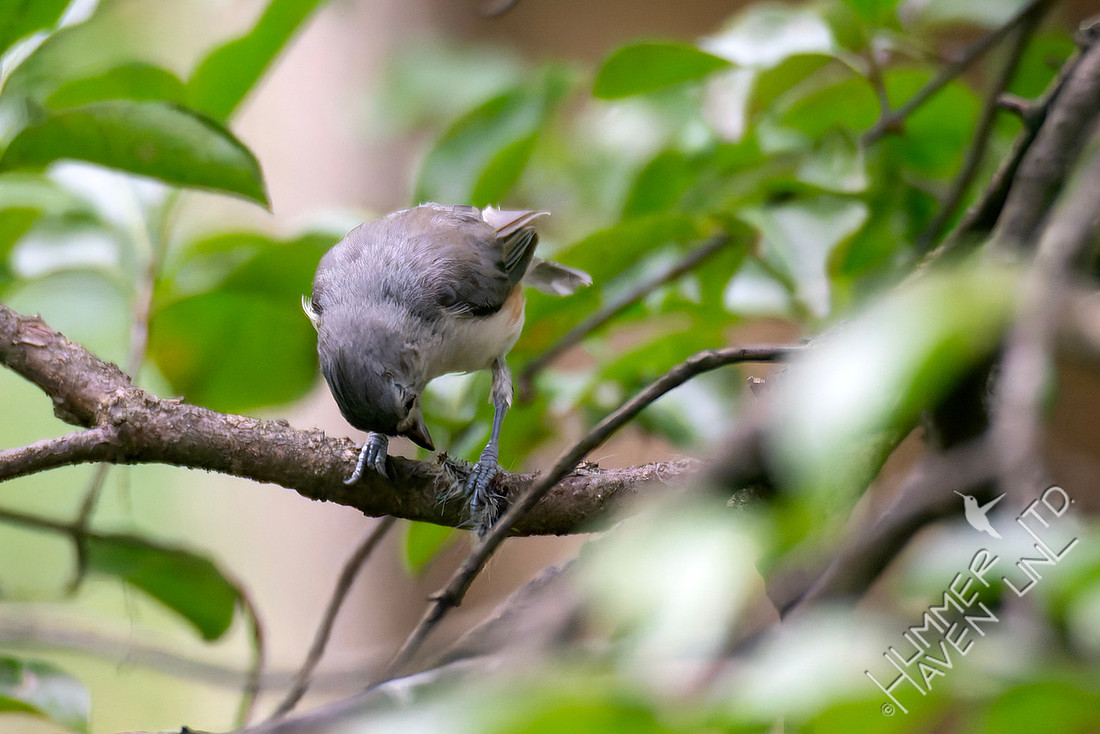
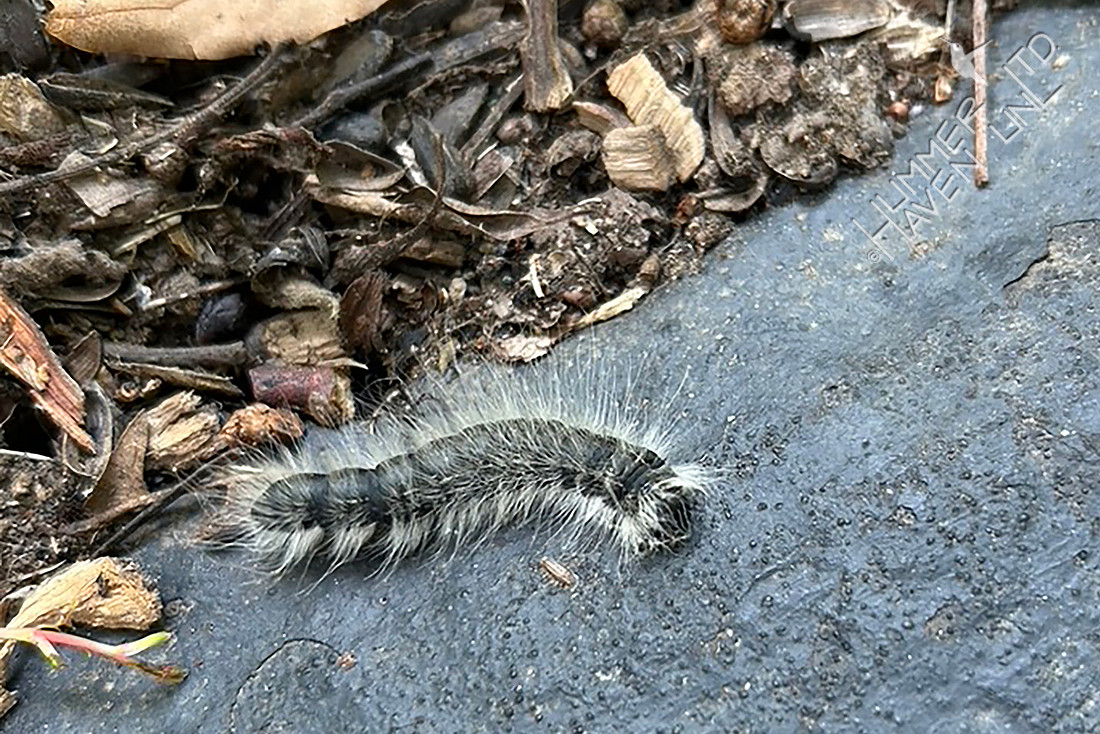
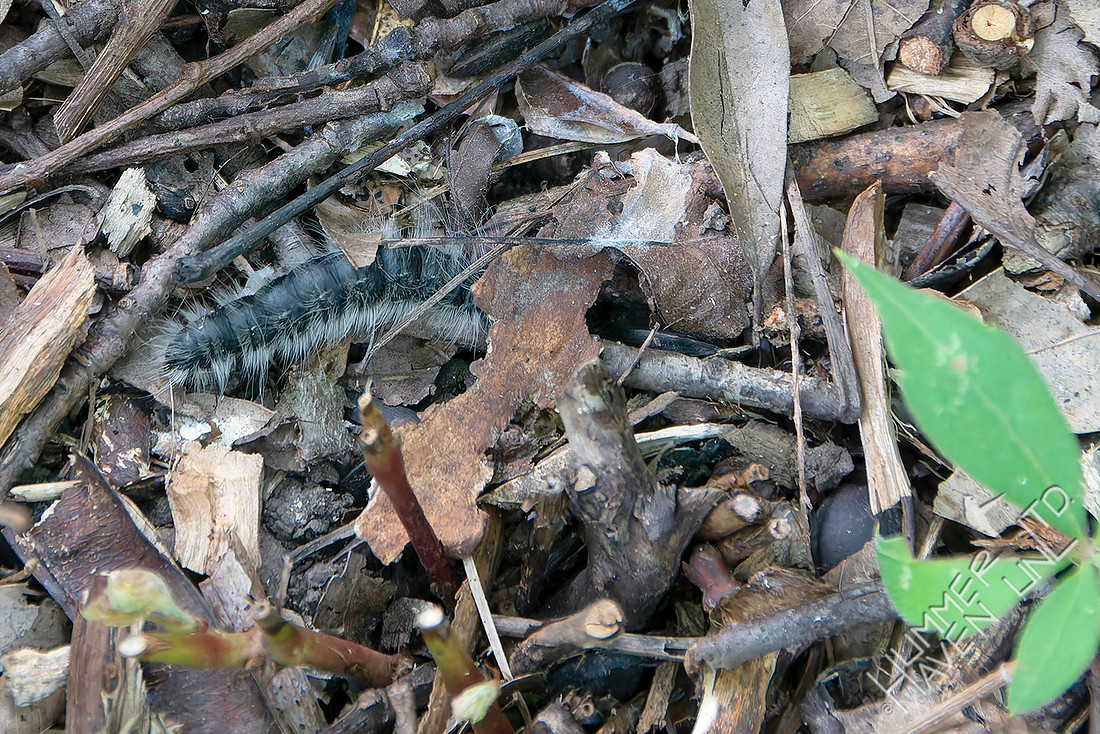
Did you know that butterfly caterpillars are bad tasting to birds? There are 19-20 times more moths than butterflies and entomologist Doug Tallamy has called moth caterpillars, "the meat and potatoes of the food web!" Here is a young Tufted Titmouse devouring a Laugher moth caterpillar. These caterpillars have come down from the trees, just looking to crawl into the 'soft landings' of leafy matter and plant debris so they can complete their life cycle. Some are bound to become essential bird food!
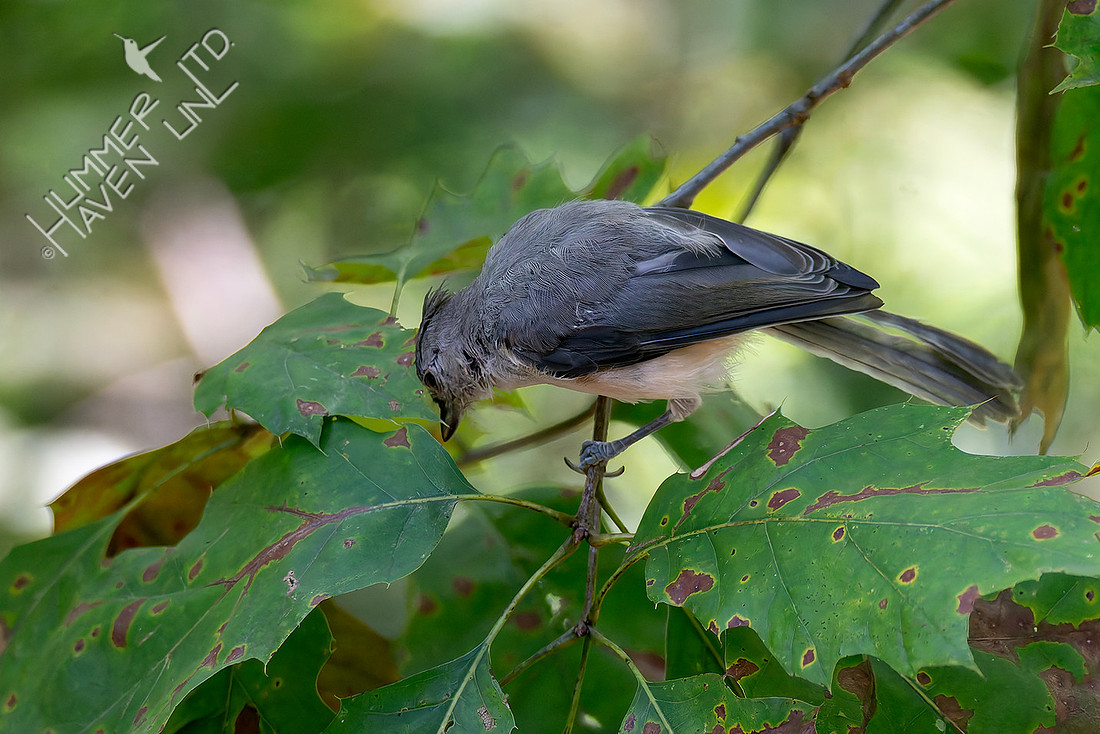
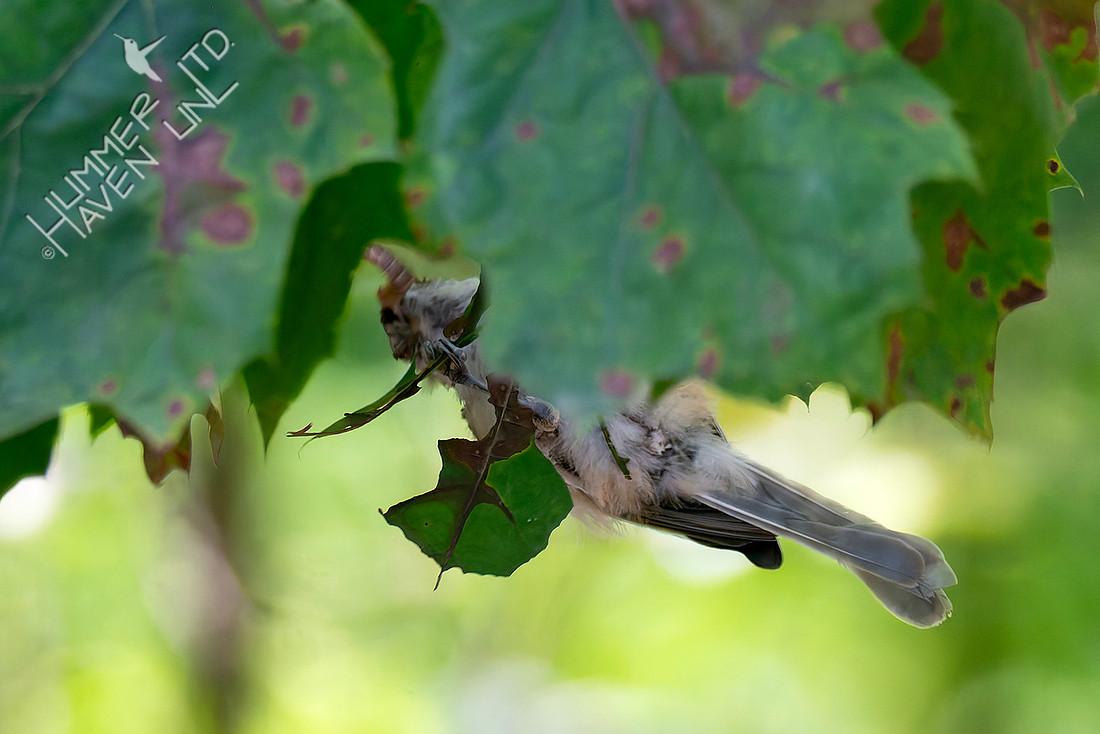
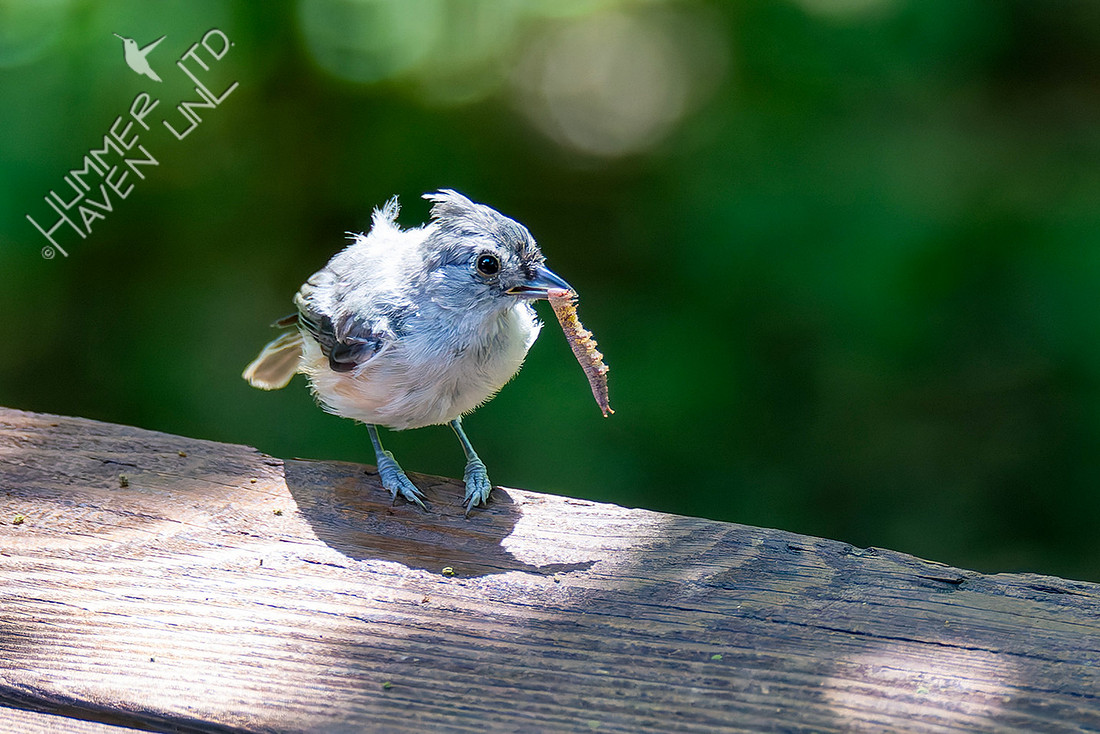
This titmouse found an unidentified moth caterpillar on our Chinquapin x Black Oak hybrid. The bird spied the caterpillar feeding on the leaf that had been hidden under larger leaves. Bingo! That's a nice meal for a young bird!
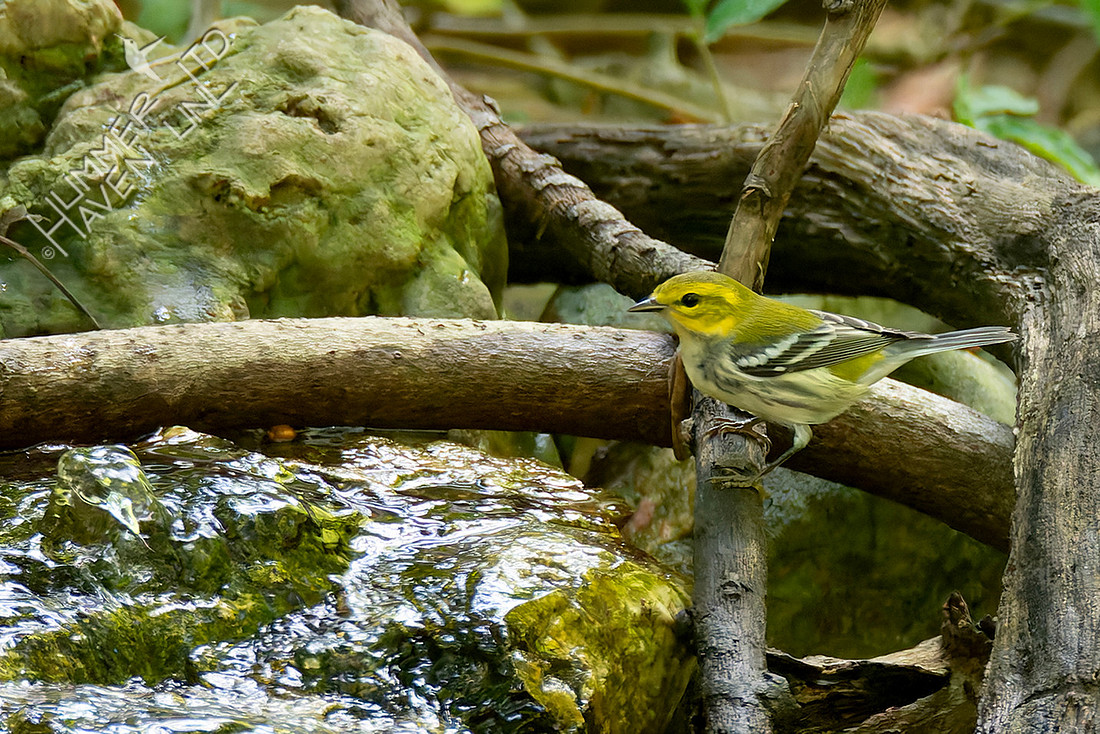
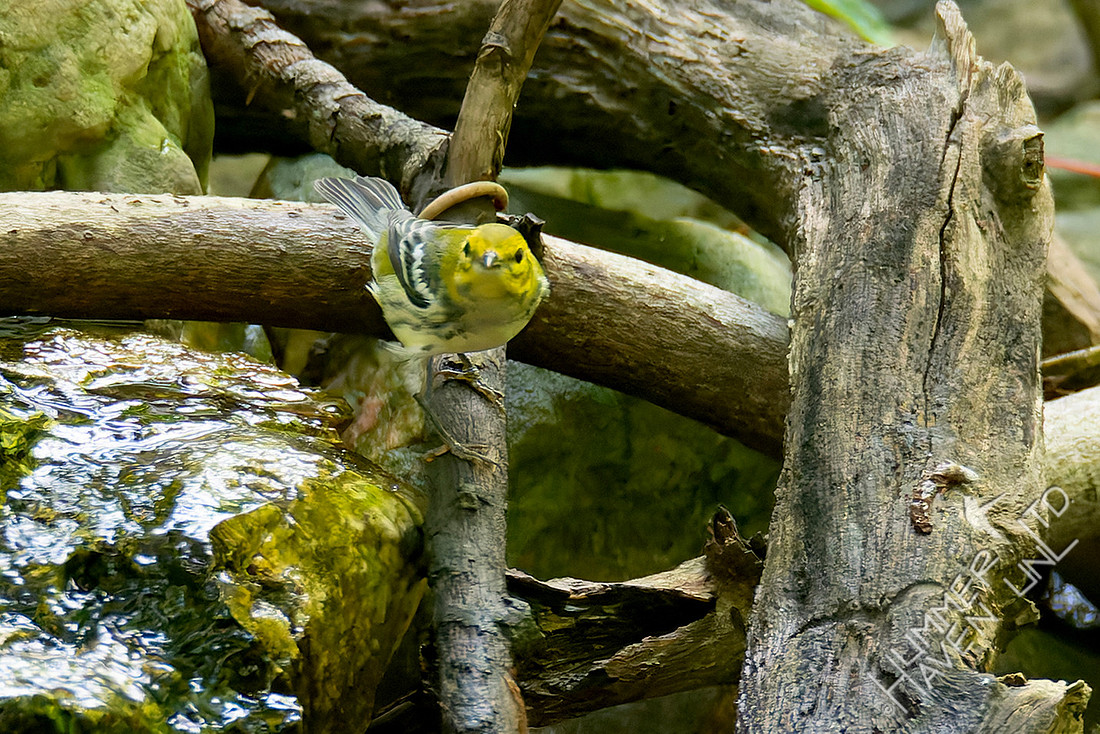
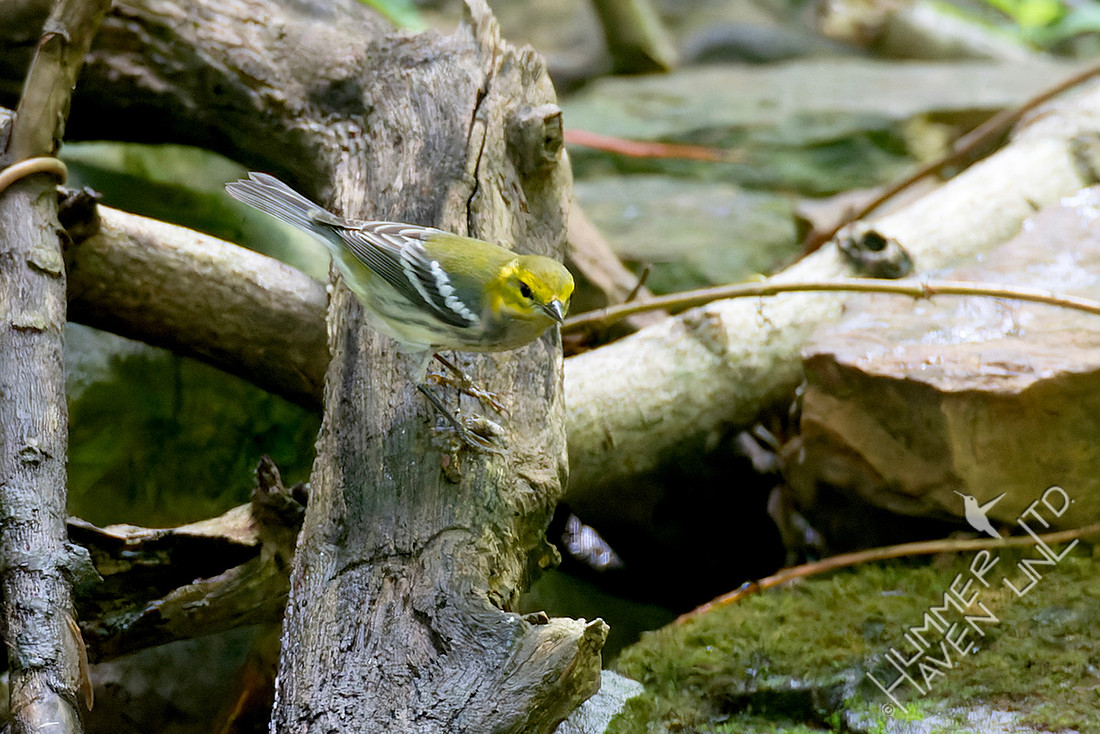
Migration began on 8-11-25 when this female Black-throated Green Warbler showed up at the bubbler. According to the information I found, it may be the second earliest date for this species in fall migration in Missouri. Will let you know when that is confirmed.
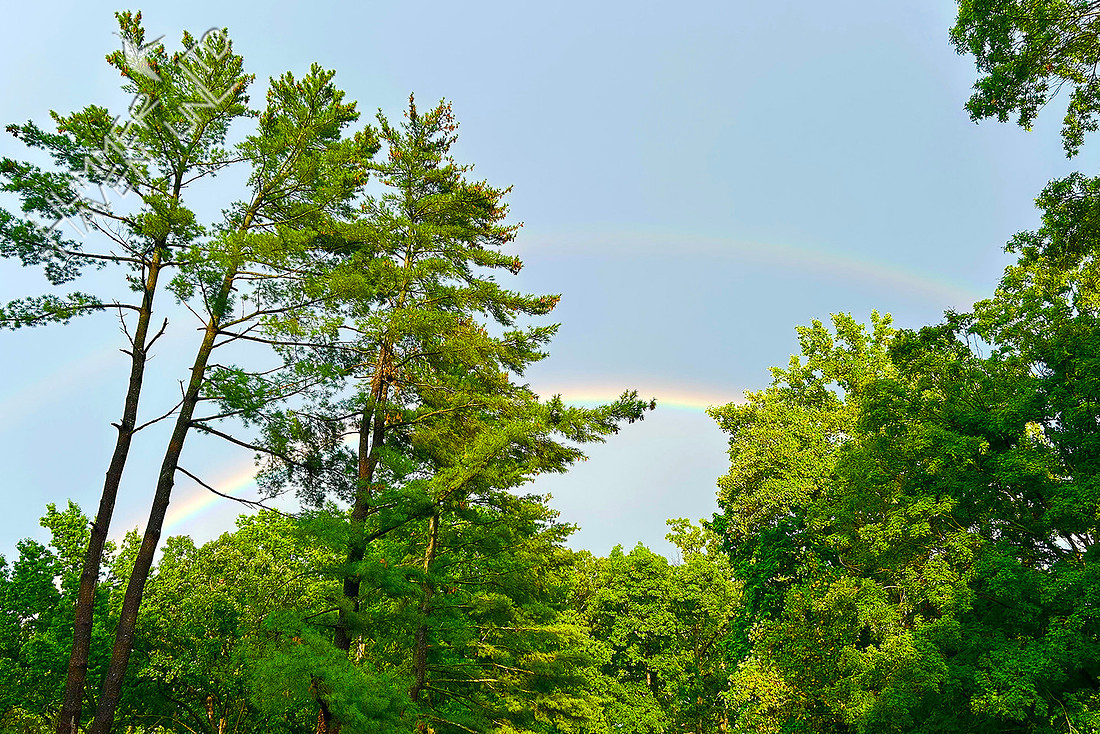
On 8-12-25, we had a double rainbow! Dan found it when the sun popped out amidst the raindrops and called me outside. Our neighbors joined us in amazement for the spectacle.
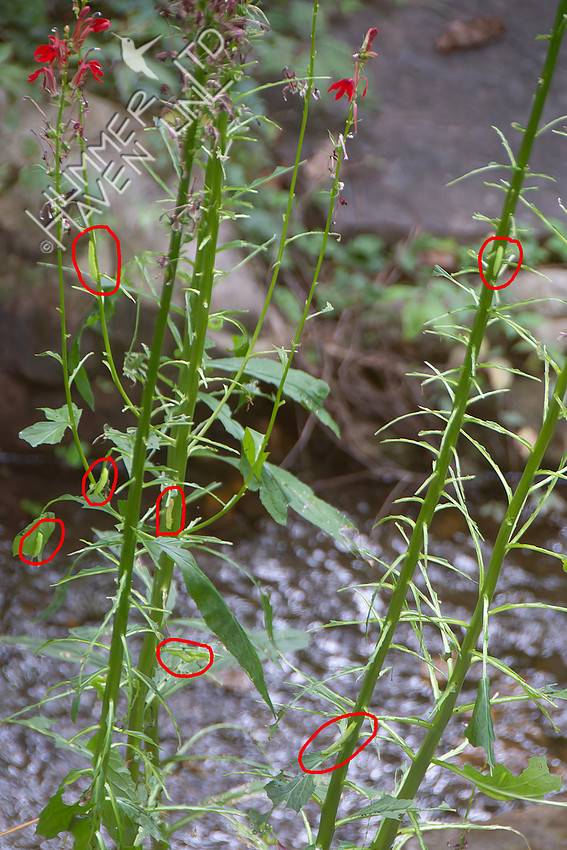
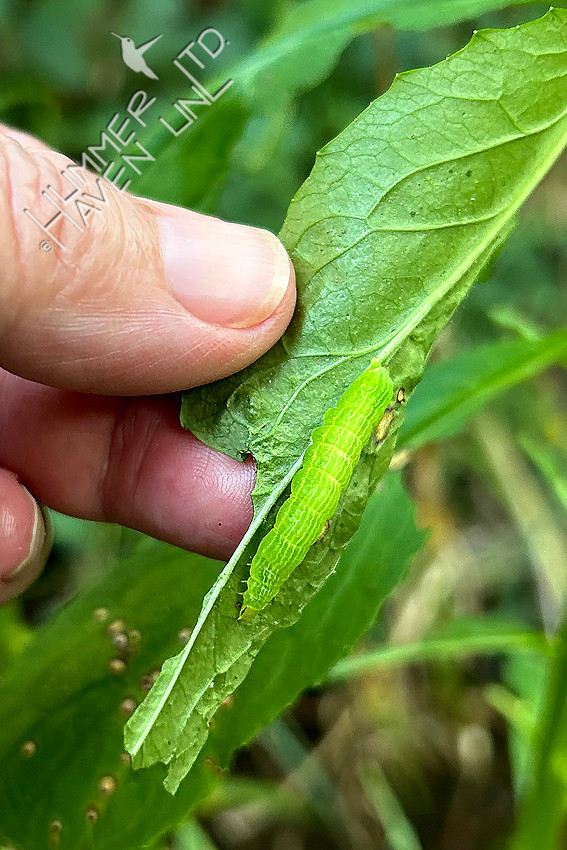
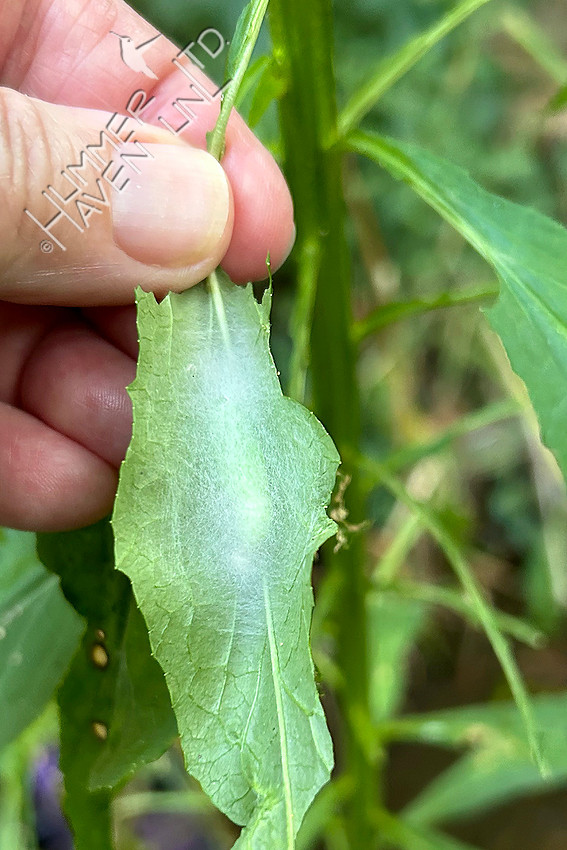
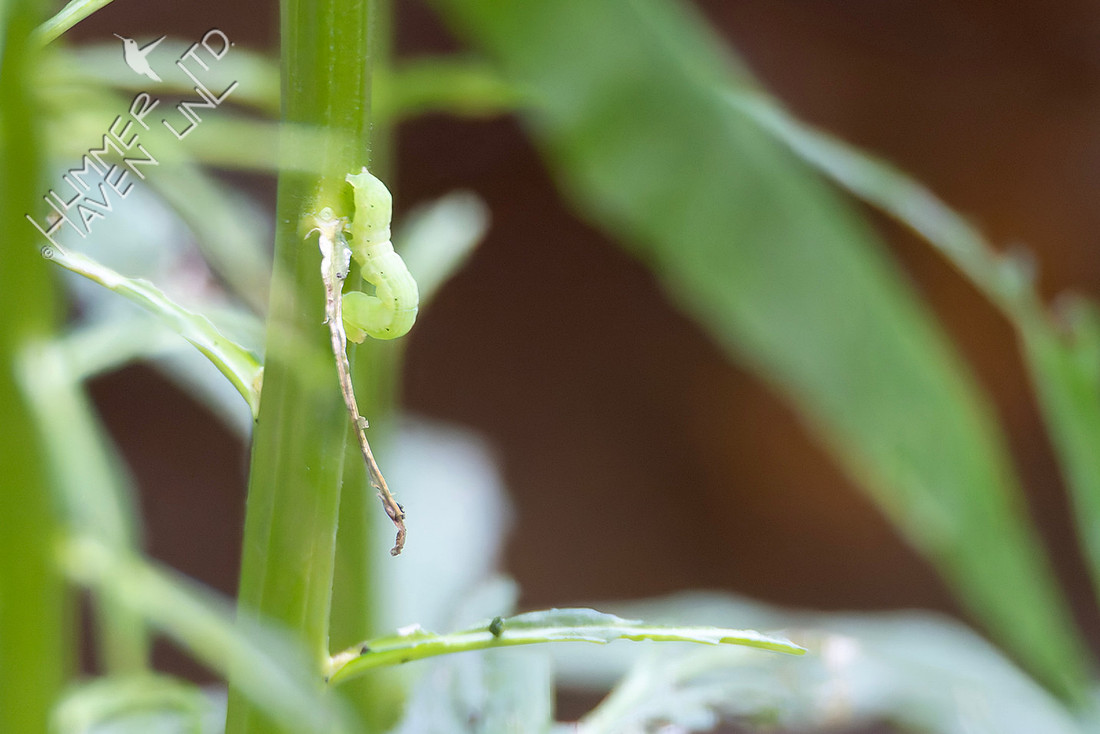
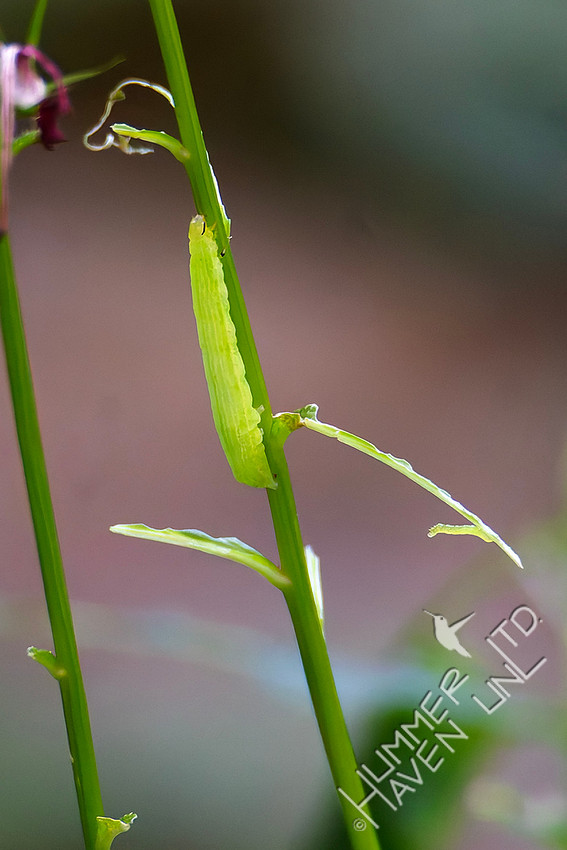
I looked out at the spikes of Cardinal flower on 8-16-25 and watched our resident male Northern Cardinal tugging something off a stem. I suddenly realized the leaves had been devoured! So I started looking for the reason, caterpillars! Of course, the cardinal was picking them off for its own meal. I had learned that there were three Lepidoptera that used Cardinal flower (Lobelia cardinals) as a host plant, but had not seen this activity before. Notice the tiny one on the lower right in the last photo. Thanks to my friend, Kathy Bildner for helping me out by identifying these caterpillars. They are known as the Pink-washed Looper Moth caterpillar (Enigmogramma basigera). Here is what this very cool moth looks like:
iNaturalist: Enigmogramma basigera
We have several more clumps of this plant out in the garden areas where they're surrounded by other native plants. With any luck, some of these caterpillars will survive and become moths to visit the plants again next year. This is the circle of Life.
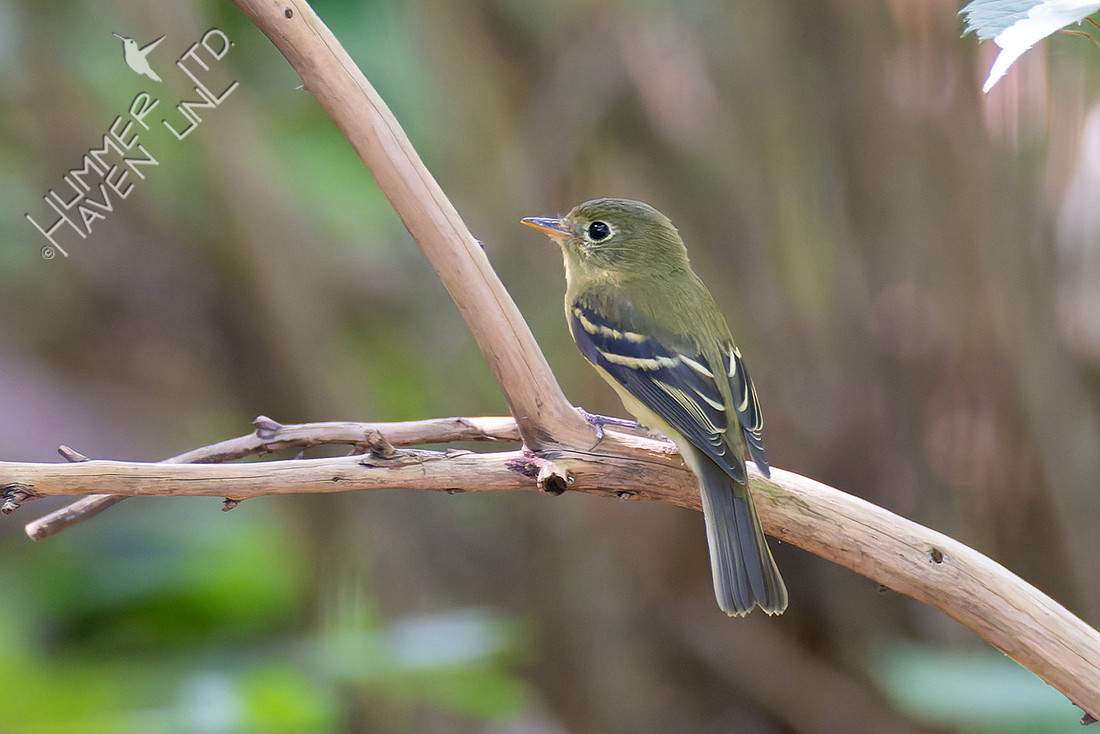
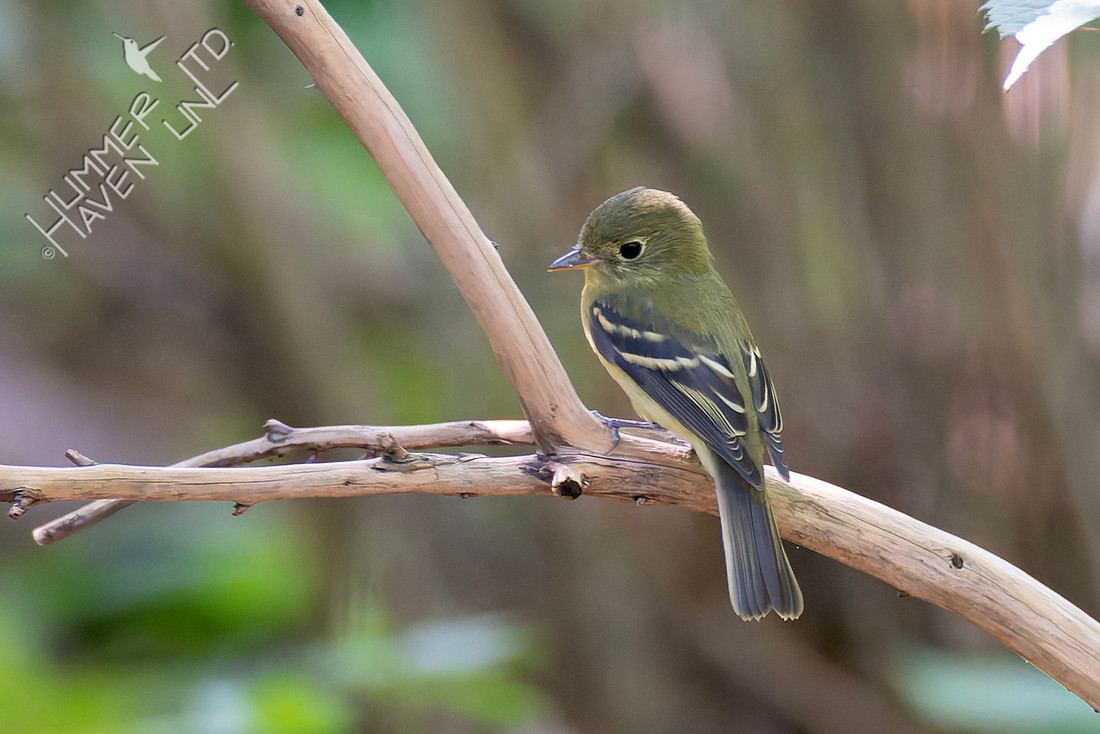
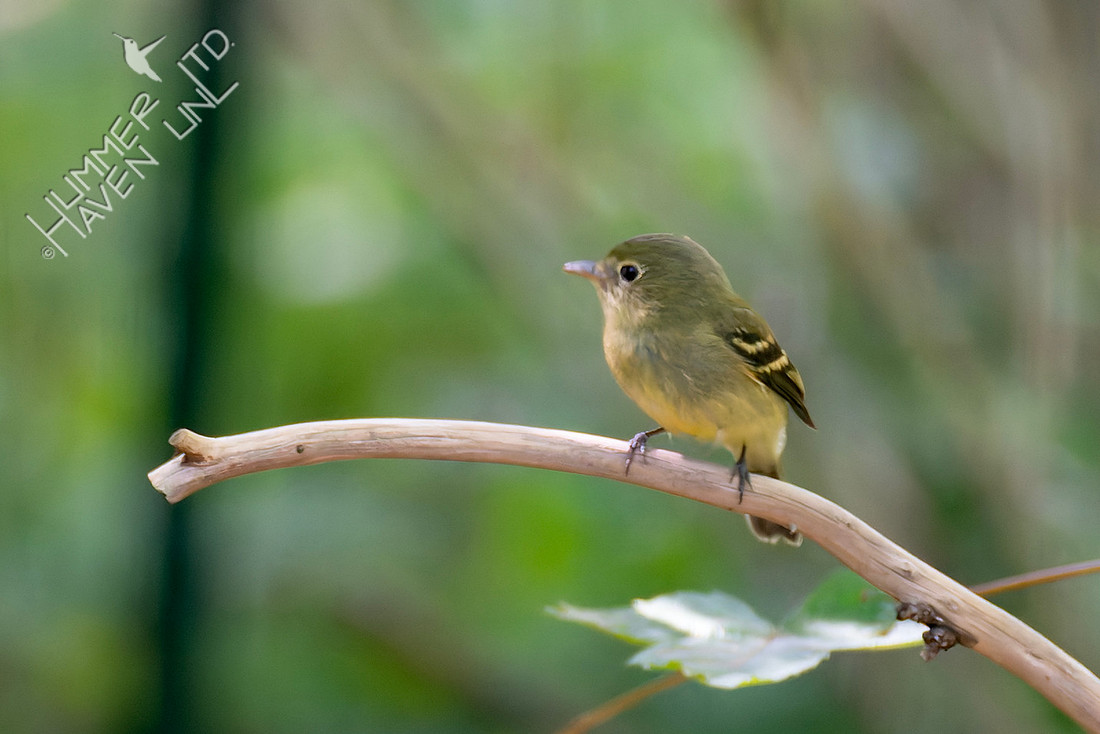
Another migrant that has been busy in the woodland for the past few days is the Yellow-bellied Flycatcher. It is considered an uncommon transient in eastern Missouri, and they do show up here in spring and fall quite regularly. They are busy little birds and don't sit long! So many insects, so little time...
Migration is really picking up with over a million birds overhead
on several nights already with the cool front.
Enjoy the lovely change in the weather!
Lazy days in July 7-29-25
How to stay cool when it's so hot?
The birds have some ways and they involve berries, water and nectar.

We have several clumps of small Rough-leaf Dogwood trees. They are all volunteers, growing as conditions allowed and have been beneficial plants for many reasons. They provide twiggy cover through the seasons for insects and birds. Pine Siskins shelter in them in the winter, warblers like this Yellow Warbler find insect food in these dogwoods in spring and fall. And insect predators like the Praying Mantis also hunt for food in their branches.

Rough-leaf Dogwoods are host plants for 94 species of Lepidoptera, mostly moths. Red-spotted Purple butterflies nectar at the tiny flowers. Caterpillars of all sizes are seen on the leaves, from tiny green inchworms to the Laugher moth caterpillar. Birds like the Gray Catbird eat the berries and small birds like the Ruby-crowned Kinglet search for tiny insect and caterpillar food during migration.


With the abundant rain this spring, all of these mid-canopy trees flowered well. They are now bearing fruit which will continue to ripen from green to creamy white, feeding birds into October.


American Robins and Eastern Bluebirds come in numbers to feast on the fruit. Vireos, flycatchers, woodpeckers, and other species will also take the berries. They each have their methods, too. Robins will creep way out on a stem to grab the tastiest ones. Some prefer the 'grab one on the fly' method. Squirrels will often break off a stem and eat a clump.


The bubbler offers its own refreshment in the form of cool water to splash in or to drink. How did that little Phoebe catch a pearly drop of water?


The Gray Catbirds have made the visit to the bubbler part of their daily ritual.

For the first time this summer, a young Great Crested Flycatcher was seen looking around for an insect to chase. The yellow hinge or 'gape' of its mandibles can be seen, indicating an immature bird.


Ruby-throated Hummingbird numbers are starting to tick upwards as young birds venture into the yard. They are seen at the feeders and at the native flowering spotted jewelweed (Impatiens capensis) and Cardinal Flower (Lobelia cardinals).

The Ruby-throated Hummingbirds are the primary pollinators of the Cardinal Flower. As it moves in to drink nectar, pollen is deposited on its crown feathers. As you can see, this is a mutually beneficial match made in heaven! (Archive photo)
I spent some time watching other pollinators at this beautiful plant, thankfully, from inside.


To my surprise, a pure green sweat bee (Augochlora pura) came in to visit and get some pollen. It was my first time to see this bee at this plant. The flowers of the plant are quite complex in structure and they also entice other small pollinators. Check out these photos of the parts of the Cardinal Flower.

Tiny Syrphid flies visit the flowers, I've seen them often.

Wasps are also important pollinators of many of our native plants.

Not far from the Cardinal Flowers, a female Red Admiral butterfly perched on some Cliff Goldenrod (Solidago drummondii).

And last, but not least, a moth we've been seeing under the gazebo was photographed by Dan. At first, I thought it was a Banded Tiger Moth, But it has no light bands on its forewings, they mimic tree bark instead. After unsuccessful searches, the information feature on my phone directed me to Underwings (genus Catocala). Almost all of these moths have hindwings that are bright orange, red, yellow or pink with contrasting bold dark patterns. Read more about these moths in Missouri.
As I write this, it's 94 degrees here, but feels like 117 degrees!
Stay cool out there, relief is on the way.
July musings 7-11-25
July
It is now past mid-summer and daylight is beginning to wane.
There's so much for little birds to learn!


The Eastern Bluebird box was hopping with activity in late June and the second brood fledged on 6/25/25. The female fed one young bird berries from the Arrowwood Viburnum yesterday morning while I looked on. The clean nest box is waiting now. The last few years the pair has had a third successful nesting. We should know soon if the birds will try again.


The female Northern Parula has been to the bubbler at different times to refresh.

The Red-shouldered Hawk has also come down to bathe, but is very aware of prying eyes.
 The young American Crows usually come in their family group of three to five.


Blue Jays and Tufted Titmice also come to play in the water.


This immature Northern Flicker still has a fuzzy look about it.

 Young Eastern Phoebes have been chasing each other near the bubbler, sometimes splash-bathing and sometimes getting into the bubble of water. They often call when they're excited!

All the babes in the woods pay attention, Northern Cardinals and chickadees included!


This Brown Thrasher had a vigorous bath, then shook like a dog!

Birds are always looking for insect food. This Gray Catbird foraged in the Virgina Creeper, a wonderful ground cover that keeps weeds at bay.

The Arrowwood Viburnum has been a popular source of fruit for the phoebes, bluebirds and American Robins. This adult robin showed two of its young how to take some.


Young Robins are quick to learn how to balance on stems and reach the fruit.

Lightning bugs, beetles really, are plentiful in our yard right now.
Tis the season to enjoy the light show!
Summer Solstice 6-20-25
Summer Solstice
Friday, June 20, 2025 at 9:42 pm Central Time
The first day of summer is here with the longest day and shortest night of the year.


Fawns are growing quickly and moving about the neighborhood. We often see them early in the morning or at midday when they get up from their naps to stretch their legs. They aren't as cute after a while.
Mornings are my favorite time of day. We're outside early to enjoy the peace and quiet along with the dawn chorus of birdsong with our breakfast. I also go out at noon to watch bird activity as they visit the water features.
A few days ago, a Gray Catbird was bathing in a hidden corner of the stream bed, its usual spot. It flew up to a nearby shrub, grabbed a fruit and then raced to the next shrub before zipping over to the east tree line. Wait a minute, I thought. Was that a currant in its mouth? That shrub hadn't fruited before!

Sure enough! The fragrant flowers on our two clumps of Clove Currant, aka Golden Currant, were bountiful in April, and must have kept the bumble bees and other pollinators busy cross-pollinating. That amps up the fruit production, and for the first time, we have a lot of fruit. The clusters hang below the leaves which give added cover to the birds as they come in to grab the currants. They turn from a soft green to a beautiful deep red, then to black when fully ripe, and that's what I saw in the catbird's bill.
The first shrub was planted near the pond in fall of 2007, the second was planted in 2016 up at the corner so passersby could enjoy the fragrance. Two genetically different plants are needed for proper fertilization and fruit set, so it has taken some time for that to happen. What a bounty we have this year!

Plants in this genus, Ribes, attract and support at least 60 different Lepidoptera, or moth and butterfly species. They provide excellent cover for insects and birds. We see activity all year long in these plants, resident and migratory birds alike find food and a place to rest in the twiggy, protective branches. The fall color can be beautiful, too. Clove Currant is a productive native shrub in the right conditions. Read more to evaluate it for your yard:


Eastern Bluebirds had a challenging few evenings when utility work needed to be done near their nest box. The workmen were careful, and the intrepid birds just kept calm and carried on! Insect food has been taken in and fecal sacs have been carried out. We should be seeing the second brood of fledglings in the near future.


It always amazes us how Eastern Phoebe chicks can hunker down and remain hidden until the last few days before fledging. Wednesday, 6-18-25, was their big day! We were outside early, Dan had his breakfast, I was working on my first cuppa. The male Phoebe was calling a lot, and the female was flying back and forth to perch on this antique cultivator in the garden.


One little fledgling was resting on a viburnum branch.


It's not often we get to see the adults feeding the young birds, what a privilege. Caterpillars and moths are the top tier food for chicks like these. Adult birds are so patient, encouraging them to catch up with their brood mates. They were soon off on the little one's first adventure.

This plant is the Arrowwood Viburnum x 'Blue Muffin" cultivar. It has many of the attributes of the straight native and has a good crop of fruit this year, too. It needs a second plant, which we don't have, but the pollinators must know where to find one.

Red-shouldered Hawks have been visiting the yard recently, including Wednesday when the young phoebes were learning to fly. The adults were nervous and calling a lot, teaching their chicks of the danger. Typically, these hawks prefer voles to any other food, though they will take a bird in hard times.


The water features have been busy with the likes of Blue Jays, Common Grackles, Northern Flickers and Gray Catbirds as regulars. Temps are heating up and water gives the birds a way to cool off.
Doug Tallamy's latest webinar answers many questions about
how we can help save nature with our own yards. Check it out!