


Welcome to our blog!
It's all about our discoveries in our private Shady Oaks Sanctuary for birds, pollinators and wildlife. We gauge our success by the diversity of species we observe and document with our photography.
We hope you are inspired to create your own refuge!
May Update 5-18-26
A Different Spring Migration
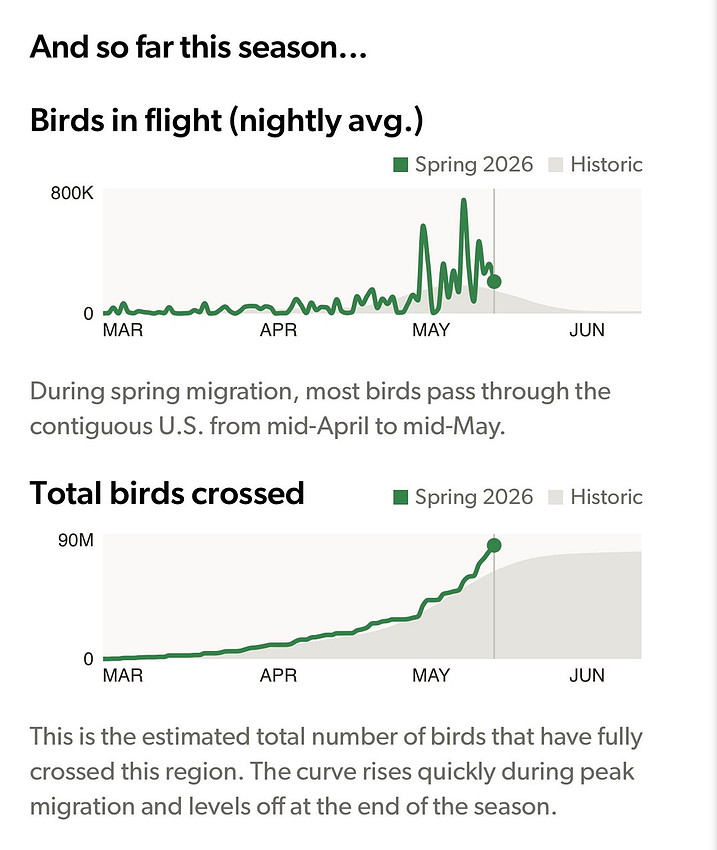
Data by BirdCast
We've had many nights with multiple millions of birds crossing over our area since late April. The birds have taken advantage of strong winds from the south, carrying them to their breeding grounds. The birds that have dropped in to rest and refuel have been ravenous, foraging and feeding as if their lives depended on it, which is so true. So, let's take a look at some of the birds that have come in.
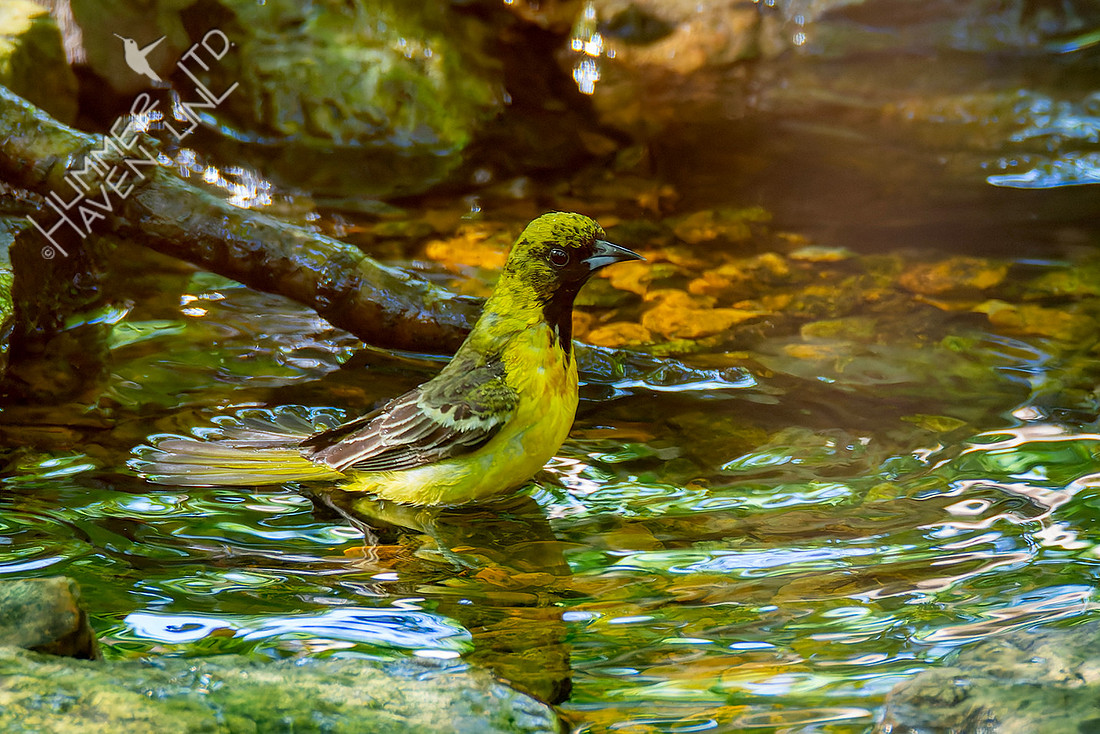
A first spring male Orchard Oriole bathed in the basin on 5-3-26.
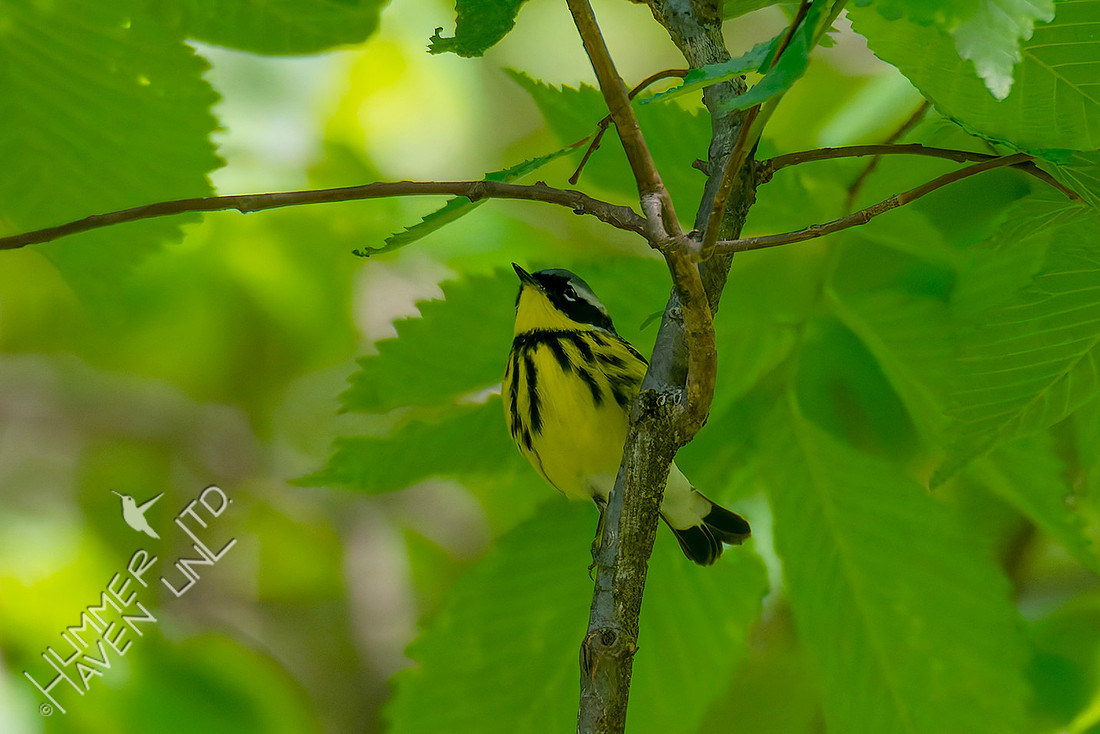
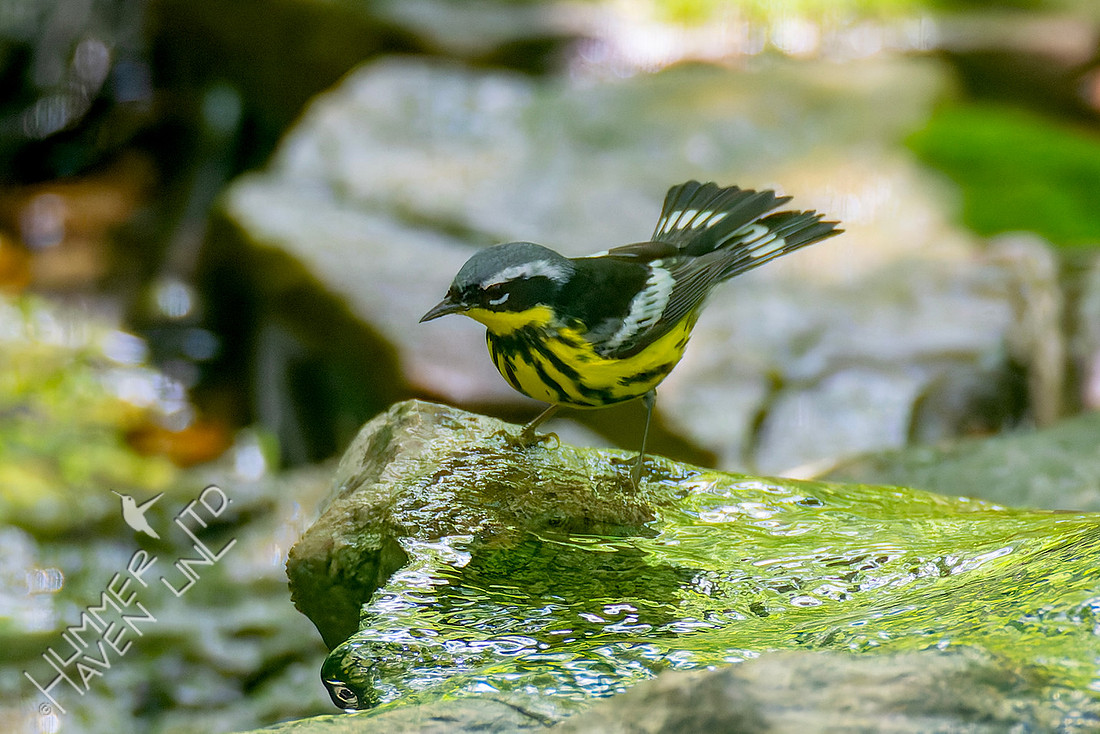
A Magnolia Warbler has been seen feeding in elms and viburnum for eleven days, finally dipping in at the bubbler yesterday.
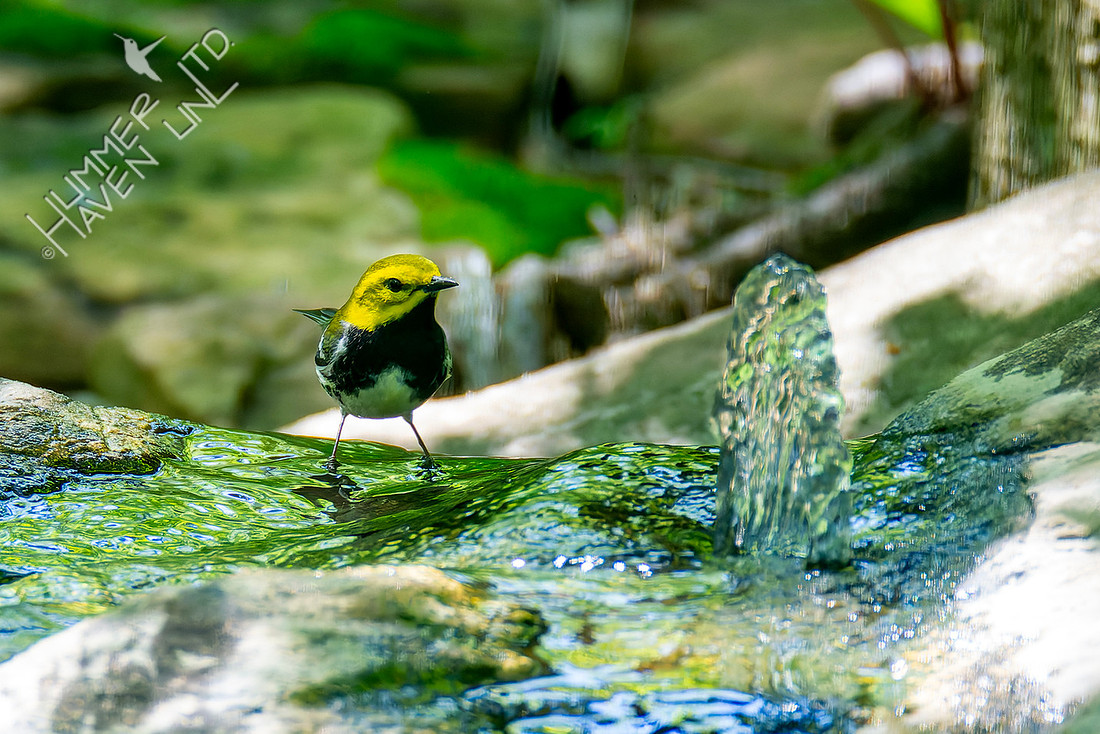
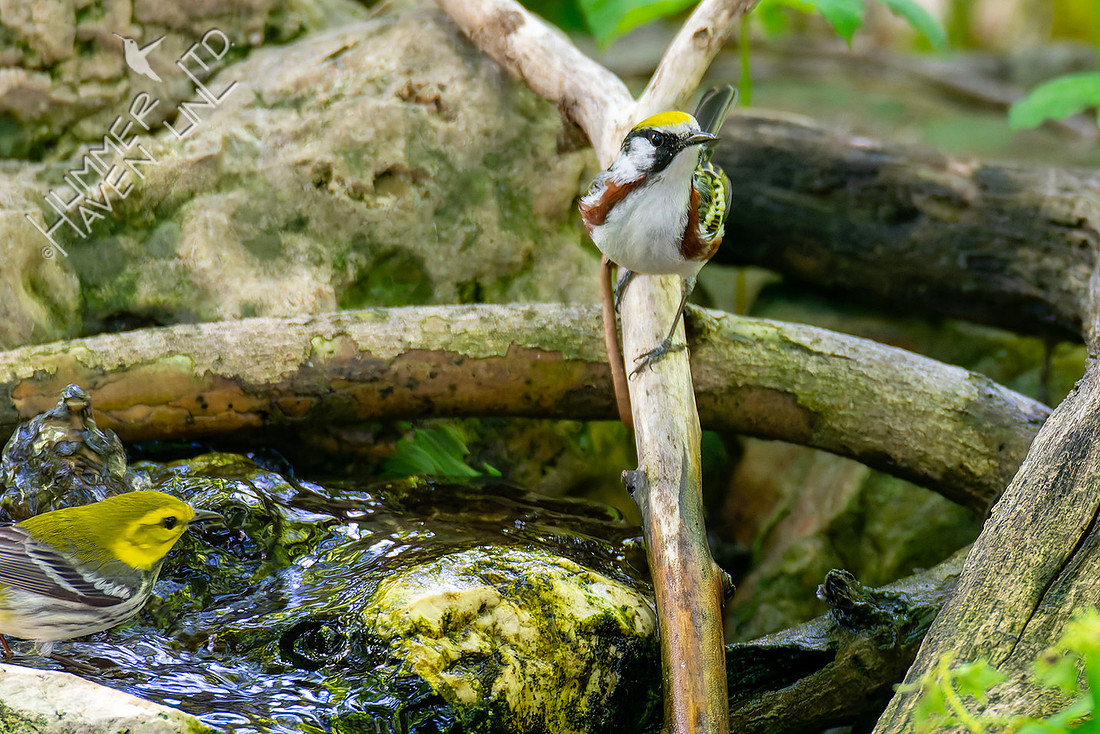
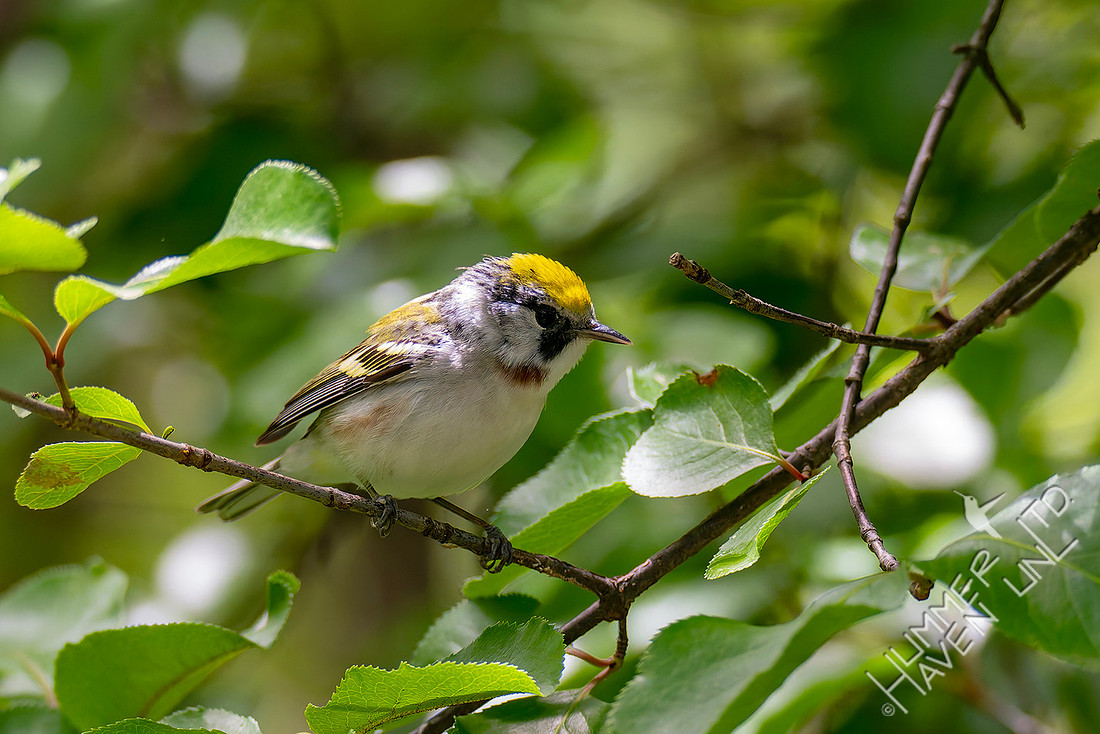
Black-throated Green and Chestnut-sided Warblers have been seen bathing and foraging since 5-1-26.
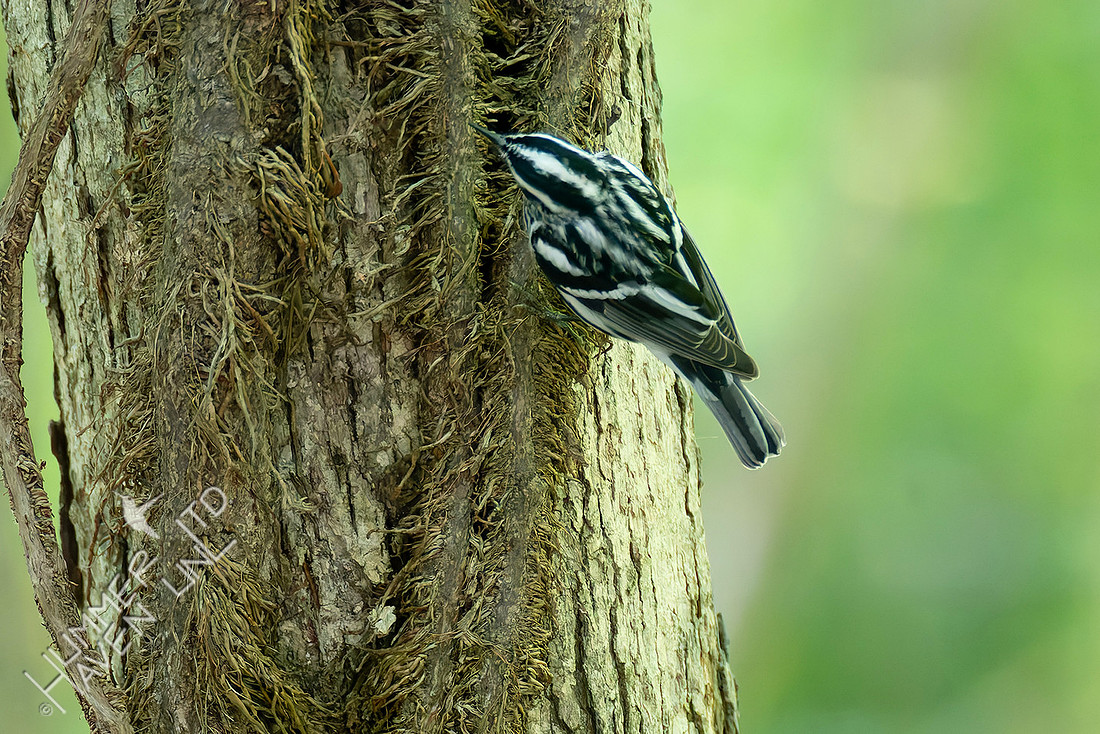
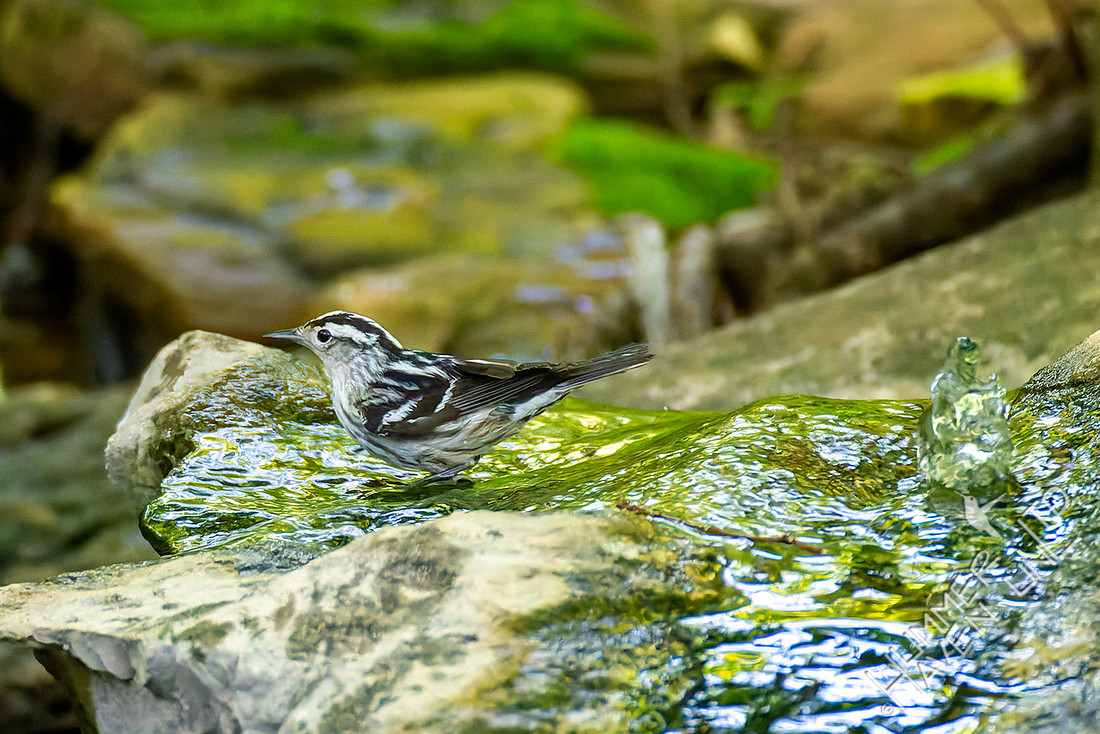
The male Black-and-white Warbler arrived 5-6-26, with the female showing up six days later.
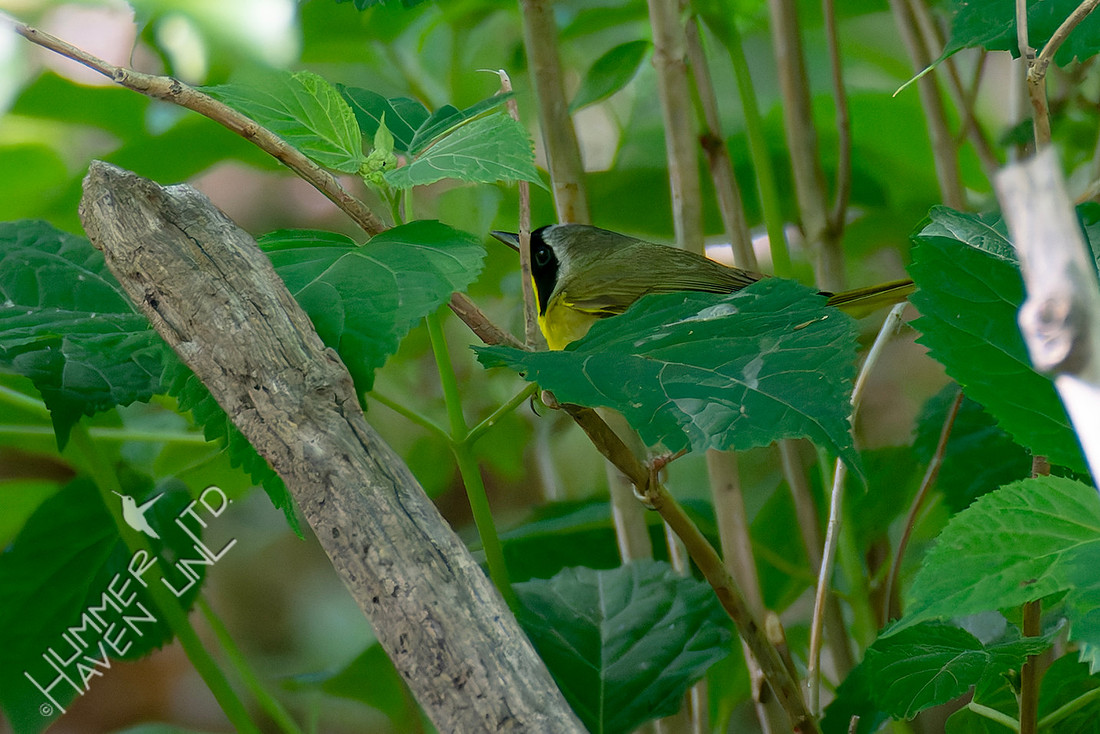
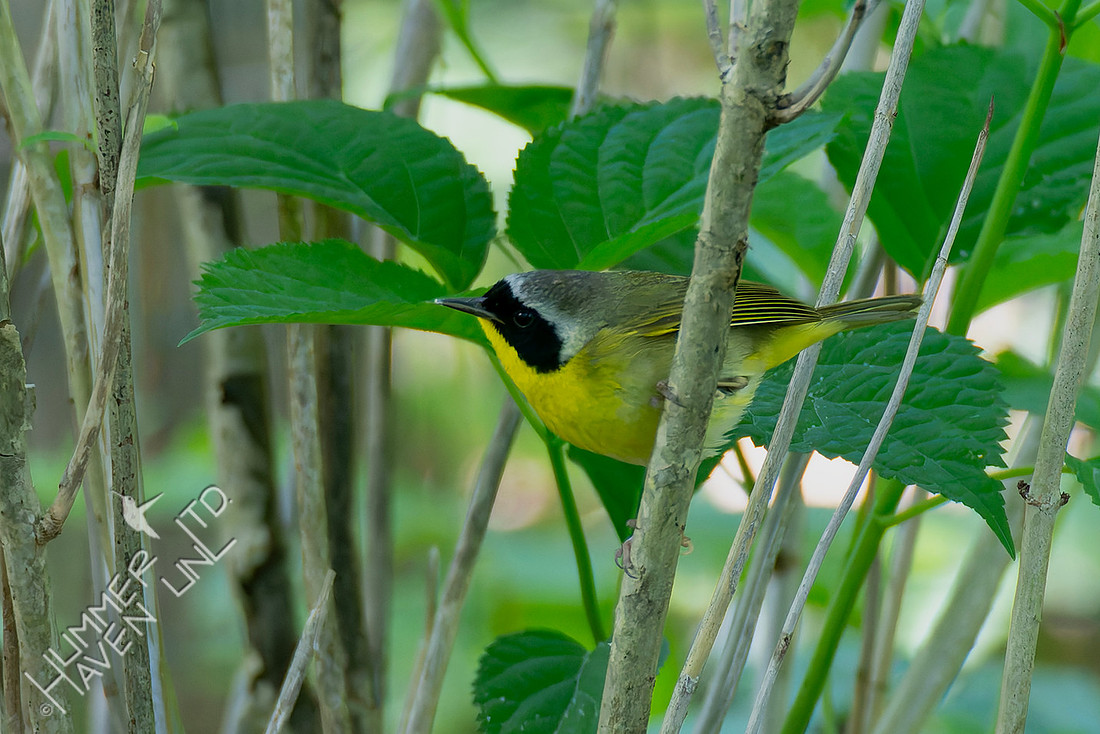
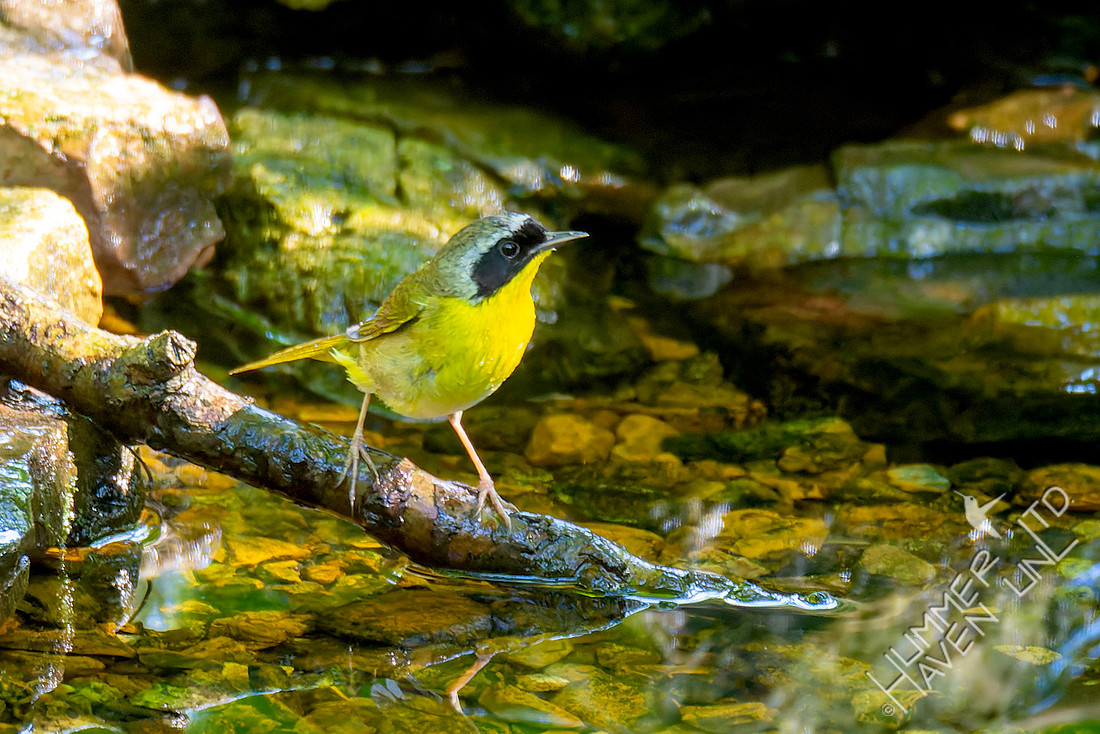
This Common Yellowthroat had me chasing it through the gooseberry patch and around the hydrangeas for days before getting comfortable enough to pop out.
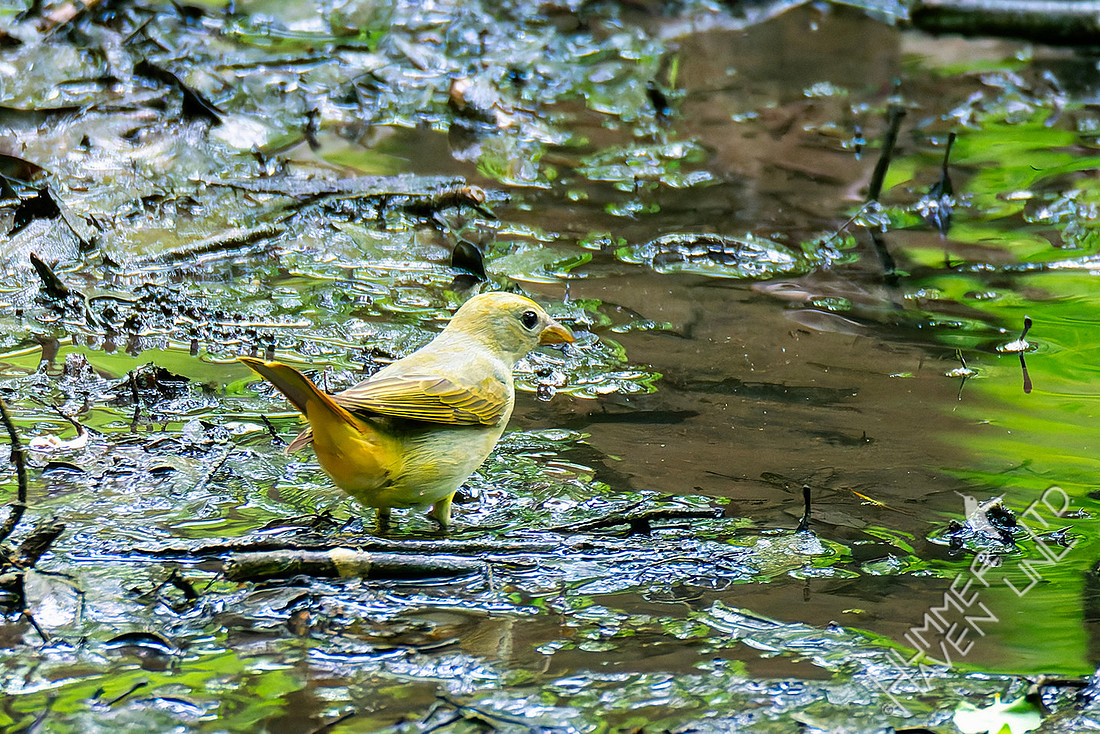
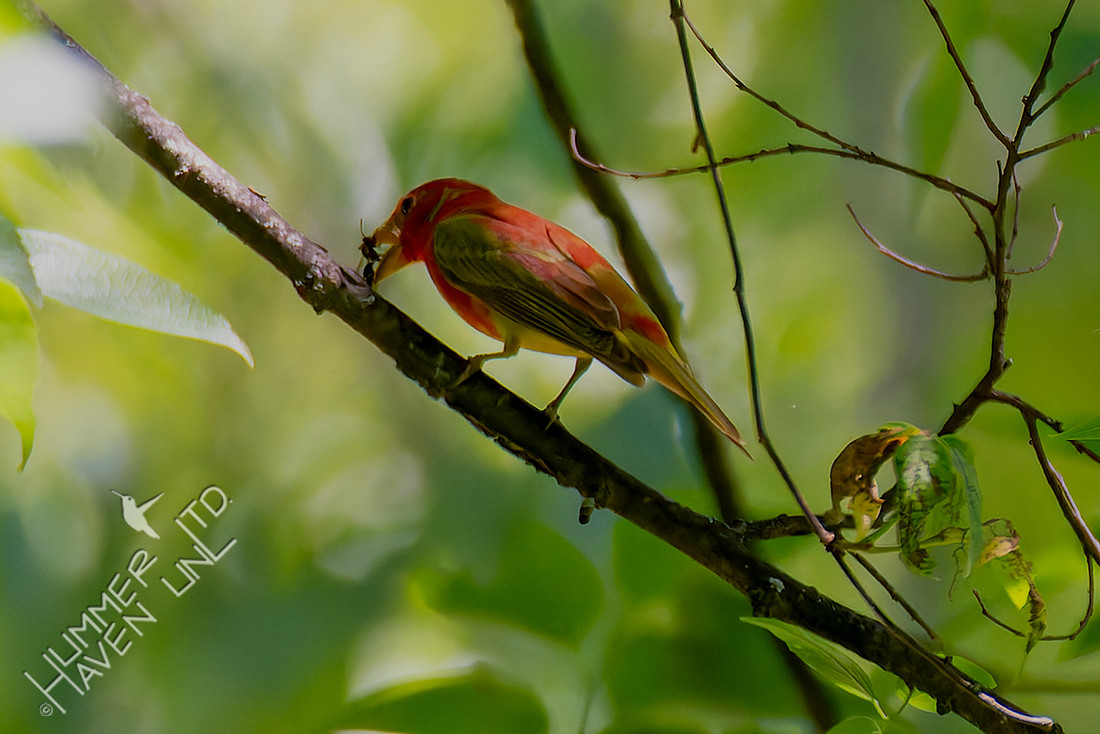
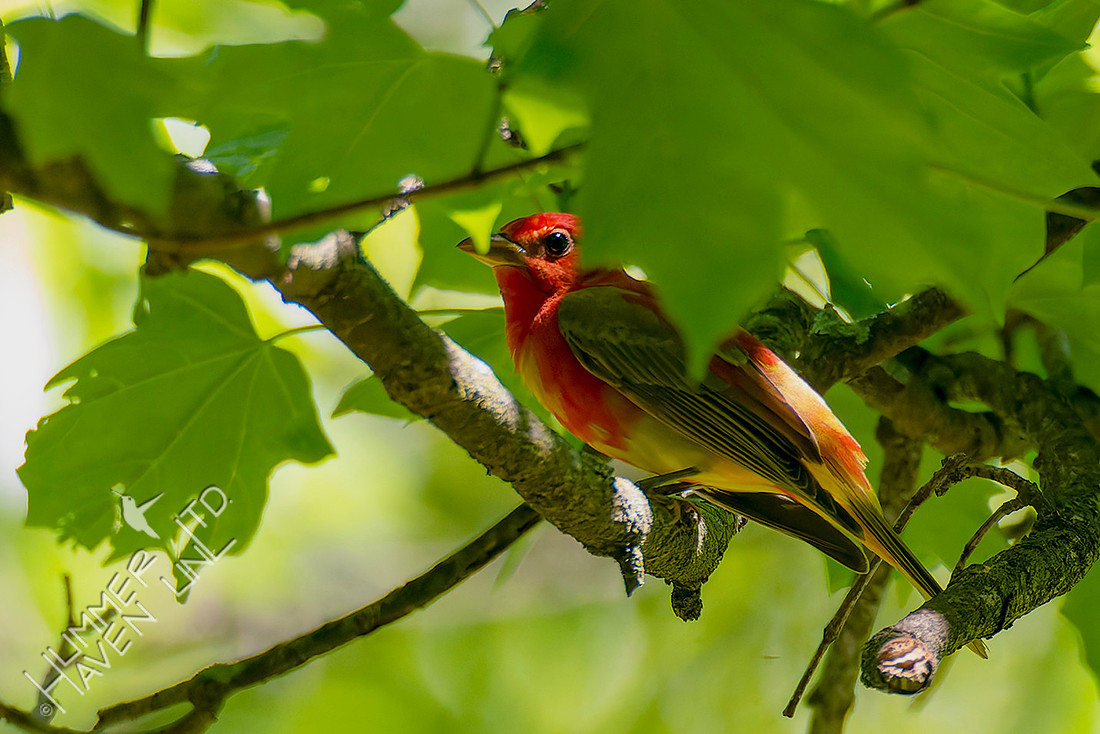
A pale female Summer Tanager was in the swampy thicket on 5-8-26. The young multicolored male was catching wasps the next day.
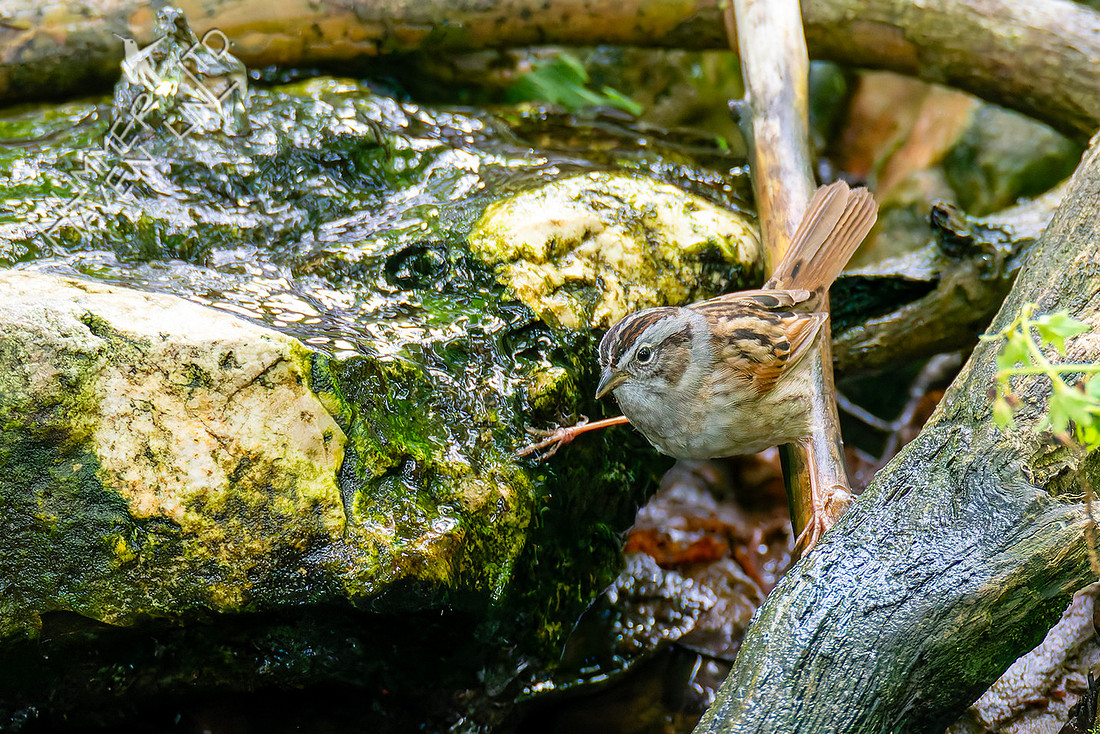
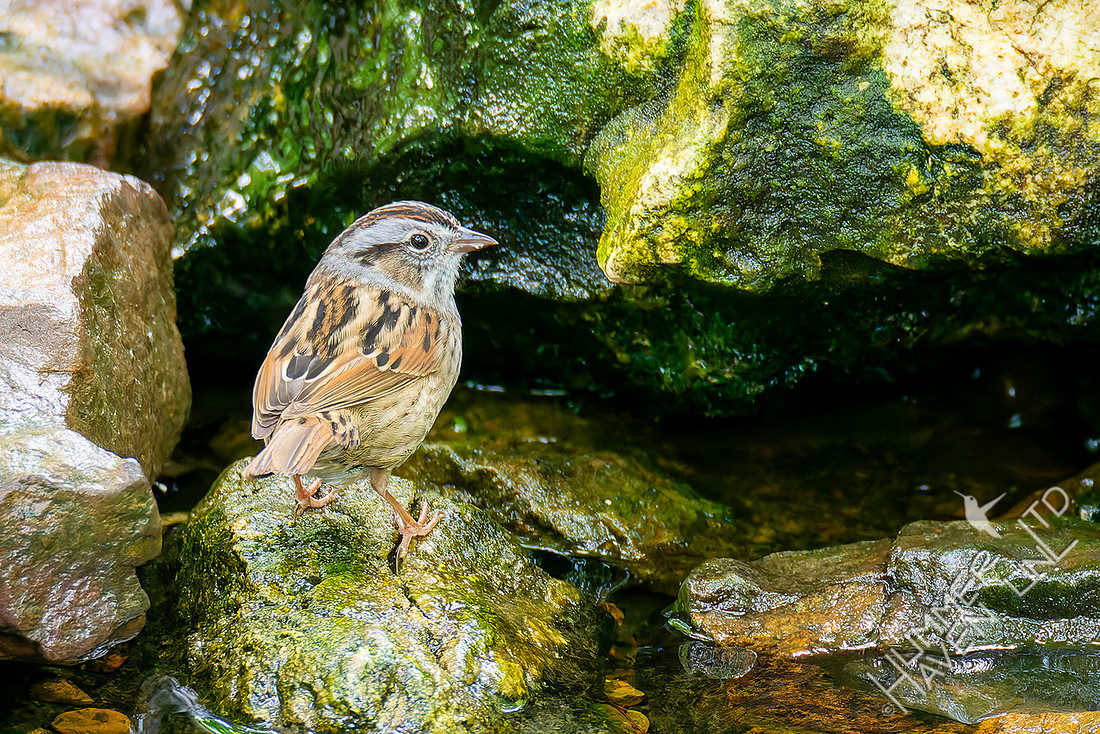
The Swamp Sparrow behaves much like the Common Yellowthroat, taking days to show itself finally on 5-8-26.
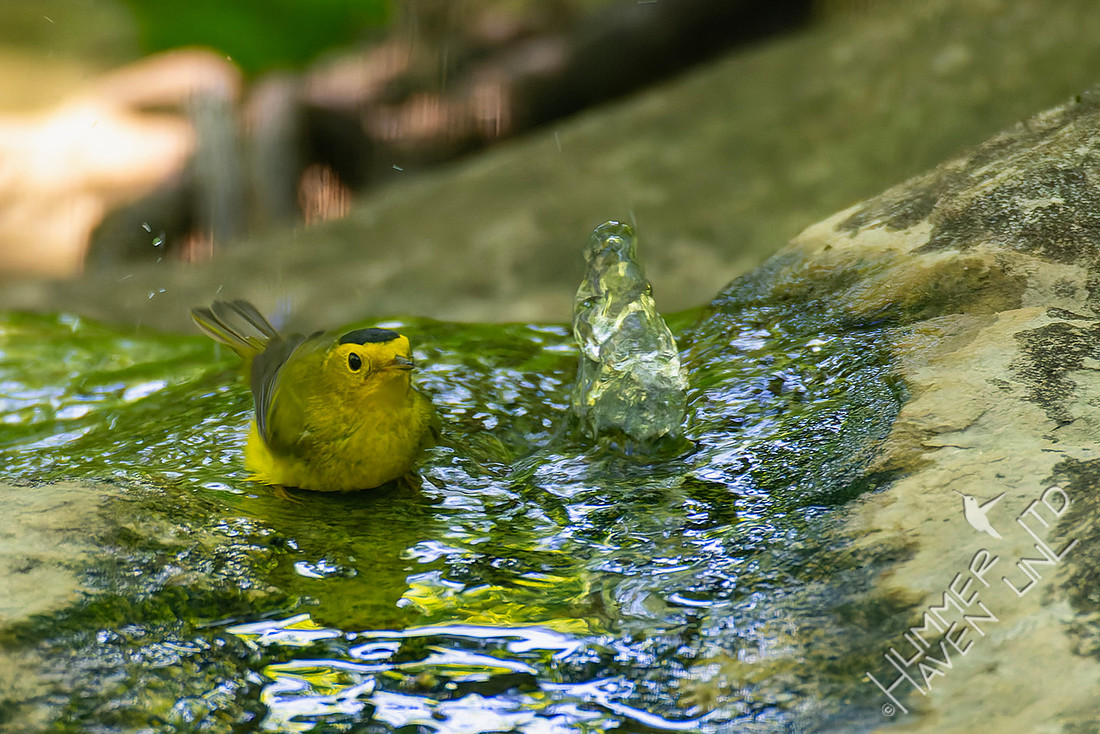
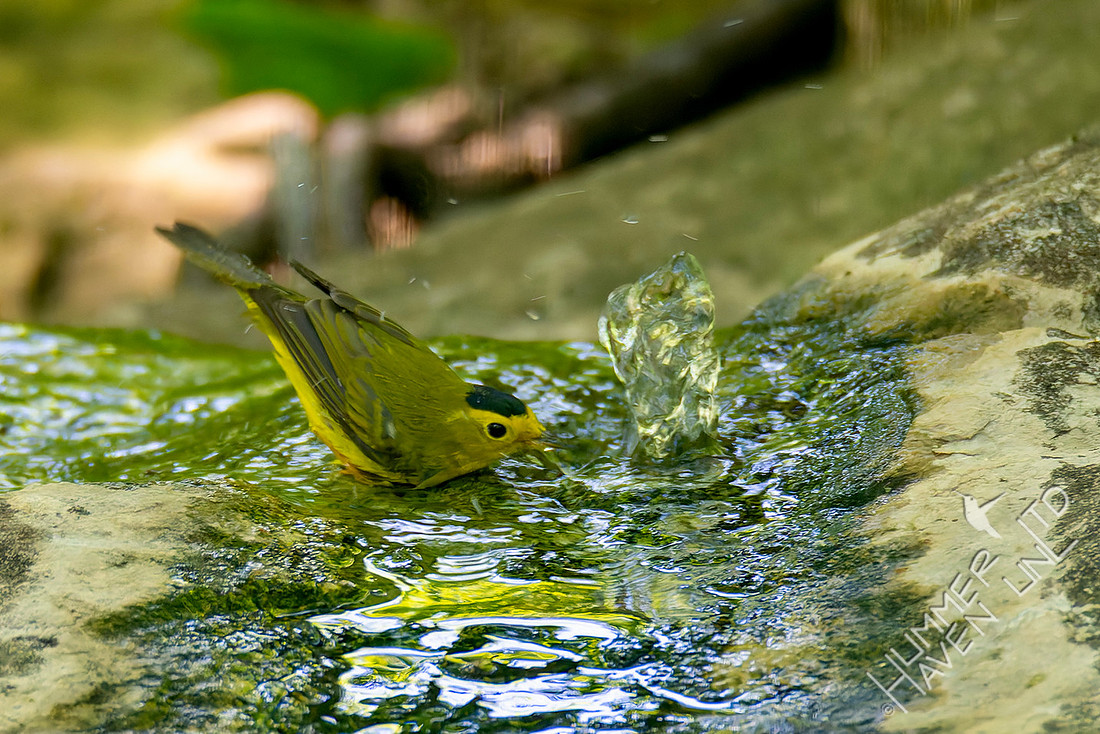
A Wilson's Warbler went straight to the bubble to take a dip on 5-13-26.
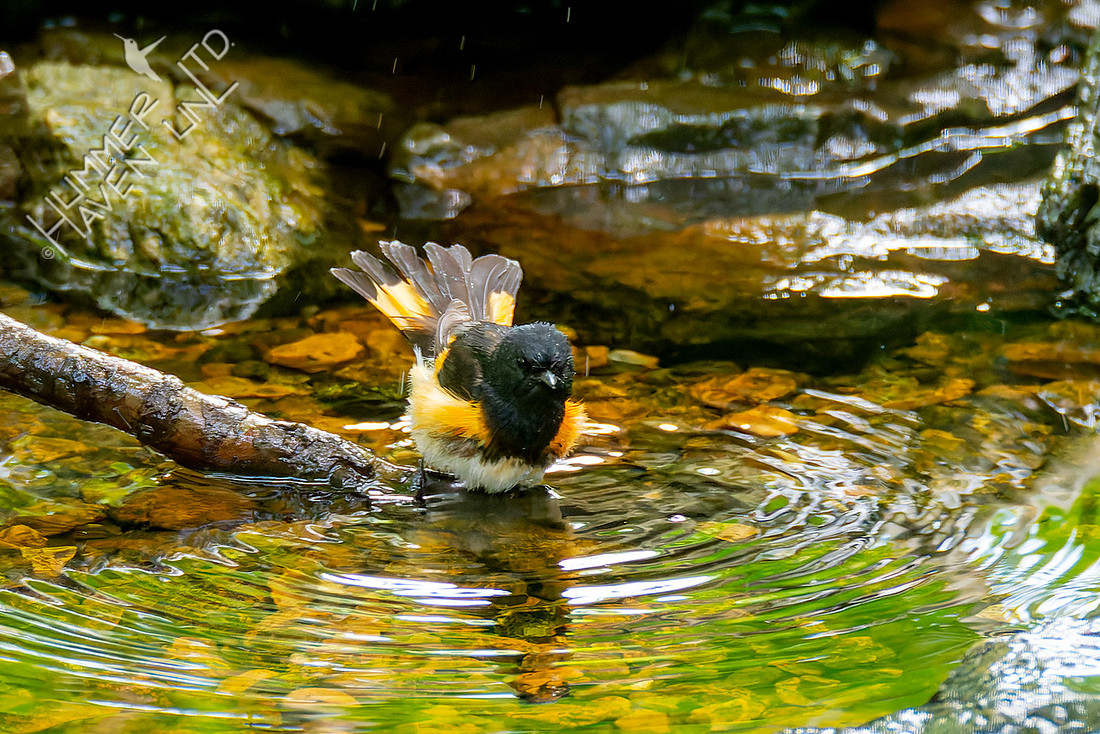
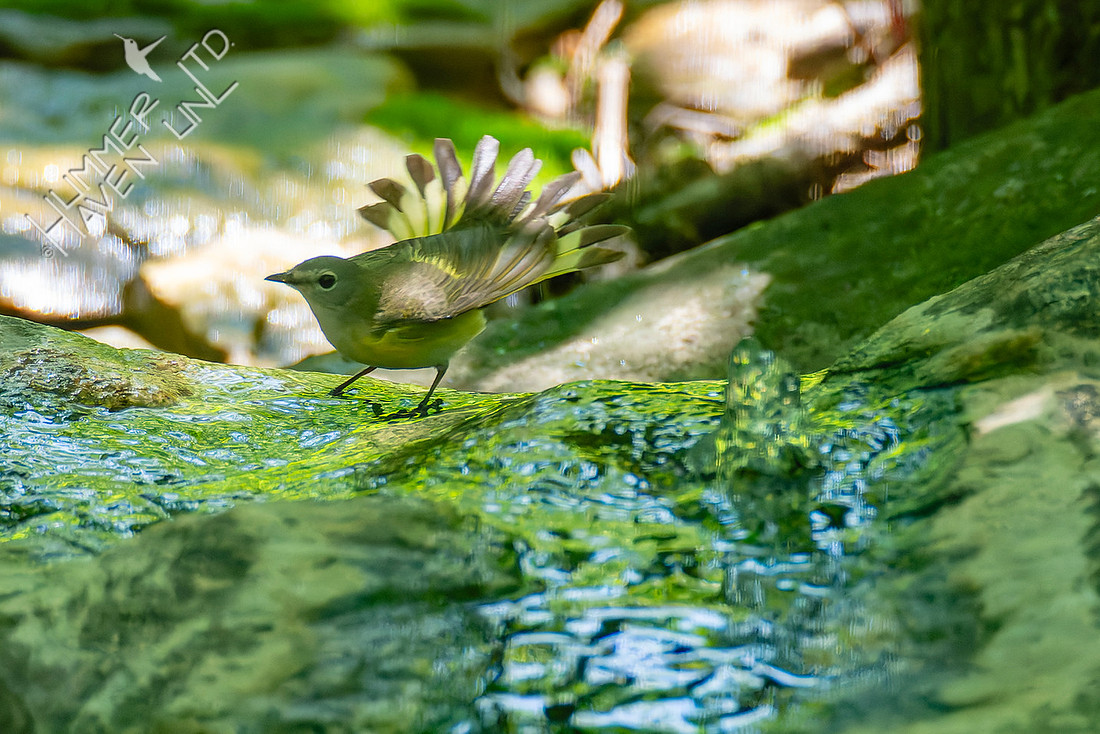
American Redstarts have been around since 5-7-26.
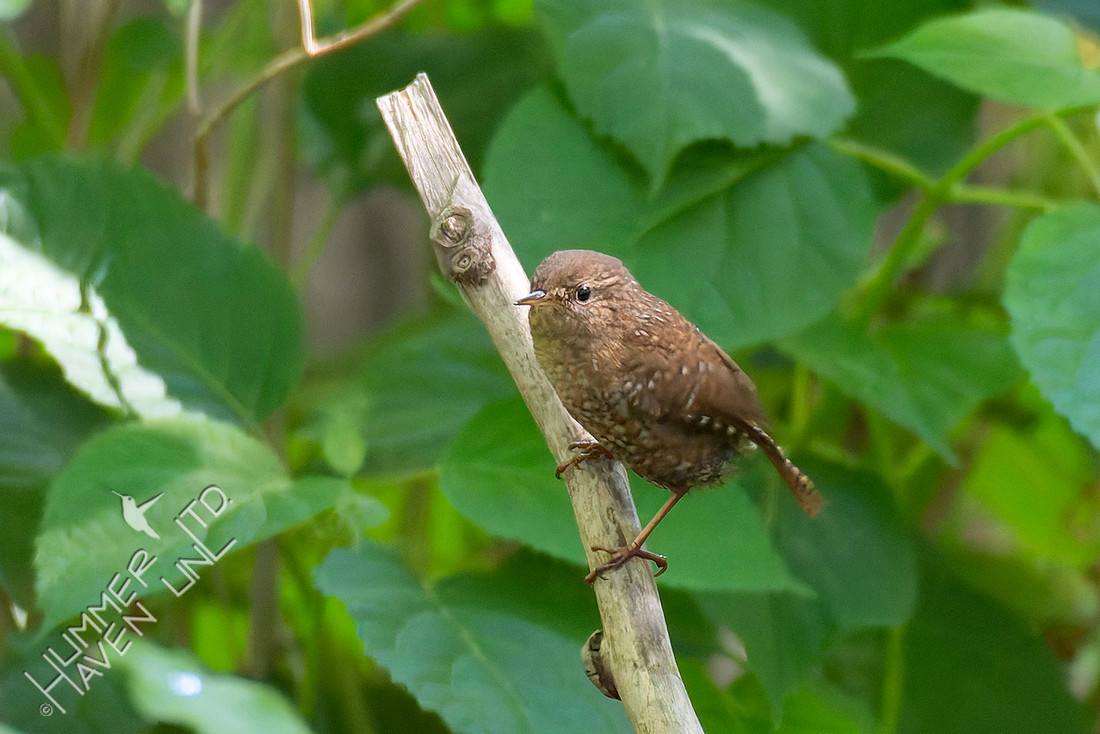
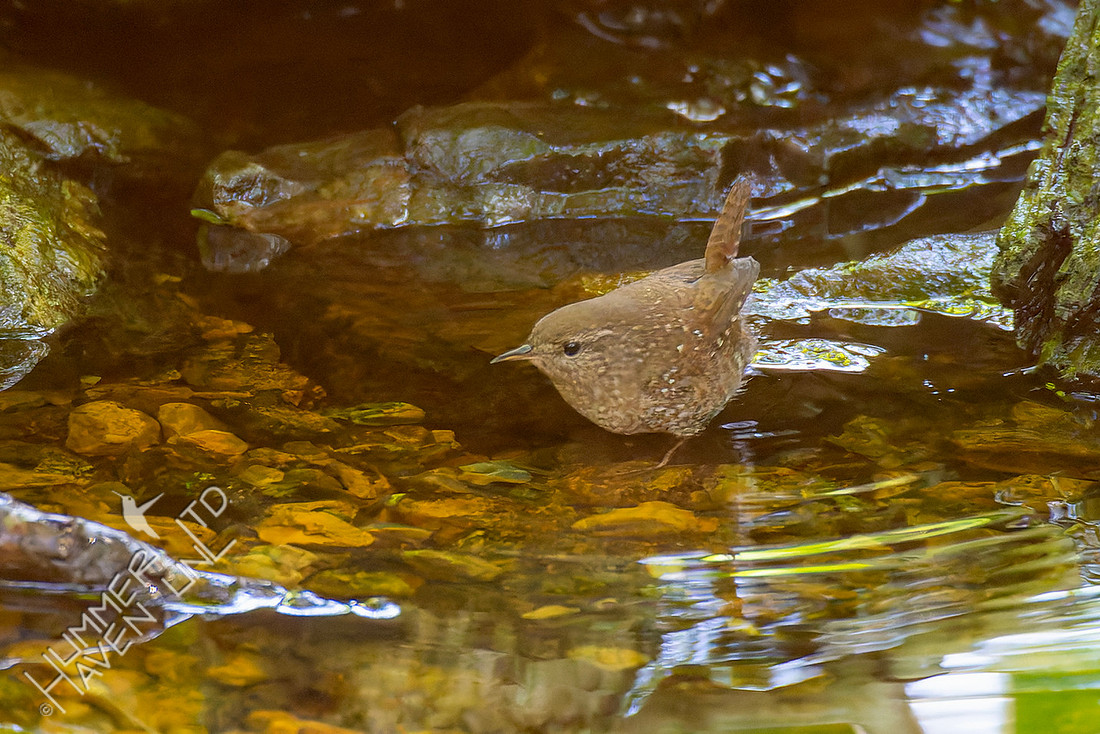
A late Winter Wren showed up on 5-14-26. It wasn't late enough for the record, that is held by my friend Diane Bricmont who found one on 5-18-21. Yes, Diane, where did five years go??
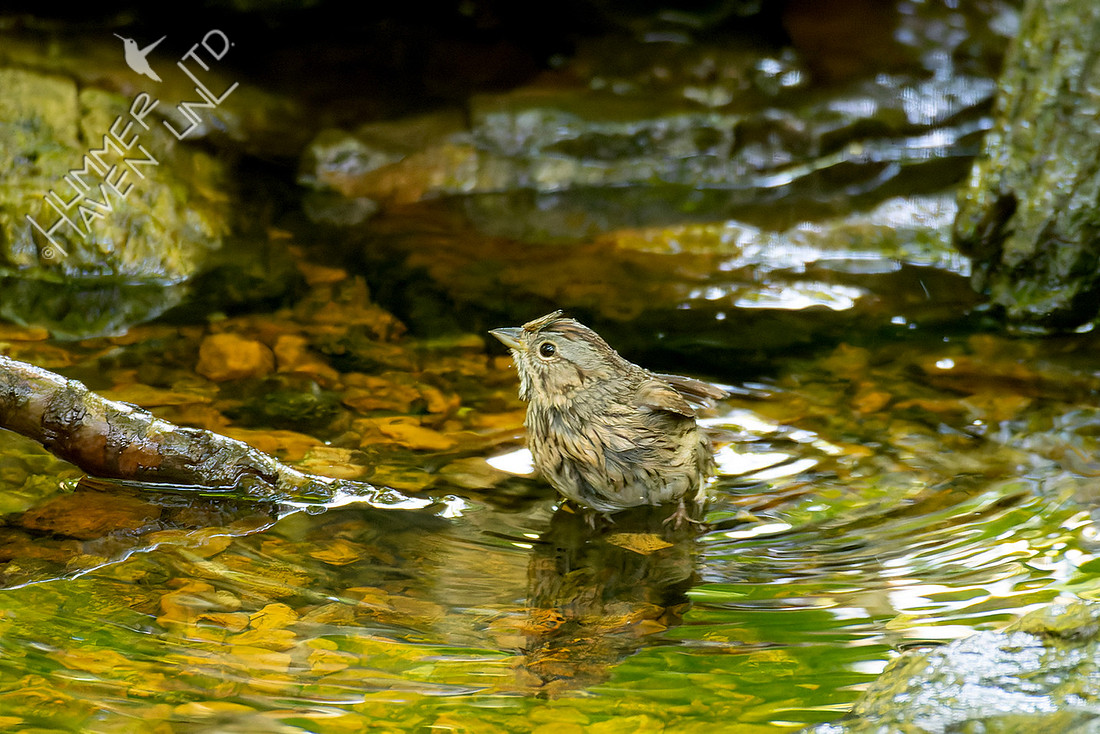
Another little skulker is this Lincoln's Sparrow. It was only seen one day, 5-14-26.
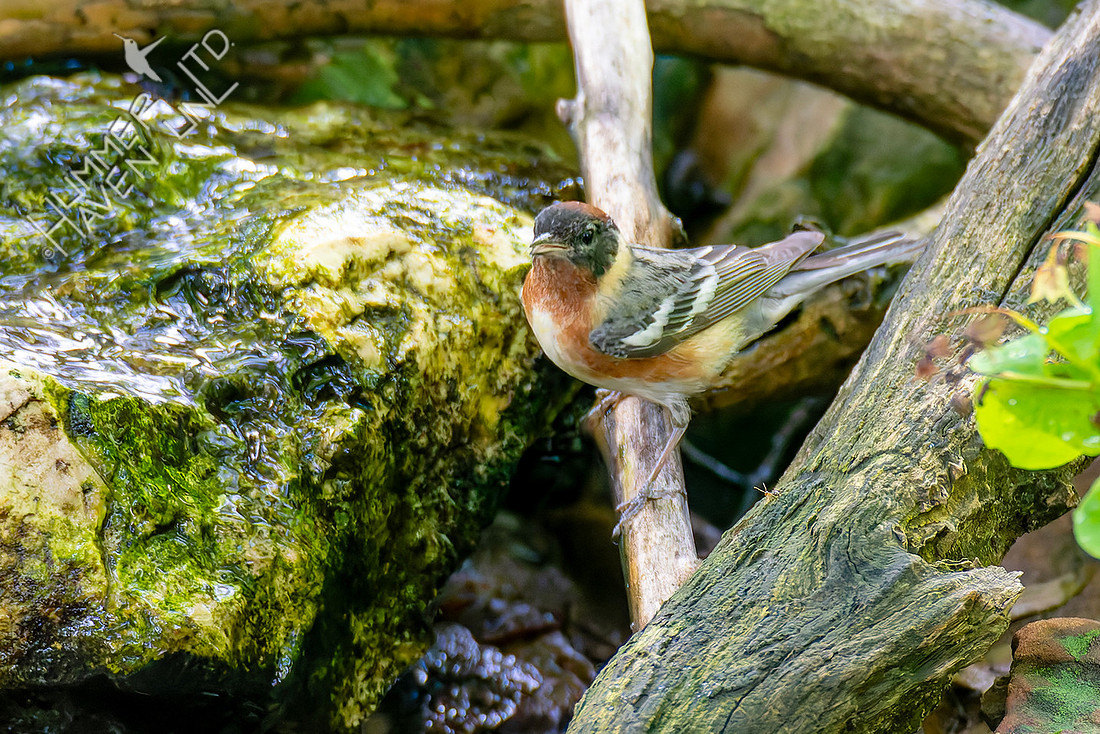
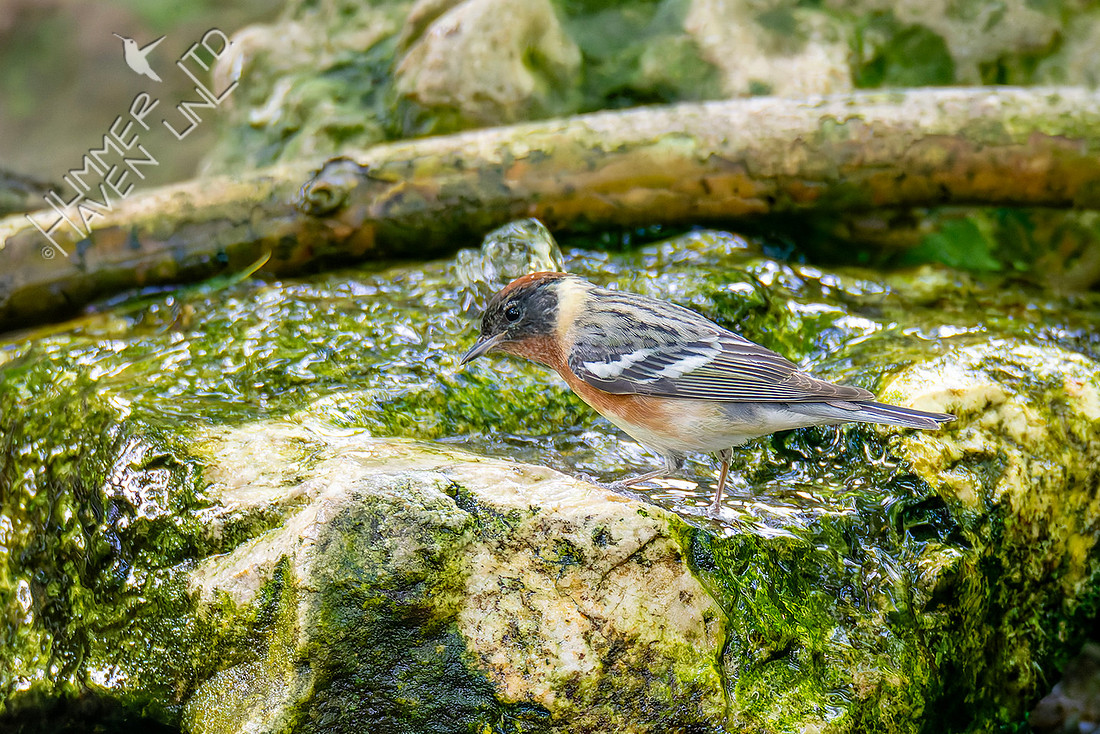
A personal favorite is the Bay-breasted Warbler that also went straight to the bubbler before feeding again on 5-14-26.
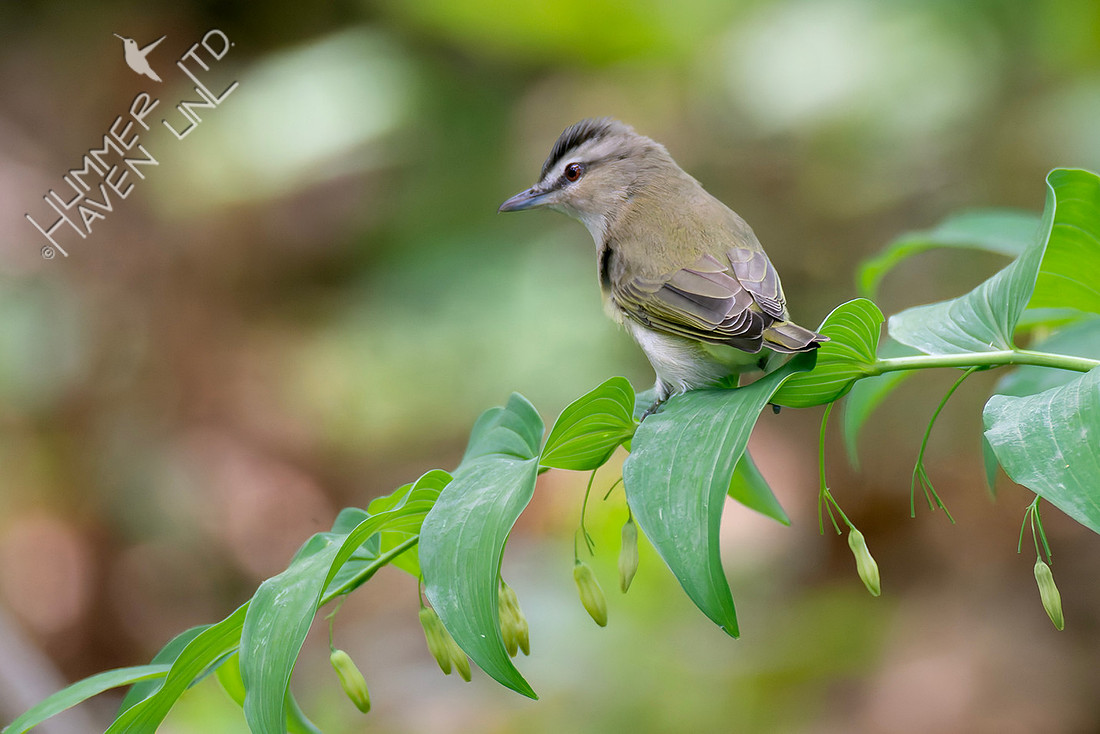
A Red-eyed Vireo perched briefly on Solomon's Seal as it studied the best approach to bathing on 5-17-26.
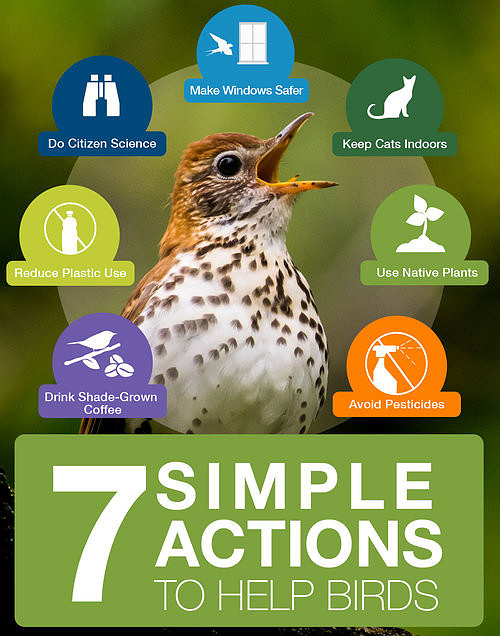
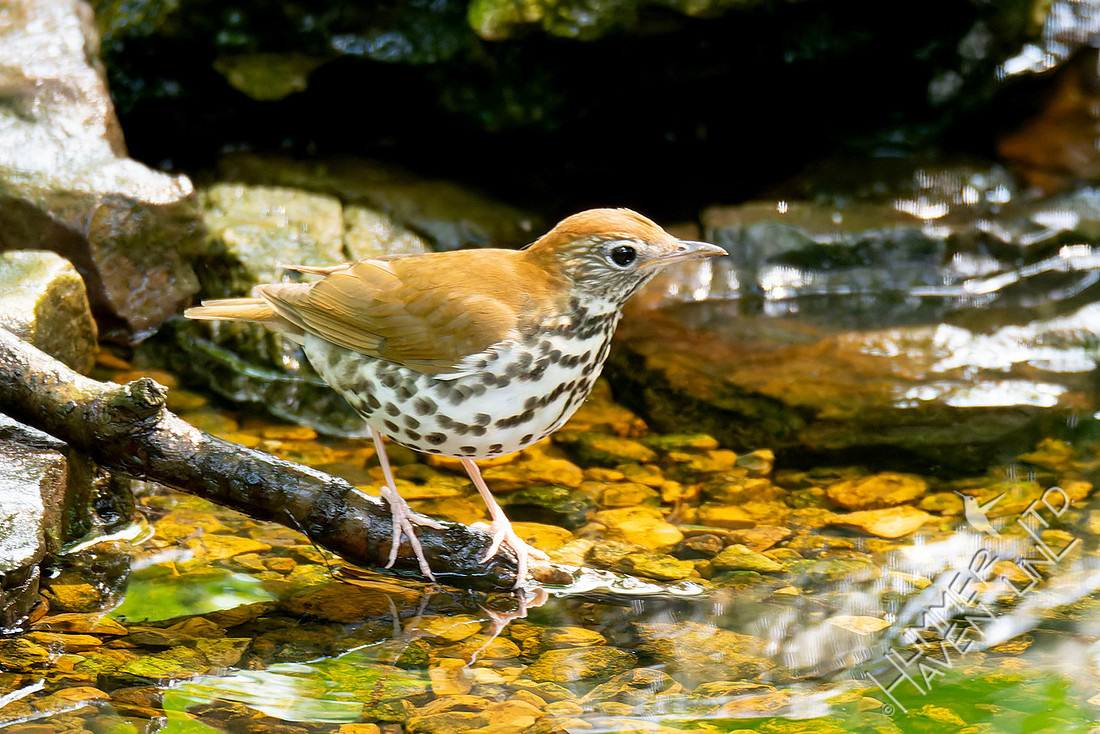
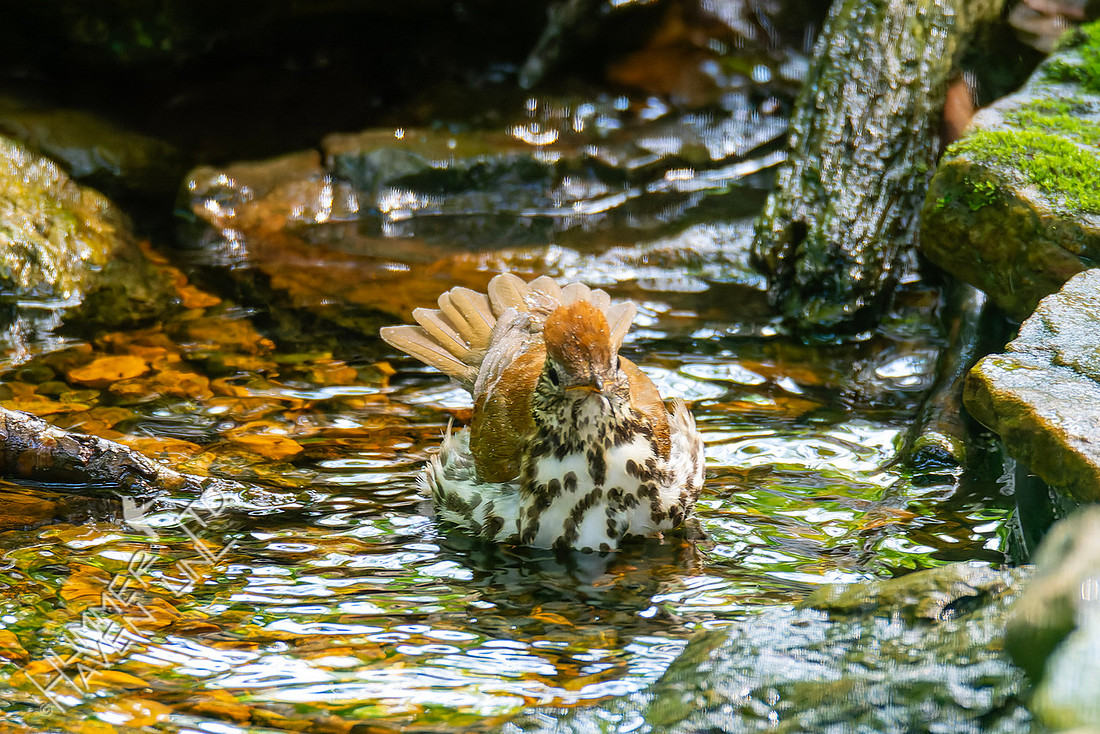
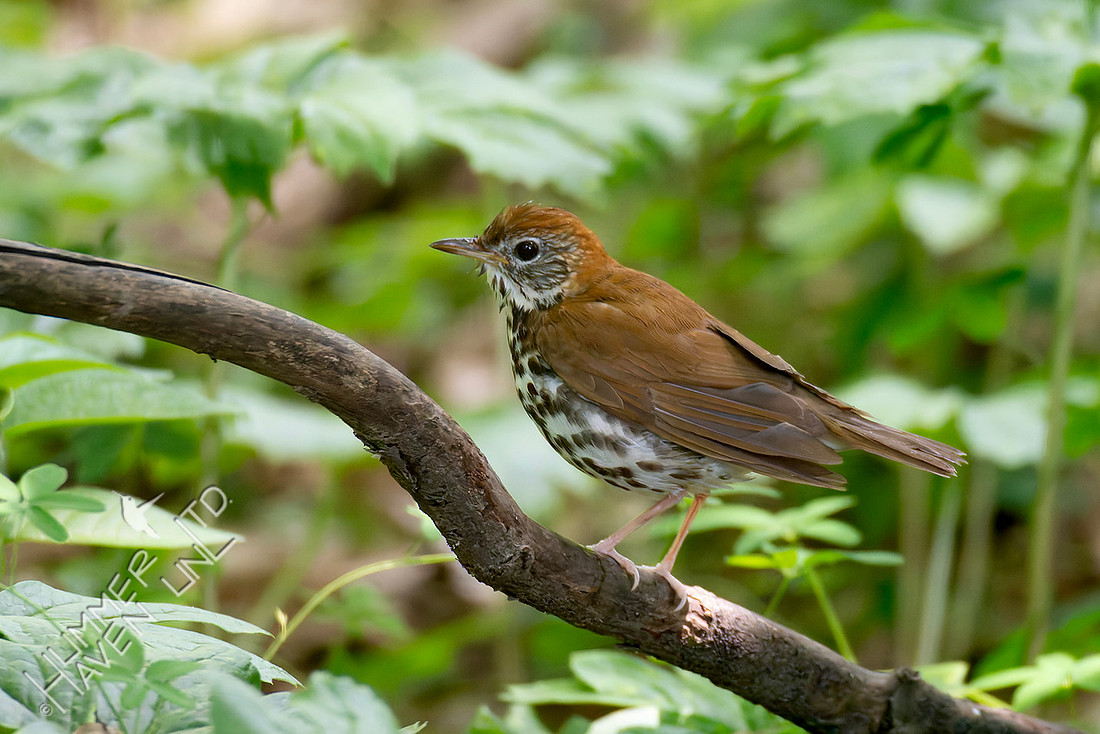
The Wood Thrush was heard here for ten days running in April. (I never laid eyes on it.) This bird also has the honor of being the "poster child" in this graphic on actions to help birds. To my great delight, one came to the bubbler this week on 5-15-26, for only the third time in 26 years!
So, that's my tale of May!
April is a wrap! 4-30-26
We've gained two hours of daylight and migration is in full swing.
So, what's new here?
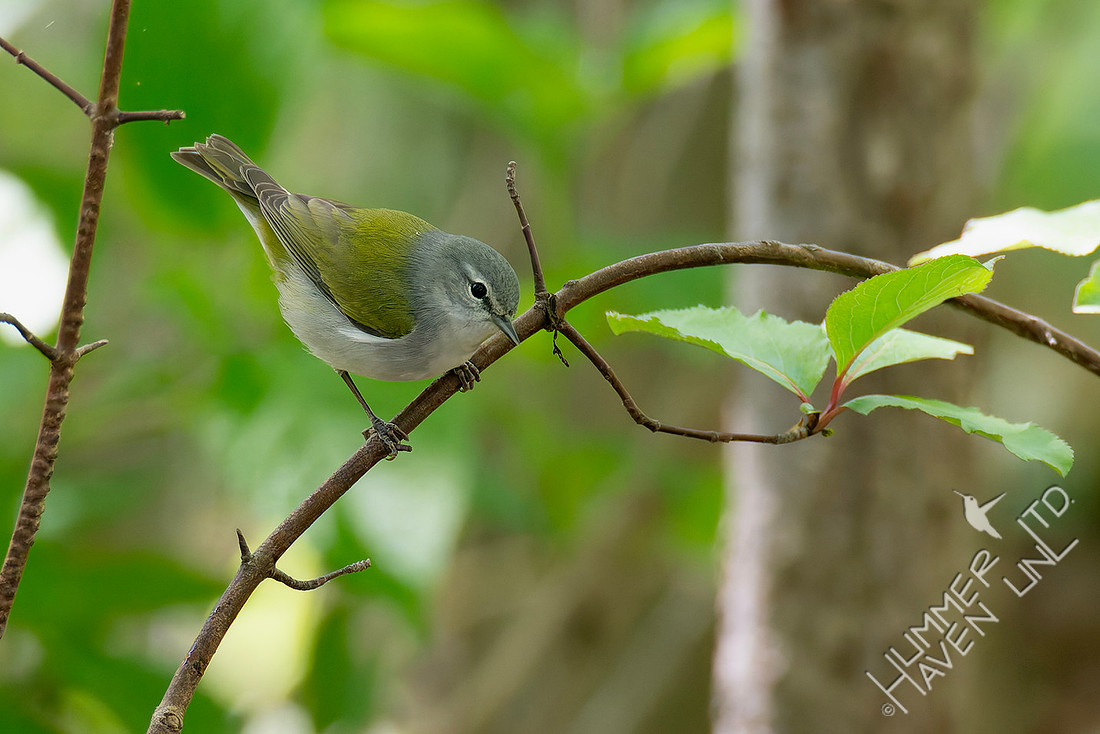
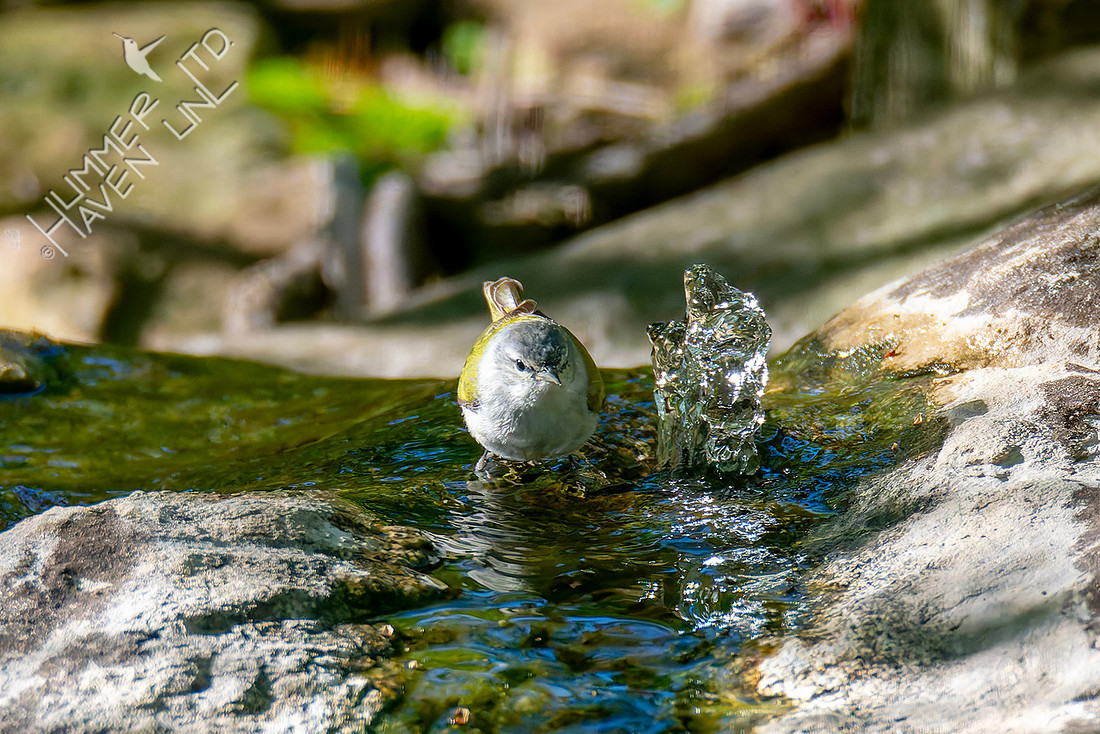
Tennessee Warblers are being heard daily and often stop at the bubbler.
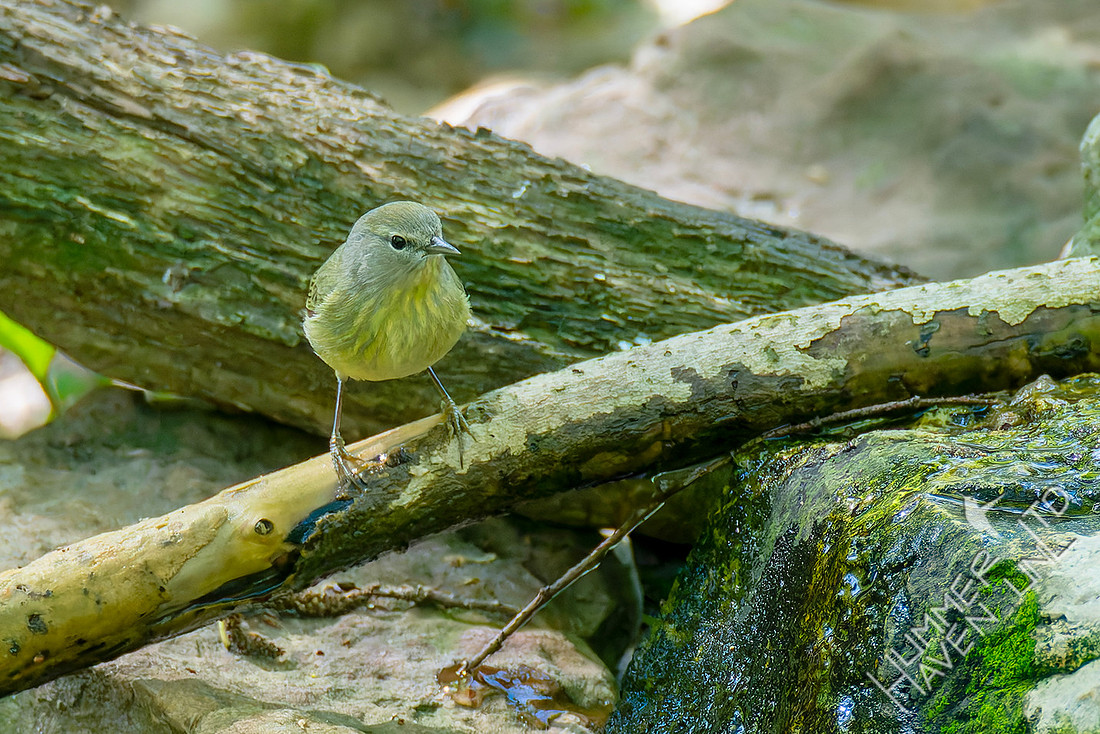
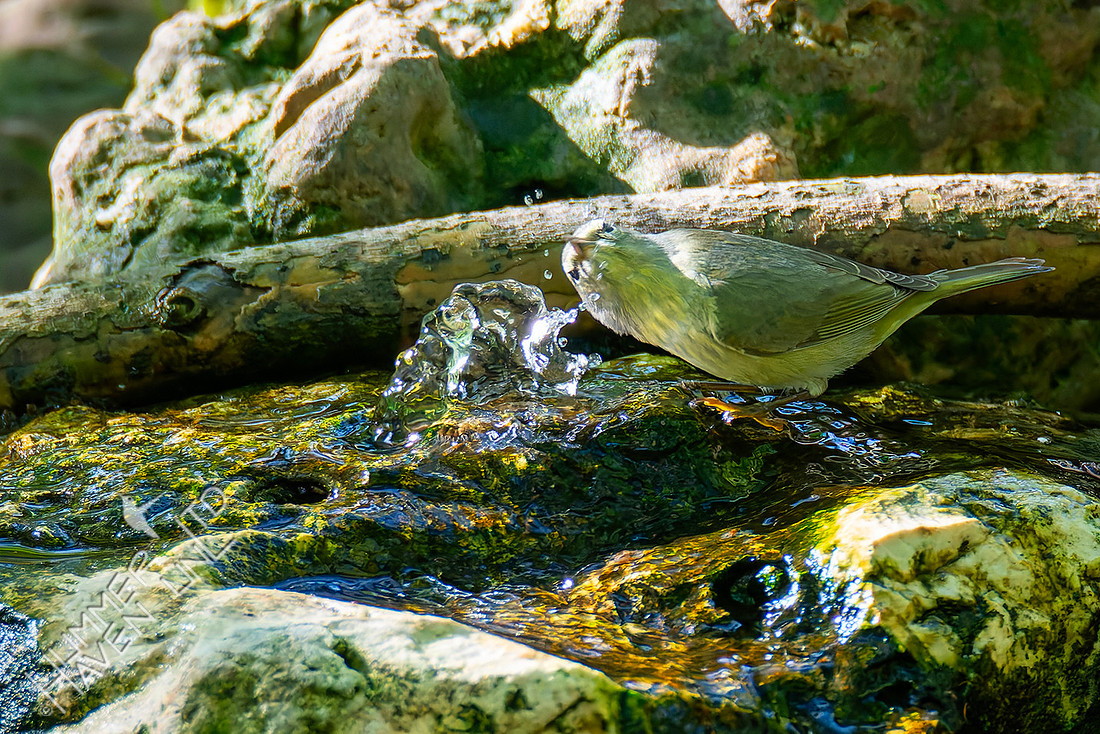
Uncommon Orange-crowned Warblers enjoy water time, too.
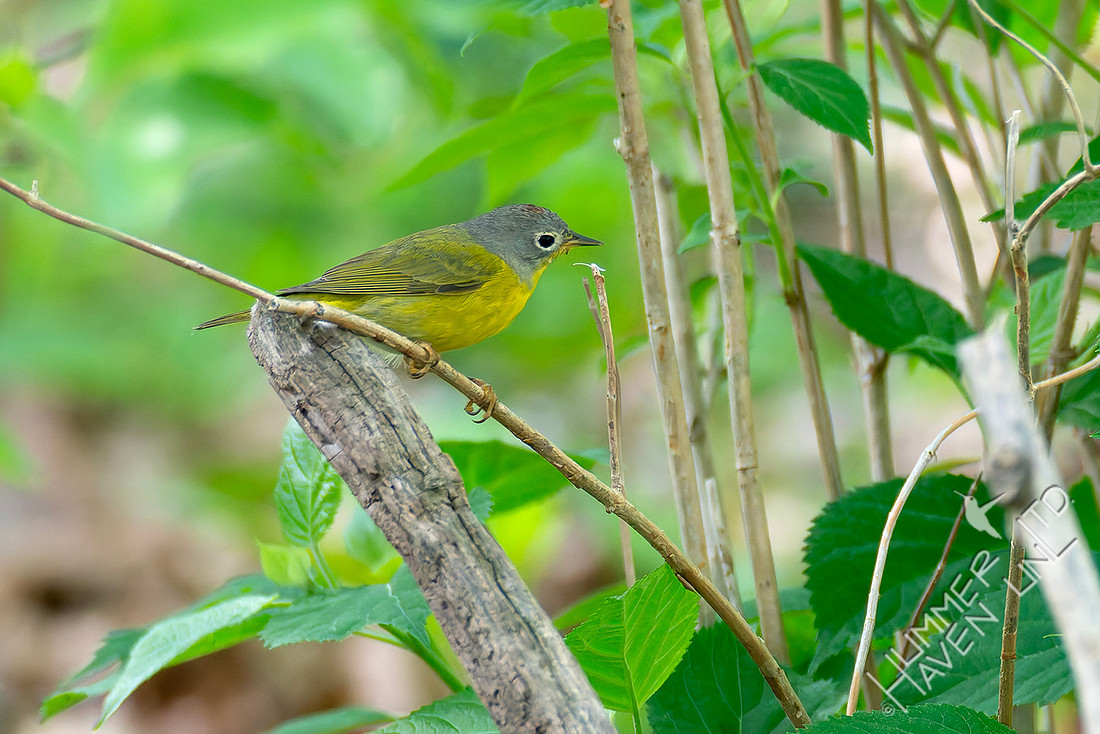
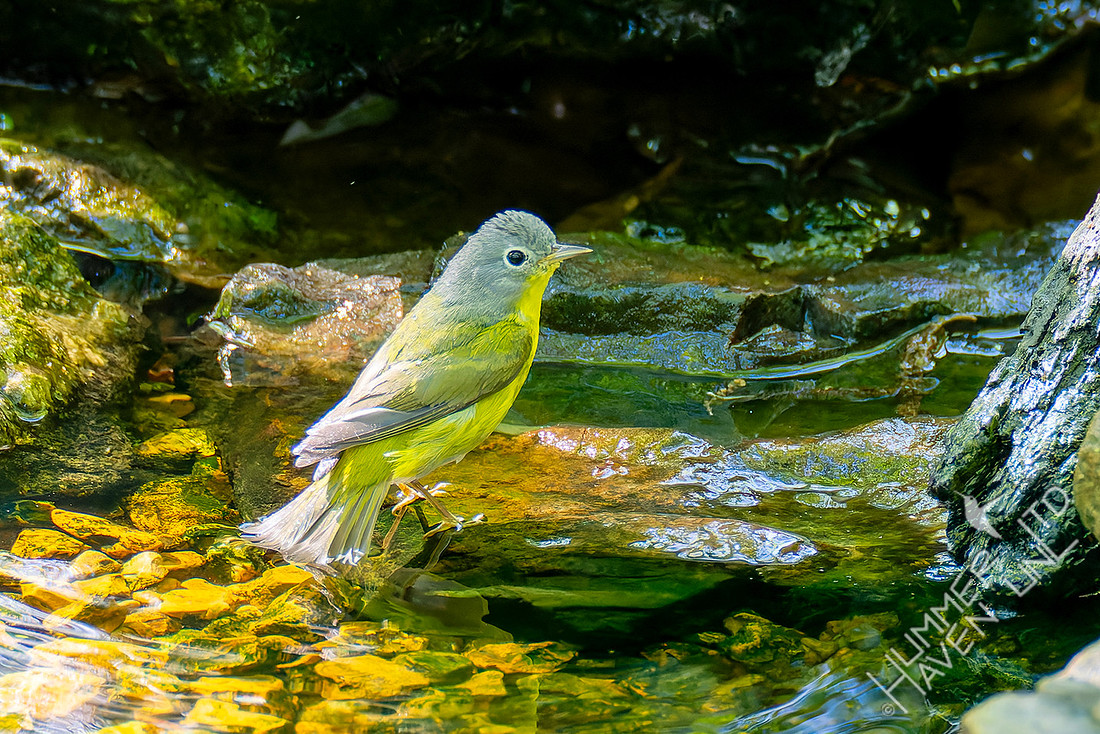
Nashville Warblers are similar and more commonly seen.
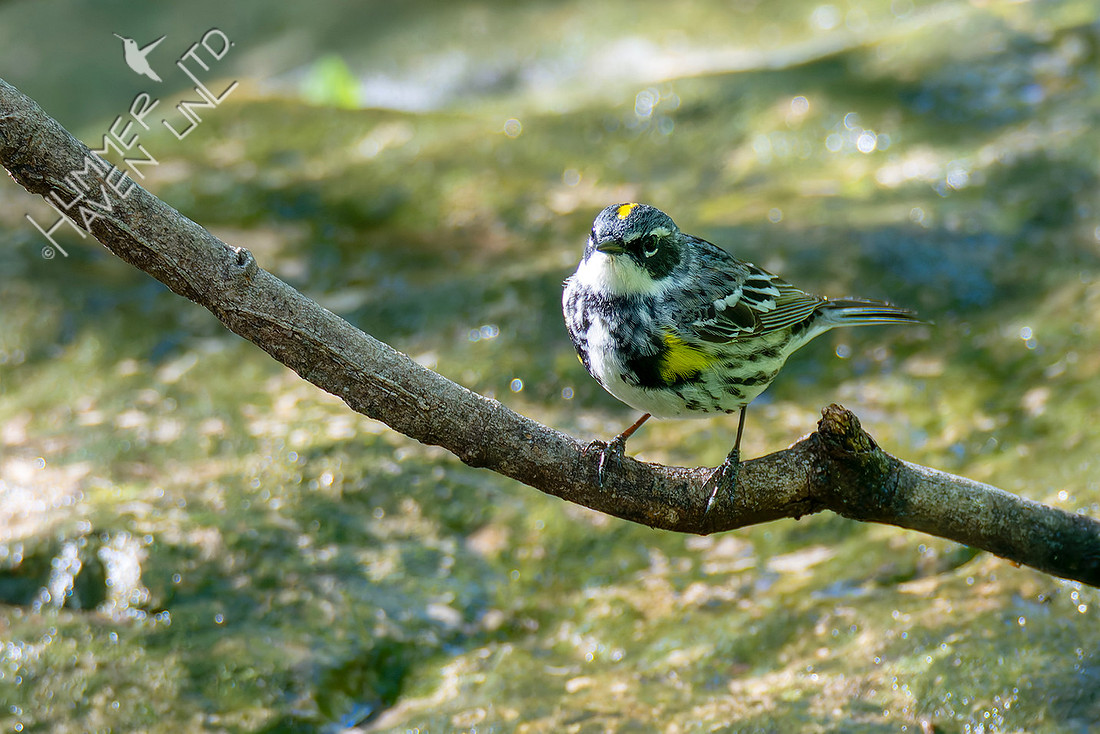
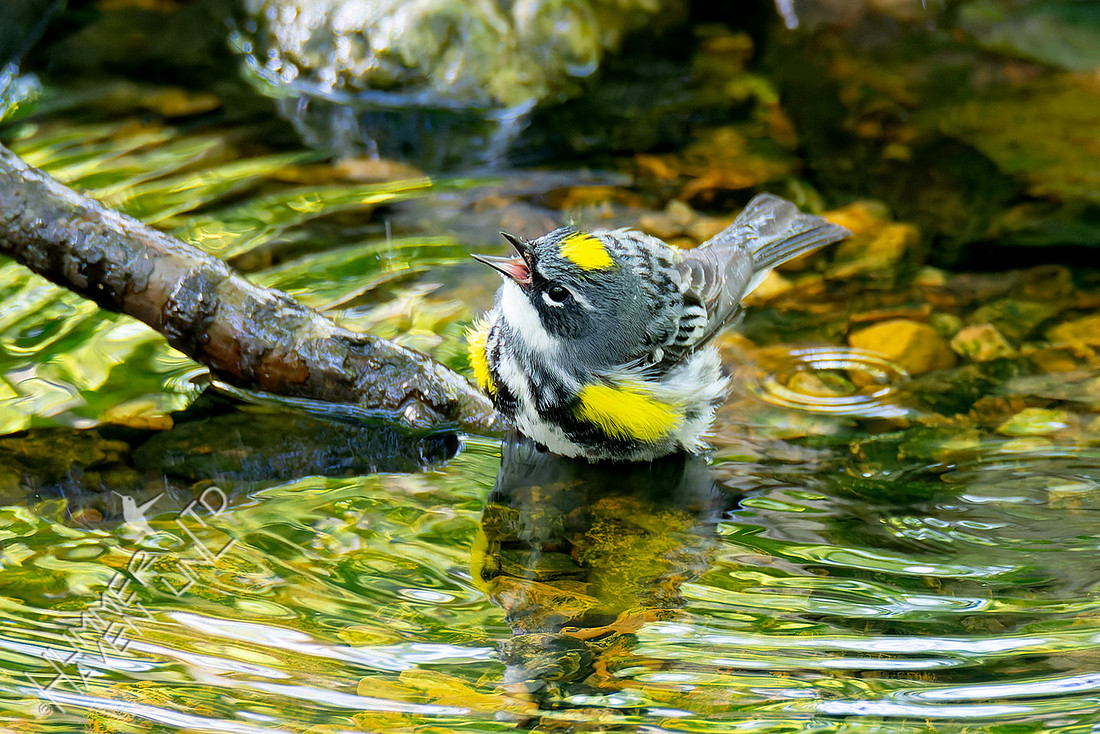
Yellow-rumped Warblers continue to be seen and are now in fine breeding plumage.
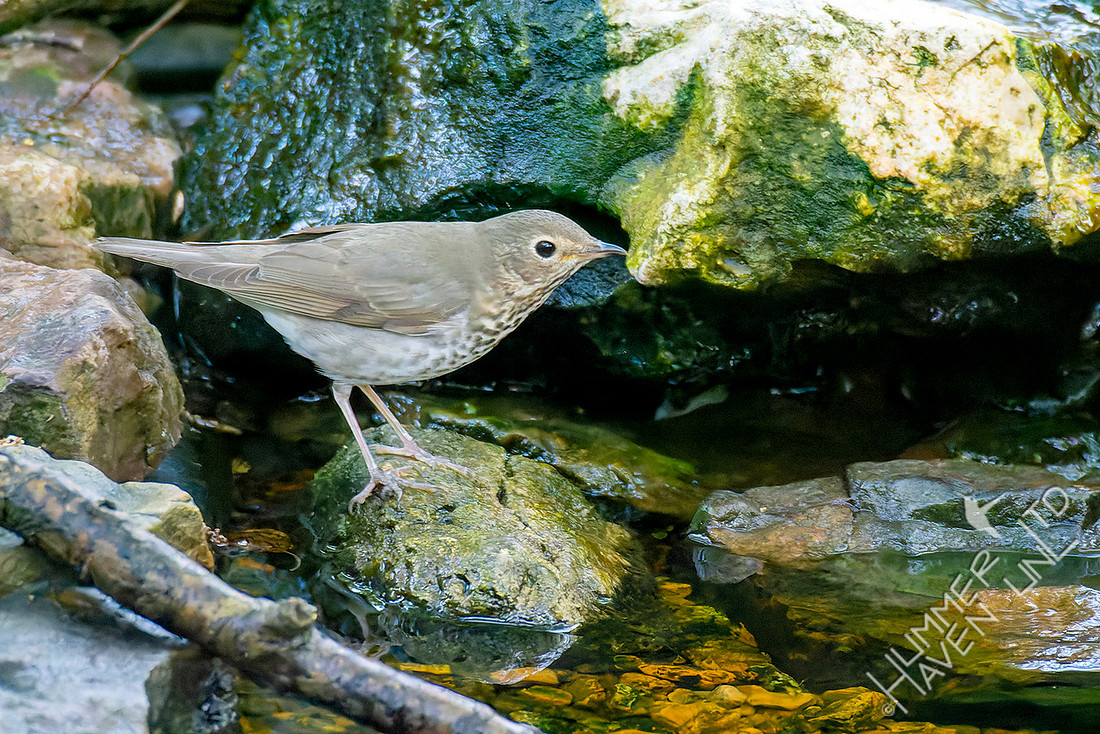
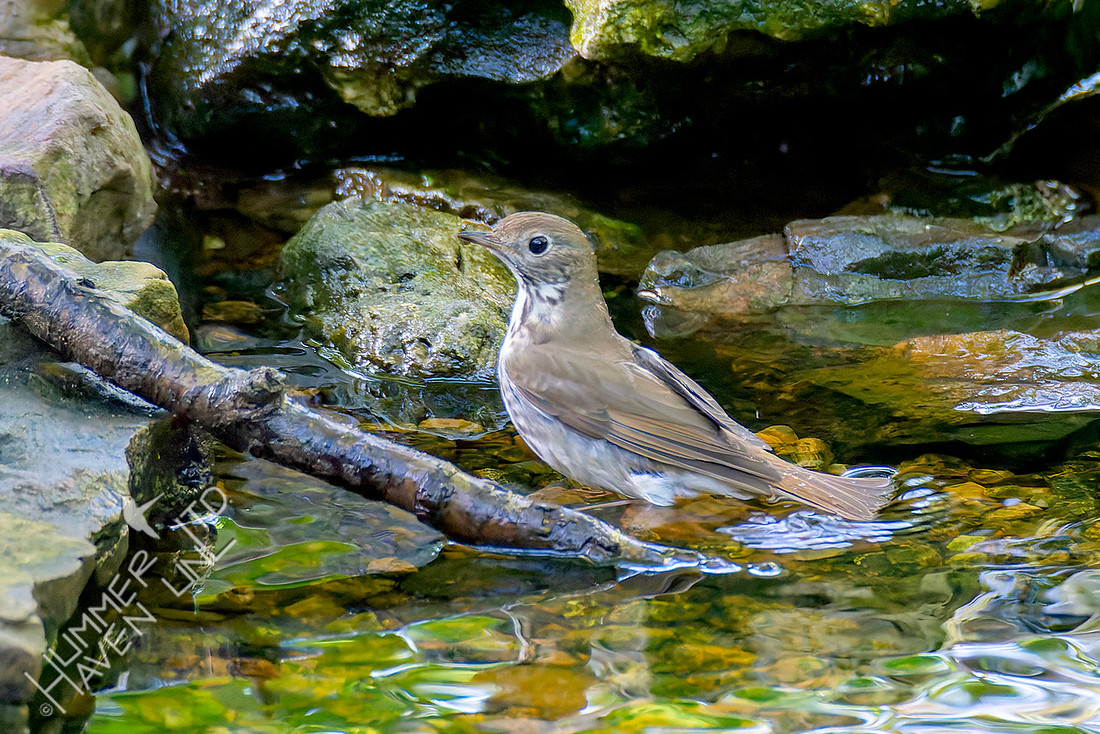
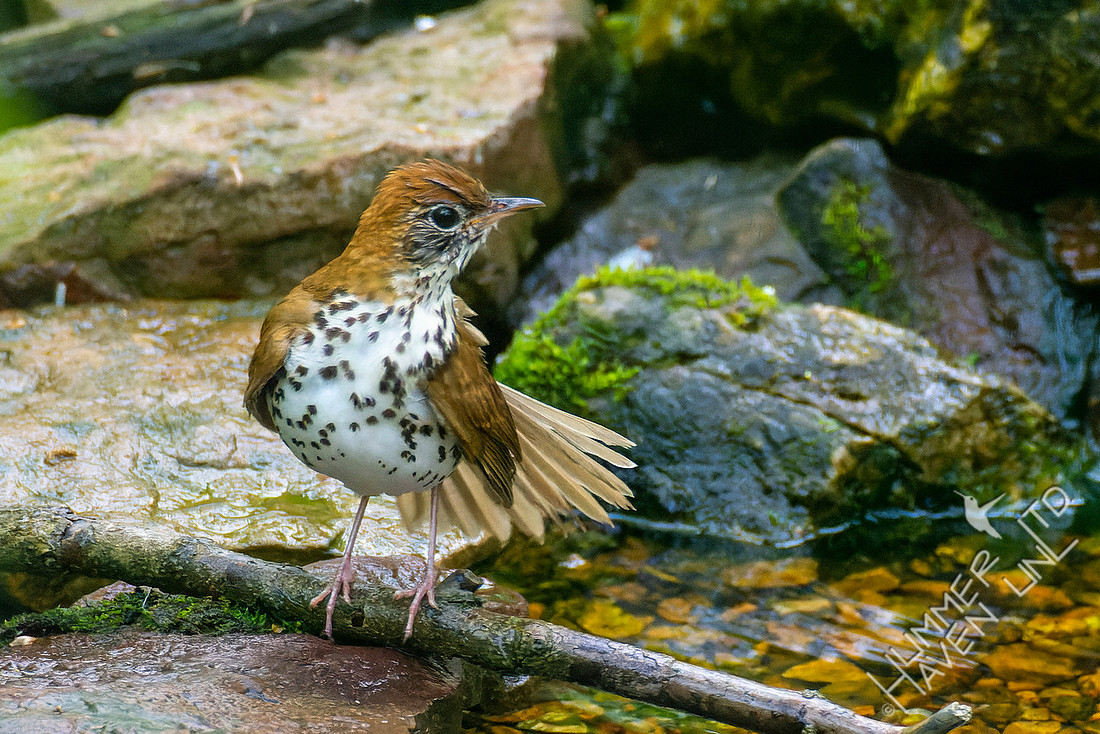
Swainson's Thrush and Hermit Thrush (with the rusty tail) have been here. A Wood Thrush has been heard singing its flute-like song for eight days in a row. The third photo is from 5-3-22 when it came to the bubbler. Telling thrushes apart can be challenging but differences can be seen with these three.
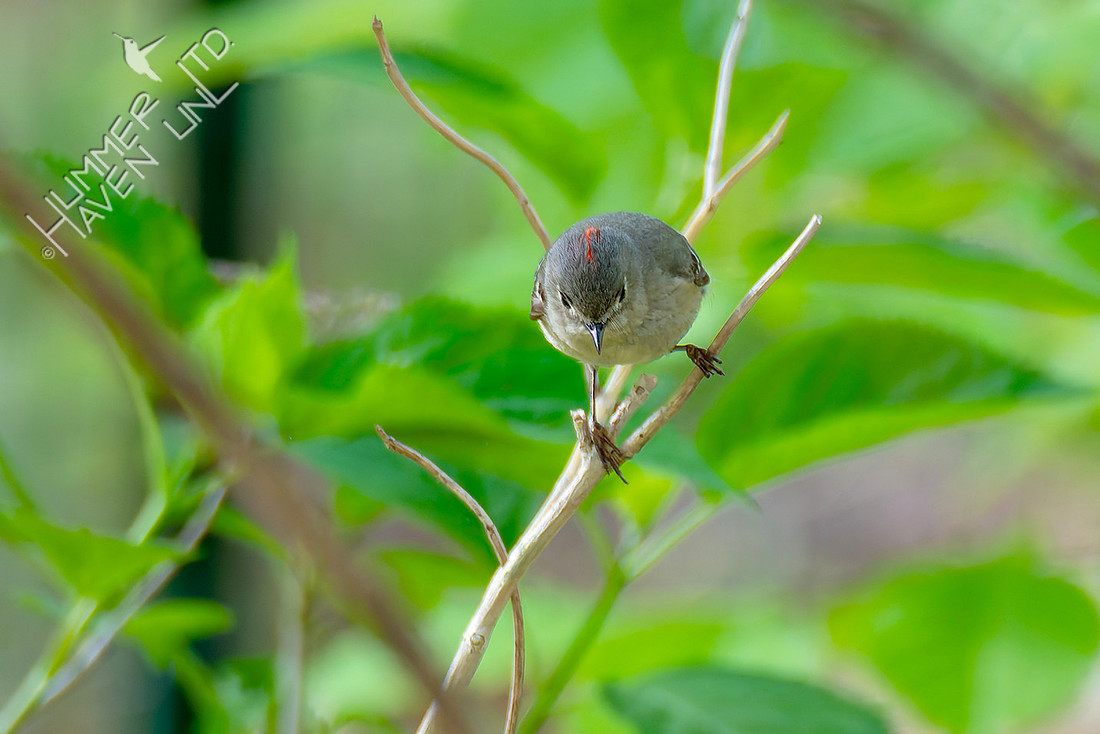
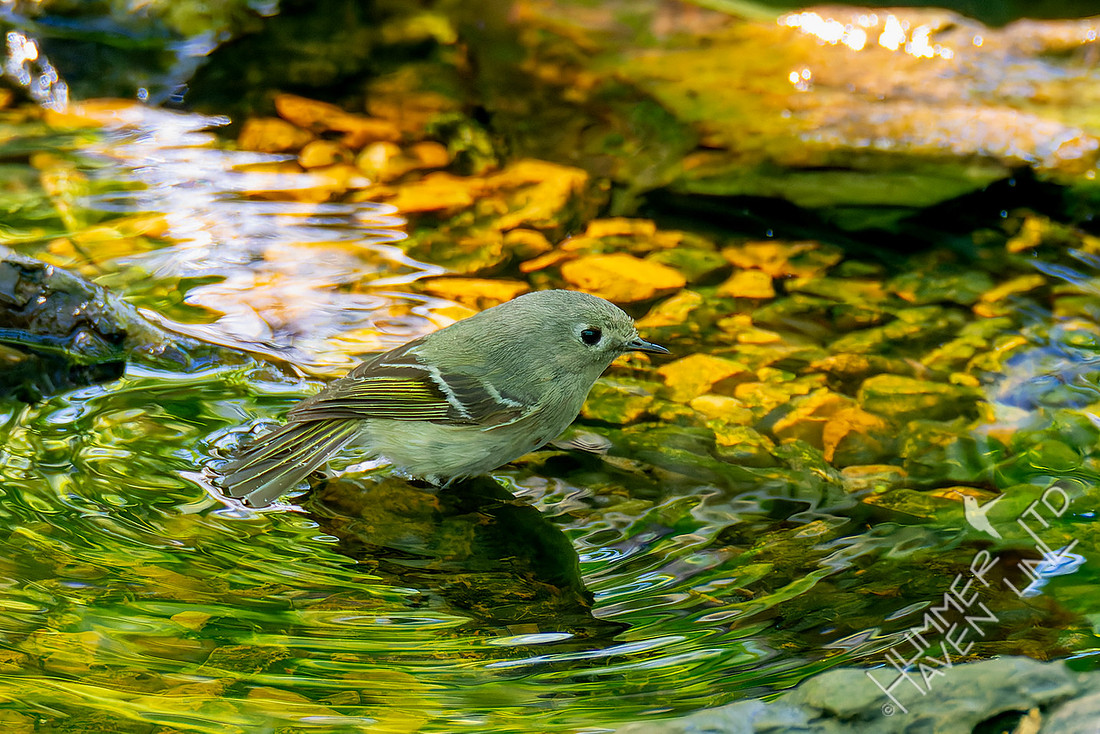
Ruby-crowned Kinglets are still around, males have the crown.
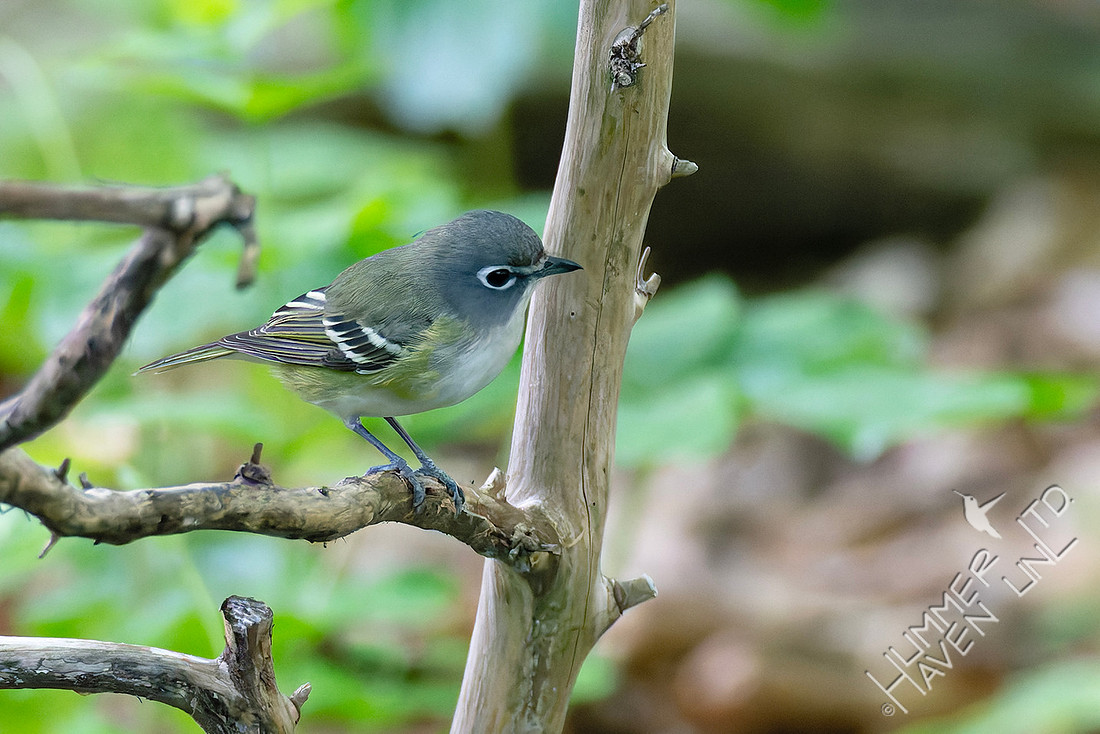
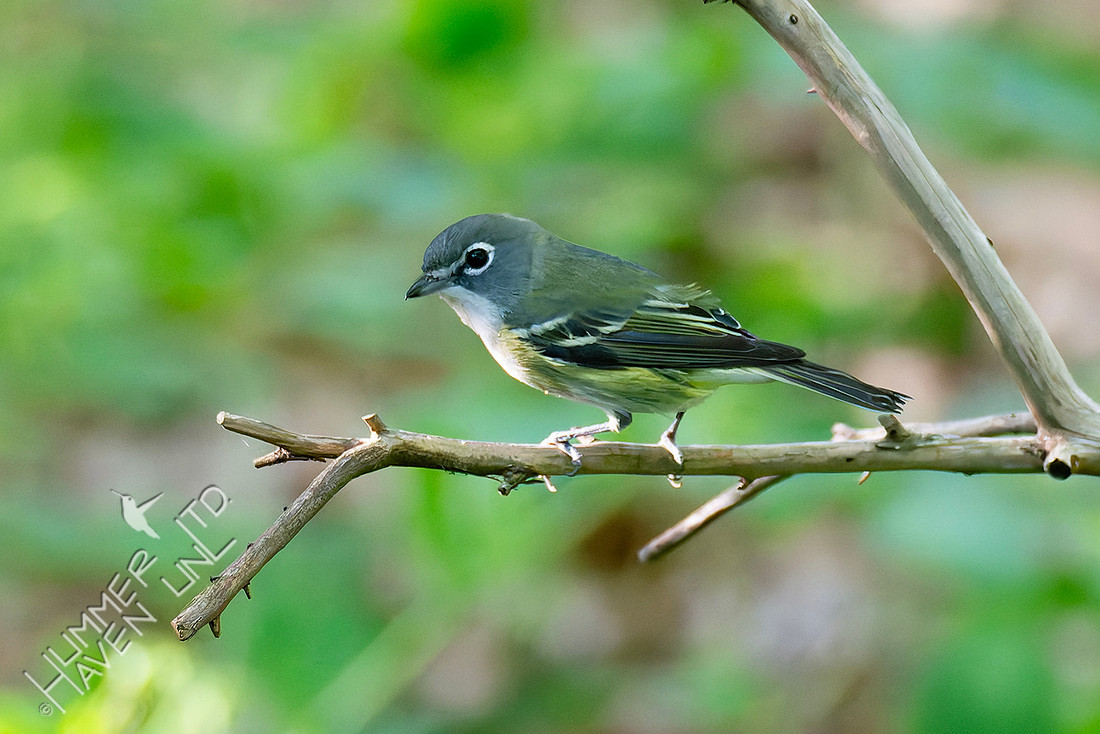
Blue-headed Vireos use perches to splash-bathe in the pond.
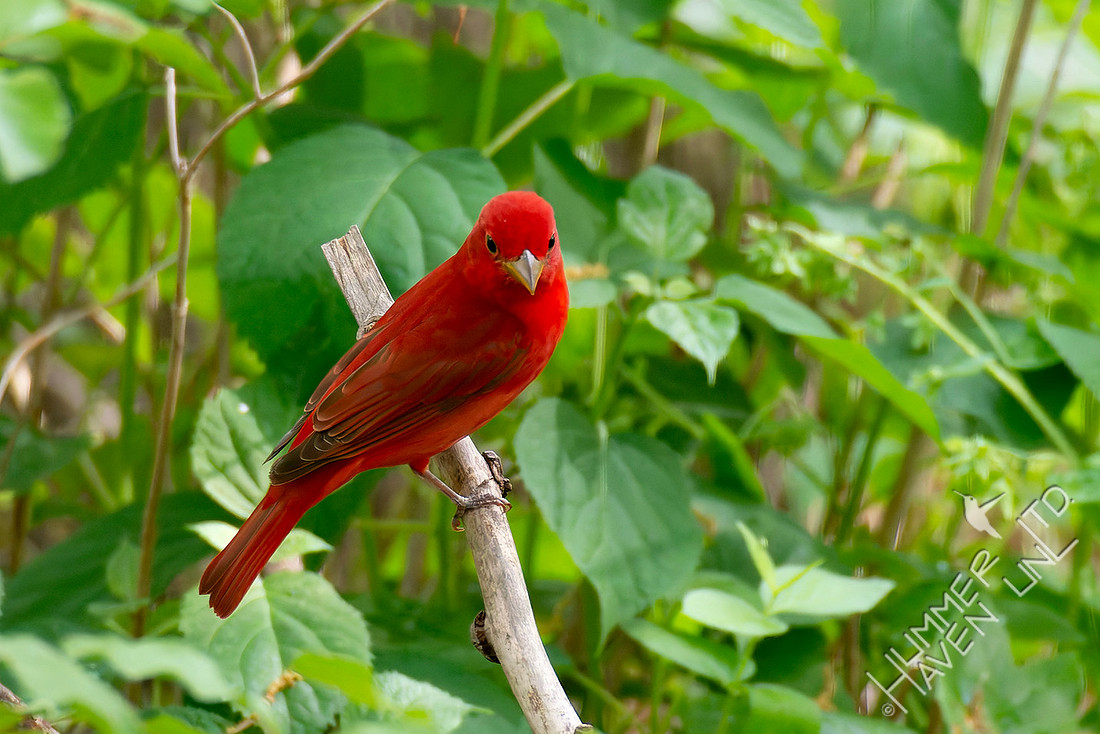
One Summer Tanager stayed just long enough for its photo as it looked over the area.
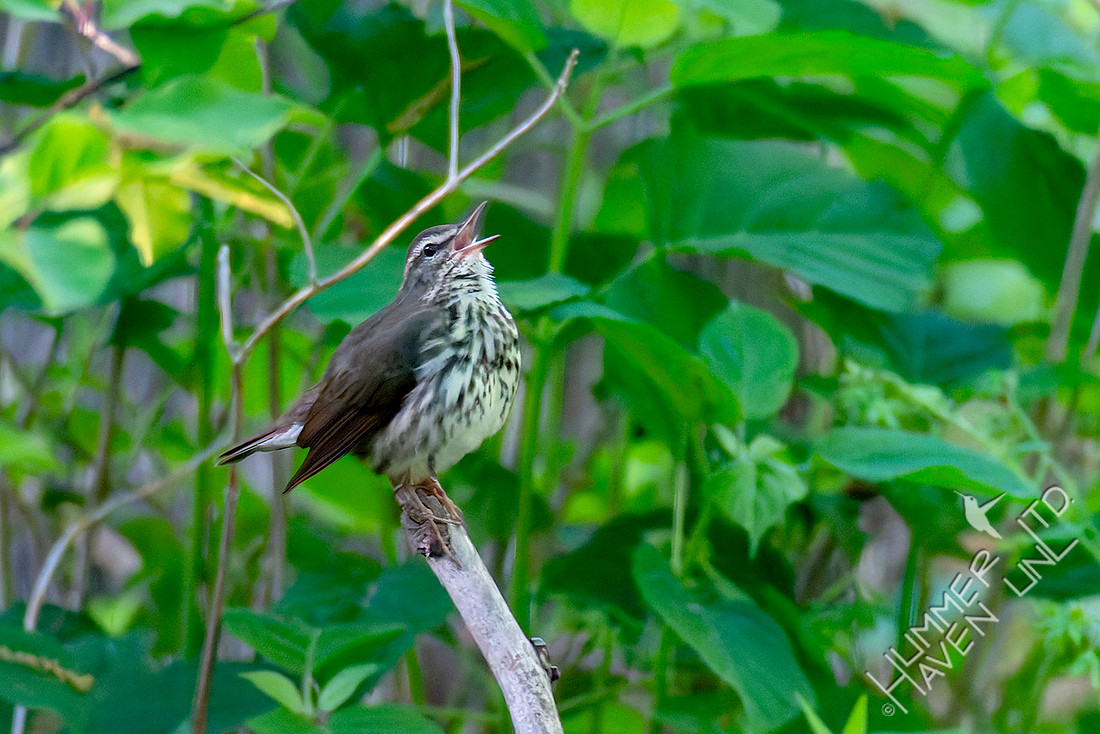
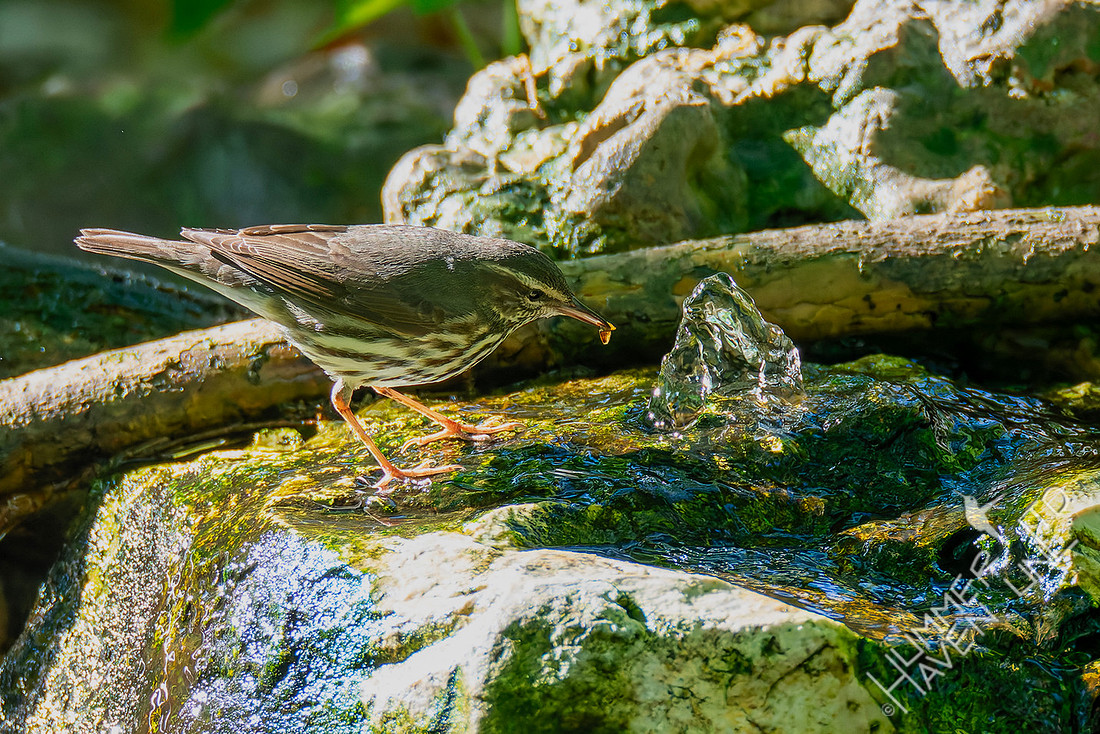
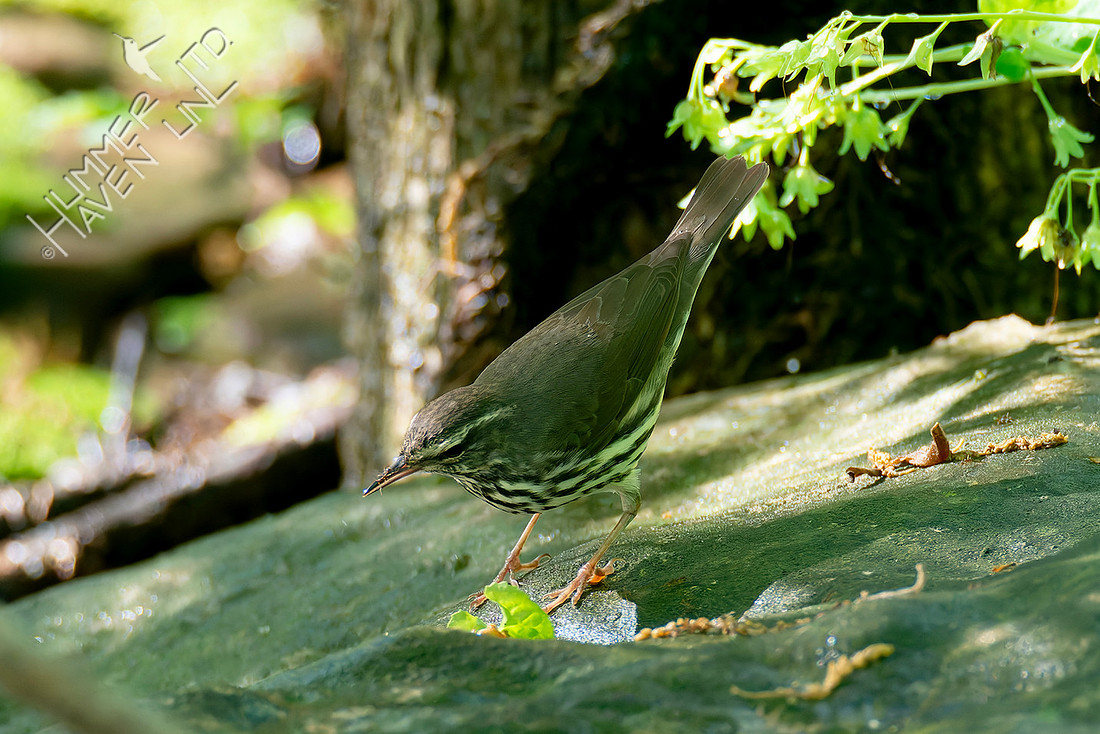
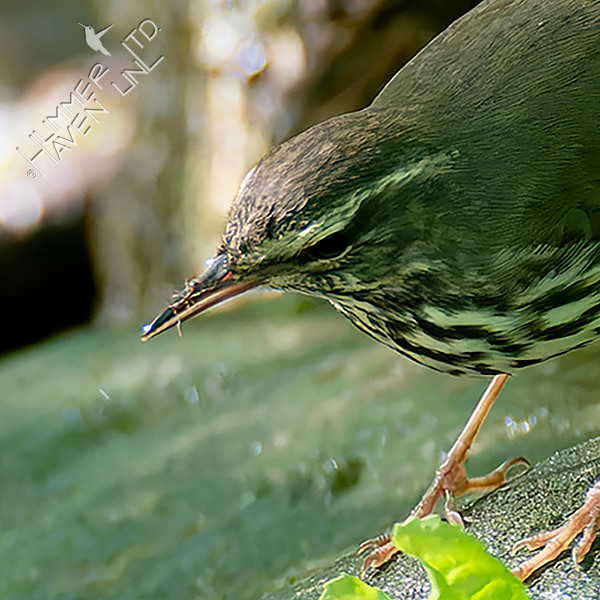
The Northern Waterthrush is a warbler and this one was singing and feeding on small invertebrates in the algae and tiny insects in the oak tassels.
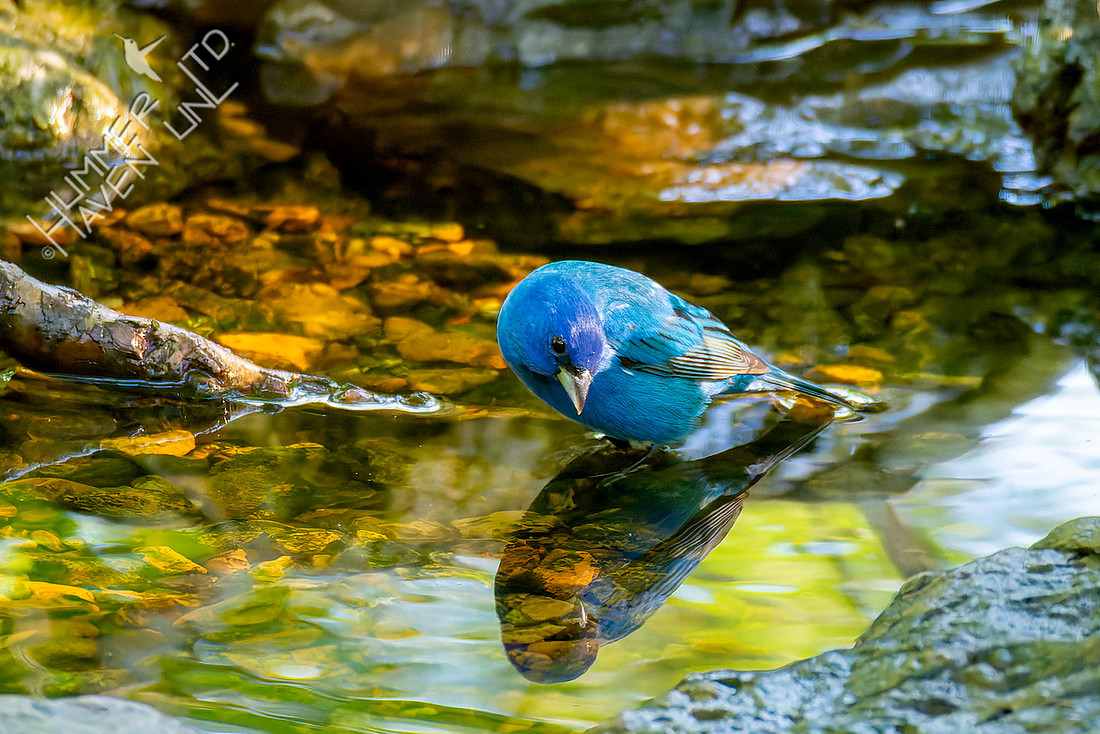
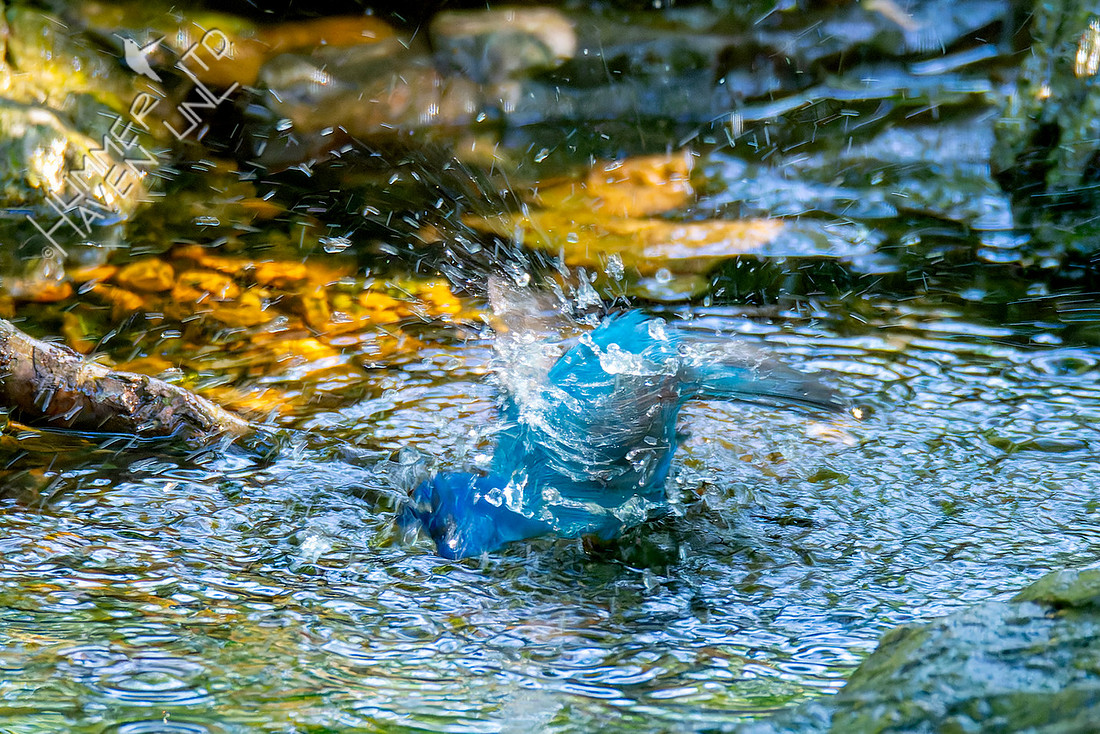
An Indigo Bunting added its blue hues to the mix.
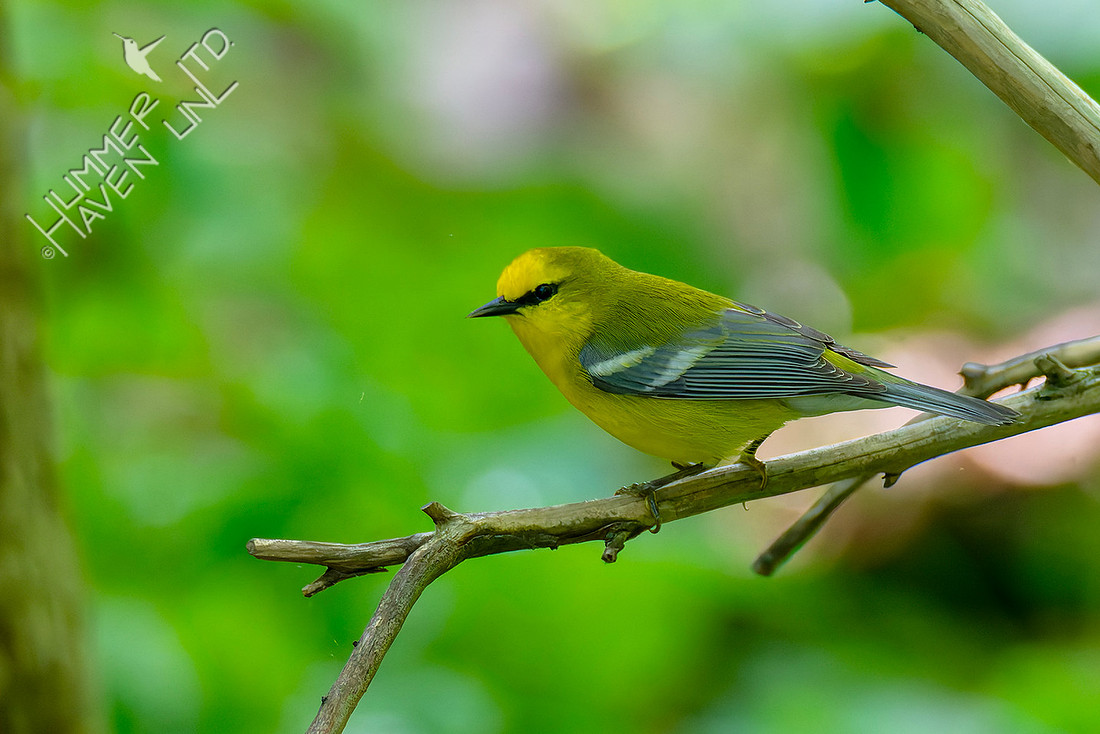
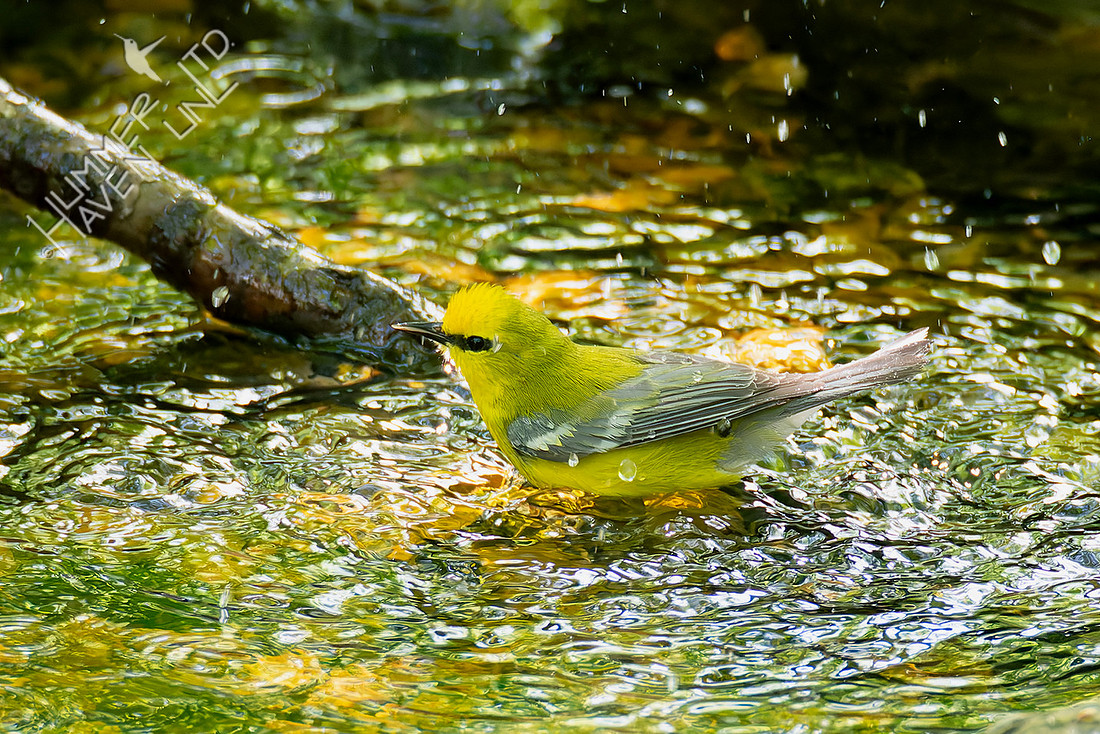
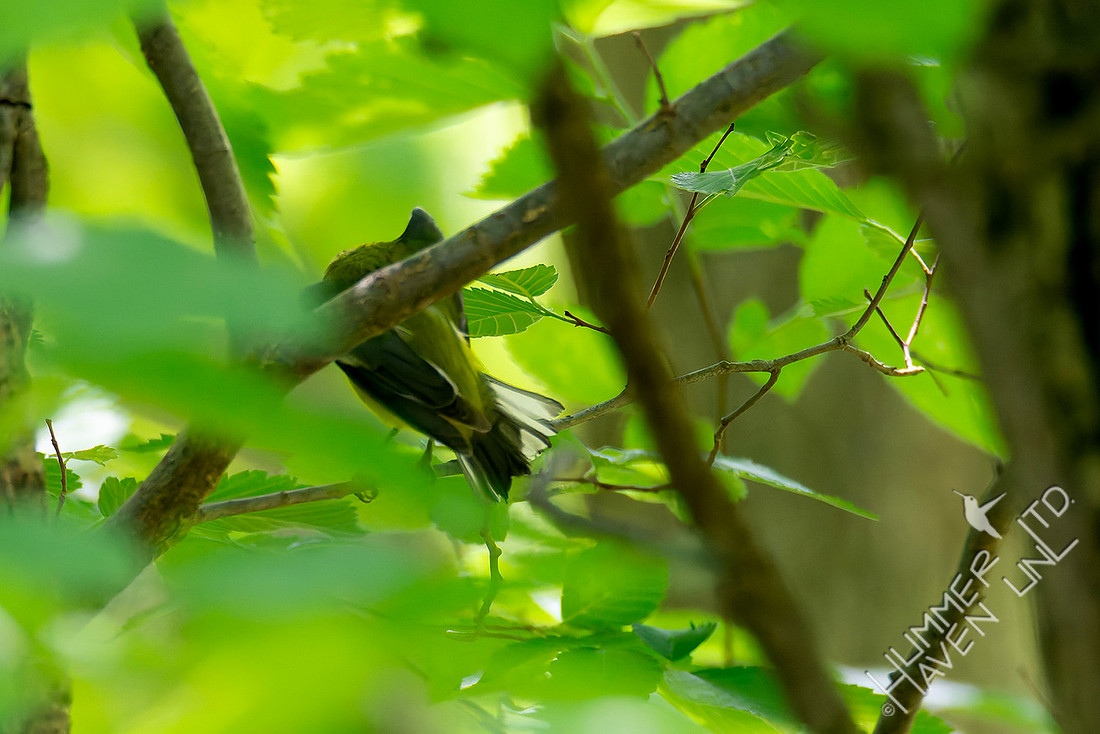 A Blue-winged Warbler was a real treat since one was only heard last year. It bathed and flew to preen in the cover of a small American elm. It was still here today.
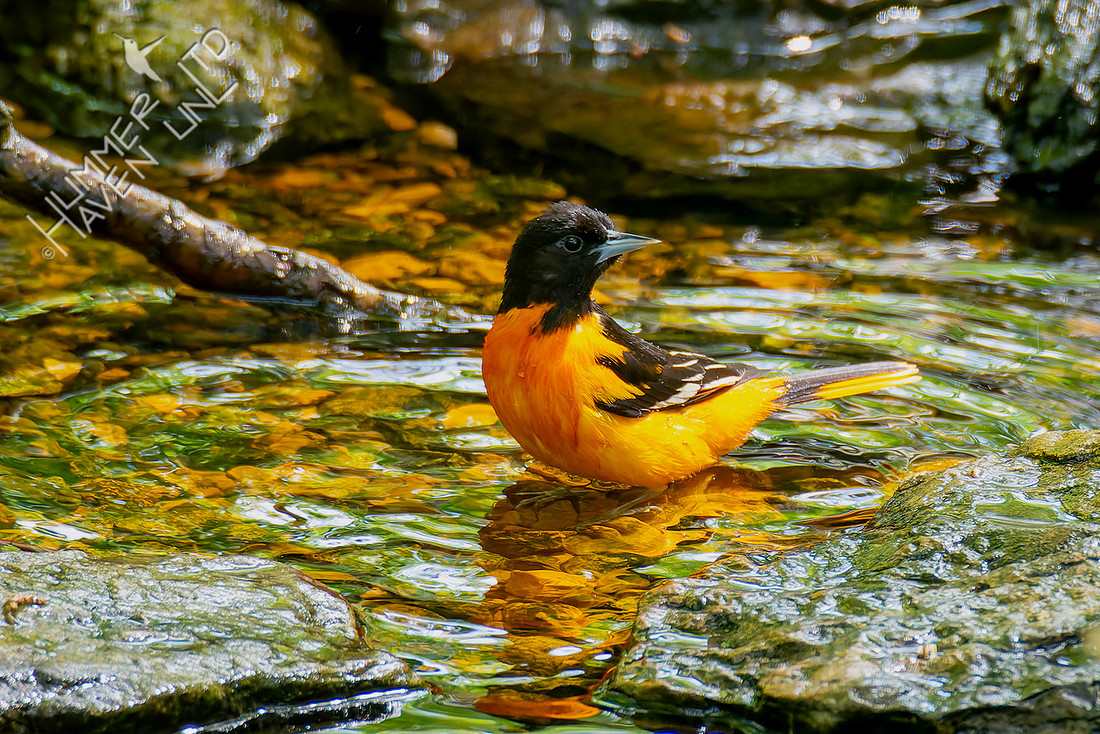
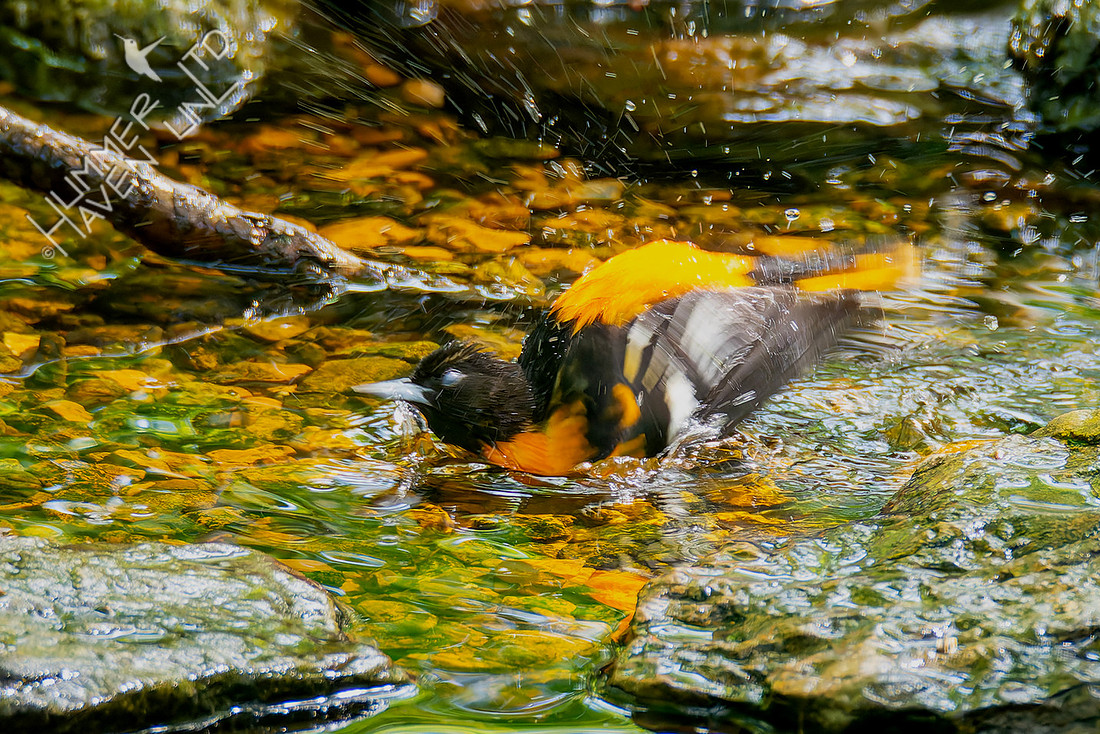
A stunning male Baltimore Oriole clothed in fiery orange and black slipped in for a quick bath.
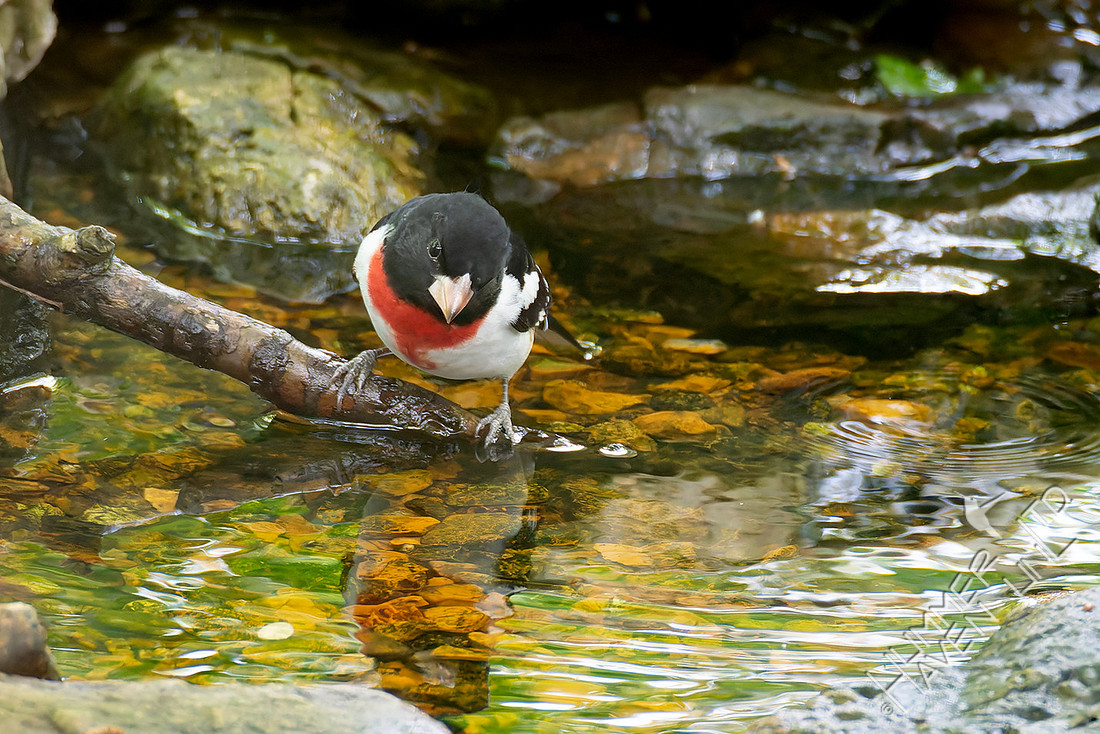
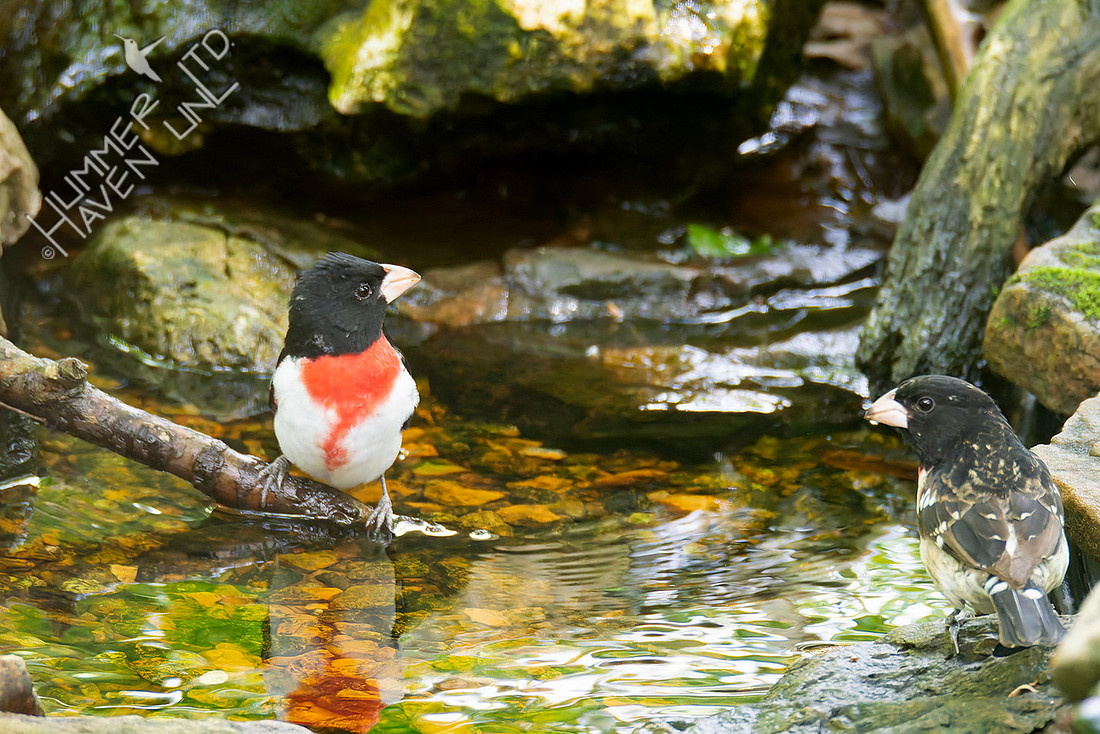
Two Rose-breasted Grosbeaks finally were revealed, the one on the right is a first spring male. They've been heard for almost a week.
Eastern Bluebirds are busy carrying food into the nest box and fecal sacs out for their growing brood.
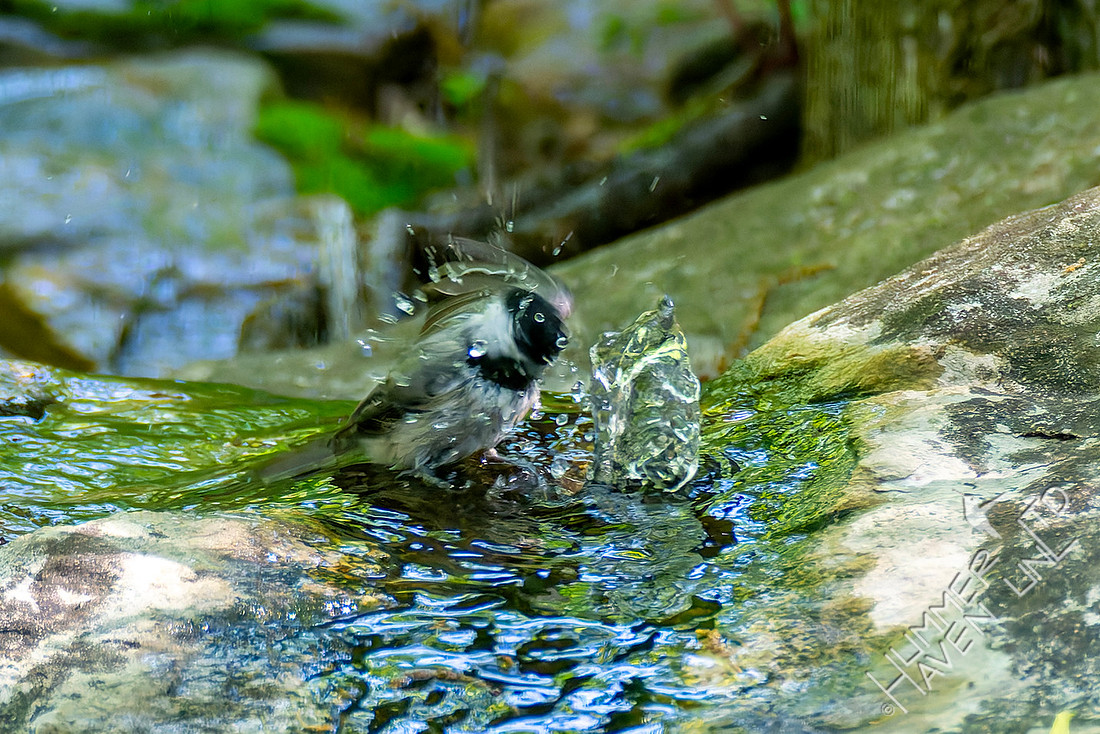
A chickadee just had a good time in the bubble! Cover, food and water, the basics are here for all the birds.
A Ruby-throated Hummingbird was first seen at the Coral Trumpet Honeysuckle on 4-26-26 while on my morning walk. A female was seen the next day, both at the same feeder. So, they're back!
Enjoy all the beautiful sights and sounds of spring!
Mid-April Review 4-16-26
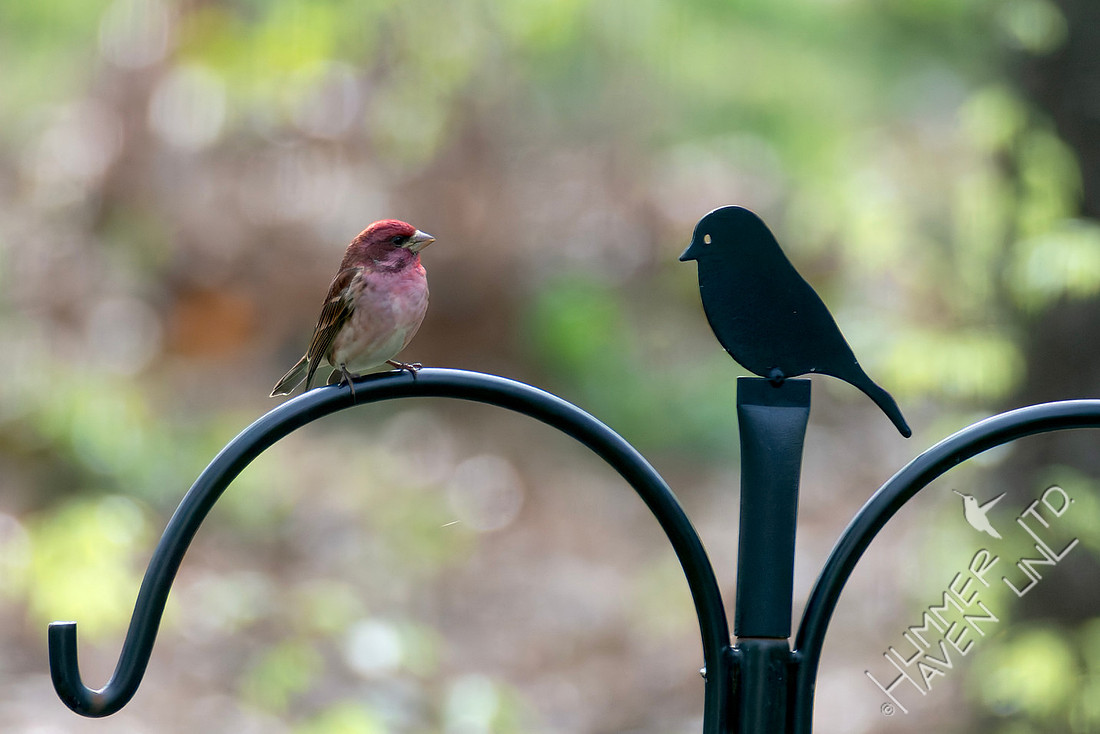
Let's talk first about a "Charm" of Purple Finches!
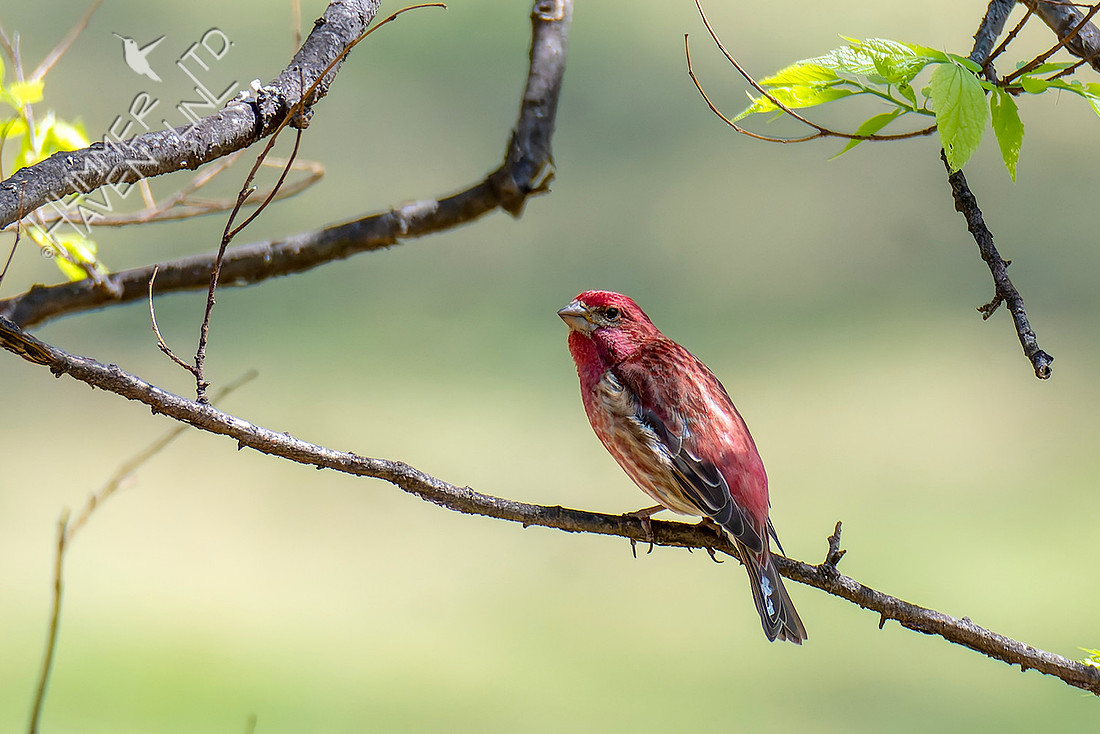
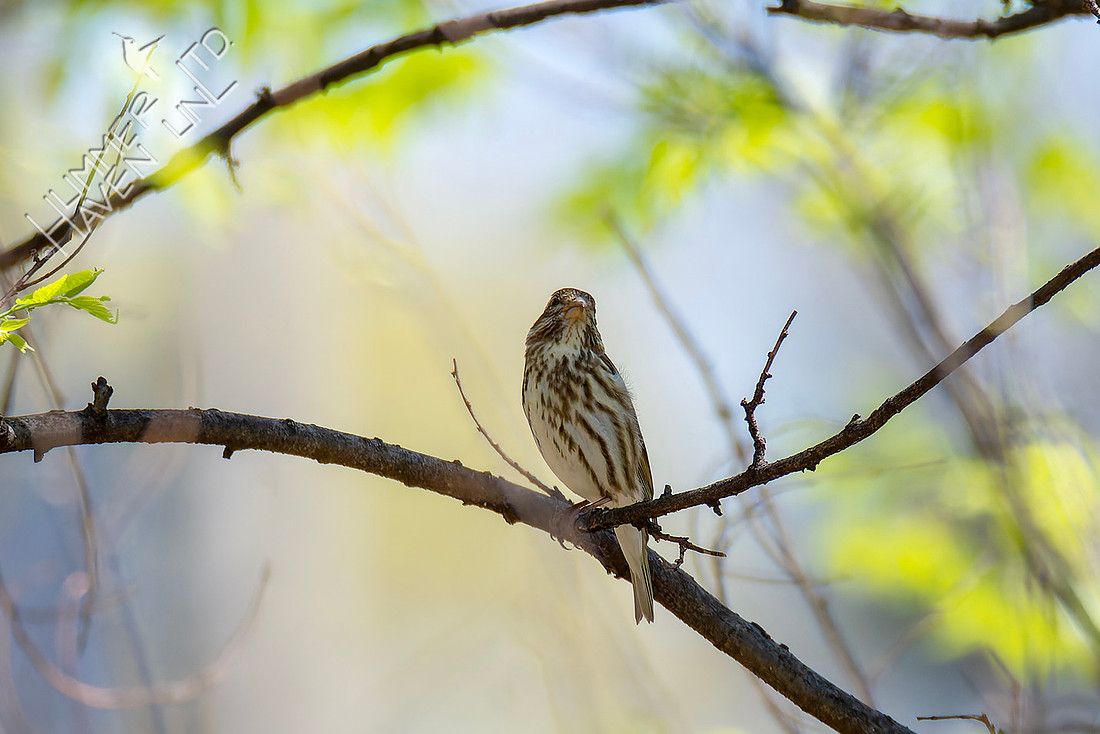
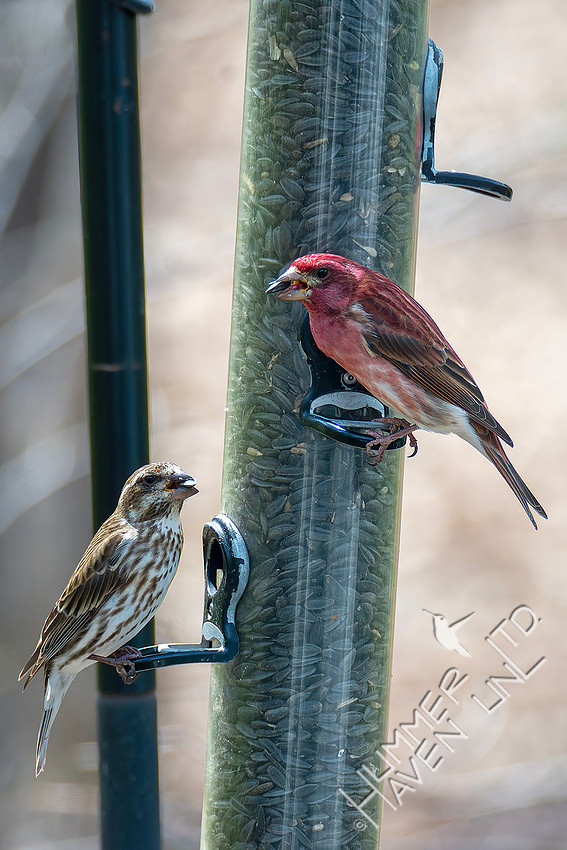
On 3-25-26, I briefly saw a male Purple Finch. On Easter Sunday, 4-5-26, three males and three females had arrived. Nine days later, three were still being seen. They feed heavily for a few minutes, then find a place in a tree or shrub to rest while they digest their food. This is my high count for the specie.
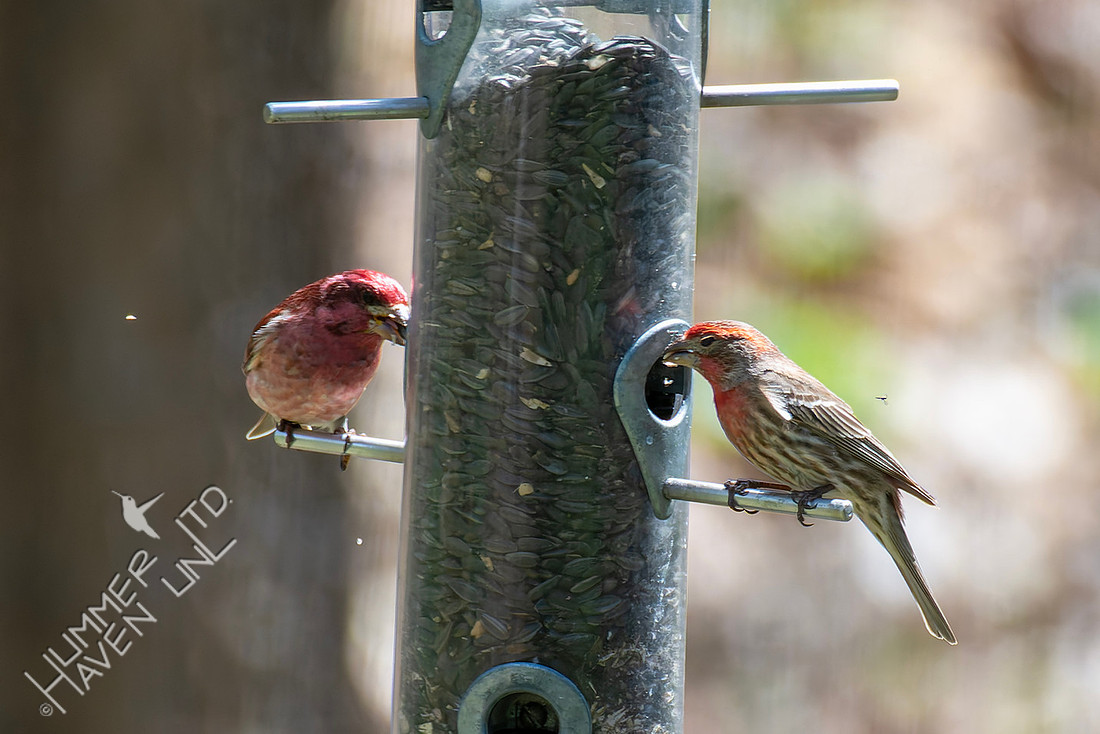
A Purple Finch is on the left, and its near look-alike, the House Finch is on the right. The House Finch is abundant throughout most of the country. The Purple Finch moves erratically from year to year within the eastern part of the country. Here's more to explore.
My previous post on Winter Finches:
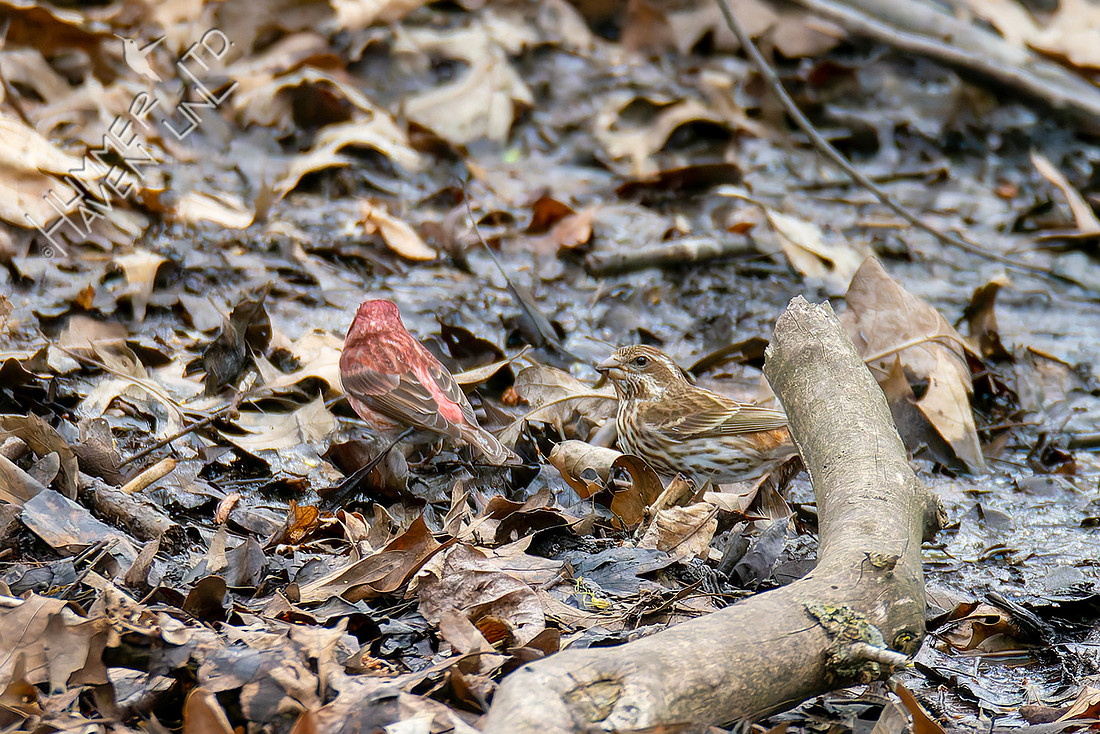
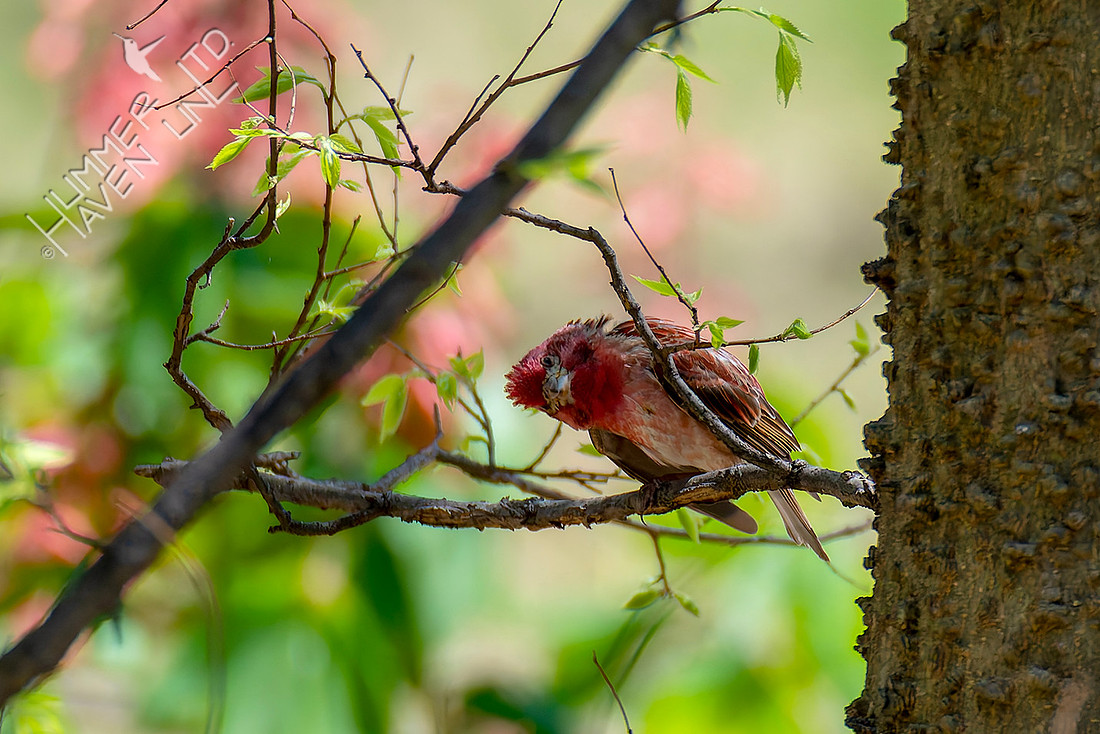
Their diet does include insects as well as seeds and fruit. The pair were in the swampy thicket, working through the leaves to find invertebrates such as the one the female has in its beak. (It looks like a tiny slug.) In the last photo, this male was preening and soaking up some sun. It looked to me like it was mimicking the bark of the Hackberry with its distinctive corky, warty projections. The Red Buckeye in the background helps to provide perfect camouflage.
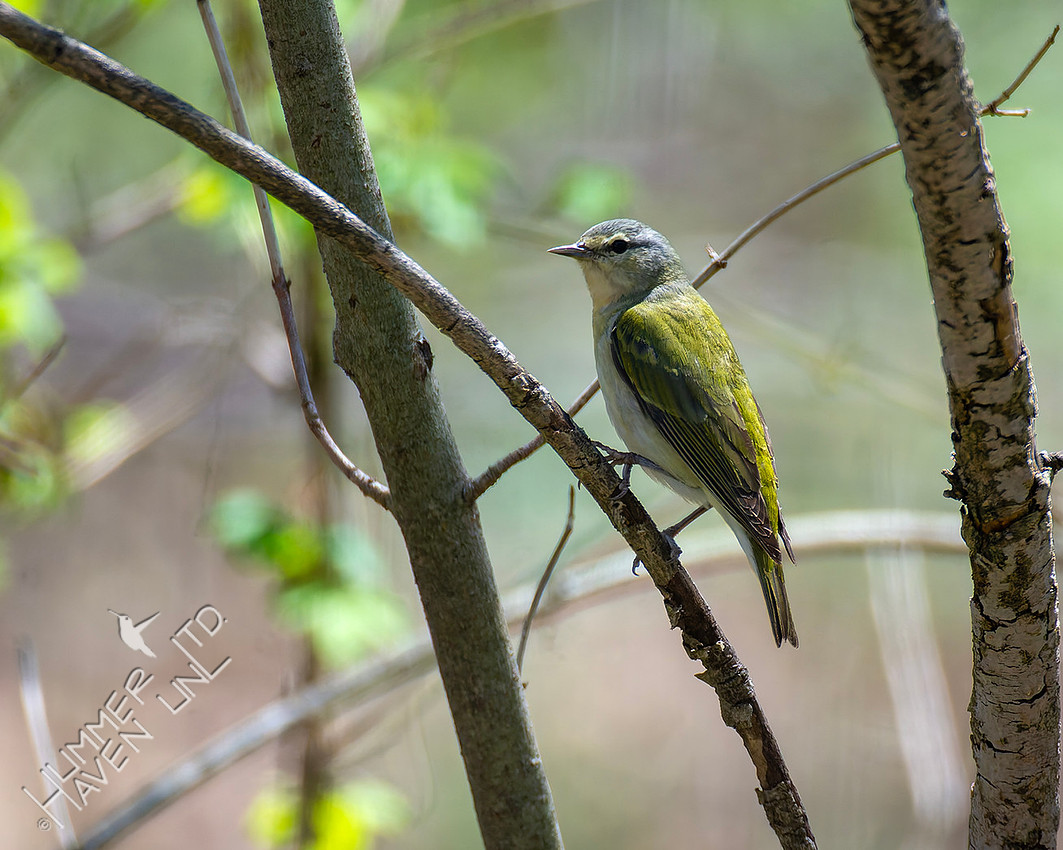
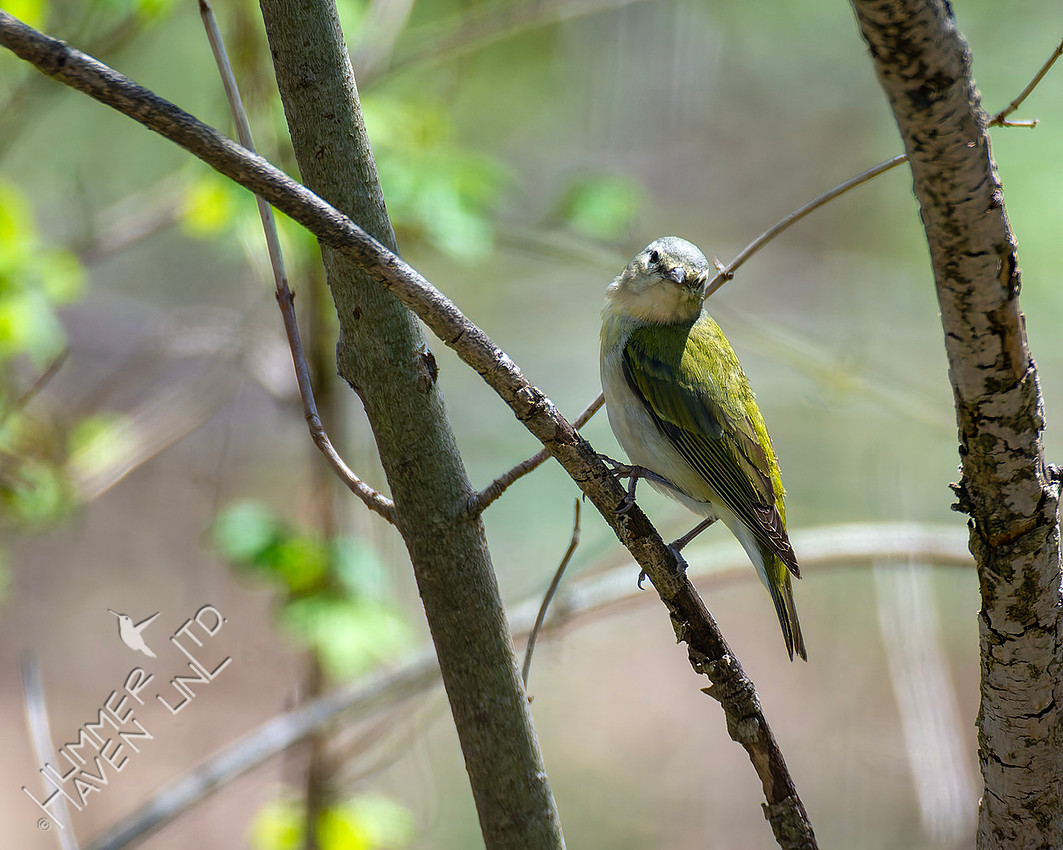
On 4-9-26, this Tennessee Warbler flew up from the bubbler and perched just long enough for photos. Its surprise arrival tied with the second earliest record for the state.
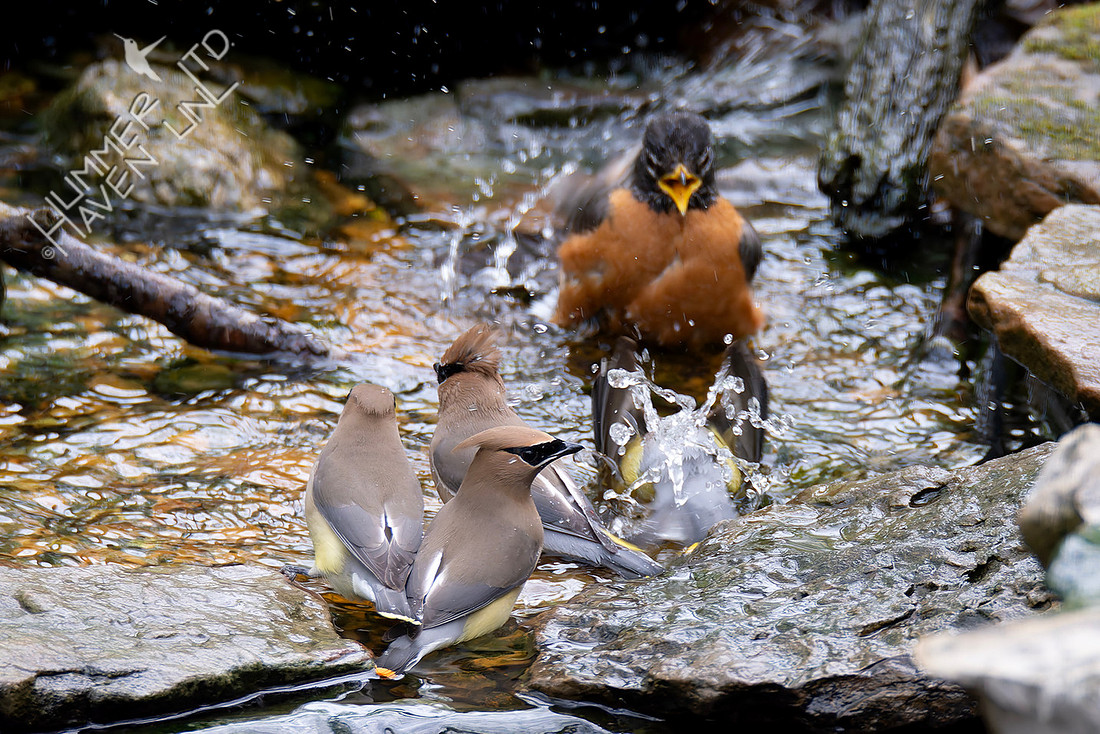
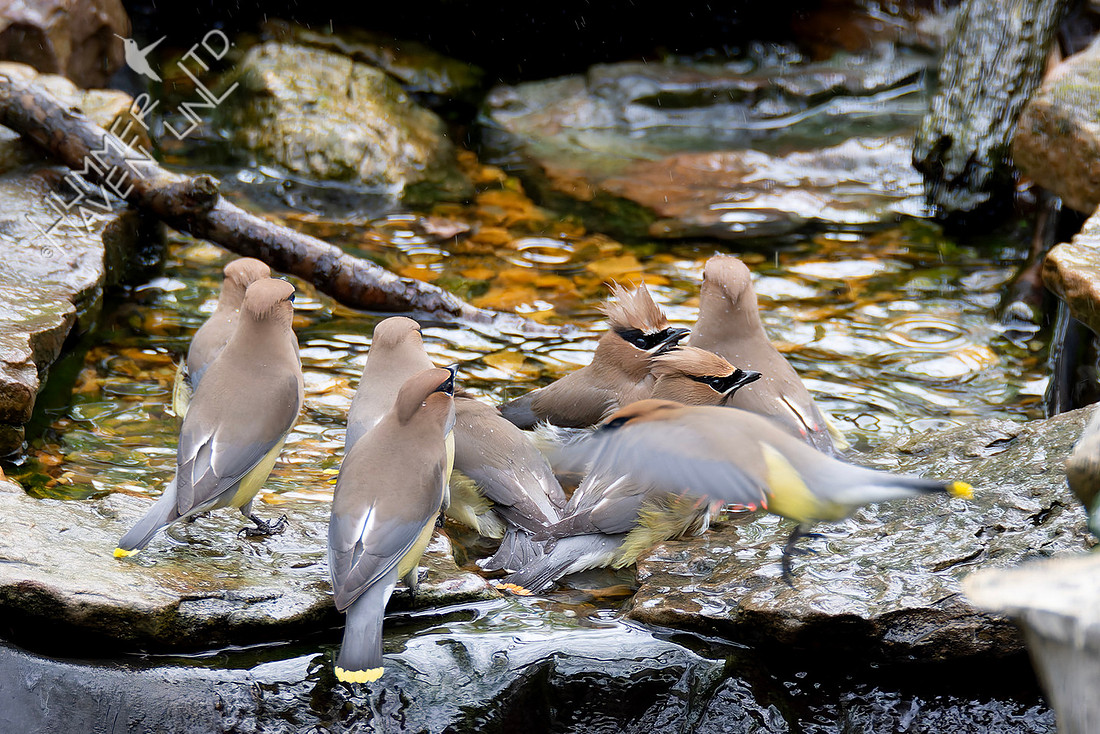
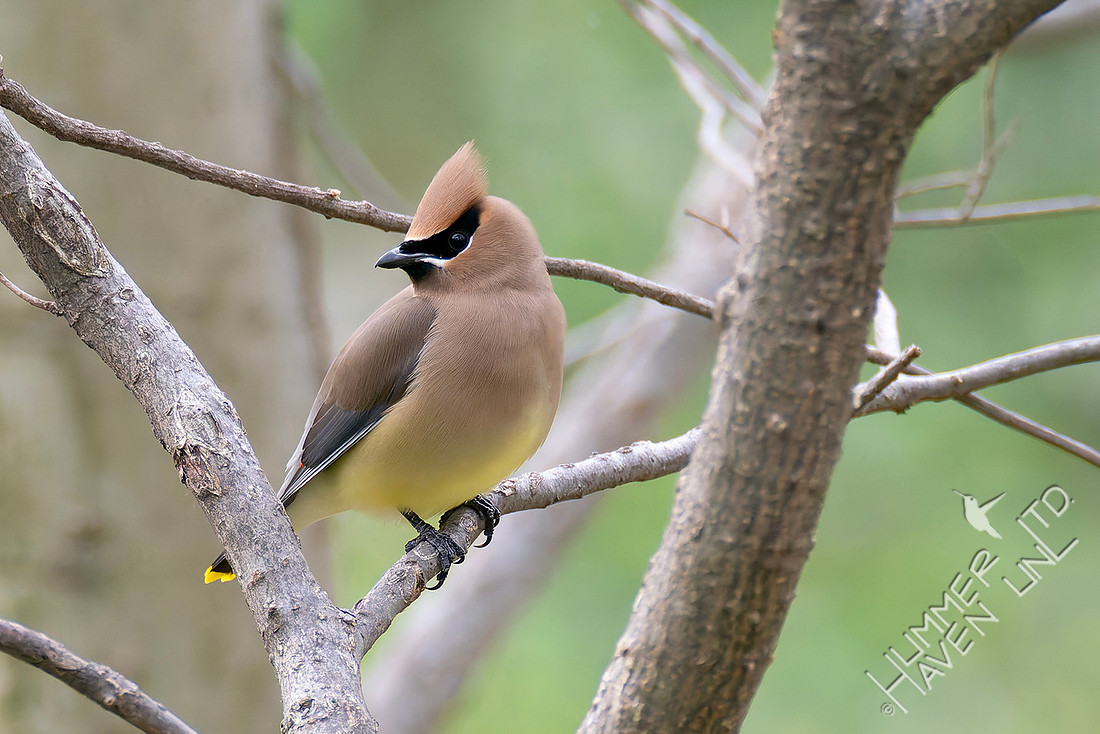
Cedar Waxwings have been seen at the bubbler twice this past week, a flock of ten took turns getting in, then five perched above it.
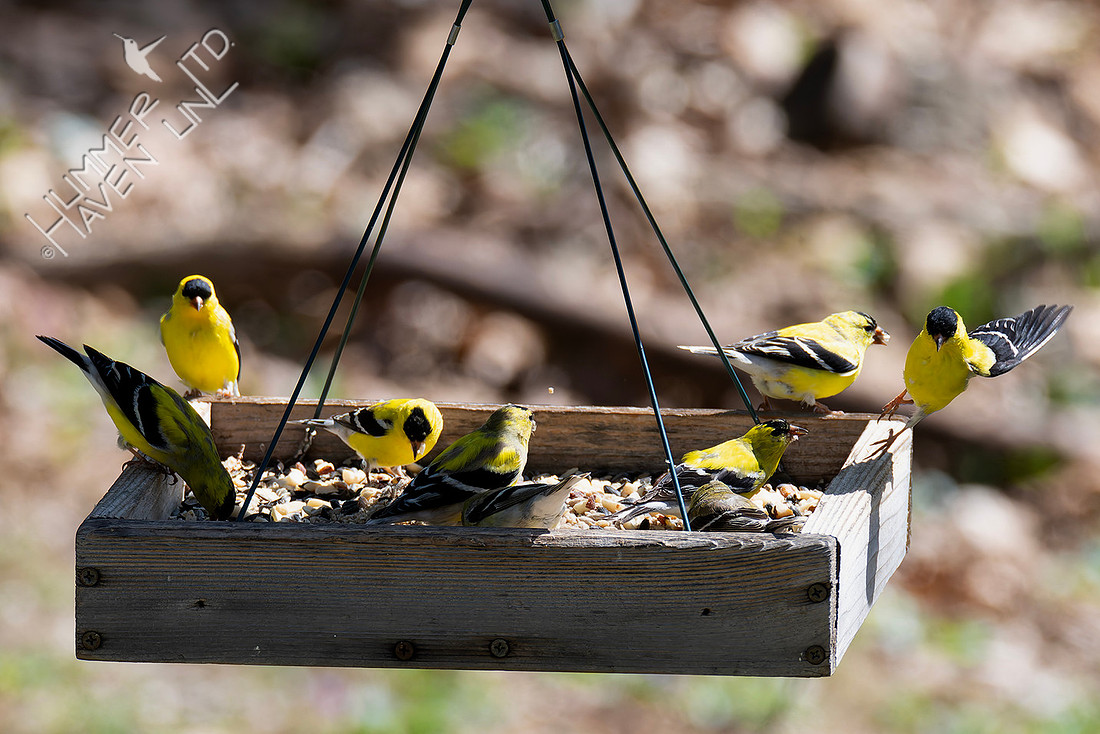
American Goldfinches have molted into their breeding plumage. Some days we've had over twenty birds.
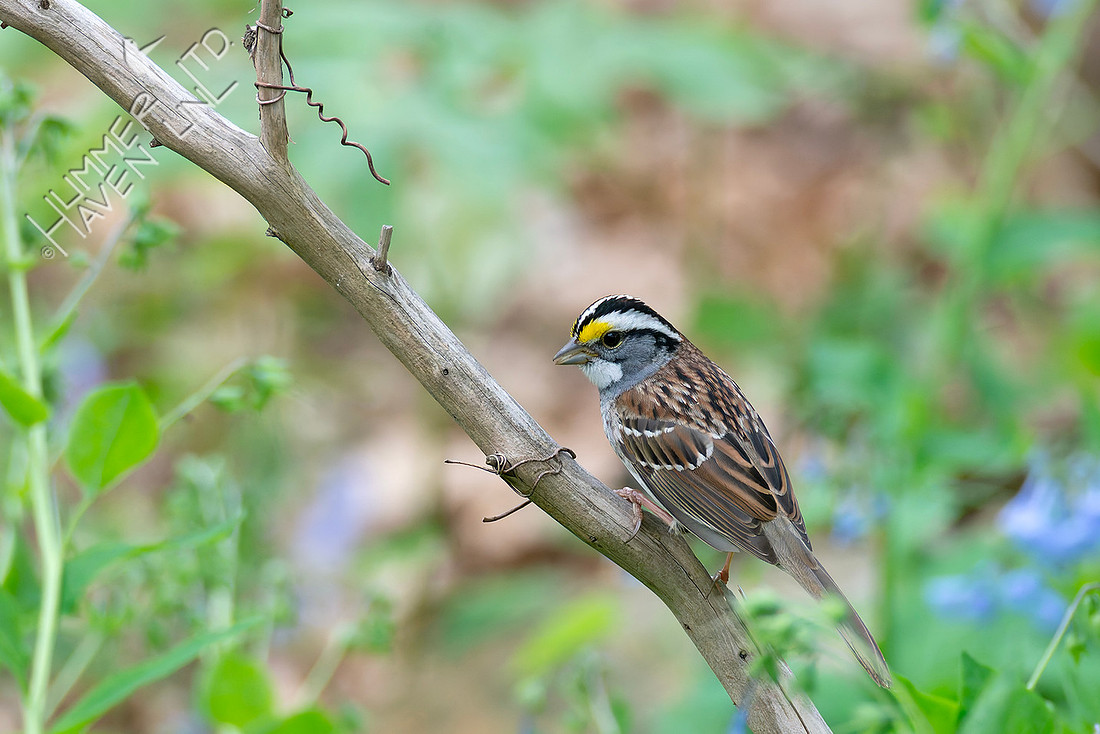
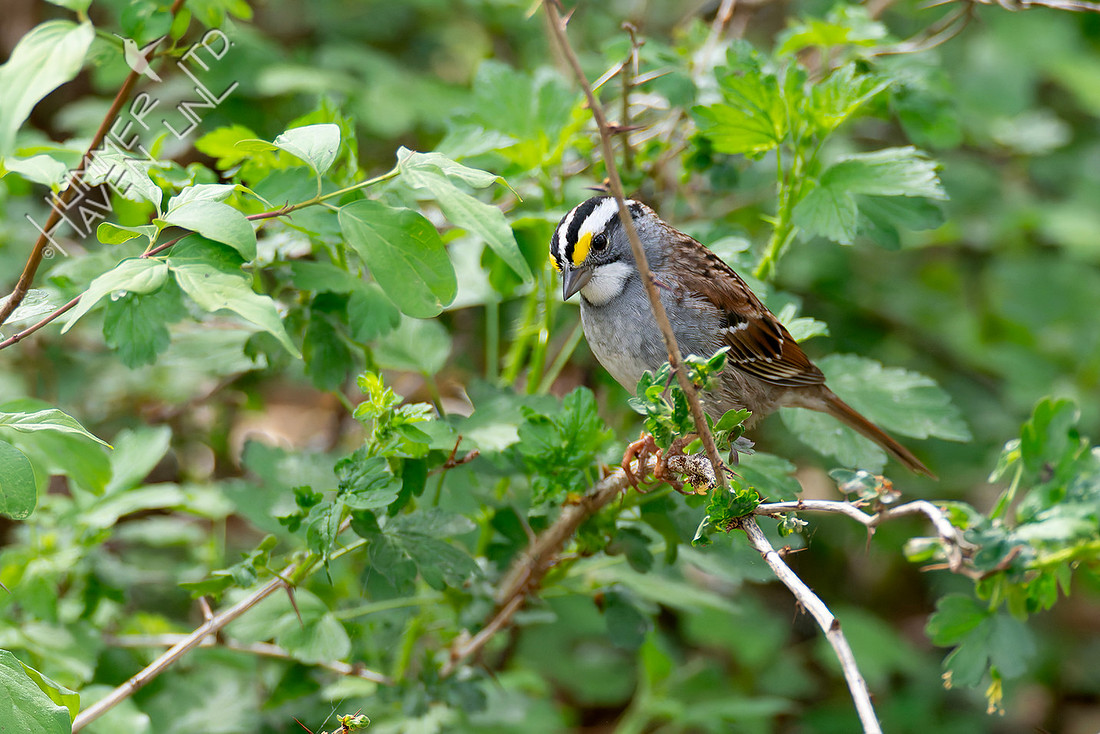
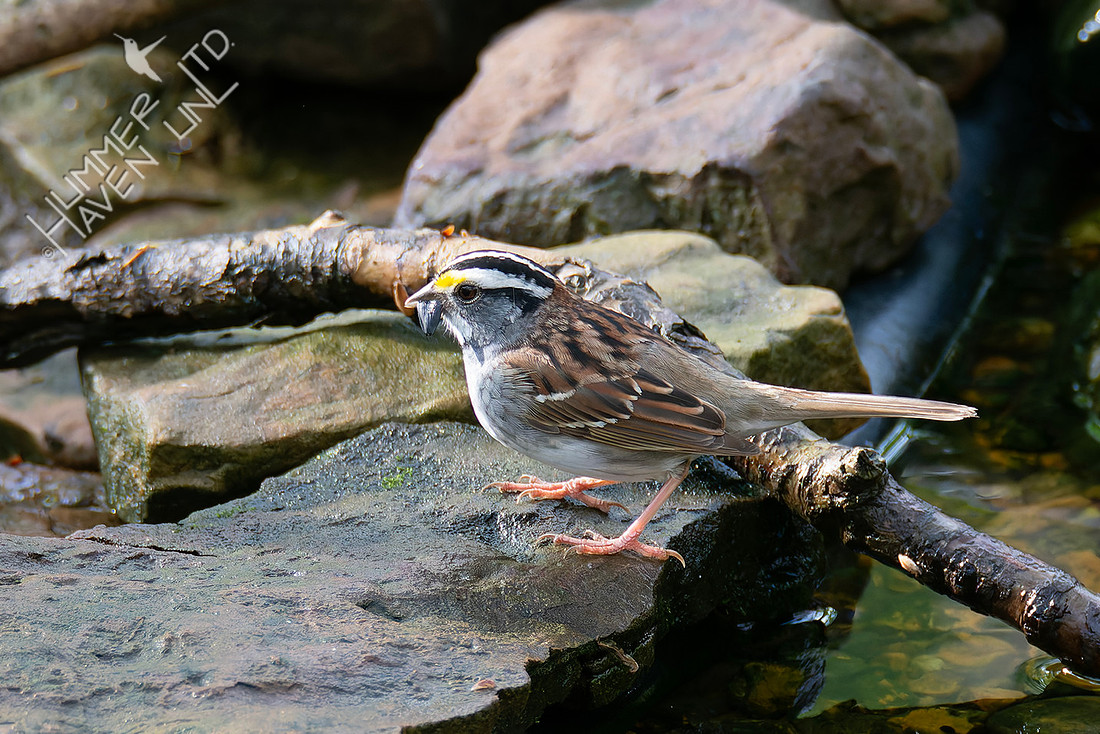
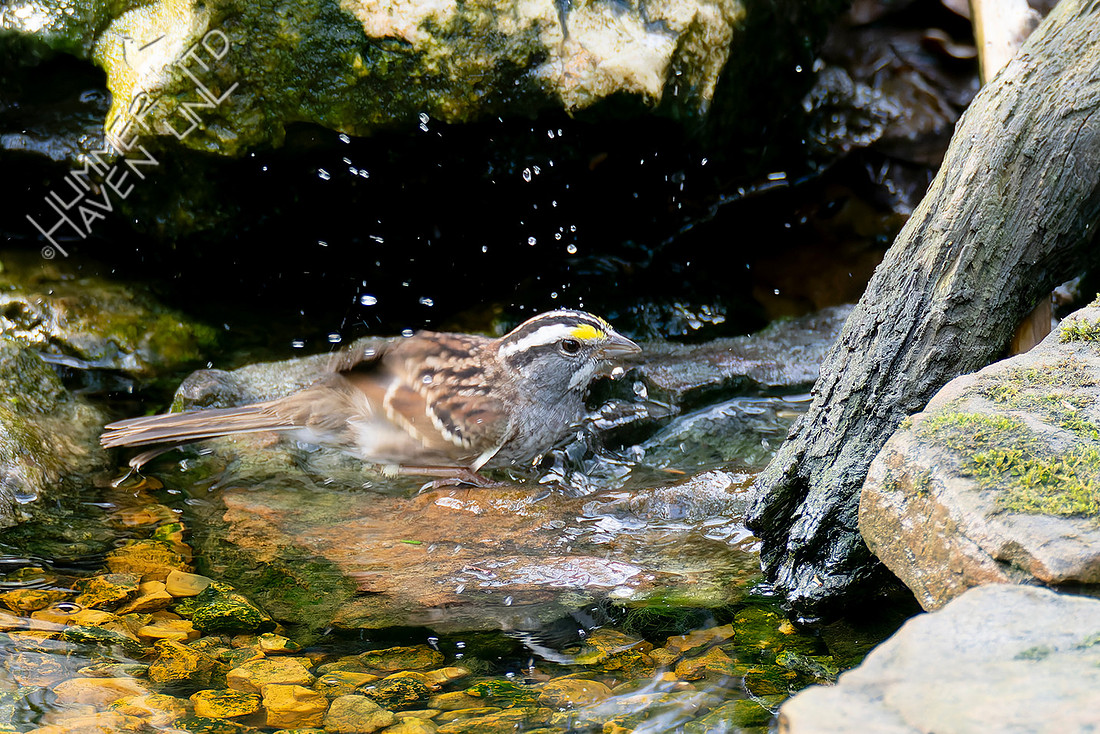
White-throated Sparrows have been numerous the past two weeks. They are often at the bubbler, and spend time in the Gooseberry patch looking for insects and invertebrates.
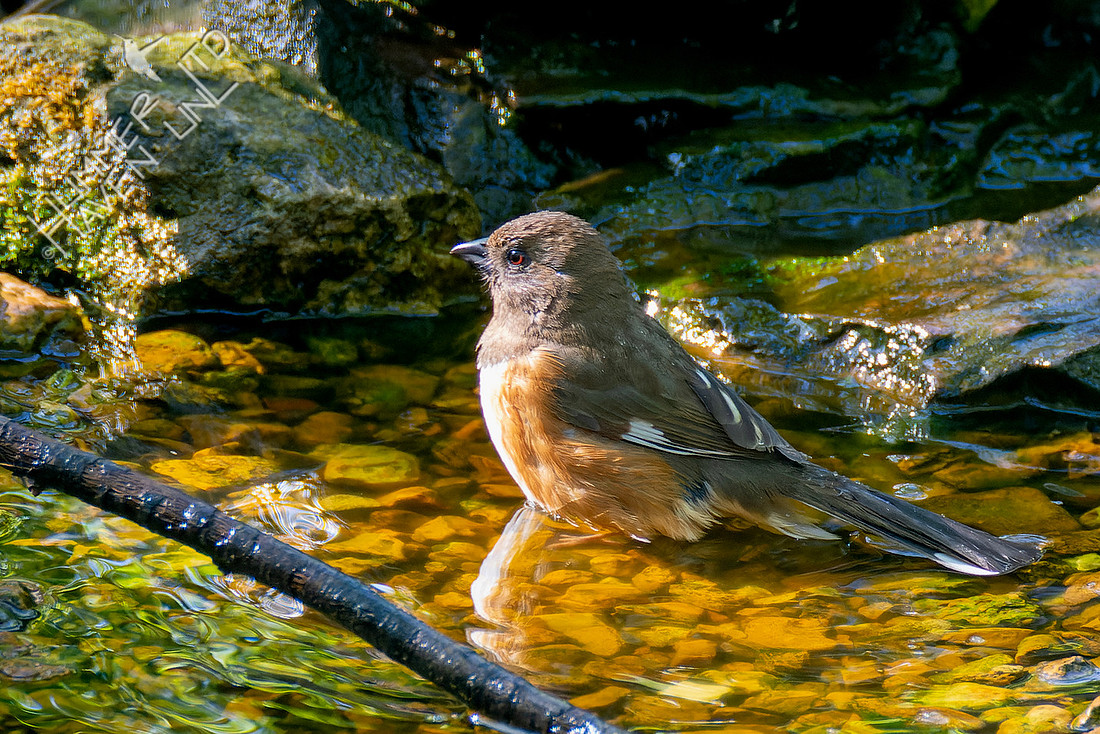
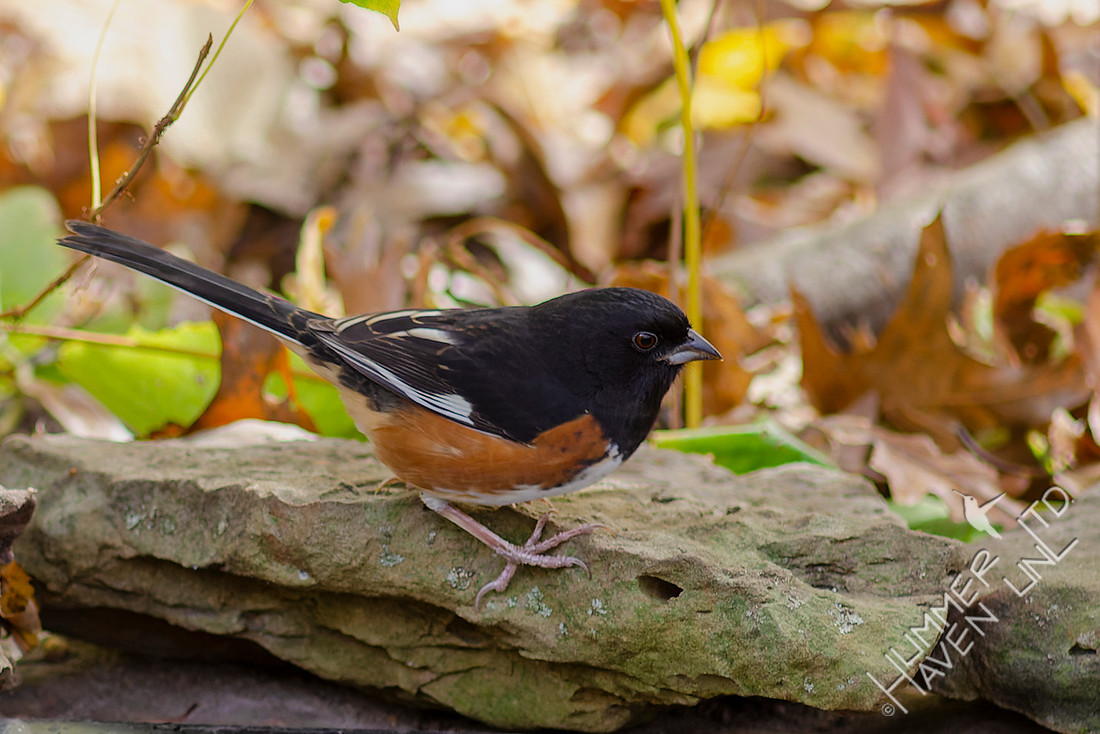
Three years ago, a female Eastern Towhee was here for several days and enjoyed bathing often. However, it's been nearly 11 years since a male was at the bubbler on 10-26-15. On 4-10-26, a male decided to chance it!
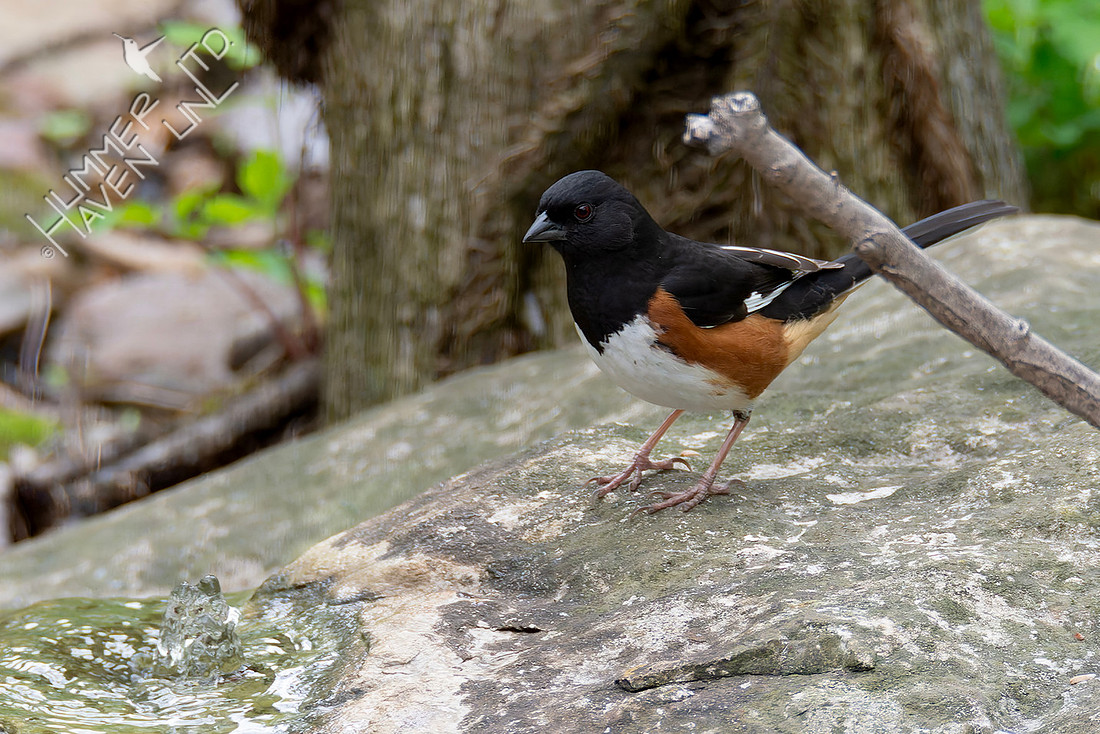
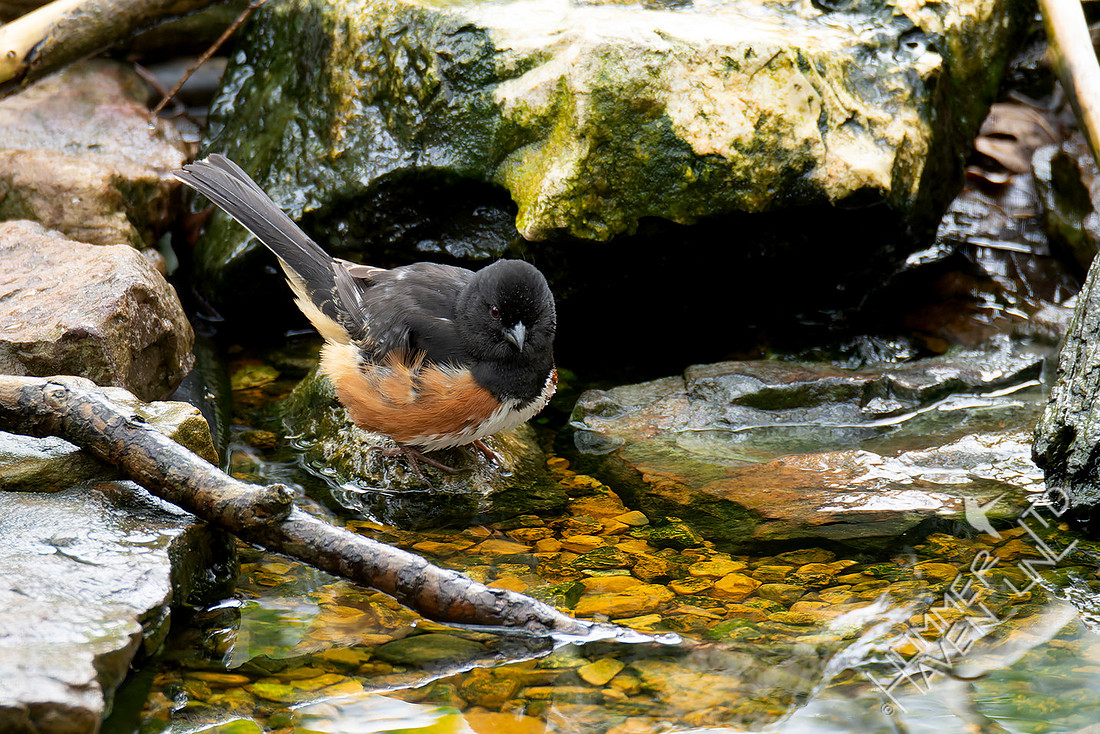
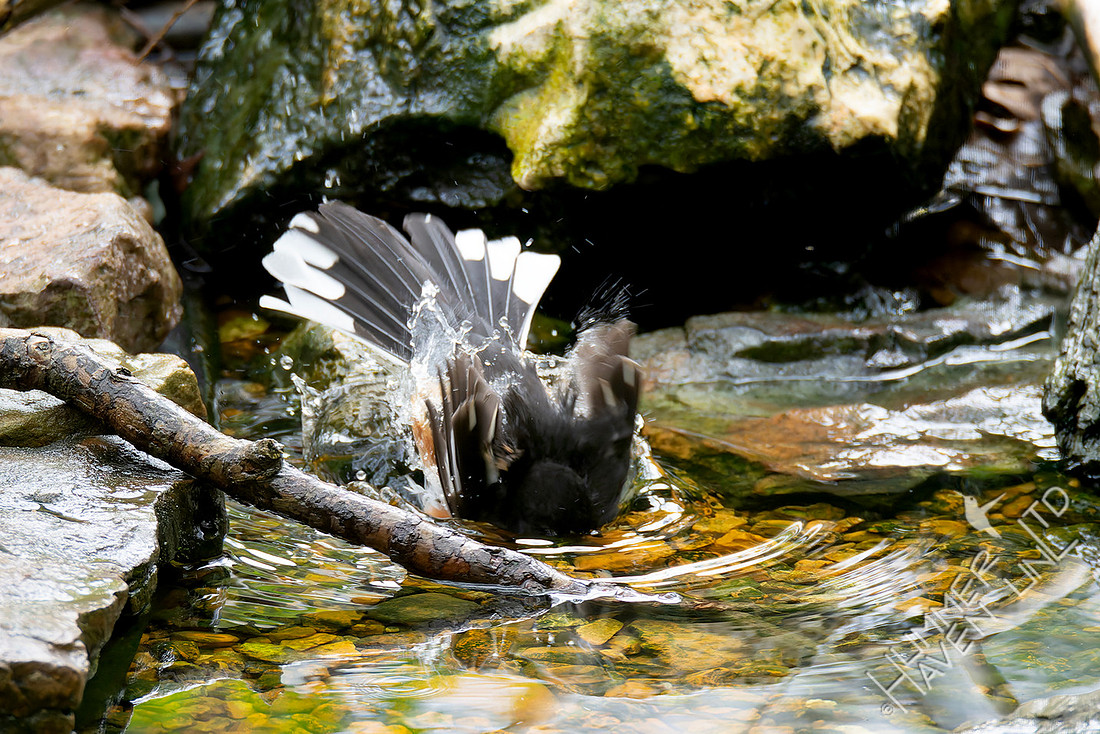
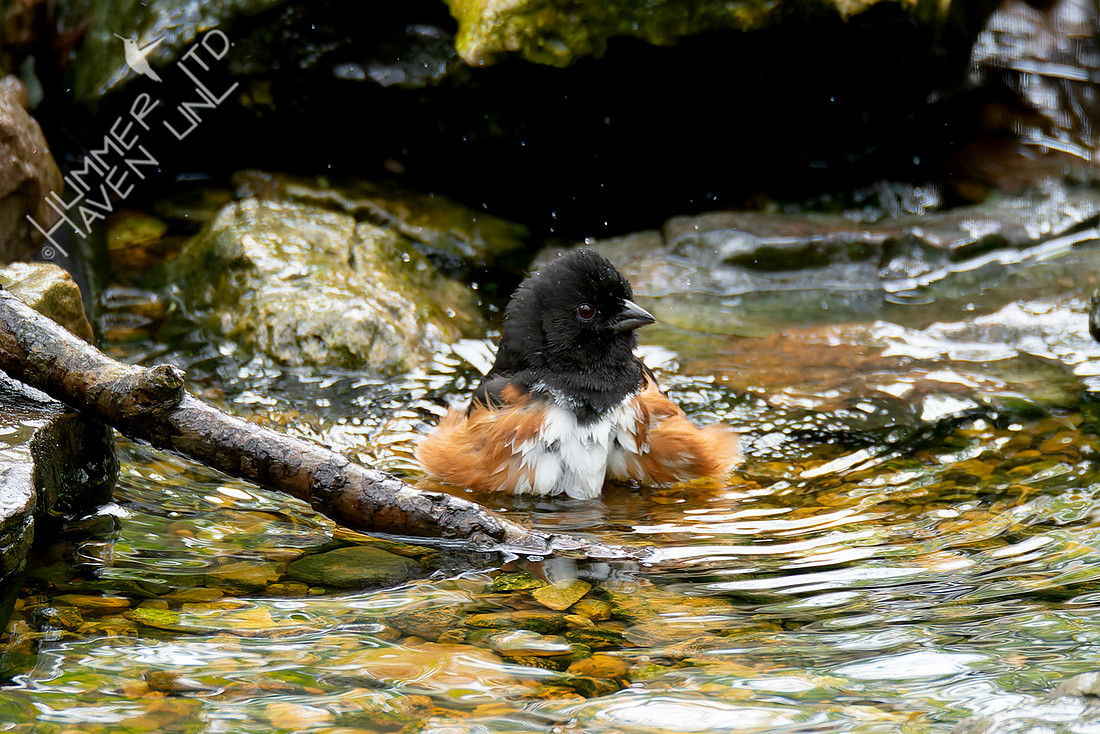
It's always fun to watch a bird experience the bubbler for the first time and this towhee made the most of its opportunity. It's been so dry that even the puddles in the swampy thicket aren't enough for larger birds to bathe in.
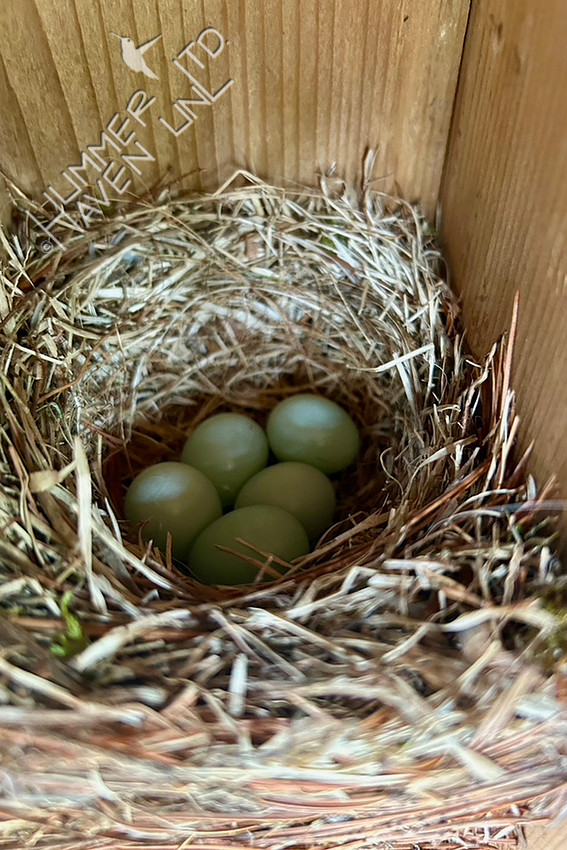
Nesting birds like the Eastern Bluebirds and Eastern Phoebe are incubating their eggs now. The Brown Creeper and Dark-eyed Juncos have departed, joining the millions of birds overhead at night on their way to breeding grounds to the north. Migration is well underway!
P.S. I promised my dear friends at our get-together last night that these two birds would be in my post!
Yesterday morning, I experienced a magical hour when birds were singing, and there was no human made noise to interfere. Birds started coming to the bubbler, so I set up. After a Ruby-crowned Kinglet and several Yellow-rumped Warblers visited, the new arrivals were curious.
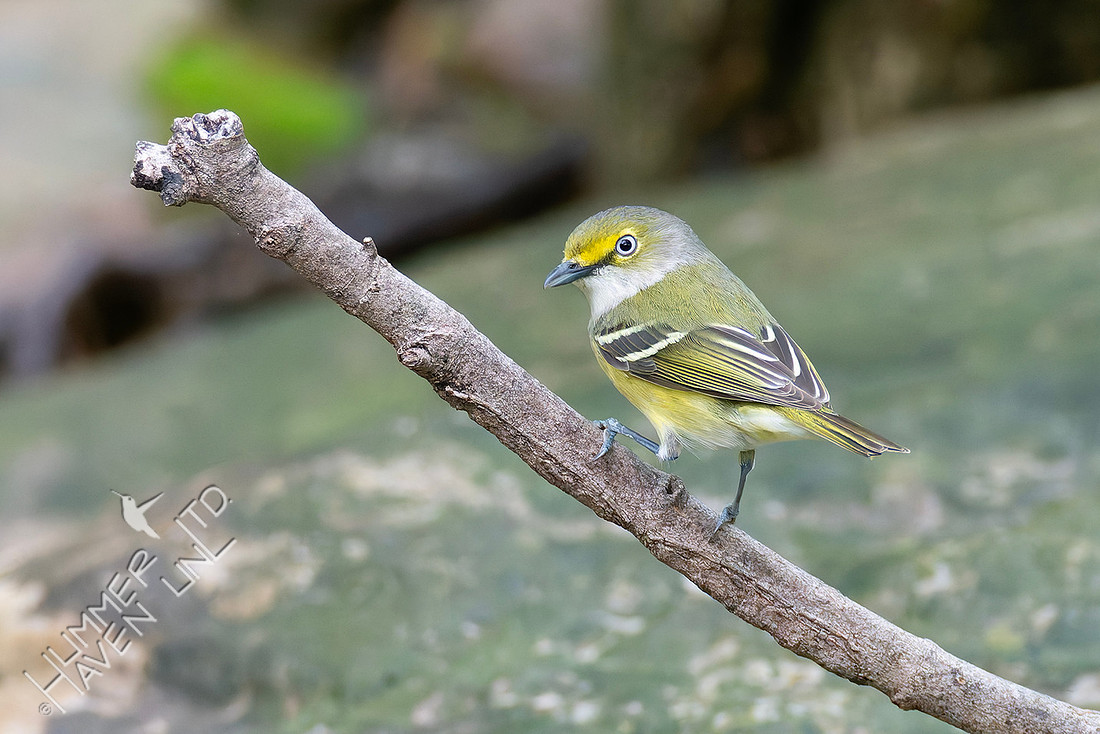
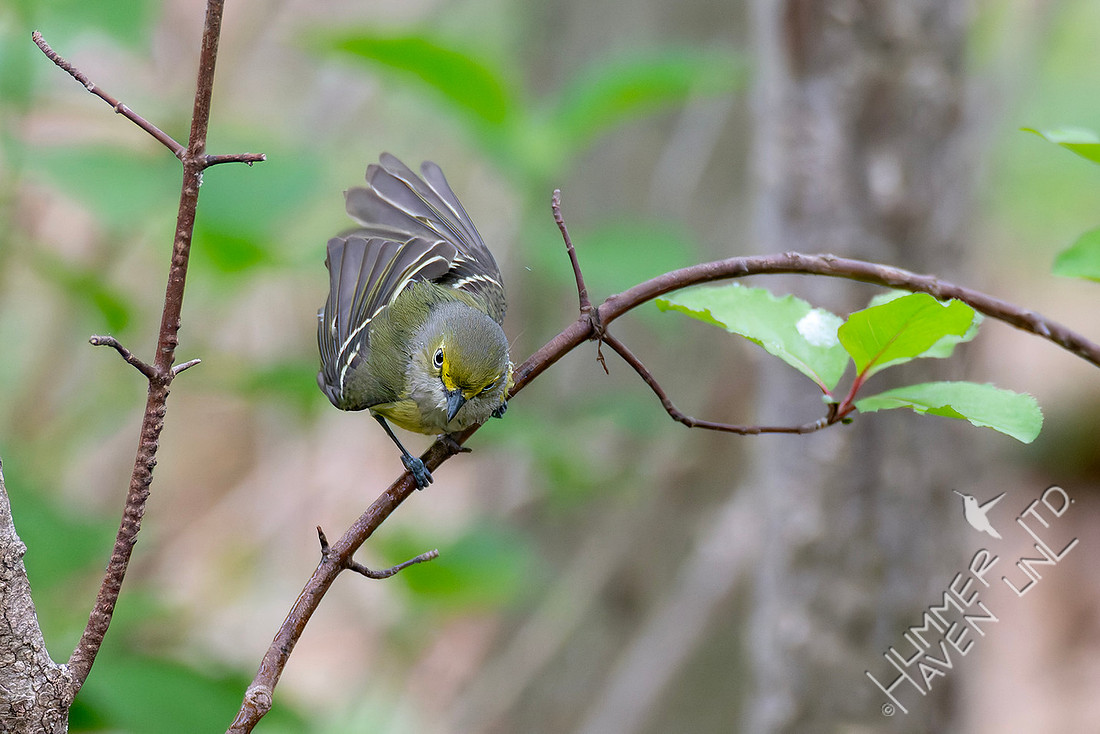
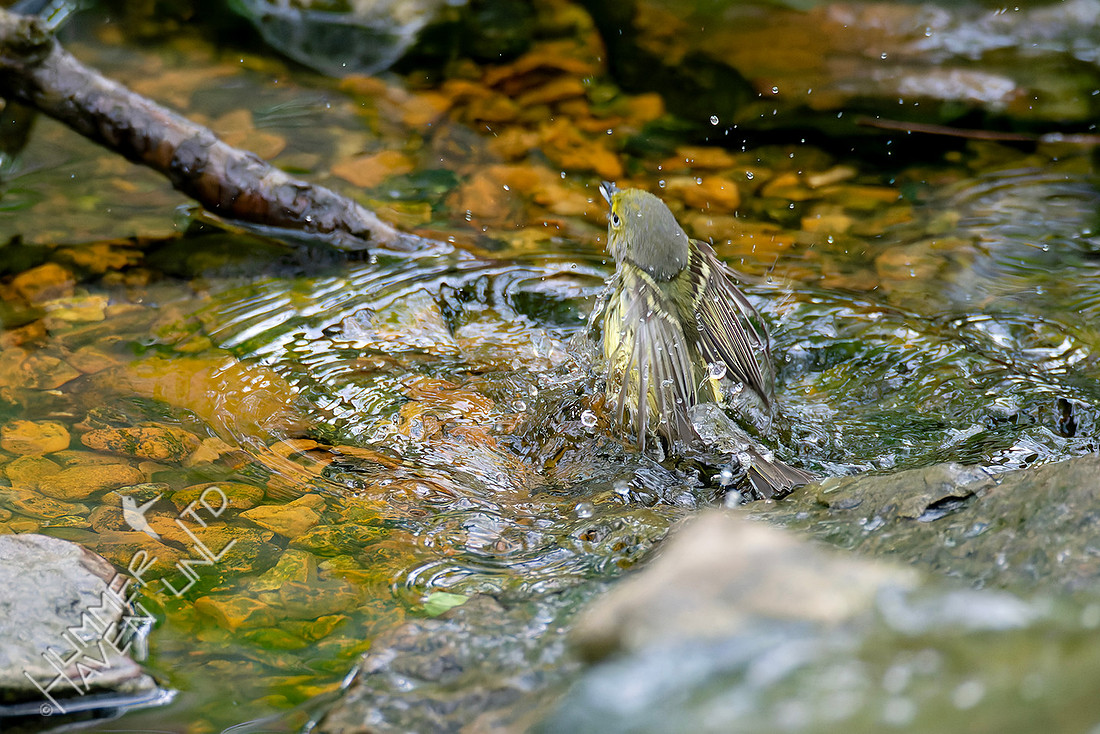
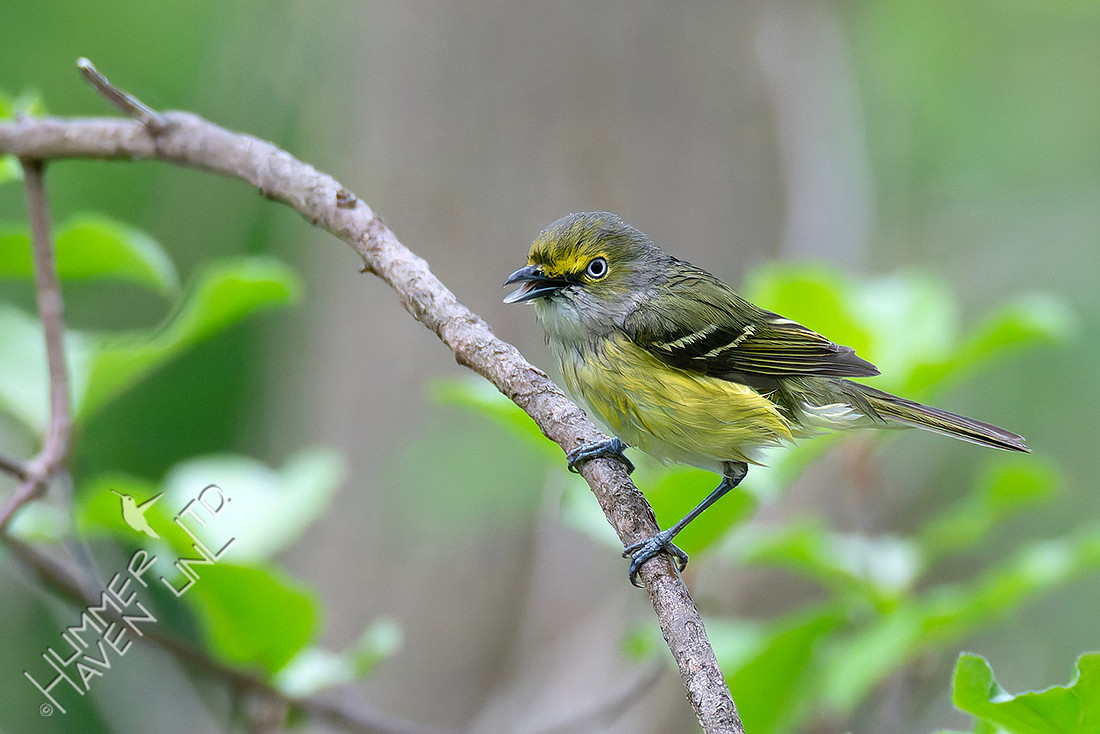
A White-eyed Vireo is described as 'secretive', usually heard and not seen. I had just over two minutes with this one as it perched, calculated its safe diving position (yes, I believe birds can do math!) and splash-bathed several times. Vireos prefer this way to bathe. It is 5" long and one of only two birds in North America with white-eyes. The other is a western species we see in California, the Wrentit.
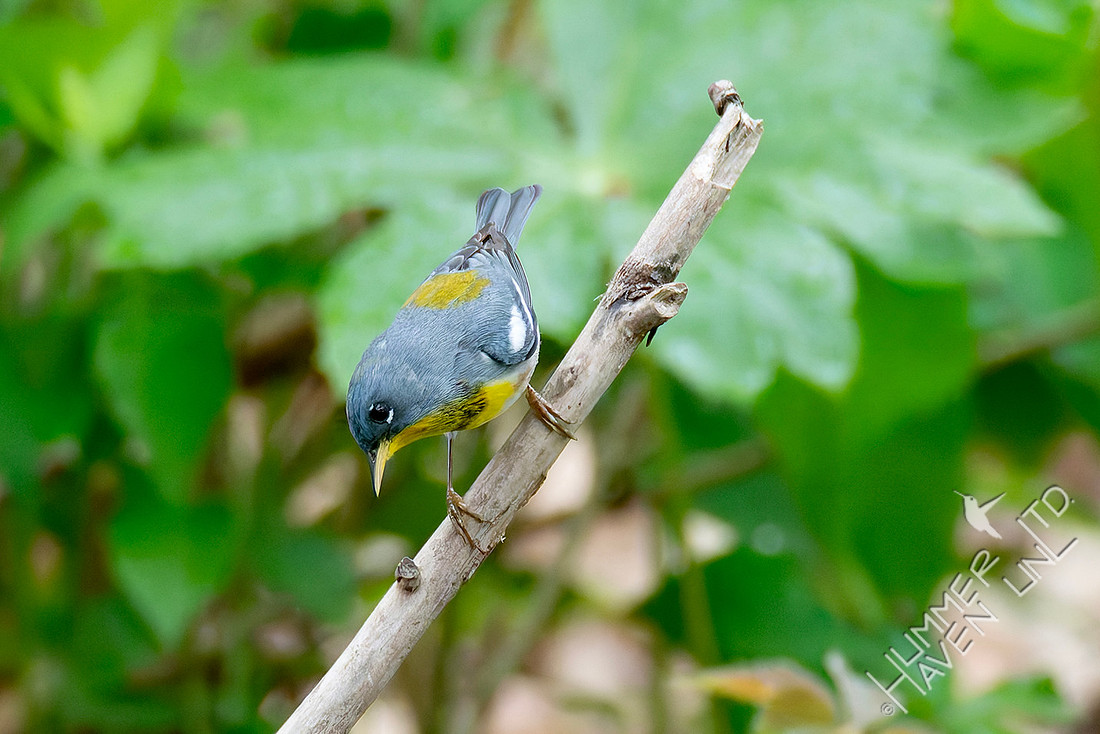
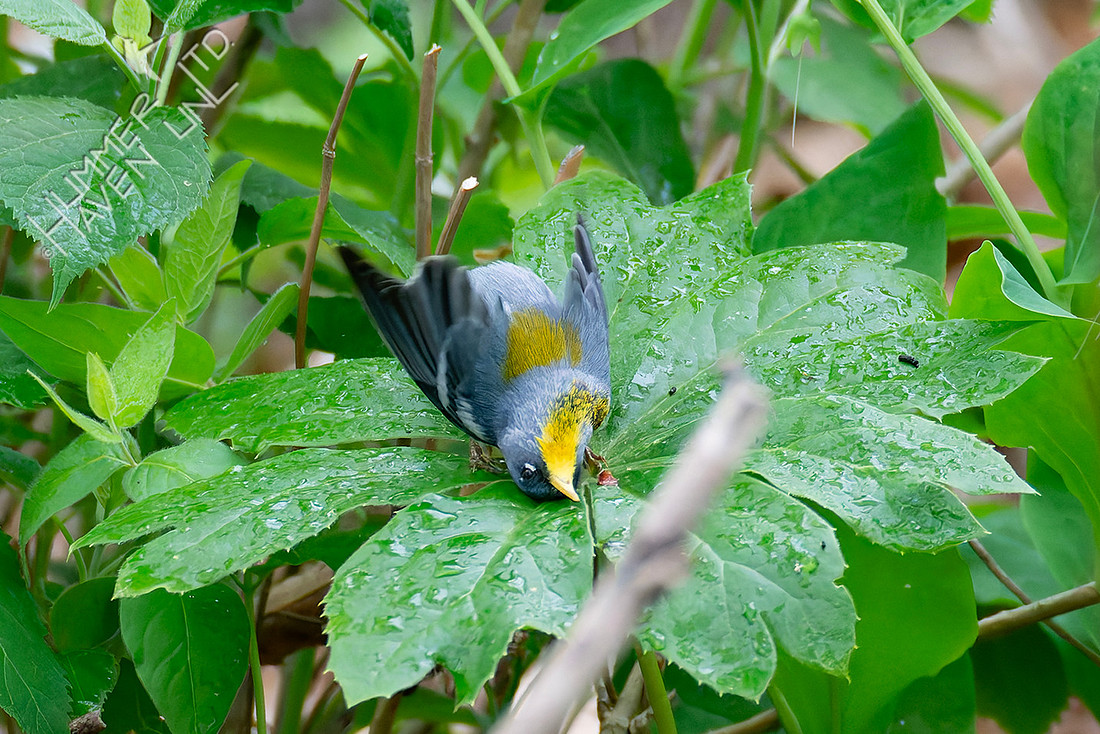
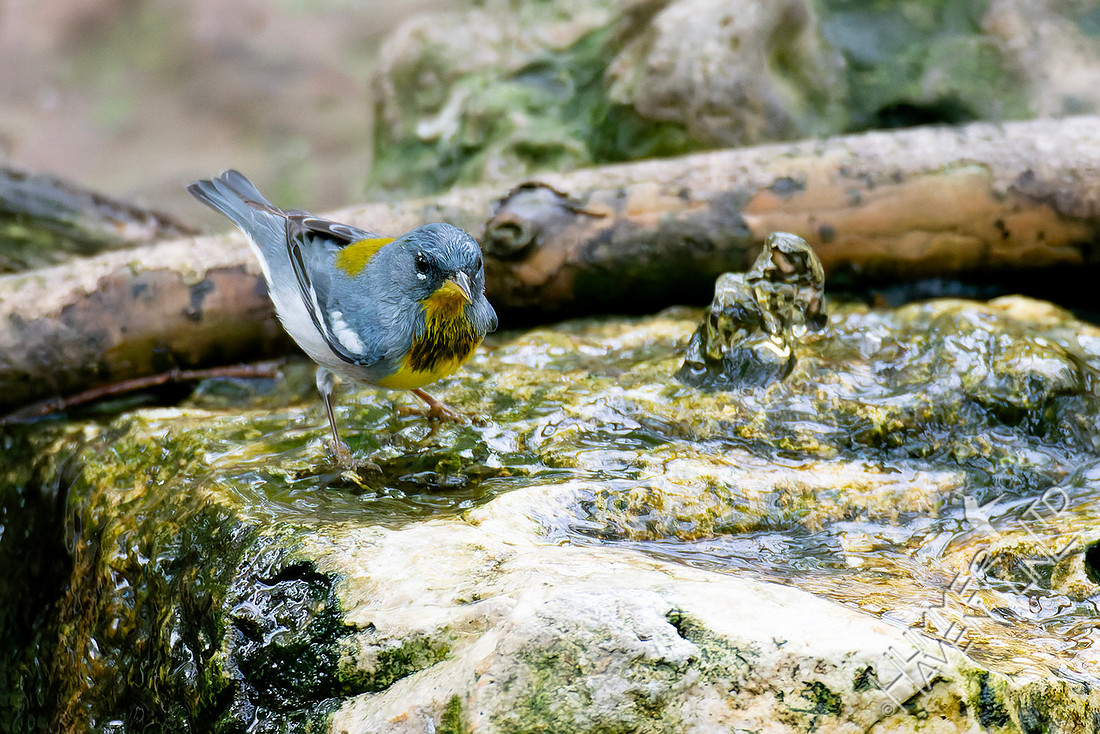
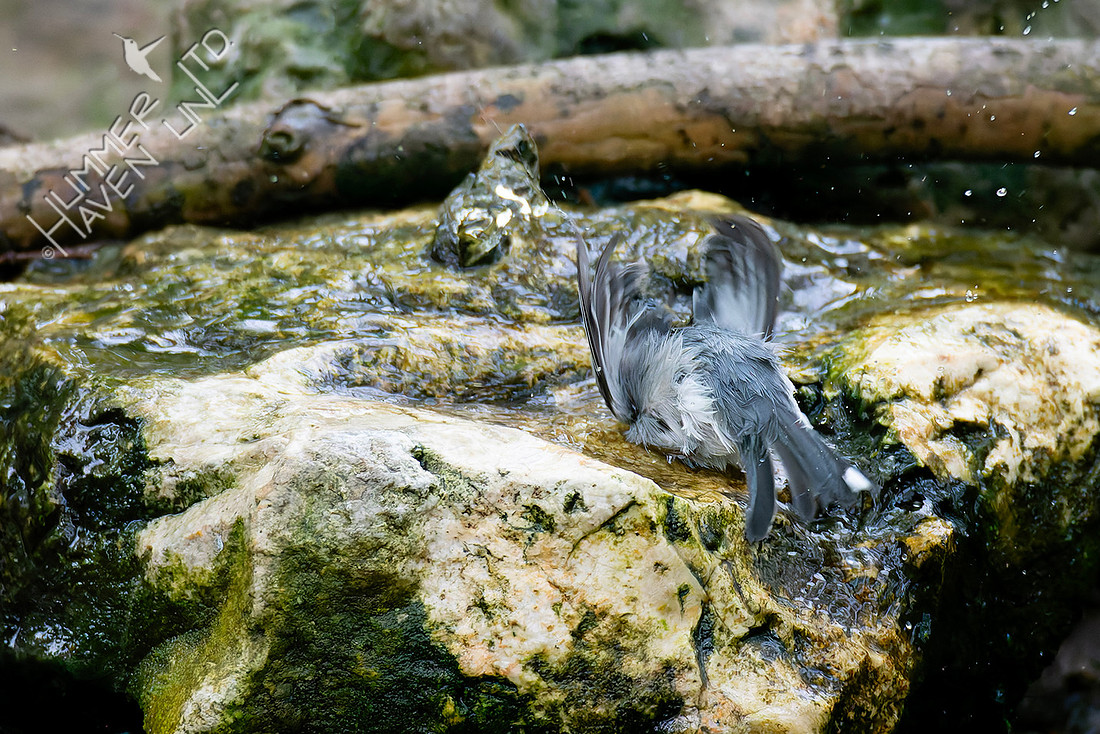
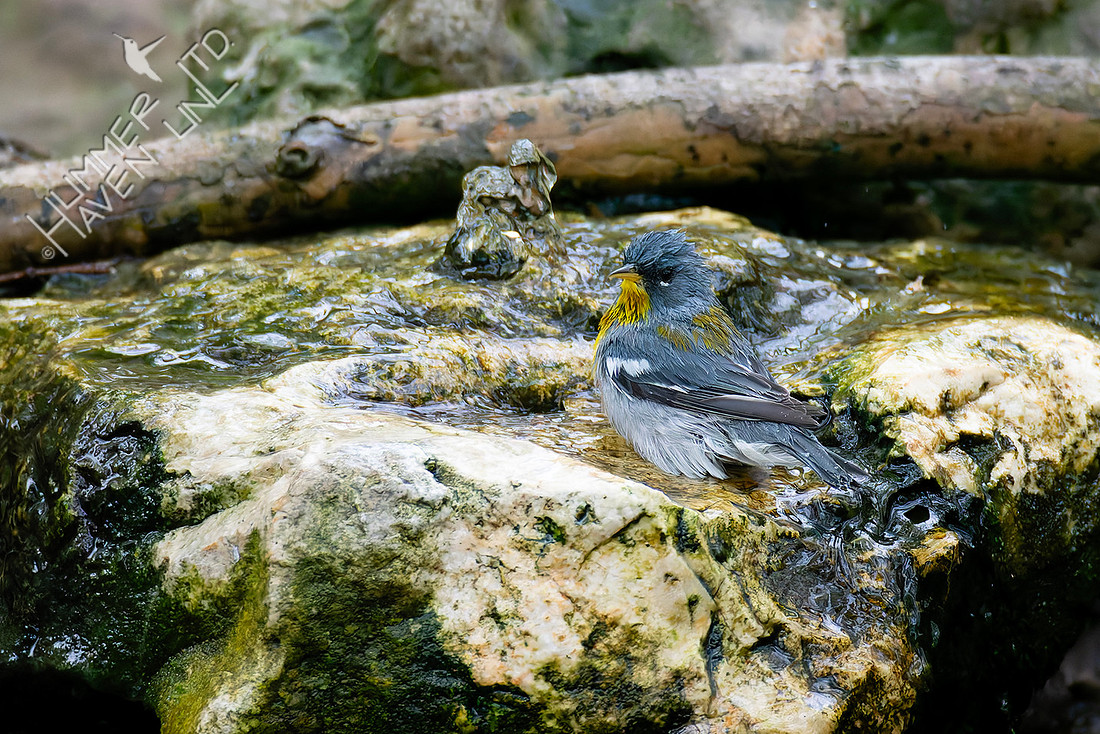
Last but not least, though it is smaller at 4.25", is the warbler called the Northern Parula. I usually hear it first, but this one slipped in, looked around and decided to bathe on the palmate leaf of a Mayapple. The bird was then comfortable enough to go for a full drench in the bubble stream. This one stayed almost three minutes. Both birds made me smile and gave me SSVs, aka "soul-satisfying views". Ahhh...I'm so grateful to be able to share all of these beautiful birds with you.
March has flown! 4-3-26
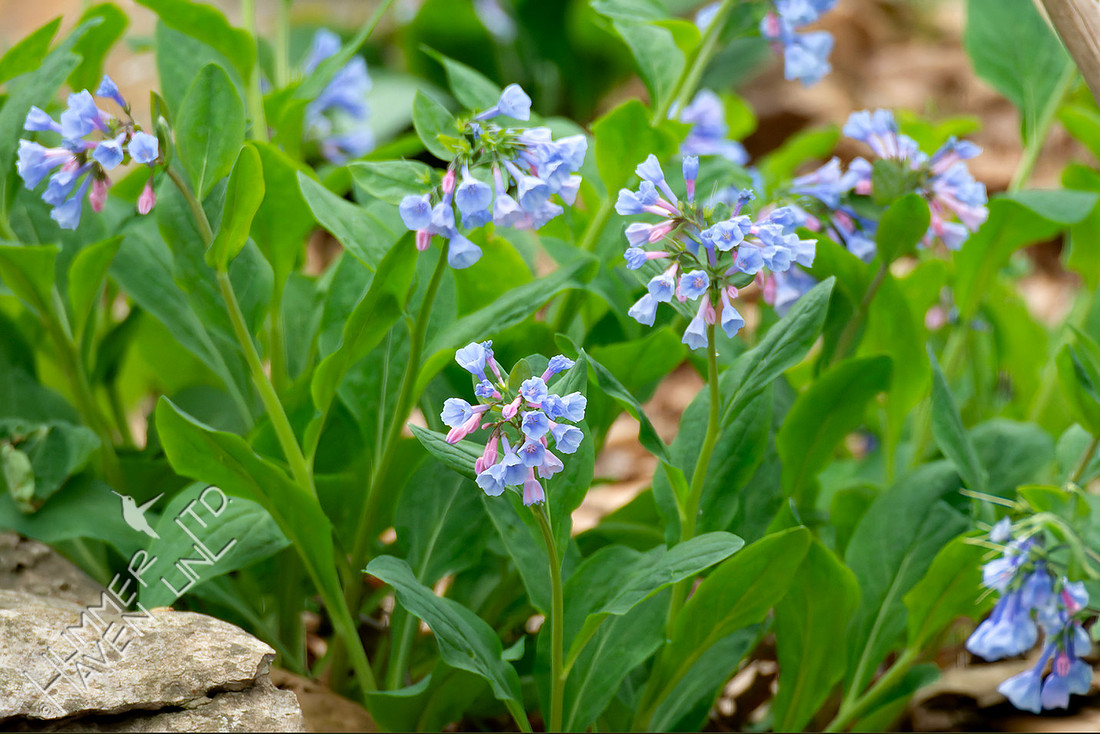
Virginia Bluebells survived a low temperature of 14 degrees on 3-17-26.
Five days later, it was 95 degrees!
Native plants are tough and adaptable.
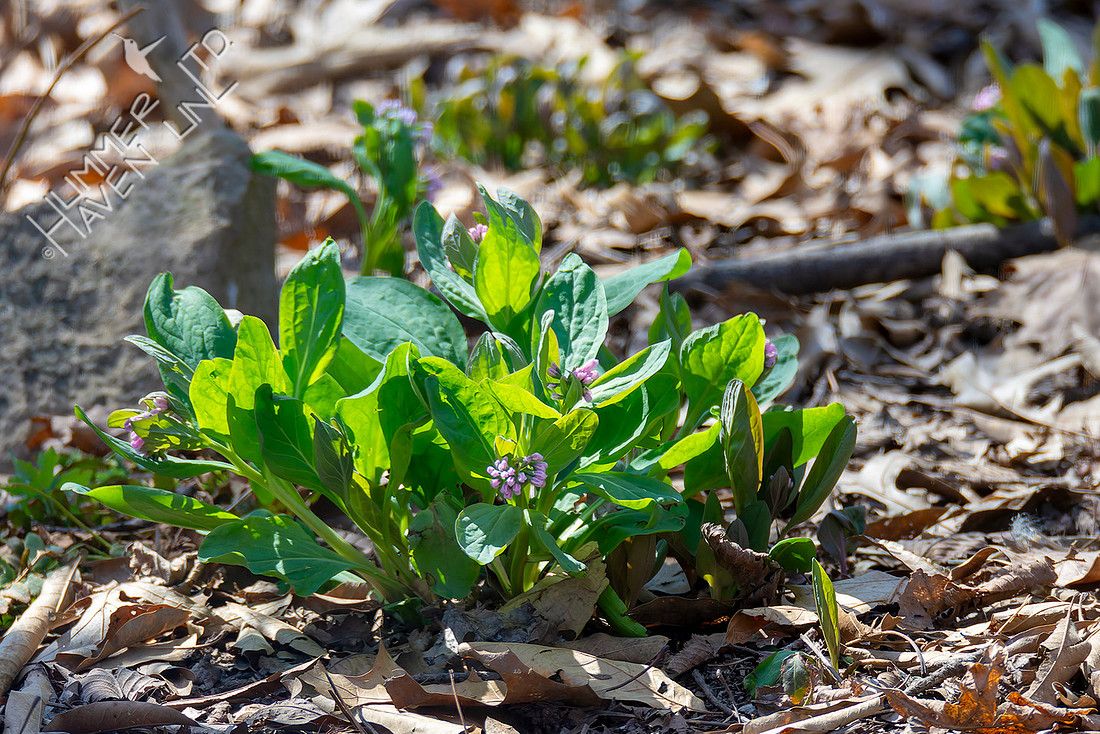
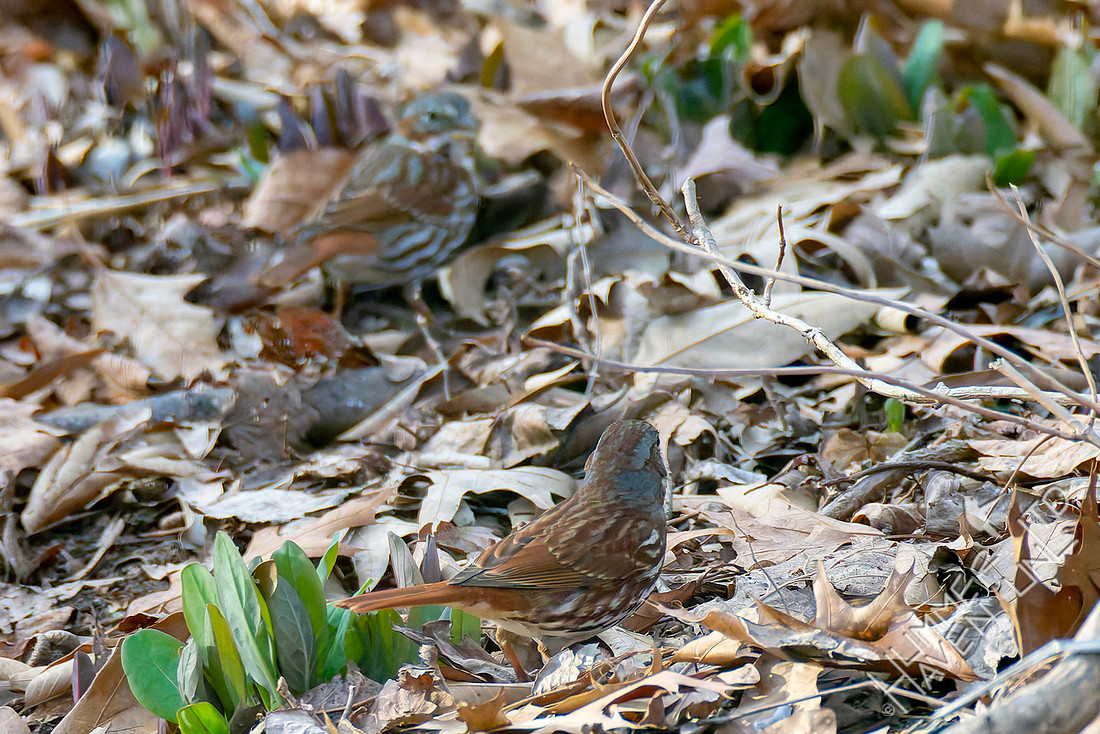
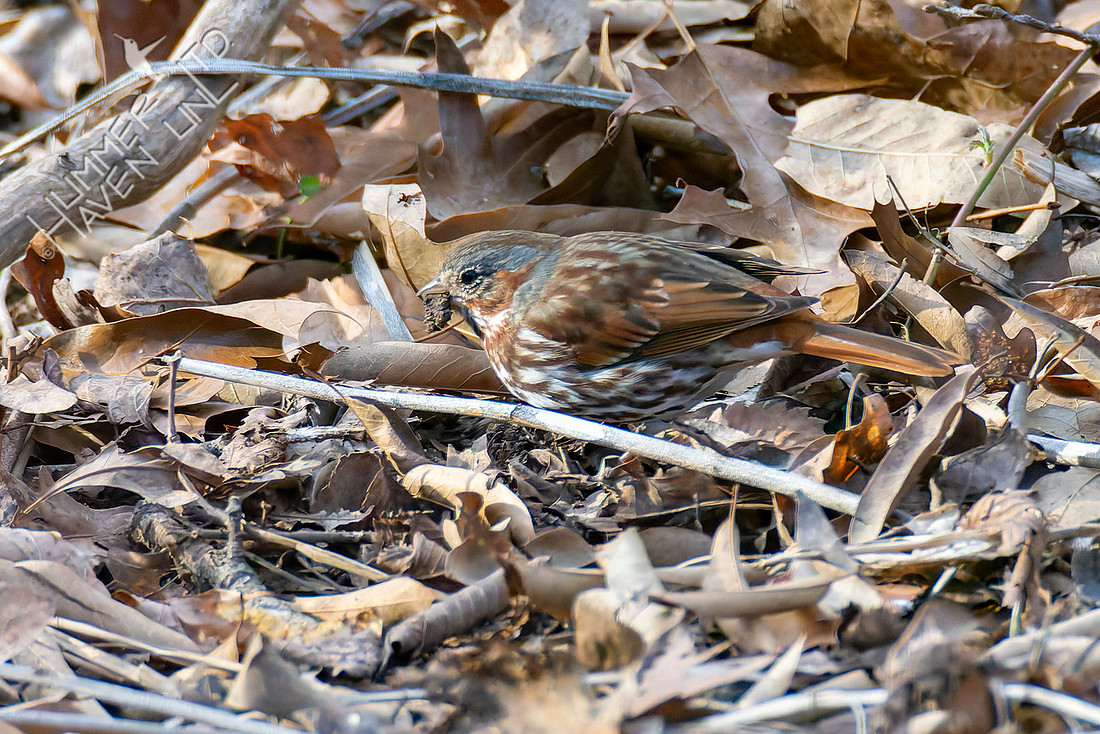
Two Fox Sparrows were seen on 3-19-26. They were foraging in the leaves for nice, fat, juicy caterpillars and pupae.
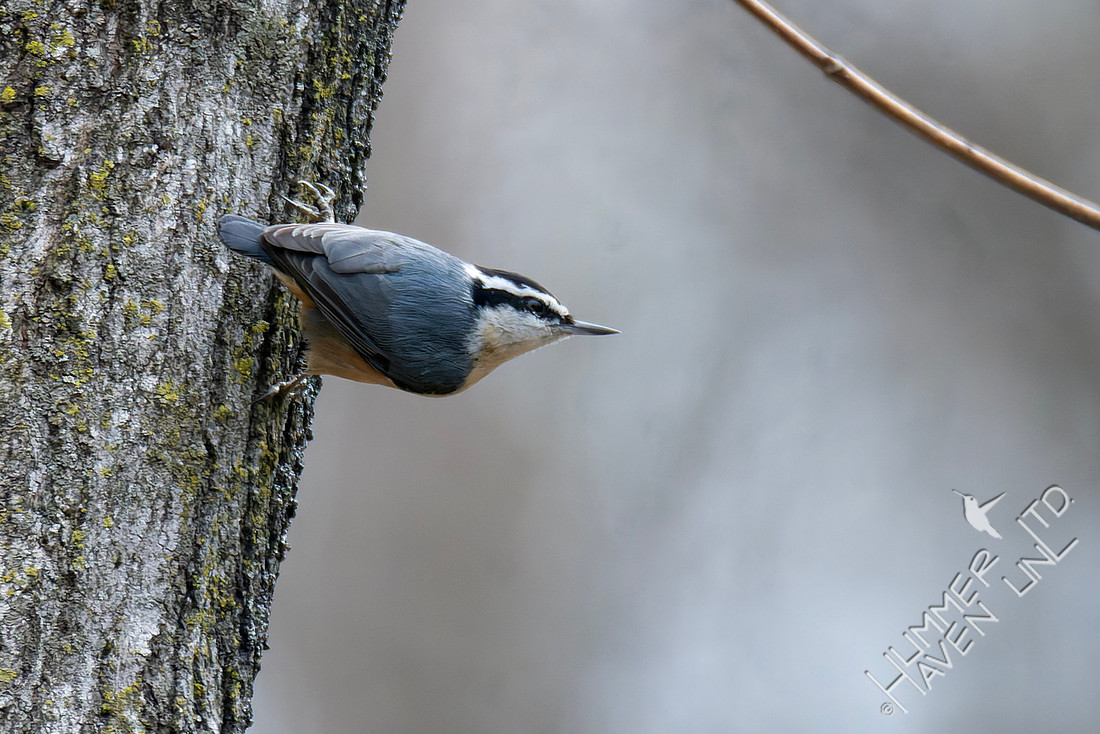
The Red-breasted Nuthatch was back on the sugar maple on 3-19-26. This morning, it was at the bubbler.
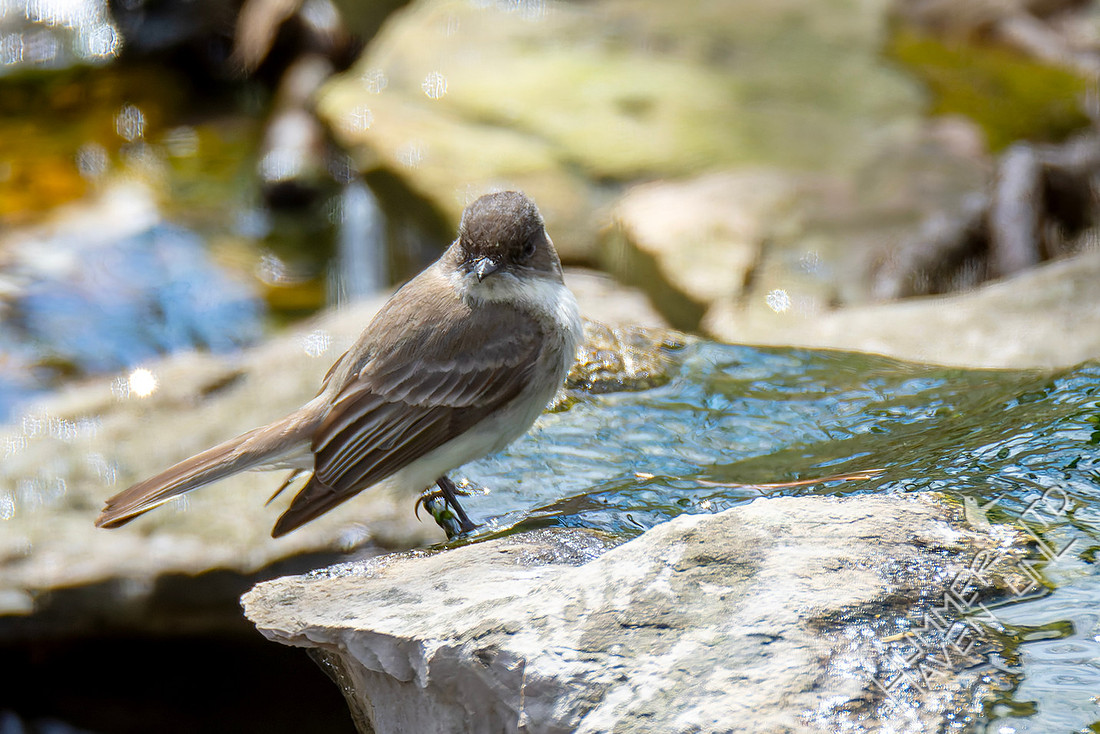
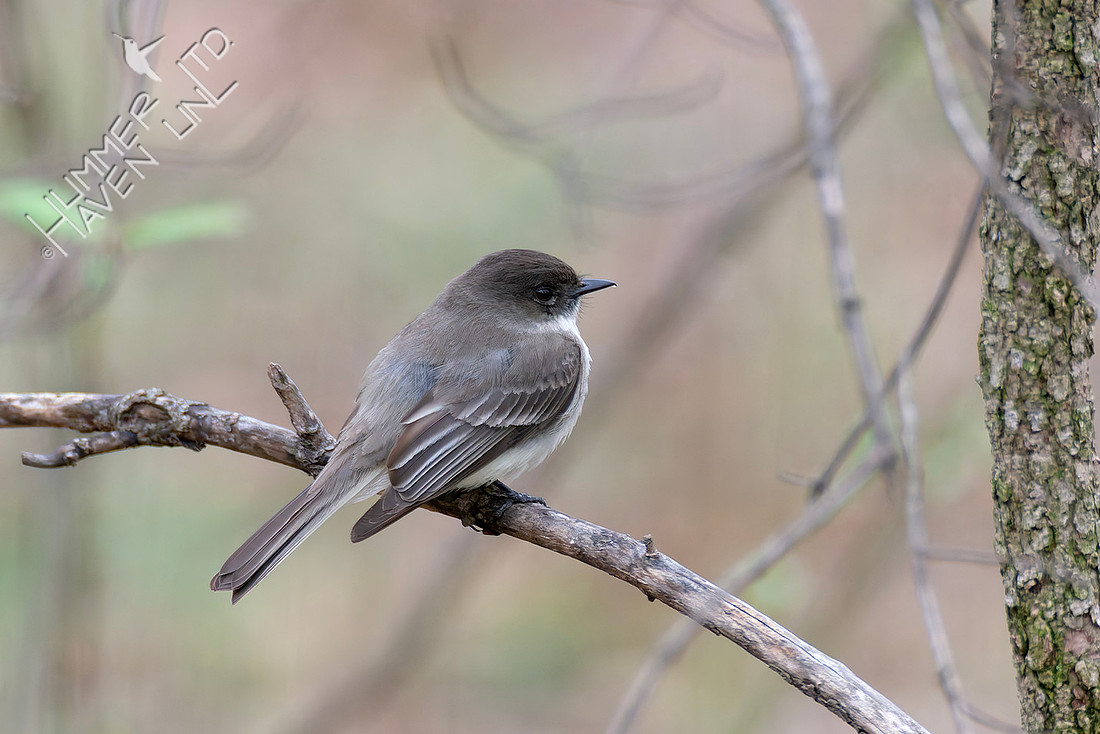
The Eastern Phoebe pair are seen daily, fly-catching for insects now. On a cold morning, they will nab a mealworm from a feeder to tide them over.
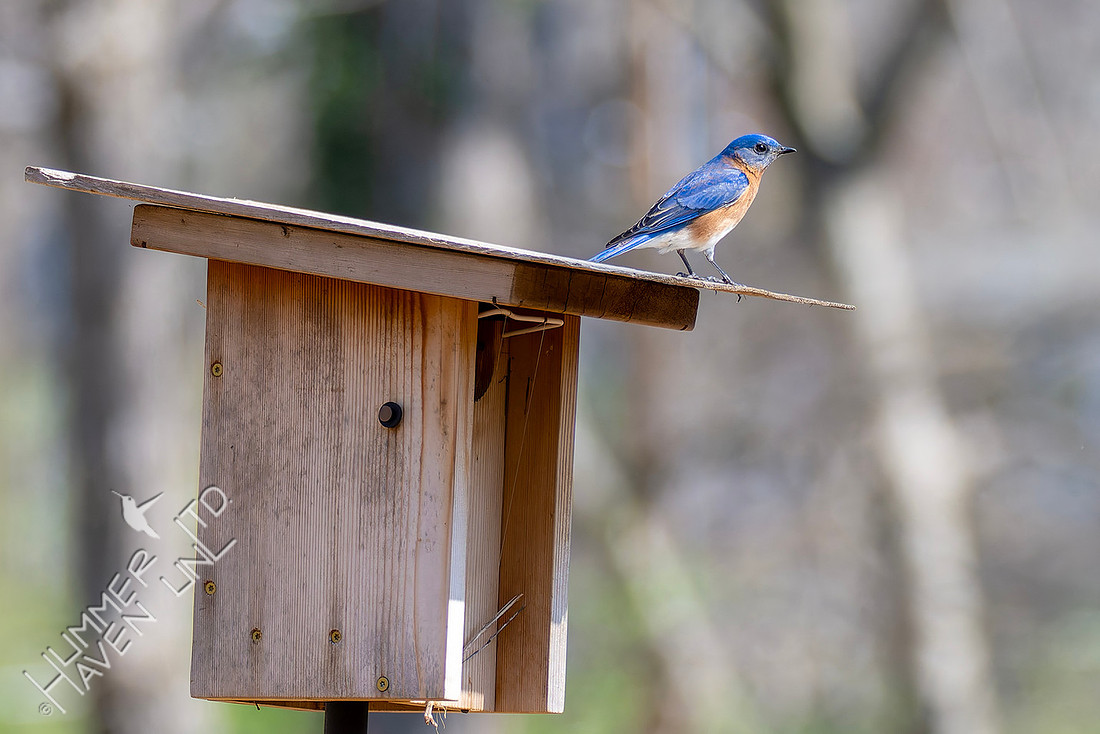
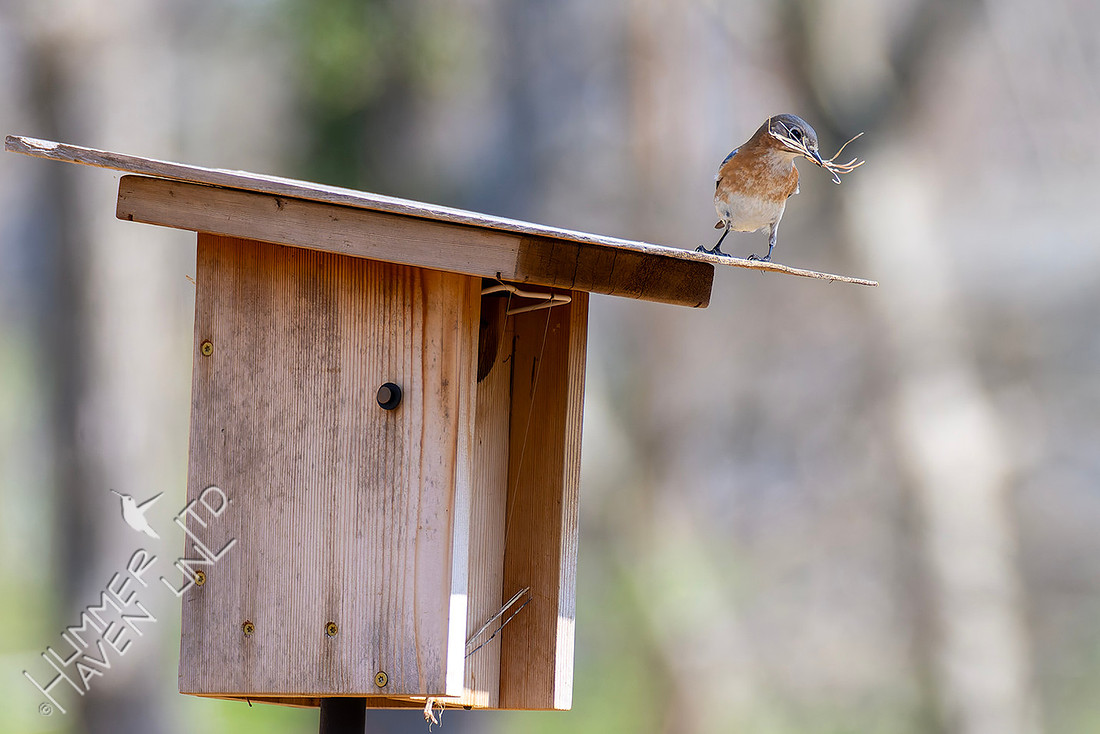
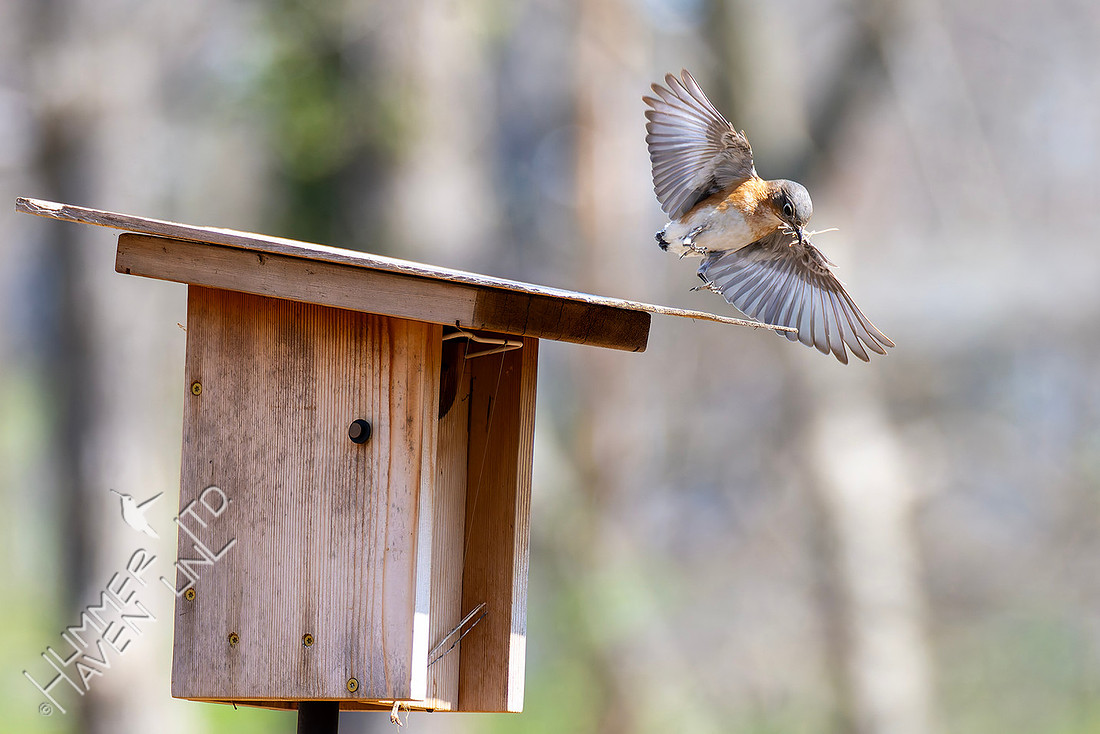
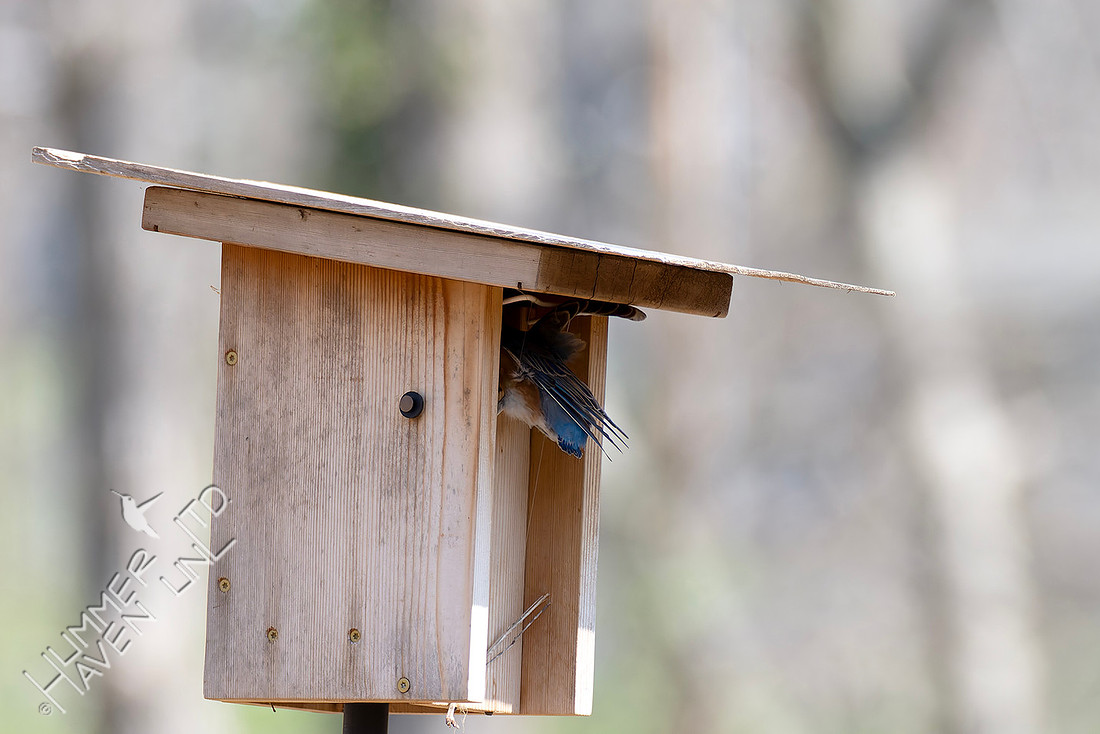
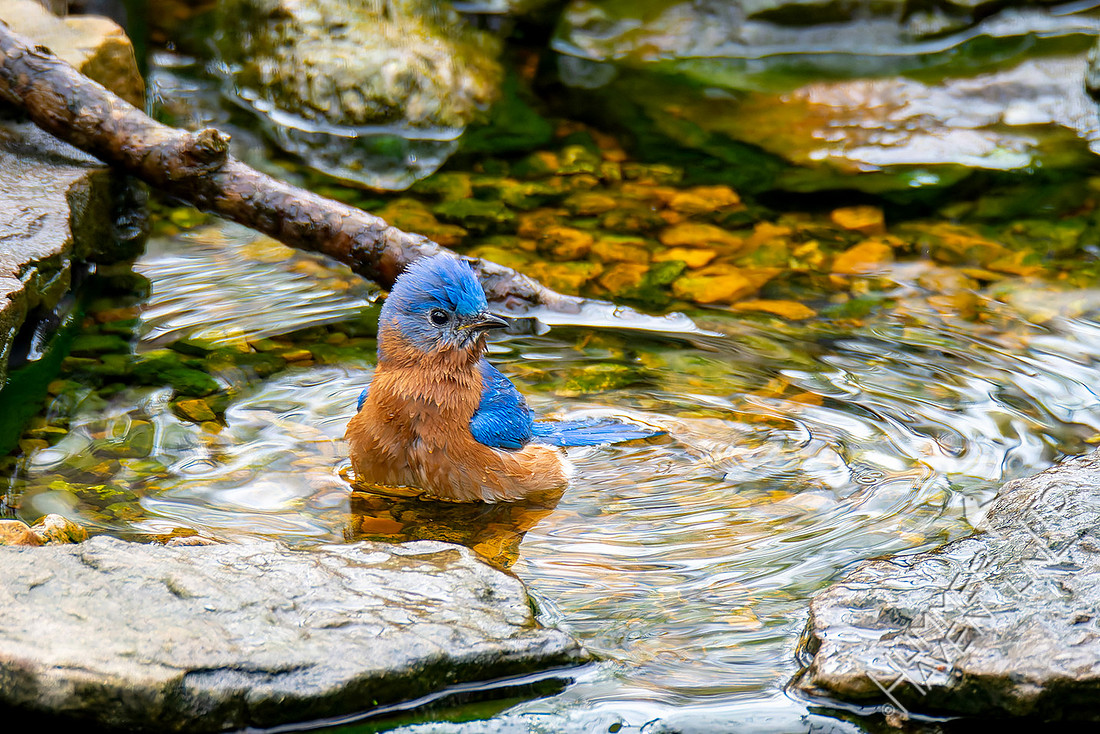
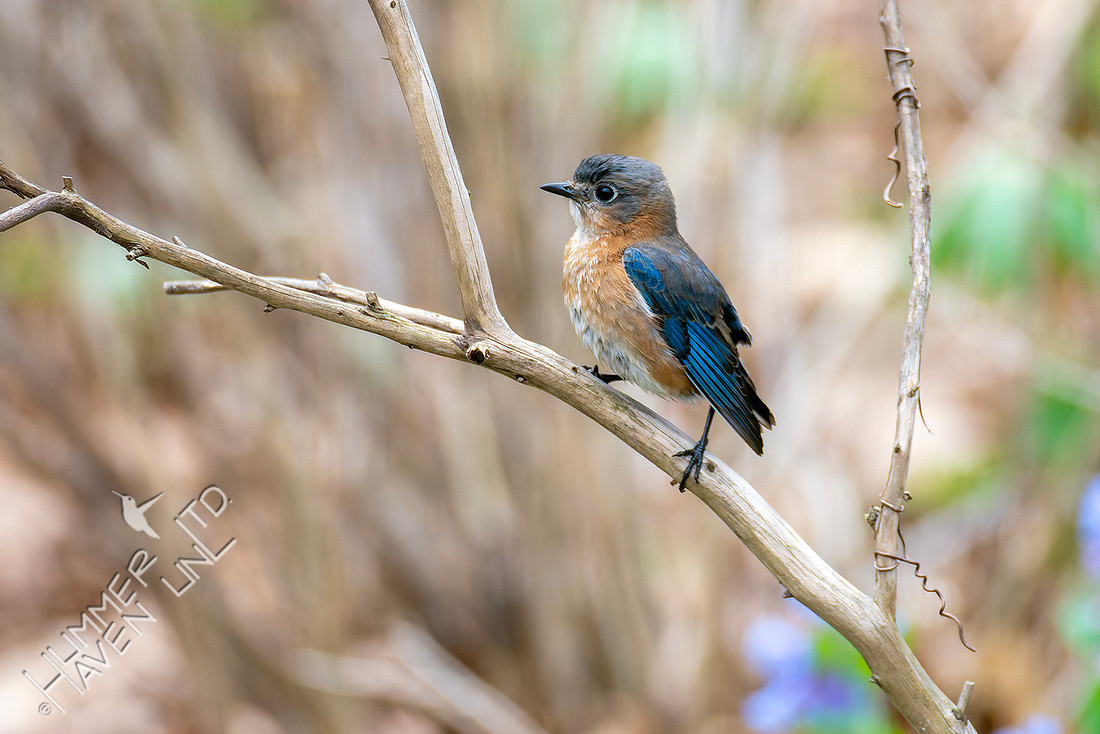
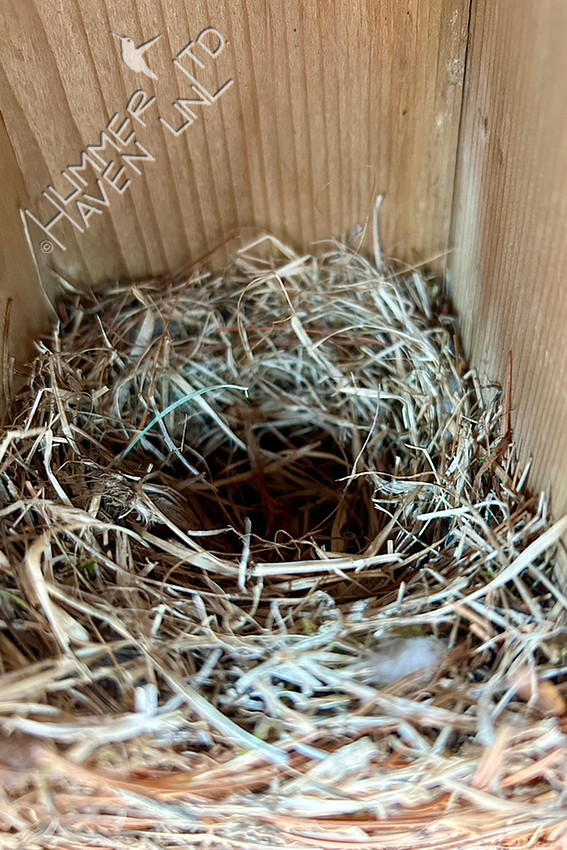
The Eastern Bluebirds' nest looks ready and waiting.
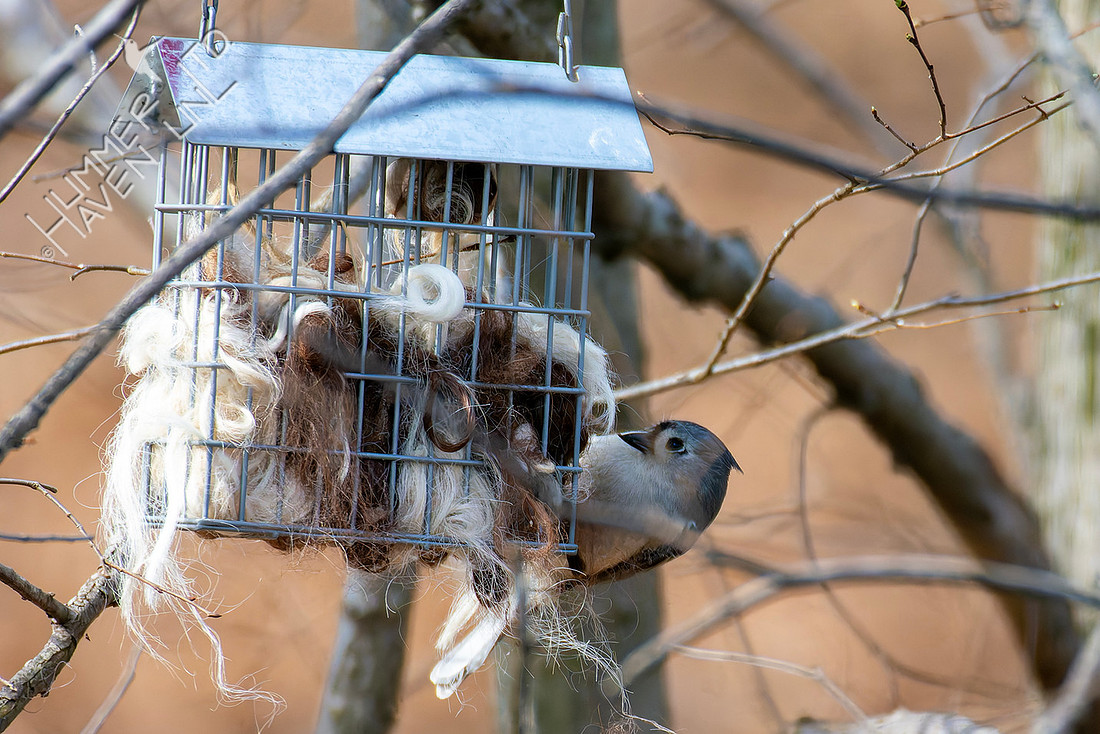
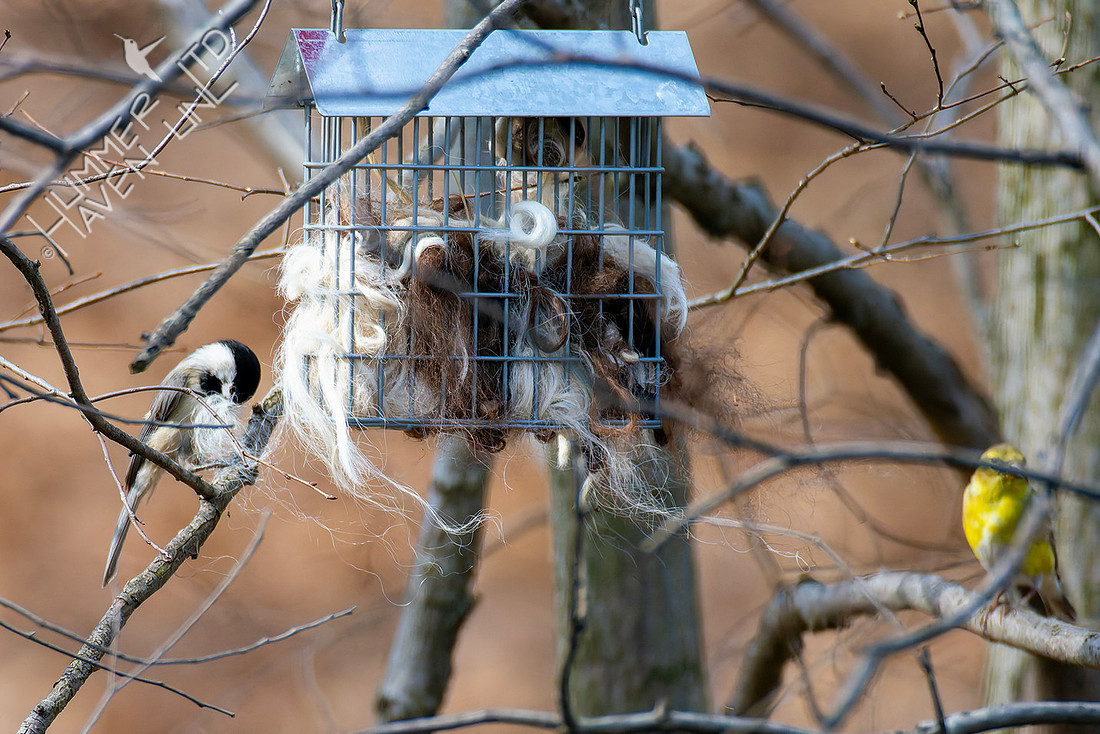
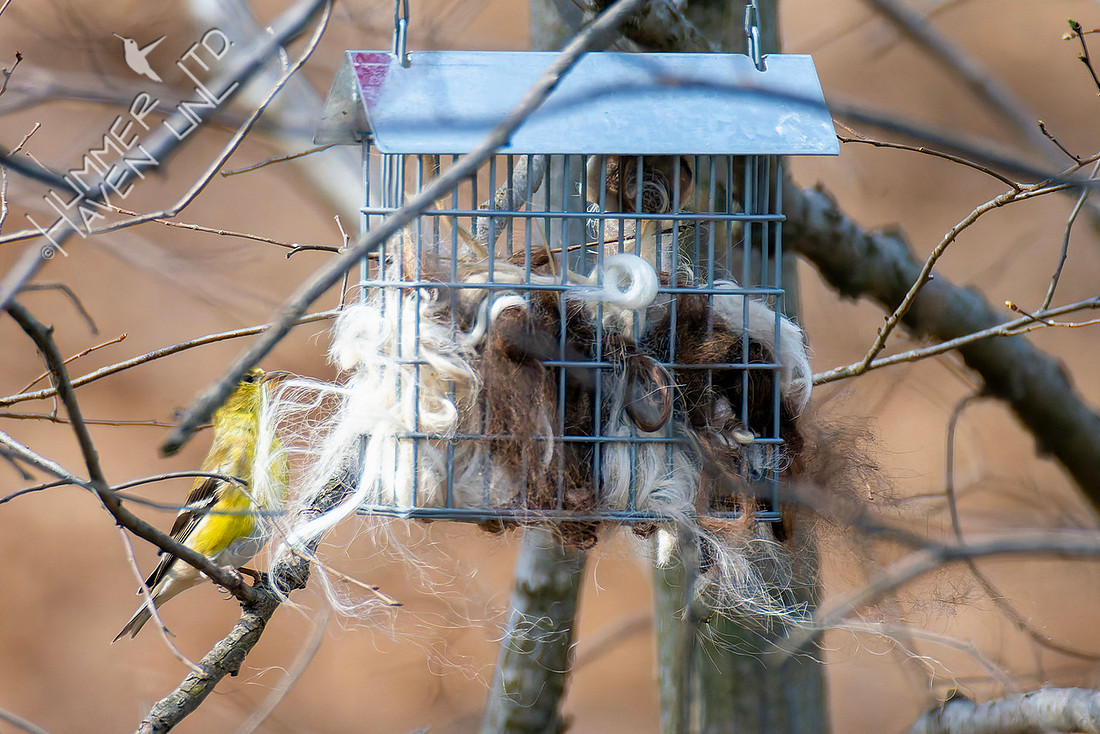
Bits of animal hair are used by birds to line their nests. Chickadees, titmice and even an American Goldfinch were interested in the alpaca strands. Goldfinches don't nest until summer. Maybe I should put some out for them later!
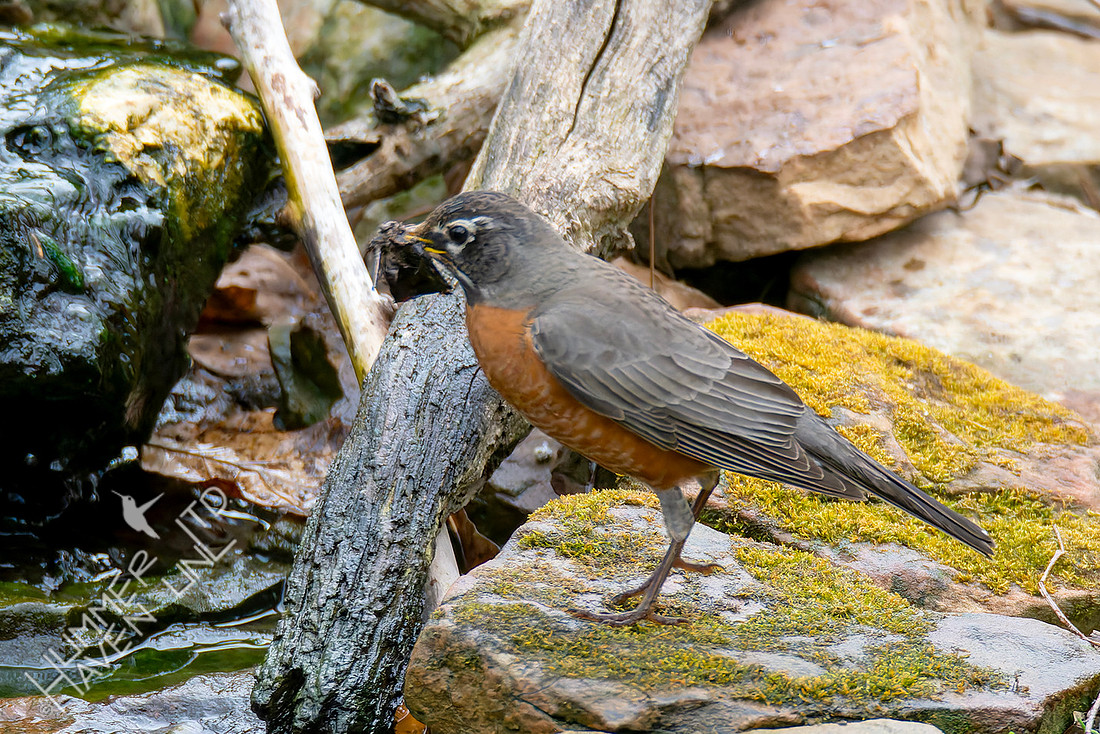
Birds would rather not be seen with food, like the moth this American Robin had caught. They protect their supply for soon they'll have young to feed.
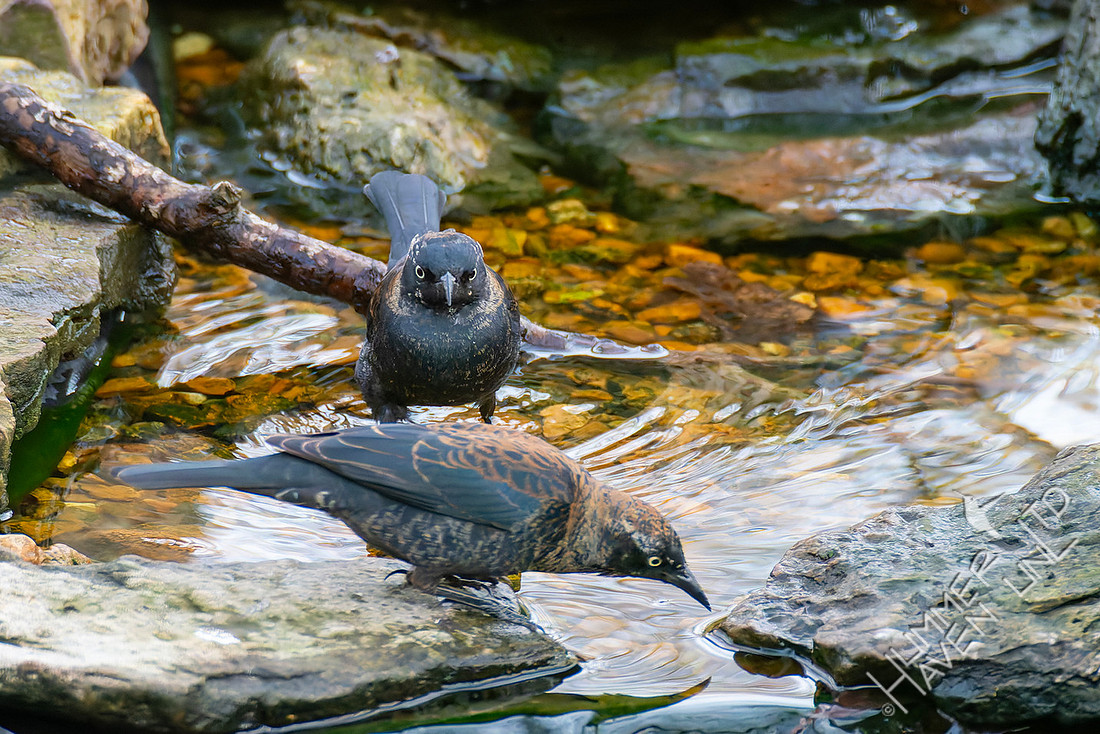
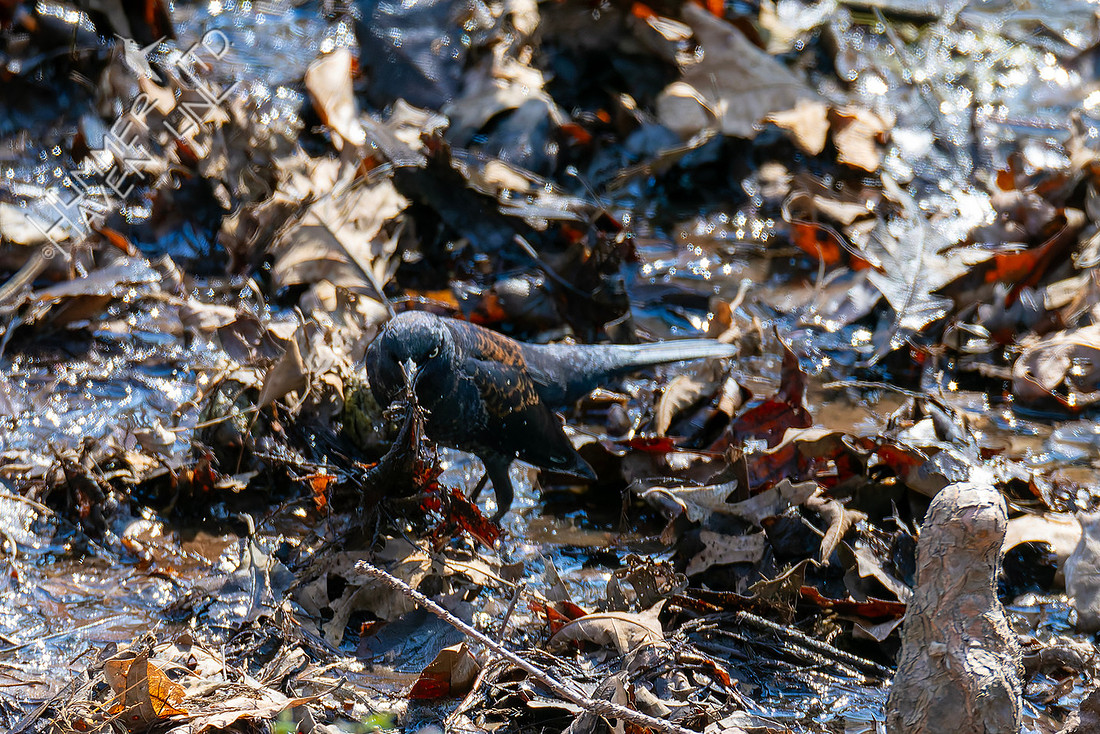
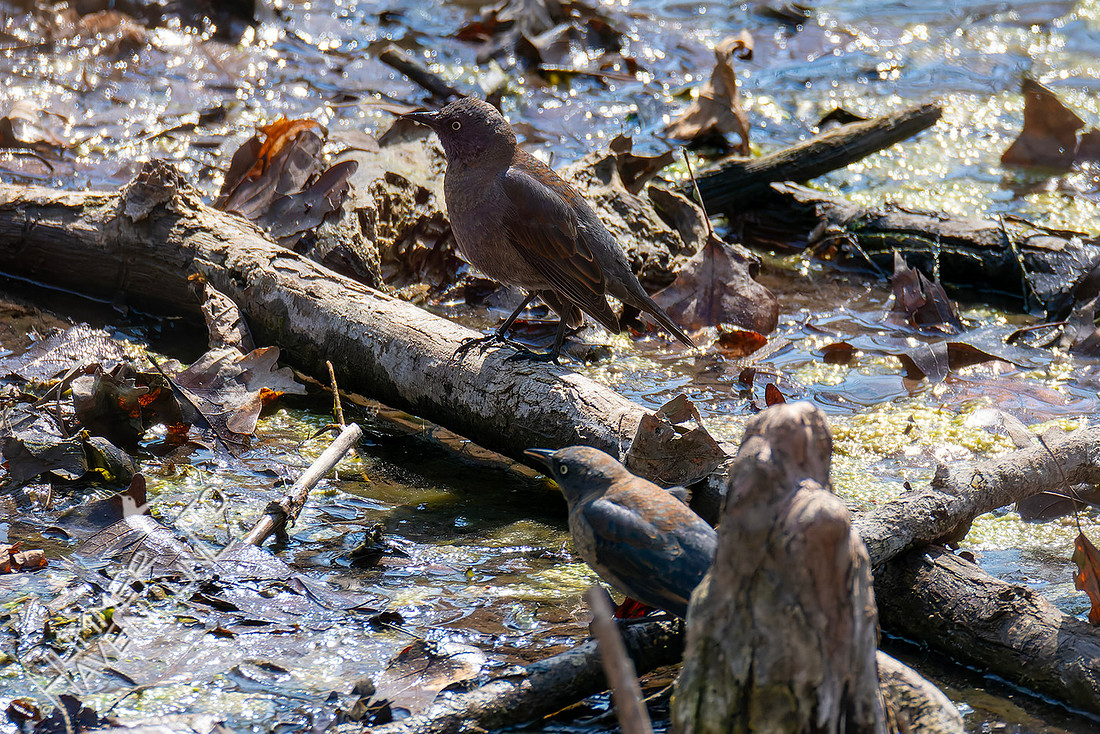
Rusty Blackbirds have been seen frequently, sometimes a few or a larger flock. They are often in the bubbler basin. They ignored me one day while I got these photos of them in their desired habitat: wet, swampy woods. It was a bright day, and yet you can see why they are camouflaged so well in this environment.
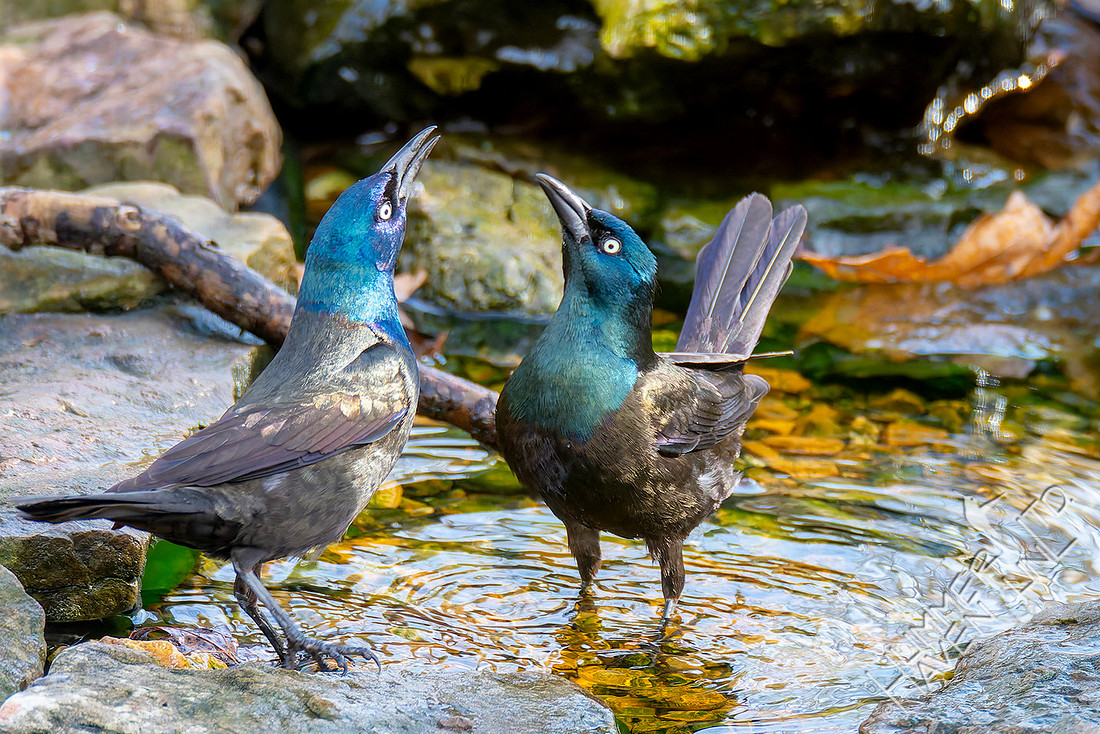
These two Common Grackles strut their stuff for any female that might be around. Breeding season is rich with behaviors like this. Birds sing, chase and vie for mates.
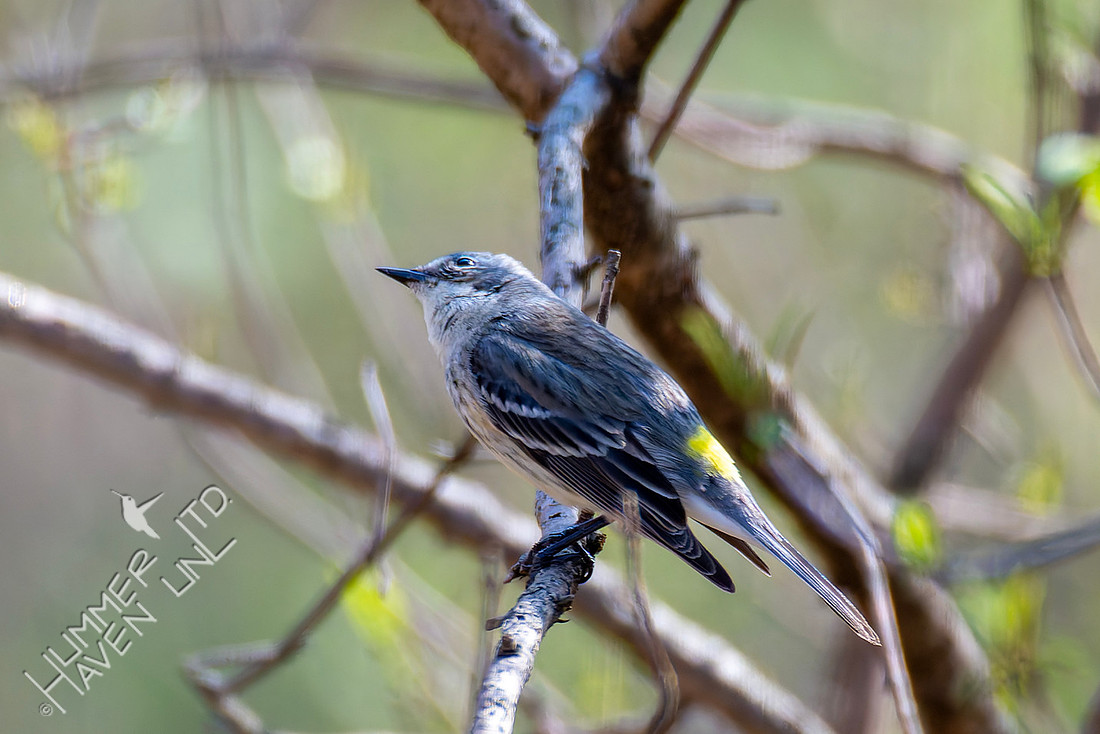
Yellow-rumped Warblers are showing up again. Soon they'll be in peak breeding plumage.
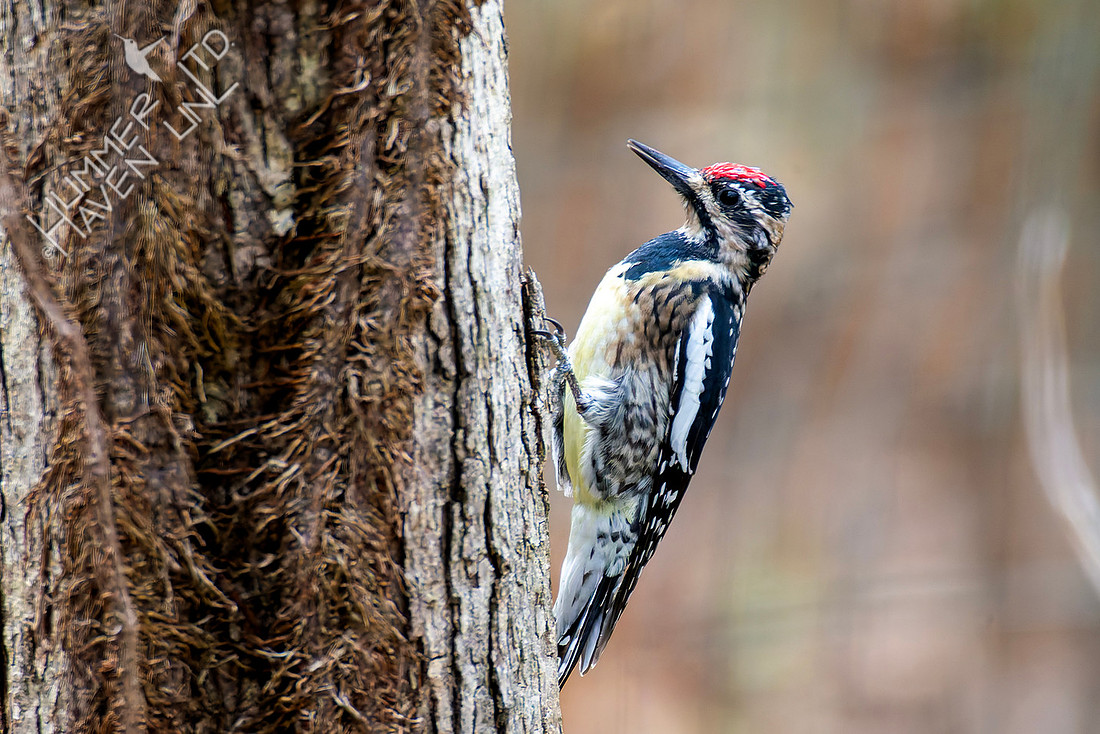
A female Yellow-bellied Sapsucker has been seen on various trees. We know it's a female because she has a white throat. The male's throat is red.
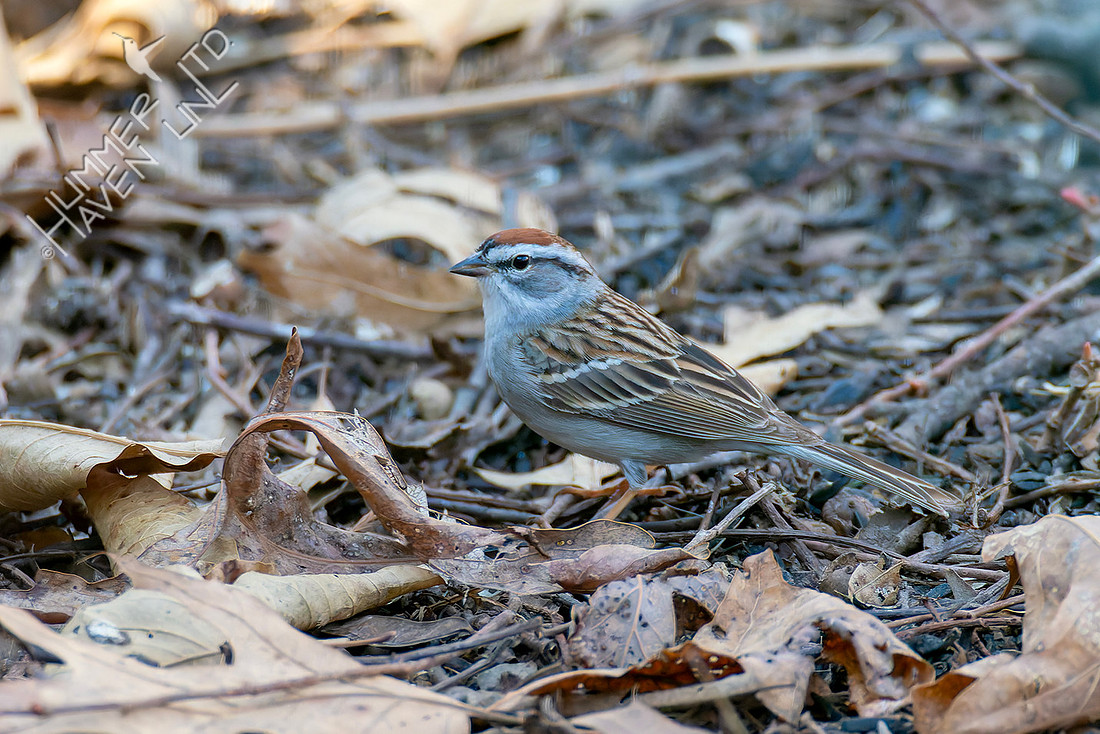
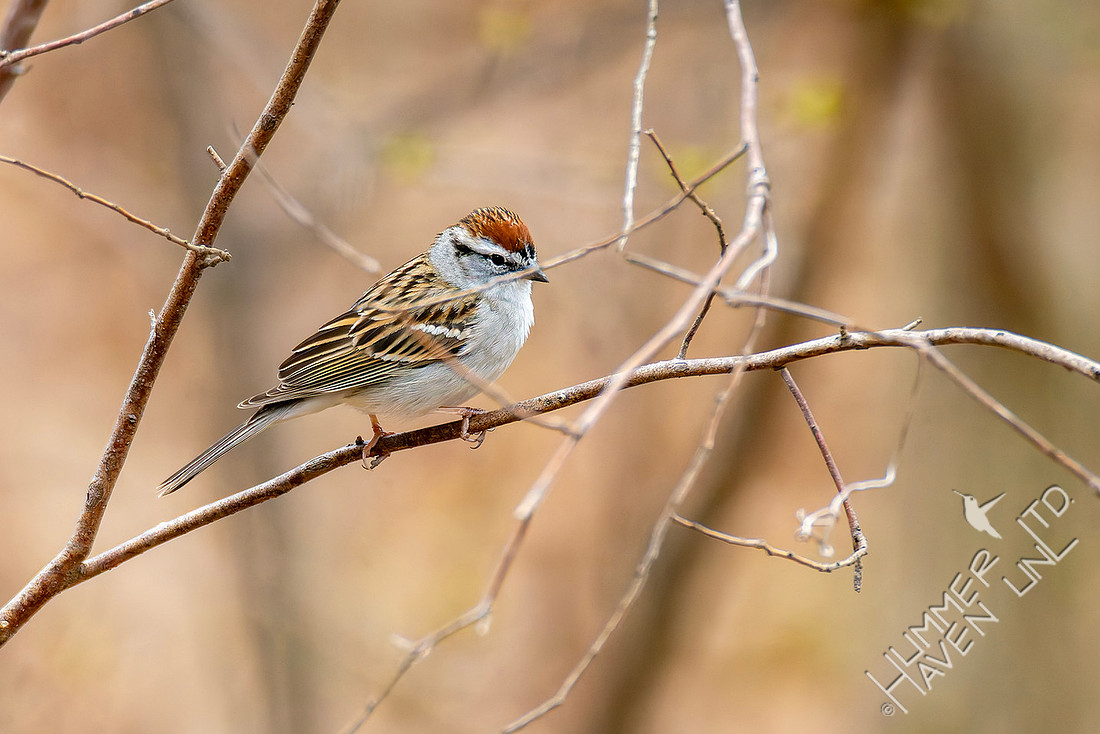
Chipping Sparrows have been here a few days now. This morning, two were checking out the bubbler area.
Other birds have been seen briefly but not yet photographed: Purple Finch, Hermit Thrush, Ruby-crowned Kinglet and today, a Brown Thrasher.
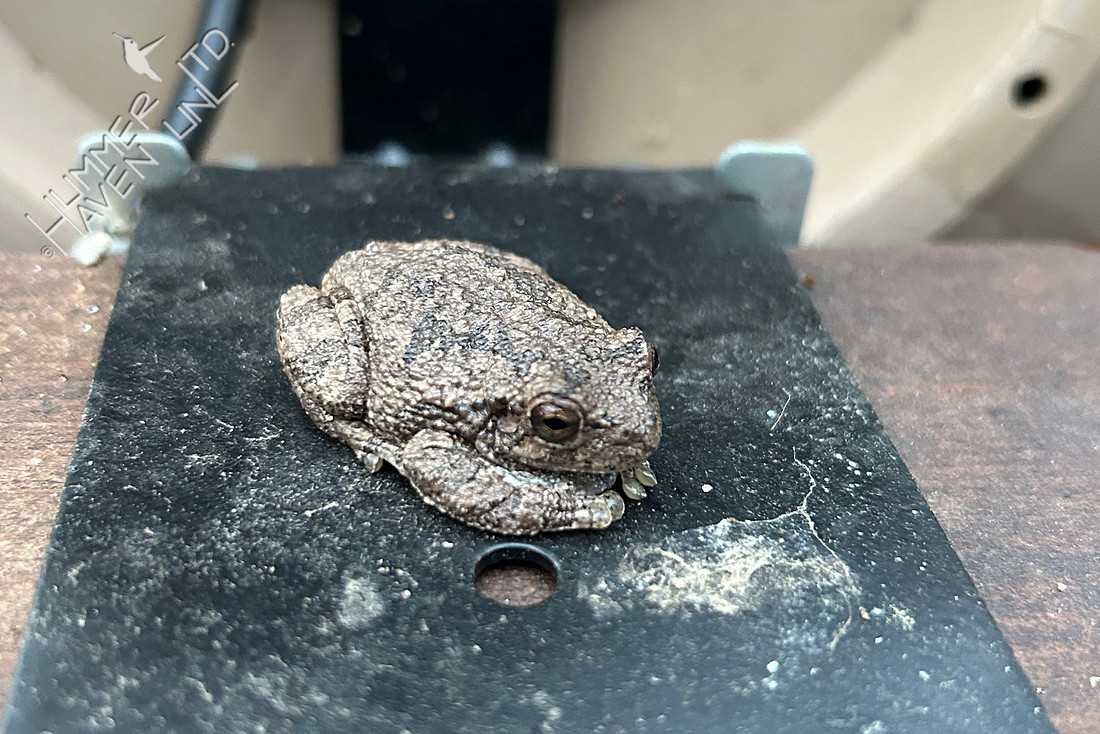
One little friend has been hanging out again on hot days under the bird bath to keep cool, a Gray Tree Frog.
The pace is quickening! We've already had nights with over a million birds flying over.
Get up early and get outside ~ give a listen to the dawn chorus!
Mid-March update 3-17-26
A brutal cold front dropped temperatures into the teens the last two mornings.
It will quickly warm up again.
We had a new bird show up on 3-12-26, a "little gray job."
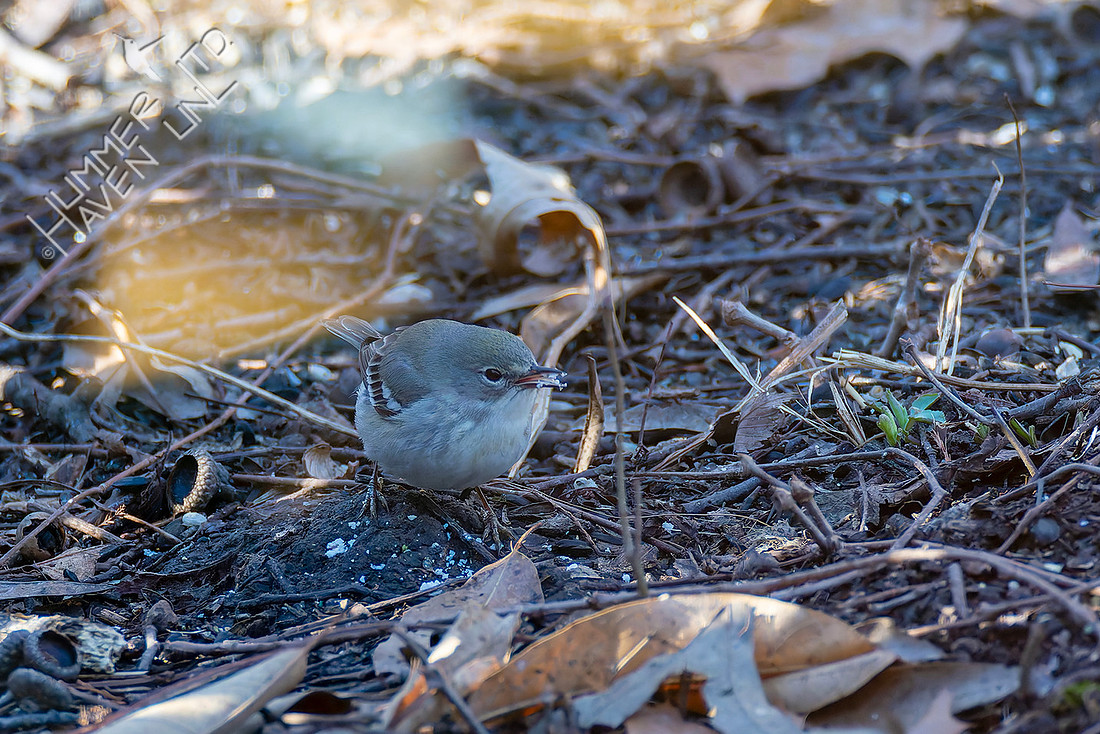
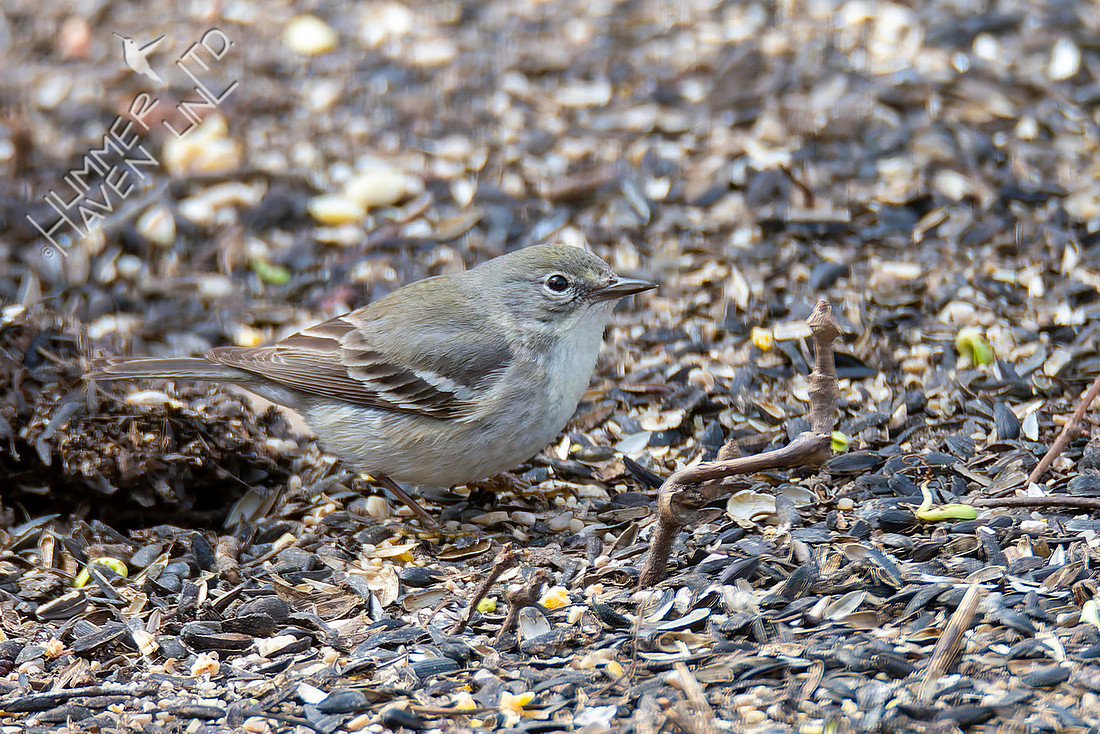
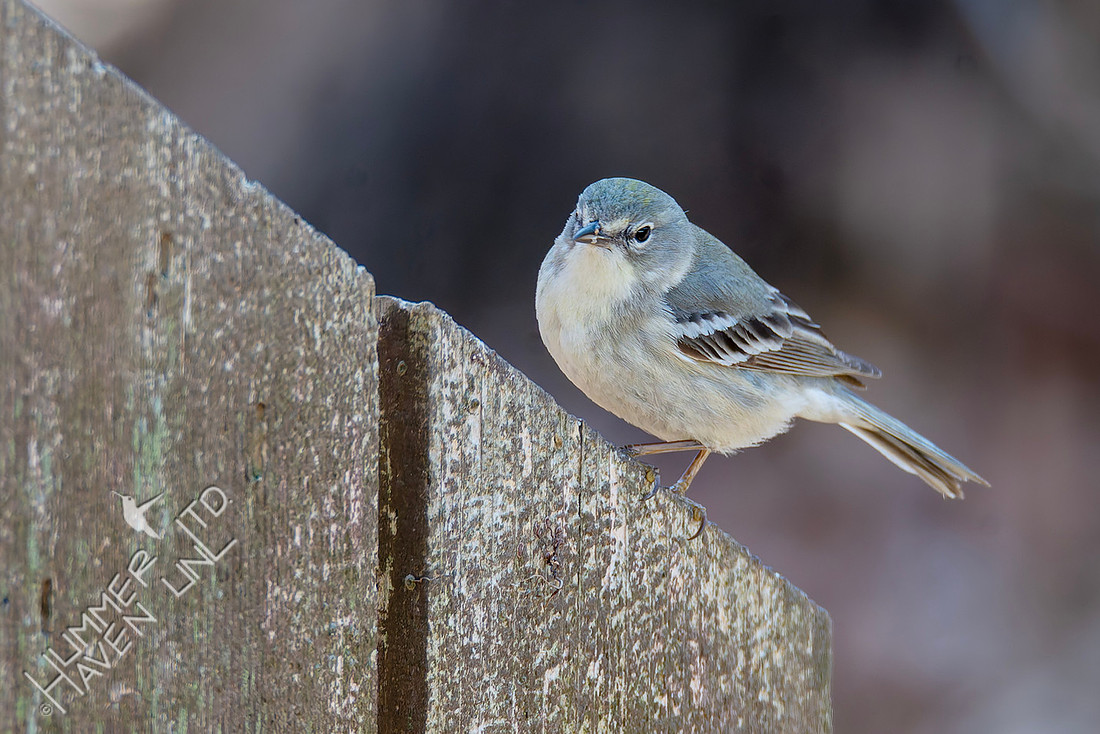
My first look at it showed me a warbler's bill, grayish back and whitish underneath with white wing bars. Faint yellow streaks on its head and back were visible with a bit of light. I got as many photos as I could to help me ID the bird.
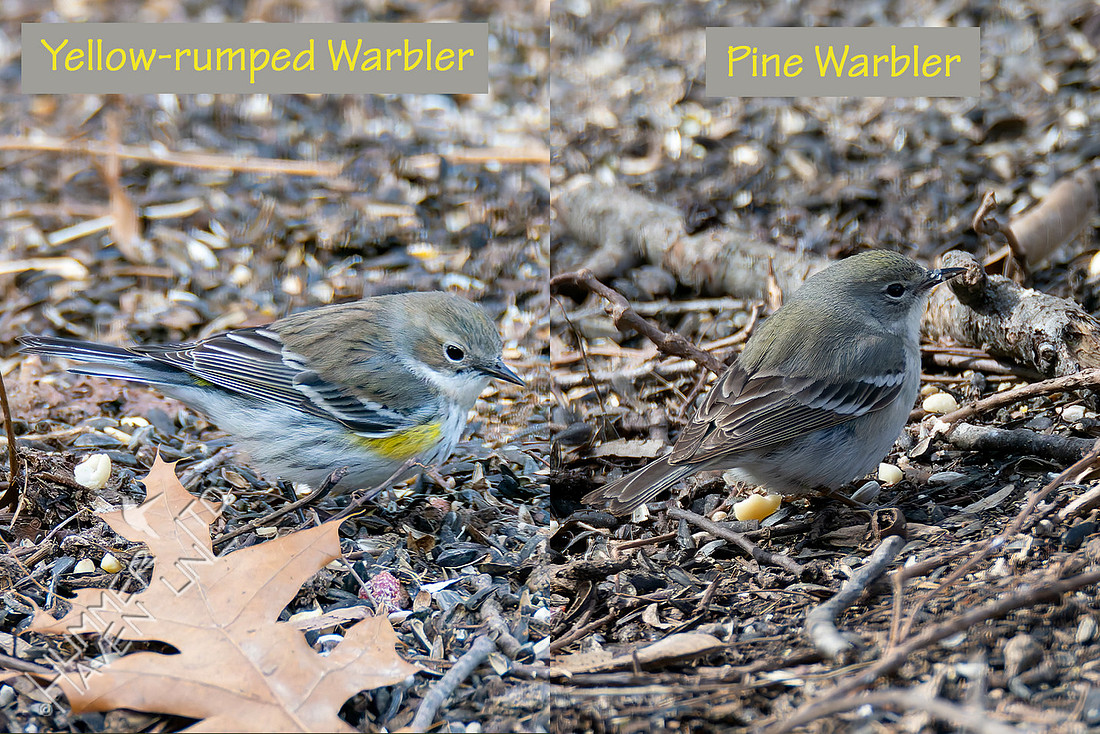
It's about the same size as a Yellow-rumped Warbler, without the bright yellow rump and yellow patches on the sides and crown. There aren't many warblers showing up at this point in the year, and this helped me. It was a first spring female Pine Warbler.
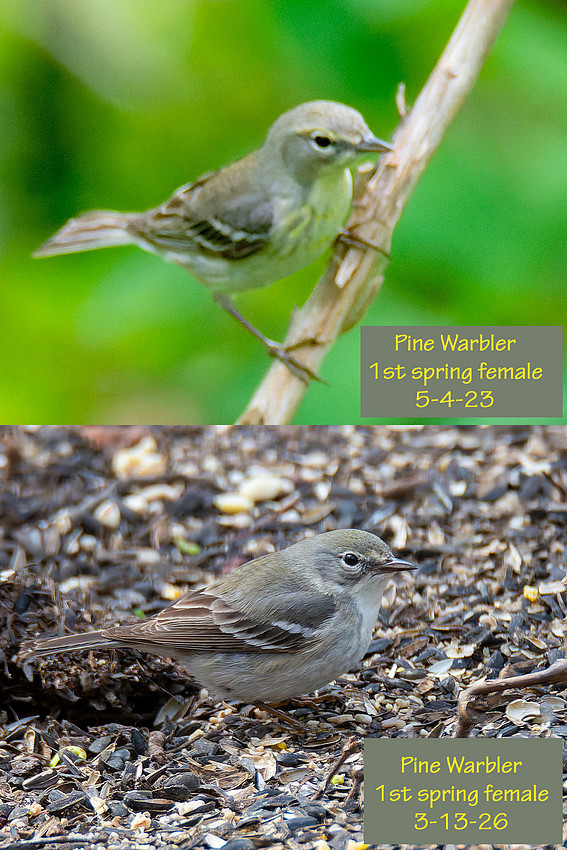
I had gotten one blurry photo of a young female a few years ago, shown above.
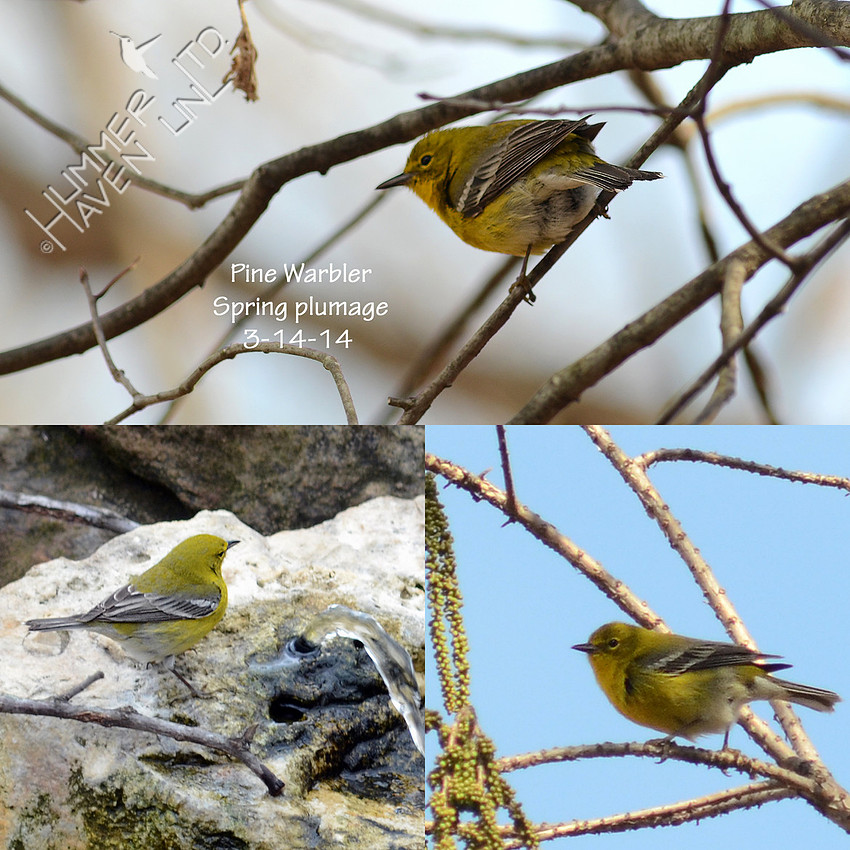
Back in 2014, I photographed this bird, possibly a first spring male.

This striking male stayed around for ten days in April 2022, singing and feeding before moving on. This is not a species I get to see every year. The young female has been here five days in a row. As you can see, there is quite a bit of variation in the plumage of this species!
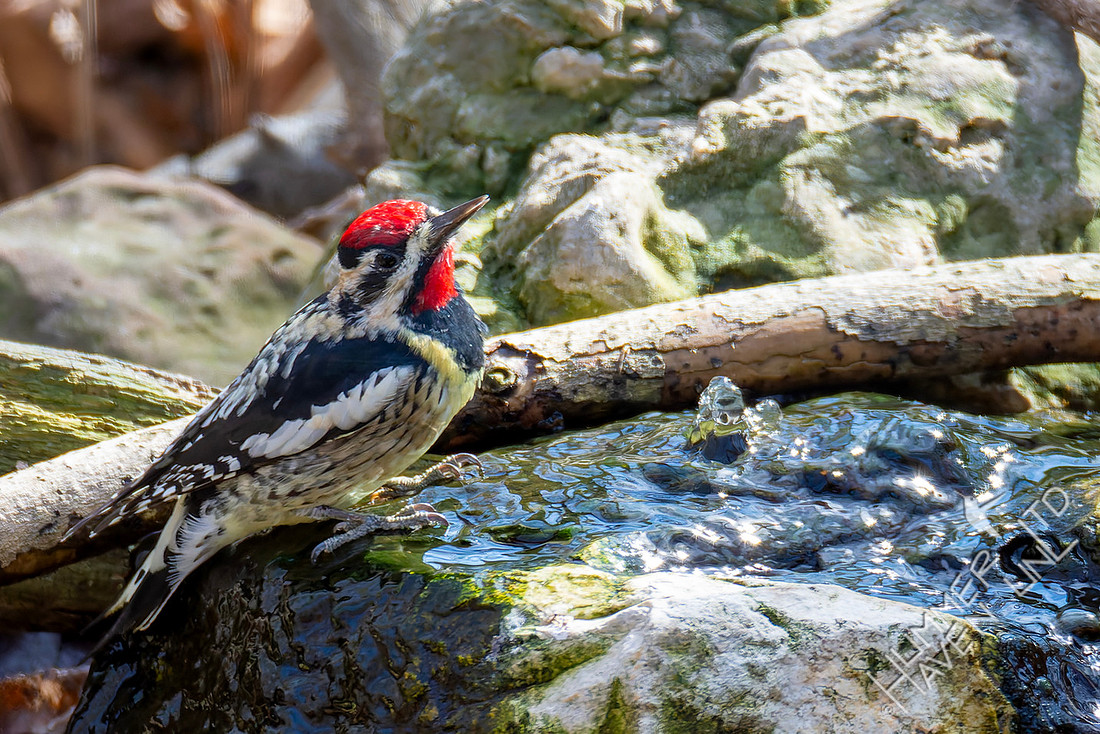
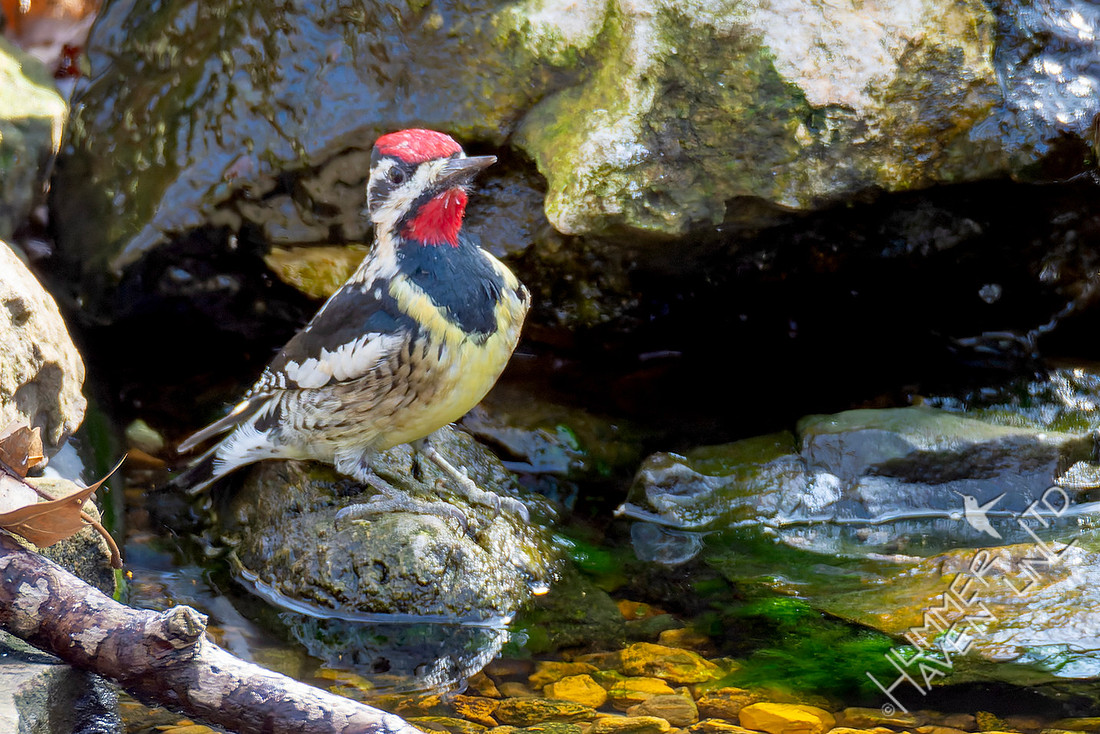
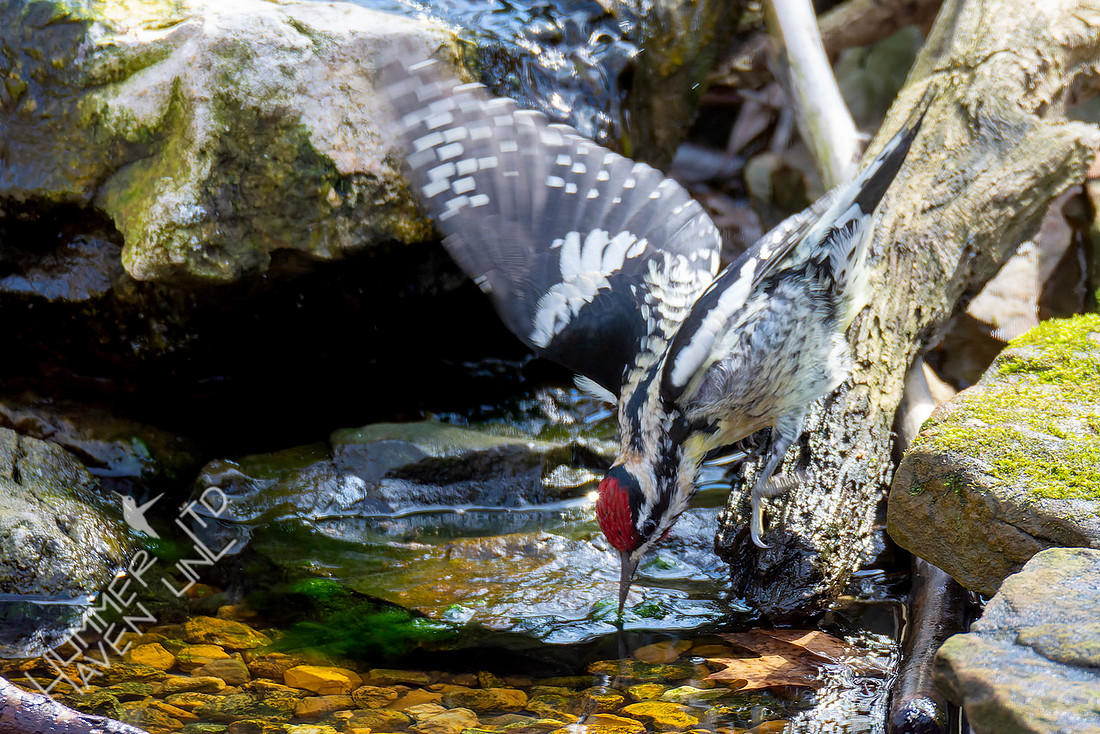
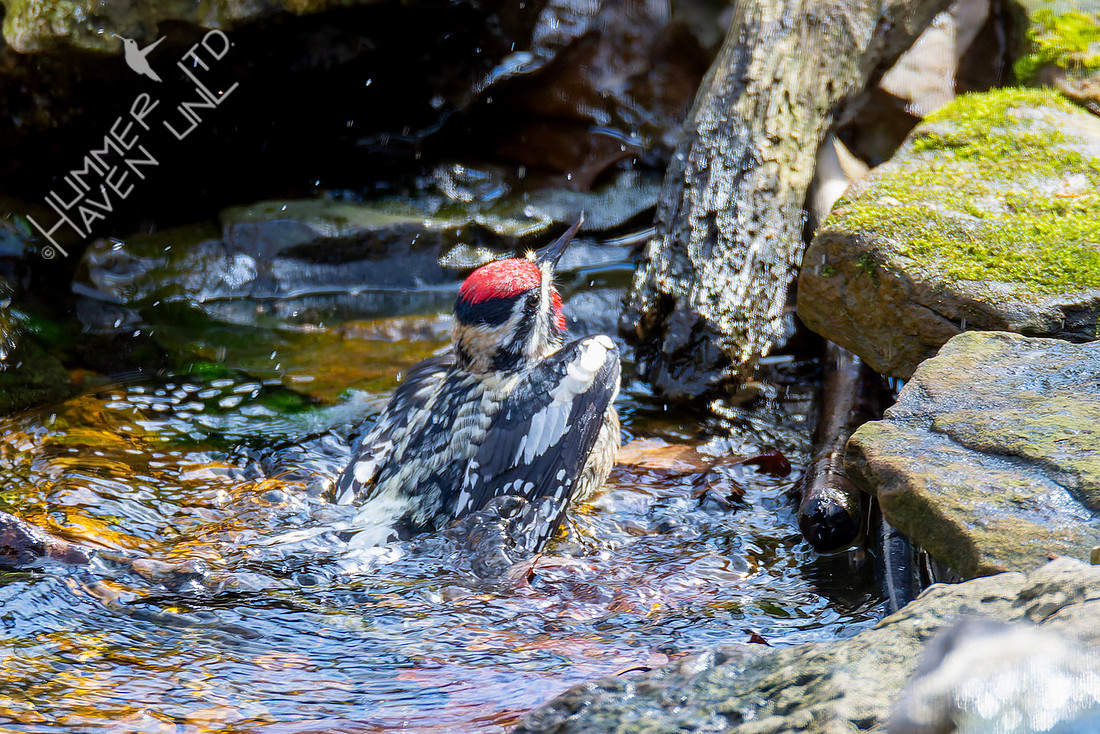
A Yellow-bellied Sapsucker came in to relish a bath before the cold front hit.
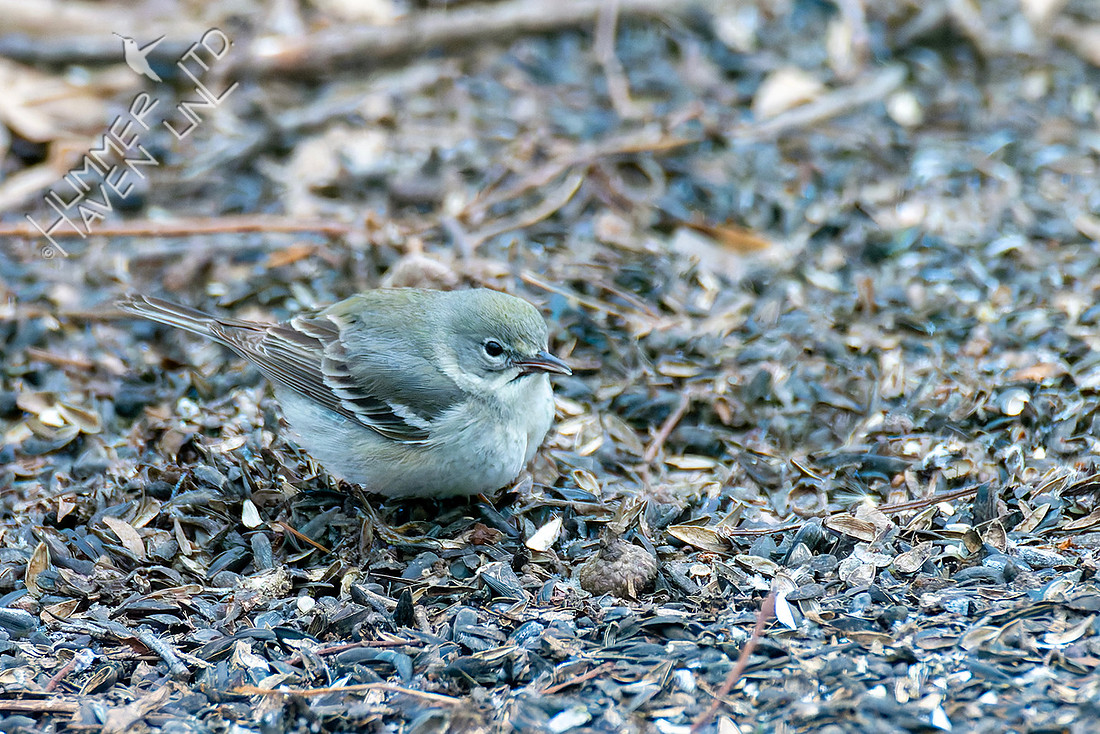
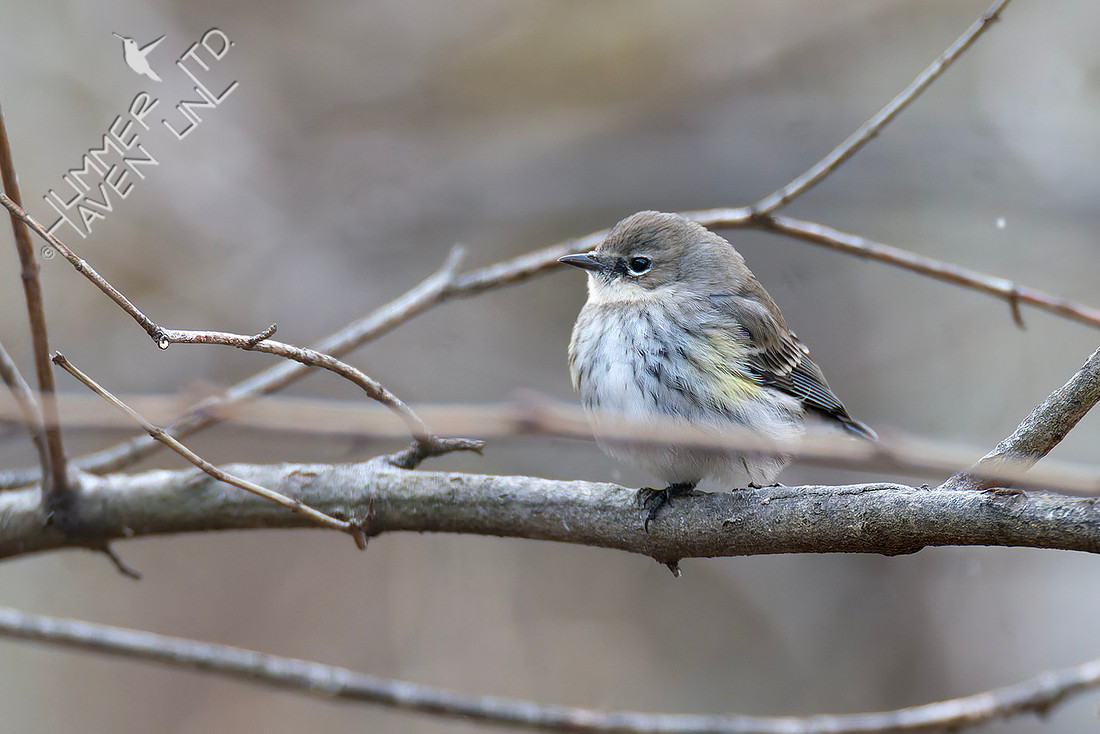
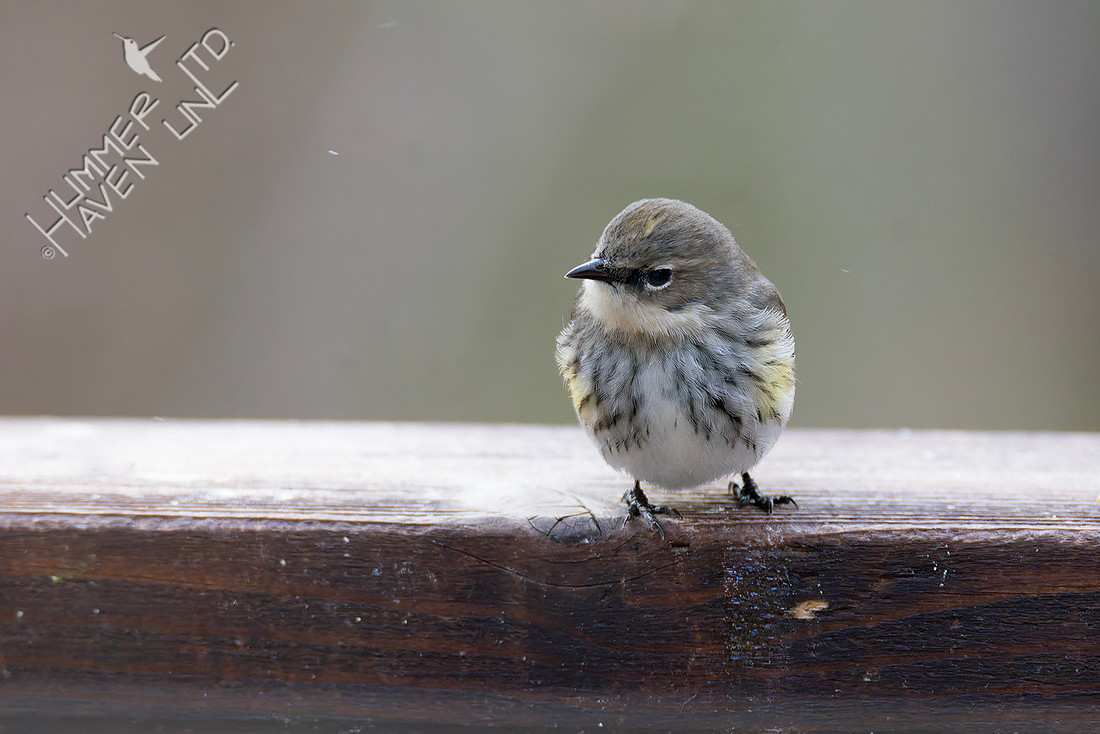
On Monday, 3-16-26 both the Pine Warbler and the Yellow-rumped came in to feed, making it my first day this year with two warblers.
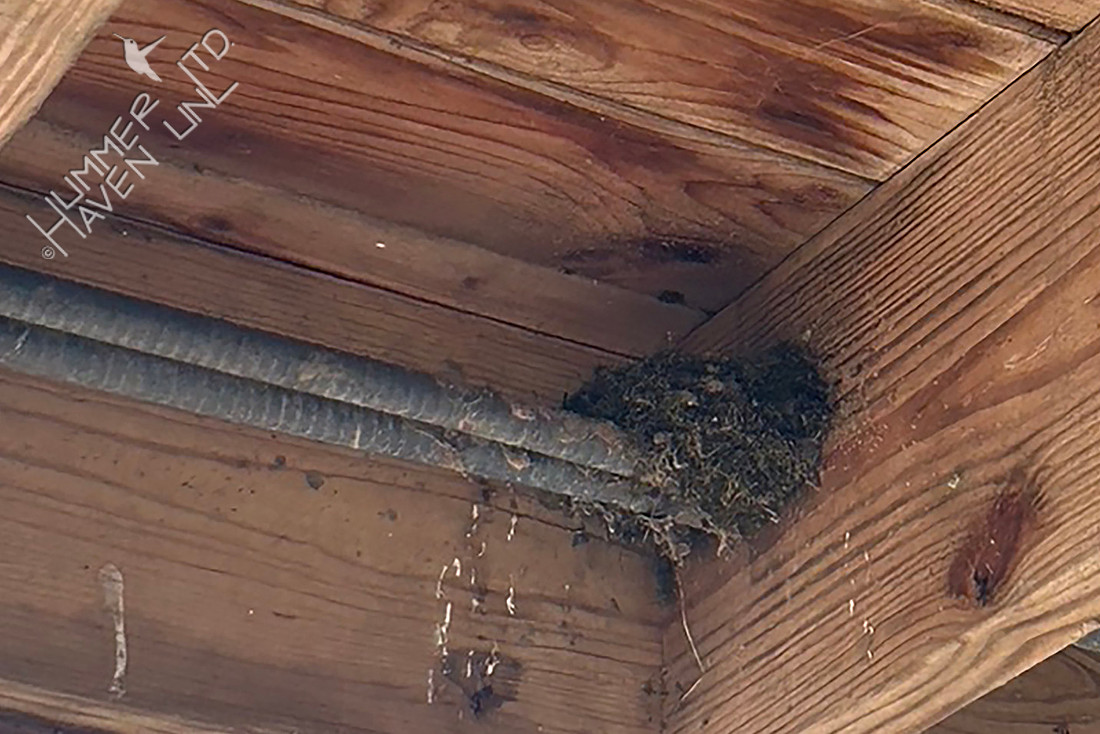
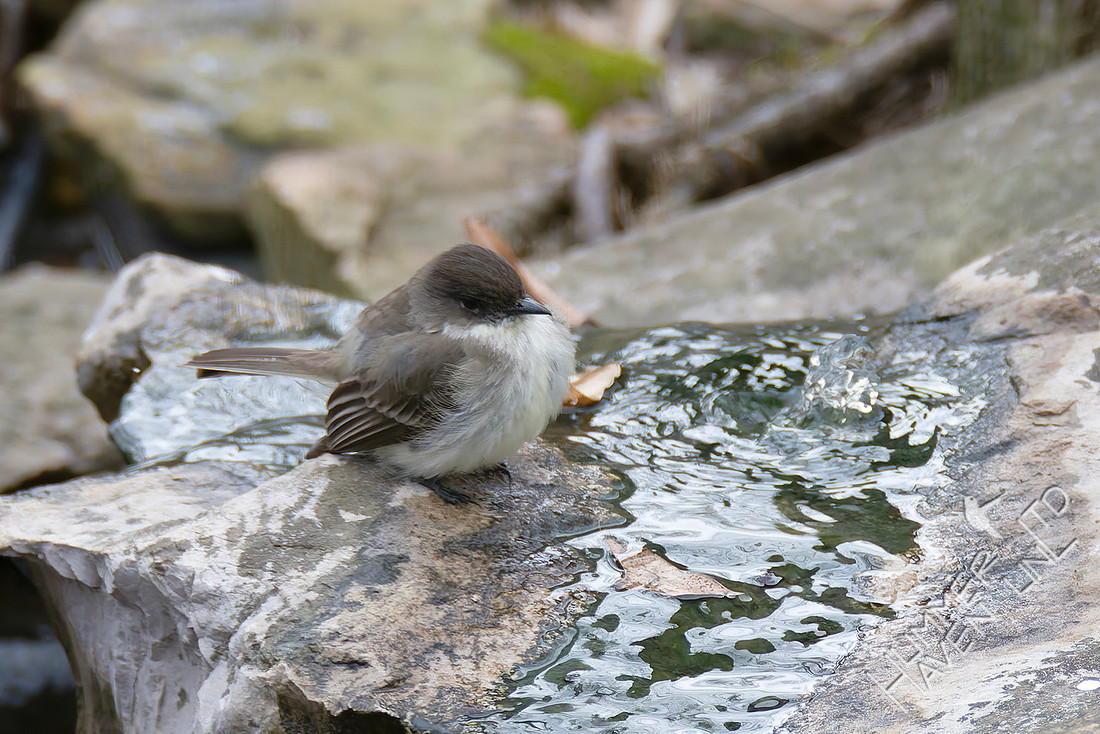
Both Eastern Phoebes are here now, and the female has been busy building the nest! They were seen fly-catching in the woodland on Sunday when I took this photo. Once the cold front hit, the phoebes swooped to the deck and even to the window feeder to grab mealworms. Needs must!
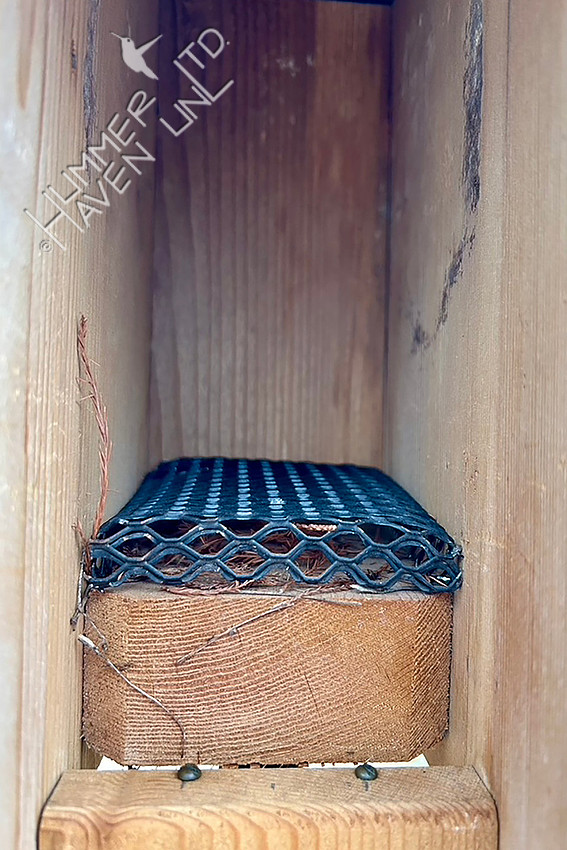
Both Eastern Bluebirds were seen at the nest box on Sunday morning, and the female has just started bringing cypress needles to the box.
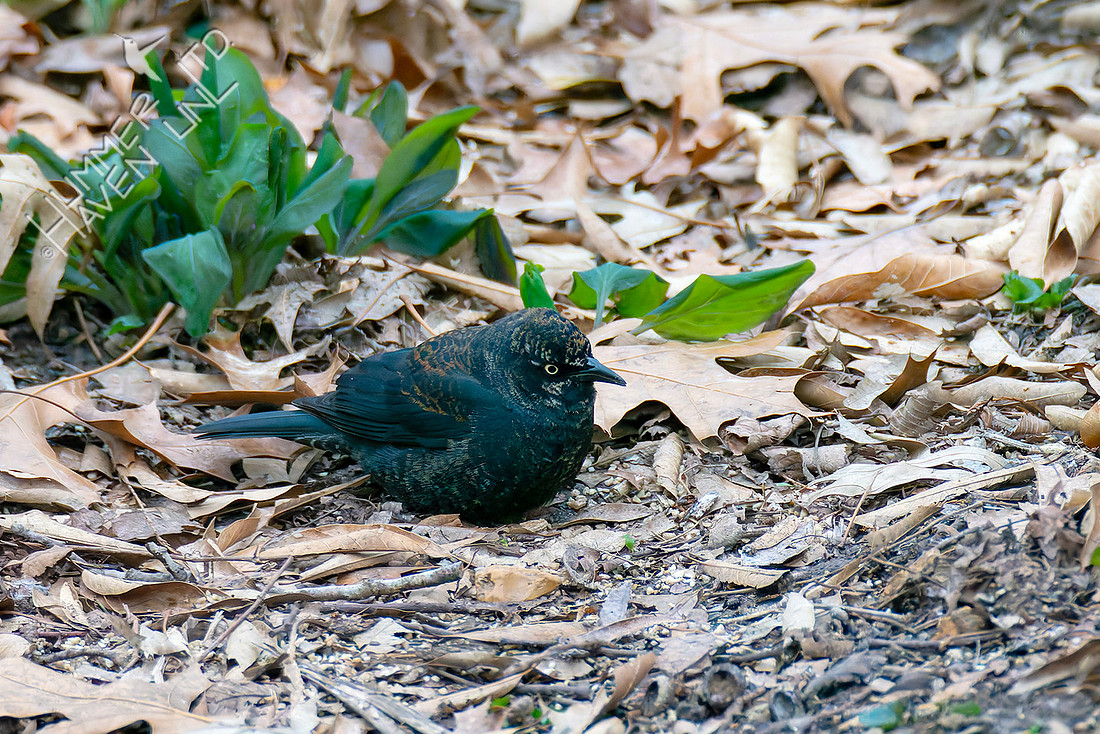
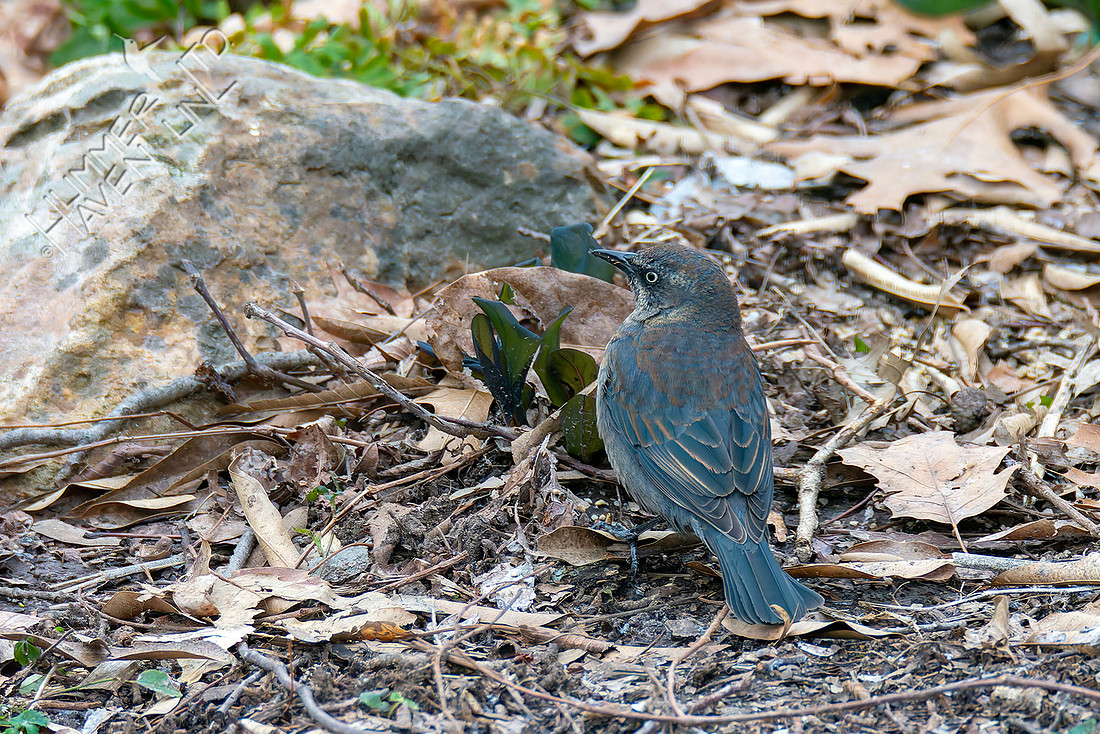
Rusty Blackbirds are still seen every day, sometimes a large flock of 50-60 will drop in to forage.
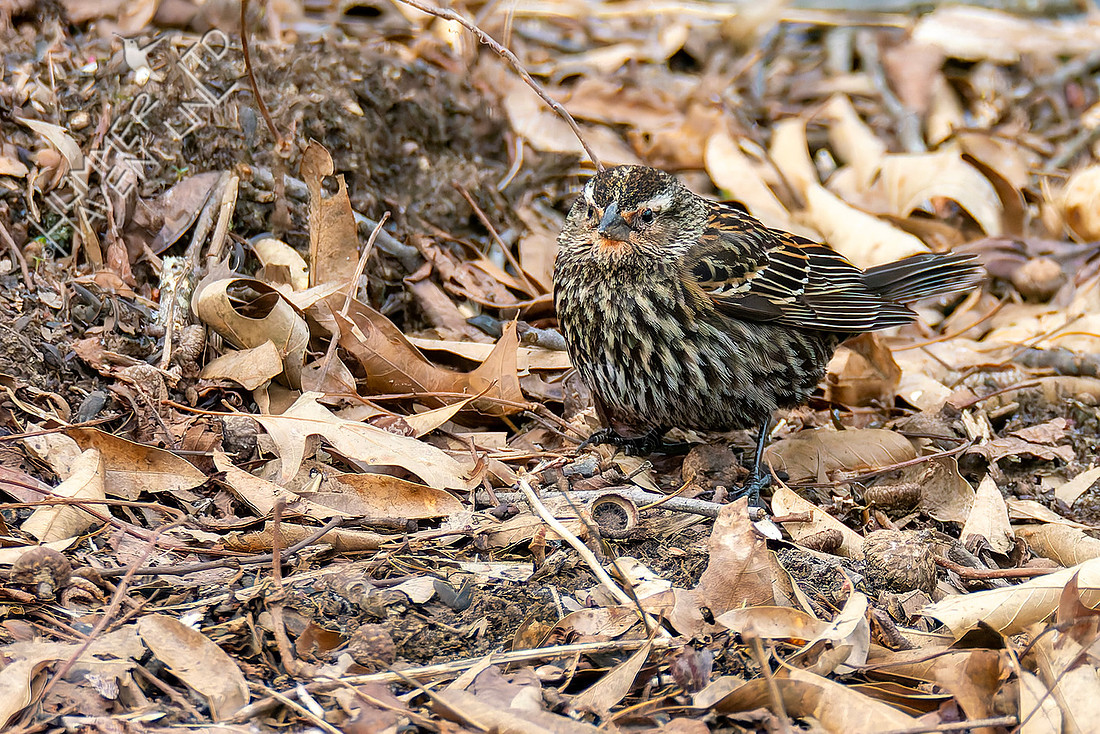
A female Red-winged Blackbird was among them one day.
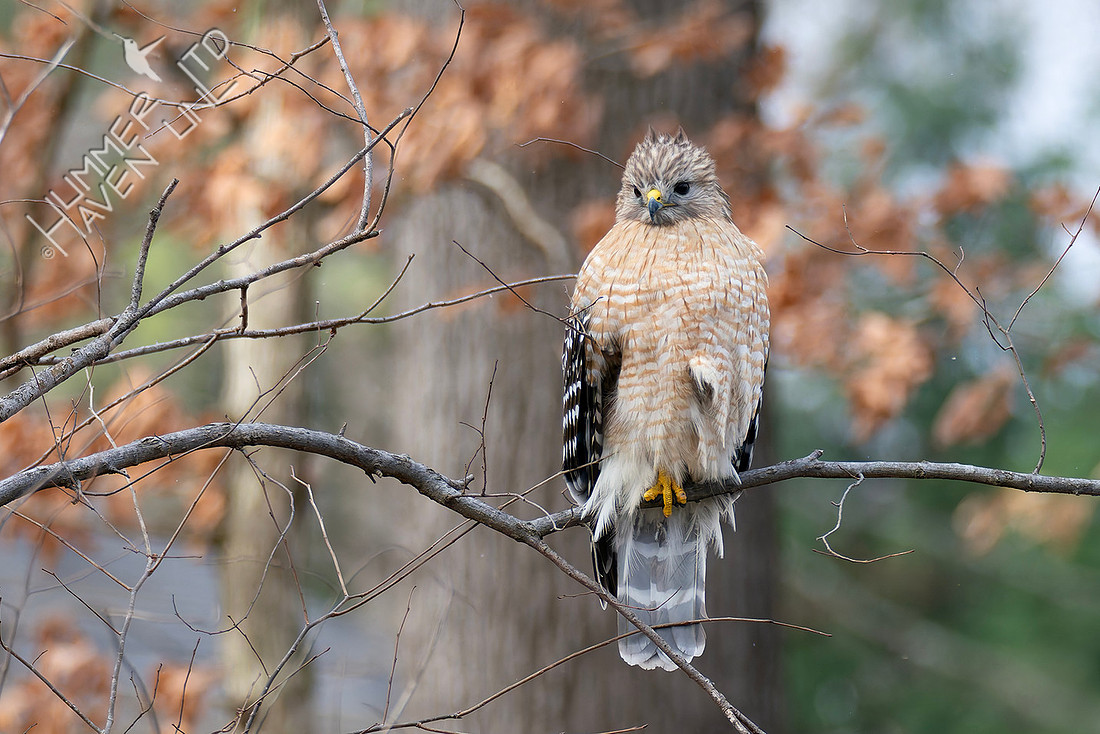
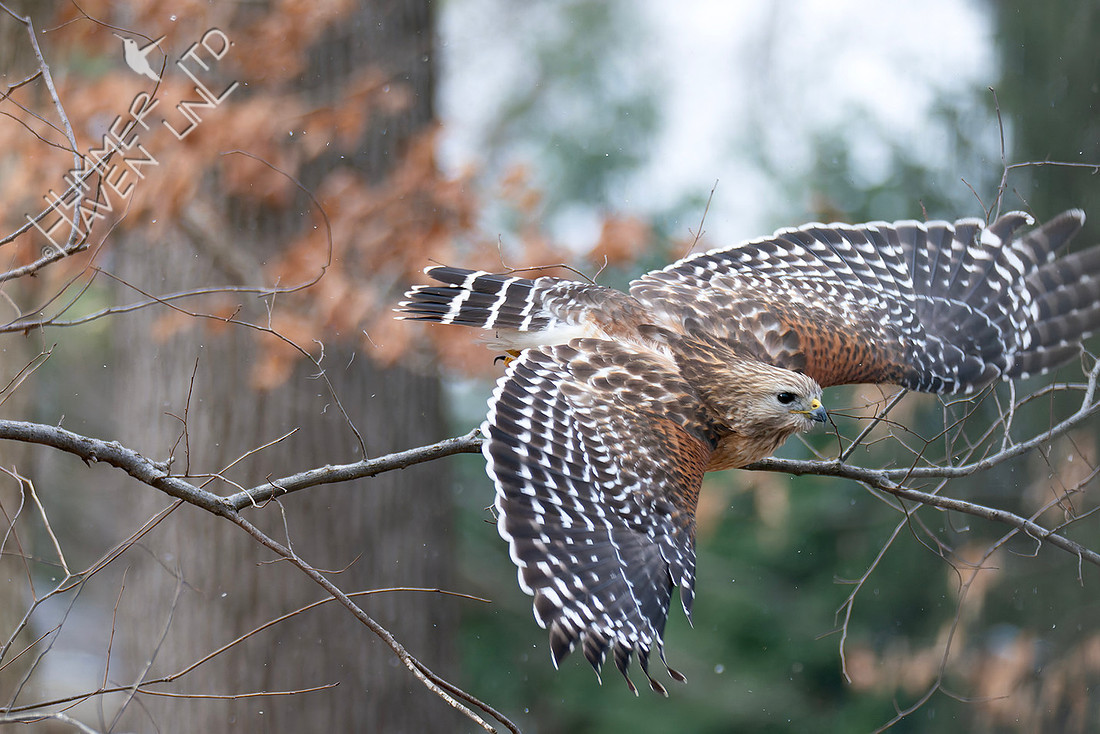
On Monday, the Red-shouldered Hawk was seen throughout the day. It would perch and watch the leaves for movement. I was sitting at my desk and saw it land in the sugar maple with a field mouse in its bill, toss it up and down it in two gulps. This happened not just once, but twice, and too quickly to catch with my camera! This bird is an efficient hunter.
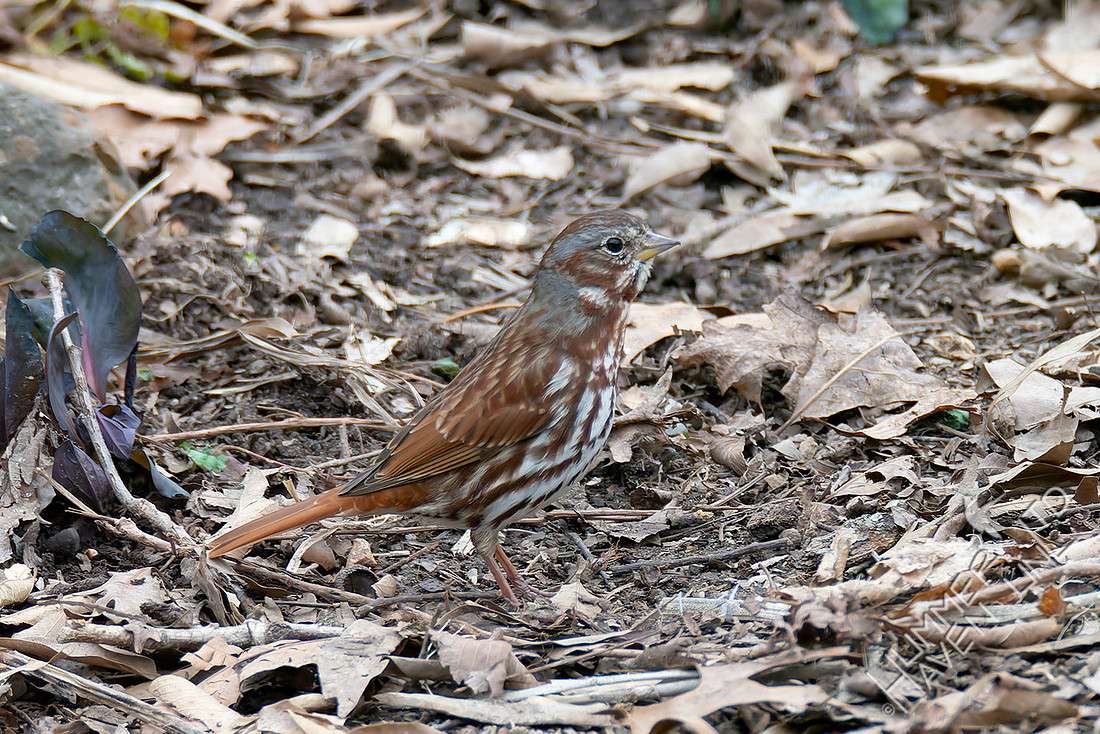
Another new year bird, just seen about 5 pm on 3-17-26 was this lovely Fox Sparrow. They are here over the winter yet uncommon and we don't see them every year. What a beauty!
Speaking of beauties, here is our Spring gallery of Warblers to help you be ready for them!