


Welcome to our blog!
It's all about our discoveries in our private Shady Oaks Sanctuary for birds, pollinators and wildlife. We gauge our success by the diversity of species we observe and document with our photography.
We hope you are inspired to create your own refuge!
Early birds and Monarch eggs 4-17-17
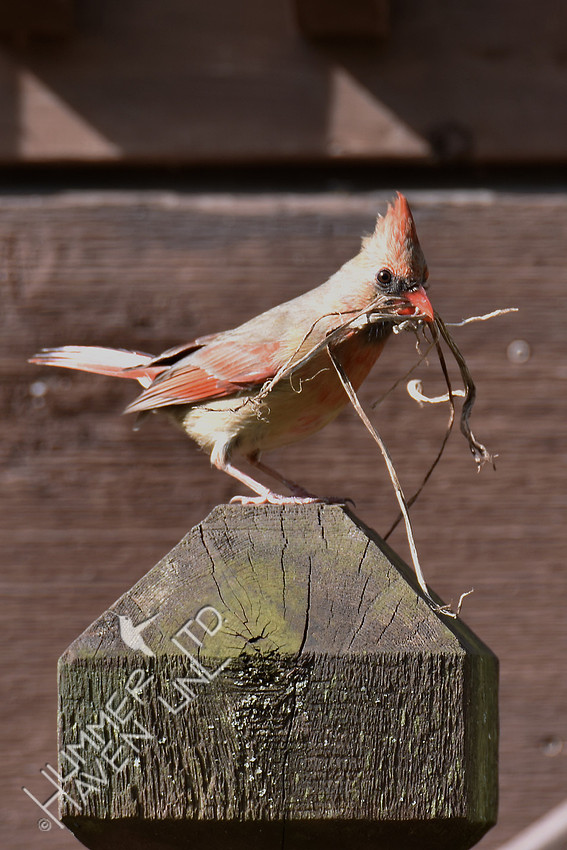
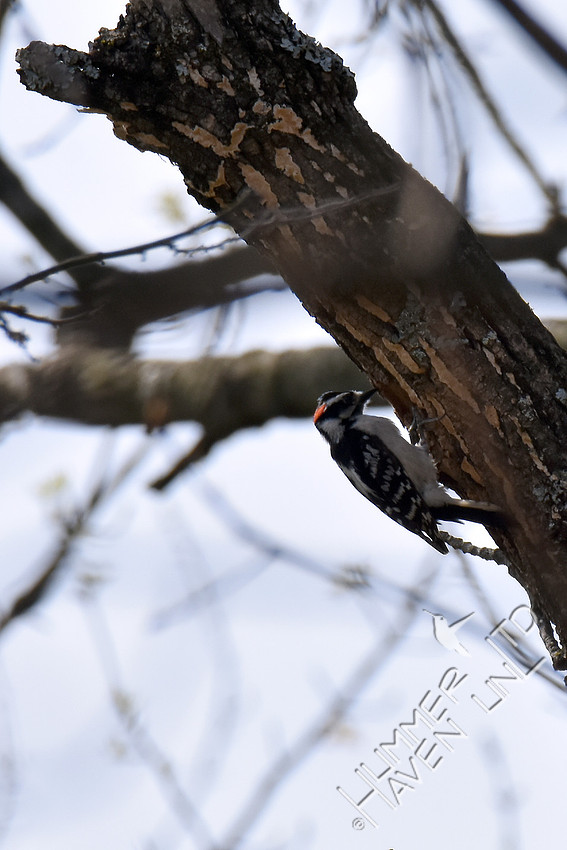
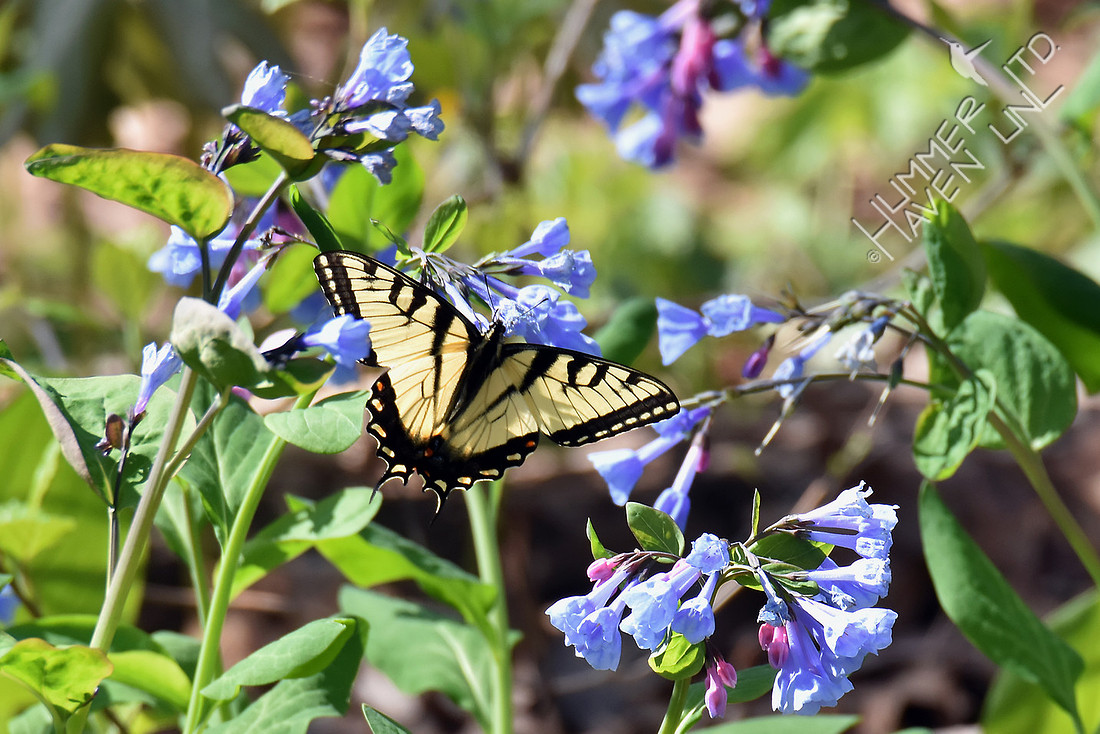
This week has been busy with nesting birds, new arrivals and the first Monarch laying eggs. The Northern Cardinal female carried material to her nest and the Downy Woodpeckers were busy at their nest hole on Sunday, 4-9-17. On that same breezy day, the first Tiger Swallowtail danced and nectared at the Bluebells (Mertensia virginica).
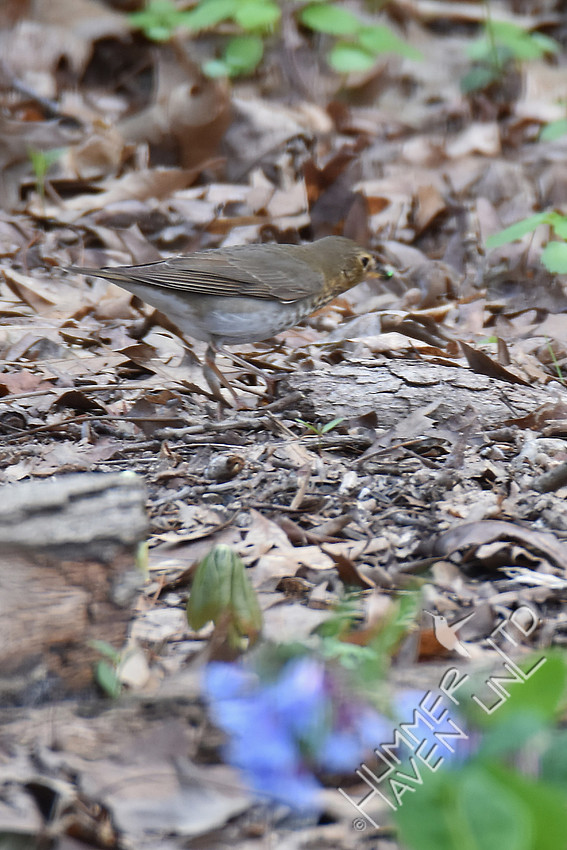
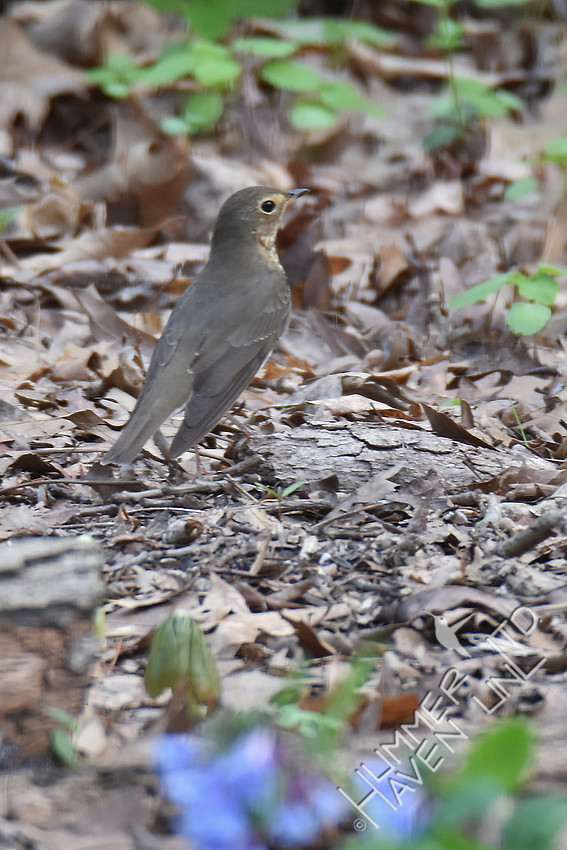
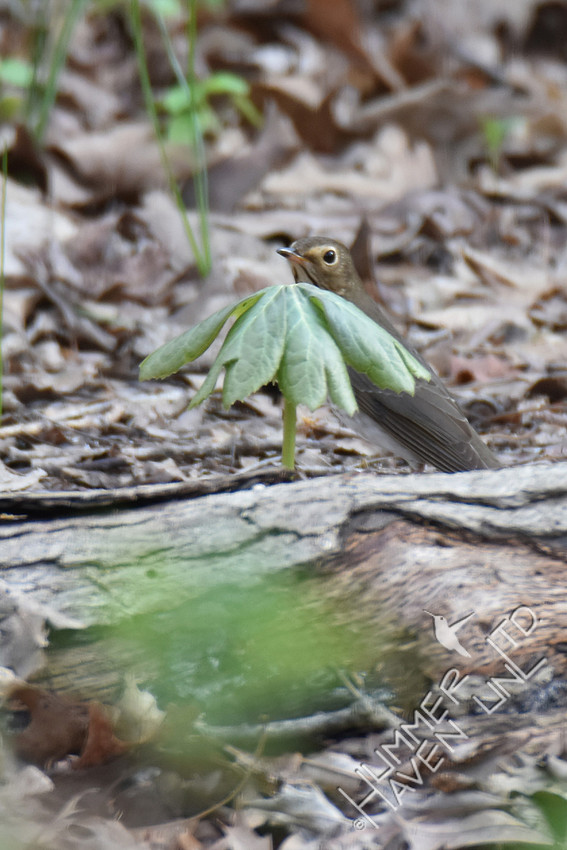
On Monday, 4-10-17 I stepped outside and heard a a Swainson's Thrush six or seven times around 2 pm. It seemed very early in the season to hear this bird and I confirmed that the earliest arrival record for it was 4-14-1983.
One can check on seasonal occurrence of all of our Missouri Birds on this site.
I stayed near the camera and finally saw this bird in the woodland for about 8 minutes at 3:40 pm. It moved on and has not been seen since.
Here are a few photos.
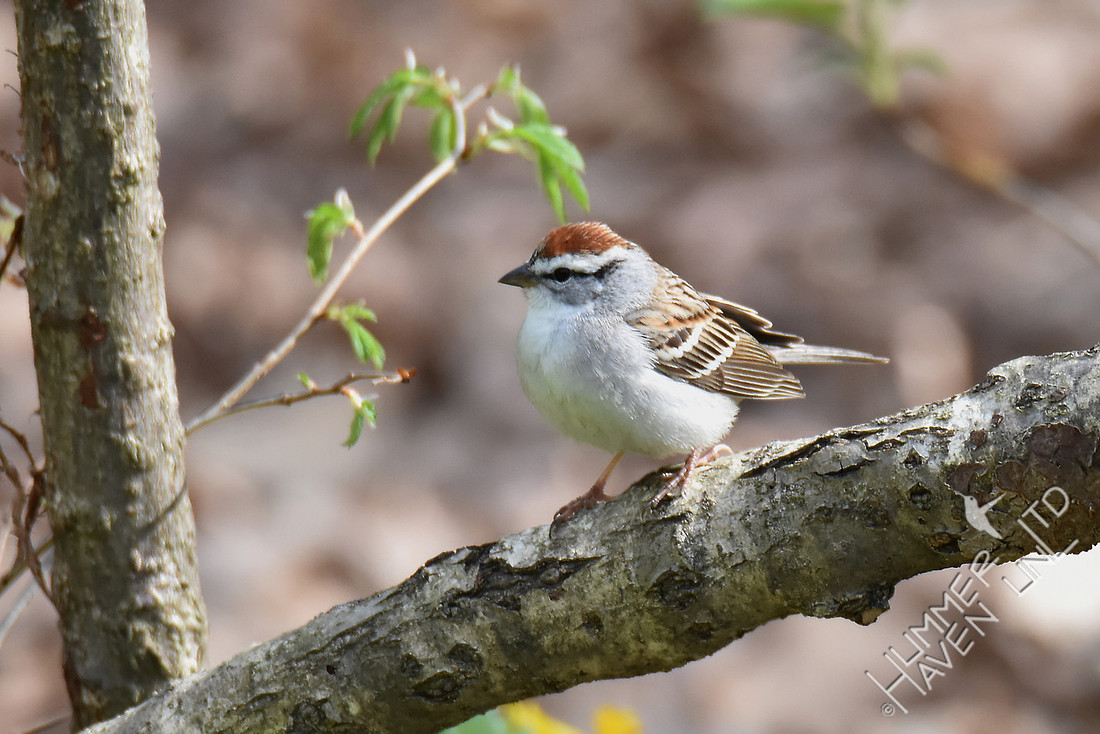
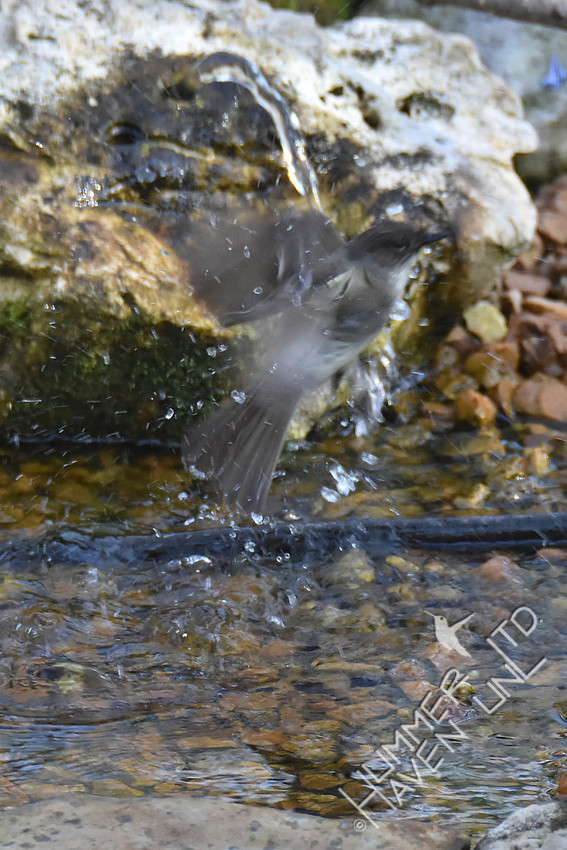
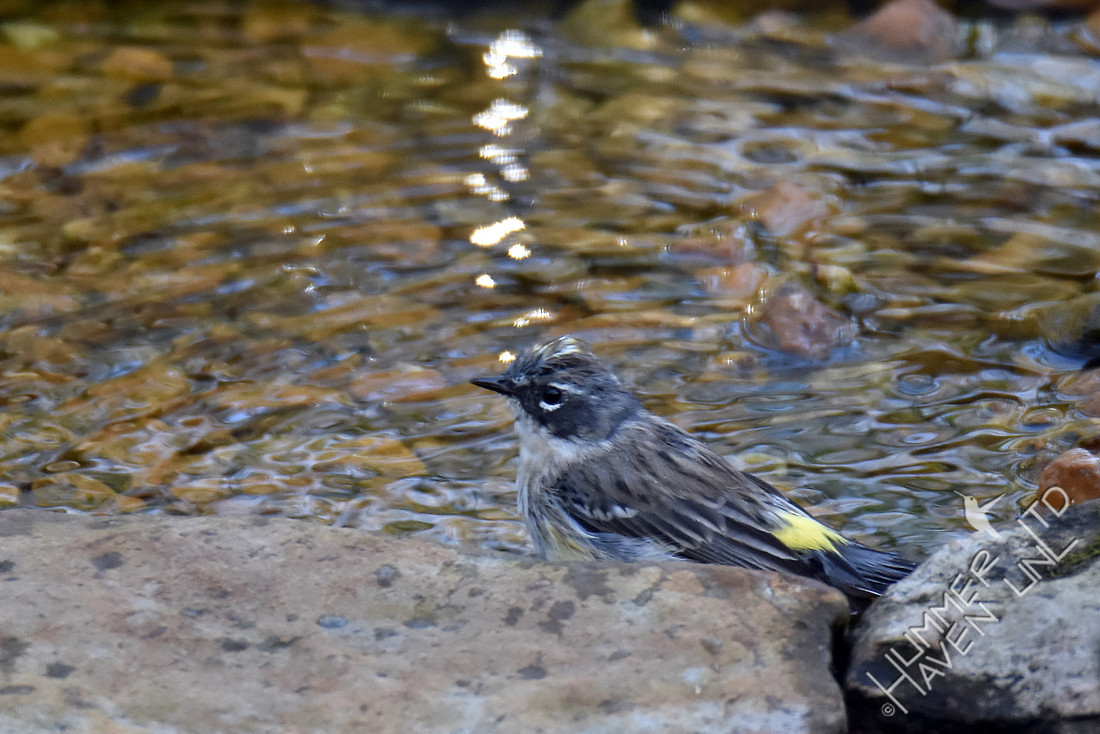
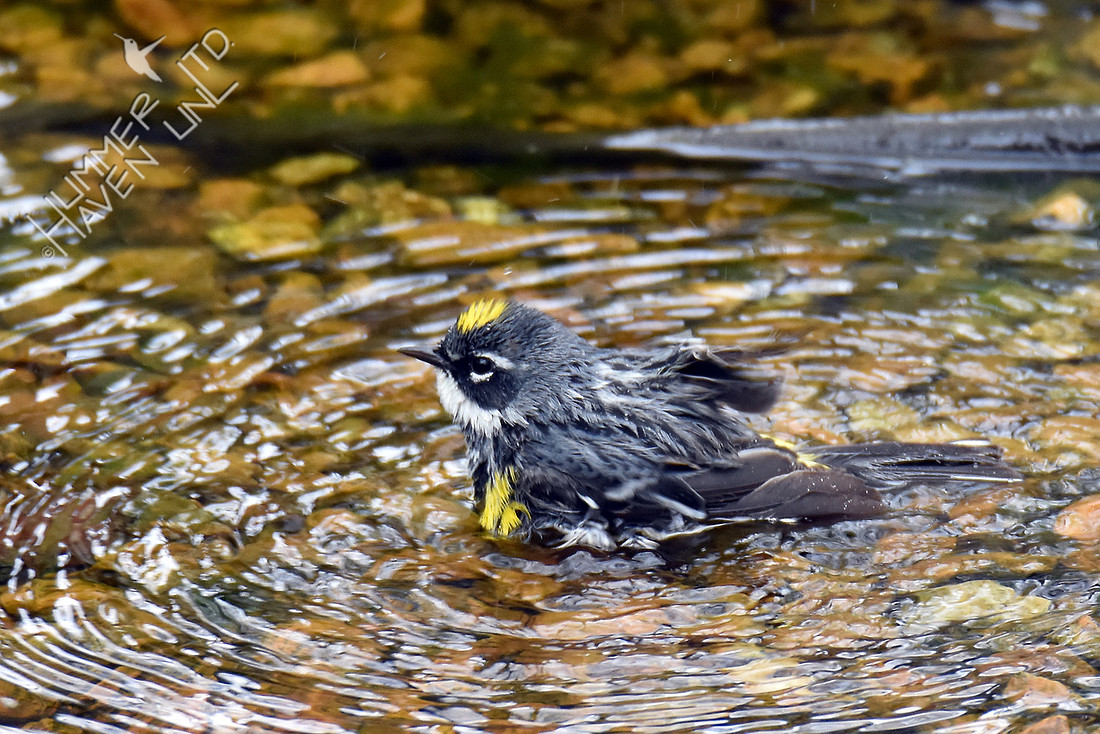
On Wednesday, 4-12-17 the first Chipping Sparrow popped out near the Bubbler, one of the Eastern Phoebes splash-bathed and a female Yellow-rumped Warbler soon followed.
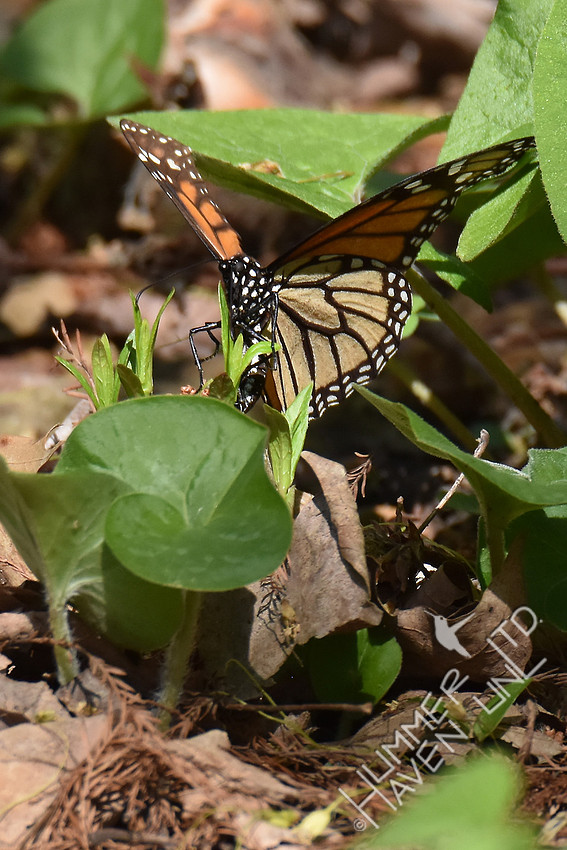
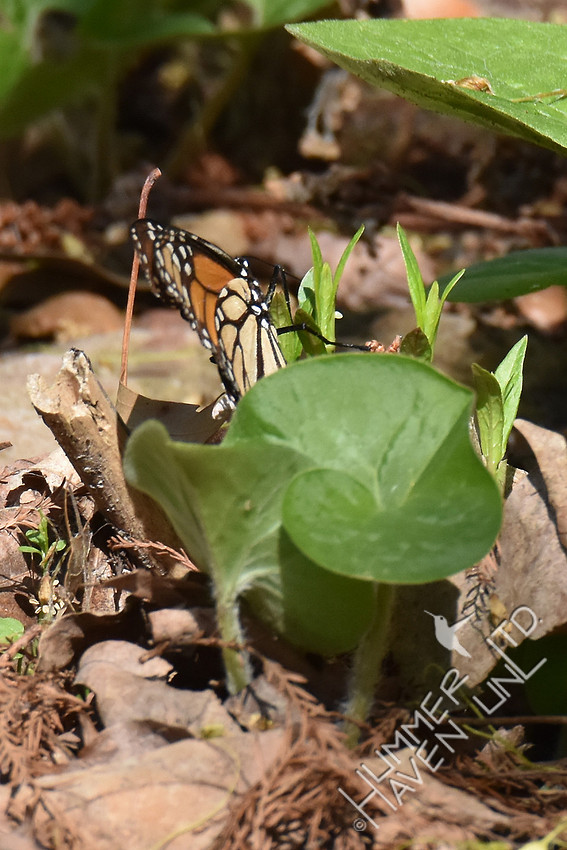
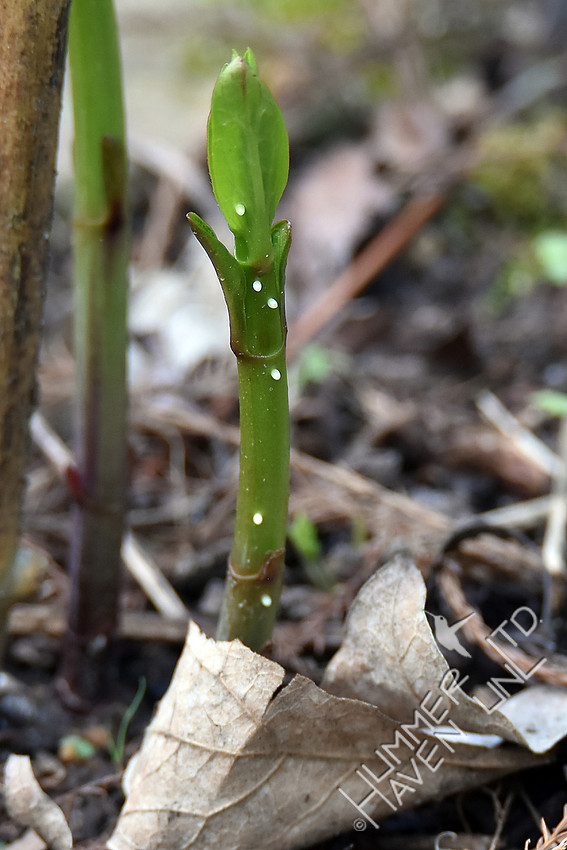
On Saturday, 4-15-17 I went out to weed in the garden but immediately put down my bucket and tools. There was a female Monarch butterfly down low in the Marsh Milkweed (Asclepias incarnata) and it was laying eggs! The Monarch continued to flit through the garden and search out every little patch of Marsh Milkweed. There are at least a dozen and these plants are only inches high. This female was on a mission to lay her pearls!
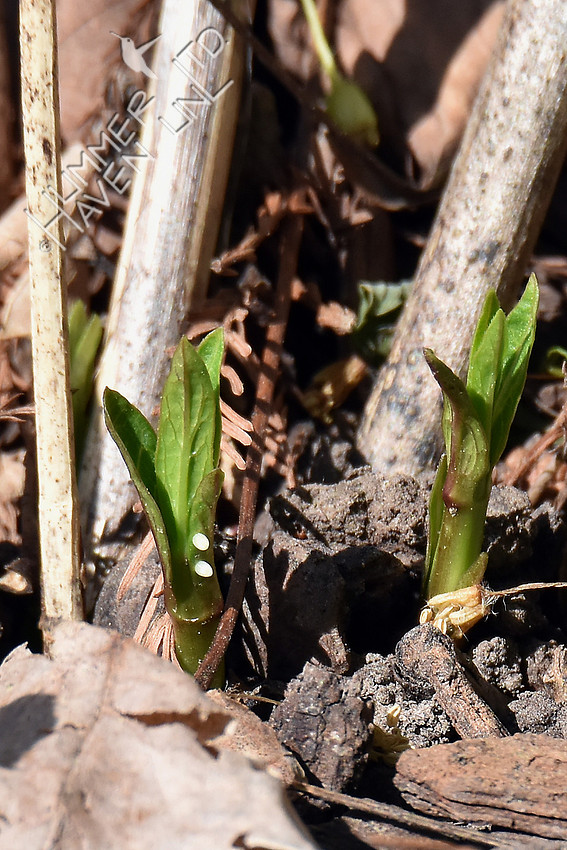
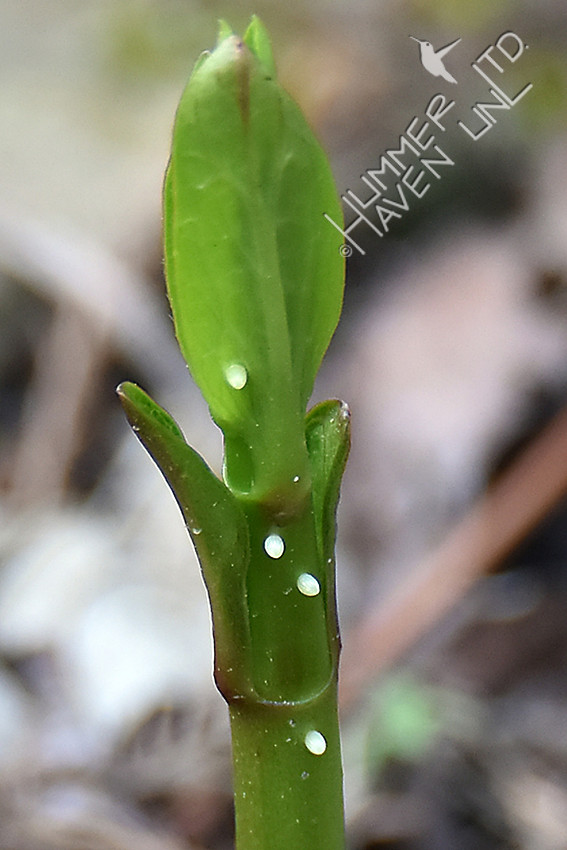
I had heard the first Blue-gray Gnatcatcher and Northern Parula warbler calling on Friday. Their songs are quite distinctive with the gnatcatcher's being buzzy and wheezy while one of the warbler's sounds like 'zee-ee-ee-up!'
The first bonafide flurry of activity at the Bubbler began on Saturday afternoon. I was very pleased to see a female Northern Parula get in and bathe!
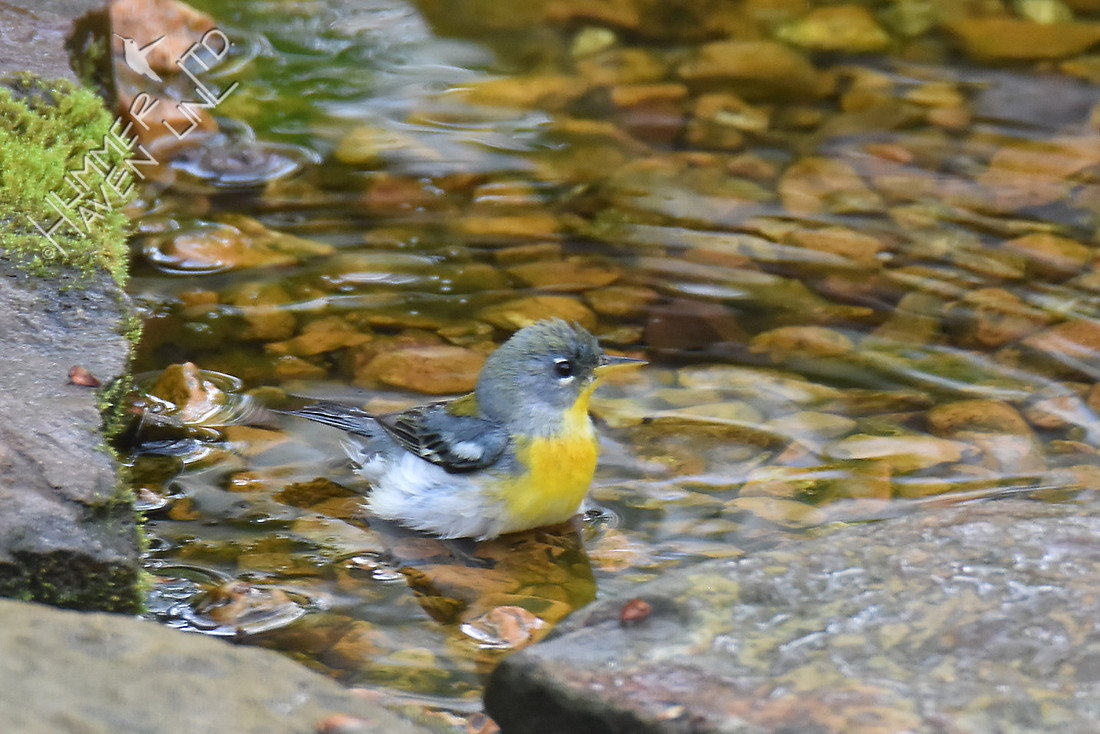
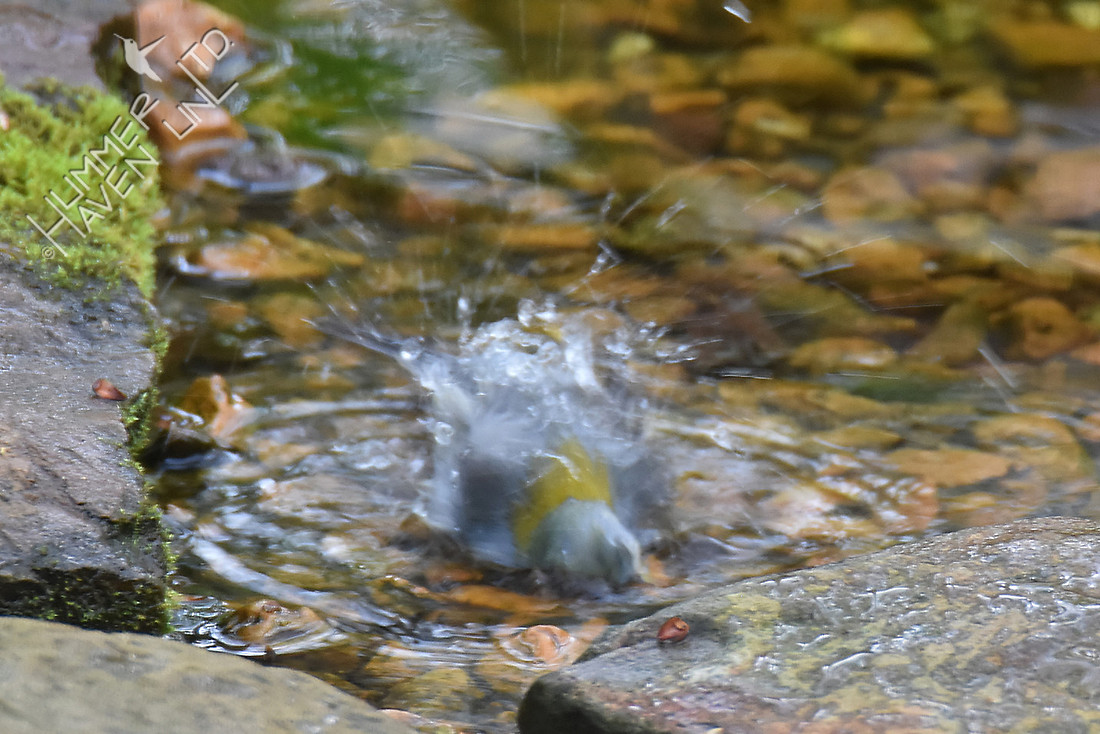
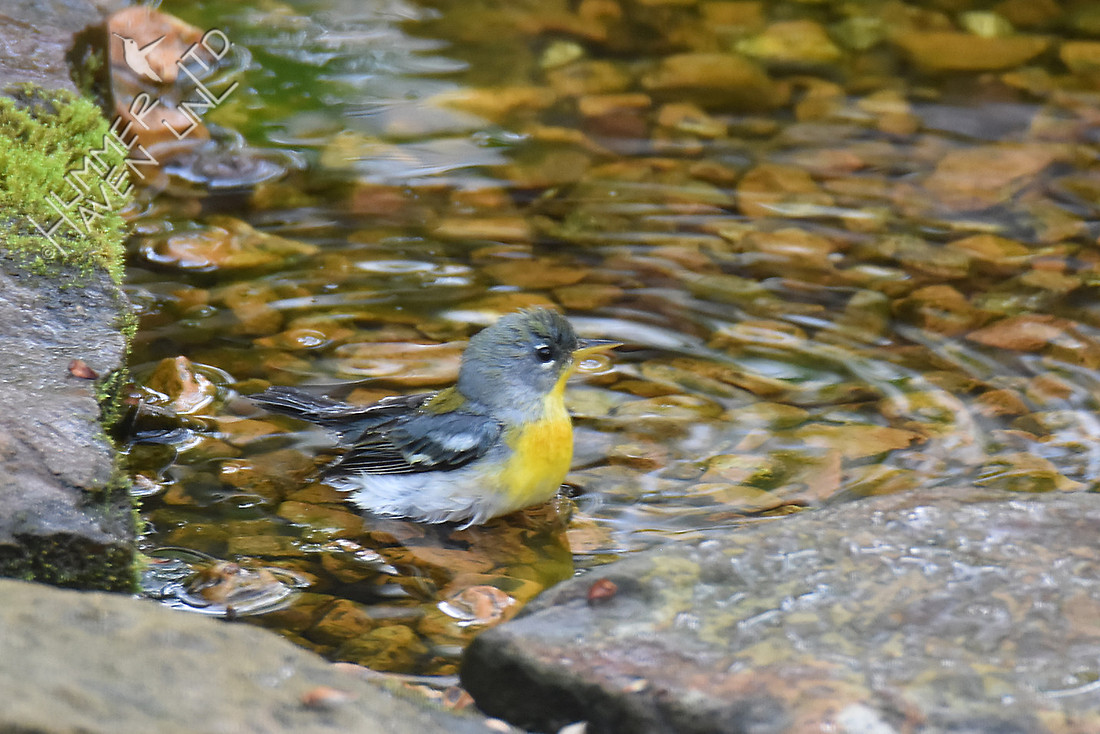
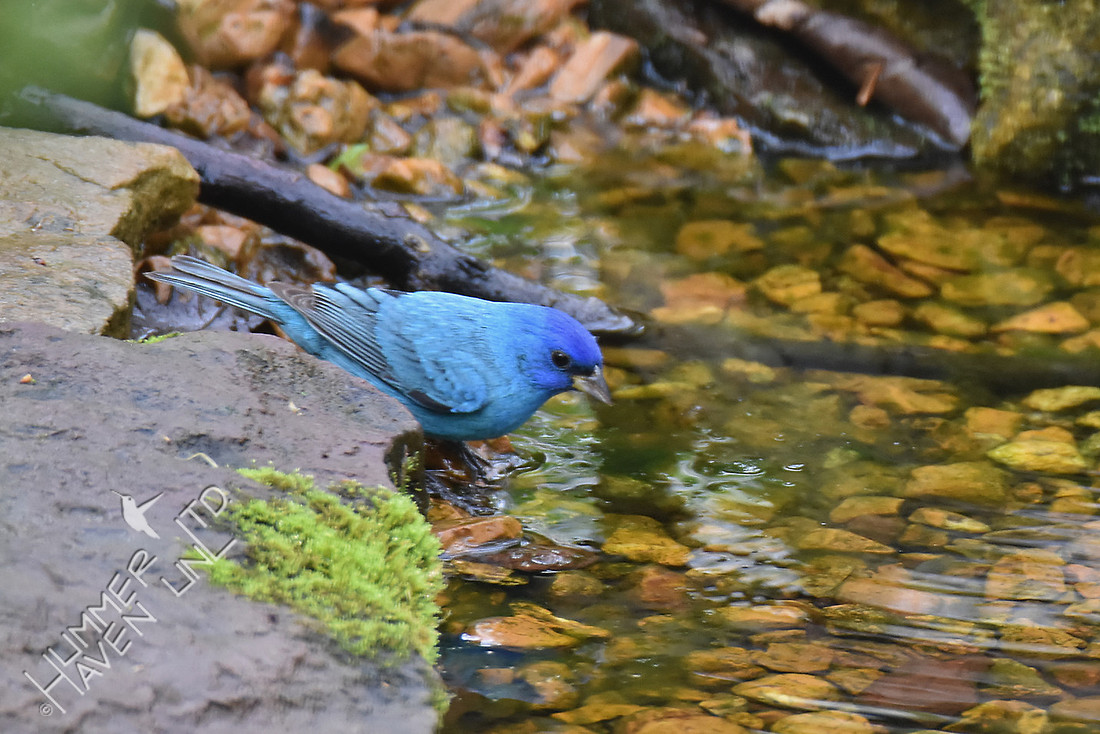
Easter Sunday, 4-16-17 was warm and overcast with rain expected. Most of the rain passed to the south, leaving hungry new arrivals ready to drink and bathe! Yellow-rumped Warblers numbered a dozen and brought with them two Nashville Warblers and an early Indigo Bunting!
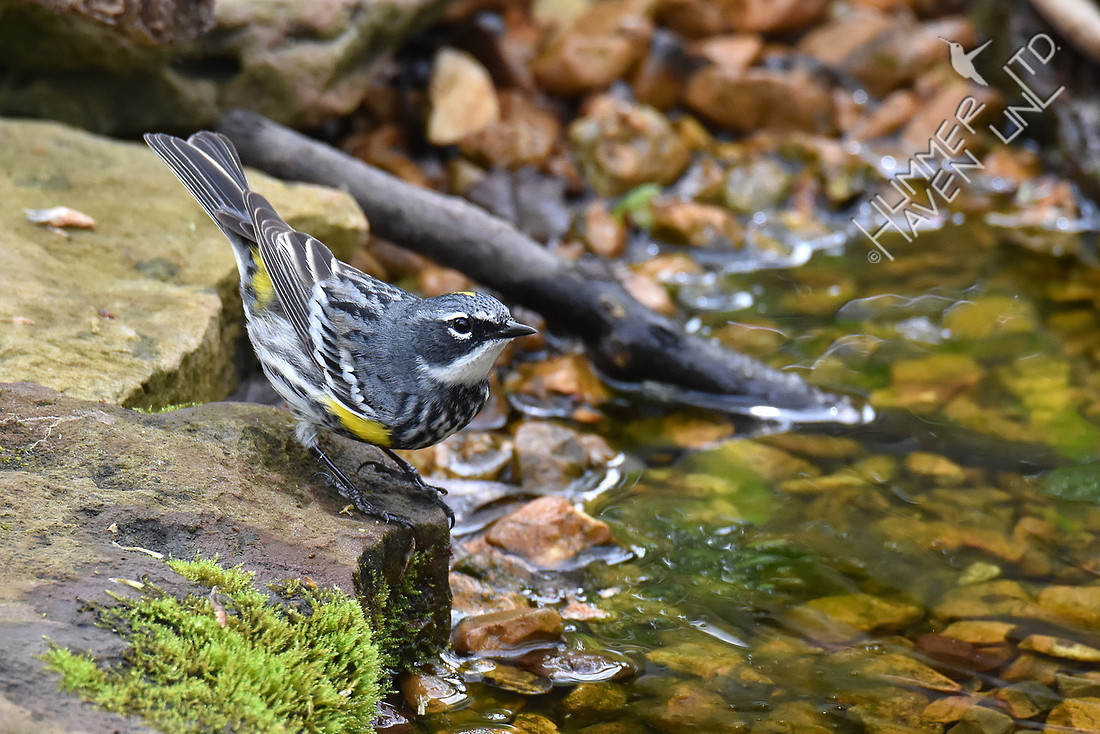
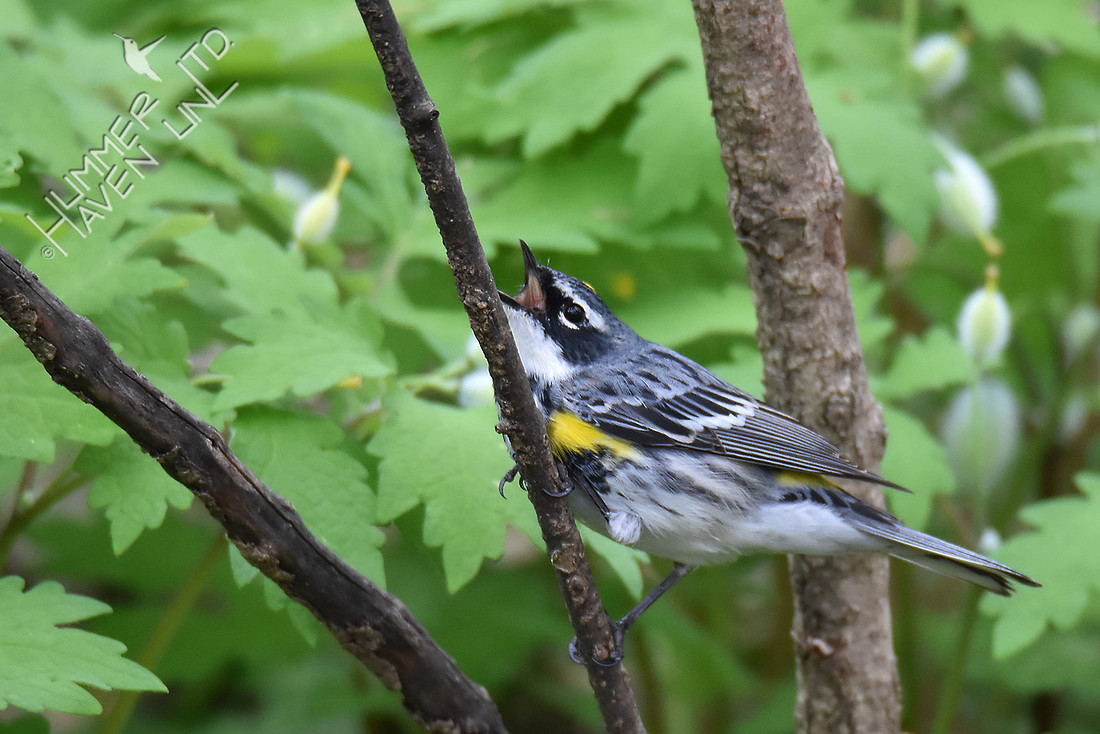
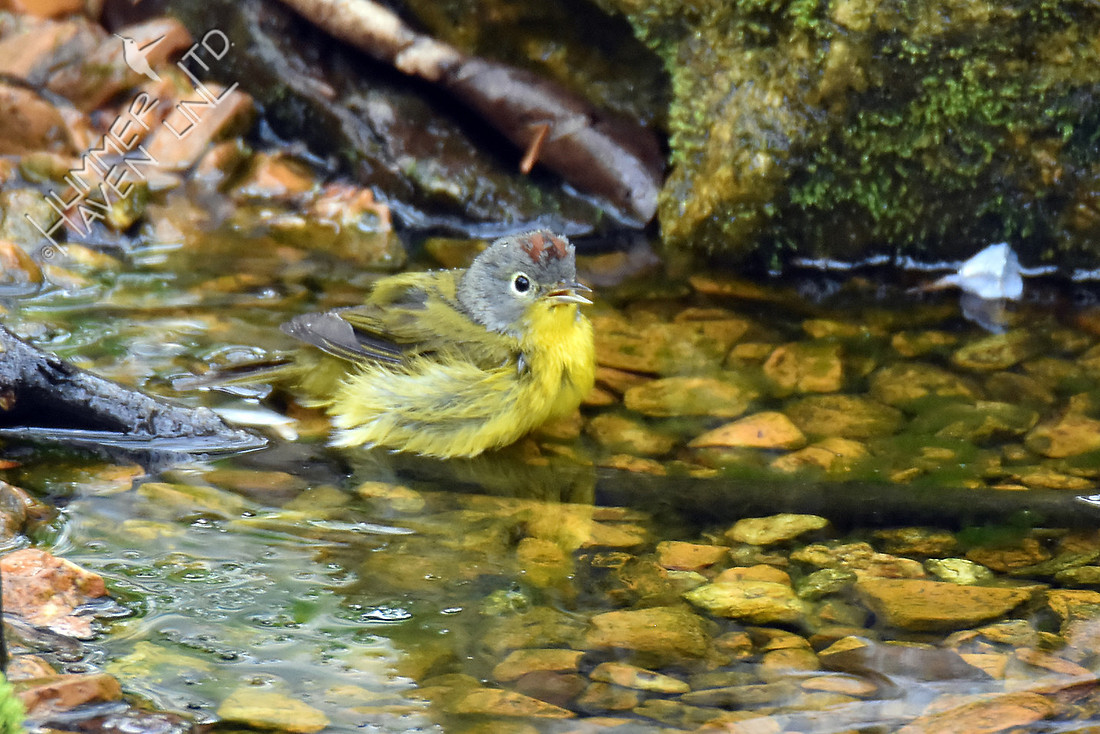
To see all the photos of birds from the last week: Birds since 4-9-17
To see more butterflies and insects: Butterflies since 4-9-17
Finches, thrushes and kinglets, oh my! 4-8-17
It has been an interesting few days here. Wednesday morning was rainy and I returned from errands to have a bit of lunch. As I got up to take my plate to the sink, I saw a male Purple Finch in a Rough-leaf Dogwood near the feeder! It was the first one I had seen since January 1, 2016. It flew before I could get a photo but I hoped it would come back. About 15 minutes later, I spotted this Hermit Thrush in the woods. Both birds were new for the year.

The Purple Finch did return to the feeder and we were able to enjoy this beauty as it took turns with other birds.


The next nice surprise of the day was a moth, a Nessus Sphinx (Amphion floridensis). It is quite a small moth (wingspan 1 7/16") and it was nectaring at the Virginia Bluebells (Mertensia virginica).

It's always fun to see something new in your own garden! After consulting with some knowledgeable friends, I learned that this is one of the first sphinx moths to emerge each year, it's a bit smaller than the Hummingbird Clearwing and a full inch smaller than the White-lined Sphinx. Those I will typically see in the garden in the summer. To learn more about this moth, take a look here: Nessus Sphinx
First thing on Thursday morning there were two male Purple Finches waiting to get to the feeder!


They left and a few hours later, there was a single male that was soon followed by a female. This is the first time I have ever had both sexes of this species here on the same day! Perhaps they are a breeding pair.


We are still in a time of transition and early migration. This Brown Creeper came in briefly to look for food.

American Goldfinches are now in nearly complete breeding plumage.

On Friday, April 7, there was still one male Purple Finch here most of the day.


One unusual sighting that same day was this female Yellow-bellied Sapsucker with an atypical black crown, not red. It may be melanistic. I photographed this same bird last year. Here is the link to that photo which will open in a new tab: Yellow-bellied Sapsucker black crown

A pair of Eastern Phoebes are being seen in the yard and this one was fly-catching on Friday.

On Saturday, April 8, there was not much activity at the feeders or the Bubbler but the Sugar Maple (Acer saccharum) in front was buzzing with birds. Golden-crowned and Ruby-crowned Kinglets were foraging for tiny caterpillars in the newly emerging leaf clusters. A Carolina Chickadee soon joined in the feast. Golden-crowned Kinglets were seen first.


Ruby-crowned Kinglets were next. It was getting breezy.


And, of course, the Carolina Chickadees probably have nestlings by now. It was a feeding frenzy as these birds moved among the branches!


To see all of the photos since the last post, start here: Birds since 3/28/17
New arrivals as of 3/27/17
By tomorrow, we will have gained three hours of daylight since the Winter Solstice on December 21. I had not kept track before and it is interesting to me that there is that much of a difference. Birdsong is strengthening, the dawn chorus seems to start earlier each day.
A solitary Rusty Blackbird came in to forage on Tuesday, March 21. I wonder where the larger flocks are that we used to see. This is the second time this year that I've seen a single bird, the first of the year was on Tuesday, January 3, when one visited the Bubbler. (seen in second photo) It is possibly the same bird now getting its darker breeding plumage.


On Friday, March 24, I had been watching a Song Sparrow under the feeders in back when another bird popped up onto a log. Ah, it was the first Swamp Sparrow of the year with his rufous wings and crown stripes, olive gray nape and face. It didn't stick around long so I was glad to confirm it.

A couple different Cooper's Hawks have been spending time in the neighborhood which really cuts down on activity. Birds don't poke a beak out of hiding when they're around. They are most efficient hunters and dispatch their prey quickly. On Friday, March 10, I found this forensic evidence below the feeder. It's a dead give-away that the meal was Mourning Dove.

The very next day, Saturday, March 11, the Bubbler Cam caught this hawk going after another dove, which escaped with its life.

On Friday afternoon, March 24, this adult Cooper's Hawk was wary while it bathed in the basin of the pond. I was somewhat hidden from the bird's view, but it seemed to sense my presence.


We got some much needed rain on Saturday, March 25, and then the sun peeked out which of course, spurred interest in getting a good bath. This is one of the brighter Northern Cardinal females.

One of the three White-throated Sparrows that were here that day decided to join in.


Eastern Phoebes arrived earlier this month and finally this morning, I was able to photograph one while it was fly-catching in the rain. It perched briefly in a Spicebush (Lindera benzoin) before giving a good shake of its head and flying off.

It's finally here! Signs of Spring 3-20-17
This mercurial month has finally given way to Spring. We have been watching the daily changes in the American Goldfinches, their plumage transitioning to brighter hues of yellow even as snowflakes fell.


The birds took the snow in stride as the temperature plummeted to 13.3 degrees here on Wednesday, 3-13-17. This Tufted Titmouse made frequent trips to the feeders.

By the next morning, the little bird was singing loud and clear, "Peter, Peter, Peter!" What a difference a day makes.

These two Carolina Wrens have not only been singing, but have been seen in locked combat over territorial rights to the woodland. We may have two families of wrens if they can negotiate a truce.


The busiest season of the year has begun for nesting birds. One Carolina Chickadee was bathing when suddenly its mate brought a morsel of moth to strengthen the little bird for the duties ahead. This pair-bonding behavior is another sign of Spring!


Two Brown Creepers came in together on 3-16-17 looking for food on different trees.


Hormones are surging as temperatures warm again, and birds are getting testy about bathing rights, too. Males want to look their best. After a quick bath, the chickadee is chased out by the robin. So, it puffs up to gather courage and reclaim some space in the basin.


There are birds larger than robins looking for nesting materials. A pair of American Crows have started a nest in a pine tree a couple yards to the west. One of the crows came in to find some sticks and tugged on a small tree. Better luck next time.


Our native plants are tough when it comes to surviving such temperature swings. The Golden Currant (Ribes odoratum) is a good example. Here it is before and after the hard freeze.


It has been nice to be outside weeding while the fragrance of this beautiful shrub wafts my way. Happy Spring!
Avian Spring has begun!
Avian Spring has begun!
March 1 - April 30
The birds know that it's spring and we can tell from their behavior. Birdsong has intensified, more species are seen together in pairs and nesting has begun for some. The Barred Owls have been heard calling to each other, but I've not seen them roosting together since last week. One pair of Carolina Wrens has begun a nest under the deck and the Carolina Chickadees have claimed the tubular nest box again. Dan put it up on the pole on Tuesday, 2/28 in the afternoon. Immediately, they chattered at him and were very excited. One of the chickadees took a look and called to its mate.

Of course, all the excitement attracted other birds. This pair of Eurasian Tree Sparrows checked it out and were reluctant to leave even though they cannot fit through the hole to get in.

The White-breasted Nuthatches came down the next morning to investigate. The second bird is in the upper left corner on a tree, out of focus.

Finally, the other birds left the pair alone long enough that they could begin their work. Dan had filled the tube up to the entrance hole with fresh cedar shavings. Part of the bonding process for these birds is to work together to excavate their nest. They show their commitment to raising their family by beginning in this way.

So, one bird in, one bird out, mouthful by mouthful they work together to remove the cedar shavings. It's a well-coordinated dance to a natural rhythm and it's truly a joy to behold. They check for predators, then carry the shavings off in different directions so as not to leave a clue that this is where their chicks will soon be. This gets them in prime condition for the many trips they will make to carry food to their young.


Yesterday, the chickadees were disrupted again by the Eurasian Tree Sparrows. This one was not happy, but finally the pair resumed their activity after eating, bathing and just waiting them out.

We also enjoyed watching one of the Mourning Doves doing water ballet in the basin on Monday.

Tuesday morning, another male Eastern Towhee was in the woodland. It stayed low in the leaf litter, foraging.

Briefly, it popped out into the early morning sunshine.


To see all the photos from the last week and a video of the Eastern Towhee at the Bubbler, begin here: Birds 3/1 thru 3/7
For another video of the herd of deer that came through early in the morning on 3/3, look here: Deer 3/3/17